Deli Arepa Food
Deli Arepa Food sits on Sarmiento in Godoy Cruz, bringing the Venezuelan staple of the arepa into the heart of Mendoza's most densely populated urban municipality. In a province defined by wine-country dining and parrilla culture, this spot represents a distinct strand of South American street food that draws on corn-based tradition rather than the beef-forward canon. It occupies a different register entirely from the region's cellar-door restaurants and steakhouses.
Pearl is the En Primeur Club membership app — saves, bookings, and concierge access live there. Same editors, same standards.
- Address
- Sarmiento 24, M5504 Godoy Cruz, Mendoza, Argentina
- Phone
- +542613062911
- Website
- sites.google.com
- Directions
- Get directions
 Saves & bookings on Pearl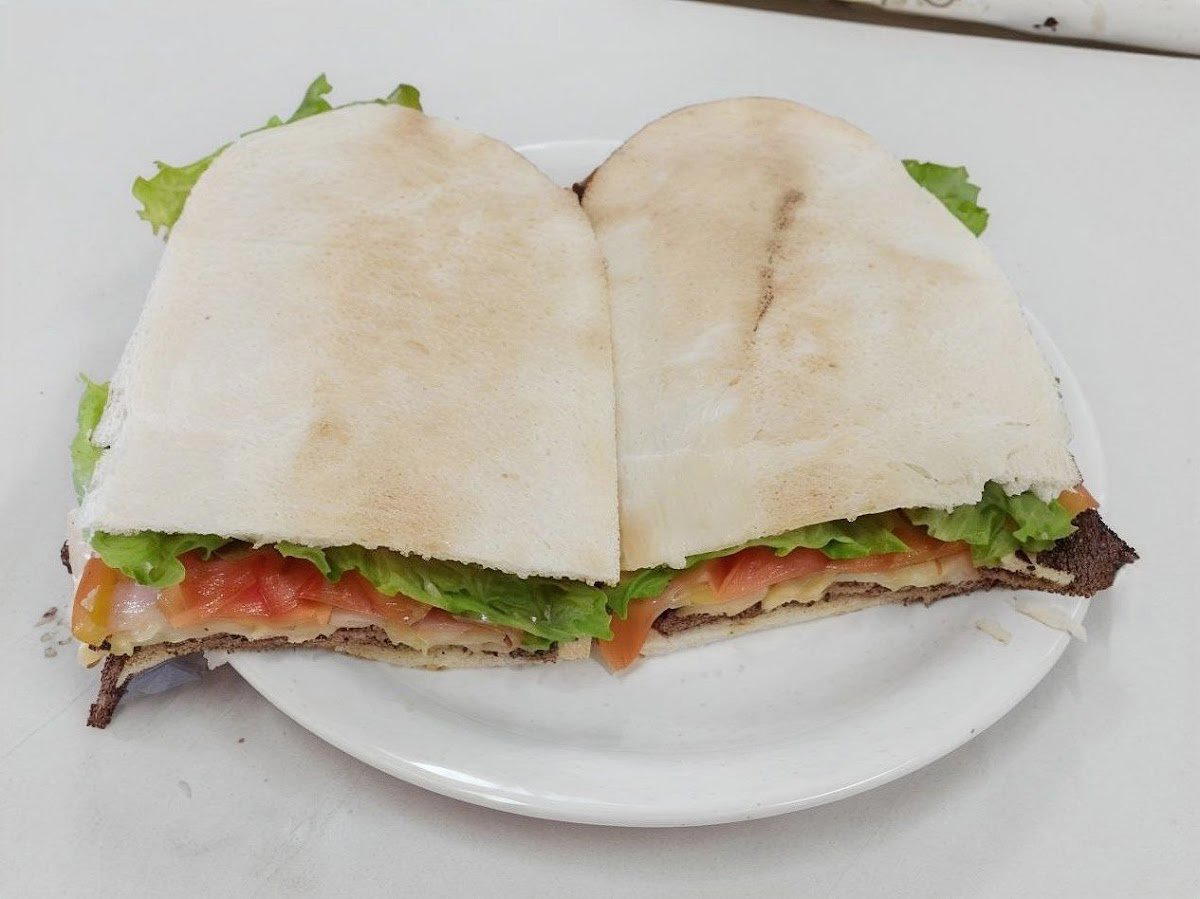
Street Food Roots in a Wine Country City
Godoy Cruz sits directly south of Mendoza city, separated more by municipal boundary than by character. Its main arteries carry the same mix of working locals and passing visitors as the provincial capital, but the dining scene skews more neighbourhood than destination. The stretch around Sarmiento concentrates that everyday quality: small storefronts, casual lunch spots, and the kind of places where you eat because you're hungry, not because you've made a reservation three months out. Deli Arepa Food occupies that register at Sarmiento 24.
Arepas are not a Mendocino invention. The corn-flour disc has been the backbone of Venezuelan and Colombian street eating for centuries, predating the Spanish colonial period by a considerable stretch. Masa made from precooked white or yellow cornmeal, pressed flat and cooked on a budare or griddle, then split and filled: the architecture is simple, the variables are in the filling and the hand behind it. What makes the format travel well is precisely that simplicity. It doesn't require the supply chains that sustain a parilla at scale, and it adapts to whatever protein, cheese, or vegetable the local market offers.
The Arepa in an Argentine Context
Argentina's food culture has historically been defined by the parrilla, the empanada, and more recently by the tasting-menu boom driven by chefs who trained in Europe or under figures like Francis Mallmann. Venues such as Don Julio in Buenos Aires operate at the apex of the beef tradition, while the creative end is represented by restaurants pushing modern Argentine cuisine in formats closer to what you'd find in Copenhagen or Tokyo. Neither end of that spectrum has much to do with the arepa.
The arepa's presence in Argentina is largely a product of Venezuelan migration, which accelerated significantly through the 2010s. Across Buenos Aires and into provincial cities like Mendoza and Godoy Cruz, small Venezuelan-owned spots began serving the format to both expat communities and curious locals. In Mendoza specifically, where the dining conversation is often dominated by wine-pairing menus at estates like Cavas Wine Lodge in Alto Agrelo or the cellar-restaurant experiences at Entre Cielos Luxury Wine Hotel and Spa in Lujan du Cuyo, a direct arepa counter represents a deliberate step sideways from wine-country programming.
For a broader picture of where this kind of spot fits within Godoy Cruz's eating options, our full Godoy Cruz restaurants guide maps the neighbourhood by format and price tier.
Ingredient Logic and the Corn-Based Tradition
The editorial angle that matters here is sourcing and format. The arepa depends on two things above everything else: the quality of the masa and the filling. Precooked cornmeal, most associated with the Venezuelan brand Harina P.A.N. is the standard base. It requires no nixtamalization and produces a dough that cooks quickly and holds a filling without becoming dense. The question for any arepa spot operating outside Venezuela or Colombia is where the additional ingredients come from and how they interact with the base.
Mendoza Province is not short of raw material. The region produces tomatoes, peppers, onions, and stone fruit at scale, and its cattle and cheese supply is well-established. A well-run arepa kitchen in Godoy Cruz has access to the same provincial market that supplies the broader restaurant sector. The arepa format, unlike a complicated tasting menu, can absorb local Mendocino produce without requiring that the dish abandon its identity. Shredded beef, reina pepiada-style chicken with avocado, or simple cheese fills translate easily to locally sourced variants. This adaptability is what has allowed the format to establish itself across South American cities with very different agricultural contexts.
Compare this with the more rigid sourcing requirements of, say, a Patagonian-focused kitchen like EOLO in El Calafate, where the menu is anchored to a specific regional terroir, or a gaucho-tradition restaurant like Los Talas del Entrerriano in General San Martin, where the cut and the fire are the story. The arepa operates differently: it's a carrier format that takes on the character of its fillings, which in turn take on the character of wherever it's made.
Where It Sits in the Mendoza Dining Picture
Mendoza's premium dining tier is concentrated in the wine estates and a handful of city-centre restaurants. Azafrán in Mendoza represents the kind of urban fine dining that draws on the province's wine and produce identity. Further out, estate restaurants at properties like Agrelo in Lujan de Cuyo and Chacras de Coria in Las Heras pitch to visitors making a day of wine touring. Deli Arepa Food operates at a different scale and serves a different purpose: it's a neighbourhood lunch or quick dinner stop in a working-class Godoy Cruz street, not a destination booking.
That positioning is not a liability. Across Argentina's cities, the most interesting food shifts of the past decade have often come not from tasting menus but from informal spots where migrant communities establish formats that the broader dining culture eventually absorbs. The trajectory is visible in Buenos Aires at spots like El Preferido de Palermo style traditional Argentine spots that once seemed niche and are now reference points. The arepa is earlier in that curve in Mendoza.
Planning a Visit
Deli Arepa Food is at Sarmiento 24 in Godoy Cruz, M5504, Mendoza Province. The address is walkable from the centre of Godoy Cruz and reachable by bus or taxi from Mendoza city without significant transit time. Because no website or booking contact appears in the public record, the practical approach is to visit in person during standard lunch or early dinner hours. Spots of this format in Argentine cities typically operate through peak midday trade. Pricing for arepa-format restaurants across the region runs well below the wine-estate lunch tier, making it accessible across most travel budgets. For those spending time across the province and looking for higher-end comparisons, the editorial context is wider: properties like La Table de House of Jasmines in La Merced Chica or the culinary programming at Las Balsas Restaurant in Villa La Angostura represent the opposite end of the Argentine dining register.
How Deli Arepa Food Godoy Cruz compares with similar nearby venues.
| Venue | Cuisine | Price |
|---|---|---|
| 1884 Francis Mallmann | Argentinian Steakhouse, Traditional Cuisine | $$$$ |
Continue exploring
More in Godoy Cruz
Restaurants in Godoy Cruz
Browse all →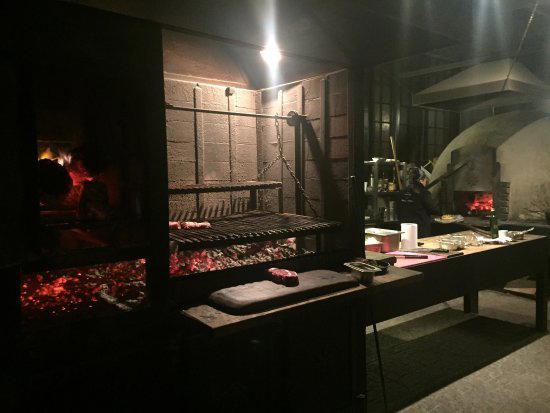
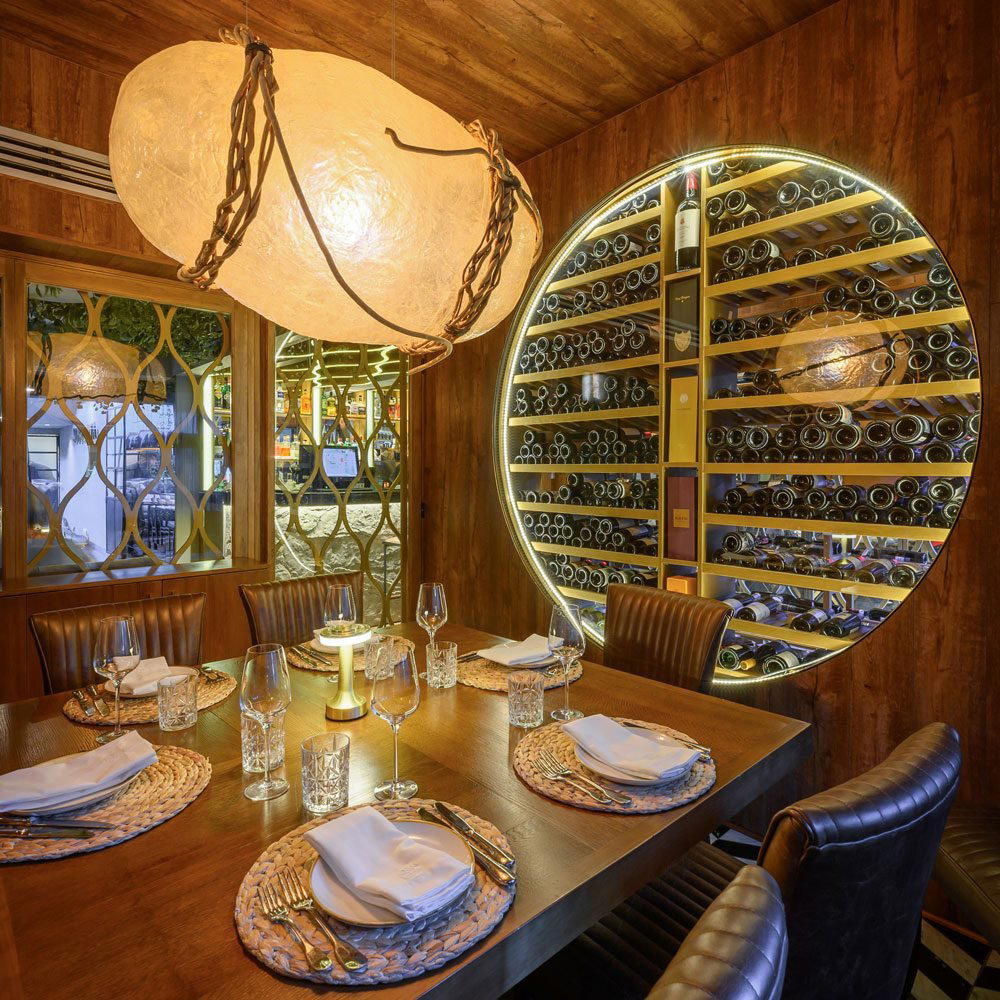
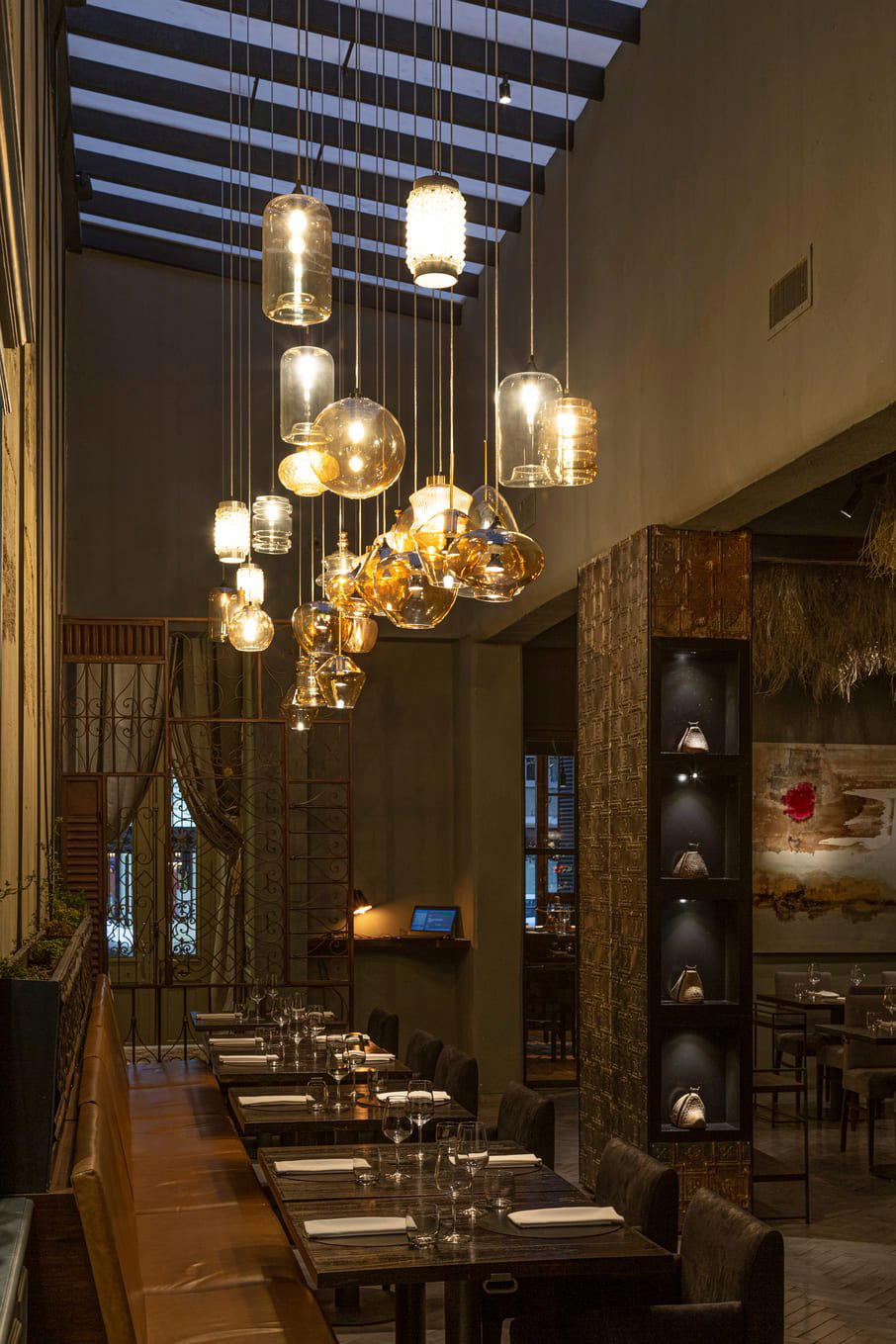
Bars in Godoy Cruz
Browse all →

Hotels in Godoy Cruz
Browse all →

At a Glance
- Cozy
- Casual
- Bohemian
- Casual Hangout
- Solo
- Family
- Brunch
- Standalone
Current opening hours
- Monday
- 11:30 AM–2:30 PM, 7:30–11:30 PM
- Tuesday
- 11:30 AM–2:30 PM, 7:30–11:30 PM
- Wednesday
- 11:30 AM–2:30 PM, 7:30–11:30 PM
- Thursday
- 11:30 AM–2:30 PM, 7:30–11:30 PM
- Friday
- 11:30 AM–2:30 PM, 7:30–11:30 PM
- Saturday
- 11:30 AM–2:30 PM, 7:30–11:30 PM
- Sunday
- 11:30 AM–2:30 PM, 7:30–11:30 PM
Hours can change for holidays and private events. Last verified .
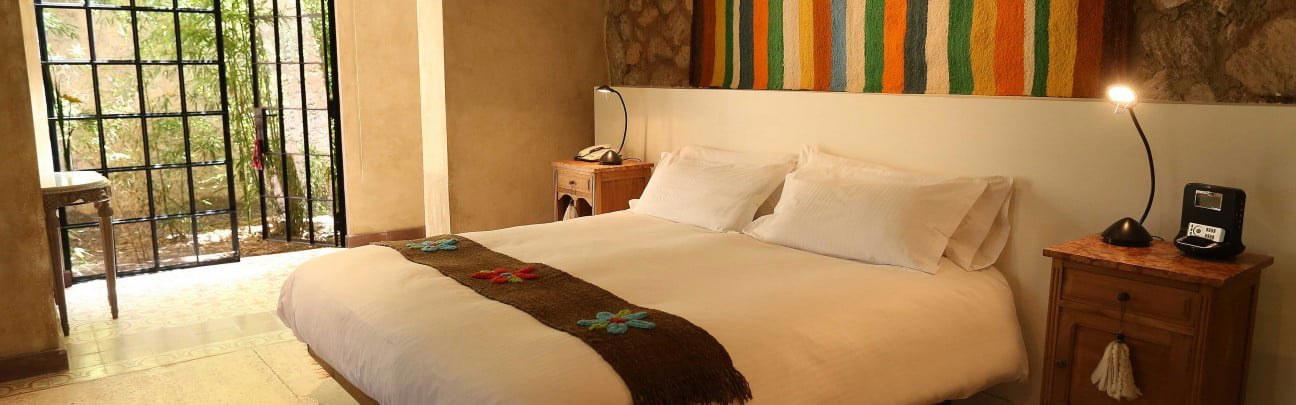
Warm, well-decorated intimate space with pleasant lighting and a welcoming atmosphere; described by guests as beautifully decorated with a lovely, calm vibe.
Know Before You Go
- Getting there
- Sarmiento 24, M5504 Godoy Cruz, Mendoza, Argentina