



Azafrán began as a deli on Avenida Sarmiento and evolved into one of Mendoza's most serious modern Argentine restaurants, earning consecutive Michelin Stars in 2024 and 2025 and a place on Latin America's 50 Best extended list. Under Chef Sebastian Weigandt, the menu reads as a considered argument for regional ingredients paired against a cellar that anchors the entire dining proposition.
Pearl is the En Primeur Club membership app — saves, bookings, and concierge access live there. Same editors, same standards.
- Address
- Av. Sarmiento 765, M5500 Mendoza, Argentina
- Phone
- +54 261 533-4999
- Website
- azafranresto.com
- Directions
- Get directions
 Saves & bookings on Pearl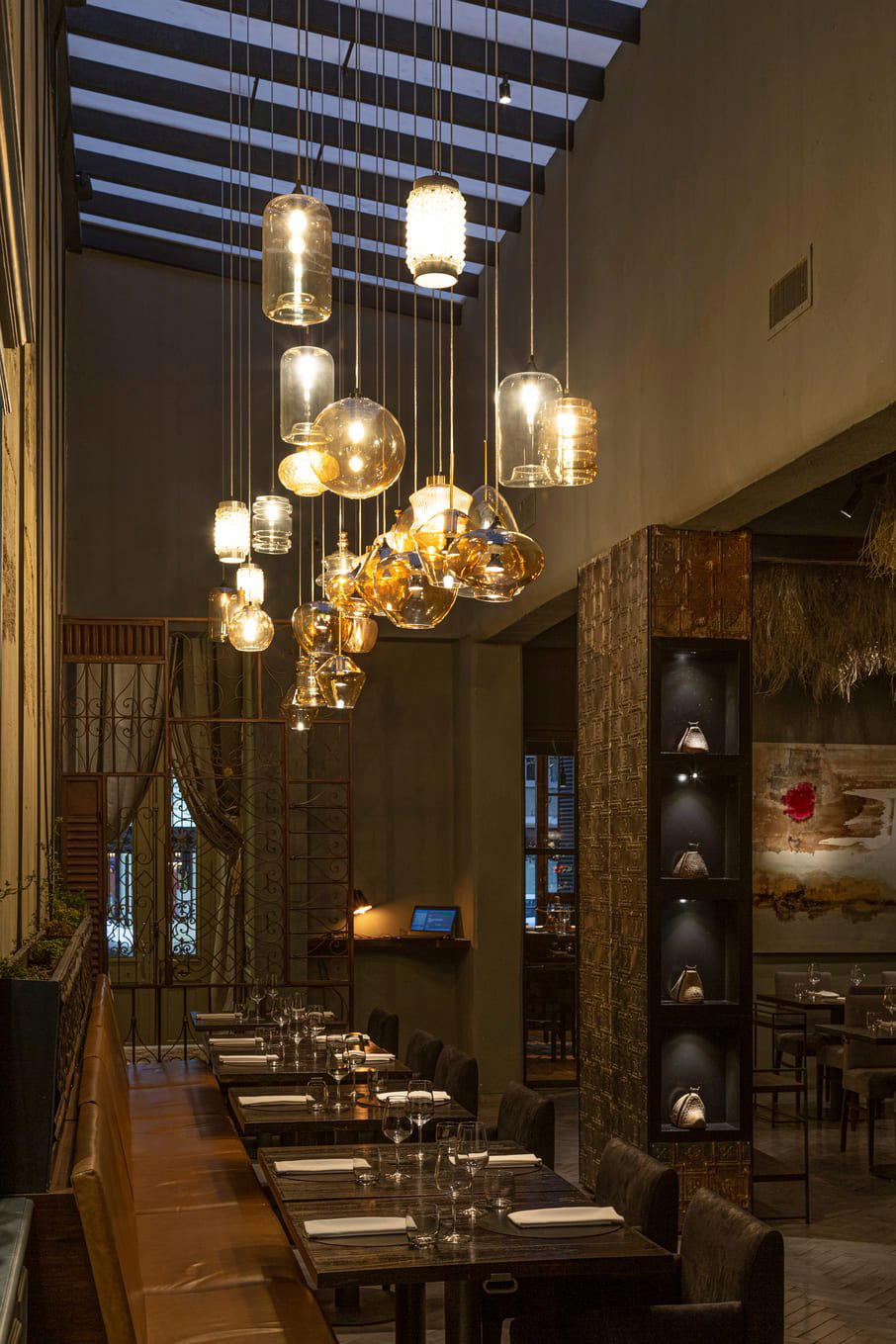
A Cellar at the Front, a Statement at the Table
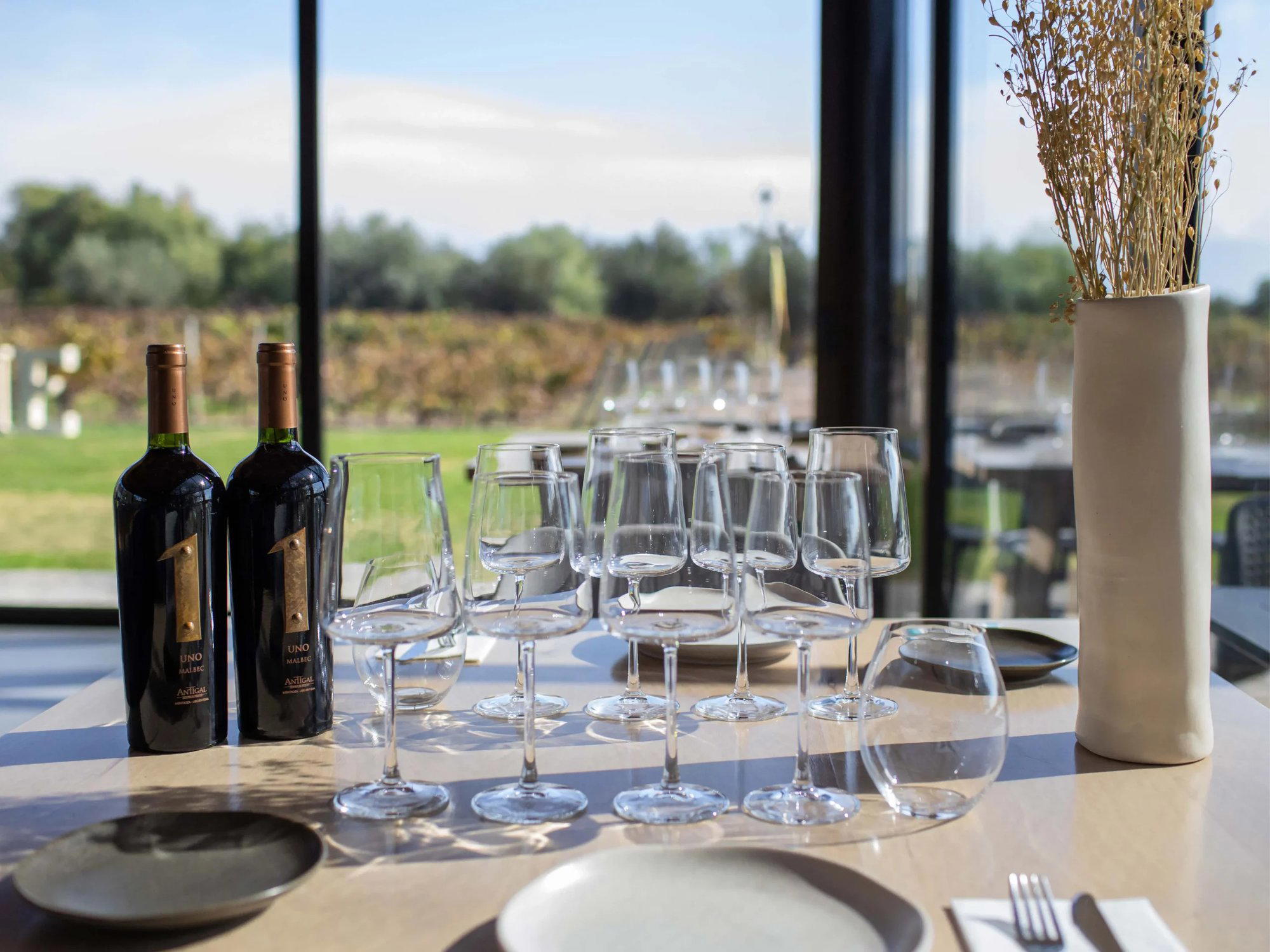
Azafrán is a one-star restaurant in Mendoza serving modern Argentine fine dining at a $$$$ price tier. On Avenida Sarmiento, before you reach the dining room, you pass the wine cellar. It sits at the front of Azafrán, glass-fronted and deliberately visible, and it tells you exactly what kind of restaurant this is going to be. In most fine-dining rooms the wine service is a supporting act; here it is framed as architecture, a structural element of the space as much as the tables themselves. That choice of placement is not incidental. Mendoza's premium dining scene has always been inseparable from its wine culture, and Angélica Cocina Maestra and Casa Vigil each make their own arguments for how kitchen and cellar should coexist. Azafrán's answer is to put the cellar on display before the food begins.
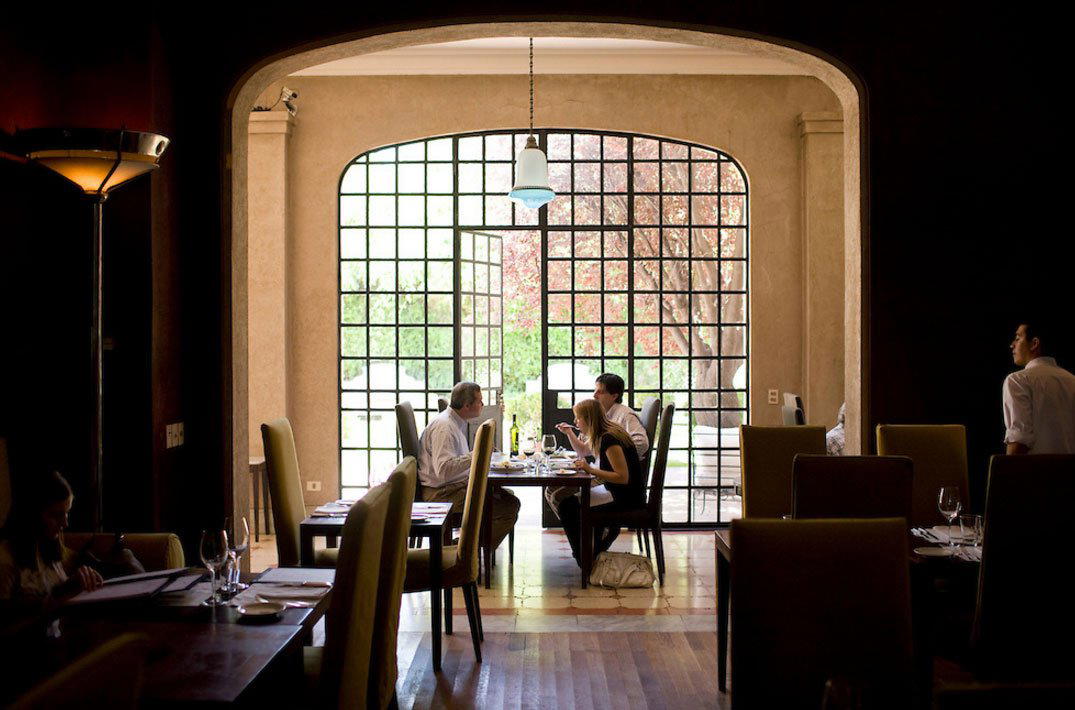
The room beyond carries the same logic of restraint made visible. The atmosphere runs toward the sophisticated rather than the theatrical: a setting that does not need to announce itself because the accumulated detail does the work. For a city that sits at the eastern foot of the Andes at roughly 750 metres above sea level, with afternoon light that arrives at a particular angle through the western ranges, the dining experience here is grounded in place in ways that go beyond menu language.
From Deli Origins to Michelin Recognition
Azafrán's trajectory is worth understanding because it shapes the menu's sensibility. The restaurant began as a deli-meets-casual dining operation before evolving into what it is today: a modern Argentine destination that earned a Michelin Star in 2024 and 2025, making it one of a small cohort of Mendoza restaurants to hold that recognition in consecutive years.
Within Mendoza's current Michelin-starred tier, the competition is specific. Brindillas operates at a slightly lower price point (the $$$-versus-$$$$ distinction matters for how menus are architected). Riccitelli Bistró sits in the seasonal-cuisine space at $$$. Angélica Cocina Maestra and Casa Vigil, both at $$$$, represent the creative and contemporary arms of the same premium bracket. Azafrán's placement in this set, with a Latin America's 50 Best extended-list ranking at No. 97, signals that it competes not just locally but within the wider South American conversation about what modern Argentine cooking can be.
Menu Architecture: What the Structure Reveals
Modern Argentine cuisine, at this price tier, has moved well past the asado-and-Malbec default. The menu at Azafrán operates as an argument: that regional ingredients from Cuyo, the wine country that surrounds Mendoza, can be handled with the same technical precision applied to European fine-dining produce, and that the province's wine heritage is not a backdrop but an active ingredient in how dishes are conceived and sequenced.
Under Chef Sebastian Weigandt, the menu's architecture reflects the restaurant's origin story. A deli that became a restaurant tends to keep some of its respect for produce in its raw or lightly transformed state. That sensibility, when applied to a fine-dining format, produces menus where the integrity of the ingredient is the point rather than the technique used to obscure or transform it. This approach aligns Azafrán with a broader movement in South American fine dining, visible at restaurants like Don Julio in Buenos Aires, where the sourcing argument is central to the menu's identity.
Wine pairing at this level in Mendoza is not simply a sommelier service add-on. The visible cellar at the room's entrance signals that the pairing is conceived as part of the menu architecture itself, not appended after the fact. For a city where wineries like those behind Martino Wines and La Vid at Bodega Norton operate their own dining programs, a city-centre restaurant needs to make a serious cellar argument to compete. Azafrán's front-of-house wine display is part of that answer.
Modern Argentine Fine Dining is a positioning signal. Modern Cuisine at this level tends to mean a classical technical foundation expressed through regional produce and contemporary plating sensibility, rather than the more experimental or deconstruction-forward approaches that Creative or Contemporary labels sometimes imply. It places Azafrán in a legible tradition: serious cooking, Mendoza ingredients, wine-first thinking.
Where Azafrán Sits in the South American Dining Circuit
Argentina's fine-dining geography has a clear centre of gravity in Buenos Aires, with a small number of provincial restaurants that have earned serious recognition. Mendoza is particularly credible of those provincial outposts, partly because its wine identity gives visiting international travellers an existing reason to be there, and partly because a critical mass of serious restaurants has now formed. Azafrán's No. 97 ranking on the Latin America's 50 Best extended list places it in a comparable set that includes restaurants in São Paulo, Lima, Mexico City, and Santiago, cities with much larger restaurant markets. That ranking is a meaningful data point about where the Mendoza fine-dining offer sits relative to the continent.
Cavas Wine Lodge in Alto Agrelo offers a wine-country dining experience within the greater Mendoza region at a different format and setting. Awasi Iguazu and EOLO in El Calafate represent the lodge-dining model in other regions. La Bamba de Areco and El Colibri in Santa Catalina work a different register entirely. Within the modern-cuisine fine-dining tier specifically, particularly direct international comparisons would be restaurants like Frantzén in Stockholm or FZN by Björn Frantzén in Dubai, both operating at the level of technical ambition and cellar integration that Azafrán's positioning suggests.
Planning a Visit
Azafrán sits at Av. Sarmiento 765, in central Mendoza, accessible on foot from the main hotel zone around the city's park district. The $$$$ price tier positions it at the summit of the city's restaurant market, in line with Angélica Cocina Maestra and Casa Vigil, so budget accordingly for a full dinner with wine pairing.
For travellers spending more time in the region,
How It Stacks Up
Comparable venues nearby, for context on price, style, and recognition.
| Venue | Cuisine | Price | Awards | Notes |
|---|---|---|---|---|
| AzafránThis venue — the venue you are viewing | Modern Argentine Fine Dining | $$$$ | Michelin 1 Star | Not listed |
| 1884 Francis Mallmann | Argentine Parrilla & Traditional Grilled Cuisine | $$$$ | Michelin Plate, World's 50 Best #7 | Godoy Cruz |
| Casa Vigil | Modern Argentinian Fine Dining | $$$$ | Michelin 1 Star | Chachingo, Maipú |
| Zonda Cocina de Paisaje | Traditional Argentine Creative Fine Dining | $$$$ | Michelin 1 Star | Luján de Cuyo |
| Riccitelli Bistró | Farm-to-Table Argentine with Vegetable Focus | $$$ | Michelin 1 Star | Las Compuertas, Luján de Cuyo |
| Angélica Cocina Maestra | Modern Argentine Fine Dining | $$$$ | Michelin 1 Star | Luján de Cuyo |
Recognition history
Dated appearances from independent guides and award organizations, with the underlying list record or original source where available.
Michelin 1 Star
Michelin
Star Wine List
Star Wine List
Michelin 1 Star
Michelin
The Best Chef One Knife
The Best Chef
World's 50 Best Latin America's Best Restaurants #97
World's 50 Best
Michelin 1 Star
Michelin
Continue exploring
More in Mendoza
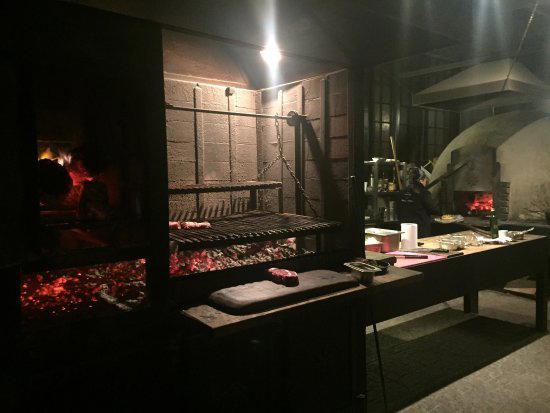
Restaurants in Mendoza
Browse all →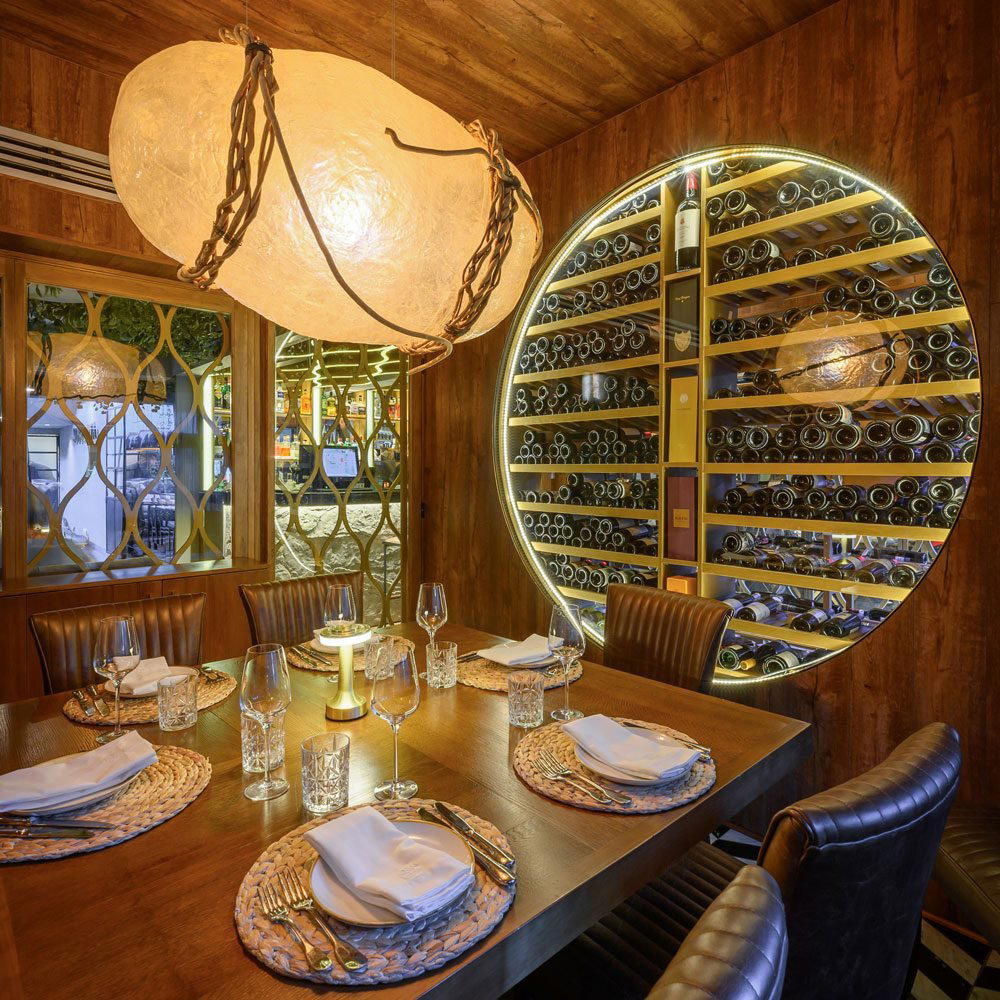
Bars in Mendoza
Browse all →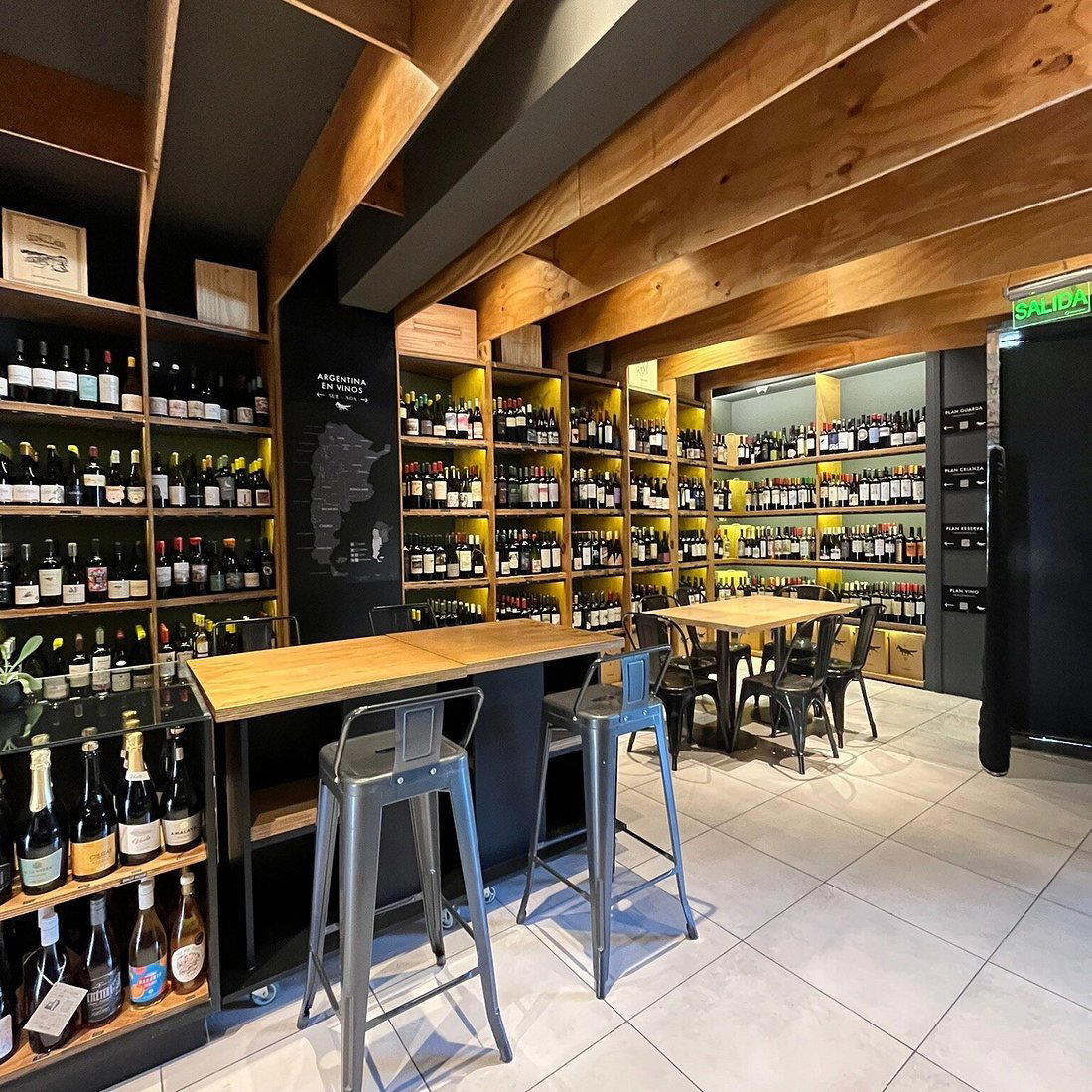
Hotels in Mendoza
Browse all →
At a Glance
- Intimate
- Elegant
- Sophisticated
- Special Occasion
- Date Night
- Wine Cellar
- Extensive Wine List
- Sommelier Led
- Local Sourcing
Current opening hours
- Monday
- 7–11 PM
- Tuesday
- 7–11 PM
- Wednesday
- 7–11 PM
- Thursday
- 7–11 PM
- Friday
- 7–11 PM
- Saturday
- 7–11 PM
- Sunday
- Closed
Hours can change for holidays and private events. Last verified .
Cozy, refined atmosphere with sophisticated lighting and discreet, intimate dining space.