Kaia Omakase Nikkei Experience
Kaia Omakase Nikkei Experience brings the Nikkei culinary tradition, rooted in the intersection of Japanese technique and South American ingredients, to Pilar's Villa Rosa district. The format is omakase, meaning the kitchen drives every decision, placing sourcing and sequence at the centre of the meal. For the Buenos Aires metropolitan area, it occupies an unusual position in a dining scene otherwise dominated by the asado tradition.
Pearl is the En Primeur Club membership app — saves, bookings, and concierge access live there. Same editors, same standards.
- Address
- Pisco 122, B1629 Pilar, Provincia de Buenos Aires, Argentina
- Phone
- +541133250728
- Website
- kaiasushi.com.ar
- Directions
- Get directions
 Saves & bookings on Pearl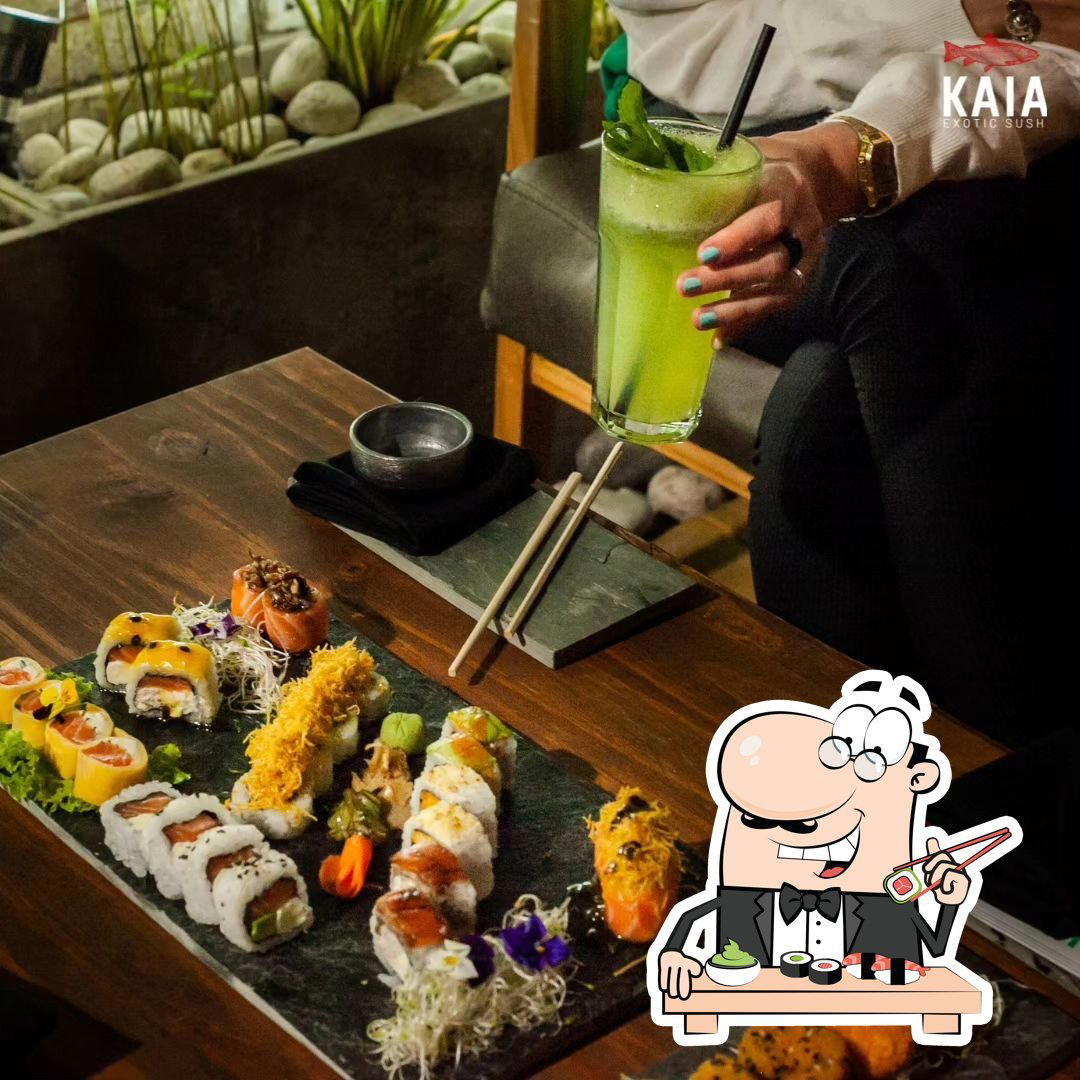
Where Nikkei Lands Outside Buenos Aires
Argentina's dining conversation tends to cluster around the capital or the wine country of Mendoza, where places like Azafrán in Mendoza and Casa Vigil in Villa Seca anchor serious culinary reputations. The greater Buenos Aires metropolitan belt, the ring of partido districts stretching northwest toward Pilar, rarely enters that conversation on its own terms. Kaia Omakase Nikkei Experience, at Pisco 122 in Villa Rosa, is an exception worth noting precisely because of that context: omakase-format Nikkei dining outside the capital proper is still uncommon.
Nikkei cuisine itself carries a specific historical weight in South America. The Japanese immigrant communities that arrived in Peru starting in the late nineteenth century developed a cooking tradition that grafted Japanese precision and restraint onto the biodiversity of South American produce and coastal seafood. That tradition crossed borders over decades, and its more refined contemporary expressions now appear in high-end tasting formats across Lima, São Paulo, and Buenos Aires. Placing an omakase Nikkei experience in the Pilar corridor, a suburban zone known more for country clubs and residential developments than fine dining destinations, is a deliberate positioning choice, and the format signals the intent clearly.
The Logic of Omakase in This Context
Omakase, as a format, transfers full editorial control to the kitchen. There is no menu to parse, no à la carte negotiation. The kitchen decides what arrives, in what sequence, and in what portion. That structure works particularly well for Nikkei cuisine because the Nikkei approach is inherently about dialogue between two culinary traditions, Japanese technique applied to South American raw material, and that dialogue is leading communicated when the kitchen controls the narrative arc of the meal. A diner ordering individually from a Nikkei list will not experience the same logic of progression that a sequenced omakase delivers.
For context on how this format operates at its more recognised international expressions, Atomix in New York City demonstrates how a tasting-format with deep cultural grounding can operate at significant critical recognition, while Le Bernardin in New York City shows the sustained discipline a seafood-centred tasting format requires over decades. Kaia operates in a different register and at a different scale, but the format comparison is instructive for understanding what the omakase commitment asks of both kitchen and guest.
Ingredient Sourcing as the Argument
The Nikkei tradition's continuing relevance as a fine dining format rests substantially on the sourcing argument. Japanese technique, precision cutting, temperature control, minimal intervention on quality raw material, produces its clearest results when the underlying product is worth the attention. In Argentina, that case is easier to make than in many countries. The Pampas produce beef that sets a global reference point, as Don Julio in Buenos Aires has spent decades demonstrating. The Atlantic coast around Patagonia yields fish and shellfish of real quality. The horticultural production around Greater Buenos Aires, including the periurban farming belt that supplies the capital, means that vegetable and herb quality is available at a granularity that rewards technique-led cooking.
Nikkei cuisine, applied to Argentine sourcing, is an exercise in asking what Japanese method does to South American raw material, whether the acidity of a leche de tigre sharpens a local fish differently than a Peruvian corvina, whether the cold-water species of the South Atlantic respond to Japanese curing and marination in ways that their Pacific counterparts do. Those questions are not rhetorical. They are the substance of what a kitchen taking this format seriously should be working through. The positioning of Kaia at Pisco 122 in Villa Rosa, accessible from Pilar and the broader northwestern suburban belt, places that conversation in a geography where it has not had an established presence.
Comparable suburban and secondary-city dining experiments across Argentina, from Don Giovanni Ristorante in Presidente Derqui, also in the Pilar zone, to Los Talas del Entrerriano in General San Martin, show that the metropolitan periphery is absorbing dining formats that would have been capital-exclusive a decade ago. Kaia reads as part of that pattern, but with a more technically specific format than most of its geographic neighbours.
The Scene at Villa Rosa
Villa Rosa is a small locality within the Pilar partido, northeast of the Pilar town centre. The area is low-density and largely residential, with the characteristic built environment of the Buenos Aires exurban belt: private urbanizaciones, wide streets with little foot traffic, and dining options that function primarily as destinations rather than walk-in casual stops. Arriving at a venue like Kaia in this context is different from arriving at an omakase counter in Palermo or San Telmo. The surrounding silence and spatial calm are part of the experience. There is no ambient street life to compete with the meal.
That physical context tends to work in a tasting-format restaurant's favour. Omakase dining asks for attention, and the suburban setting removes the distractions of a city dining district. The tradeoff is that it demands a committed journey from Buenos Aires proper, which filters the diner profile toward those already invested in the format. For reference on what serious culinary destination travel looks like at a larger scale in Argentina, Angélica Cocina Maestra in Agrelo and Bodega Caelum in Lujan De Cuyo in Mendoza show how destination dining outside urban centres functions when the format justifies the trip.
Planning Your Visit
Visitors from Buenos Aires travelling to Villa Rosa should plan for a drive of roughly 50 to 60 kilometres northwest of the capital, depending on origin point and traffic on Ruta 8 or the Acceso Norte. The Pilar corridor is not served by conventional urban transit in a way that makes the journey practical without a vehicle or remis. Given the omakase format, arriving without a confirmed reservation would be inadvisable, the kitchen sequences a fixed number of covers, and walk-in access at that format is structurally unlikely. Reservations are essential.
For those building a broader Buenos Aires metropolitan dining itinerary, the Pilar zone also offers Don Giovanni Ristorante in Presidente Derqui for Italian-leaning dining, and the capital itself provides the full range, from the open-fire tradition at Don Julio to the broader Argentine regional picture accessible through guides to places like Califa in Santiago Del Estero and Alto el Fuego in Bariloche.
Comparable Spots, Quickly
Comparable venues nearby, for context on price, style, and recognition.
| Venue | Cuisine | Price | Notes |
|---|---|---|---|
| Kaia Omakase Nikkei ExperienceThis venue — the venue you are viewing | Nikkei Omakase | $$$$ | Not listed |
| Don Giovanni Ristorante | Italian | $$$$ | Presidente Derqui |
| Milion | Polished Argentine Cuisine | $$$ | Centro |
| Kiba Burger | Smash Burger | $$$ | Villa Sarmiento |
| Happening Costanera | Traditional Argentine Parrilla | $$$ | Belgrano |
| The Argentine Experience | Interactive Argentine Steakhouse Experience | $$$$ | Palermo |
Continue exploring
More in Villa Rosa
Restaurants in Villa Rosa
Browse all →
Bars in Villa Rosa
Browse all →
Hotels in Villa Rosa
Browse all →
Wineries in Villa Rosa
Browse all →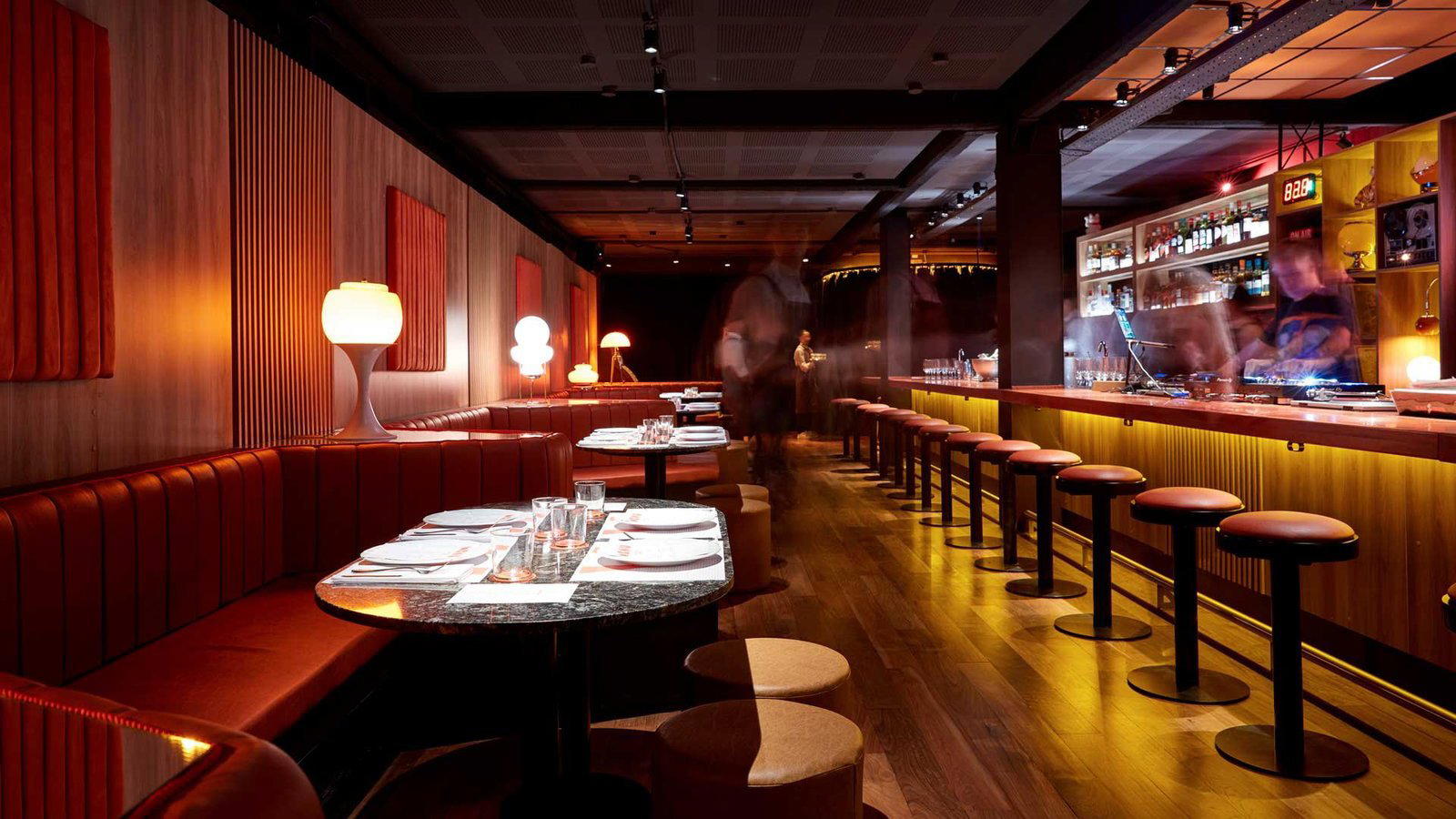
At a Glance
- Elegant
- Intimate
- Sophisticated
- Special Occasion
- Celebration
- Chefs Counter
Current opening hours
- Monday
- 7 PM–12 AM
- Tuesday
- 7 PM–12 AM
- Wednesday
- 12–4 PM, 7 PM–12 AM
- Thursday
- 7 PM–12 AM
- Friday
- 7 PM–12 AM
- Saturday
- 12–4 PM, 7 PM–12 AM
- Sunday
- 7 PM–12 AM
Hours can change for holidays and private events. Last verified .