Casa de Campo - Un Culto a la Comida Casera
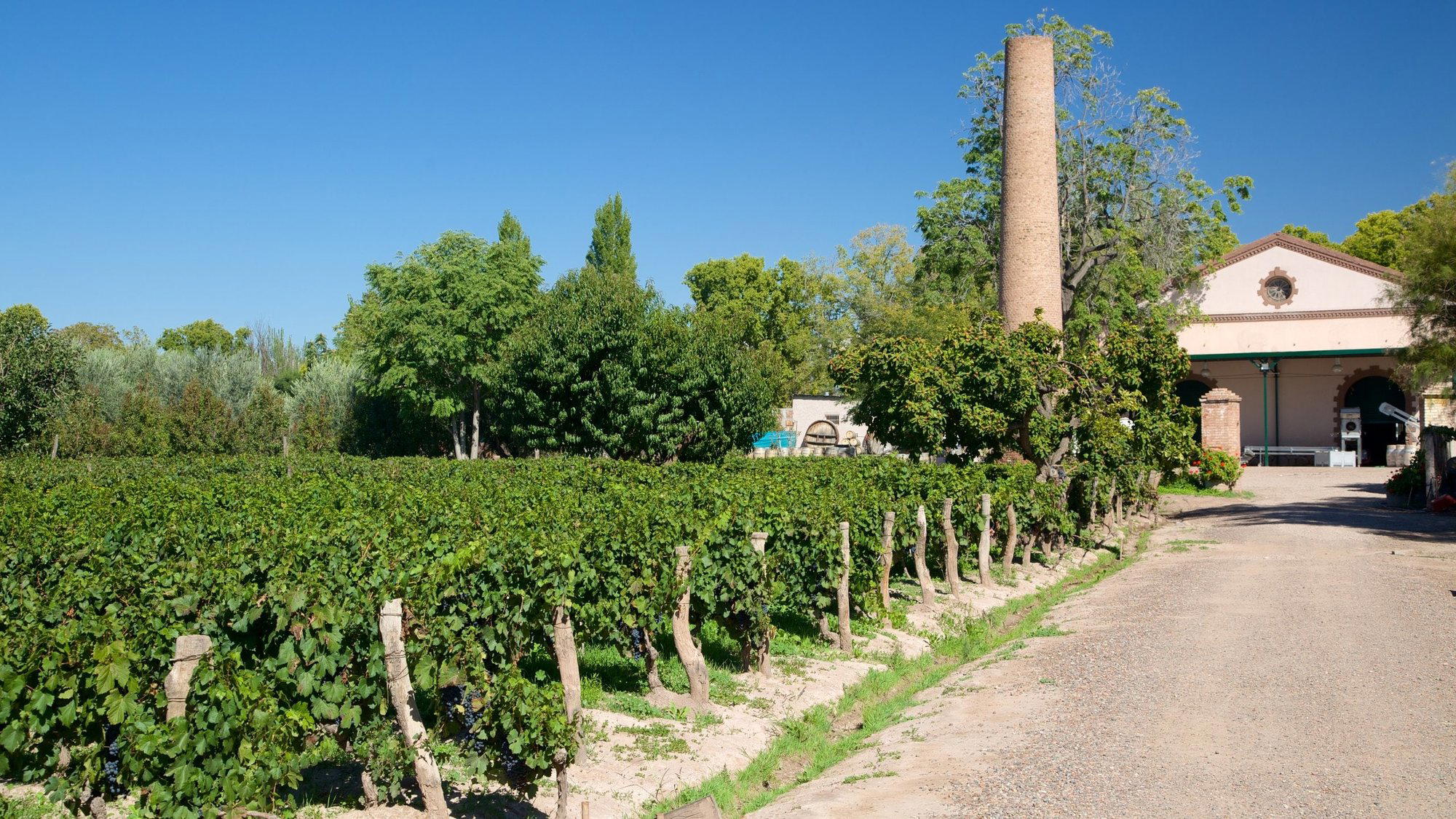
In the backstreets of General Ortega, Maipú, Casa de Campo operates as a quiet counterpoint to Mendoza's wine-country restaurant circuit. The name translates literally as 'country house,' and the premise follows: home-style Argentine cooking rooted in the ingredients and traditions of the surrounding agricultural valley. For travellers looking beyond the polished estancia dining experience, this is where the region eats on its own terms.
Pearl is the En Primeur Club membership app — saves, bookings, and concierge access live there. Same editors, same standards.
- Address
- Urquiza 1703, Maipú, Mendoza, Argentina
- Phone
- +542612441434
- Website
- casadecampo.ar
- Directions
- Get directions
 Saves & bookings on Pearl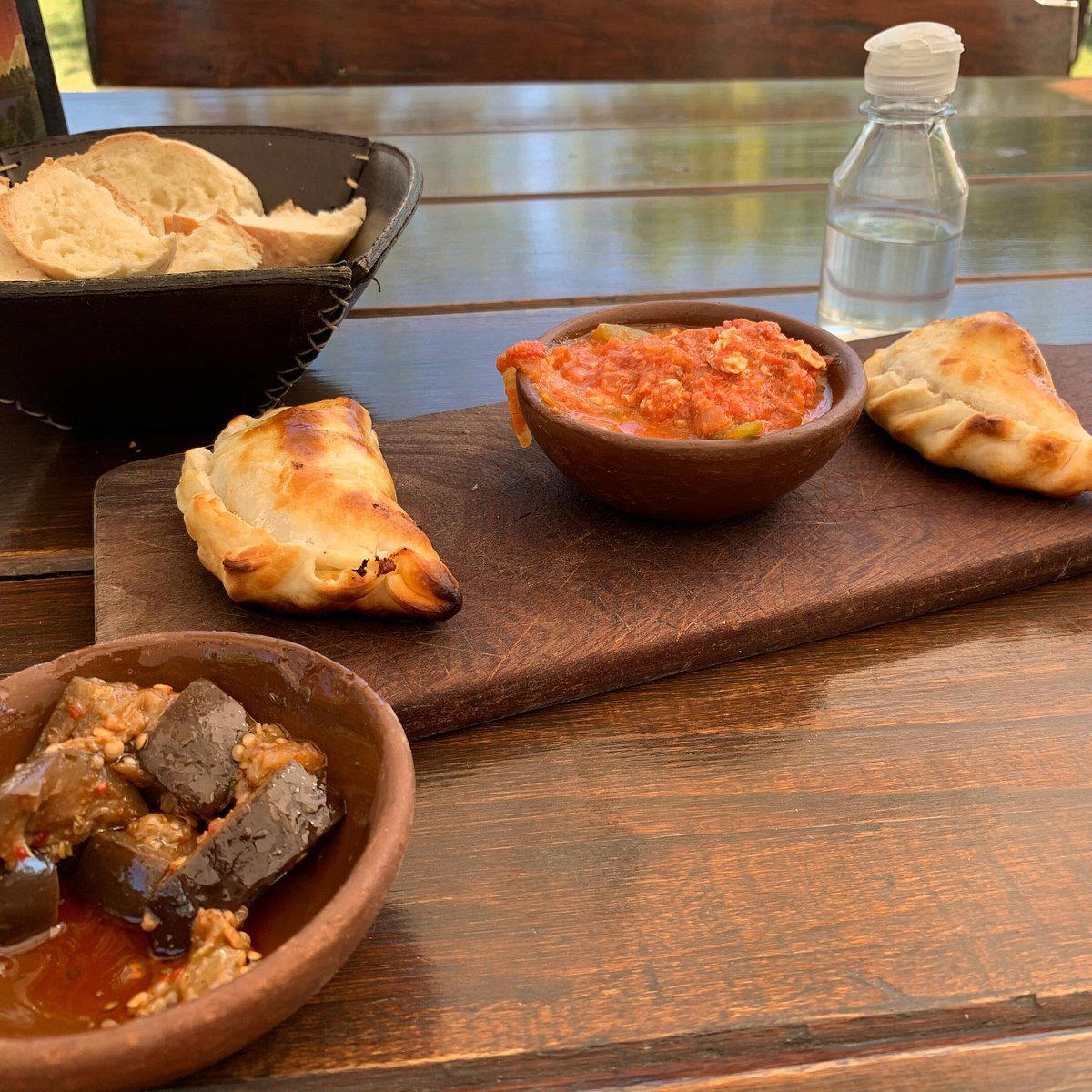
Where the Maipú Valley Sets the Table
The Maipú district sits roughly 15 kilometres southeast of Mendoza city, and its agricultural character is distinct from the more photographed wine estates of Luján de Cuyo to the south. Olive groves, market gardens, and small family vineyards define the land here, and the food that comes out of kitchens like Casa de Campo reflects that reality directly. The address on Urquiza in General Ortega places this spot firmly in neighbourhood rather than tourist territory.
Approaching on foot or by car, the built environment signals nothing dramatic. General Ortega is a working-class satellite of Maipú, not a curated destination. That context shapes what Casa de Campo is and what it is not. It is not competing with the polished tasting-menu formats at Azafrán in Mendoza or the grand estancia atmosphere of Cavas Wine Lodge in Alto Agrelo. Its peer group is something closer to the traditional almacén de campo, the country store-turned-eating-house that has anchored Argentine rural communities for generations.
The Argument for Comida Casera
Argentina's restaurant conversation has long been dominated by two poles: the high-end parrilla, represented at its most documented extreme by Don Julio in Buenos Aires, and the tourist-oriented wine-country dining room. Between those poles, the tradition of comida casera (home cooking) operates with far less editorial attention but considerable cultural weight.
Comida casera in the Argentine interior is not simplified cooking. It is ingredient-led cooking shaped by what is available locally and what has been eaten in the same way across multiple generations. In the Maipú valley, that means produce from peri-urban market gardens, cuts of beef from nearby estancias, and preparations that have not been adjusted for export or approval from international food media. The name Casa de Campo, 'Un Culto a la Comida Casera,' literally 'a cult of home cooking', signals an explicit positioning against the notion that formality equals quality.
That framing matters for the ingredient question. In the highly curated world of Argentine fine dining, sourcing has become a marketing point. At places like Agrelo in Lujan De Cuyo, sourcing narratives are built into the dining experience. At a kitchen oriented toward comida casera, the sourcing logic is different: proximity and relationship are assumed, not announced. The cook at a casa de campo typically knows the producer because they live in the same community, not because they have signed a provenance agreement.
Maipú as an Ingredient Region
The Maipú oasis receives irrigation from Andean snowmelt, which has supported intensive horticulture for over a century. Stone fruit, garlic, onions, and table grapes grown here have historically supplied Mendoza city's markets. The same agricultural density that produces Malbec grapes for export also supports the vegetables, herbs, and supplementary proteins that appear in home kitchens across the valley.
This is the material context that defines what 'comida casera' actually means in this location. It is not a romanticised return to the land, it is a description of how food has moved from field to table in this district without the mediation of a supply chain long enough to require refrigerated logistics. Compared to the high-production wine tourism dining at Entre Cielos Luxury Wine Hotel and Spa in Lujan du Cuyo, the ingredient story here is quieter and more embedded in ordinary local life.
For context on how similar traditions operate in other parts of Argentina, La Bamba de Areco in San Antonio de Areco and Los Talas del Entrerriano in General San Martin both represent the estancia-rooted version of this localism, more formalised for visitors, but drawing on the same logic of proximity-first ingredients.
How This Fits the Broader Mendoza Circuit
Travellers building a multi-day Mendoza itinerary tend to anchor on the established wine-country properties. The concentration of serious wine dining in Luján de Cuyo and the Uco Valley draws most of the editorial attention, and for good reason: the quality floor at those properties is high. But the risk of a Mendoza circuit built entirely around wine estates is a certain sameness of register, tasting-menu formats, sommeliers, linen tablecloths, and sourcing narratives delivered with professional polish.
Casa de Campo offers a different register without requiring a different region. Maipú is within easy reach of central Mendoza, and a meal here fits naturally into a day that might also include a winery visit or a stop at one of the district's olive oil producers. It is the kind of stop that rebalances a trip weighted toward the formal end of the spectrum. For comparison, travellers exploring farther-flung Argentine dining traditions might also look at El Papagayo in Cordoba or El Colibri in Santa Catalina for similar community-embedded food contexts.
At the international end of the spectrum, the contrast is sharper still. A technically driven tasting counter like Le Bernardin in New York City or a commitment-dining format like Lazy Bear in San Francisco represents what happens when ingredient sourcing becomes a precise, documented, formal practice. Casa de Campo is the other end of that spectrum, sourcing as embedded habit rather than articulated philosophy.
For broader regional exploration, our full General Ortega restaurants guide maps the eating options across this often-overlooked corner of the Maipú district. See also Chacras de Coria in Las Heras, La Table de House of Jasmines in La Merced Chica, Las Balsas Restaurant in Villa La Angostura, Awasi Iguazu in Puerto Iguazu, EOLO - Patagonia's Spirit in El Calafate, and Ti Amo in Adrogué for a wider picture of how Argentine restaurants across different regions handle the relationship between local ingredients and dining format.
Planning a Visit
Casa de Campo is located at Urquiza 1703, Maipú, Mendoza, in the General Ortega neighbourhood. No phone or website is available in current records. Maipú is accessible by remis (local taxi) or bicycle from Mendoza city, and a visit pairs well with the district's olive oil producers and smaller family wineries. Dress is casual; the context calls for it.
At-a-Glance Comparison
Comparable venues nearby, for context on price, style, and recognition.
| Venue | Cuisine | Price | Notes |
|---|---|---|---|
| Casa de Campo - Un Culto a la Comida CaseraThis venue — the venue you are viewing | Traditional Argentine Homemade Cuisine | $$ | Not listed |
| El Palenque Aristides | Modern Argentine Tavern | $$ | Aristides Villanueva |
| Chuchú | International | $$ | Retiro |
| María Antonieta | Modern Mediterranean-Argentine Bistro | $$ | Ciudad |
| Chipirón | Fresh Seafood Grill | $$ | Ciudad Vieja |
| Riccitelli Wines | Sustainable Argentine Bistro | $$$$ | Las Compuertas |
Continue exploring
More in General Ortega
Restaurants in General Ortega
Browse all →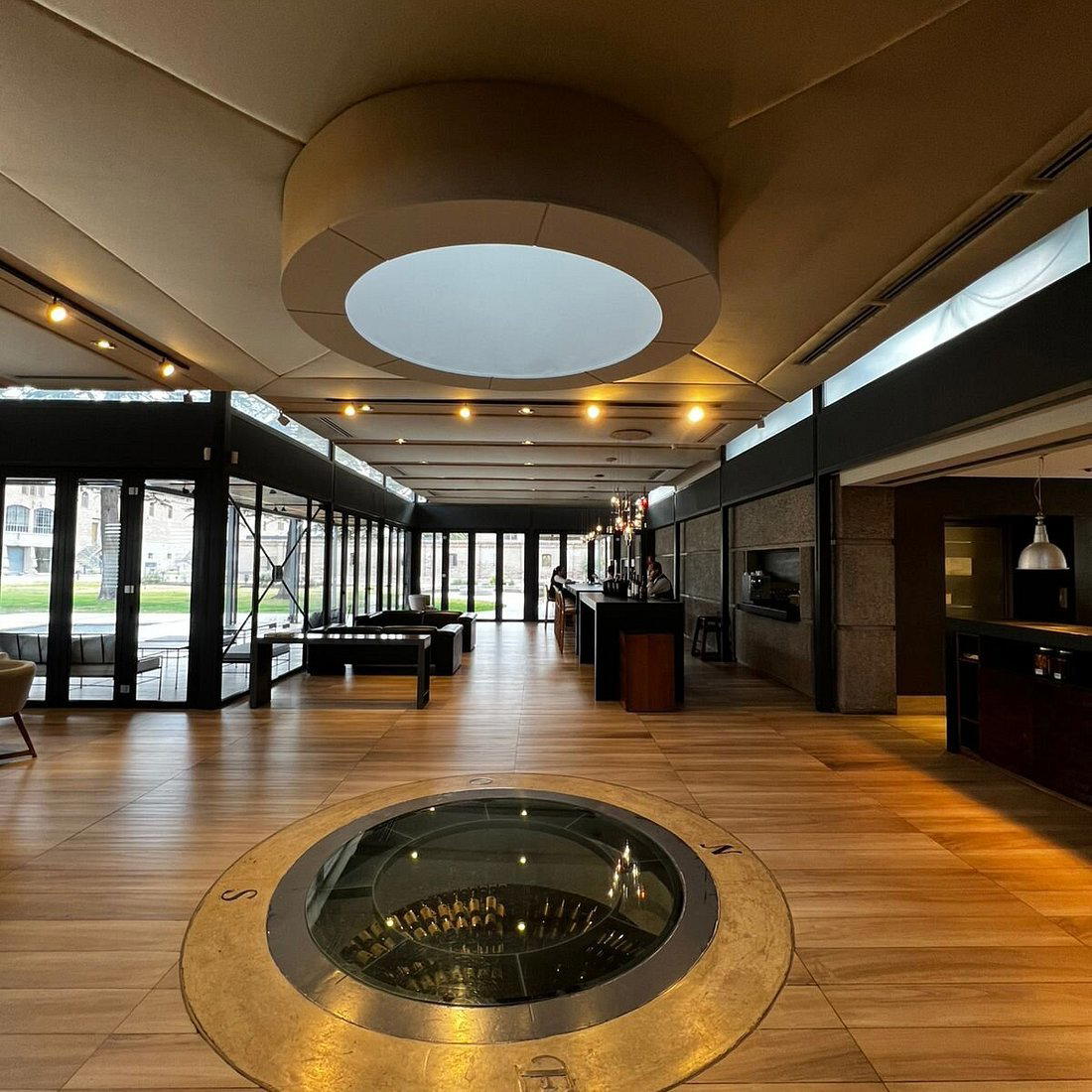
Bars in General Ortega
Browse all →
Hotels in General Ortega
Browse all →
At a Glance
- Rustic
- Cozy
- Classic
- Family
- Casual Hangout
- Group Dining
- Garden
- Terrace
- Extensive Wine List
- Garden
Current opening hours
- Monday
- 9:30 AM–5 PM
- Tuesday
- 9:30 AM–5 PM
- Wednesday
- 9:30 AM–5 PM
- Thursday
- 9:30 AM–5 PM
- Friday
- 9:30 AM–11:30 PM
- Saturday
- 9:30 AM–11:30 PM
- Sunday
- 9:30 AM–5 PM
Hours can change for holidays and private events. Last verified .
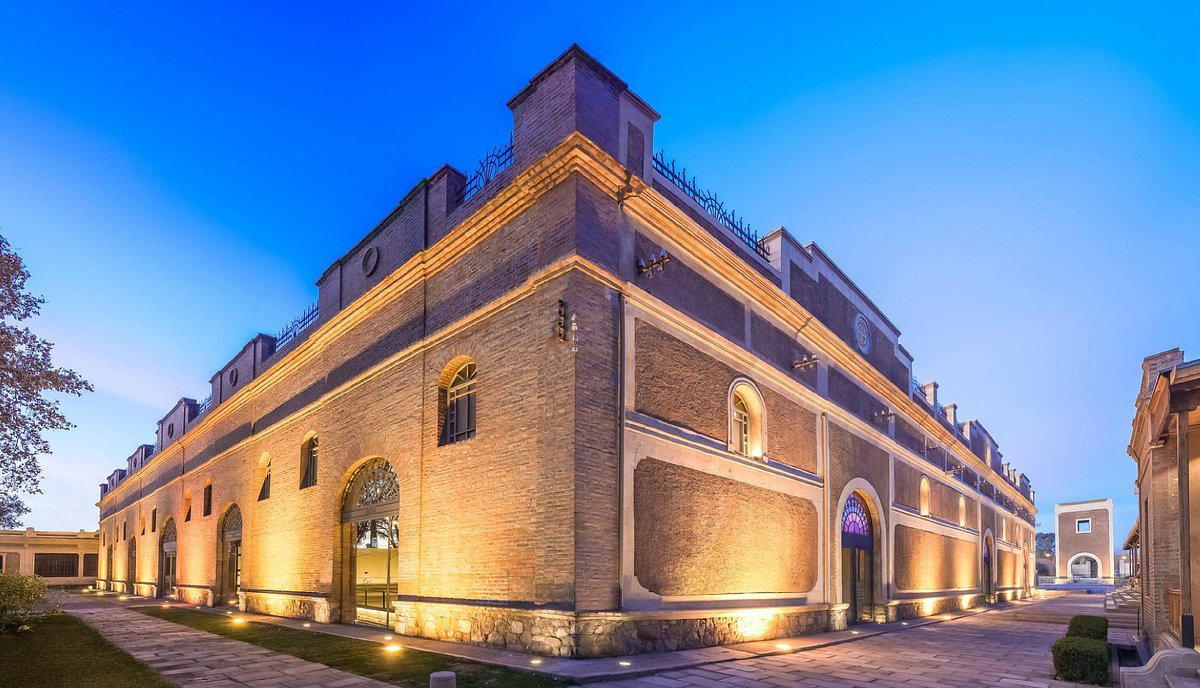
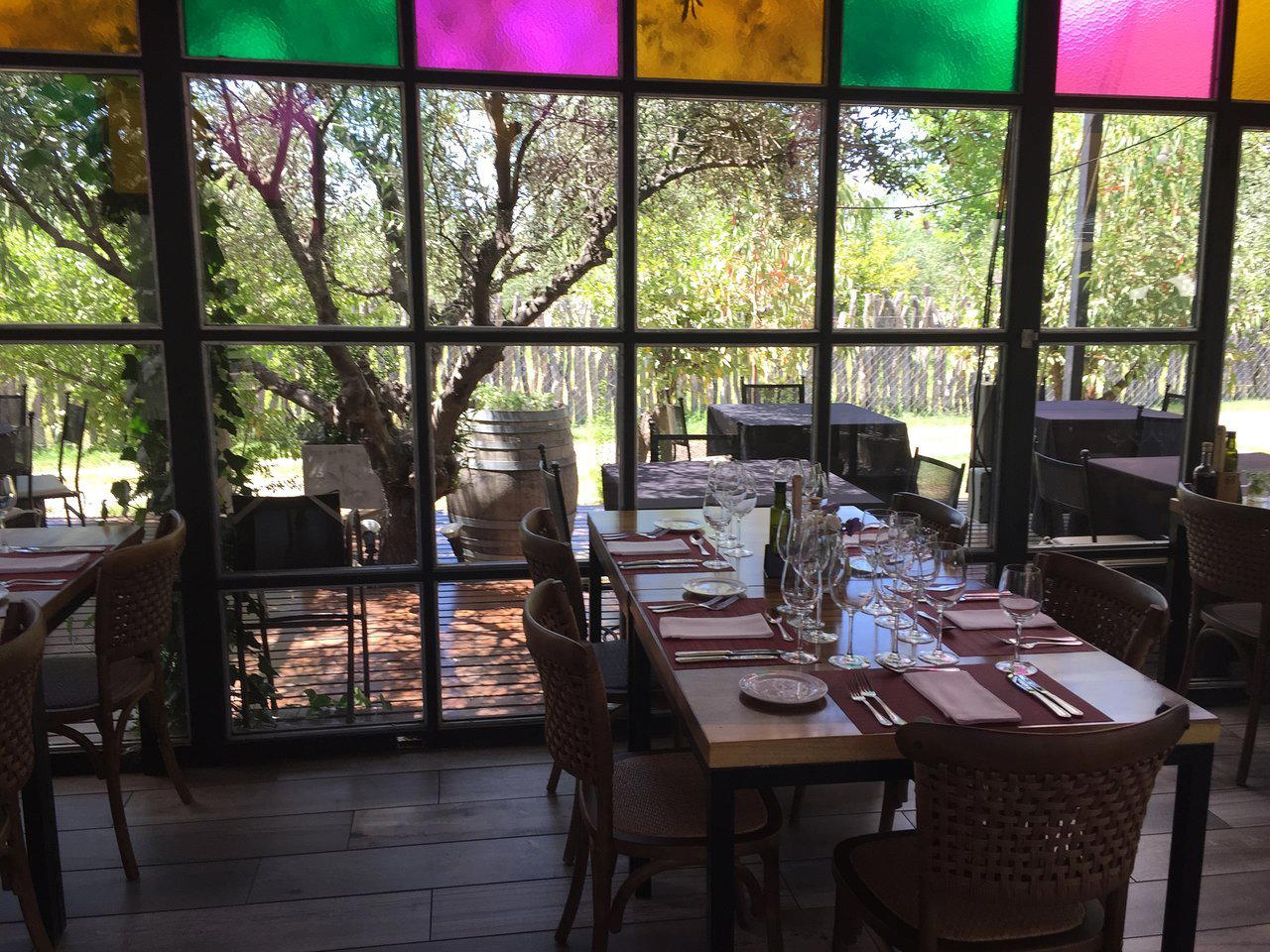
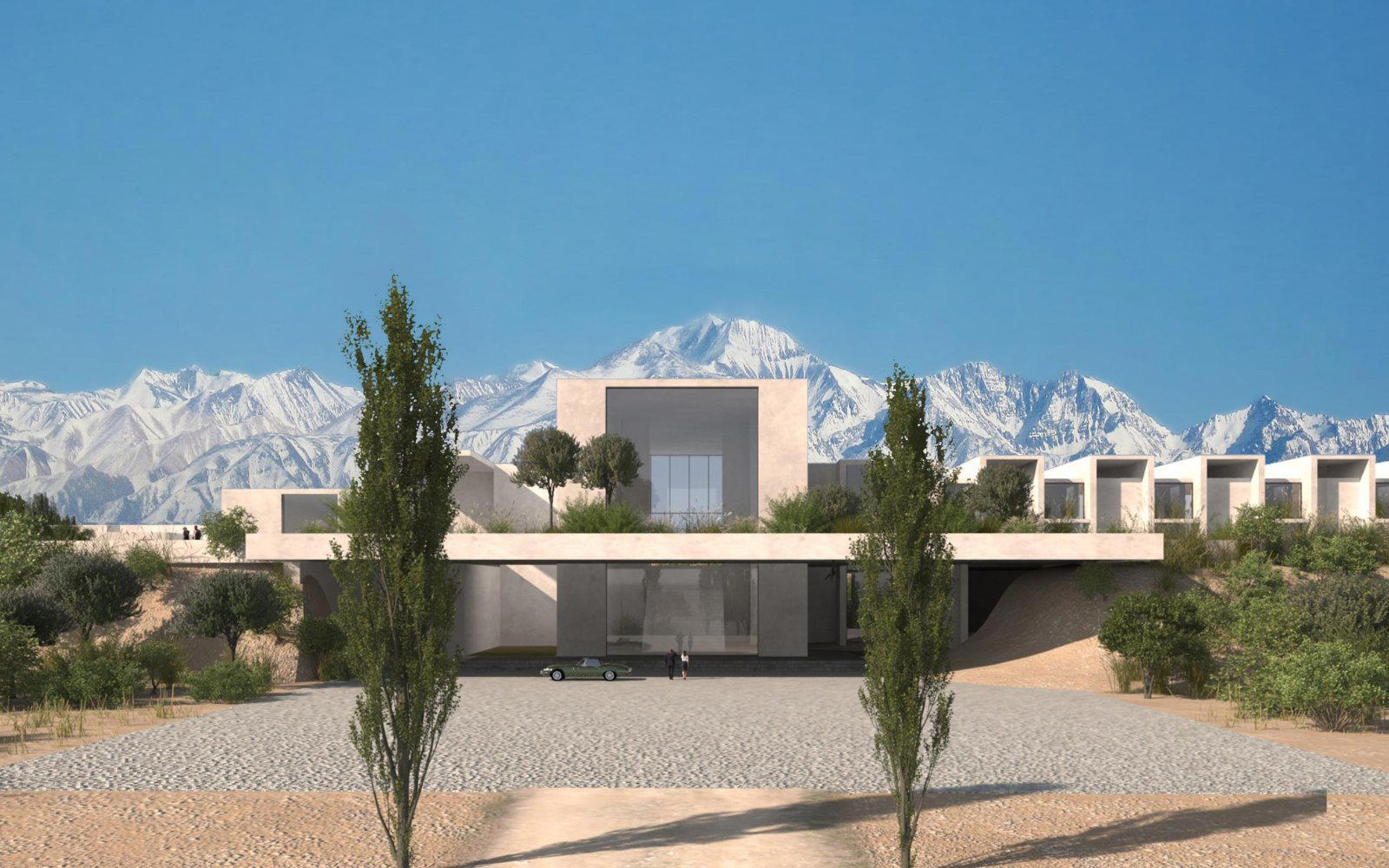
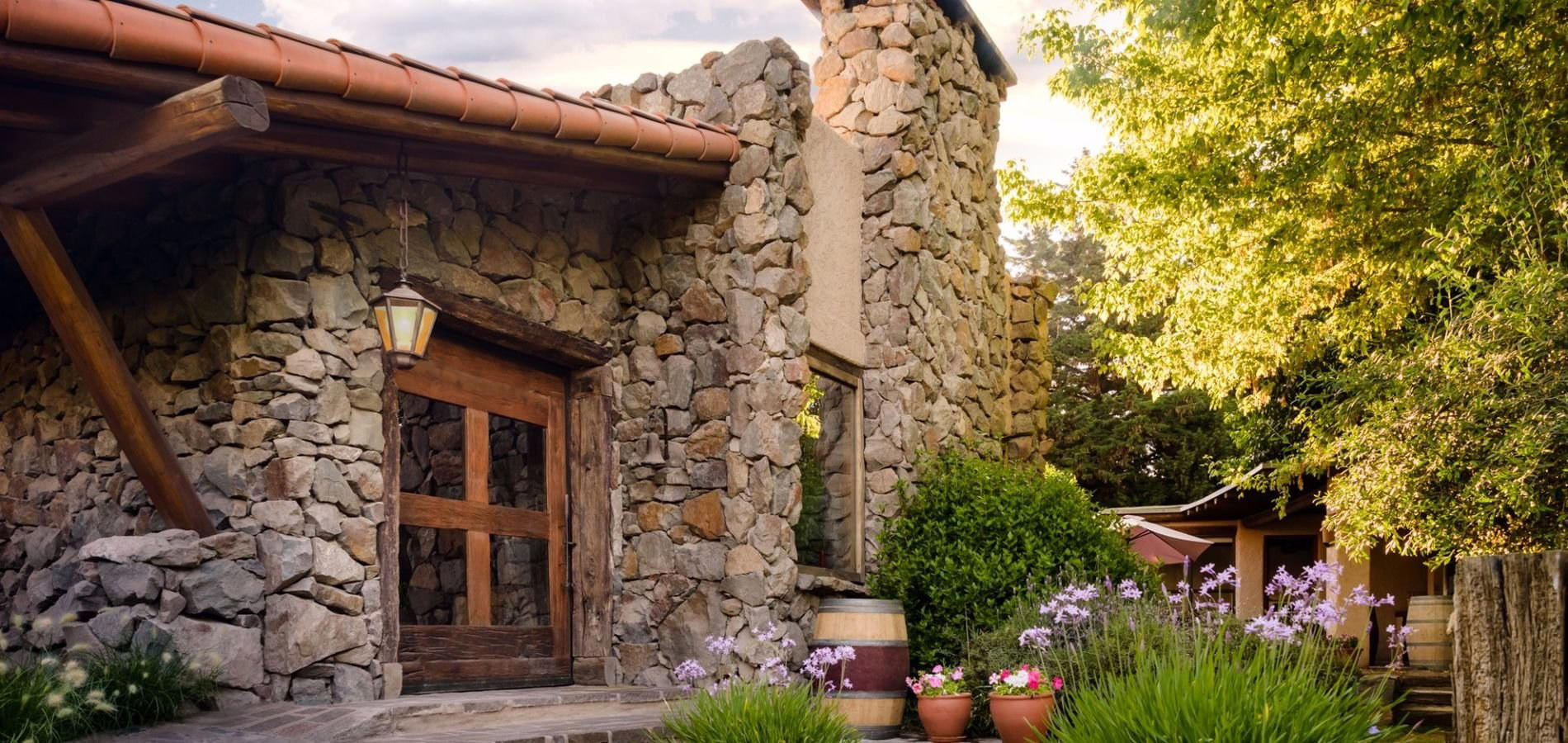
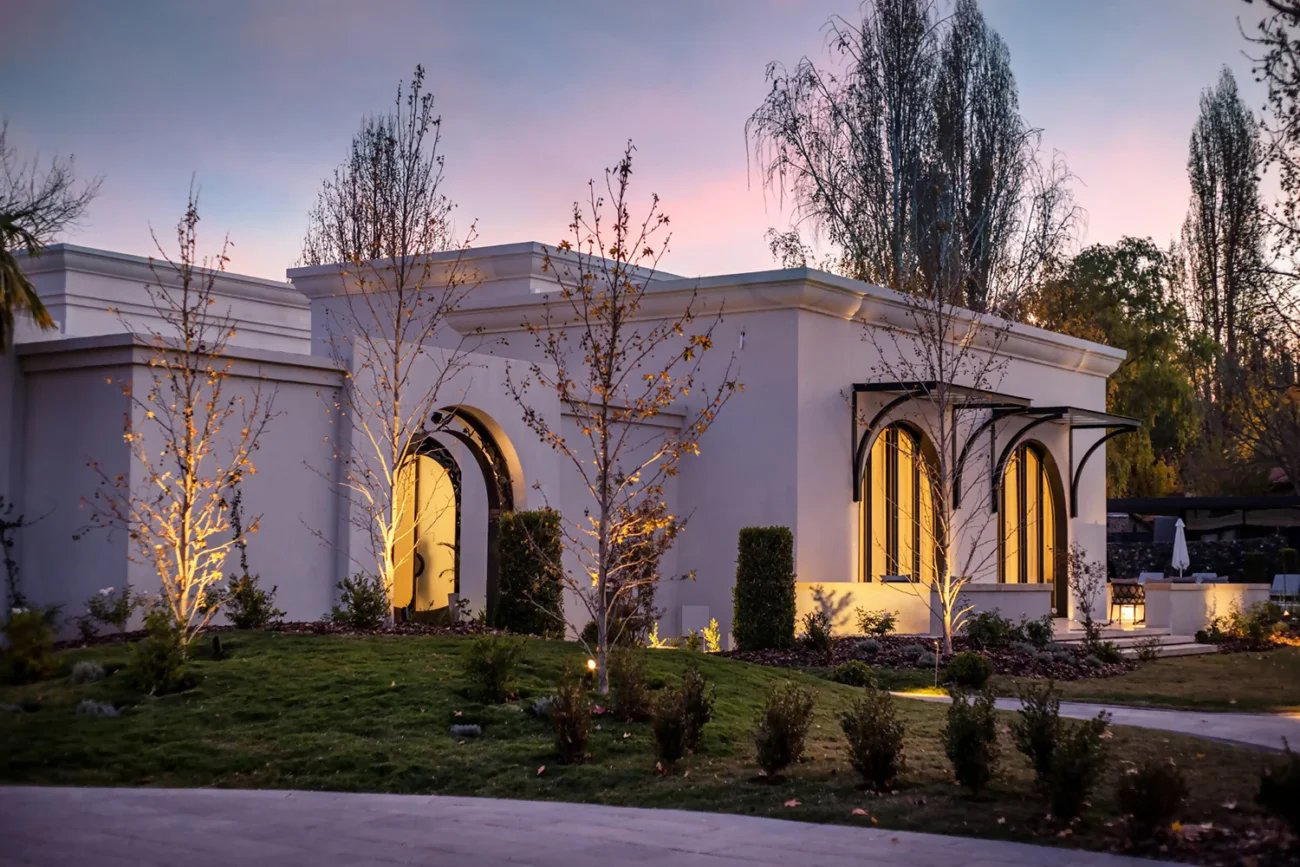
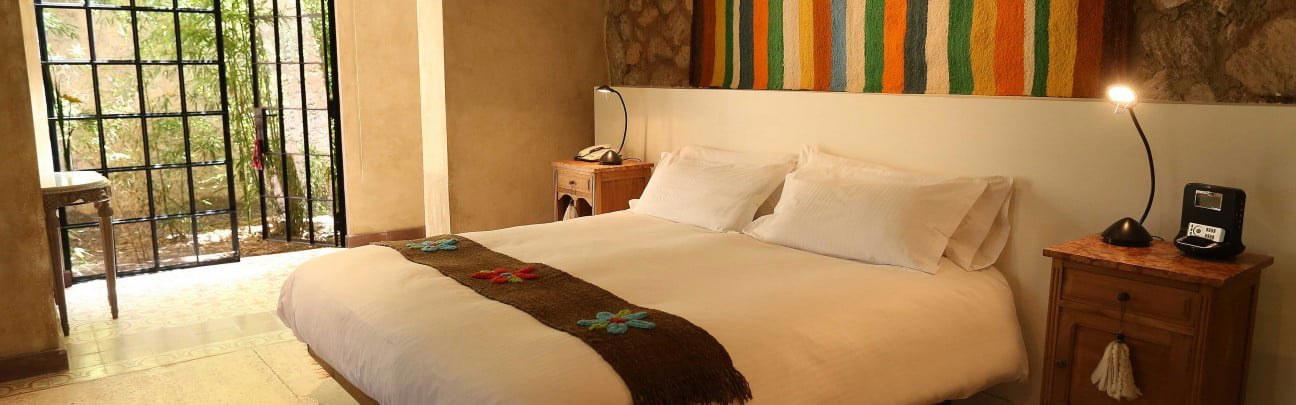
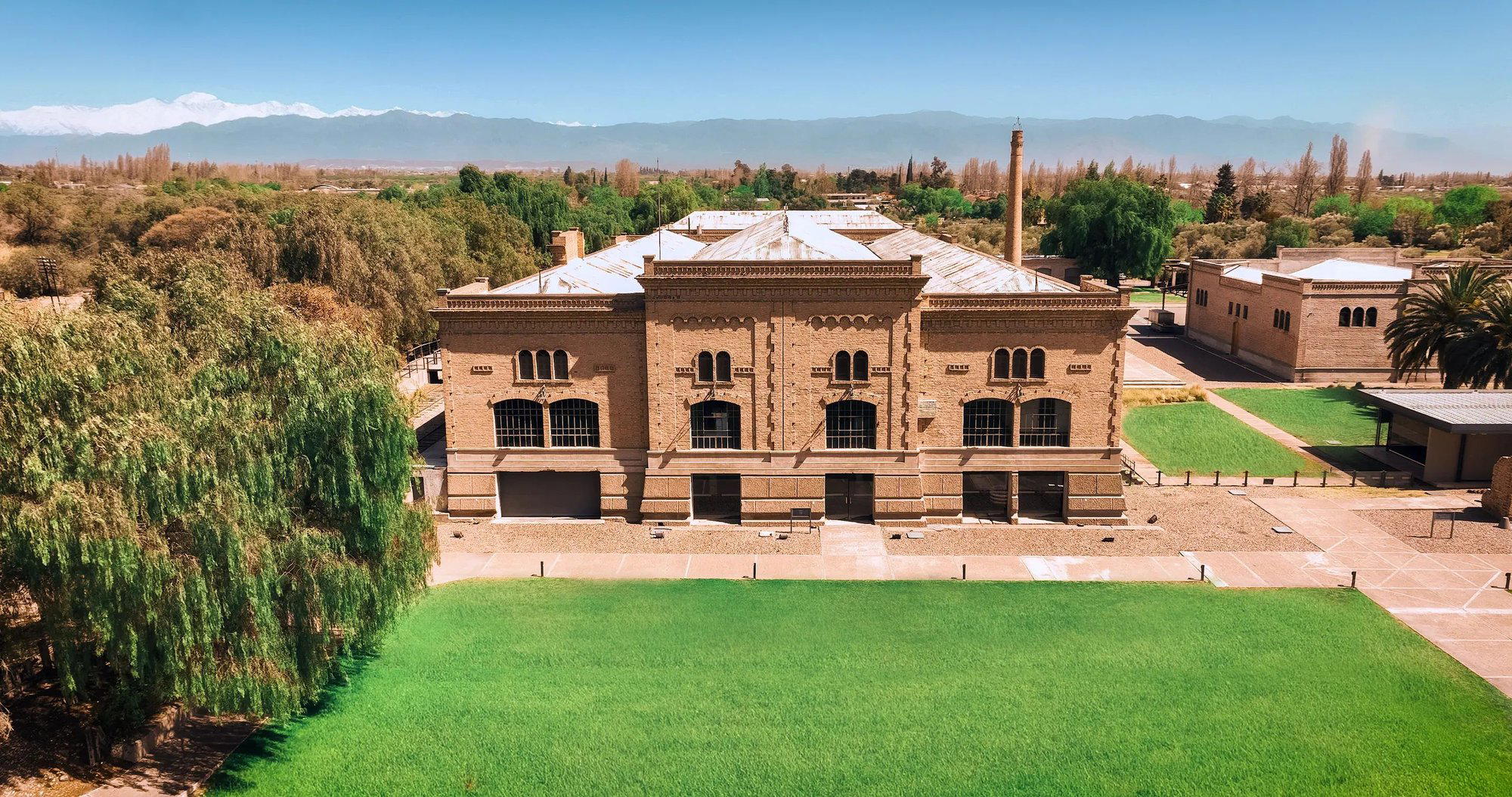
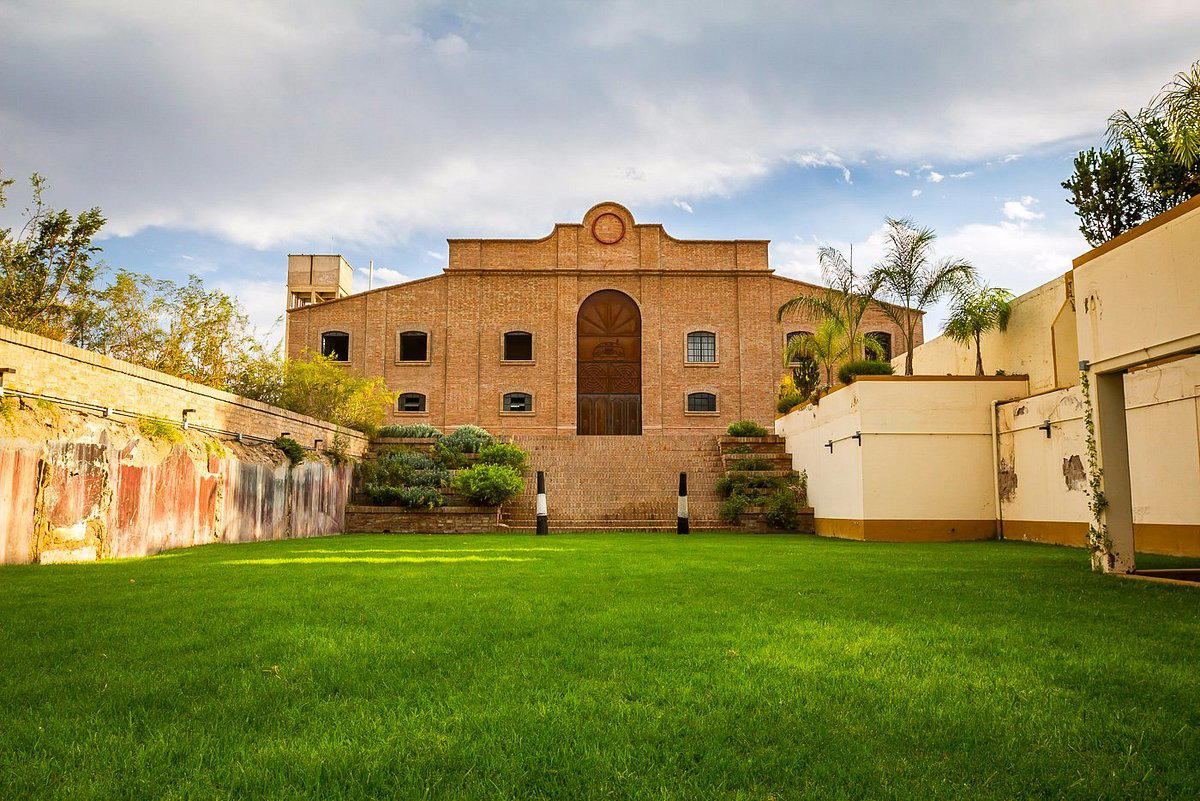
Warm and inviting atmosphere with indoor salons and a charming outdoor space ideal for enjoying the Mendocino climate.