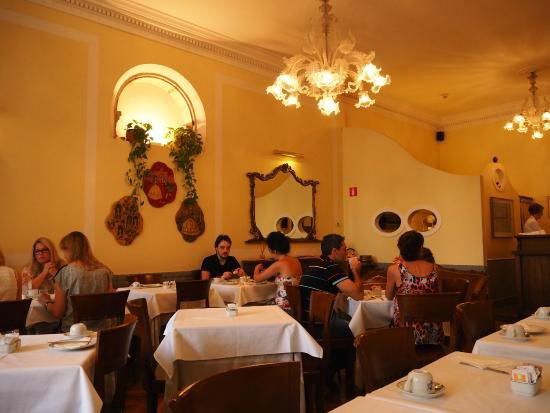
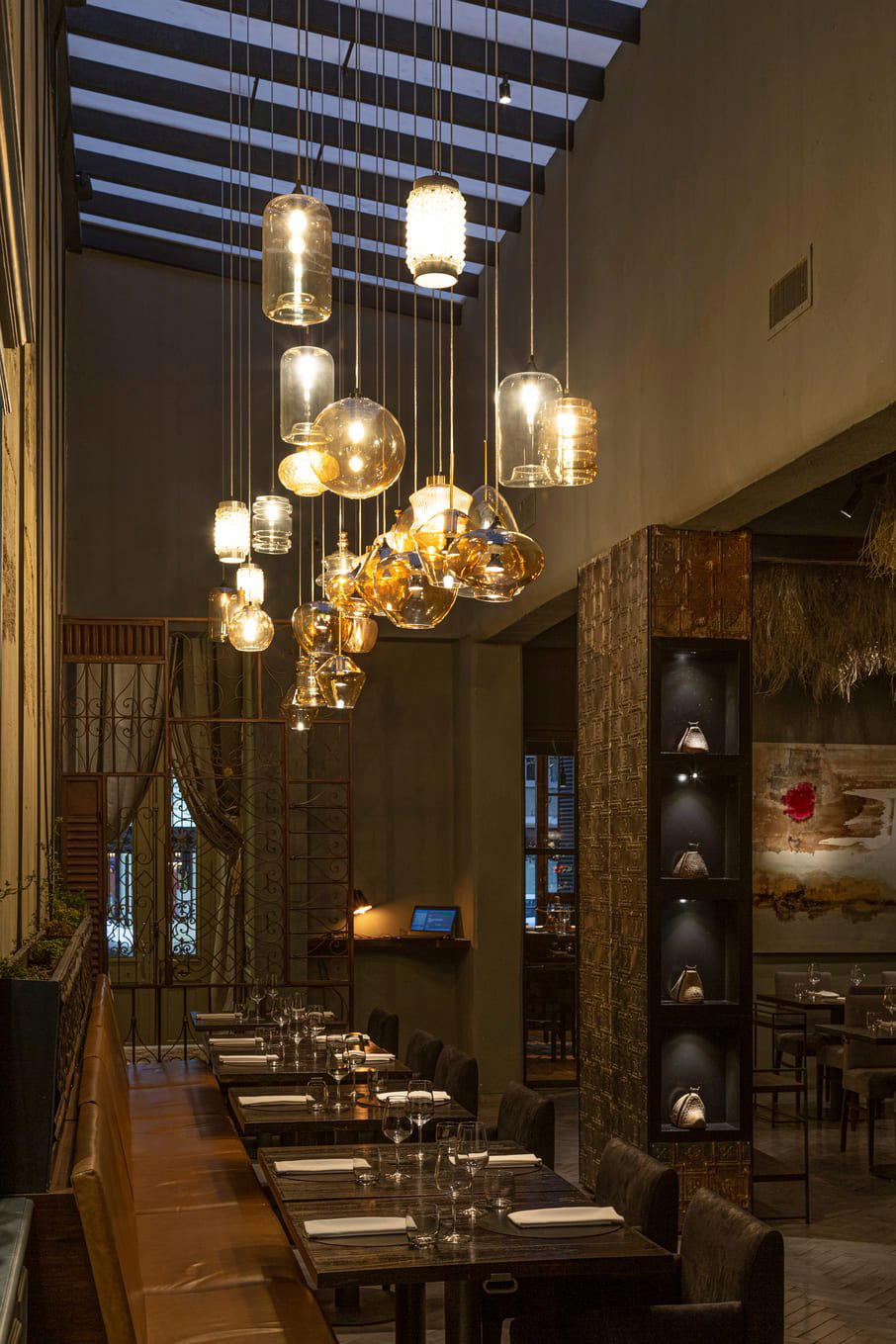
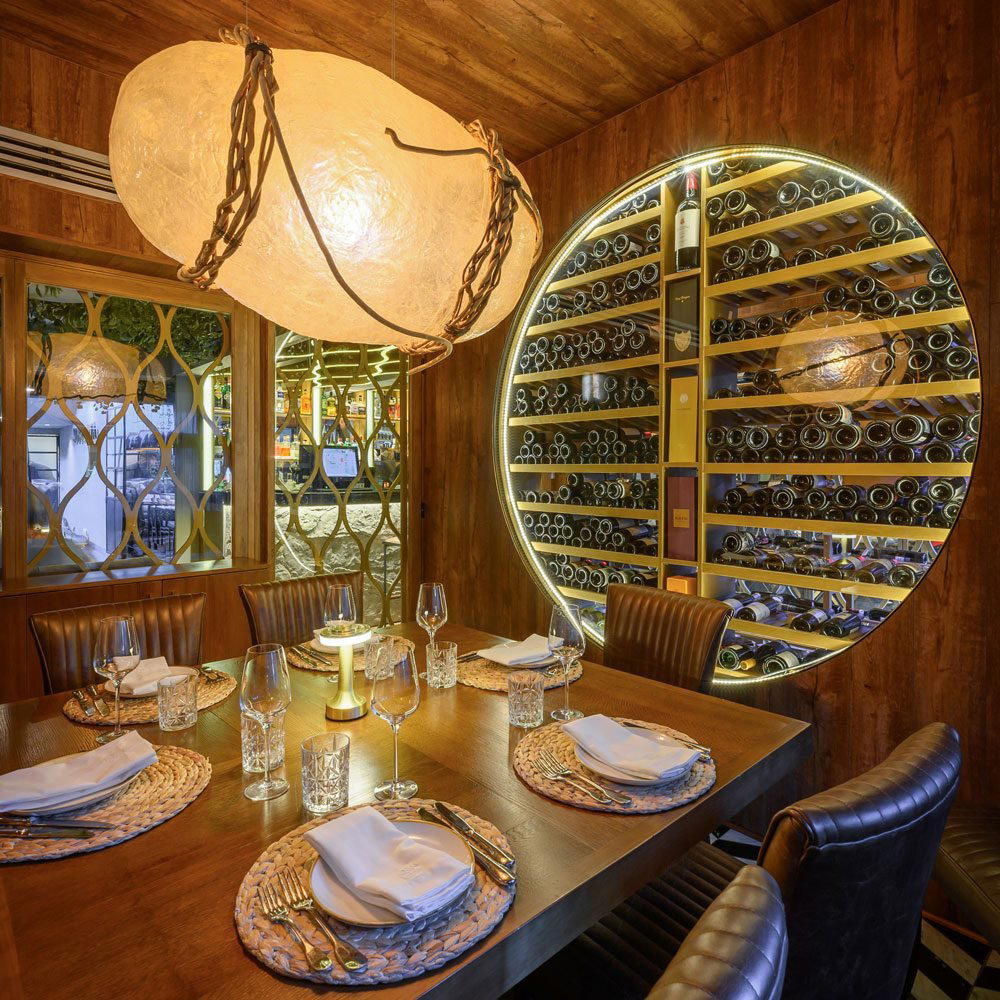
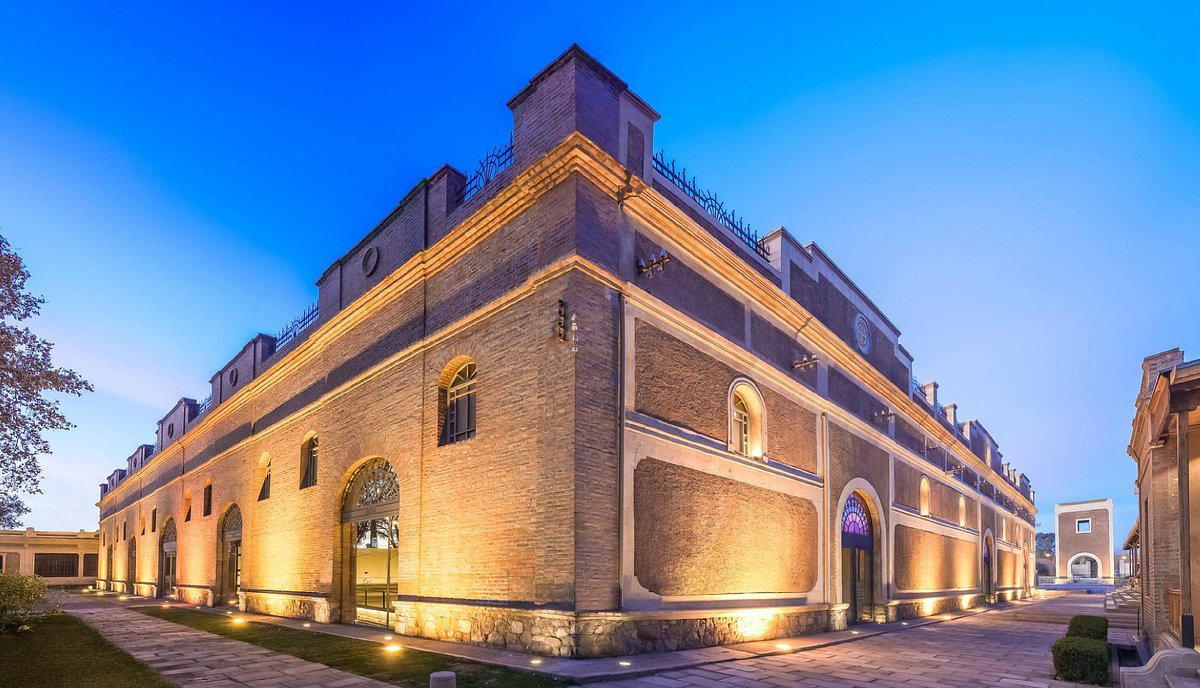
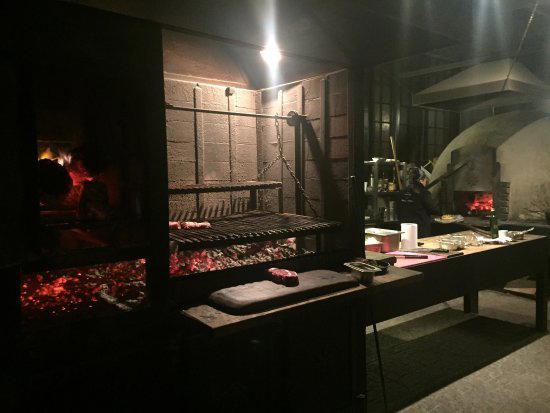
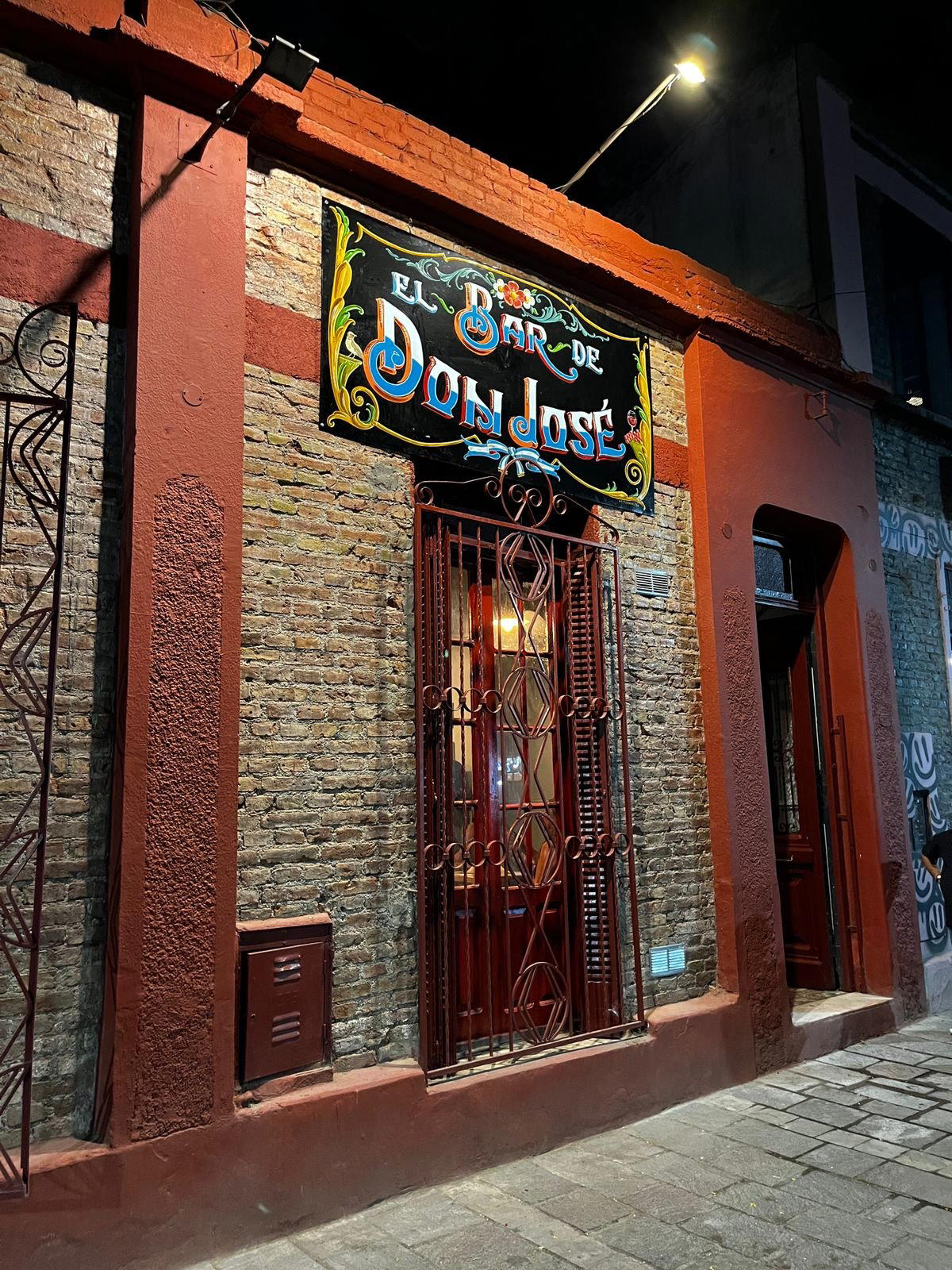
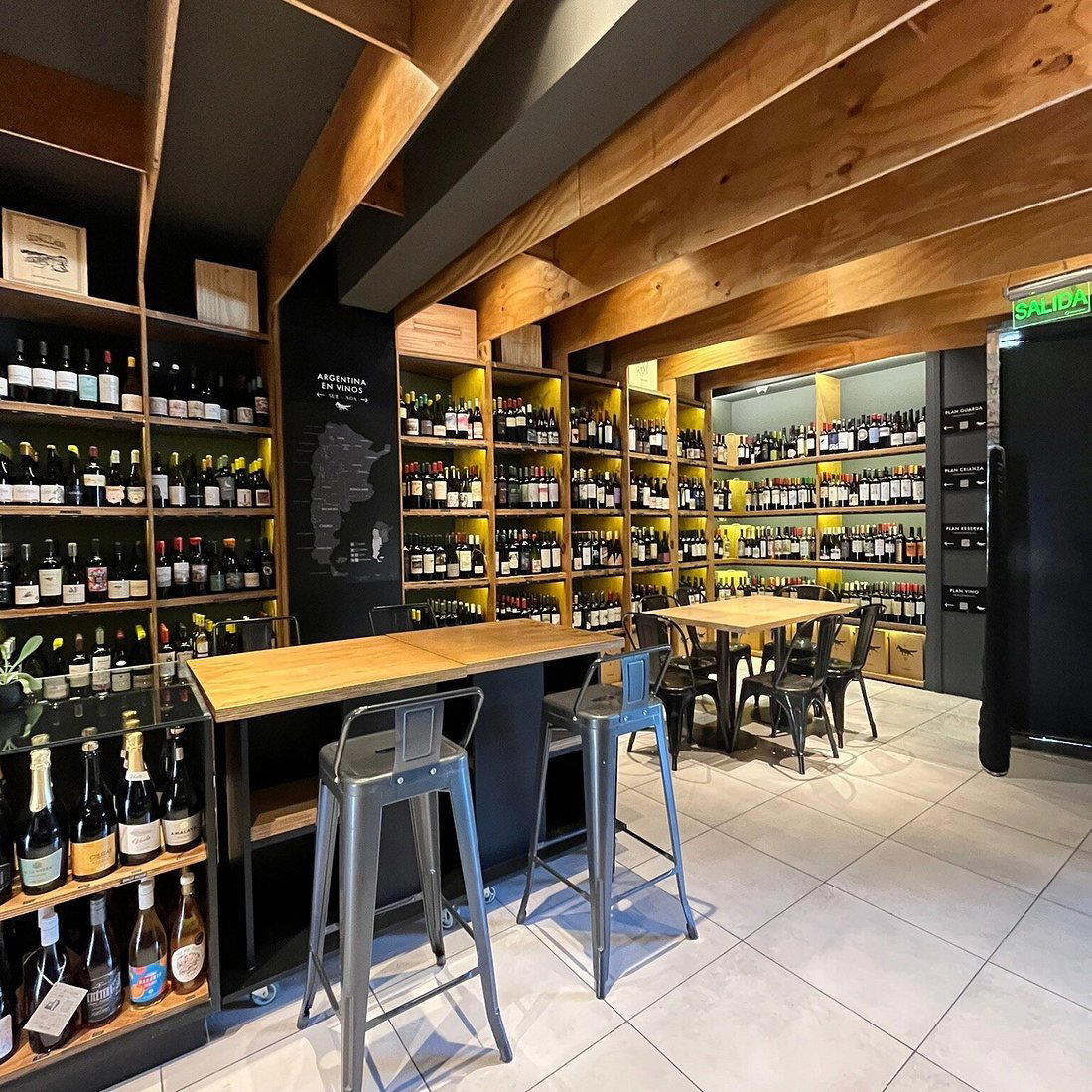
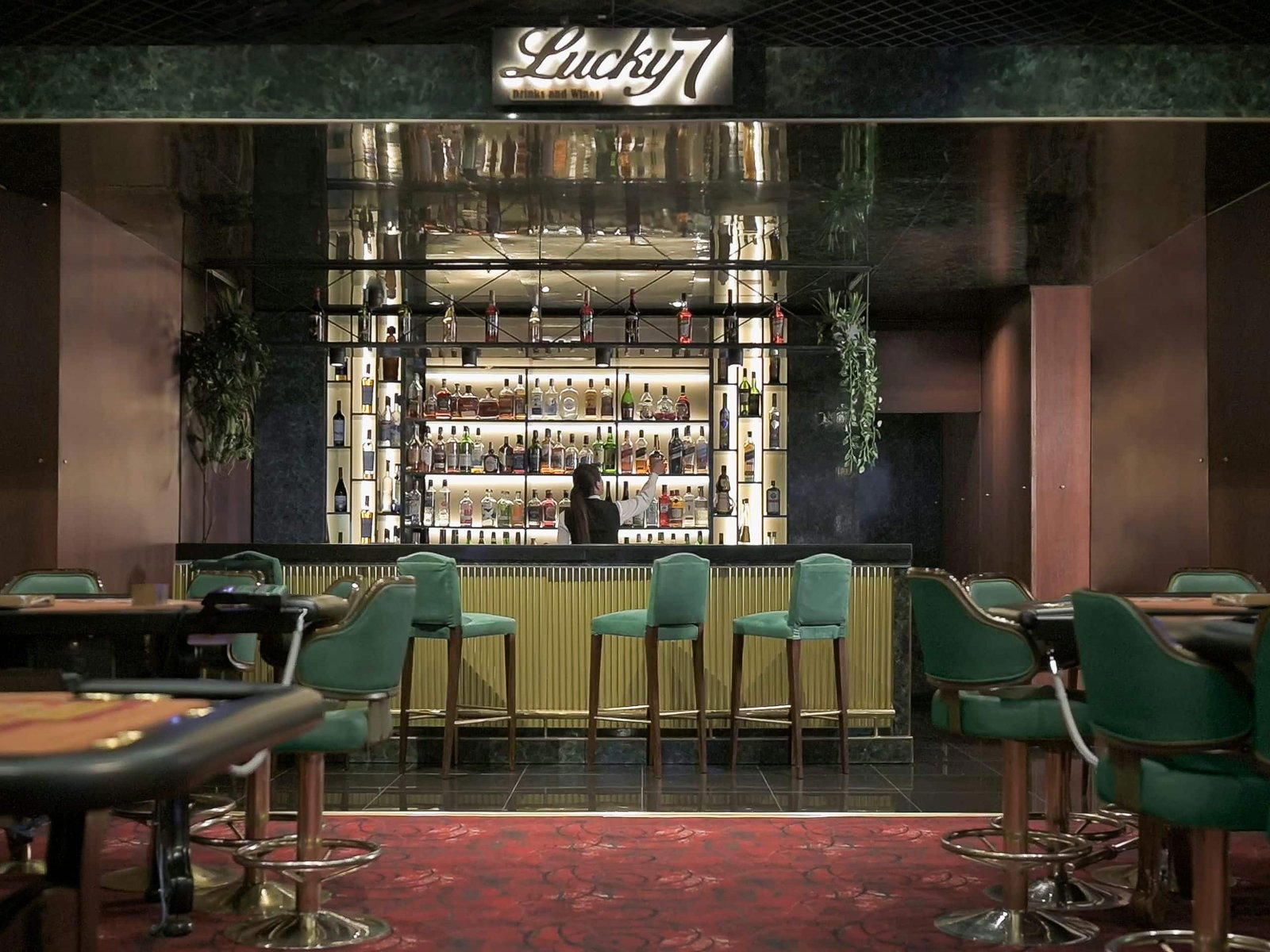
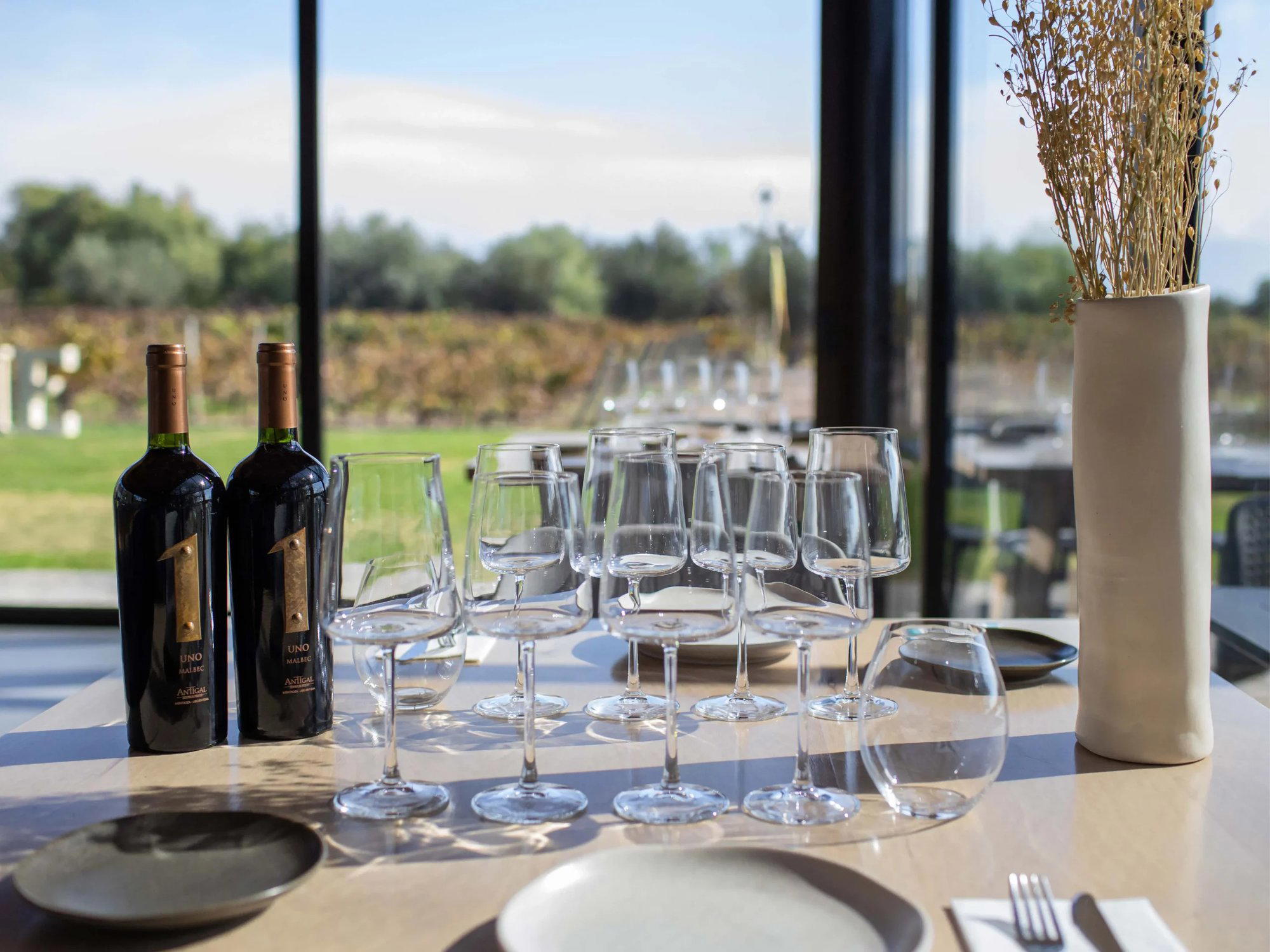
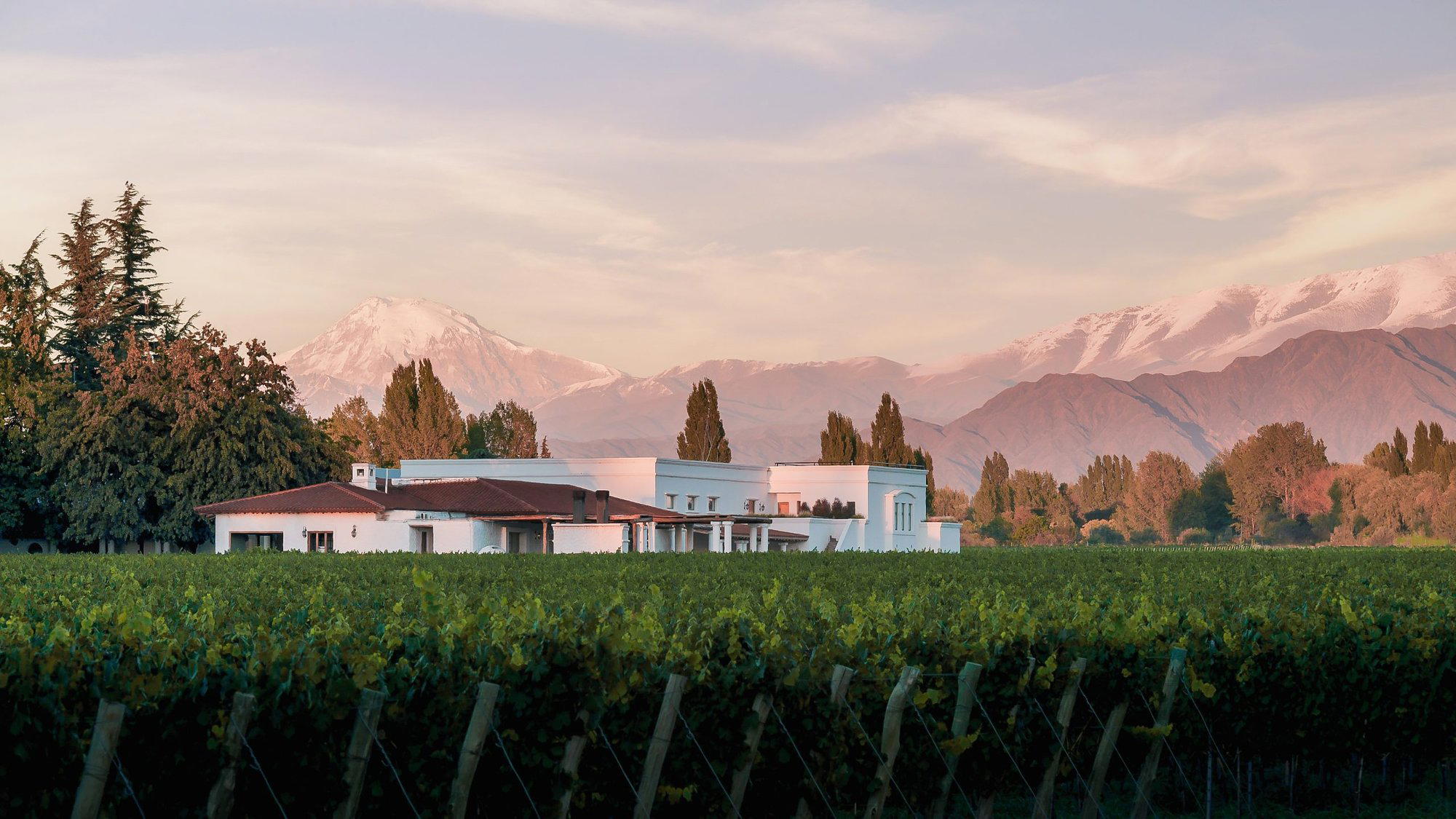
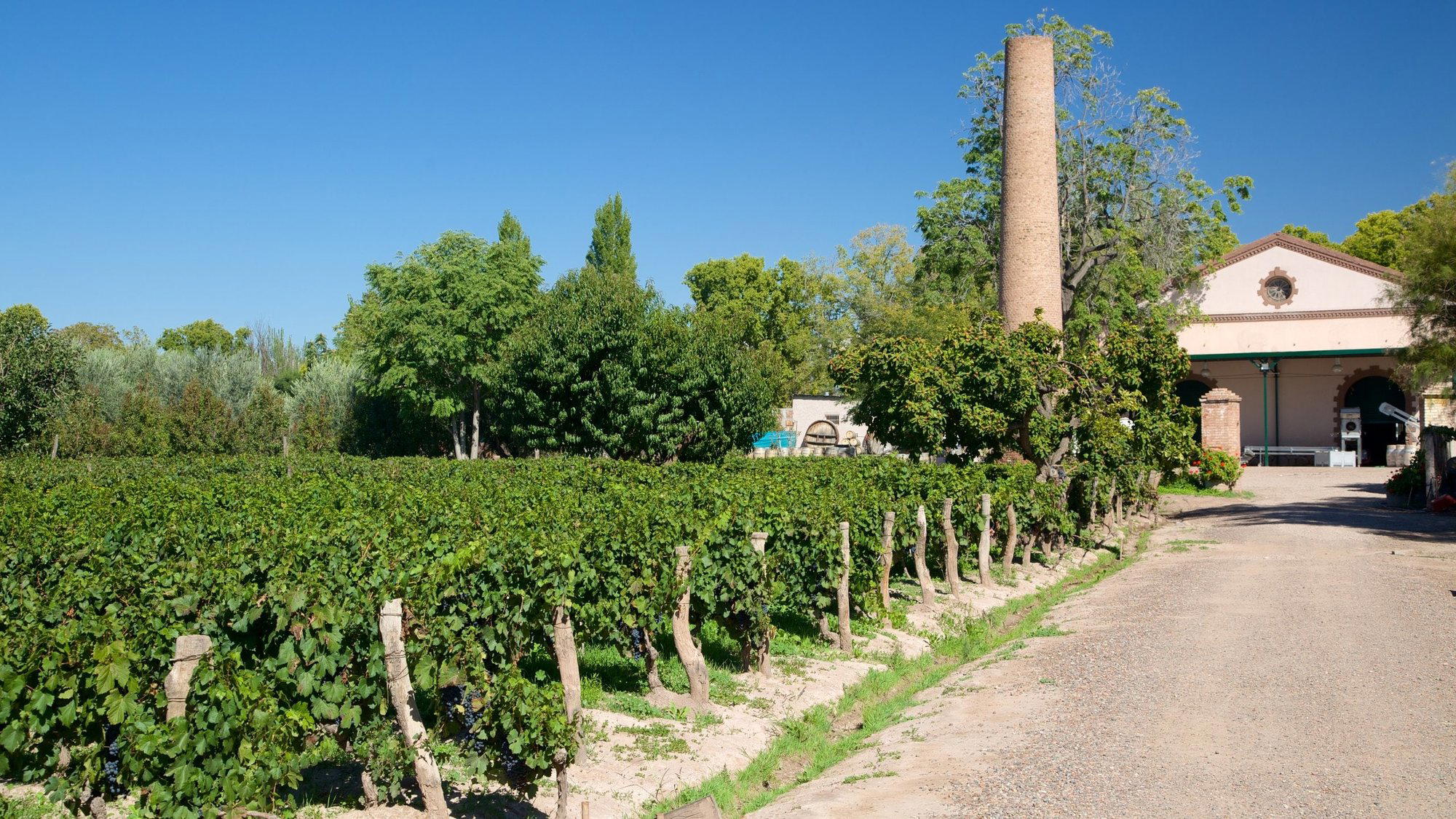
Belgrano & Perú sits at the intersection of two of Las Heras's main streets, operating within a provincial Argentine dining tradition that places neighbourhood gathering above spectacle. The venue draws from the culinary culture of Mendoza Province, where wine-country proximity shapes even everyday cooking. Details on format, pricing, and current hours are best confirmed directly on arrival or through local inquiry.
Pearl is the En Primeur Club membership app — saves, bookings, and concierge access live there. Same editors, same standards.
- Address
- M5539 Las Heras, Mendoza Province, Argentina
- Directions
- Get directions
 Saves & bookings on Pearl
Where Las Heras Eats: The Street-Corner Tradition
In provincial Argentine towns, the corner restaurant carries a specific social weight that its city counterparts rarely replicate. Identified by the intersection it occupies rather than a brand or concept, it functions as a neighbourhood anchor: the place where tables fill at noon on a Wednesday as reliably as on a Saturday evening, where the wine list skews local by default rather than by design philosophy, and where the cooking draws from a repertoire built over decades rather than a seasonal tasting menu logic. Belgrano & Perú, named for the two streets that define its address in Las Heras, sits squarely within that tradition.
Las Heras itself is a departamento of Mendoza Province, immediately north of the provincial capital and far enough from the tourist corridor of Luján de Cuyo and the winery belt to operate on its own terms. Dining here follows the rhythms of a working Argentine town. It orbits the rhythms of a working Argentine town, which means generous portions, a preference for grilled and braised proteins, and a wine culture that treats Malbec as table wine rather than trophy.
The Mendoza Province Dining Register
Argentine provincial cooking does not receive the critical attention given to Buenos Aires steakhouses or Mendoza's winery restaurant tier, but it represents the majority of how Argentines actually eat. The tradition draws from Italian immigration patterns that reshaped the country's culinary base in the late nineteenth and early twentieth centuries, layered over indigenous and Spanish colonial foundations. The result in Mendoza Province is a cooking style that runs on asado technique, pasta made with local semolina, and empanadas whose fillings shift by region. In Cuyo, the empanada tends toward a spiced beef and olive mixture quite different from the versions you find in Salta or Tucumán.
Wine proximity shapes even particularly modest local tables. Mendoza produces roughly 70 percent of Argentina's wine output, and that concentration means that regional bottles reach neighbourhood restaurants at prices that make ordering a second carafe unremarkable. The entry-level Malbecs and Torrontés that anchor local wine lists here are drawn from the same valleys that supply Agrelo in Luján de Cuyo and the cellar at Cavas Wine Lodge in Alto Agrelo, though the presentation and price context differ considerably.
At the higher end of the Argentine dining register, places like Don Julio in Buenos Aires have brought international attention to the asado tradition, earning placement on the World's 50 Best Restaurants list and generating booking windows measured in months. Azafrán in Mendoza operates at a similarly considered level within the province. Belgrano & Perú exists at a different register entirely, serving the local population rather than positioning itself against destination dining peers. That distinction is not a criticism; it is a description of function.
The Corner Table and What It Tells You
Argentine corner restaurants tend to be read most accurately by their lunch service. A table that fills early and turns over quickly signals genuine neighbourhood use. A room that empties by two in the afternoon and waits for evening bookings is pitching to a different audience. The corner address at Belgrano and Perú in Las Heras places the venue in a residential and commercial fabric that is unlikely to sustain purely destination-driven traffic, which suggests the kitchen is calibrated to daily local demand rather than to a tasting menu schedule or an international visitor market.
This is not the dining format you encounter at estate properties like Entre Cielos Luxury Wine Hotel & Spa in Luján de Cuyo or at the lodge-style dining of Las Balsas Restaurant in Villa La Angostura. The comparison is useful precisely because it maps the breadth of Argentine hospitality from the architecturally staged to the functionally neighbourhood-rooted. Both ends of that range serve a purpose for the traveller willing to move between them.
For context on how provincial Argentine restaurants sit within the broader national dining story, the cooking traditions visible in restaurants like Los Talas del Entrerriano in General San Martín and the estancia-inflected hospitality of La Bamba de Areco in San Antonio de Areco show how deeply place-specific Argentine food culture remains, even within a country whose culinary exports have consolidated around a few legible formats internationally.
Planning a Visit to Las Heras
Las Heras is accessible from central Mendoza by a short drive north along Route 40 or via local bus routes that connect the departamento to the capital. The town centre sits close enough to Mendoza city that visitors based there can treat a meal in Las Heras as a direct half-day detour rather than an overnight commitment. Argentine restaurant hours in provincial towns often differ from capital-city norms: lunch service typically runs from noon until around three in the afternoon, with dinner beginning later than visitors from northern Europe or North America might expect, rarely before eight-thirty or nine in the evening.
Budget and Context
Comparable venues nearby, for context on price, style, and recognition.
| Venue | Cuisine | Price | Notes |
|---|---|---|---|
| Belgrano & PerúThis venue — the venue you are viewing | Las Heras, Dining | Not listed | Not listed |
| Chacras de Coria | Not listed | $$$$ | Chacras de Coria, Argentine Winery Dining |
| El Palenque Aristides | Not listed | $$ | Aristides Villanueva, Modern Argentine Tavern |
| SushiClub Mendoza Centro | Centro, Innovative Sushi & Asian Fusion | $$$ | Not listed |
| Café Rumano | Avenida Arístides, Tapas Bar | $$ | Not listed |
| Auténtico | Centro, Modern Argentine Fusion | $$$ | Not listed |
Continue exploring