Camarón Bombay
Our verdict
Camarón Bombay sits on Aarón Jenkins 157 in Puerto Madryn, a port city where the cold-water upwelling of the Golfo Nuevo puts exceptional Patagonian shellfish within reach of the kitchen. The name signals what the kitchen prioritises: shrimp from one of Argentina's most productive coastal fisheries, prepared in a format that draws on both local tradition and broader South American sensibility. For visitors tracing Argentine seafood beyond Buenos Aires, it belongs on the itinerary.

Pearl is the En Primeur Club membership app, where members save venues, book tables and use the concierge.
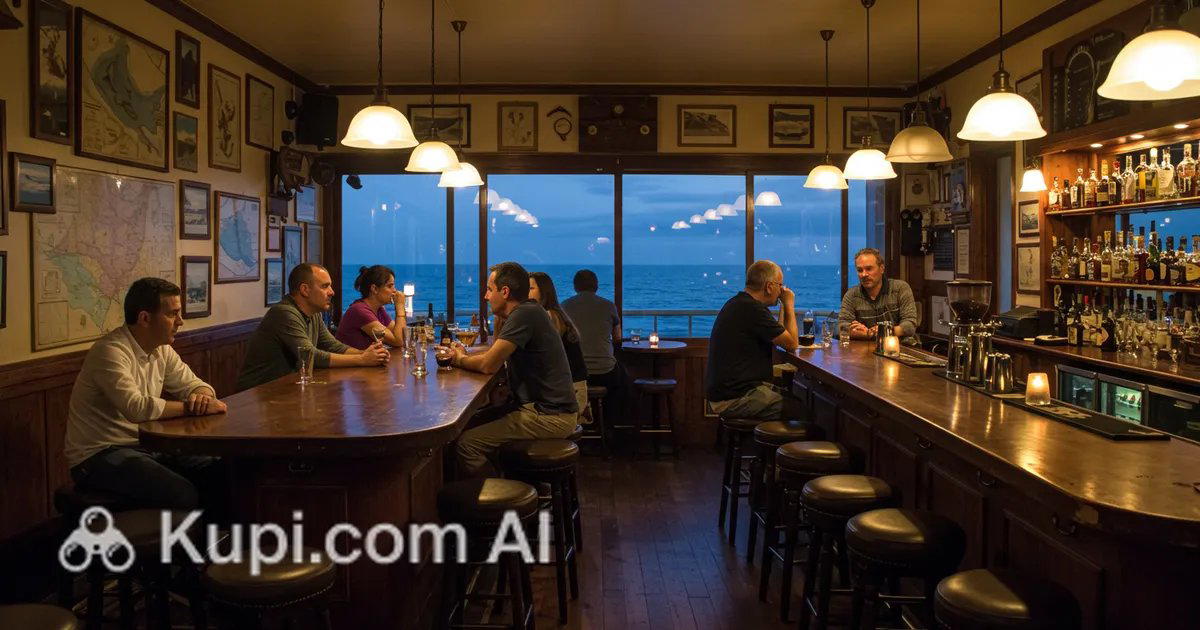
Where Patagonian Waters Define the Menu
Puerto Madryn sits at the mouth of the Golfo Nuevo, a semi-enclosed bay whose cold-water currents produce some of the most productive shellfish habitat on the South Atlantic coast. The city's port has long supplied Argentine export markets with langostinos and shrimp hauled from the surrounding ocean, yet the local dining scene has been slower than the fishery itself to draw attention from travellers. Camarón Bombay operates in a city where proximity to the source is not a marketing claim but a geographic fact.
The name frames the kitchen's primary material directly: camarón, the Argentine shrimp drawn from Patagonian waters that represent one of the country's most significant wild-catch fisheries. Puerto Madryn's position as both a whale-watching destination and a gateway to Península Valdés means its restaurants divide roughly between tourist-facing operations and places that hold to a more grounded local register. Camarón Bombay, based on its address and name alone, reads as the latter.
The Ingredient Argument: Patagonian Shellfish at the Source
Understanding what Camarón Bombay likely puts on the plate requires understanding the Golfo Nuevo and the broader Patagonian shelf. Argentina's southern waters are cold, nutrient-dense, and among the least overfished of any major South American fishery. The langostino patagónico, a species distinct from tropical shrimp in texture and salinity, is harvested commercially from fleets based partly in Puerto Madryn itself. Restaurants operating this close to the landing point work with a freshness margin that places them in a different category from Buenos Aires seafood rooms, however accomplished those kitchens may be.
This is a pattern that repeats across serious coastal dining traditions worldwide. The distance between ocean and plate is not just logistical; it changes what is possible on the menu. At the port end of that chain, preparations tend toward economy and respect for the ingredient rather than transformation. The shrimp speaks through its own sweetness and brine rather than through accumulated technique. Compare that to the tasting-menu framework of something like Le Bernardin in New York City, where exceptional sourcing is the foundation but elaborate technique is the point, and the contrast clarifies why proximity-driven kitchens often operate with a lighter hand.
For Argentina more broadly, the seafood conversation has historically been dominated by the beef-centric axis of Buenos Aires and Mendoza. Restaurants like Don Julio in Buenos Aires define a national dining identity built around the pampas rather than the coast. The Patagonian shore offers a genuinely different Argentina at the table, one anchored in cold-water catches rather than grassland-raised protein, and Puerto Madryn is one of the few cities where that shift is fully legible on menus.
Setting and Format
The address at Aarón Jenkins 157 places the restaurant in the urban fabric of Puerto Madryn rather than on the waterfront tourist corridor. That distinction matters in a city where much of the visitor infrastructure clusters around the coastal boulevard. A restaurant positioned in a residential or commercial street typically draws a higher proportion of local clientele, which in a fishing city tends to act as a quality signal in its own right. Locals eating seafood in a port town know the difference between product that arrived this morning and product that did not.
This kind of due diligence is standard in smaller Argentine cities where online records lag behind reality. For broader orientation to what the city offers across price points and formats, our full Puerto Madryn restaurants guide covers the current scene in more depth. Closer in category and city, Lo de Papa offers a useful point of comparison within Puerto Madryn itself.
Argentine Coastal Dining in Broader Context
The country's restaurant culture, when it travels internationally, is represented almost entirely by its wine and beef axis. Properties like Cavas Wine Lodge in Alto Agrelo and Entre Cielos Luxury Wine Hotel and Spa in Lujan du Cuyo represent the Mendoza-centred image of Argentine fine dining that most international visitors arrive expecting. The Patagonian south offers a counterpoint: estancia culture at EOLO in El Calafate, produce-led cooking at Azafrán in Mendoza, and at the coast, the shellfish-forward kitchens of Puerto Madryn. Each represents a distinct Argentine food identity, and the coastal version is the least documented in international editorial.
That under-documentation is partly a function of geography. Puerto Madryn draws visitors primarily for wildlife, specifically the southern right whales that arrive in Golfo Nuevo between June and December, and the penguin colonies at Punta Tombo. Dining tends to be secondary in most trip-planning frameworks for the region. The result is that the restaurant scene has developed under less external pressure, which can produce either stagnation or authenticity depending on which kitchens you find. Camarón Bombay's name suggests a kitchen that knows what it is and what it has access to, which is a reasonable basis for confidence in a port city of this type.
Elsewhere in Argentina's wider hospitality scene, places built around specific ingredients or local sourcing include La Table de House of Jasmines in La Merced Chica and the estancia kitchen at La Bamba de Areco in San Antonio de Areco. Both operate in traditions where the ingredient source is part of the identity proposition. The Patagonian shrimp kitchen sits in the same conceptual family, even if the format and setting differ considerably.
Planning Your Visit
Puerto Madryn is accessible by air from Buenos Aires via Comodoro Rivadavia or direct regional flights into Almirante Marcos A. Zar Airport. Overland travellers arriving from the Lake District or El Calafate will find the city a workable stop on a longer Patagonian circuit. The whale-watching season, June through December, represents the city's peak visitor period, and restaurant demand follows accordingly. Travelling outside those months typically means easier reservations and a clientele skewed more heavily toward residents, which often produces a different atmosphere at the table. The address at Aarón Jenkins 157 is the confirmed locator.
Frequently asked questions
Is Camarón Bombay child-friendly?
The address at Aarón Jenkins 157 places Camarón Bombay within Puerto Madryn's urban residential fabric rather than the high-turnover waterfront strip, which typically signals a more relaxed, neighbourhood-oriented format suited to families. Coastal seafood restaurants in this part of Chubut tend toward informal service styles.
What kind of setting is Camarón Bombay?
Sitting at Aarón Jenkins 157, the restaurant is positioned away from Puerto Madryn's tourist waterfront corridor, a placement that usually reflects a local rather than transient clientele. That distinction matters in a city where the seafront block tends toward higher prices and shorter menus. Expect a more grounded, neighbourhood-dining atmosphere consistent with the address.
Why eat seafood in Puerto Madryn rather than Buenos Aires?
Puerto Madryn sits directly on the Golfo Nuevo, a semi-enclosed Patagonian bay whose cold currents feed some of the most productive shellfish grounds on Argentina's Atlantic coast. What arrives on the plate in Buenos Aires has already travelled roughly 1,400 kilometres from this coastline. Restaurants like Camarón Bombay, operating at Aarón Jenkins 157 within the city itself, are as close to the source as Argentine coastal seafood gets.
What's the best thing to order at Camarón Bombay?
The name itself points toward the answer: camarón, shrimp, sourced from the Patagonian shelf, where cold Golfo Nuevo currents produce shellfish of notable density and flavour. Argentina's southern Atlantic coast is one of the few regions in South America where cold-water prawns are harvested commercially at scale, making this a dish with genuine regional argument behind it.
What part of town is Camarón Bombay in?
Camarón Bombay is located at Aarón Jenkins 157, U9120 Puerto Madryn, Chubut, Argentina, Puerto Madryn.
Quick Comparison
Comparable venues nearby, for context on price, style, and recognition.
| Venue | Cuisine | Awards | Notes |
|---|---|---|---|
| Camarón BombayThis venue (the venue you are viewing) | Mediterranean Seafood | Not listed | Not listed |
| Lo de Papa | Patagonian Argentine | Not listed | Puerto Madryn |
| María Antonieta | Modern Mediterranean-Argentine Bistro | Not listed | Ciudad |
| Alcahuete | Porteña Pizza | Not listed | Palermo |
| Chila | Modern New Argentine Fine Dining | Not listed | Puerto Madero |
| Chuchú | International | Michelin Bib Gourmand | Retiro |
Continue exploring
More in Puerto Madryn
Restaurants in Puerto Madryn
All restaurants in Puerto Madryn →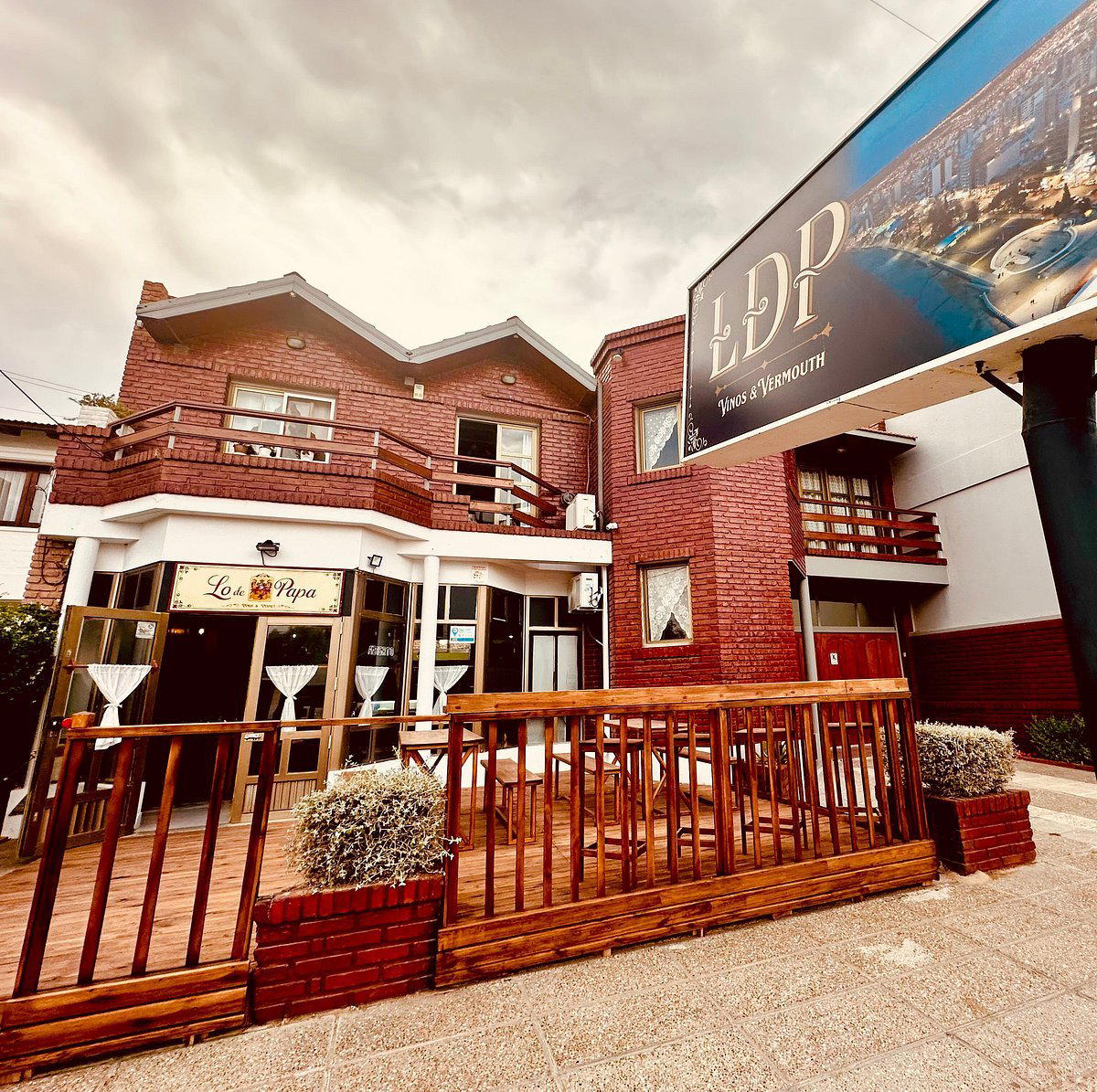
Details
- Cozy
- Intimate
- Casual Hangout
- Date Night
- Waterfront
- Craft Cocktails
- Local Sourcing
- Waterfront
- A La Carte
- Small Plates
Current opening hours
- Monday
- Closed
- Tuesday
- Closed
- Wednesday
- 7 PM–1 AM
- Thursday
- 7 PM–1 AM
- Friday
- 7 PM–1 AM
- Saturday
- 7 PM–1 AM
- Sunday
- Closed
Hours can change for holidays and private events. Hours as of .
Tiny cozy ambience with soft lighting and relaxed authentic atmosphere.