Trescha



Trescha holds a Michelin star for 2024 and 2025 and appears on Latin America's 50 Best list, operating from Villa Crespo with a tasting-format menu built around Argentine ingredients and research-led technique. Chef Tomás Treschanski works within a contemporary idiom that sits outside the city's steakhouse and traditional asado tradition, placing Trescha in a small comparable set alongside Aramburu at the summit of Buenos Aires' modern fine-dining tier.
Pearl is the En Primeur Club membership app — saves, bookings, and concierge access live there. Same editors, same standards.
- Address
- Murillo 725, C1414 Cdad. Autónoma de Buenos Aires, Argentina
- Phone
- +54 9 11 5572-7724
- Website
- trescharestaurant.com
- Directions
- Get directions
 Saves & bookings on Pearl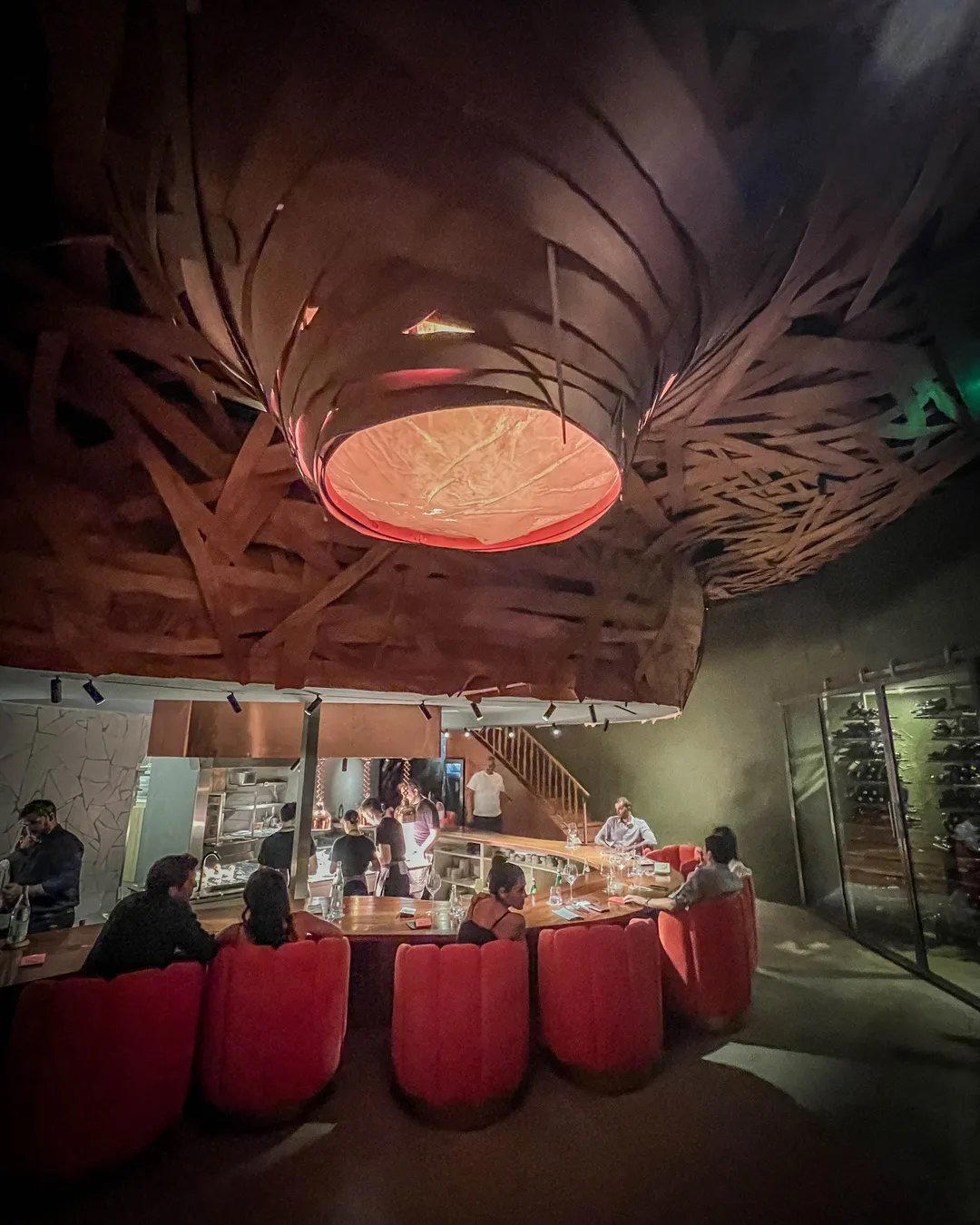
Where Villa Crespo Meets the Edge of Argentine Fine Dining
Villa Crespo is not the neighbourhood most visitors draw a map to first. Palermo's restaurant cluster and San Telmo's market energy tend to absorb that initial attention, which means the stretch of streets around Murillo has developed a particular character: less performance, more substance. Trescha sits on Murillo 725 in Villa Crespo, Buenos Aires. That restraint, as it turns out, is thematically appropriate.
Buenos Aires has spent the better part of two decades assembling a serious fine-dining tier alongside its dominant steakhouse culture. That steakhouse tradition, represented at the leading end by venues like Don Julio, remains the city's most legible export to international visitors. What has grown beside it is harder to categorize: a strand of chef-driven, research-oriented cooking that uses Argentine ingredients as raw material for something structurally closer to European tasting menus than to the parrilla tradition. Trescha, with a Michelin star and recognition on Latin America's 50 Best list, operates firmly within that strand.
The Atmosphere and What It Signals
The physical environment at Trescha is calibrated for focus rather than spectacle. Contemporary fine dining in this price bracket across Latin America has split between two modes: the grand room designed to announce occasion, and the smaller, more controlled space designed to concentrate attention on the food. Trescha belongs to the second category. The address on Murillo places it in a converted residential building, which shapes everything about how the meal begins, from the walk through a neighbourhood that feels genuinely local to the transition into a dining room that operates at a different frequency from the street outside.
This is a setting where the absence of distraction is a deliberate choice rather than a limitation. Rooms of this kind, found at the same level in cities from Stockholm to Dubai, operate on the assumption that if the cooking is doing its job, the environment needs to get out of the way. For comparison, Frantzén in Stockholm and FZN by Björn Frantzén in Dubai represent this same formal instinct at a different scale and cultural context. In Buenos Aires, where dining rooms have historically leaned toward warmth and social noise, Trescha's format represents a more European kind of seriousness.
The Cooking: Argentine Material, Research-Led Method
The cuisine at Trescha is classified as Modern Argentine Fine Dining, which in the context of Buenos Aires means something specific. Chef Tomás Treschanski works with local Argentine products as the foundational material, but the approach to that material is shaped by research into technique, origin, and transformation. This is not farm-to-table in the loose contemporary sense; it is a more structured inquiry into what Argentine ingredients can become when subjected to methods that challenge received ideas about how those ingredients are supposed to taste.
This positions Trescha differently from both the traditional end of Buenos Aires dining and from the kind of modern Argentine cooking that foregrounds the grill. The menu format is authorial: a fixed tasting structure in which the sequence of dishes carries an argument rather than simply presenting options. At the $$$$ price point, with Michelin recognition that places it in the same tier as Aramburu, the expectation is that this argument is consistent across the meal. Contemporary restaurants working in this mode elsewhere in Argentina, such as Azafrán in Mendoza, demonstrate how far the country's fine-dining geography has extended beyond the capital, but Buenos Aires remains the city where the international critical apparatus concentrates its attention.
Trescha's inclusion on Latin America's 50 Best list is a signal worth reading carefully. That list operates as a regional credentialing system distinct from Michelin, with its own electorate and methodology, and appearing on both simultaneously indicates recognition across two different critical communities. At other properties across Argentina, from Awasi Iguazu in the northeast to EOLO in Patagonia, the emphasis tends to fall on place and landscape as the frame for the food. At Trescha, the frame is technique and idea rather than geography, which is a less common posture in Argentine fine dining and a more international one.
Trescha in the Context of Buenos Aires' Modern Dining Tier
Buenos Aires has at least three legible tiers in its current restaurant scene. The first is the traditional asado and parrilla culture, which runs from neighbourhood spots to polished destinations. The second is an accessible modern layer, where places like Julia and Casa Cavia offer creative cooking in atmospheres that feel relaxed and contemporary without the formality of a full tasting menu. The third, occupied by Trescha and Aramburu, is the small cluster of venues where the cooking carries genuine critical weight and the format signals a complete departure from casual dining norms.
What distinguishes the Trescha position within that top tier is the Villa Crespo address. Most of Buenos Aires' highest-profile restaurants operate from Palermo, Recoleta, or San Telmo, neighbourhoods that carry established associations with restaurant culture in the city. Villa Crespo sits adjacent to Palermo but has its own texture: more residential, with a Jewish community history and a recent wave of independent food businesses that have arrived without announcing themselves loudly. Trescha fits the neighbourhood's current register precisely because it does not perform its credentials from the outside.
For visitors building a broader Buenos Aires itinerary, the range of options beyond the Trescha tier covers significant ground. The Ajo Negro - Mar de Tapas represents the Spanish-influenced end of the city's modern dining; the estancia tradition at properties like La Bamba de Areco offers a completely different register of Argentine hospitality within driving distance of the capital. Cavas Wine Lodge in Alto Agrelo and El Colibrí in Santa Catalina extend the picture into wine country. The full range is mapped in our full Buenos Aires restaurants guide, alongside our full Buenos Aires hotels guide, our full Buenos Aires bars guide, our full Buenos Aires wineries guide, and our full Buenos Aires experiences guide.
What the Google Rating Tells You
6 across 233 reviews at a $$$$ tasting-menu restaurant is a meaningful data point. This is not the kind of place that accumulates large review volumes; the format and price point self-select for a smaller, more deliberate audience. A 4.6 at this volume, in this category, indicates consistent execution rather than the occasional peak that can inflate a score at lower-traffic venues. It sits above the average for comparable Buenos Aires fine-dining addresses and reflects a dining room that delivers reliably across different seatings and service teams.
Know Before You Go
- Address: Murillo 725, Villa Crespo, Buenos Aires
- Cuisine: Modern Cuisine, tasting menu format
- Price tier: $$$$
- Awards: Michelin 1 Star; Latin America's 50 Best (No. 36) 6 (269 reviews)
- Booking: Advance reservation required
- Hours: Wed 6:30 AM-11:30 PM; Thu-Sat 6:30-11:30 PM; Mon-Tue and Sun closed
- Neighbourhood: Villa Crespo, adjacent to Palermo
Price and Recognition
Comparable venues nearby, for context on price, style, and recognition.
| Venue | Cuisine | Price | Awards |
|---|---|---|---|
| TreschaThis venue — the venue you are viewing | Modern Cuisine | $$$$ | Michelin 1 Star |
| Crizia | Palermo, Contemporary Argentine Seafood | $$$$ | Michelin 1 Star |
| El Preferido de Palermo | Palermo, Classic Italian Bodegón | $$$ | Michelin Plate, World's 50 Best #24 |
| Aramburu | Recoleta, Modern Argentine Haute Cuisine | $$$$ | Michelin 2 Star |
| Julia | Villa Crespo, Modern Indie Fusion | $$$$ | Michelin Plate, World's 50 Best #50 |
| Don Julio | Palermo, Argentinian Parrilla Steakhouse | $$$$ | Michelin 1 Star |
Recognition history
Dated appearances from independent guides and award organizations, with the underlying list record or original source where available.
Michelin 1 Star
Michelin
Michelin 1 Star
Michelin
The Best Chef Two Knives
The Best Chef
World's 50 Best Latin America's Best Restaurants #36
World's 50 Best
Michelin 1 Star
Michelin
Continue exploring
More in Buenos Aires
Restaurants in Buenos Aires
Browse all →
Bars in Buenos Aires
Browse all →
Hotels in Buenos Aires
Browse all →
Wineries in Buenos Aires
Browse all →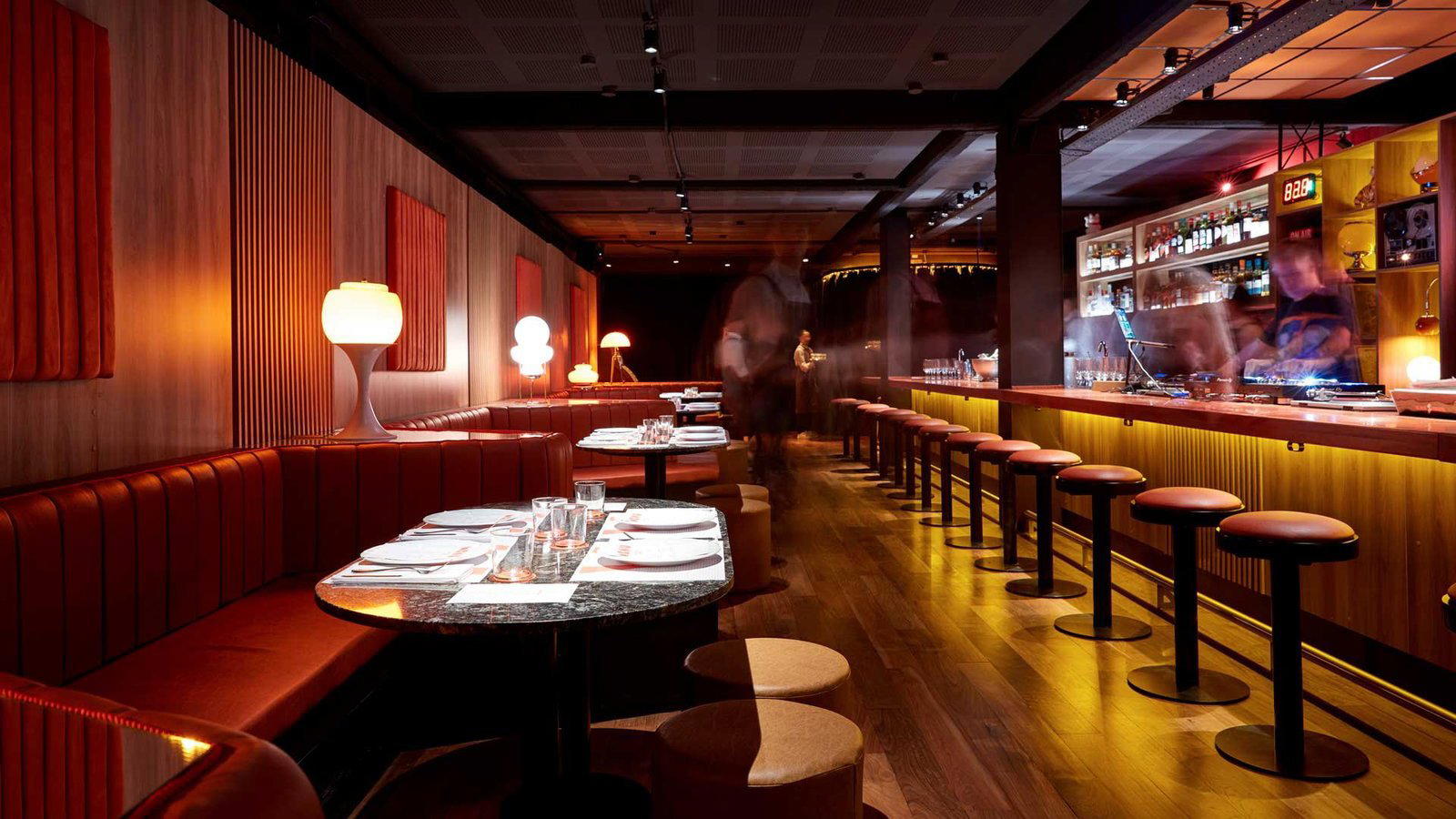
At a Glance
- Sophisticated
- Elegant
- Intimate
- Modern
- Special Occasion
- Date Night
- Solo
- Open Kitchen
- Chefs Counter
- Extensive Wine List
- Craft Cocktails
- Organic
Current opening hours
- Monday
- Closed
- Tuesday
- Closed
- Wednesday
- 6:30 AM–11:30 PM
- Thursday
- 6:30–11:30 PM
- Friday
- 6:30–11:30 PM
- Saturday
- 6:30–11:30 PM
- Sunday
- Closed
Hours can change for holidays and private events. Last verified .
Sophisticated and intimate with warm lighting, contemporary design in a remodelled house, and an open kitchen view creating a luxurious, personal atmosphere.