Aldo’s Palermo

Star Wine List
Our verdict
Aldo's Palermo is the Palermo outpost of sommelier Aldo Graziani's restaurant group, serving contemporary fare with Italian and Mediterranean influence alongside a wide selection of Argentine wine. Arévalo 2032 places it squarely in one of Buenos Aires' most active dining corridors, where the competition runs from traditional parrillas to creative tasting menus. The draw here is a wine-led approach to sourcing and a menu calibrated for the neighbourhood's appetite.

Pearl is the En Primeur Club membership app — saves, bookings, and concierge access live there. Same editors, same standards.
- Address
- Arévalo 2032, C1414CQP Cdad. Autónoma de Buenos Aires, Argentina
- Phone
- +54 11 7113-1480
- Hours
- Mon–Thu 12–11:30 PMFri 12 PM–12 AMSat 6 PM–12 AMSun 12–11:30 PM
- Website
- aldosvinoteca.com
- Directions
- Get directions
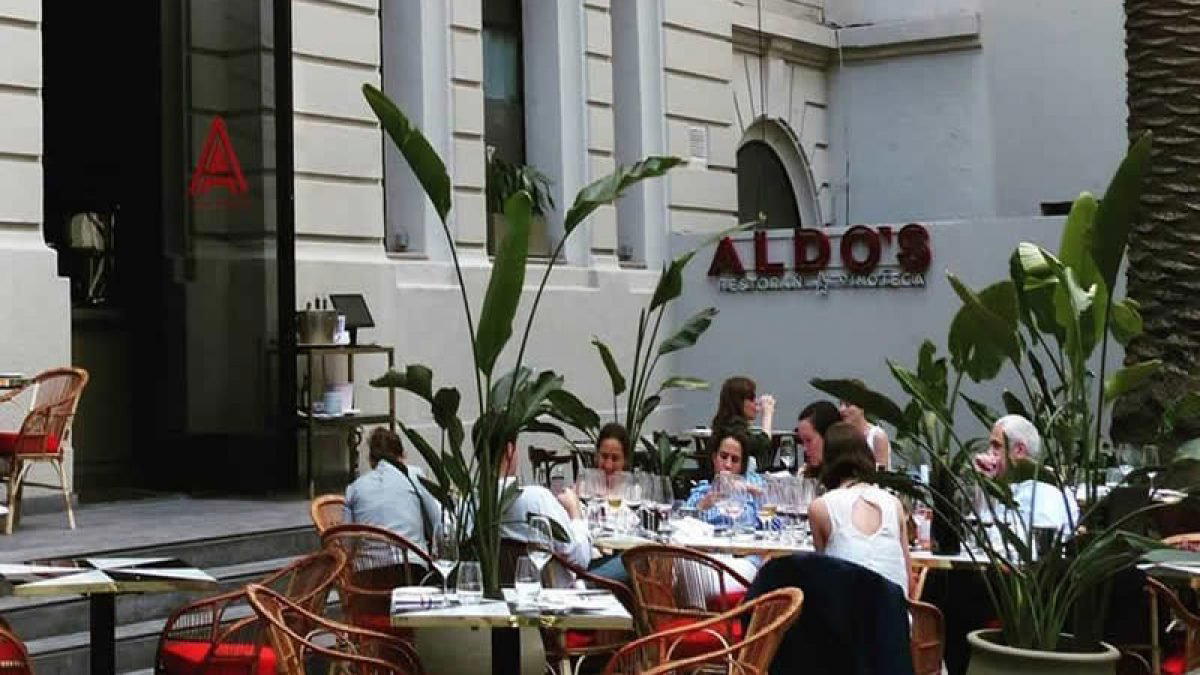
The menu
What to order
- Entraña with Chimichurri
- Cauliflower Soup with Trout
- Lasagna
Where Palermo's Dining Scene Places This Room
Palermo has long operated as Buenos Aires' testing ground for restaurants that sit between the city's two dominant modes: the reverent parrilla tradition and the avant-garde tasting-menu circuit. The neighbourhood absorbs both without conflict, and along Arévalo and its surrounding blocks, you find the middle register most clearly — restaurants that take ingredients and wine seriously without building a theatrical experience around them. Aldo's Palermo, at Arévalo 2032, occupies that register precisely. It's the Palermo branch of sommelier Aldo Graziani's operation, and its positioning reflects the sourcing-led, wine-anchored approach that defines his wider project.
For context on where this sits in the city's broader restaurant map, Palermo competes with Recoleta and San Telmo for serious dining attention. But Palermo's character is more casual in delivery, even when the cooking is ambitious. That distinction matters here: the Italian and Mediterranean influence in Aldo's kitchen arrives without the formality those references sometimes carry in European settings. The result is a room that reads as relaxed but deliberate — a combination that suits both long weekday lunches and unhurried dinners.
The Sourcing Logic Behind Italian and Mediterranean Influence in Buenos Aires
Italian immigration shaped Argentine food culture more than any other single culinary tradition. The country absorbed pasta, cured meats, and preserved vegetables into its domestic repertoire so thoroughly that many Argentines no longer think of these as foreign imports. What a restaurant with Mediterranean influence does in Buenos Aires, then, is different from what it does in London or New York: it's drawing on a culinary inheritance that already has deep local roots, not importing an exotic reference.
At Aldo's Palermo, that inheritance connects to questions of provenance. Argentina's geography gives any kitchen with Mediterranean sensibilities an unusually strong supply base. The northwest provinces produce peppers, tomatoes, and aromatics suited to the region's techniques. Patagonia contributes lamb and fish of a quality that holds up to comparative reference against European sourcing. The Pampas supply beef that needs no defending in any context, including those where the dish leans Italian rather than traditionally Argentine. A wine-literate operation like this one, run by a sommelier, tends to select ingredients with the same precision applied to wine selection: origin matters, and so does the relationship between what's on the plate and what's in the glass.
That wine-first perspective shapes the menu's architecture in ways that aren't always visible on the surface. Sourcing decisions in wine-led restaurants tend to favour ingredients with distinct regional character, things that taste clearly of where they came from, because those ingredients pair more reliably and more interestingly than neutral or generic ones. It's the same logic that drives sommeliers toward single-vineyard bottlings rather than blended commercial wines. Buenos Aires diners who have spent time at places like Crizia or Anafe will recognise this approach: contemporary Argentine cooking increasingly treats the supply chain as a culinary argument, not just a logistical necessity.
Wine as the Anchor, Not the Afterthought
The most consistent marker of a sommelier-led restaurant is that the wine list doesn't feel bolted on. Graziani's background means the cellar at Aldo's Palermo is treated as a primary element of the experience rather than a supporting document. Buenos Aires has strong access to the full range of Argentine production, Malbec and Torrontés from Mendoza and Salta, Pinot Noir from Patagonia, sparkling wines from the Rio Negro valley, and a sommelier operating in this city has material to build a list with genuine range and argument.
For those planning a visit, it's worth approaching the meal with the wine selection in mind from the start rather than treating it as a decision made after ordering food. That's the rhythm a room like this is built for. Restaurants of a comparable orientation elsewhere in the world, from Azafrán in Mendoza to properties like Cavas Wine Lodge in Alto Agrelo, have demonstrated that Argentine wine and Mediterranean-influenced food find natural common ground: the acidity structures, the weight of the dishes, and the regional character of the ingredients align in ways that feel considered rather than coincidental.
Palermo in Practice: Booking, Timing, and Context
Arévalo 2032 sits in the heart of Palermo Hollywood, a sub-neighbourhood that has accumulated a dense concentration of restaurants over the past two decades. The address is walkable from multiple accommodation clusters and easily reached by remis or rideshare from other parts of the city. Buenos Aires dining runs late by most international standards: dinner service rarely fills before 9pm, and tables at 10pm or later are common rather than exceptional. Arriving at European or North American dinner hours risks a quieter room than the kitchen is calibrated for.
For those building an itinerary around Buenos Aires' wider dining options, Don Julio represents the pinnacle of the traditional parrilla format a few blocks away, while Trescha and Aramburu operate in the more structured tasting-menu tier. Aldo's Palermo positions itself between these poles, more composed than a traditional grill, less choreographed than a full tasting format. That makes it a practical choice for occasions where the meal itself is the event but the evening doesn't need to be structured around a fixed sequence of courses.
Visitors planning a broader Argentine trip can find additional sourcing-led dining in contexts that extend the themes explored here: La Bamba de Areco in the Pampas, Awasi Iguazu in the northeast, and La Table de House of Jasmines in Salta each demonstrate how regional ingredients translate differently depending on latitude and altitude. El Colibri in Santa Catalina offers another angle on Argentine produce in a rural setting. For the full Buenos Aires picture, see our full Buenos Aires restaurants guide, along with dedicated coverage of hotels, bars, wineries, and experiences across the city.
Frequently asked questions
What's Aldo’s Palermo known for in terms of accolades?
Aldo’s Palermo has received recognition including: The brainchild of sommelier Aldo Graziani, the Palermo branch of his eponymous restaurant offers up the same solid contemporary fare with Italian and Mediterranean influence and a wide array of local....
What part of town is Aldo’s Palermo in?
Aldo’s Palermo is located at Arévalo 2032, C1414CQP Cdad. Autónoma de Buenos Aires, Argentina, Buenos Aires.
Does Aldo's Palermo work for a family meal?
Aldo's Palermo on Arévalo 2032 draws from Italian and Mediterranean culinary traditions, a framework that tends to produce menus with broad enough range to accommodate mixed groups and varying appetites. The Palermo Hollywood address puts it in one of Buenos Aires' most accessible dining corridors. That said, the sommelier-led focus and contemporary positioning make it a stronger fit for adults with a genuine interest in the wine list than for young children.
What's the overall feel of Aldo's Palermo?
This is a sommelier's room first. Aldo Graziani built the concept around the idea that wine and food should develop together on the menu, which gives the space a considered, unhurried quality more common to enotecas than to Buenos Aires' louder trattorias. The Palermo Hollywood setting situates it among the neighbourhood's denser restaurant concentration, but the Italian and Mediterranean register keeps the mood grounded rather than showy.
Fast Comparison
Comparable venues nearby, for context on price, style, and recognition.
| Venue | Cuisine | Price | Awards | Notes |
|---|---|---|---|---|
| Aldo’s PalermoThis venue — the venue you are viewing | Modern Argentine with Italian influences | $30–50 | Star Wine List | Not listed |
| Piedra Pasillo Al Fondo | Modern Argentine Contemporary | $30–50 | Michelin Plate | Núñez |
| Facon | Argentine | $20–30 | Not listed | Torre de Los Ingleses |
| Aljibe Tango | Traditional Argentine Steakhouse with Tango Show | $50–100 | Not listed | Montserrat |
| Happening Costanera | Traditional Argentine Parrilla | $30–50 | Not listed | Belgrano |
| Sucre | Contemporary Argentine | $30–50 | Michelin Plate | Belgrano |
Recognition history
Dated appearances from independent guides and award organizations, with the underlying list record or original source where available.
Star Wine List
Star Wine List
Continue exploring
More in Buenos Aires
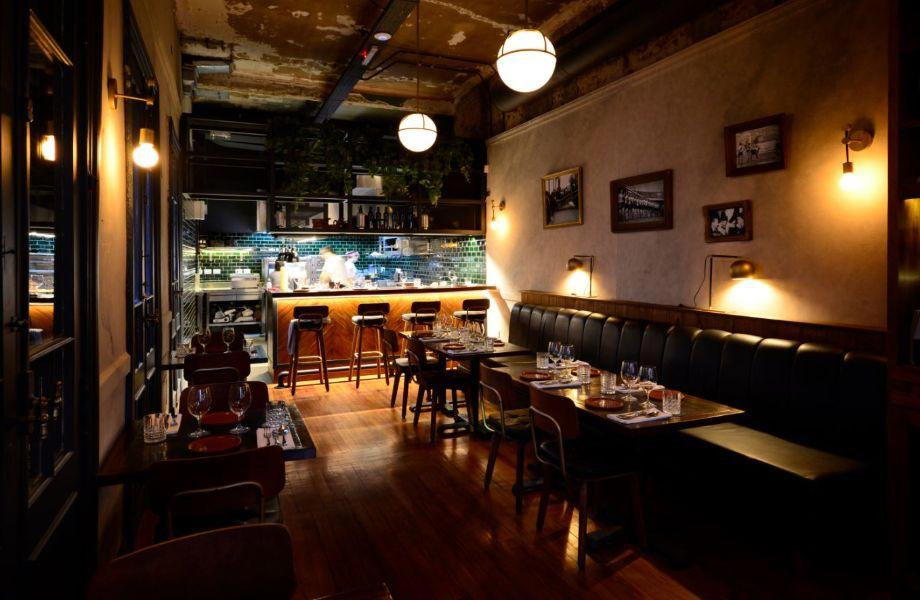
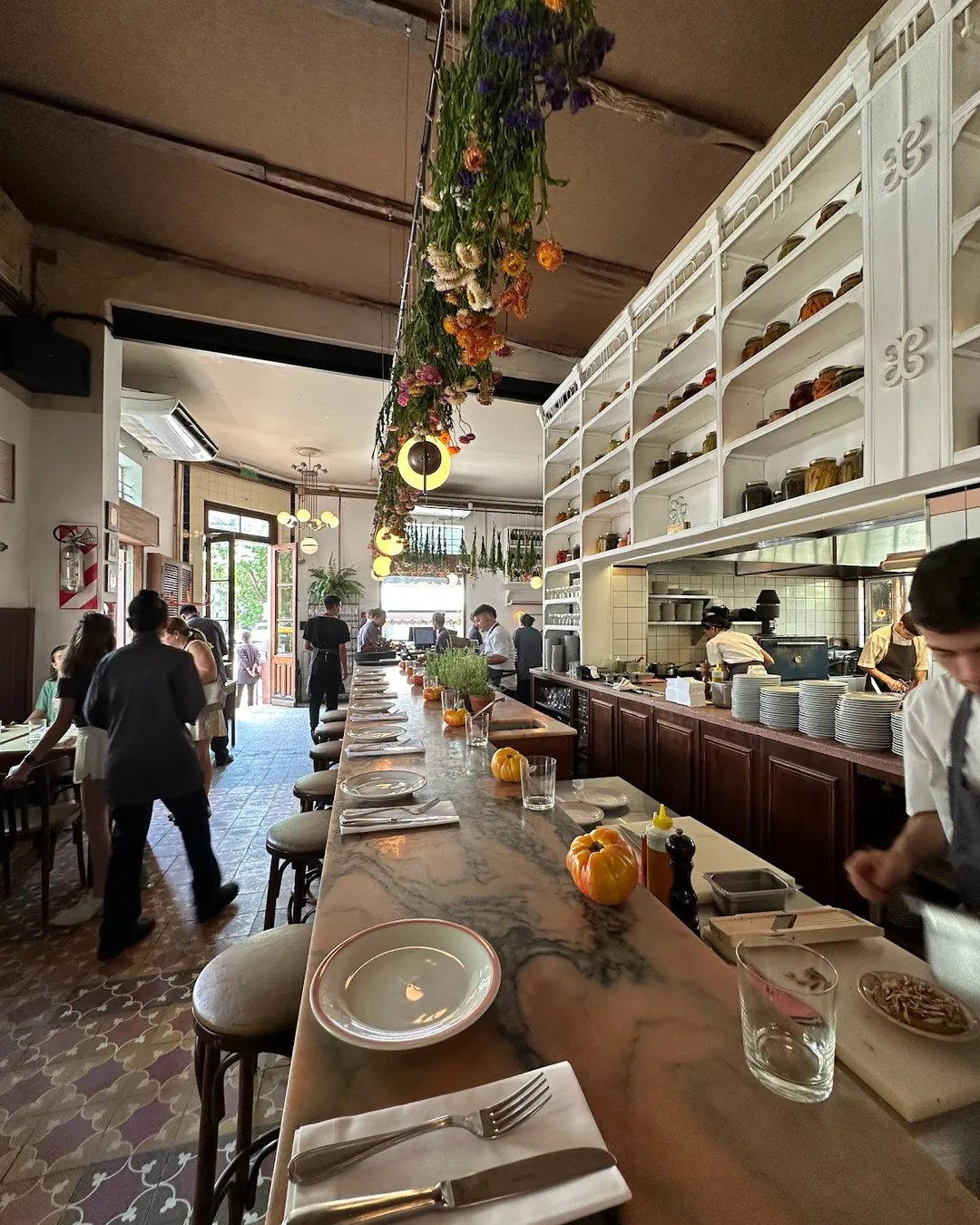
Restaurants in Buenos Aires
Browse all →
Bars in Buenos Aires
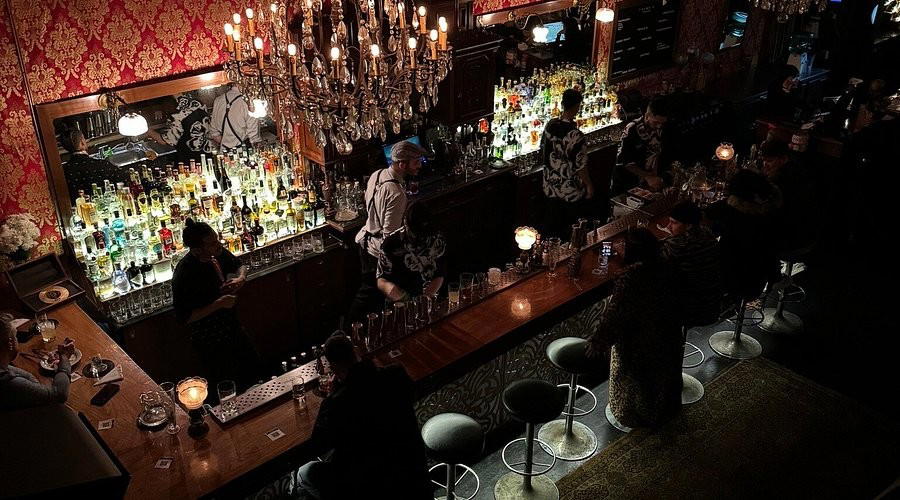
Browse all →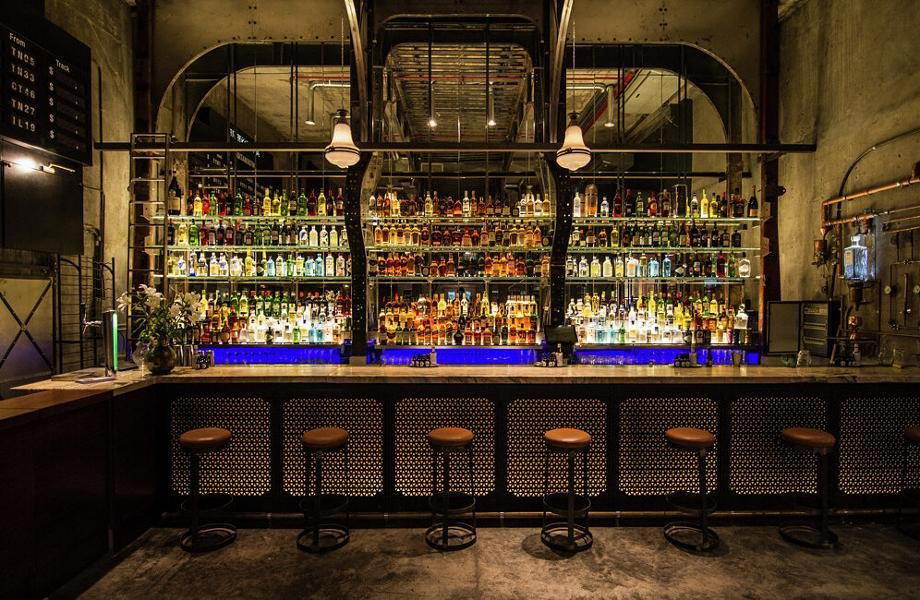
Hotels in Buenos Aires
Browse all →
Wineries in Buenos Aires
Browse all →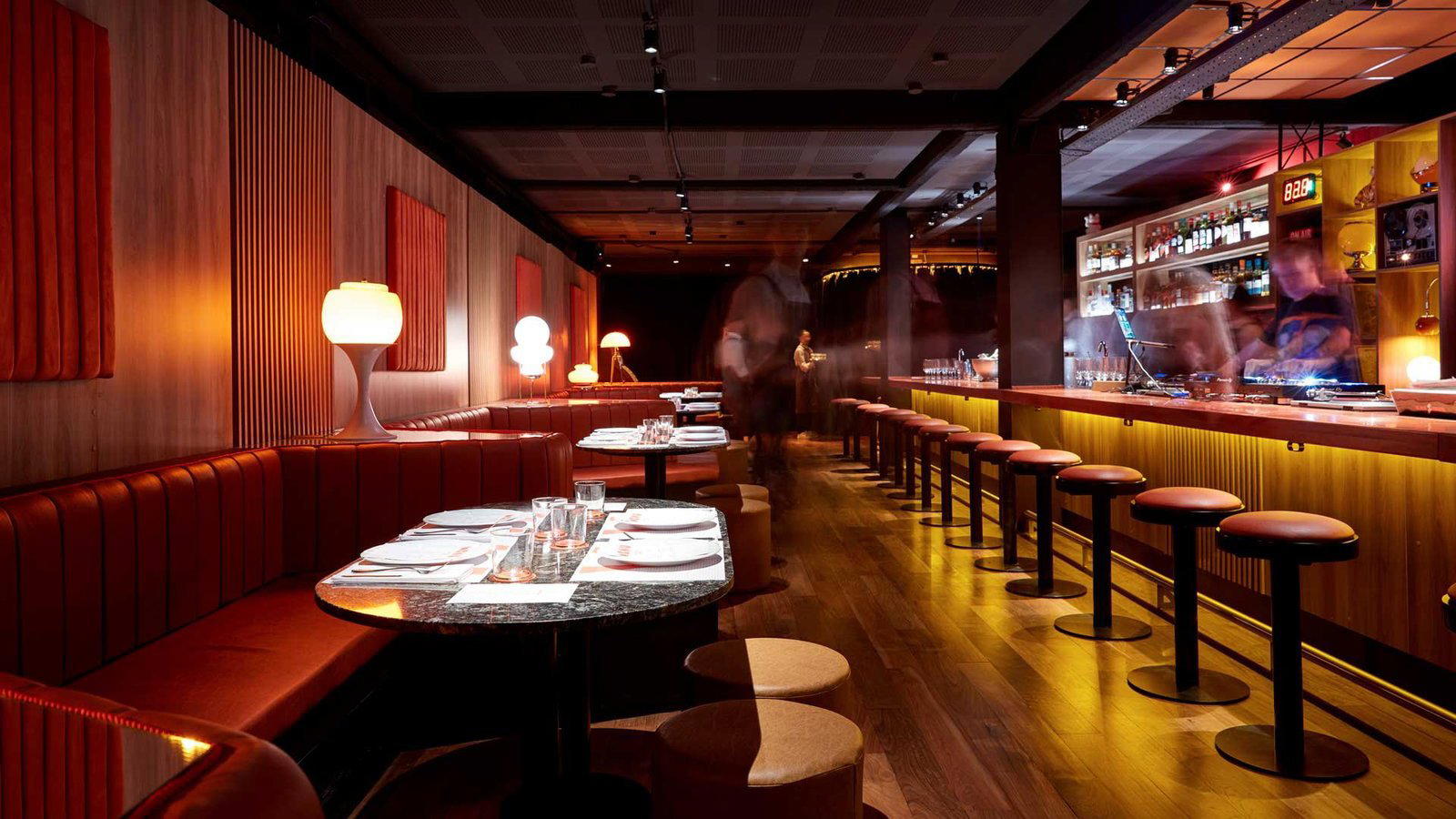
Details
- Cozy
- Elegant
- Intimate
- Date Night
- Special Occasion
- Wine Cellar
- Extensive Wine List
- Local Sourcing
- Street Scene
- A La Carte
- Wine
Current opening hours
- Monday
- 12–11:30 PM
- Tuesday
- 12–11:30 PM
- Wednesday
- 12–11:30 PM
- Thursday
- 12–11:30 PM
- Friday
- 12 PM–12 AM
- Saturday
- 6 PM–12 AM
- Sunday
- 12–11:30 PM
Hours can change for holidays and private events. Last verified .
Warm and inviting atmosphere ideal for casual dining and special occasions with cozy lighting.