Boticario

Top 500 Bars Best Bars #484
Ranked #484 in the 2025 Top 500 Bars list, Boticario operates from Honduras 5207 in Buenos Aires's Palermo neighbourhood, sitting within the competitive tier of the city's craft bar scene.

Pearl is the En Primeur Club membership app, where members save venues, book tables and use the concierge.
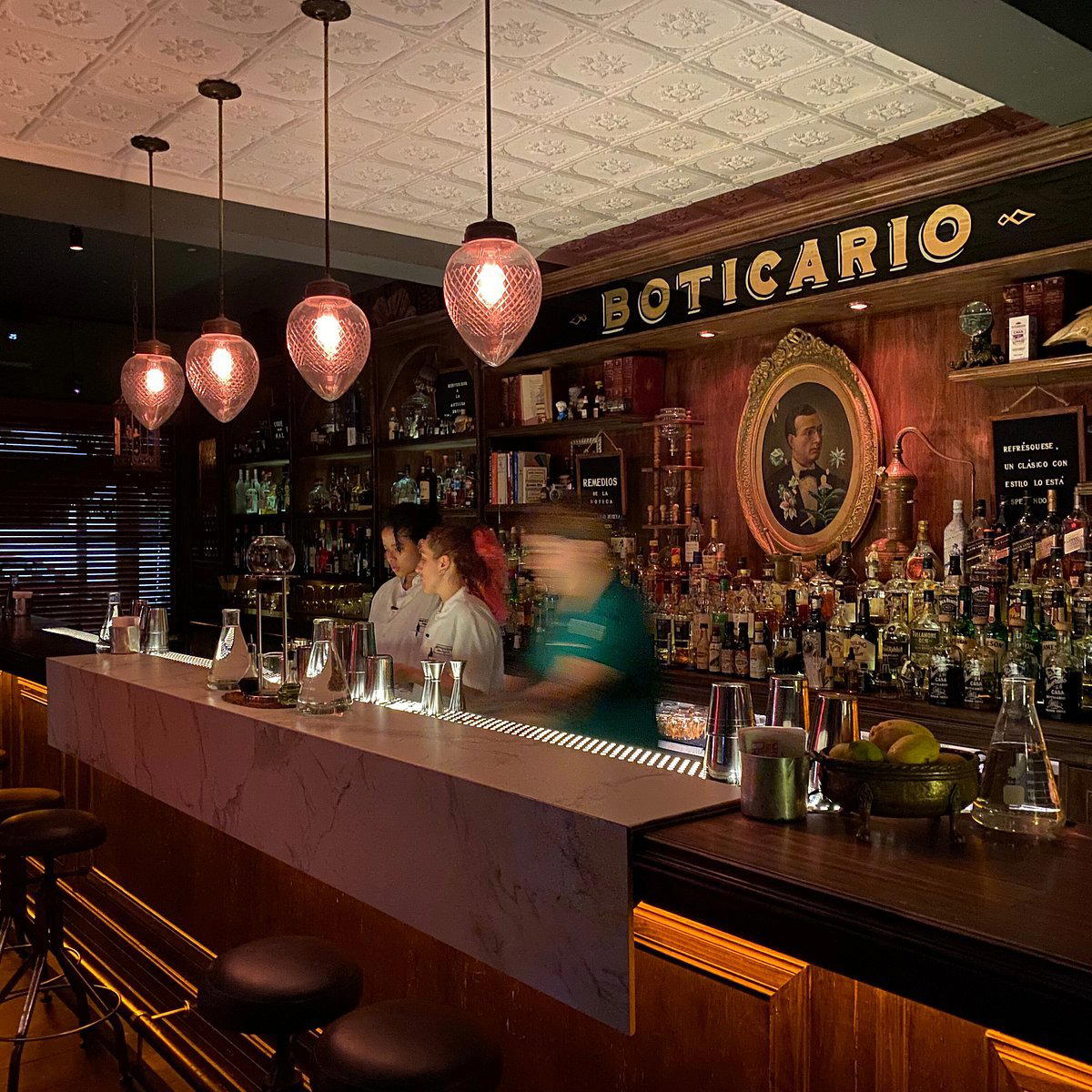
Palermo's Bar Scene and Where Boticario Sits Within It
Buenos Aires has spent the better part of two decades building a bar culture that now draws serious international attention. The city's craft cocktail movement accelerated through the 2010s, moving from imported templates toward something distinctly local: Argentine botanicals, Malbec-adjacent grape spirits, amargos, and a hospitality register that is warm without being performative. By 2025, that shift has produced a recognisable tier of bars that compete on programme sophistication rather than on décor spectacle or celebrity association.
Boticario occupies an address in Palermo, at Honduras 5207, a stretch of the neighbourhood that concentrates some of the city's more considered drinking options. The 2025 Top 500 Bars ranking placed it at #484, which positions it at the entry point of a global list where Buenos Aires holds only a handful of slots. That kind of placement, particularly for a bar in a city where Florería Atlántico and 878 Bar have set the benchmark for international recognition, signals a programme that has earned credibility beyond local enthusiasm.
The Bartender's Craft as Organising Principle
In bars at this level of recognition, the quality of what arrives in the glass is almost always traceable to what happens behind the counter. The Top 500 Bars methodology weighs programme consistency, technical execution, and hospitality over the kind of one-night showmanship that can fool a single reviewer. A bar reaching that list from Buenos Aires, a city without the footfall of London or New York, has generally done so through accumulated craft reputation rather than marketing spend.
The apothecary inference in the name Boticario, a boticario being, historically, an apothecary or pharmacist in Spanish, points toward a philosophy of precision and measured composition. That framing is common among South American bars that have moved away from the free-pour culture of an earlier generation toward something closer to a craft laboratory approach: house-made preparations, deliberate sourcing, and a menu that reads more like a studied document than a list of crowd-pleasers. Whether that inference holds in the specifics of Boticario's programme requires a visit, but the name choice itself is a positioning statement.
This approach sits within a broader Argentine craft bar tradition that draws on the country's extraordinary raw material depth. Argentina produces some of the continent's most interesting vermouth, its own amaro category, and a growing range of artisanal spirits that give locally-minded bartenders genuine alternatives to imported bottles. Bars in Palermo that exploit this material depth tend to build programmes with a legibility that visiting drinkers, used to global spirit brands, don't always expect. The interest is often in what's in the bottle before it reaches the shaker.
Buenos Aires Cocktail Culture in Comparative Context
To understand where Boticario sits, it helps to map the Buenos Aires bar scene as a whole. The city's recognised addresses cluster into a few distinct modes. There are the high-volume, high-spectacle rooms that trade on atmosphere and accessible menus. There are the internationally-positioned flagship bars, Florería Atlántico being the clearest example, with its repeated appearances on the World's 50 Best Bars list, that function partly as ambassadors for Argentine drinking culture globally. And then there is a third tier: smaller, more focused addresses that prioritise programme over profile, attracting a crowd that knows what it's looking for.
Boticario's ranking places it in that third category, in proximity to addresses like CoChinChina and within the broader ecosystem that also includes hotel bars like the Four Seasons. That range of options means a serious drinker in Buenos Aires can move across very different formats in a single evening, from the polished neutrality of a luxury hotel programme to the more idiosyncratic logic of a neighbourhood craft room.
Globally, the 2025 Top 500 Bars list reflects a wider pattern in which craft bars outside the traditional Anglo-American circuit are claiming more ranking positions. Buenos Aires joins Mexico City, São Paulo, and Lima in a South American cluster that is no longer simply aspiring to European or North American standards but developing its own criteria for what a serious bar programme looks like. In that context, Boticario's #484 ranking is a data point in a larger argument about where the next decade of cocktail culture is being shaped.
For reference points beyond Argentina, bars working in this craft-focused, programme-led register include Kumiko in Chicago, Jewel of the South in New Orleans, and Bar Leather Apron in Honolulu, all of which have built ranking recognition through depth of craft rather than location advantage. Julep in Houston offers a comparable model built around a specific regional spirit tradition, a structural parallel to what Argentine bars do with local botanicals and spirits.
Planning a Visit
Honduras 5207 in Palermo is accessible from most central Buenos Aires neighbourhoods, and the area immediately around it concentrates enough serious drinking and dining options to build a full evening. Boticario's Honduras address sits in a part of Palermo that operates at a more local pace than the tourist-facing blocks further toward Soho, which tends to shape the room's clientele toward repeat visitors and those who have sought the place out specifically.
Argentine dining and drinking culture runs late by most international standards, with serious bar traffic beginning well after 21:00 and peaking toward midnight. Building Boticario into an itinerary that starts with dinner elsewhere in Palermo, then moves to the bar later in the evening, aligns with how the neighbourhood actually operates.
Visitors extending their Argentine trip beyond the capital will find a different kind of drinking culture in the provinces. Antares Mendoza in Mendoza sits at the centre of the country's wine-producing heartland, while Chato's Wine Bar in Cafayate and Colomé Winery in Molinos represent the more remote end of Argentine drinking, where the product in the glass is inseparable from the landscape that produced it. The Buenos Aires craft bar scene, including Boticario, sits at the other end of that spectrum: urban, composed, and working primarily with technique and sourcing rather than terroir proximity.
For a full account of where Boticario sits within the city's broader drinking and dining picture, the EP Club Buenos Aires guide maps the neighbourhood by neighbourhood logic of where to eat and drink across the capital.
At a Glance
Comparable venues nearby, for context on price, style, and recognition.
| Venue | Cuisine | Price | Awards | Notes |
|---|---|---|---|---|
| BoticarioThis venue (the venue you are viewing) | Palermo, speakeasy | $10–20 | Top 500 Bars Best Bars #484 | Not listed |
| Uptown | Palermo, speakeasy | $30–50 | Top 500 Bars Best Bars #396 | Not listed |
| Verne Club | Not listed | $20–30 | Not listed | Once, cocktail_bar |
| Lardito | Not listed | $50–100 | Star Wine List | Chacarrita, wine_bar |
| Petit Colón | Centro, lounge | $20–30 | Not listed | Not listed |
| Rodney Bar | Chacarrita, pub | $10–20 | Not listed | Not listed |
Recognition history
Dated appearances from independent guides and award organizations, with the underlying list record or original source where available.
Top 500 Bars Best Bars #484
Top 500 Bars
Continue exploring
More in Buenos Aires
Bars in Buenos Aires
All bars in Buenos Aires →
Restaurants in Buenos Aires
All restaurants in Buenos Aires →
Hotels in Buenos Aires
All hotels in Buenos Aires →
Wineries in Buenos Aires
All wineries in Buenos Aires →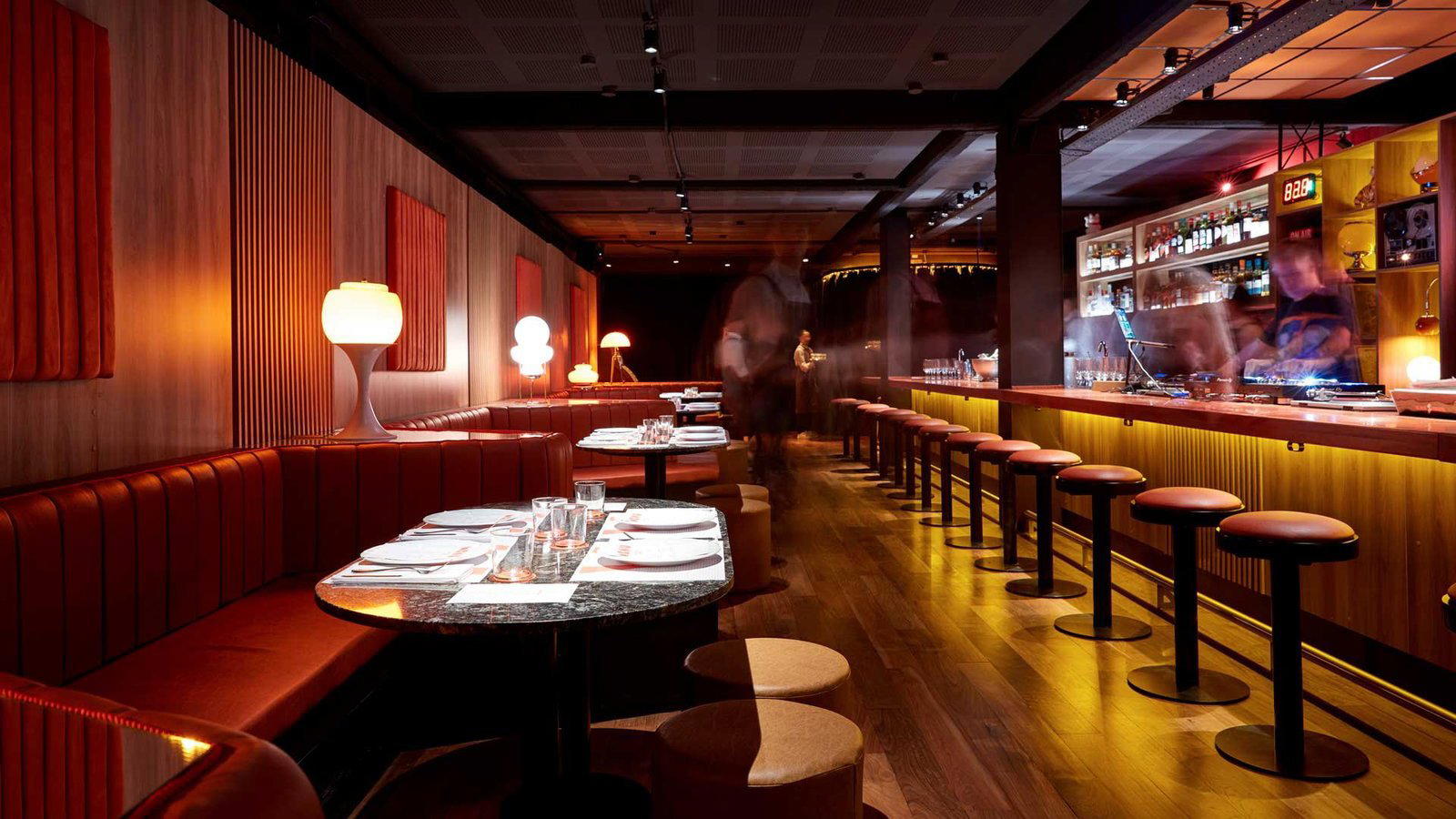
Boticario
The drinks
- Craft cocktails
Signature drinks: Luxuria, Pumpkin & Cinnamon Penicillin, House Tonic Negroni, Sazerac.
Details
- Elegant
- Intimate
- Classic
- Sophisticated
- Date Night
- Special Occasion
- Group Outing
- Celebration
- Speakeasy
- Historic Building
- Design Destination
- Live Music
- Seated Bar
- Lounge Seating
- Outdoor Terrace
- Craft Cocktails
- Gin
Vintage apothecary aesthetic with warm lighting, intimate setting, and decor that transports guests to a historic pharmacy; sophisticated yet welcoming atmosphere with attentive service