


Michelin Plate · We're Smart World Top 100 #21
Our verdict
At La Madernassa in Guarene, chef Giuseppe D'Errico leads a garden-rooted creative kitchen across three distinct menus, from a vegetable-forward tasting format to an open-ended surprise menu. Ranked #127 in Opinionated About Dining's Classical Europe list for 2024 and holding a Michelin Plate, the restaurant sits at the serious end of Langhe dining, where the estate's own garden sets the seasonal agenda.

Pearl is the En Primeur Club membership app, where members save venues, book tables and use the concierge.
Arriving at La Madernassa: The Langhe Setting
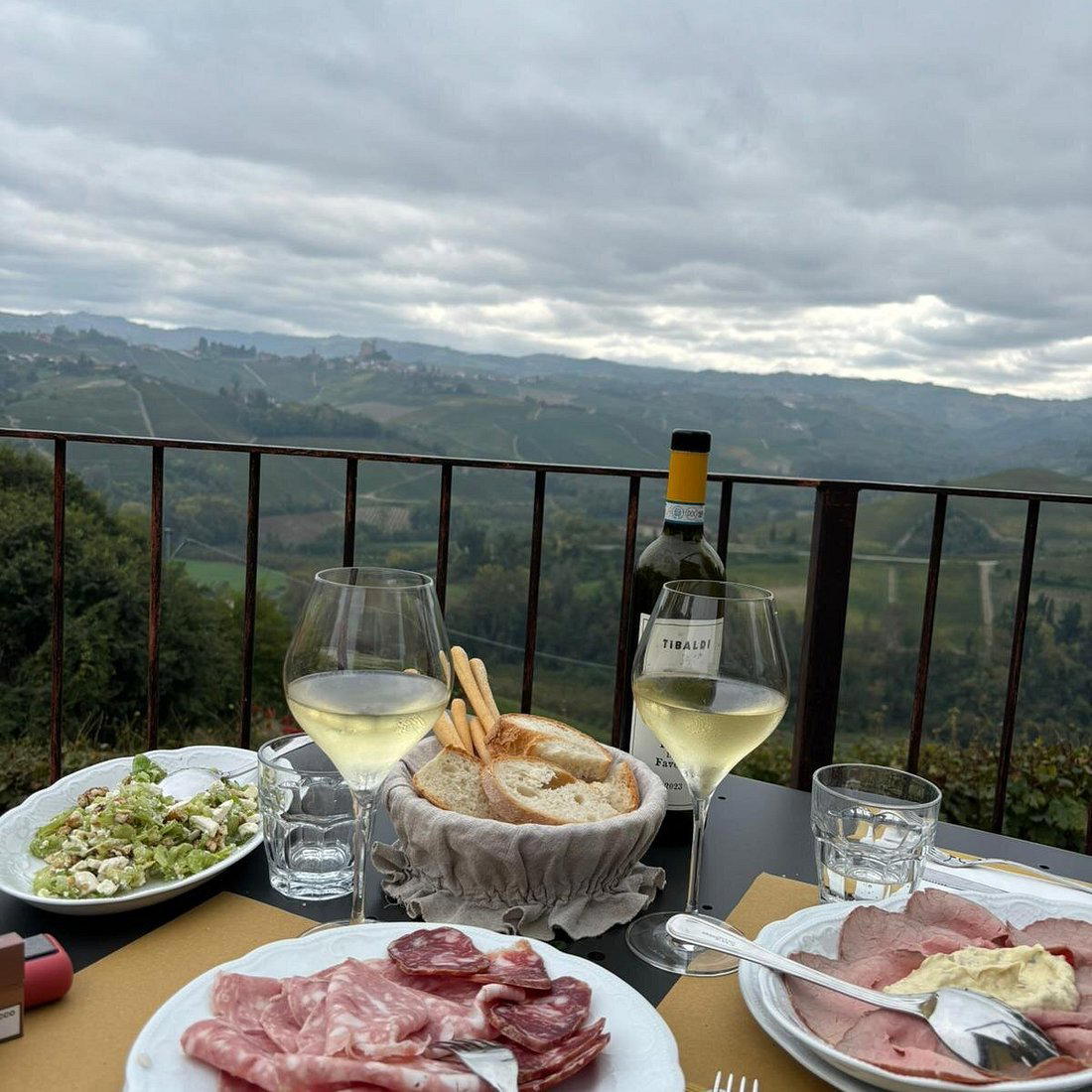
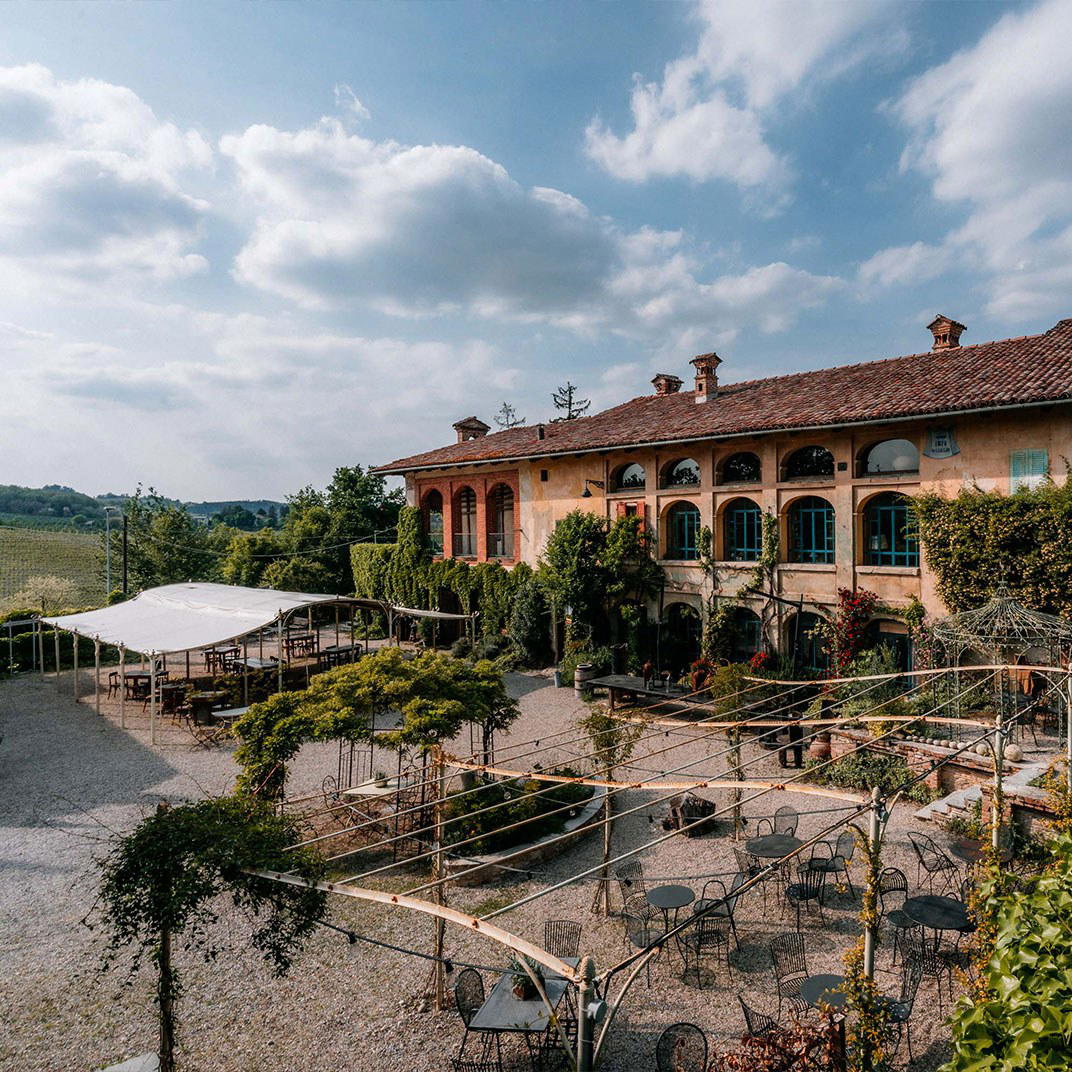
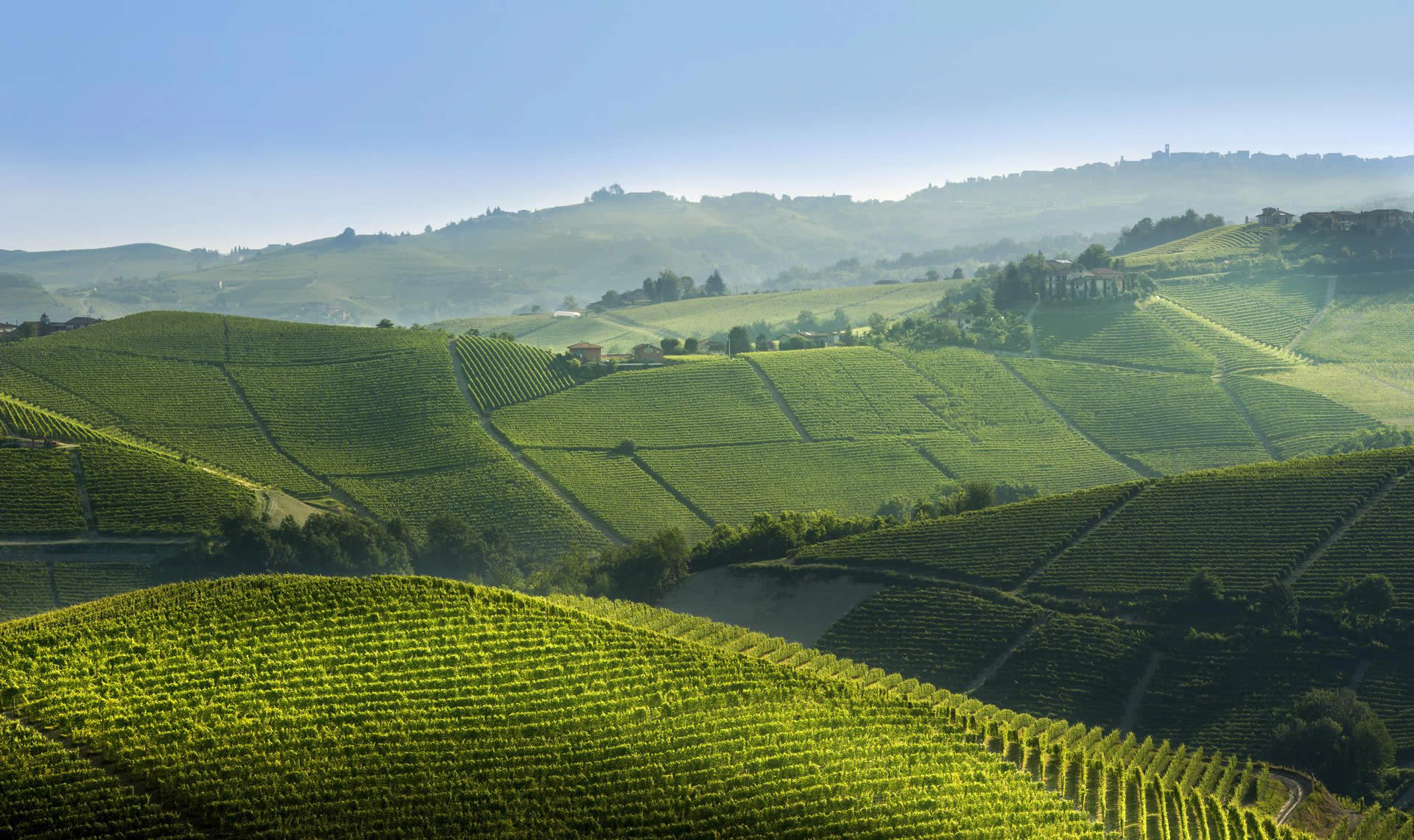
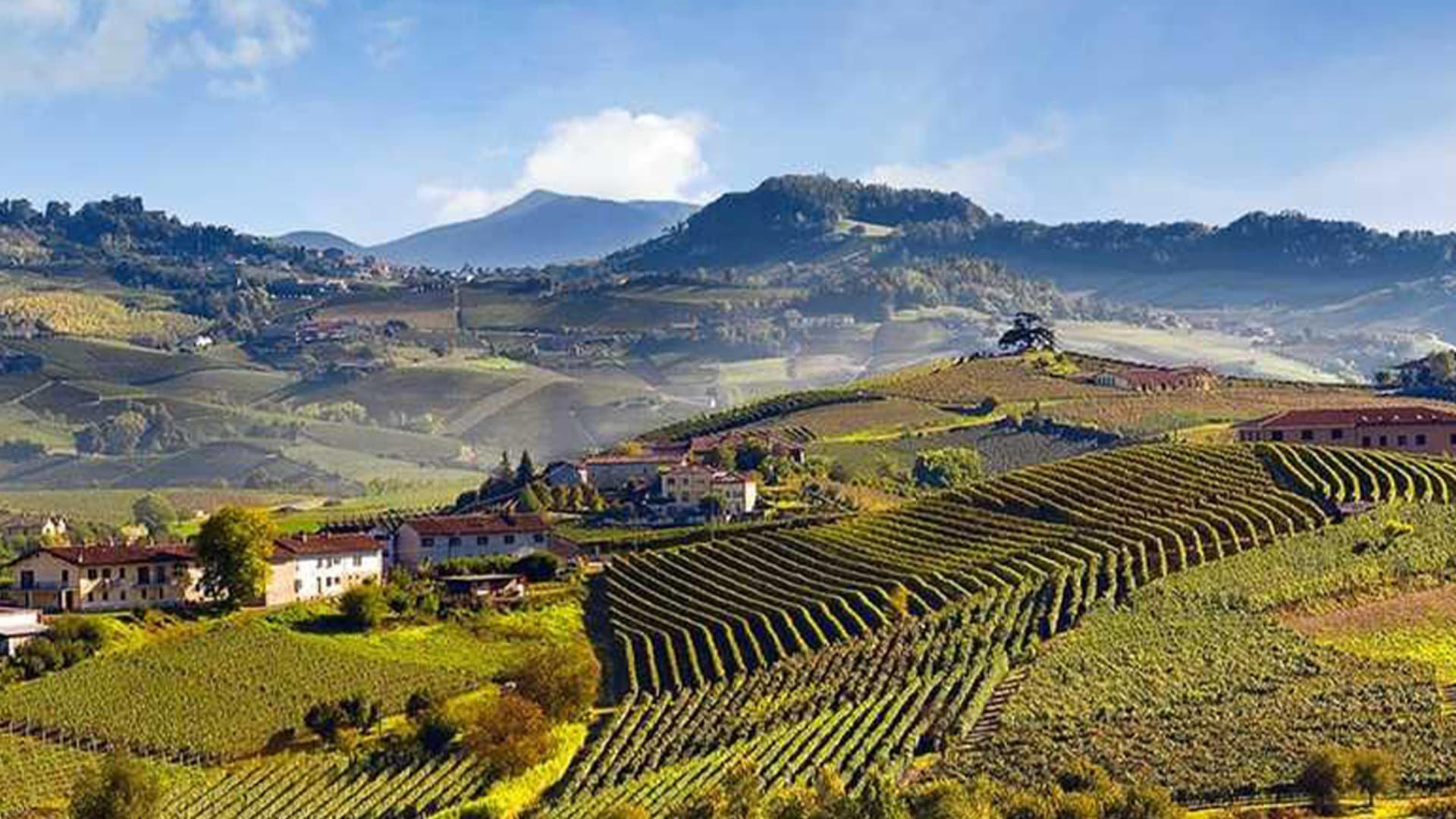
The Langhe hills between Alba and Asti produce some of Italy's most scrutinised wine and some of its least-publicised creative cooking. Guarene, a small comune on the ridge above the Tanaro valley, sits within that pocket. The drive to Reg. Lora positions you within a working agricultural estate before the restaurant comes into view, vines and cultivated land, not a manicured hotel forecourt. This is a recurring motif in northern Piedmont's serious dining rooms: the territory announces itself before the kitchen does.
That physical context matters at La Madernassa because it is not decorative. The estate's garden is a working resource, consulted each year by the kitchen team to determine what gets planted for the seasons ahead. Not everything on the table originates within those boundaries, but the discipline of that decision-making process, applied also to purchased products, shapes the sourcing logic across the board.
A Kitchen in Transition, With Its Character Intact
Piedmont's creative dining scene has seen a modest wave of kitchen handovers in recent years, as a generation of chefs who built their reputations on produce-led, territory-rooted menus passes those projects to successors trained in similar traditions. La Madernassa is one of the clearer examples. When chef Michelangelo Mammoliti departed, Giuseppe D'Errico took over a kitchen with an established garden program and a well-defined identity around vegetables and the estate's land. The transition, by independent accounts, preserved that identity rather than redirecting it.
D'Errico's alignment with the vegetable-first philosophy his predecessor developed means the restaurant's competitive positioning has not shifted. It continues to sit in the upper tier of Langhe creative dining, measured not by volume of covers but by the seriousness of its sourcing and the structure of its menus. Opinionated About Dining, one of the more data-driven restaurant ranking systems in Europe, placed La Madernassa at #127 in its Classical Europe list for 2024 and #135 in its Leading New Restaurants in Europe ranking for 2023, a signal that both the kitchen change and the underlying program were tracking with the platform's network of experienced diners. A Michelin Plate in 2024 confirms recognition at the formal guide level, even if the star count conversation remains open.
The Pasta Tradition in a Produce-Led Kitchen
Creative Italian kitchens built around garden produce face a structural question that pasta resolves rather neatly: handmade pasta is where technique meets terroir without importing either. In the Langhe, that means tajarin above all else, the ultra-fine egg-yolk pasta that Piedmont makes with a yolk-to-flour ratio that has no exact equivalent elsewhere in Italy. A kitchen that prioritises vegetables does not abandon pasta; it reconsiders what the pasta carries. Sauces built from garden produce, fungi foraged from the surrounding hills, or the slow-cooked meat stocks that underpin Piedmontese tradition all find their way onto and into handmade formats.
Within the vegetarian and nature-focused formats, it becomes a structural anchor that delivers satiety and technique without relying on protein-forward courses. Within the surprise format, it can do the heavier lifting of expressing seasonal shifts, since the kitchen controls the narrative entirely. The broader Italian creative dining context, visible in kitchens from Osteria Francescana in Modena to Le Calandre in Rubano, shows that pasta technique has become as much a marker of kitchen seriousness as any tasting menu flourish, and La Madernassa operates within that expectation.
Three Menus: What the Structure Signals
The offer of three distinct menu formats is itself an editorial statement about what the kitchen values. A single tasting menu is easier to execute at a high level; it allows the kitchen to control every variable. Offering a surprise menu alongside a 100% nature menu and a vegetarian menu requires three parallel creative tracks, each coherent on its own terms. This is not a format common to every Piedmontese fine dining room.
The 100% nature menu places the garden at the centre of the pricing and sourcing decision. The vegetarian menu, separate from the nature format, signals that plant-forward cooking is treated as a kitchen discipline rather than an accommodation. These distinctions matter in the context of how Italian creative restaurants have evolved over the past decade. Vegetables have shifted from supporting cast to primary subject across a number of serious Italian kitchens, including Atelier Moessmer Norbert Niederkofler in Brunico, which operates under a strict Alpine and zero-waste philosophy. La Madernassa belongs to that broader movement without replicating its specific regional context.
Guarene's Dining Tier and La Madernassa's Place In It
Guarene is not a large town, and its restaurant offer reflects that. The creative and fine dining options in the immediate area are limited, which concentrates serious diners at a small number of addresses. Castello di Guarene covers Italian cuisine from within a historic property, while Io e Luna represents the accessible regional end of the spectrum at a lower price point. Ristorante Limonaia adds another Italian option to the local offer.
La Madernassa prices at €€€€, placing it at the top of the local tier. Within Piedmont's broader creative dining circuit, which connects to addresses in Alba, Bra, and further into the Langhe, it belongs to the group that draws visitors specifically, rather than capturing passing trade.
For comparison with other Italian creative kitchens operating at this level, see Uliassi in Senigallia, Enrico Bartolini in Milan, Enoteca Pinchiorri in Florence, Quattro Passi in Marina del Cantone, Dal Pescatore in Runate, and Il Piccolo Principe in Viareggio. Beyond Italy, the Italian creative format extends to markets including Rosetta in Mexico City.
Planning Your Visit
La Madernassa is closed on Mondays. From Tuesday through Sunday, dinner runs from 7:30 to 9:45 pm. Wednesday through Sunday lunch service runs from 12:30, closing at 1:45 pm on most days (Friday closes at 1:40 pm). The address is Reg. Lora, 2, 12050 Guarene CN, in a rural estate setting, so arriving by car is the practical approach. The restaurant sits in the €€€€ price bracket; budget accordingly for a three-course or tasting menu format. For a complete picture of what Guarene has to offer beyond the table, see our full Guarene restaurants guide, hotels, bars, wineries, and experiences.
Frequently asked questions
What price level is La Madernassa?
Pricing at La Madernassa is listed as €€€€.
What's the address for La Madernassa?
La Madernassa is located at Reg. Lora, 2, 12050 Guarene CN, Italy, Guarene.
What awards or recognition does La Madernassa have?
La Madernassa has received recognition including: Chef Guiseppe D'Errico and his team recently took over the torch from Michelangelo Mammoliti here, and he too is a fan of vegetables! You can now choose from 3 menus: the surprise menu, the 100% nature menu, or the vegetarian menu. The own ….
Cuisine-First Comparison
| Venue | Cuisine | Price | Awards |
|---|---|---|---|
| La MadernassaThis venue (the venue you are viewing) | Modern Italian Fine Dining | $200–300 | Michelin Plate · We're Smart World Top 100 #21 |
| Castello di Guarene | Refined Piedmontese Fine Dining | $100–150 | Relais Chateaux Award |
| Io e Luna | Modern Piedmontese Regional | Not listed | Michelin Plate |
| Ristorante Limonaia | Classic Italian Fine Dining | $50–100 | Relais Chateaux Award |
Recognition history
Dated appearances from independent guides and award organizations, with the underlying list record or original source where available.
Michelin Plate
Michelin
Opinionated About Dining Classical in Europe Ranked #96
Opinionated About Dining
We're Smart World Top 100 #21
We're Smart World
Full recognition history (6 entries)
We're Smart World 5 Radishes
We're Smart World
Opinionated About Dining Classical in Europe Ranked #127
Opinionated About Dining
Opinionated About Dining Top New Restaurants in Europe Ranked #135
Opinionated About Dining
Continue exploring
More in Guarene
Restaurants in Guarene
All restaurants in Guarene →
Bars in Guarene
Browse all →
La Madernassa
The wine
- Wine program
- Deep wine list
- Extensive wine list
- Sommelier-led
Details
- Elegant
- Intimate
- Romantic
- Sophisticated
- Scenic
- Date Night
- Special Occasion
- Celebration
- Terrace
- Panoramic View
- Open Kitchen
- Private Dining
- Extensive Wine List
- Sommelier Led
- Farm To Table
- Local Sourcing
- Vineyard
- Mountain
- Tasting Menu
- Prix Fixe
- Vegetarian Friendly
- Vegan Options
- Gluten Free Options
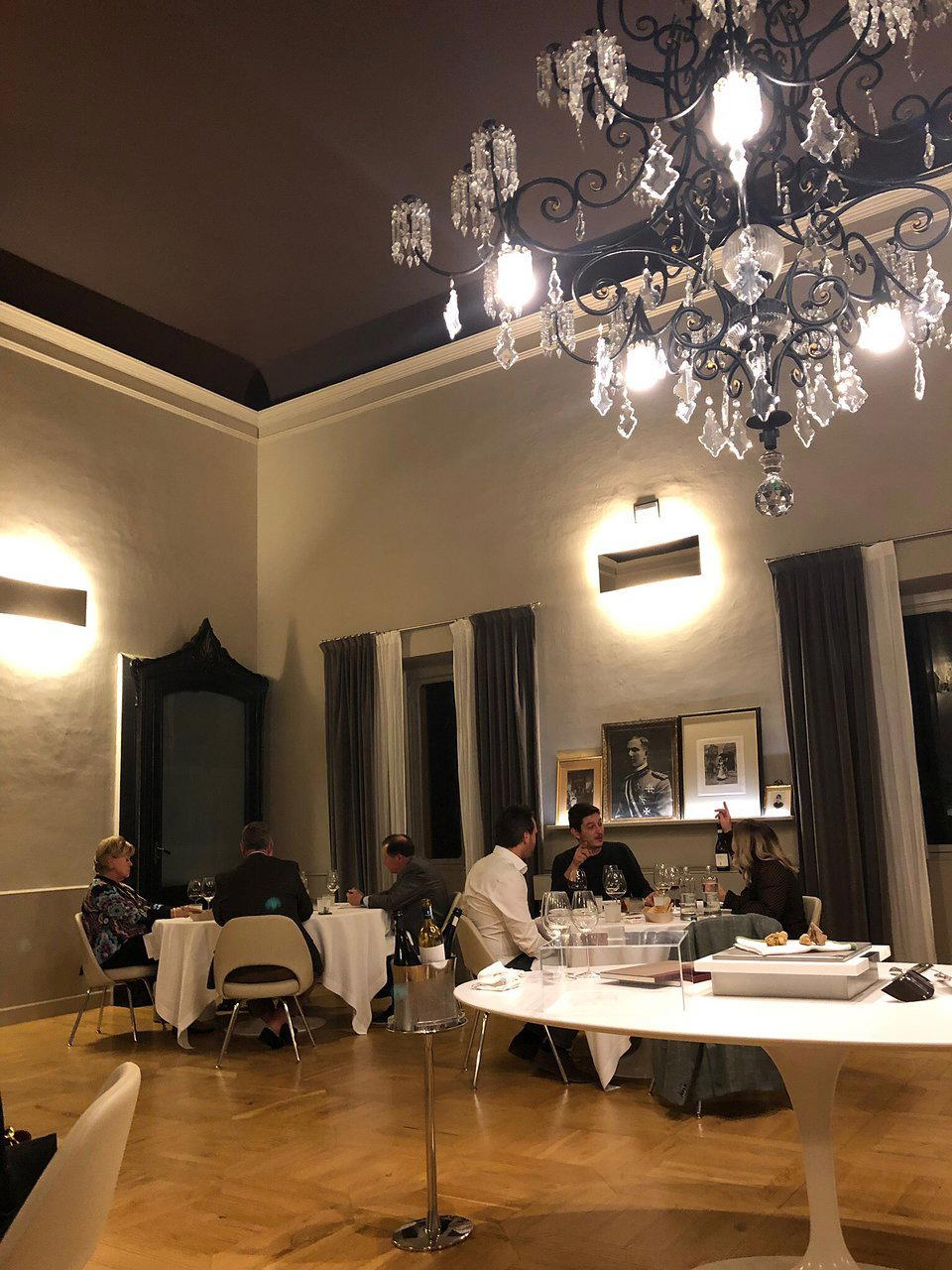
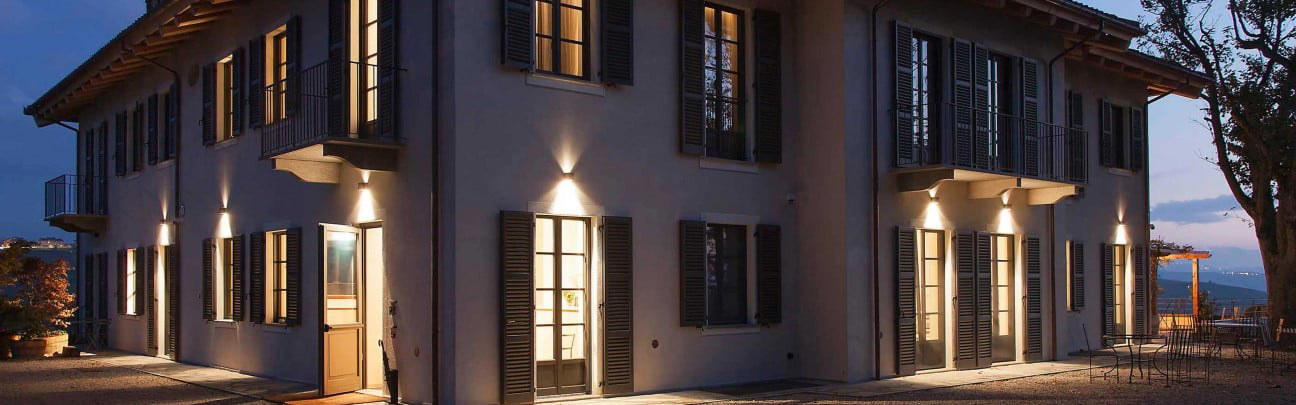
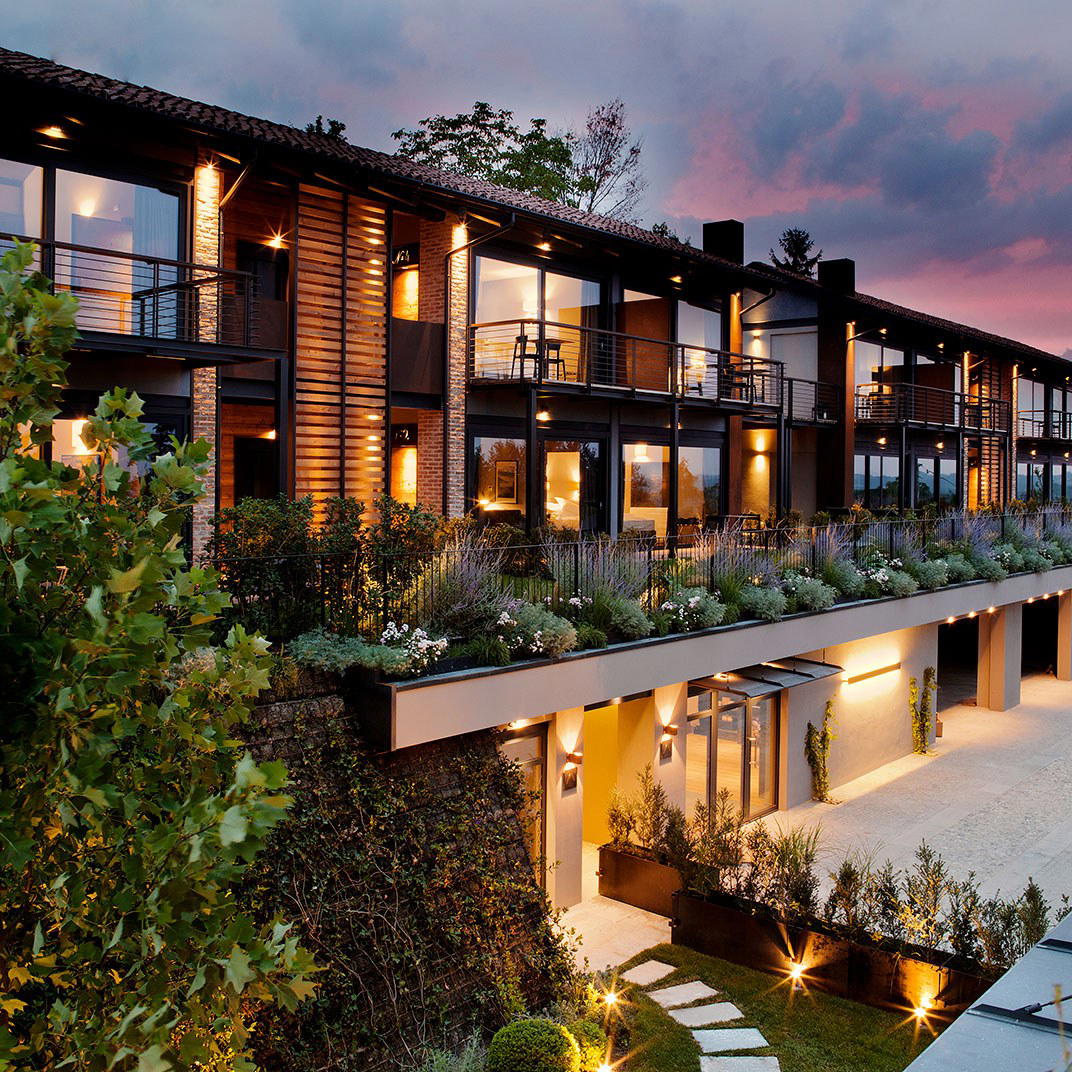
Intimate and elegant with open kitchen, artist's lights, and far-reaching terrace views creating a relaxing, refined atmosphere.