Google: 4.5 · 146 reviews

A Relais & Châteaux-recognised restaurant in the Langhe hills of Piedmont, Ristorante Limonaia places French-trained chef Cédric Deckert's technique inside a firmly Italian culinary tradition. The kitchen draws on the region's deep wine culture, where Barolo and Barbaresco are not afterthoughts but structural partners to the plate. Rated 4.5 across 143 Google reviews, it sits in a strong Guarene dining tier alongside La Madernassa and Castello di Guarene.
 Discover on Pearl
Pearl is the En Primeur Club membership app — saves, bookings, and concierge access live there. Same editors, same standards.
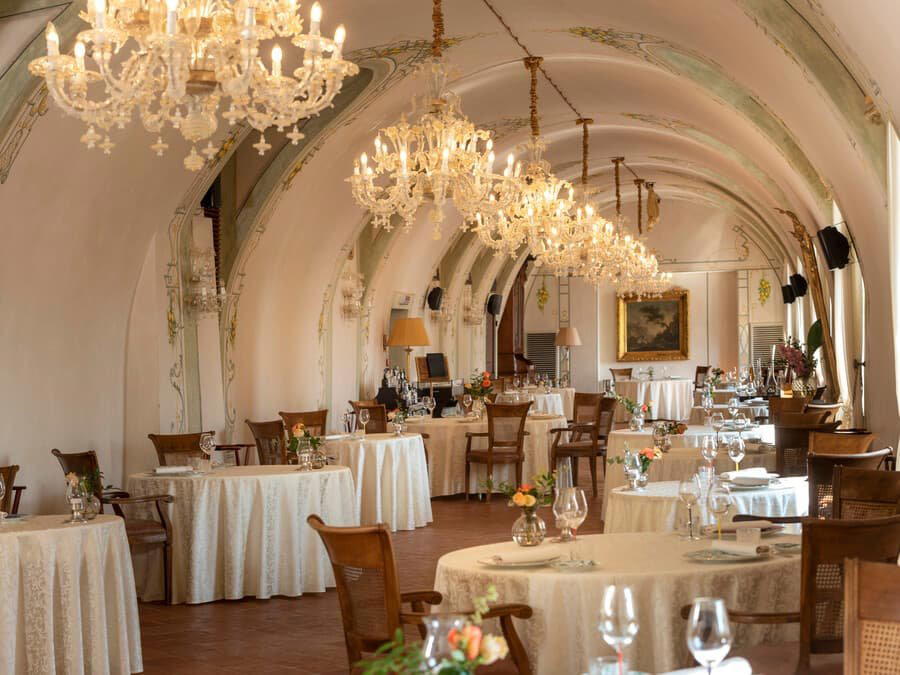
Where the Langhe Table Begins Outside the Door
The Piedmontese hills around Guarene carry a particular quality of light in the late afternoon — low, golden, filtered through vine rows that have been shaping the landscape since the Romans planted them. Arriving at Ristorante Limonaia, you are already inside the argument the kitchen will make: that in this corner of northern Italy, what grows and what ferments are not separate conversations. The 2025 Relais & Châteaux recognition formalises what the surrounding region has always understood about properties like this — that the leading Italian tables are, at their core, a proposition about place.
Guarene sits above the Tanaro valley, flanked by the production zones of Barolo to the south and Barbaresco to the east. For a restaurant operating inside this geography, the wine question is never abstract. It is territorial. The Nebbiolo grape, which produces both appellations, demands food that can hold its ground against high tannin and pronounced acidity , a structural challenge that has shaped Piedmontese cuisine for centuries. Braised meats, aged cheeses, white truffle in season: these are not arbitrary local preferences but responses to what the glass contains. Limonaia operates inside that tradition, and its Relais & Châteaux affiliation places it in a peer group that takes the food-wine relationship as a founding principle rather than a marketing addendum.
French Technique, Piedmontese Logic
Chef Cédric Deckert brings French training to a kitchen that the surrounding culture would not allow to drift too far from its roots. This is a pattern with precedent across northern Italy, where French-trained chefs have long found the discipline of classical technique compatible with the ingredient-led insistence of regional cooking. Piedmont, in particular, resists abstraction. The white truffle from Alba, the Castelmagno cheese from the Cuneo valleys, the tajarin pasta cut thin enough to absorb butter without heaviness , these ingredients impose their own constraints. A French hand can refine the execution; it cannot redirect the logic.
That tension, productively managed, is often where the most interesting Italian cooking happens. It is worth situating Limonaia in a broader Italian context: restaurants such as Osteria Francescana in Modena and Le Calandre in Rubano have navigated exactly this question , how much formal technique serves regional identity, and at what point it begins to overwhelm it. Limonaia, with its Relais & Châteaux standing, signals an answer that leans toward discipline without departure.
The Wine and Food Structure of Piedmont
Understanding Limonaia's editorial position in Guarene's dining scene requires understanding what Piedmont asks of its restaurants. This is not Tuscany, where Super Tuscans have complicated the sommelier's job with international varieties. The Langhe operates on a comparatively strict regional vocabulary: Nebbiolo for the serious reds, Barbera and Dolcetto for the mid-register, Arneis and Moscato d'Asti for whites and dessert. A sommelier working this region does not need the breadth of an Enoteca Pinchiorri in Florence, whose cellar runs to over 4,000 labels across global producers. What is required instead is depth within a narrower corridor , the ability to read the vintage variation in a single valley, to distinguish a Serralunga Barolo from a La Morra one, and to pair accordingly.
The food structure follows the same logic. A Barolo at ten years needs fat and protein to show its leading , a lean fish preparation simply does not provide the counterweight the wine demands. Conversely, a young Barbera d'Alba, with its brighter acidity and softer tannins, is a natural pairing for the region's egg-based pastas. These are not sommelier conventions to be overturned with creative pairings; they are the accumulated result of centuries of growing and eating in close proximity. Restaurants in the Relais & Châteaux network, Limonaia included, are expected to take this seriously.
Guarene's Dining Tier and Where Limonaia Fits
Guarene is a small commune but not a thin one, gastronomically. La Madernassa, at the €€€€ tier with a creative Italian format, and Castello di Guarene represent the upper range of local dining. Io e Luna, at the €€ level with a regional cuisine focus, fills the accessible end of the market. Limonaia, with its Relais & Châteaux award and a 4.5 rating across 143 Google reviews, occupies a position in the mid-to-upper tier , distinct from Io e Luna's informality but sitting within a competitive set that includes serious Italian tables across the country.
For comparative reference: Dal Pescatore in Runate and Uliassi in Senigallia represent the kind of deeply regional Italian seriousness that Relais & Châteaux recognition tends to accompany. Atelier Moessmer Norbert Niederkofler in Brunico and Quattro Passi in Marina del Cantone illustrate how chef-driven restaurants in smaller Italian towns can hold national relevance. Limonaia fits within that pattern , a destination restaurant in a village setting, where the award credential does the work of signalling seriousness to a visitor arriving from outside the region. Enrico Bartolini in Milan represents the urban end of the same premium Italian register for those calibrating against city peers. For something outside Italy entirely, Amerigo in Greve in Chianti shows how the regional Italian formula travels to a different landscape, while Al's Number 1 Italian Beef in Chicago anchors the very different Italian-American tradition on the opposite end of the spectrum.
Planning Your Visit
Guarene is accessible from Alba, roughly in the heart of the Langhe wine country, making Limonaia a natural stop on any itinerary that combines vineyard visits with serious eating. The Relais & Châteaux affiliation suggests a booking-forward approach , properties in the network typically draw guests who plan ahead, and availability at Limonaia is worth confirming before building an itinerary around it. For those building a fuller Guarene picture, the full Guarene restaurants guide covers the complete dining range, while the Guarene hotels guide, bars guide, wineries guide, and experiences guide give the fuller picture of what the area offers across categories. Autumn, when the truffle season peaks and the harvest brings the wine country to life, remains the most requested period in the Langhe , if that window is your target, planning several months ahead is standard practice.
At a Glance
A fast peer set for context, pulled from similar venues in our database.
| Venue | Notes | Price |
|---|---|---|
| Ristorante Limonaia | This venue | |
| La Madernassa | Italian, Creative, €€€€ | €€€€ |
| Castello di Guarene | Italian Cuisine | |
| Io e Luna | Regional Cuisine, €€ | €€ |
Continue exploring
More in Guarene
Restaurants in Guarene
Browse all →
Bars in Guarene
Browse all →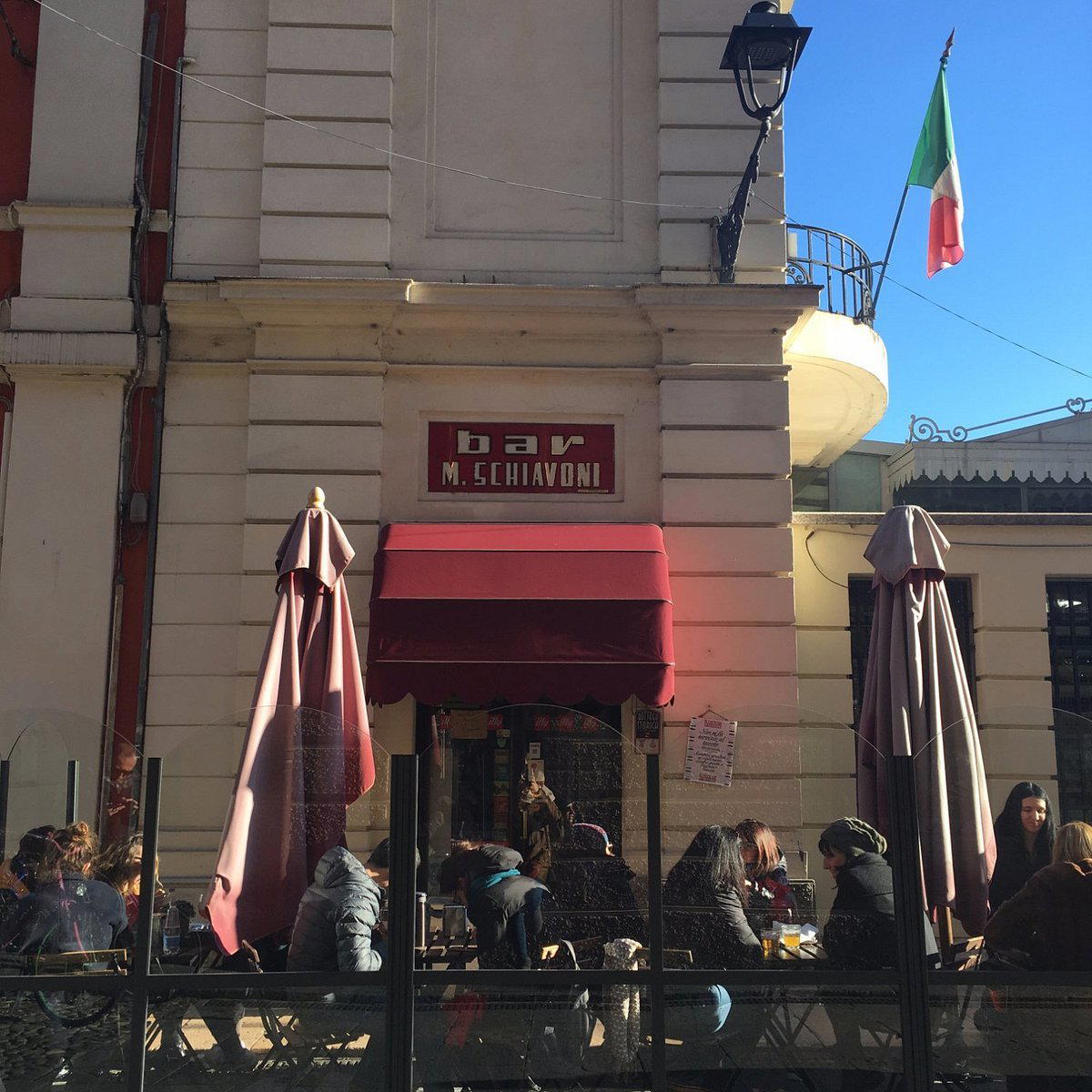
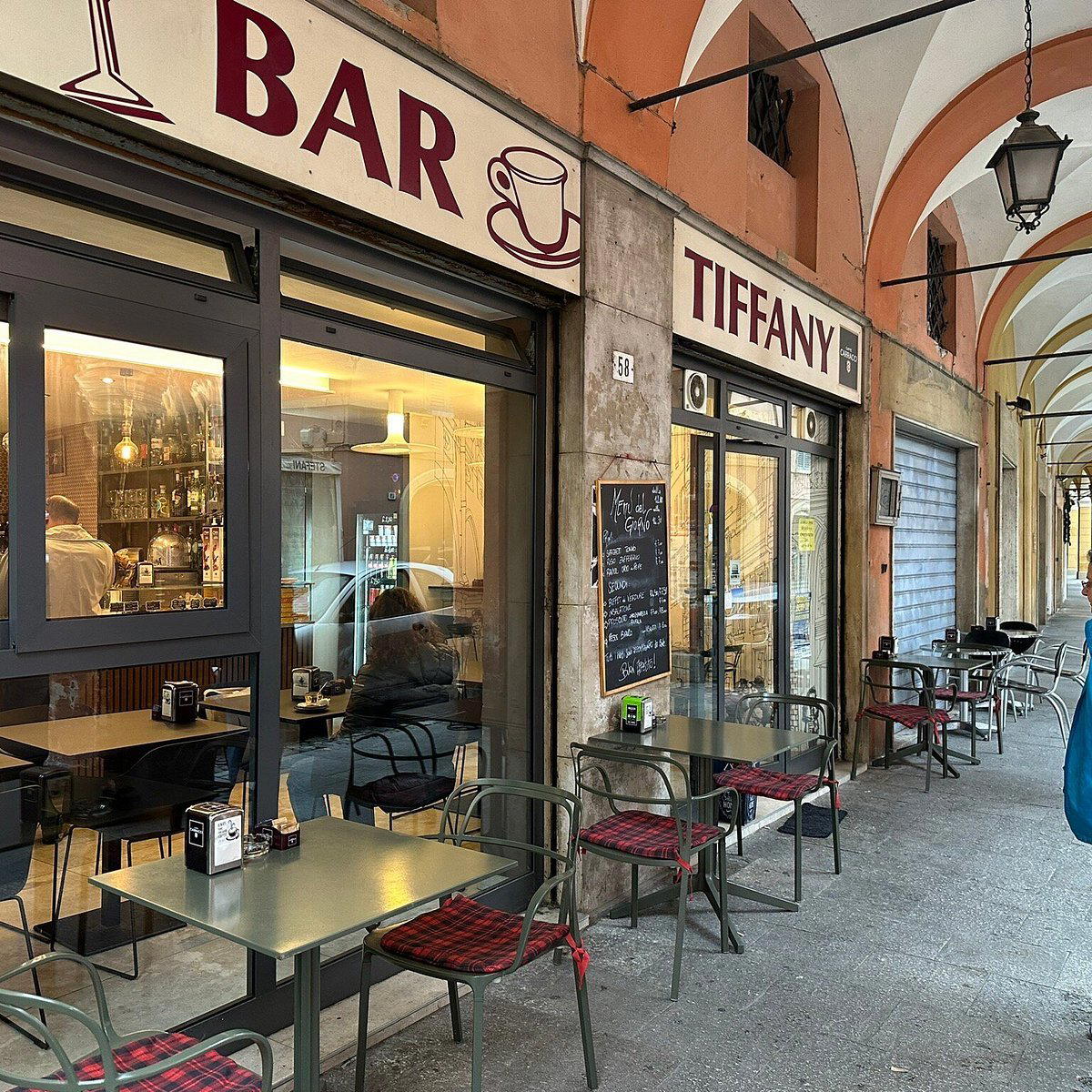
Hotels in Guarene
Browse all →
Wineries in Guarene
Browse all →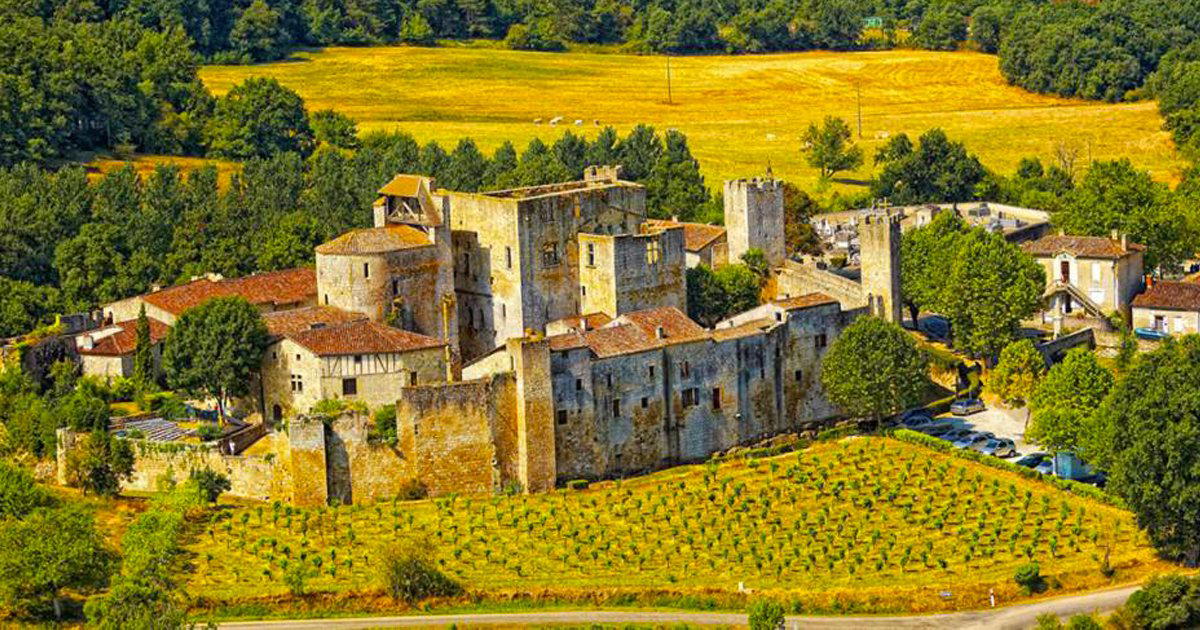
At a Glance
- Elegant
- Classic
- Romantic
- Sophisticated
- Date Night
- Special Occasion
- Business Dinner
- Historic Building
- Private Dining
- Terrace
- Panoramic View
- Extensive Wine List
- Sommelier Led
- Local Sourcing
- Vineyard
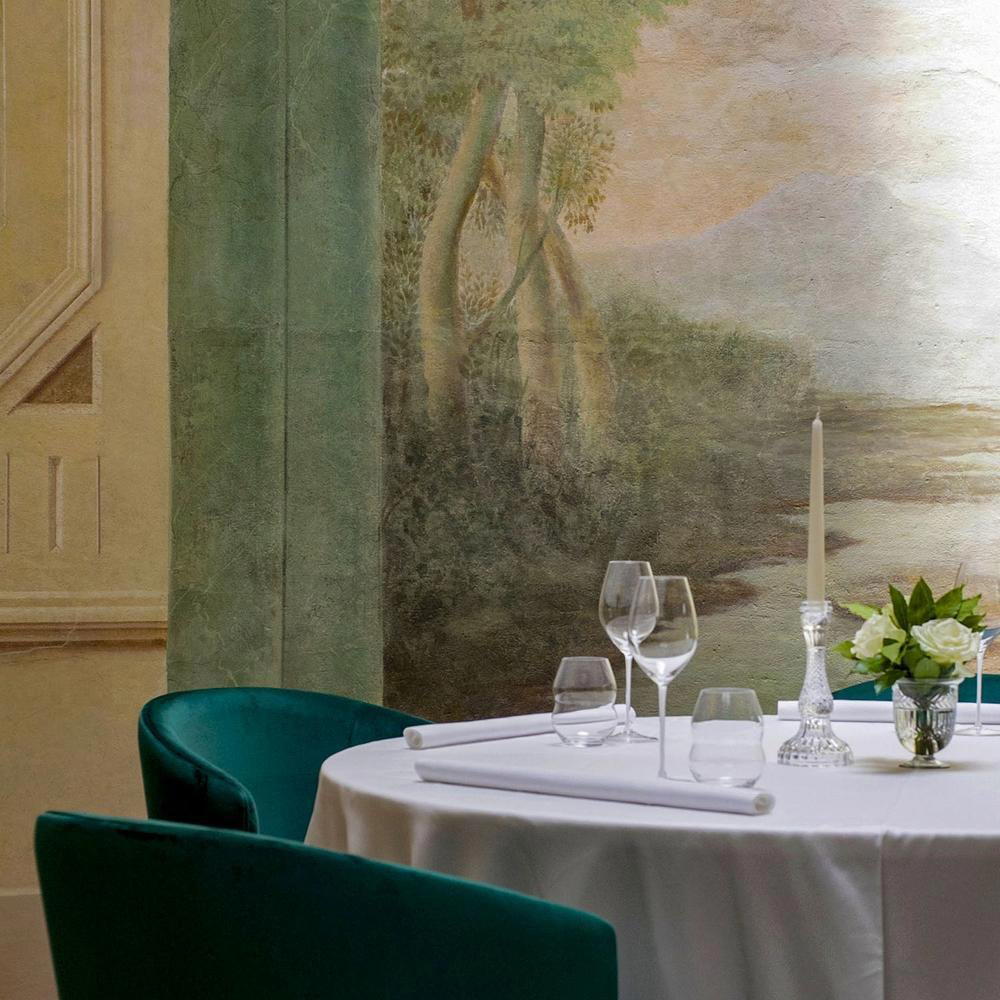
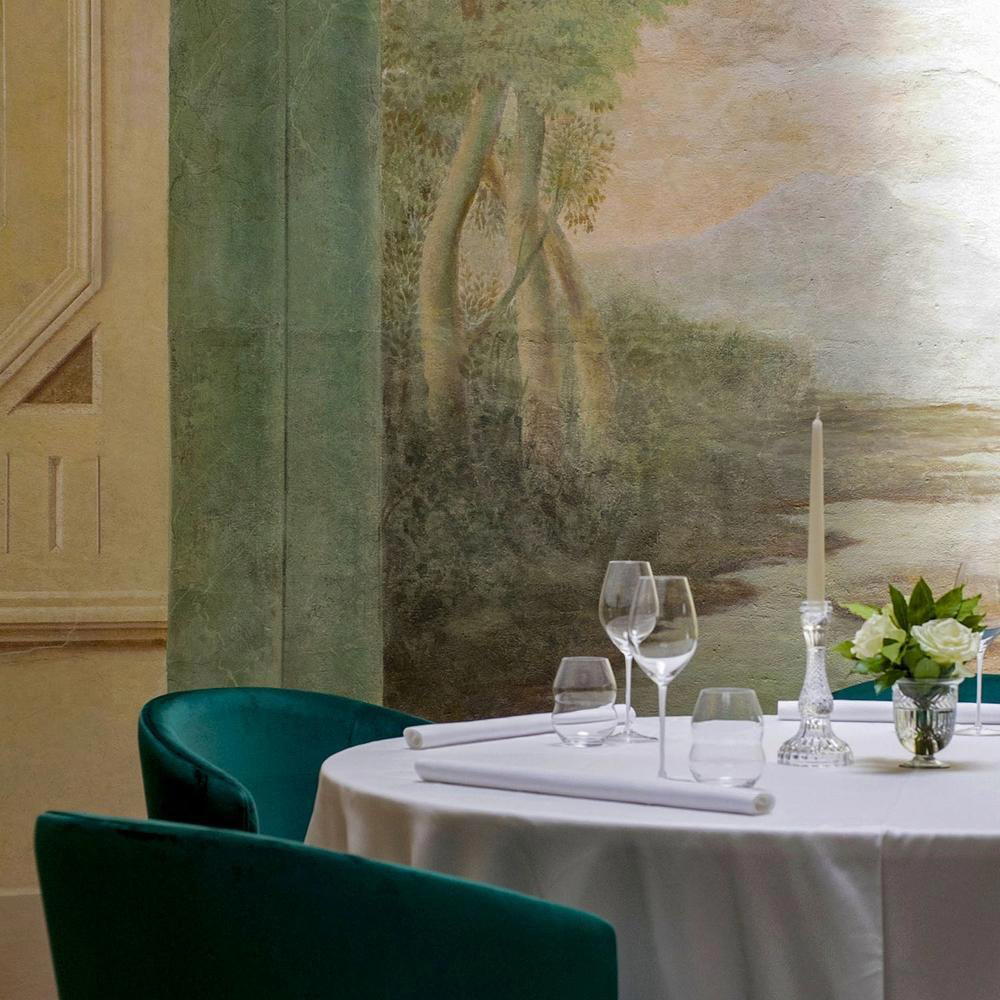
Elegant historic dining room with Murano chandeliers, baroque mirrors, and well-spaced tables for intimate atmosphere.