Reading the Menu as a Document
In the coastal restaurant tradition of the northern Adriatic, menu architecture tends to function as a declaration of intent. Particularly direct kitchens organise around what is available rather than what is expected, which means that crudo and simply-prepared whole fish often outnumber elaborated dishes, and the pasta section anchors to regional shapes and seafood combinations rather than borrowed nomenclature from further south.
The Gulf of Trieste produces a specific set of ingredients that distinguish it from, say, the Venetian lagoon or the Dalmatian coast: smaller, sweeter scampi; sardoni, the local anchovy-adjacent fish used both fresh and cured; canestrelli, the small scallops that appear throughout Friuli Venezia Giulia's coastal cooking; and a tradition of brodetto, the fish stew that varies village by village along the northern Adriatic. A menu built honestly around this geography will reflect these specifics rather than defaulting to pan-Italian seafood. Where La Lampara's menu maps onto this framework, the kitchen is participating in a regional seafood tradition with genuine local depth.
This matters for how to read the experience. Trieste's dining scene has been shaped by its position at a crossroads: Central European structure, Slovenian and Istrian influence, and Italian technique all intersect here in ways that have no exact parallel elsewhere on the peninsula. Restaurants in the city that commit to this layered provenance, rather than simplifying it for a broader audience, occupy a different tier from those that flatten local character into generic Italian seafood. The restaurant's coastal Santa Croce address suggests an orientation toward the former.
Santa Croce in Trieste's Broader Dining Picture
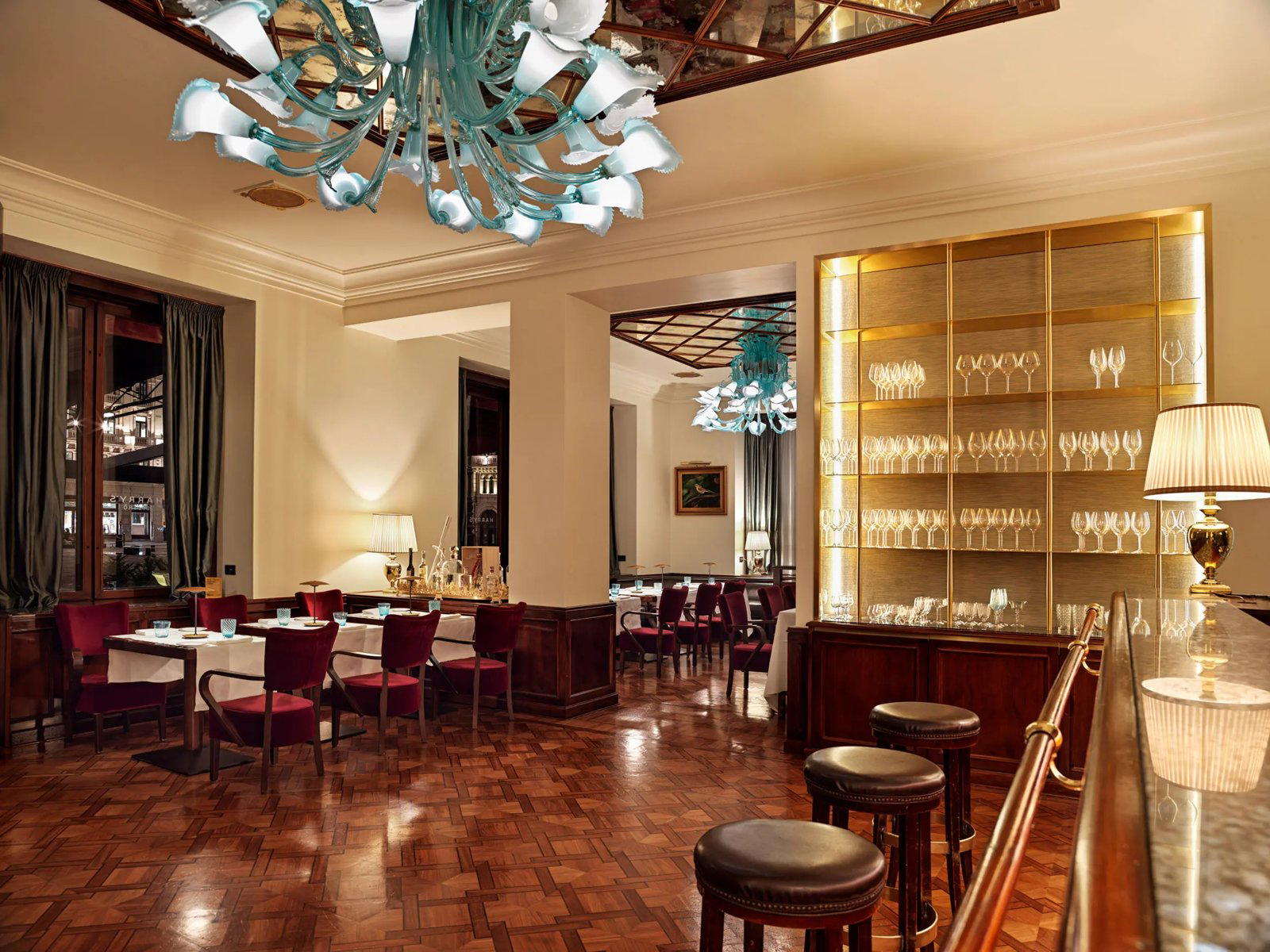
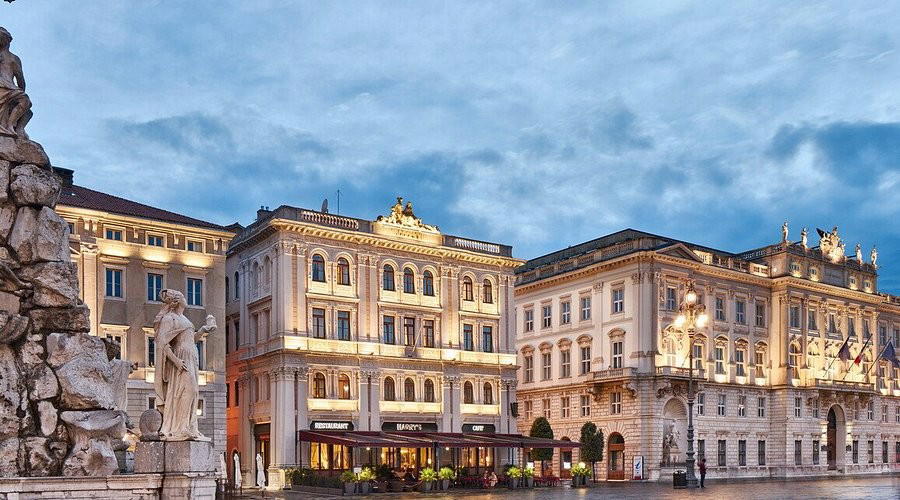
Trieste's restaurant geography rewards some mapping before you arrive. The centro storico concentrates the more formal and internationally recognised options: Harry's Piccolo represents the city's modern Italian fine dining tier, while seafood-focused rooms like Al Bagatto draw on the Gulf's catch within a more polished, city-centre format. Neighbourhood restaurants such as Ai 3 Magnoni, Ai Fiori, and Al Civicosei serve a local clientele and carry a different register altogether.
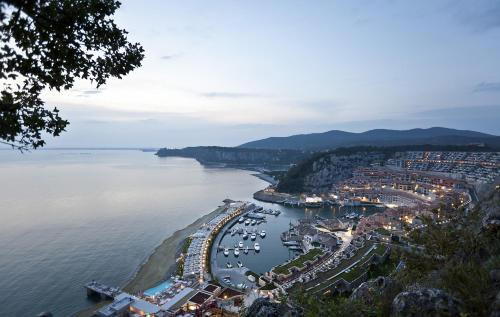
Santa Croce occupies a position outside all of these clusters. The village-within-the-city quality of the waterfront here means that restaurants drawing primarily on a local and regional audience rather than a visitor one. That audience tends to be less forgiving of shortcuts and more expectant of specific regional fidelity, which historically produces a higher baseline of cooking. For a full picture of how the restaurant fits within Trieste's current restaurant moment, our full Trieste restaurants guide provides the comparative context.
The Northern Adriatic in Italy's Seafood Conversation
Italy's highest-profile seafood restaurants operate in different coastal registers. Uliassi in Senigallia has built a three-Michelin-star reputation around Adriatic ingredients subjected to precise technical treatment. Quattro Passi in Marina del Cantone brings a Tyrrhenian coastal sensibility to a similar level of ambition. Further up the formality register, Le Bernardin in New York City defines what a fish-first tasting menu looks like at full international scale. Even Atomix in New York City demonstrates how a tightly structured menu can reveal cultural identity through disciplined architecture.
None of these operate in the same register as a Santa Croce waterfront room, nor would they be expected to. The value of the northern Adriatic coastal tradition is precisely that it operates outside the prestige-restaurant vocabulary, trading technical elaboration for proximity and regional specificity. Italy's fine dining centres, from Osteria Francescana in Modena to Le Calandre in Rubano, Piazza Duomo in Alba, Enrico Bartolini in Milan, Enoteca Pinchiorri in Florence, Dal Pescatore in Runate, Reale in Castel di Sangro, and Atelier Moessmer Norbert Niederkofler in Brunico, make the case for Italian cooking as a vehicle for ambition and transformation. The restaurant, in its coastal village setting, makes a different case: that Italian cooking at its most regional is equally serious, just differently indexed.
Planning the Visit
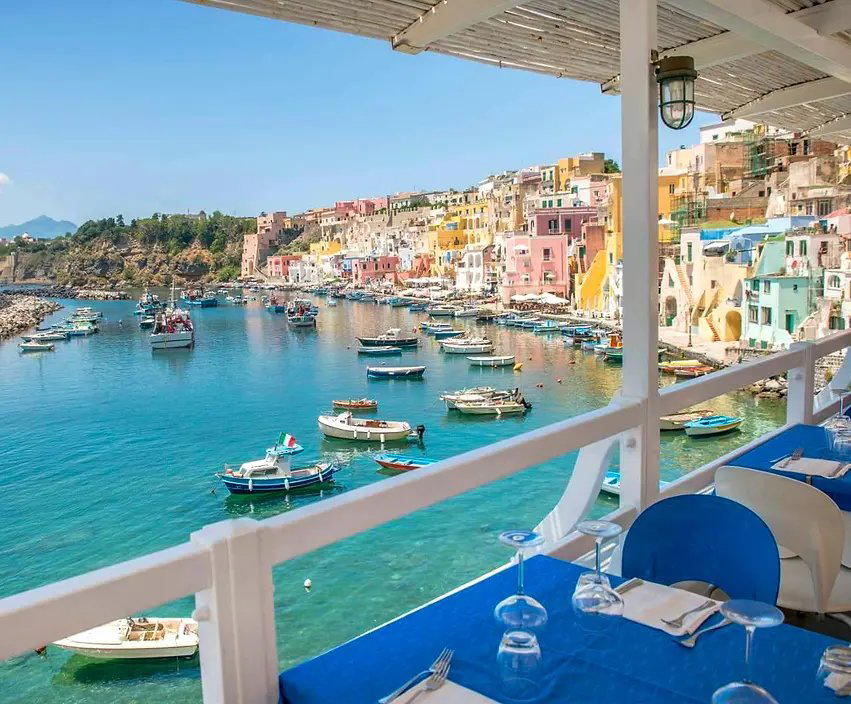
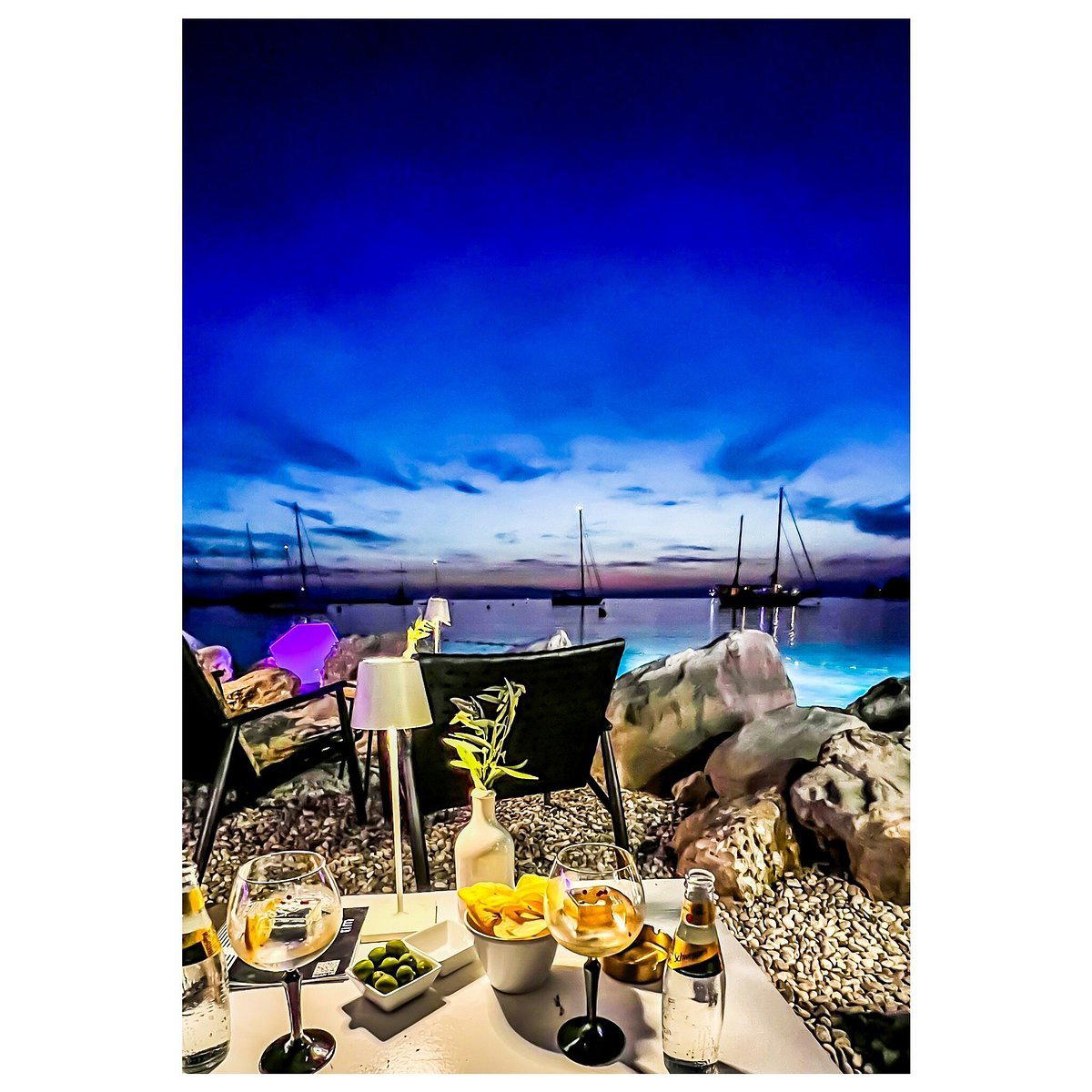
Santa Croce is reachable from central Trieste by road along the coastal route, making it a deliberate excursion rather than a passing-by decision. The location works well as a destination in its own right, ideally timed for lunch when the light off the Adriatic justifies the drive and the midday kitchen tends to reflect the morning's catch most accurately. For anyone building a Trieste itinerary that moves between the city's central dining rooms and its outer coastal character, the restaurant represents the logical endpoint of a route that traces Trieste from its Habsburg core to its Adriatic edge.