Da Angelina sits on Via Luigi Cadorna in central Trieste, operating within a city whose dining identity is shaped by its Austro-Hungarian past and Adriatic proximity. Where Trieste's more celebrated addresses lean toward seafood formality, Da Angelina occupies a quieter register, a neighbourhood table rather than a destination counter, worth knowing as context for understanding how the city's restaurant tiers actually stack up.
Pearl is the En Primeur Club membership app — saves, bookings, and concierge access live there. Same editors, same standards.
- Address
- Via Luigi Cadorna, 14, 34100 Trieste TS, Italy
- Phone
- +393270599005
- Directions
- Get directions
 Saves & bookings on Pearl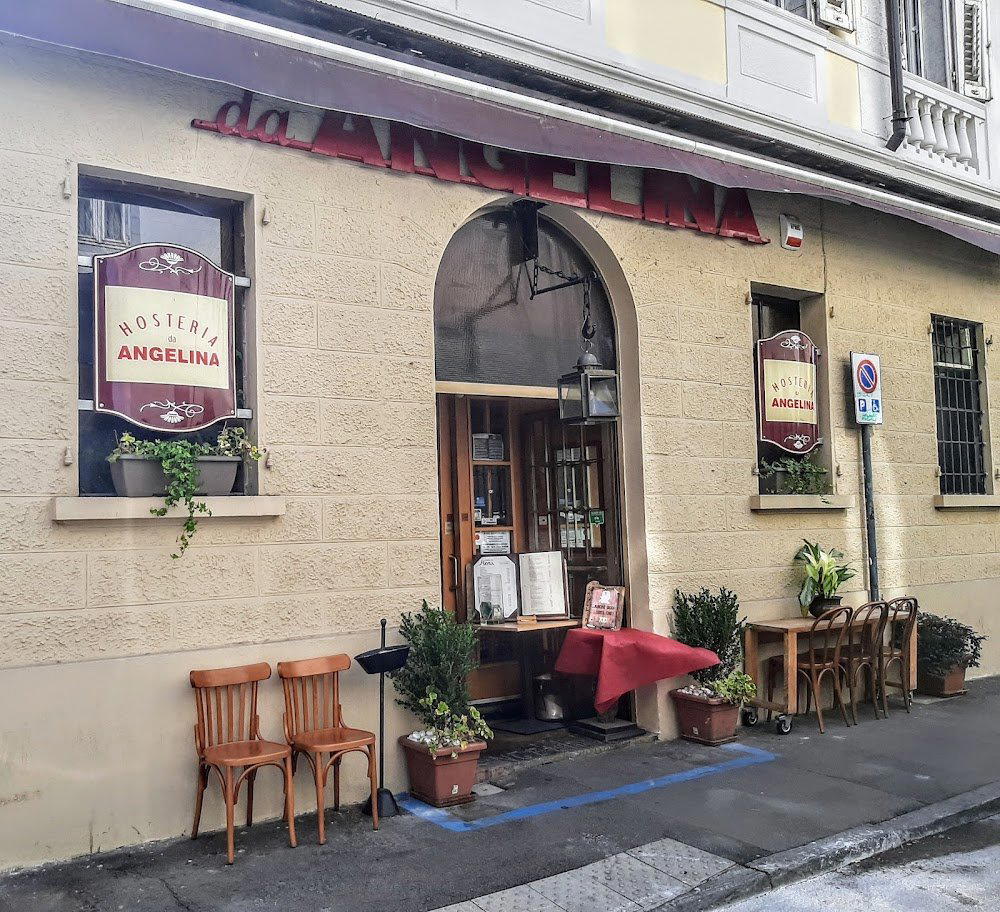
Trieste at the Table: Where the Adriatic Meets the Mitteleuropa Kitchen
Via Luigi Cadorna sits a short walk from the waterfront promenade that defines Trieste's self-image as a city forever caught between its Italian present and its Austro-Hungarian past. This is not the tourist-facing rim of the old harbour, the streets here belong to working Trieste, where the restaurants that survive do so on local regulars rather than passing traffic. Da Angelina is an Italian Seafood Trattoria in Trieste, priced around $40 per person, at Via Luigi Cadorna, 14, 34100 Trieste TS, Italy. It functions as a neighbourhood fixture rather than a destination that markets itself beyond its postal code. Understanding what that means requires understanding the city's dining structure first.
Trieste's restaurant scene splits along a fault line that most Italian port cities share but that Trieste makes unusually legible. On one side sit the formally structured seafood houses, places like Al Bagatto, where the Adriatic catch arrives through a defined tasting format and the wine list reflects serious cellar depth. On the other side sits a looser, more domestic tier: trattorias and mid-register osterias that carry the city's Central European inflections, goulash, jota (the local bean-and-sauerkraut soup), cured meats alongside Adriatic fish, without the performance of fine dining. Da Angelina belongs to the second category. That is a placement that matters for what you should expect when you arrive.
Ethical Sourcing in a Port City: What the Location Signals
Italy's conversation around sustainability in restaurants has moved, over the past decade, from a niche concern associated with agrarian slow-food ideology to a structural expectation in mid-tier and above dining. In coastal cities, the pressure is particularly acute: the Adriatic faces documented overfishing stress, and kitchens that draw from local fishermen are increasingly asked, by suppliers, by regulars, and by the post-pandemic generation of diners, to account for what arrives on the plate. Trieste's geographic position makes this sharper still. The city sits at the northern tip of the Adriatic, where fishing pressure from multiple national fleets converges and where smaller local catch is genuinely harder to sustain at scale.
Neighbourhood restaurants like Da Angelina historically occupy an interesting position in this ecology. They are not the kitchens commissioning sustainability reports or holding Michelin Green Stars, those signals belong to a different tier, at addresses like Atelier Moessmer Norbert Niederkofler in Brunico, where environmental sourcing is a formal part of the kitchen's stated philosophy, or Uliassi in Senigallia, where coastal sourcing practices are embedded in how the menu is designed. But neighbourhood restaurants are, in practice, often more directly connected to local supply chains than their formally certified peers, buying smaller quantities from individual fishermen, adjusting daily based on what arrived at the dock, wasting less because the margin for waste is narrow. That structural reality is worth noting as a form of ground-level sustainability that operates without the language of sustainability.
Within Trieste specifically, the restaurants that hold this neighbourhood-supplier relationship most visibly include Ai Fiori and Ai 3 Magnoni, both of which operate with menus shaped by daily market availability. The restaurant's position on Via Luigi Cadorna places it in the same neighbourhood logic: the address implies proximity to local supply rather than dependence on wholesale distribution, though
How Da Angelina Sits Against Trieste's Other Tables
For a reader calibrating where the restaurant fits in the city's overall offer, the useful comparison set is not the top tier. Trieste's flagship in terms of culinary ambition and national recognition is Harry's Piccolo, a formally structured Modern Italian address that prices and presents at the higher end of what Trieste supports. Al Bagatto carries the seafood-specialist credential for the city's mid-to-upper bracket. Al Civicosei represents the design-conscious contemporary end of the mid-market.
The restaurant does not compete in those tiers. Its natural comparable set is the trattoria register, unpretentious, consistent, shaped by what is seasonal and available rather than by a fixed tasting architecture. For readers accustomed to the ambition of kitchens like Osteria Francescana in Modena, Piazza Duomo in Alba, or Le Calandre in Rubano, the register shift is significant. The restaurant is not attempting that conversation. What it offers is a different kind of value: direct access to how Trieste actually eats, outside the circuits that draw critical attention.
That distinction matters more in Trieste than in cities with a denser fine-dining layer. Trieste's culinary identity is genuinely hybrid in ways that require time at neighbourhood tables to understand. The Mitteleuropa strand of the menu, the jota, the smoked meats, the Viennese-inflected pastry culture visible in the city's historic cafés, does not translate well through the formal tasting menu format. It requires the informal restaurant, the daily special, the table filled with locals ordering in dialect.
Planning a Visit: What to Know Before You Go
The restaurant is at Via Luigi Cadorna 14 in central Trieste. Phone and website details are not listed here. Reservations are recommended. Hours are Mon to Sat, 12:30 to 2:30 PM and 7:30 to 10:30 PM; Sunday is closed. Pricing is about $40 per person.
For visitors building a broader Trieste itinerary around the dining scene, the city's restaurants can be explored through other neighbourhood tables. Those extending a northern Italian trip further afield will find useful reference points at Dal Pescatore in Runate, Reale in Castel di Sangro, and Enoteca Pinchiorri in Florence, all operating at higher formality and price points than the restaurant, but useful for understanding the full range of what Italian restaurant culture currently produces. For a transatlantic comparison in terms of neighbourhood-first dining philosophy, Lazy Bear in San Francisco and Le Bernardin in New York City illustrate how differently the same local-sourcing ethic can be packaged at opposite ends of the formality spectrum. Quattro Passi in Marina del Cantone and Enrico Bartolini in Milan round out the Italian coastal and urban reference points for readers building itineraries around the peninsula's serious tables.
Compact Comparison
Comparable venues nearby, for context on price, style, and recognition.
| Venue | Cuisine | Price | Notes |
|---|---|---|---|
| Da AngelinaThis venue — the venue you are viewing | Not listed | $$ | Not listed |
| Caffè San Marco | Centro Storico, Italian Café & Pastry | $$ | Not listed |
| Caffè degli Specchi | Not listed | $$ | Piazza Unità d'Italia, Historic Italian Café |
| Al Nuovo Antico Pavone | Not listed | $$ | Barcola, Traditional Italian Seafood Trattoria |
| Hostaria da Libero | Not listed | $$ | Trieste center, Traditional Italian Osteria |
| Chimera di Bacco | Ghetto, Modern Italian Seafood | $$$ | Not listed |
Continue exploring
More in Trieste
Restaurants in Trieste
Browse all →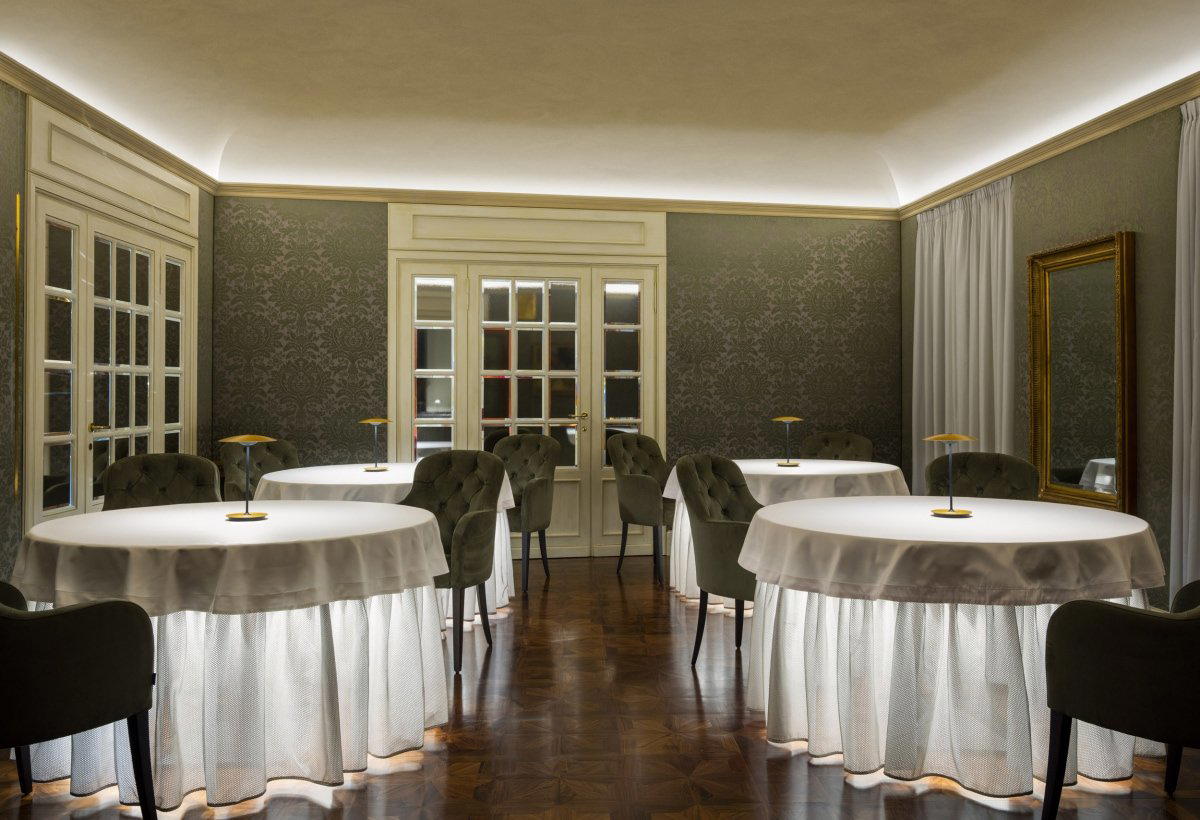
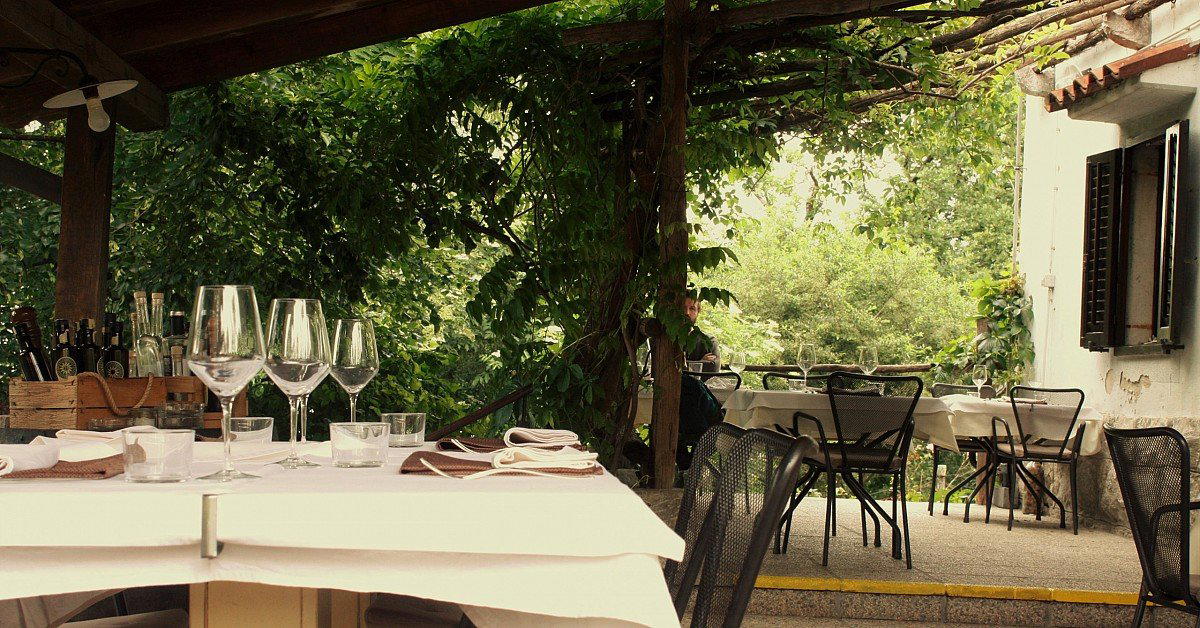
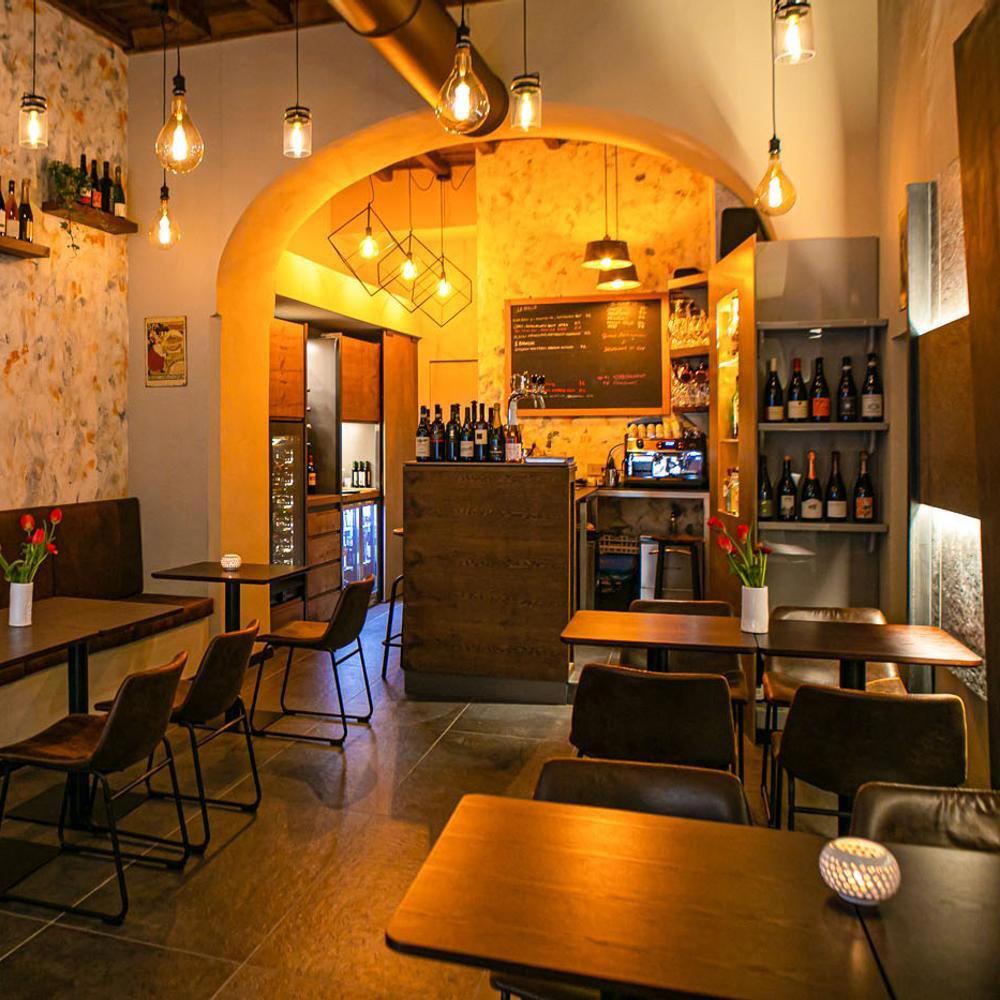
Bars in Trieste
Browse all →
Hotels in Trieste
Browse all →
At a Glance
- Cozy
- Intimate
- Classic
- Date Night
- Casual Hangout
- Historic Building
- Extensive Wine List
- Local Sourcing
Current opening hours
- Monday
- 12:30–2:30 PM, 7:30–10:30 PM
- Tuesday
- 12:30–2:30 PM, 7:30–10:30 PM
- Wednesday
- 12:30–2:30 PM, 7:30–10:30 PM
- Thursday
- 12:30–2:30 PM, 7:30–10:30 PM
- Friday
- 12:30–2:30 PM, 7:30–10:30 PM
- Saturday
- 12:30–2:30 PM, 7:30–10:30 PM
- Sunday
- Closed
Hours can change for holidays and private events. Last verified .
Warm, cozy, and familiar atmosphere with friendly service in a small, welcoming space.