Ai 3 Magnoni sits on Via dell'Eremo in the hills above Trieste, where the city's Central European culinary heritage meets the produce rhythms of the northern Adriatic. The address alone signals a departure from the tourist circuit, positioning the restaurant within the tradition of Triestine trattorie that have long served the city's residential quarters rather than its waterfront piazzas.
Pearl is the En Primeur Club membership app — saves, bookings, and concierge access live there. Same editors, same standards.
- Address
- Via dell'Eremo, 243, 34142 Trieste TS, Italy
- Phone
- +393940910979
- Website
- ai3magnoni.com
- Directions
- Get directions
 Saves & bookings on Pearl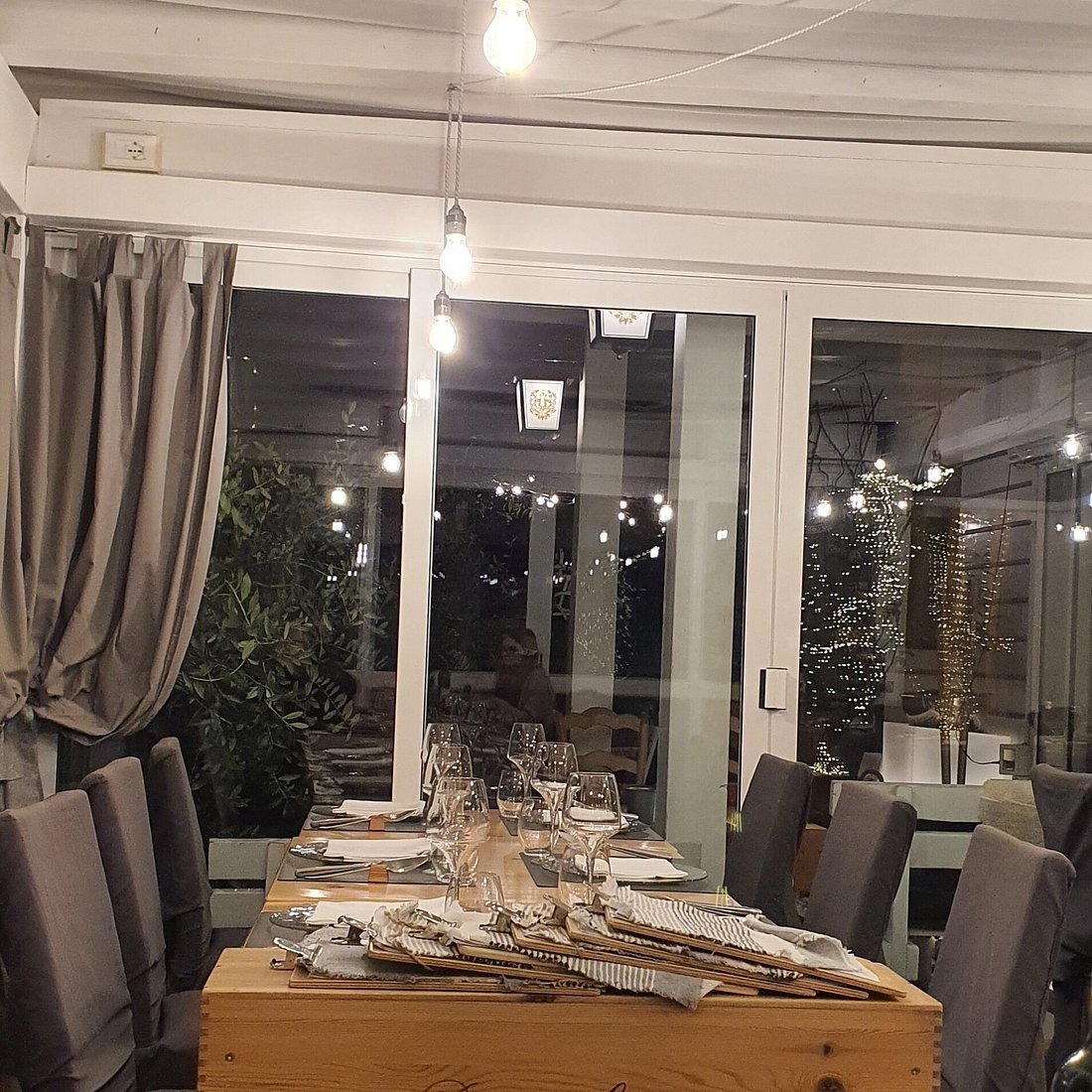
Where the Hills Hold the Kitchen
Via dell'Eremo climbs away from Trieste's compressed waterfront towards the karst plateau, and restaurants at this altitude have historically served a different patron: the Triestine resident, not the transit visitor. In a city whose food identity was shaped by Austro-Hungarian administration, Venetian trade routes, and Slovenian border culture, the hill trattoria occupies a specific ecological niche. It is where the city feeds itself rather than where it performs for outsiders.
Trieste's position as a former imperial free port gave it a culinary grammar unlike anywhere else on the Italian peninsula. The city does not sit comfortably inside the standard Italian regional taxonomy. Its fish comes from the northern Adriatic, its meat traditions carry echoes of Central Europe, and its markets still reflect a plural civic culture that resisted easy categorisation for centuries. Restaurants operating in the residential hills above the centro storico tend to reflect that complexity more honestly than venues calibrated for tourist footfall near the Piazza Unità.
The Ingredient Question in Trieste
The editorial angle that matters most when thinking about a restaurant like Ai 3 Magnoni is sourcing, and sourcing in Trieste is a specific subject. The northern Adriatic is not the same fishery as the central or southern Adriatic. Waters are shallower, colder in winter, and the catch profile shifts accordingly: smaller volumes, different species weighting, and a seasonality that serious kitchens here have always tracked. The karst hinterland, limestone plateau terrain rising immediately behind the city, contributes wild herbs, mushrooms, and game that appear in local cooking with a regularity that distinguishes Triestine cuisine from its Venetian neighbour to the west.
For context, the restaurants that have earned sustained critical attention in this part of Italy, from Uliassi in Senigallia to Quattro Passi in Marina del Cantone, share a commitment to coastal-regional specificity as the organising principle of their menus. That commitment is not distinctive to starred venues. It runs through the trattoria tradition as well, particularly in cities like Trieste where the supply chain between sea and table has remained relatively compressed.
Within Trieste specifically, the sourcing conversation is anchored by a handful of well-regarded addresses. Al Bagatto, operating in the seafood bracket, has built its reputation on Adriatic fish handled with minimal interference. Harry's Piccolo operates in the modern Italian register at the upper price tier, where sourcing decisions are made explicit through technique. Ai 3 Magnoni's position on Via dell'Eremo places it in a different part of the city's dining geography, serving a residential catchment where the expectation is local produce at honest prices rather than chef-led spectacle.
The comparable set and What It Implies
Understanding where Ai 3 Magnoni sits requires reading the Trieste restaurant map with some precision. The city does not have the density of starred venues that its size might suggest in another region. Ai Fiori, Al Civicosei, and Al Nuovo Antico Pavone each occupy distinct positions in the local hierarchy, covering different price points and service registers. A restaurant on Via dell'Eremo addresses none of those registers directly. It answers to a more neighbourhood-specific logic, one that Italian food culture has historically valued as much as formal recognition.
That neighbourhood-specific logic is what separates the trattoria tradition from the fine dining circuit tracked by institutions like Michelin or the 50 Best lists. The restaurants at the centre of Italian fine dining, Osteria Francescana in Modena, Le Calandre in Rubano, Piazza Duomo in Alba, Enoteca Pinchiorri in Florence, or Enrico Bartolini in Milan, operate in a different economy of scale and expectation. The Triestine hill trattoria is not competing with that tier and should not be measured against it. Its referents are local, its economy is neighbourhood, and its sourcing reflects what the surrounding territory produces rather than what a starred kitchen might import to complete a tasting menu.
The distinction matters for visitors planning a trip to Trieste. A city whose culinary identity is genuinely plural, carrying Slovenian, Austrian, and Venetian threads alongside its Adriatic seafood culture, is leading read through multiple register visits. A single high-end dinner at a modern Italian address gives one reading of the city. An afternoon at the Mercato Coperto and an evening in the hills give another. The two readings are complementary, not competitive.
Planning Your Visit
Via dell'Eremo is accessible from central Trieste by car or taxi. The address is residential, and the surrounding quarter does not have the commercial infrastructure of the seafront districts, which means planning ahead matters more here than at centrally located venues. Visitors to Trieste who have used similar hill addresses as reference points, whether in Genoa, Naples, or other Italian port cities where the residential districts above the waterfront maintain their own dining ecosystems, will recognise the logic: you go deliberately, not incidentally.
Trieste's dining rhythm skews later than northern European expectations but earlier than Rome, and hill restaurants in Italian cities of this type often have tighter operating windows than their centro storico counterparts. For context on comparable kitchen-focused addresses in the Italian northeast, Dal Pescatore in Runate and Reale in Castel di Sangro both reward the deliberate journey over the casual drop-in, a sensibility that translates to smaller neighbourhood addresses as well. For visitors whose reference points extend further, Atelier Moessmer Norbert Niederkofler in Brunico in the Alto Adige similarly reflects a regional sourcing logic applied rigorously over time.
A Quick Peer Check
Comparable venues nearby, for context on price, style, and recognition.
| Venue | Cuisine | Price | Notes |
|---|---|---|---|
| Ai 3 MagnoniThis venue — the venue you are viewing | Italian Seafood | $$$ | Not listed |
| Harry's Restaurant and Dehors | Contemporary Italian Bistro | $$$ | Piazza Unità d'Italia |
| Arcoriccardo | Traditional Italian Seafood | $$$ | Old Town |
| Al Nuovo Antico Pavone | Traditional Italian Seafood Trattoria | $$ | Barcola |
| Al Civicosei | Gourmet Italian Pizza | $$ | Centro |
| Hostaria da Libero | Traditional Italian Osteria | $$ | Trieste center |
Continue exploring
More in Trieste
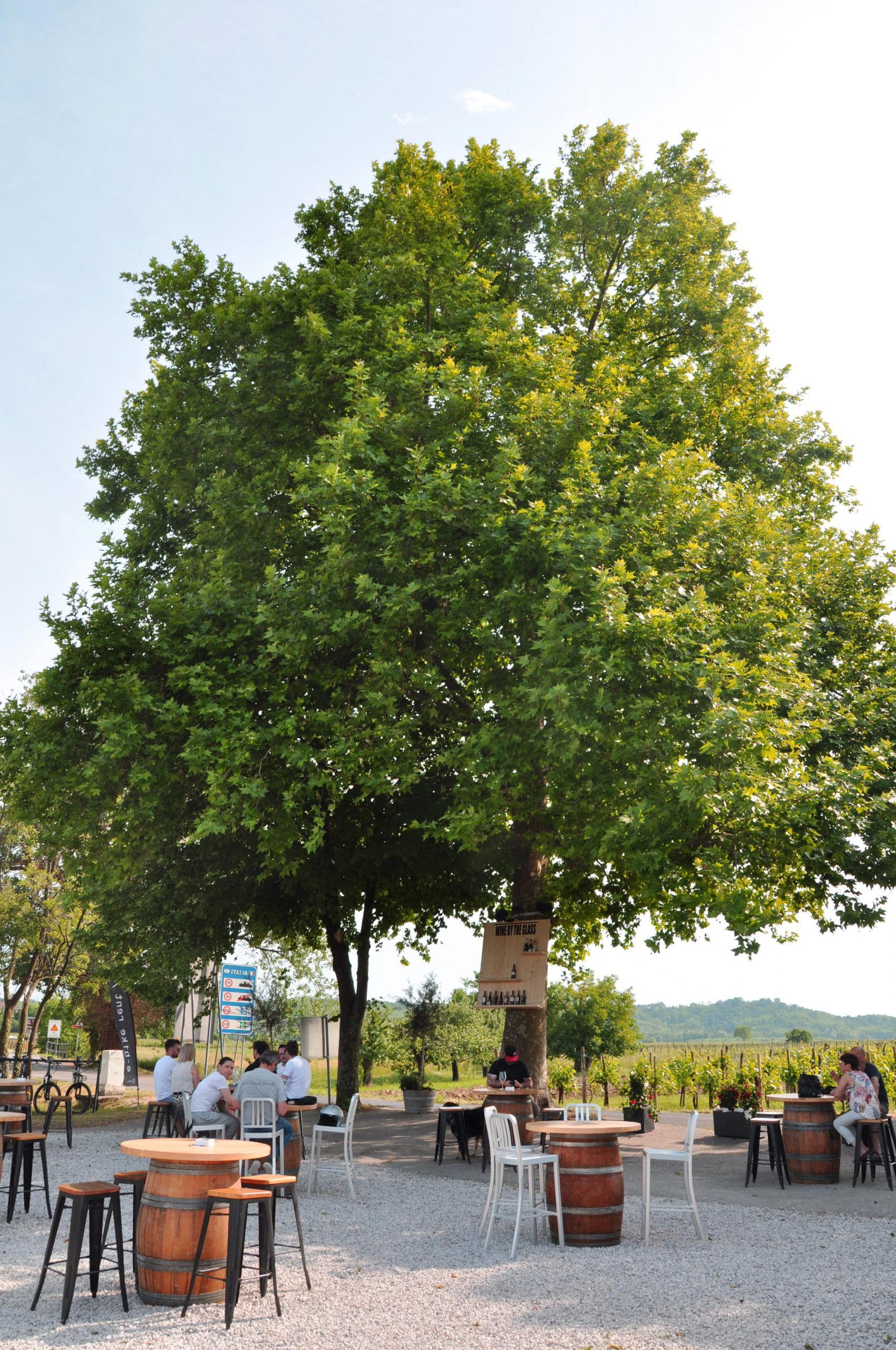
Restaurants in Trieste
Browse all →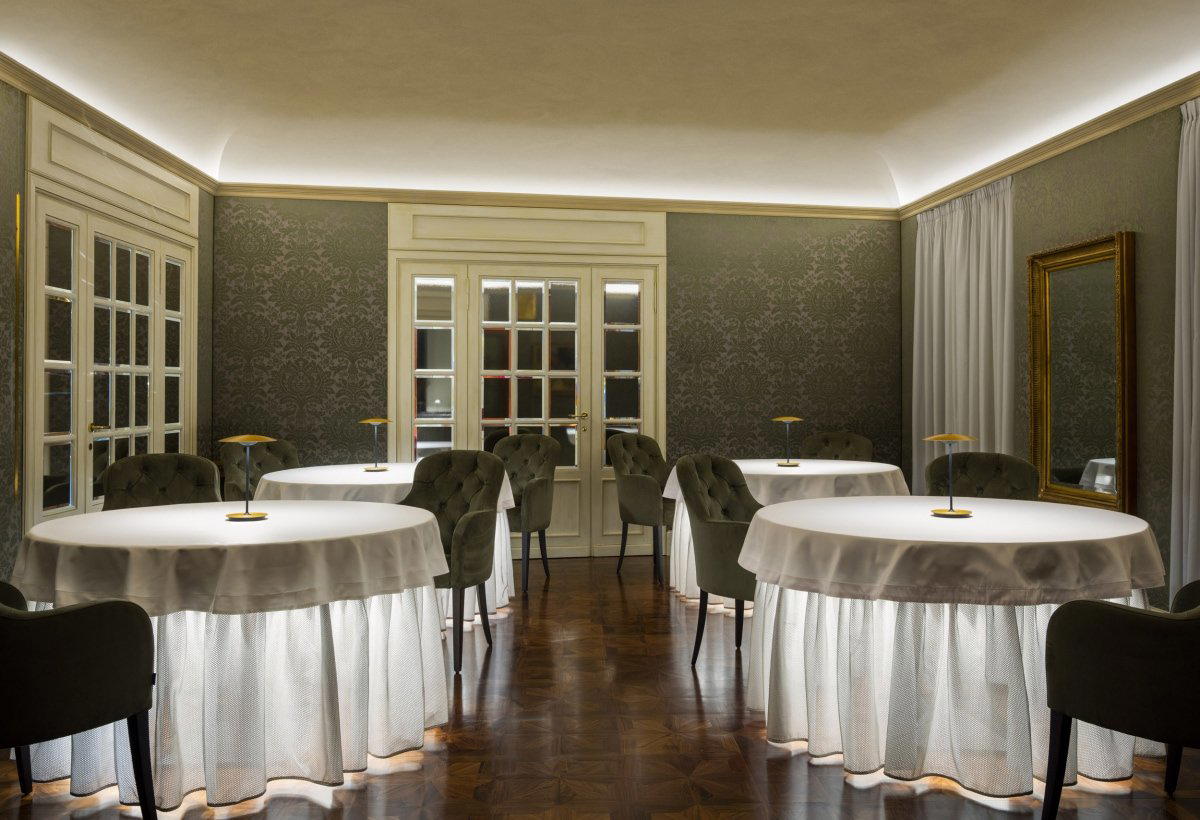
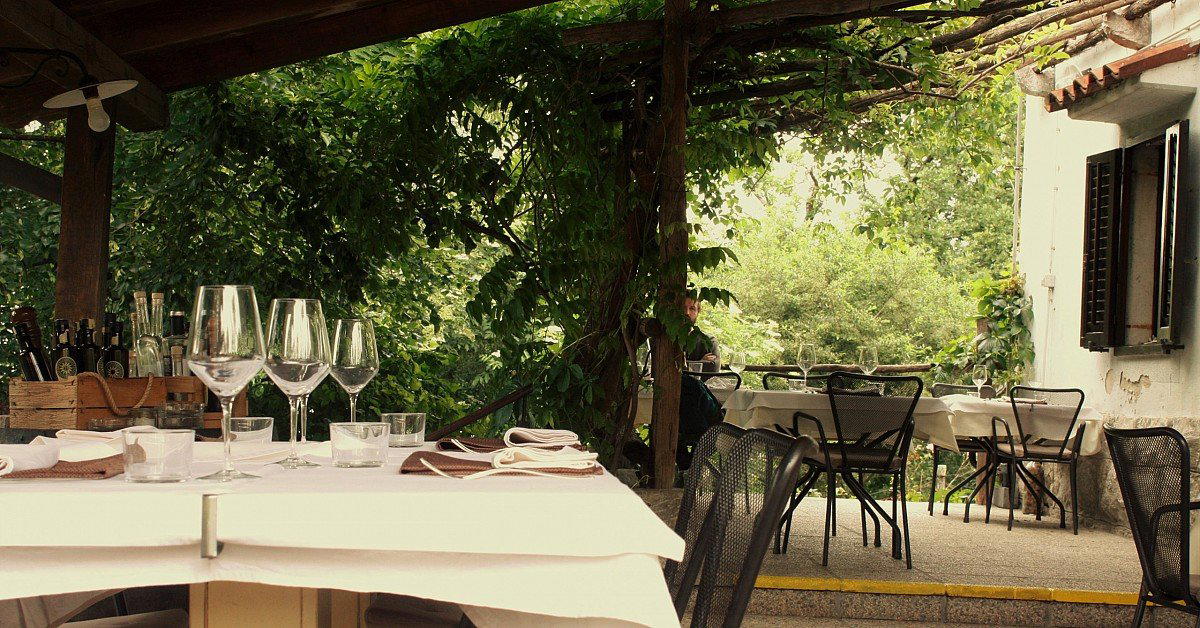
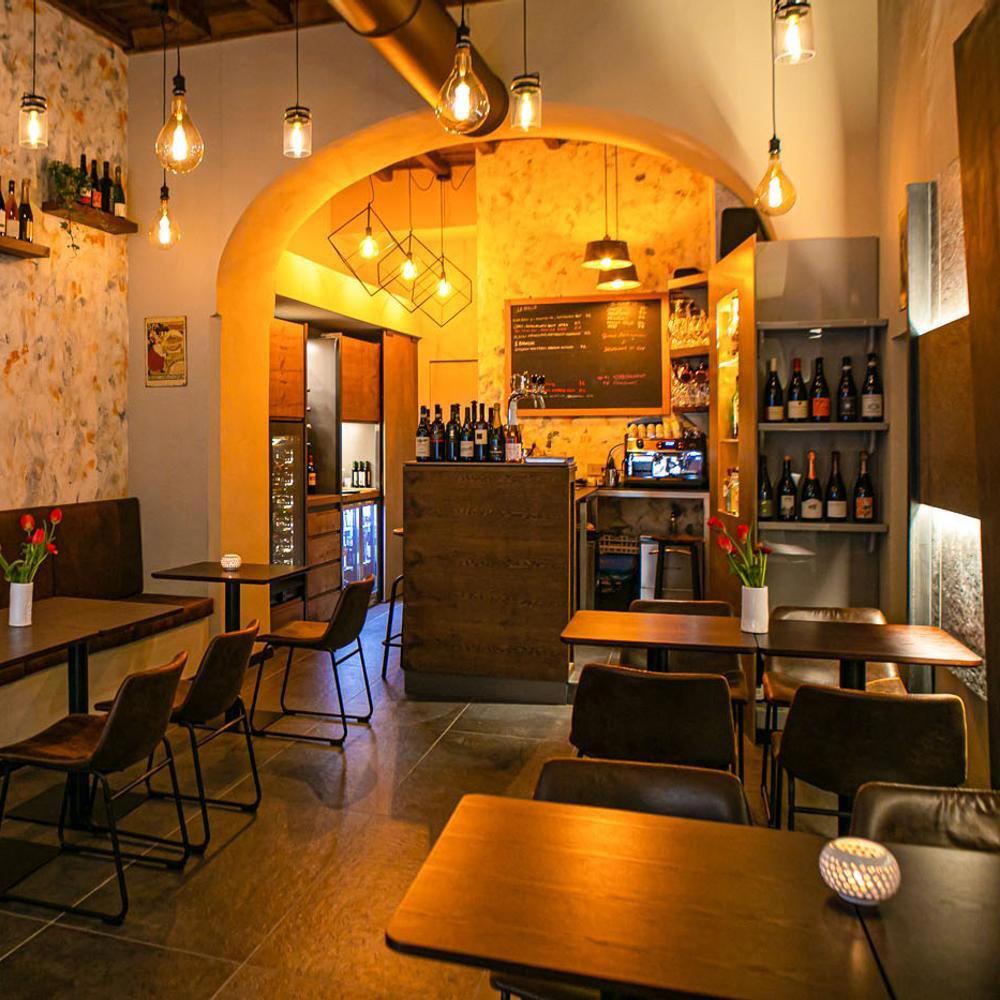
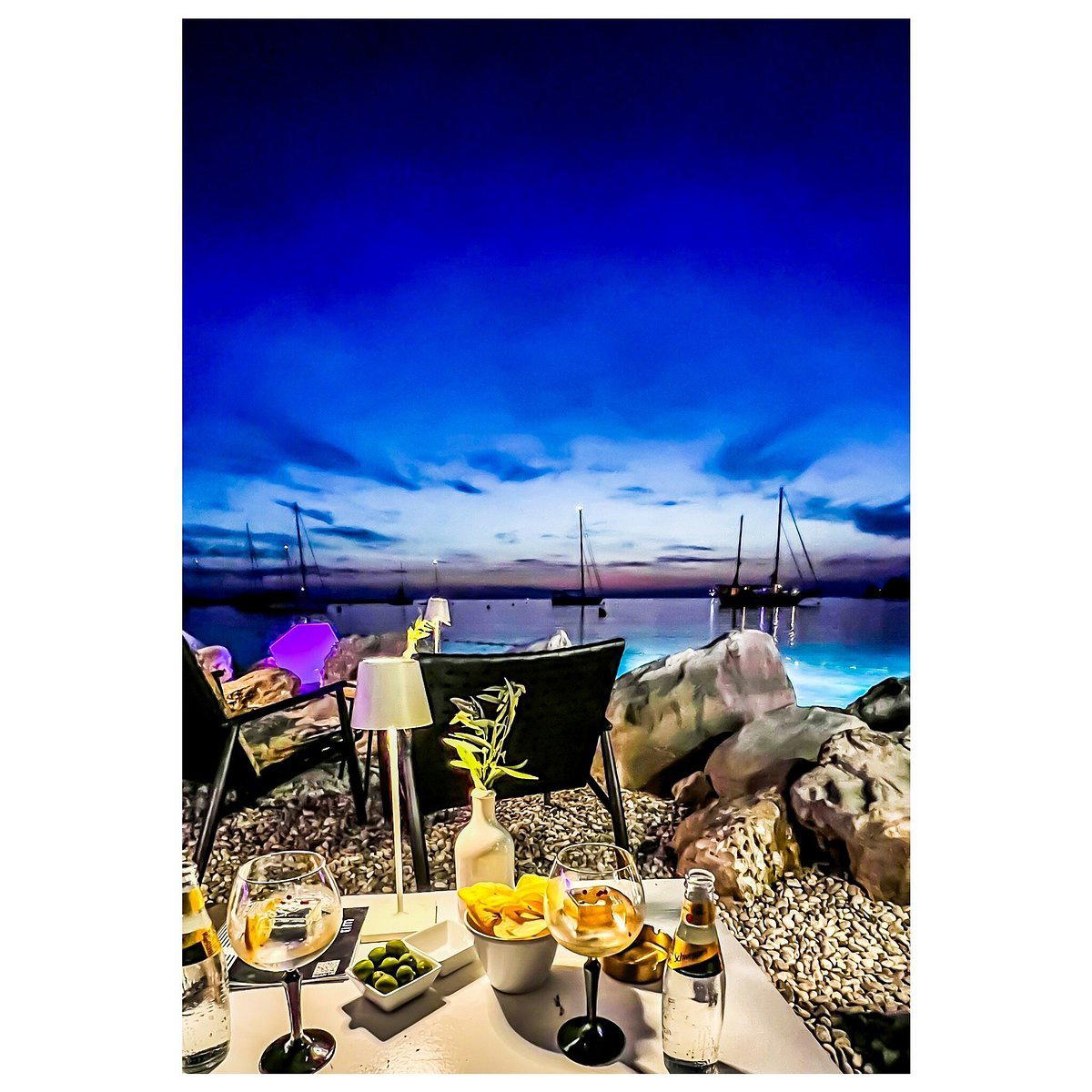
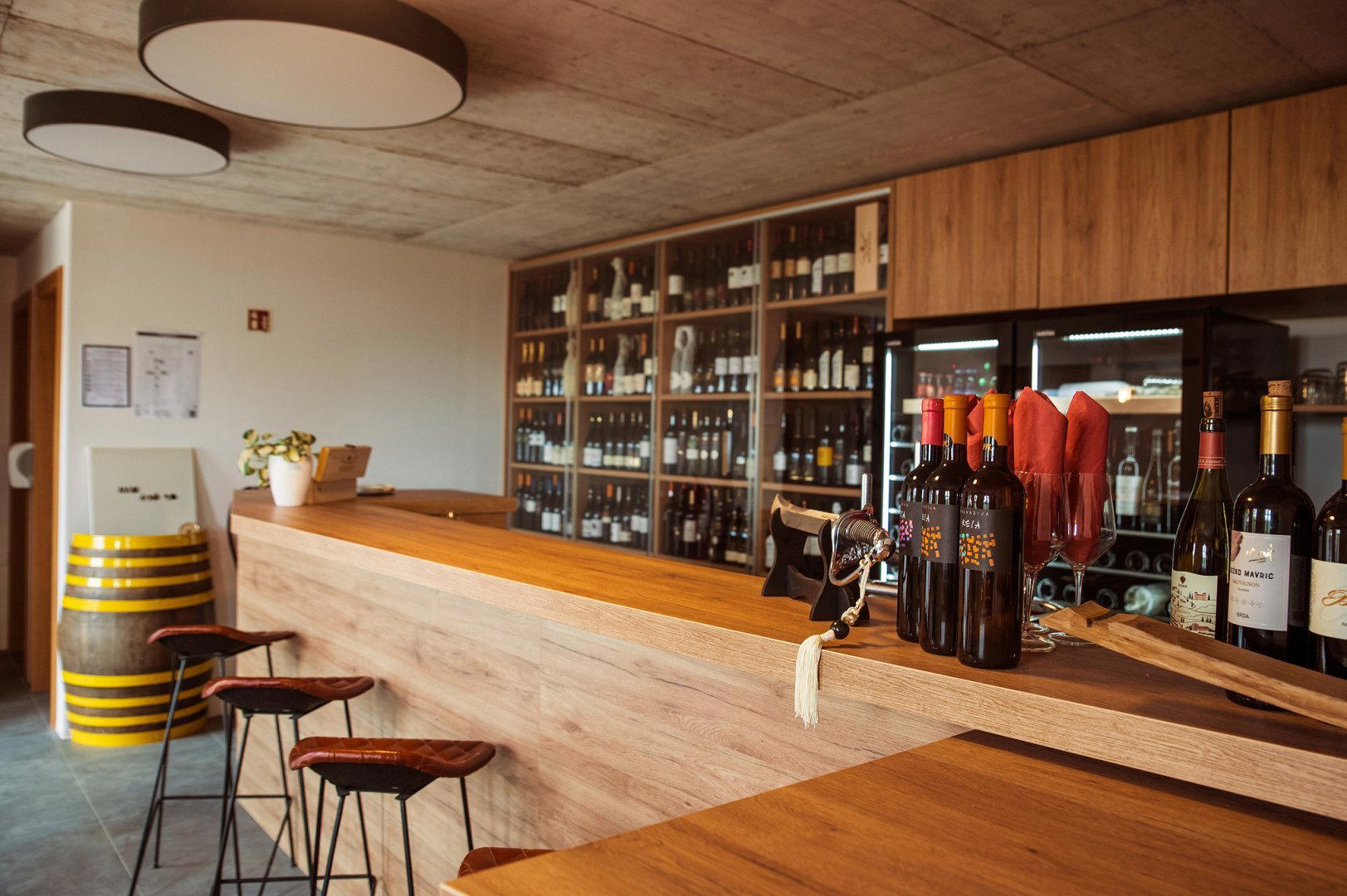
Bars in Trieste
Browse all →
Hotels in Trieste
Browse all →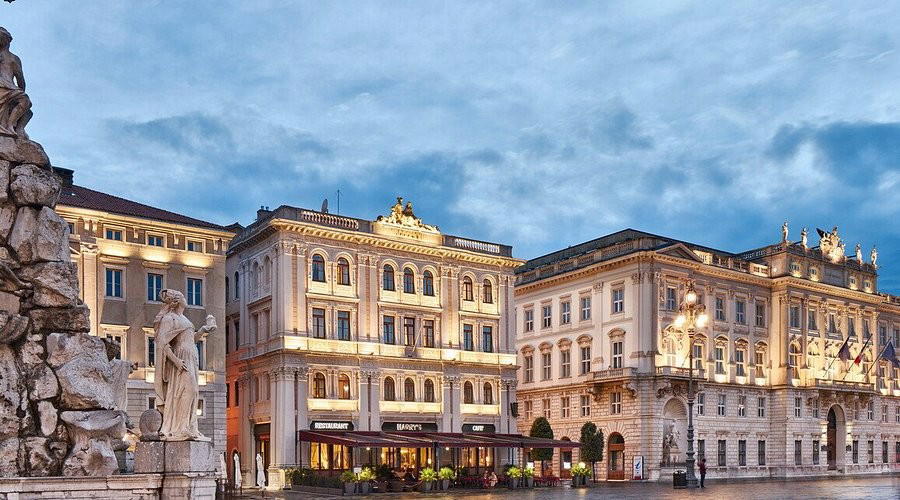
At a Glance
- Cozy
- Elegant
- Intimate
- Date Night
- Special Occasion
- Group Dining
- Open Kitchen
- Extensive Wine List
- Local Sourcing
Current opening hours
- Monday
- Closed
- Tuesday
- Closed
- Wednesday
- 9:30 AM–3 PM, 7:30–10:45 PM
- Thursday
- 9:30 AM–3 PM, 7:30–10:45 PM
- Friday
- 9:30 AM–1:30 PM, 7:30–10:45 PM
- Saturday
- 9:30 AM–3 PM, 7:30–10:45 PM
- Sunday
- 9:30 AM–3 PM, 7:30–10:45 PM
Hours can change for holidays and private events. Last verified .
Simple yet immaculate and charming atmosphere with professional, friendly service.