On Via Armando Diaz in central Trieste, Bianco occupies a city where Central European café culture and Adriatic seafood tradition have always shared the same table. The address places it within easy reach of the waterfront and the historic Borgo Teresiano grid, putting it at the intersection of Trieste's two dominant dining registers: the convivial and the quietly serious.
Pearl is the En Primeur Club membership app — saves, bookings, and concierge access live there. Same editors, same standards.
- Address
- Via Armando Diaz, 2, 34123 Trieste TS, Italy
- Phone
- +393940662582
- Directions
- Get directions
 Saves & bookings on Pearl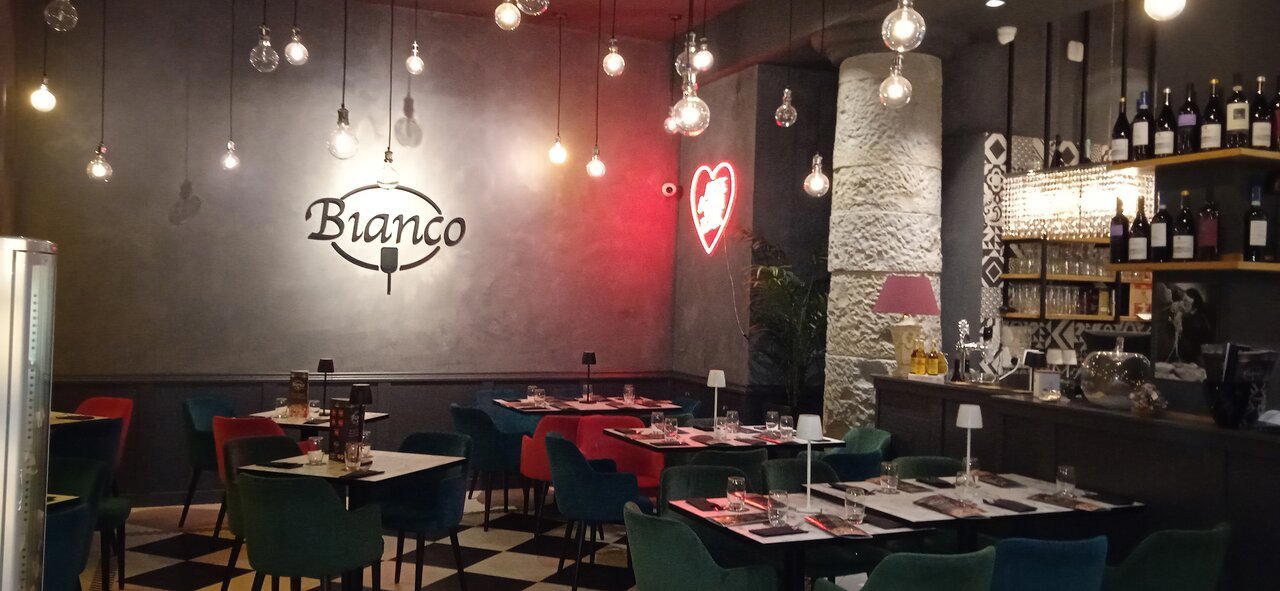
A City That Has Always Eaten at the Crossroads
Trieste earns its distinctiveness not by loudly announcing itself but by accumulating contradictions gracefully. The city spent centuries as the Habsburg Empire's principal seaport, a function that layered Austro-Hungarian café formality over an Adriatic fishing town's instinct for seafood and simplicity. That double inheritance still organises how the city eats. Along the waterfront and through the orderly streets of the Borgo Teresiano, the eighteenth-century grid that gives central Trieste its rationalist character, restaurants tend to divide between those that lean into the maritime larder and those that work in a more composed, interior European register. Bianco is an Authentic Neapolitan Pizza restaurant at Via Armando Diaz 2 in Trieste, with a recommended reservation policy and a price tier around $20 per person. It sits within that grid, in a part of the city where the two registers converge rather than compete.
At the higher end of the local market, Harry's Piccolo operates in the modern Italian contemporary register at the leading price bracket. Seafood-focused rooms like Al Bagatto occupy the serious mid-to-upper tier, while neighbourhood-anchored places such as Ai 3 Magnoni, Ai Fiori, and Al Civicosei serve the city's everyday dining appetite. Bianco's position on the Via Armando Diaz address places it in the commercial and civic centre, a location that in Trieste implies a certain reliability of footfall and a mixed clientele of locals and informed visitors.
The Physical Container: Space as Argument
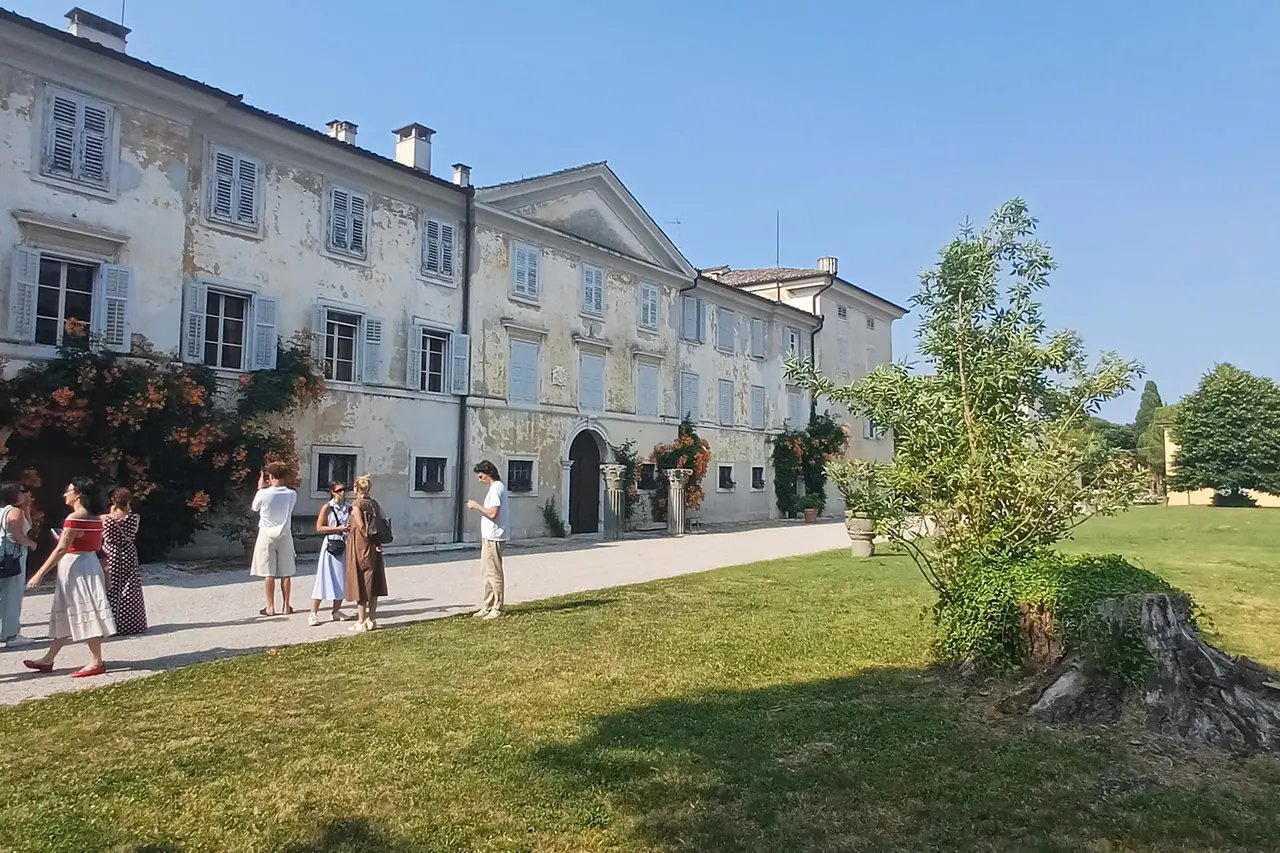
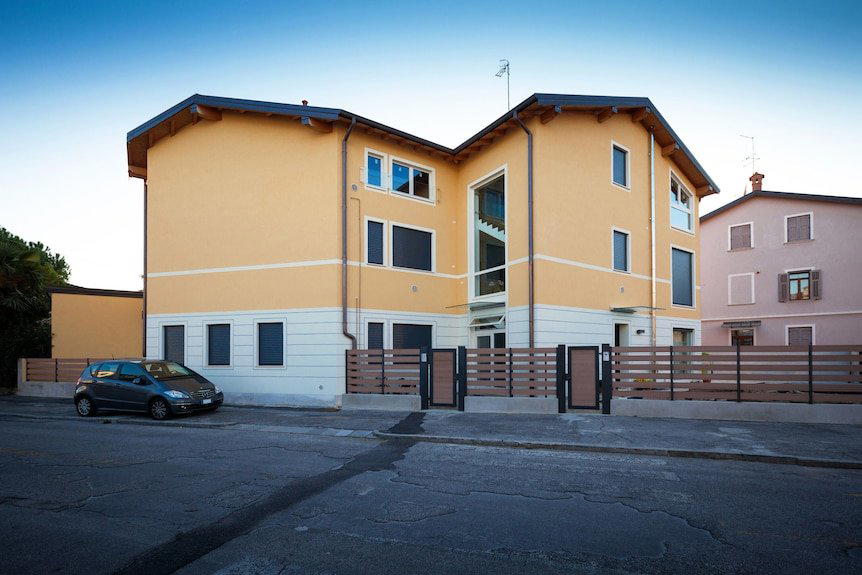
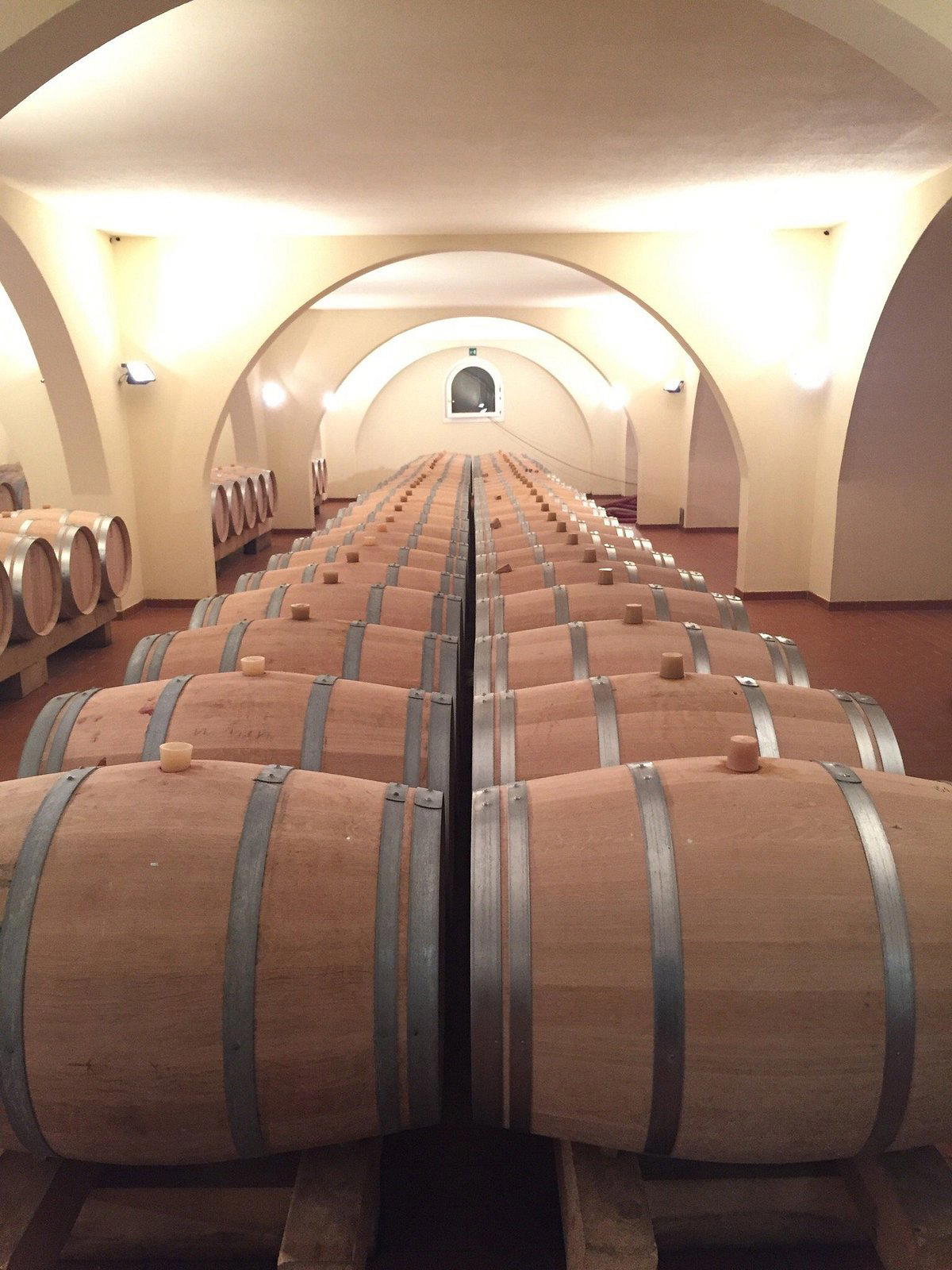
In Trieste, the physical design of a room carries more meaning than it might in cities where dining spaces are built from scratch each decade. Many of the city's established restaurants occupy rooms with pre-existing architectural weight, tall ceilings, original plasterwork, windows that face onto streets with their own historical freight. The Via Armando Diaz address positions Bianco within this tradition. The street itself runs through the civic core, a zone where the built fabric tends toward the substantial rather than the provisional.
Across Italian dining more broadly, there has been a shift over the past fifteen years away from maximalist interior decoration toward spaces where the architecture is allowed to do the work. The better rooms in smaller Italian cities increasingly make a case through proportion, material quality, and light management rather than through accumulated objects. This shift matters because it changes the dining experience in a specific way: when the room is confident in its own structure, the meal and the conversation become the foreground. The physical container recedes, which paradoxically makes it more present. Bianco's address in the Borgo Teresiano grid suggests an interior that works within that kind of inherited order.
Trieste's Dining Register and Where Bianco Fits
Trieste occupies an unusual position in Italian dining geography. It is neither a major gastronomic capital on the level of Bologna or Milan, nor a tourist-circuit stop that has organised its restaurants around international expectations. It is, instead, a city that eats for itself, with a permanent population that values consistency and locality over novelty. The result is a dining scene with genuine depth at the neighbourhood level and a smaller but serious tier of destination-quality rooms.
That seriousness at the summit of the Trieste market is legible against the national context. Italy's highest-profile kitchens, Osteria Francescana in Modena, Le Calandre in Rubano, Piazza Duomo in Alba, Enoteca Pinchiorri in Florence, Enrico Bartolini in Milan, Reale in Castel di Sangro, Uliassi in Senigallia, Dal Pescatore in Runate, Quattro Passi in Marina del Cantone, and Atelier Moessmer Norbert Niederkofler in Brunico, define what formal Italian dining looks like at its most decorated tier. Trieste's better addresses operate one register below that, but the city's Central European inheritance gives its serious dining rooms a particular character: more controlled in pace, less theatrical in presentation, and more attentive to wine than many comparably sized Italian cities.
For international reference points, rooms like Le Bernardin in New York City and Lazy Bear in San Francisco illustrate how a city's dining identity can be shaped as much by its room culture and pace as by its cuisine category. Trieste's rooms tend toward the former model: precise, unhurried, and confident in the value of the transaction without needing to perform that confidence.
Planning a Visit
Via Armando Diaz 2 is in the centre of Trieste, within walking distance of the Piazza Unità d'Italia and the main waterfront. The Borgo Teresiano grid is compact enough that most of the city's significant addresses are reachable on foot from this location. Trieste is served by Trieste Airport (TRS) at Ronchi dei Legionari, approximately thirty kilometres from the city centre, with bus and taxi connections into town. For visitors arriving by rail, Trieste Centrale station sits at the southern edge of the grid and connects the city to Venice, Ljubljana, and the broader Adriatic corridor. The address at Via Armando Diaz 2 provides the fixed anchor.
The Minimal Set
Comparable venues nearby, for context on price, style, and recognition.
| Venue | Cuisine | Price | Notes |
|---|---|---|---|
| BiancoThis venue — the venue you are viewing | Authentic Neapolitan Pizza | $$ | Not listed |
| Alla Valle | Centro, Italian Seafood Osteria | $$ | Not listed |
| Trattoria Alla Sacchetta | Not listed | $$ | Riva Tommaso Gulli, Traditional Italian Seafood Trattoria |
| Caffè San Marco | Centro Storico, Italian Café & Pastry | $$ | Not listed |
| Caffè Tommaseo | Not listed | $$$ | Piazza Nicolò Tommaseo, Historic Italian Café & Trattoria |
| Suban | Not listed | $$ | San Giovanni, Traditional Triestine & Istrian |
Continue exploring
More in Trieste
Restaurants in Trieste
Browse all →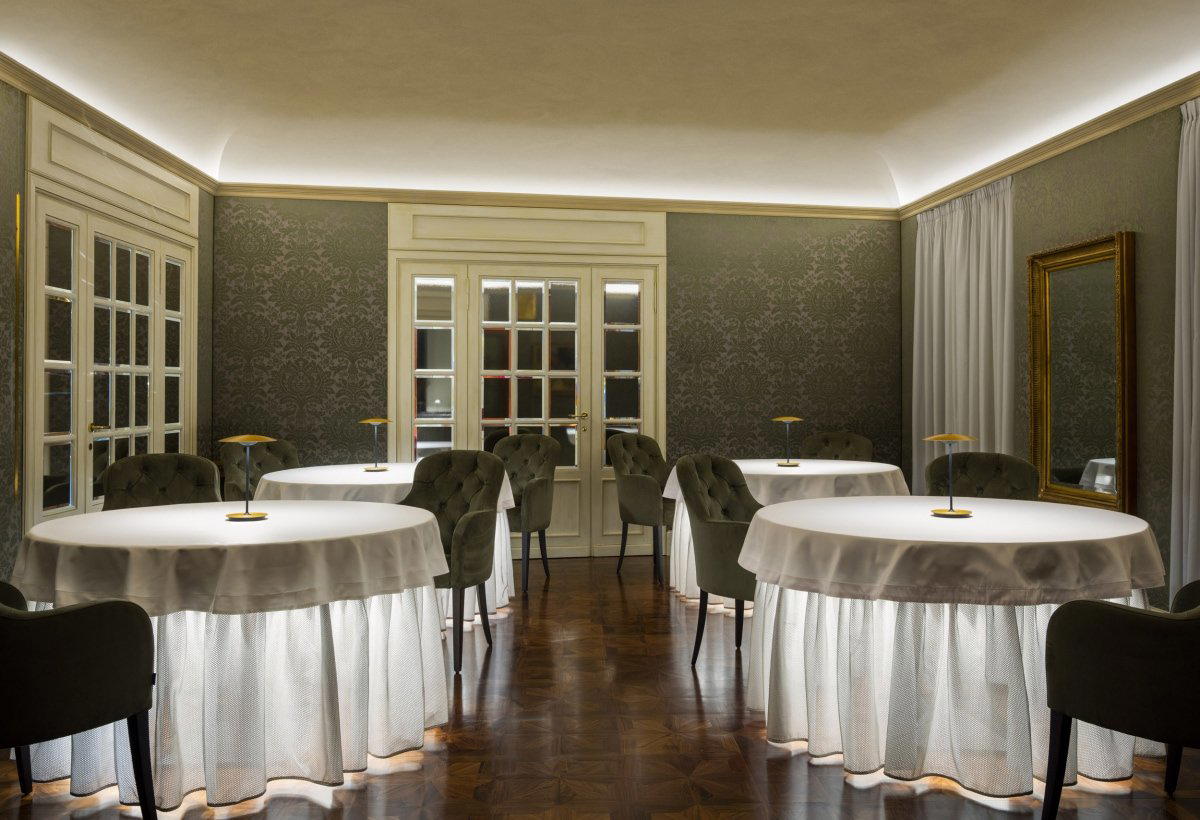
Bars in Trieste
Browse all →
Hotels in Trieste
Browse all →
At a Glance
- Scenic
- Lively
- Casual
- Casual Hangout
- Group Dining
- Waterfront
- Terrace
- Open Kitchen
- Waterfront
Current opening hours
- Monday
- 12–3 PM, 7–11:30 PM
- Tuesday
- 12–3 PM, 7–11:30 PM
- Wednesday
- 12–3 PM, 7–11:30 PM
- Thursday
- 12–3 PM, 7–11:30 PM
- Friday
- 12–3 PM, 7–11:30 PM
- Saturday
- 12–3 PM, 7–11:30 PM
- Sunday
- 12–3 PM, 7–11:30 PM
Hours can change for holidays and private events. Last verified .
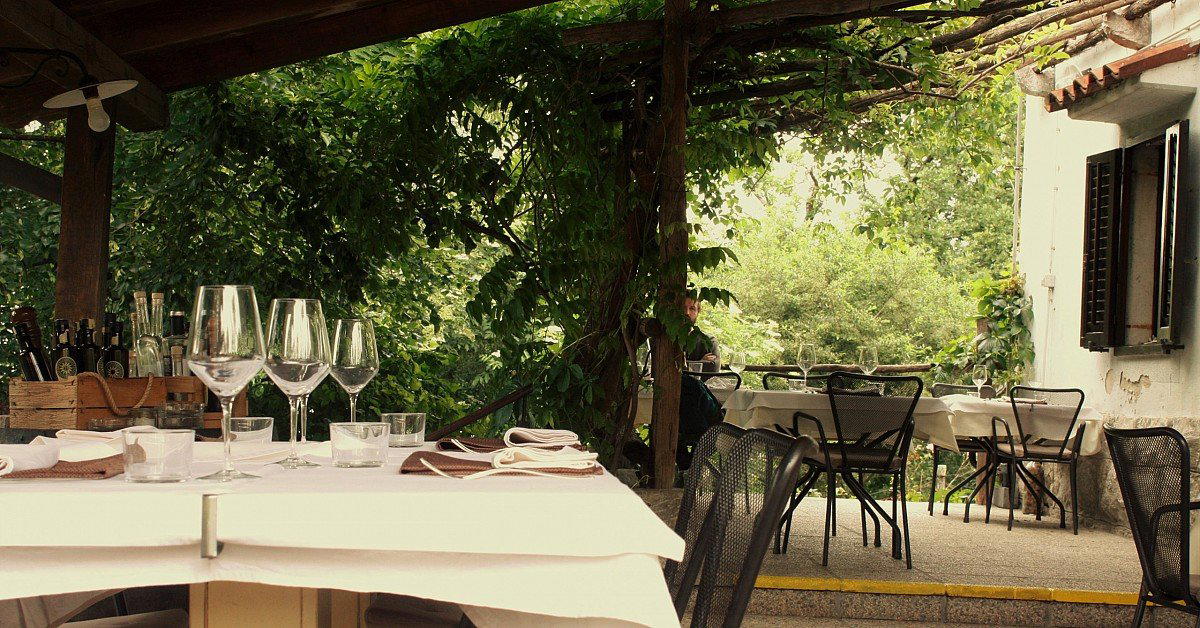
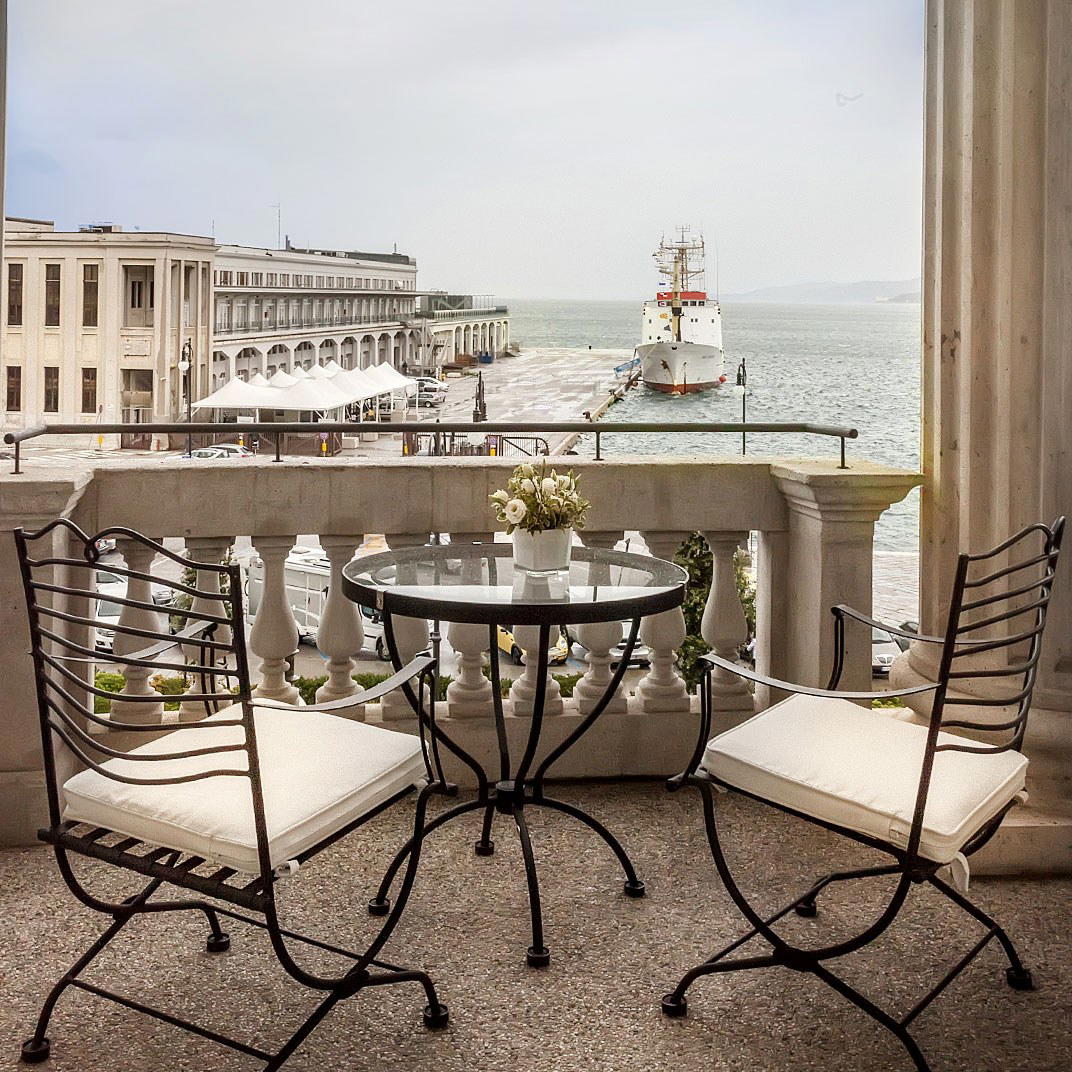
Chill atmosphere with lively, contemporary setting featuring indoor seating and outdoor terrace overlooking the canal.