Al Porton sits on Largo Santorio Santorio in central Trieste, a city whose dining identity is shaped by Adriatic seafood, Central European layering, and a port-town pragmatism that resists easy categorisation. The address places it within walking distance of the city's historic waterfront district, where the trattoria tradition runs deep and menus tend to follow the catch rather than the calendar.
Pearl is the En Primeur Club membership app — saves, bookings, and concierge access live there. Same editors, same standards.
- Address
- Largo Santorio Santorio, 1, 34125 Trieste TS, Italy
- Phone
- +393930100604
- Directions
- Get directions
 Saves & bookings on Pearl
Where Trieste's Port-Town Pragmatism Meets the Plate
Al Porton is a traditional Italian seafood trattoria in Trieste, with. Largo Santorio Santorio is a quiet square in central Trieste, close enough to the Adriatic that the salted air reaches it on most days. The neighbourhood sits within the older residential and commercial fabric of the city, away from the tourist-facing waterfront promenades but near enough that it draws both locals and visitors who have done their research. In a city whose culinary character is defined by the collision of Italian, Austro-Hungarian, and Slavic traditions, restaurants on streets like this one tend to anchor themselves in the trattoria register: direct, ingredient-led, and largely indifferent to the kind of theatrical presentation that defines dining in Milan or Rome. Al Porton occupies that address at Largo Santorio Santorio, 1.
Trieste's Dining Identity: Context Before the Menu
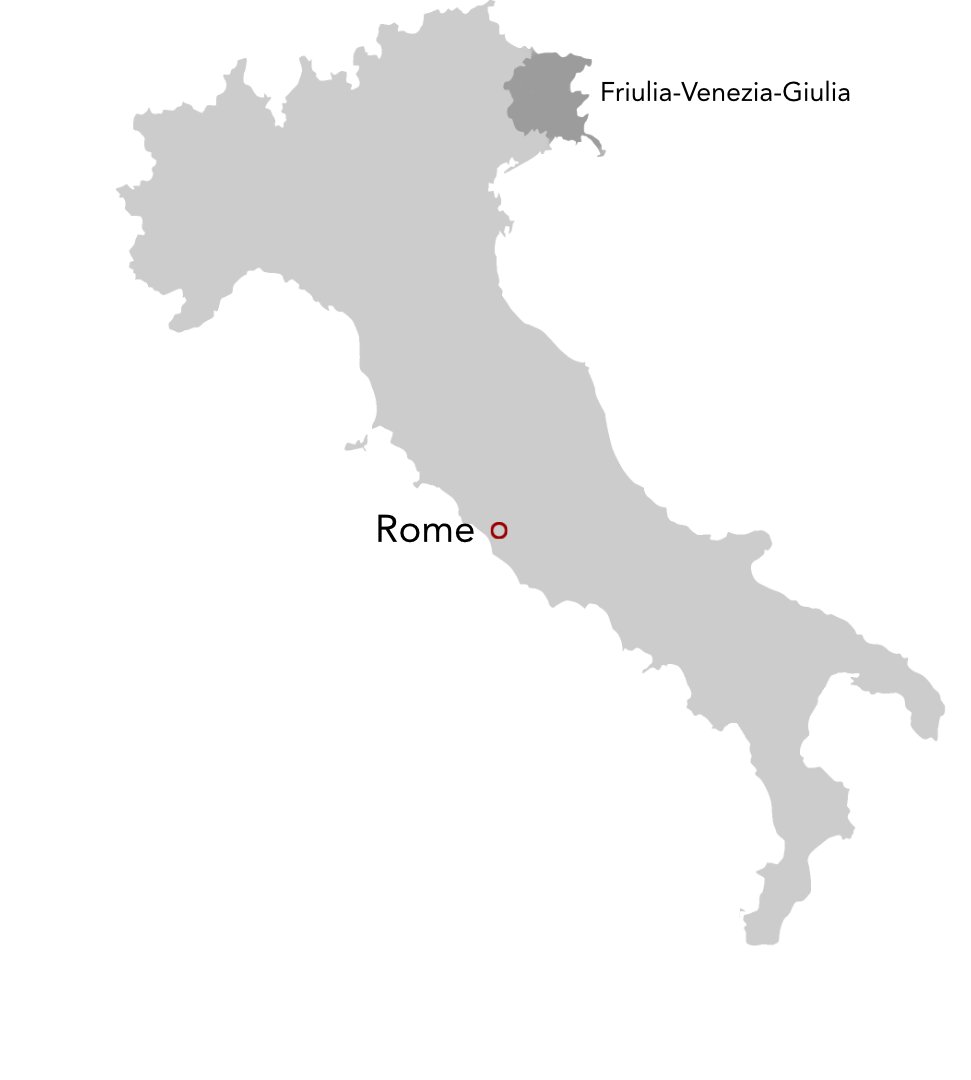
Understanding any Triestine restaurant requires understanding the city first. Trieste spent centuries as the Habsburg Empire's principal seaport, and that history produced a food culture that is simultaneously Italian and not quite. The Adriatic supplies the raw material: bream, sardines, scampi, cuttlefish, and the kind of shellfish that appear on menus across the Friuli Venezia Giulia region. But the preparations carry Central European inflections, and the wine lists in serious establishments here lean toward the Carso, Collio, and Istrian producers that most Italian diners would struggle to identify by label. This is a city where the seafood trattoria is not a tourist format but a civic institution, and where the divide between a workmanlike lunch spot and a destination restaurant is sometimes smaller than it appears from the outside.
Within that context, the city's restaurant tier runs from accessible neighbourhood spots through mid-range seafood-focused trattorias to a handful of more ambitious addresses. Al Bagatto operates at the seafood-specialist end with a price tier that signals intent, while Harry's Piccolo represents the modern Italian fine-dining bracket with a €€€€ price point and a contemporary Italian approach. Ai 3 Magnoni, Ai Fiori, and Al Civicosei each occupy positions in this mid-tier, where the trattoria format is taken seriously without the overhead of a formal tasting-menu operation. Al Porton sits within this broader range of neighbourhood-anchored eating.
Menu Architecture and What It Signals
In Trieste's established trattorias, the menu structure itself communicates a set of priorities. Particularly traditional operations organise around daily availability rather than fixed print: antipasti drawn from whatever the market offered that morning, first courses built on pasta or risotto with seafood, and secondi that follow the Adriatic catch. This architecture is a direct expression of the port-city relationship with supply. It resists the kind of rigid menu engineering that defines higher-formalised restaurants, and it places the kitchen in a reactive rather than a declarative position.
That responsiveness is one of the markers that separates the trattoria tradition from the modern Italian format represented at places like Osteria Francescana in Modena or Piazza Duomo in Alba, where the menu is itself a statement of authorial intent. At the other end of that spectrum, the Adriatic seafood trattoria treats the menu as a list of possibilities rather than a manifesto. Restaurants that operate with that discipline tend to reward guests who ask what came in that day rather than anchoring to a dish seen in a review from six months prior. The kitchen's confidence is expressed through what it does not need to explain, rather than through elaborate menu copy.
Italy's most recognised seafood-forward kitchens, including Uliassi in Senigallia and Quattro Passi in Marina del Cantone, have built their reputations on pushing the seafood format into more technically ambitious territory. Trieste's neighbourhood-tier restaurants generally operate below that register, but they compensate with a directness and a relationship to local product that the destination-dining format sometimes sacrifices in the pursuit of technique.
Planning Your Visit
Trieste rewards visitors who approach it as a working city rather than a museum. The dining rhythm here follows local patterns: lunch is the main event for many neighbourhood restaurants, and the evening service in the trattoria tier tends to fill early by Italian standards, particularly in the warmer months when the city's outdoor tables attract Triestines and visitors alike. For a restaurant at a central address like Largo Santorio Santorio, the sensible approach is to make contact in advance, either by stopping in during the day or checking current opening arrangements, since hours and reservation requirements in this category vary by season and day of the week. Visiting the address directly or enquiring locally remains one reliable method for confirming current access. Trieste's city centre is compact and walkable from the main train station, which is served by direct connections from Venice, Ljubljana, and Vienna.
Those extending their trip into the wider Italian northeast might consider Le Calandre in Rubano or, further north, Atelier Moessmer Norbert Niederkofler in Brunico, both of which represent the region's more formally ambitious register.
Reputation Context
Comparable venues nearby, for context on price, style, and recognition.
| Venue | Cuisine | Price | Notes |
|---|---|---|---|
| Al PortonThis venue — the venue you are viewing | Traditional Italian Seafood Trattoria | $$ | Not listed |
| Nerodiseppia | Italian Seafood Trattoria | $$ | Centro |
| Hostaria da Libero | Traditional Italian Osteria | $$ | Trieste center |
| La Lampara | Classic Italian Seafood Trattoria | $$ | Santa Croce |
| Trattoria Alla Sacchetta | Traditional Italian Seafood Trattoria | $$ | Riva Tommaso Gulli |
| Suban | Traditional Triestine & Istrian | $$ | San Giovanni |
Continue exploring
More in Trieste
Restaurants in Trieste
Browse all →
Bars in Trieste
Browse all →
Hotels in Trieste
Browse all →
At a Glance
- Cozy
- Intimate
- Classic
- Date Night
- Casual Hangout
- Standalone
Current opening hours
- Monday
- Closed
- Tuesday
- 11 AM–2 PM, 6–9 PM
- Wednesday
- 11 AM–2 PM, 6–9 PM
- Thursday
- 11 AM–2 PM, 6–9 PM
- Friday
- 11 AM–2 PM, 6–9 PM
- Saturday
- 11 AM–2 PM, 6–9 PM
- Sunday
- Closed
Hours can change for holidays and private events. Last verified .
Cozy, warm, and comfortable with a characteristic traditional feel, simple yet pleasantly familial atmosphere.