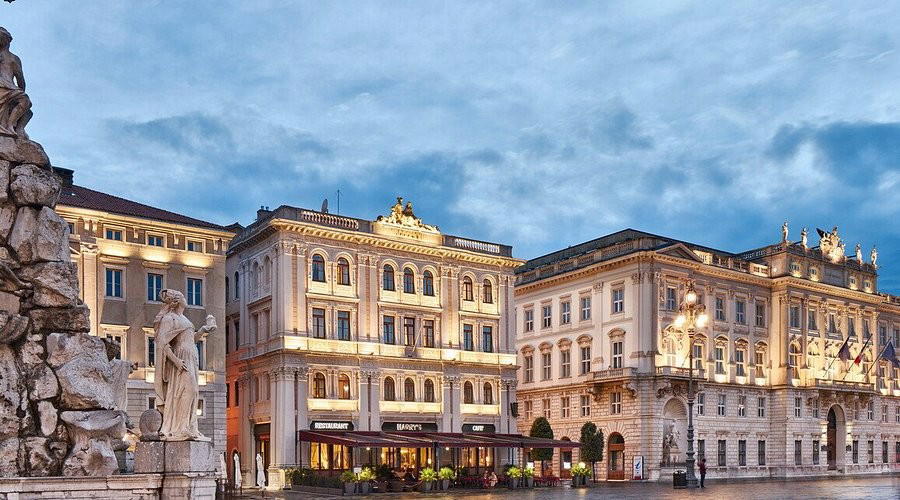
Ai Fiori occupies a considered address on Piazza Attilio Hortis in central Trieste, a city whose dining identity sits at the crossing of Italian, Austro-Hungarian, and Adriatic influences. The restaurant draws on that layered local tradition with a menu rooted in the seafood and produce of the northern Adriatic.
Pearl is the En Primeur Club membership app — saves, bookings, and concierge access live there. Same editors, same standards.
- Address
- Piazza Attilio Hortis, 7, 34124 Trieste TS, Italy
- Phone
- +393940300633
- Website
- aifiori.com
- Directions
- Get directions
 Saves & bookings on Pearl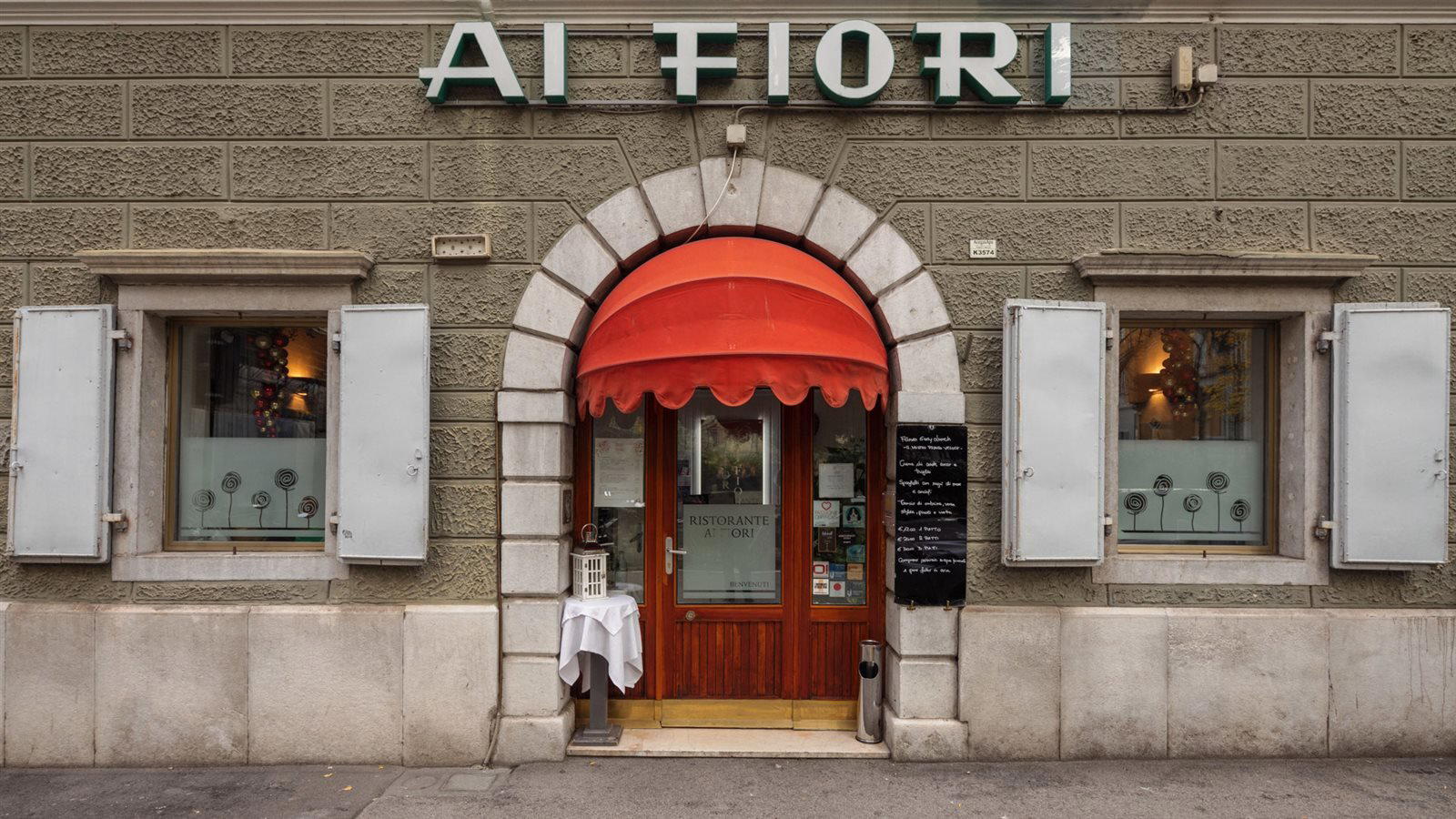
Trieste at the Table: Where the Adriatic Meets Central Europe
Ai Fiori is a restaurant in Trieste serving modern Italian seafood at an estimated $50 per person. Piazza Attilio Hortis is not one of Trieste's more theatrical public spaces, but it carries the kind of civic weight that matters in a city that has always organised itself around grand squares and the idea of the passeggiata. The address places Ai Fiori inside a fabric of streets where the city's literary cafés, the Museo Civico di Storia Naturale, and the layered residential architecture of the old Habsburg administration sit within a short walk of each other. For a dining room rooted in local tradition, this is a coherent position: the neighbourhood is lived-in rather than tourist-facing, and the cooking here answers to a local audience first.
Trieste occupies a singular position in Italian dining geography. Geographically and historically, it is neither fully Venetian nor straightforwardly Italian in the way that Florence or Bologna are. Decades under Habsburg rule left a city that drinks coffee differently from the rest of Italy, that preserved a particular reverence for mitteleuropean formality, and that built its restaurant culture around the Adriatic's cold northern waters rather than the richer, more abundant southern seas. The fish arriving from the Gulf of Trieste is leaner and more mineral than what you find in Neapolitan or Sicilian kitchens. Restaurants that take this ingredient base seriously tend to let it speak, keeping preparation relatively spare and trusting the quality of the catch.
The Adriatic Table: Ingredients and Culinary Logic
The northern Adriatic has a narrower seasonal window than its southern counterpart, and the fishing traditions reflect that compression. Coda di rospo, moeche in spring, schie, and the small grey shrimp particular to the Venetian and Triestine lagoon all appear in the cooking of the region's better restaurants during their short seasons. Venues that track these ingredients honestly shift their menus accordingly rather than sourcing year-round from distant alternatives. That discipline defines the upper tier of Triestine dining, separating restaurants like this from the tourist-adjacent operations along the waterfront that treat the Adriatic's reputation as brand identity rather than daily practice.
The Austro-Hungarian inheritance also surfaces on the plate in ways that are easy to overlook. Trieste was the empire's principal port, and centuries of trade routes introduced spice tolerances, pastry traditions, and a formality of service that lingered long after 1918. The city's goulash, the presence of paprika in certain preparations, the gravity of the dining room over the casualness of the trattoria, these are not affectations but historically grounded choices. Ai Fiori sits inside this tradition on Piazza Attilio Hortis, offering a setting where the room's character and the kitchen's orientation align with the city's layered identity rather than flattening it for outside consumption.
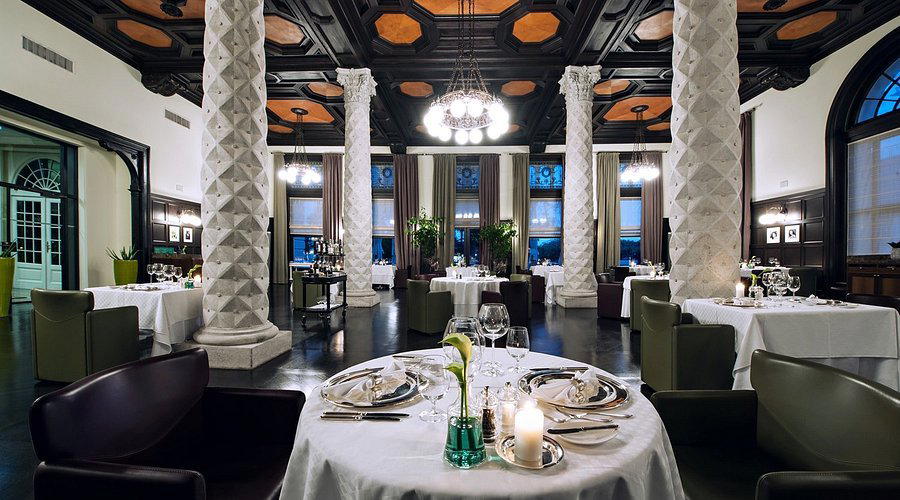
Harry's Piccolo occupies the modern Italian fine dining tier at the summit of the price bracket. Al Bagatto is the reference point for serious seafood at the €€€ level, with a loyal local following built over decades. Ai 3 Magnoni, Al Civicosei, and Al Nuovo Antico Pavone each represent different registers of the city's mid-range. The restaurant operates within this competitive set as a neighbourhood-anchored option, drawing on the same northern Adriatic ingredient tradition while serving a square that functions as a residential rather than touristic address.
Trieste in the Wider Italian Fine Dining Conversation
Italy's dining at the highest level has consolidated around a relatively small number of addresses that receive international critical attention. Osteria Francescana in Modena and Piazza Duomo in Alba define one end of the spectrum, while coastal seafood-forward destinations like Uliassi in Senigallia and Quattro Passi in Marina del Cantone show how the Adriatic and Tyrrhenian ingredient palettes can anchor serious creative ambition. Le Calandre in Rubano, Dal Pescatore in Runate, and Reale in Castel di Sangro each demonstrate how regional rootedness can produce cooking that operates at an international level. Further north, Atelier Moessmer Norbert Niederkofler in Brunico pursues an Alpine ingredient philosophy with a rigour that has drawn sustained international recognition.
Trieste sits apart from all of these reference points in one specific way: its geography means it doesn't belong cleanly to any of Italy's established culinary regions. That ambiguity is a creative constraint that the city's better restaurants tend to treat as a strength rather than a limitation, drawing on the Adriatic, the Carso plateau's wine and produce, and the mitteleuropean legacy simultaneously.
Enoteca Pinchiorri in Florence for its cellar depth, Enrico Bartolini in Milan for its northern Italian contemporary approach, and internationally Le Bernardin in New York City as a reference for seafood-centred fine dining at the highest technical level. Lazy Bear in San Francisco represents a different model entirely, where communal format and chef-driven narrative take priority over classical service structure.
Planning a Visit
The restaurant is located at Piazza Attilio Hortis, 7, in central Trieste, a short walk from the main rail terminus and the waterfront. Current hours, pricing, and reservation procedures are best confirmed directly with the venue. Trieste is a city where advance planning rewards: the leading local addresses book ahead, particularly during the shoulder seasons of spring and early autumn when the city draws visitors for the Barcolana regatta preparations and the literary festival circuit.
Budget Reality Check
Comparable venues nearby, for context on price, style, and recognition.
| Venue | Cuisine | Price | Notes |
|---|---|---|---|
| Ai FioriThis venue — the venue you are viewing | centro storico, Modern Italian Seafood | $$$ | Not listed |
| Caffè Tommaseo | Not listed | $$$ | Piazza Nicolò Tommaseo, Historic Italian Café & Trattoria |
| Alla Valle | Centro, Italian Seafood Osteria | $$ | Not listed |
| Trattoria Alla Sacchetta | Not listed | $$ | Riva Tommaso Gulli, Traditional Italian Seafood Trattoria |
| Al Nuovo Antico Pavone | Not listed | $$ | Barcola, Traditional Italian Seafood Trattoria |
| Ristorante Le Vele | Not listed | $$$ | :null, Italian Seafood |
Continue exploring
More in Trieste
Restaurants in Trieste
Browse all →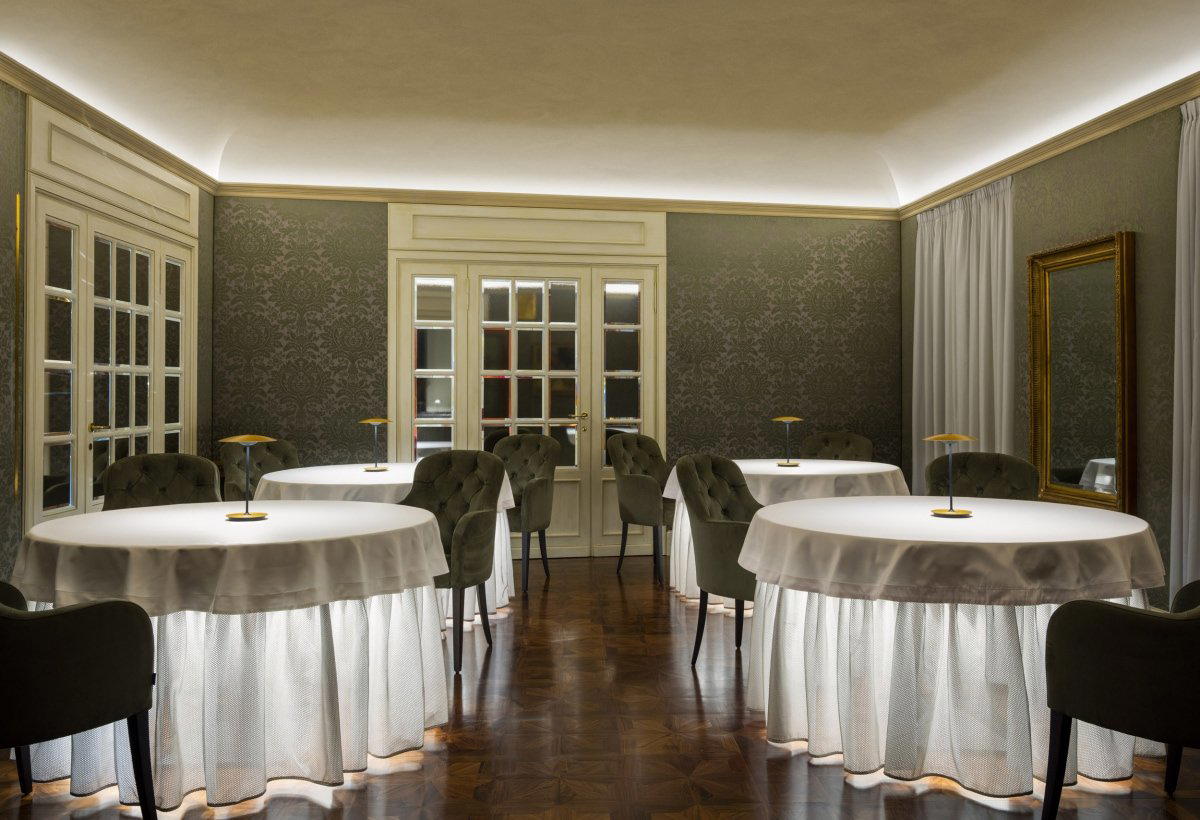
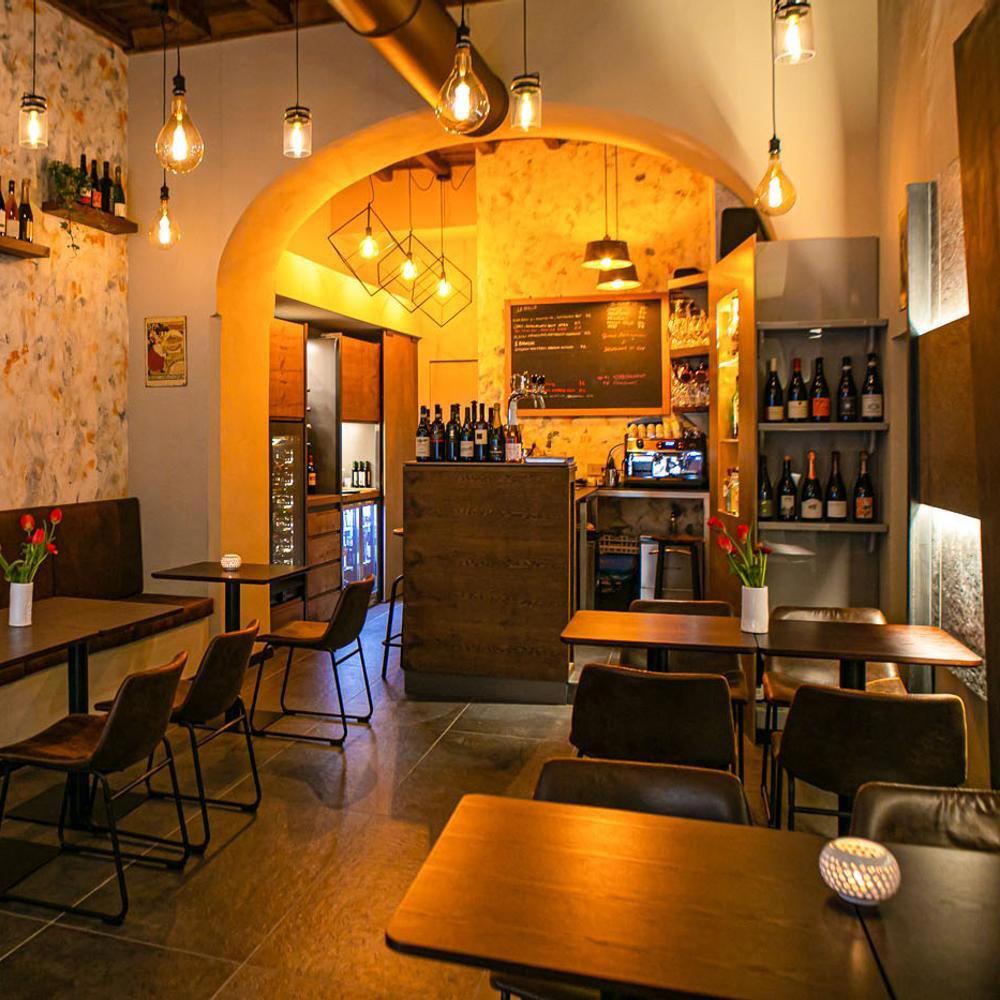
Bars in Trieste
Browse all →
Hotels in Trieste
Browse all →
At a Glance
- Elegant
- Cozy
- Sophisticated
- Special Occasion
- Date Night
- Open Kitchen
- Extensive Wine List
- Street Scene
Current opening hours
- Monday
- 7:30–10:30 PM
- Tuesday
- 12:30–2:30 PM, 7:30–10:30 PM
- Wednesday
- 12:30–2:30 PM, 7:30–10:30 PM
- Thursday
- 12:30–2:30 PM, 7:30–10:30 PM
- Friday
- 12:30–2:30 PM, 7:30–10:30 PM
- Saturday
- 12:30–2:30 PM, 7:30–10:30 PM
- Sunday
- Closed
Hours can change for holidays and private events. Last verified .
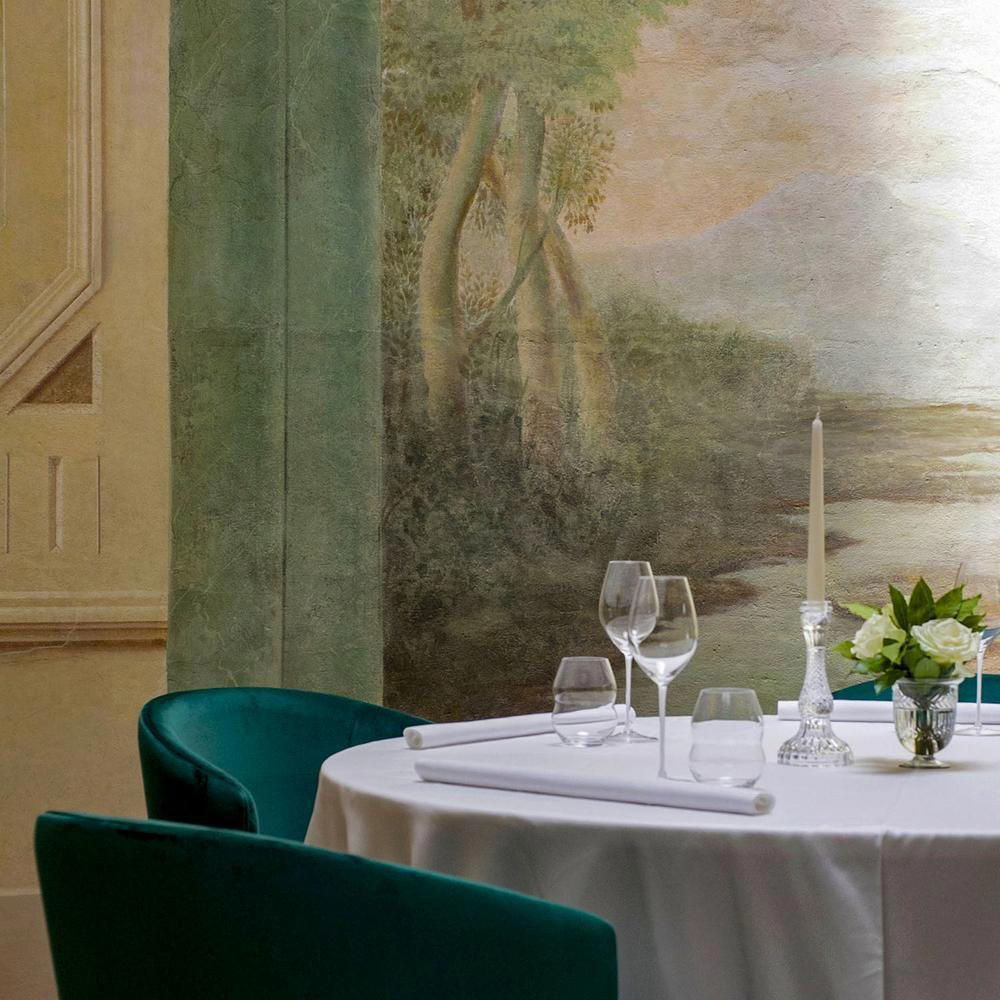
Cordial and welcoming atmosphere with professional staff, featuring an unassuming yet elegant setting.