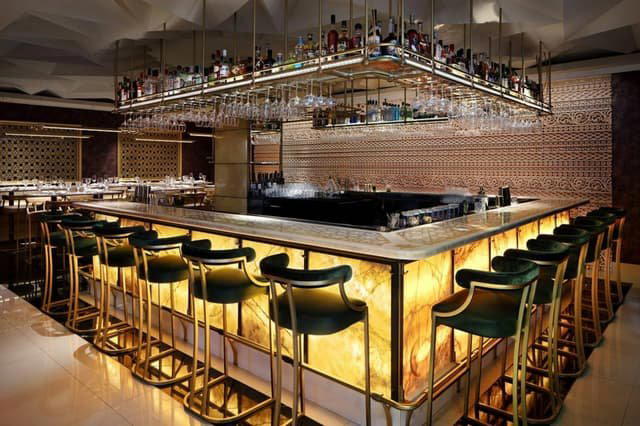
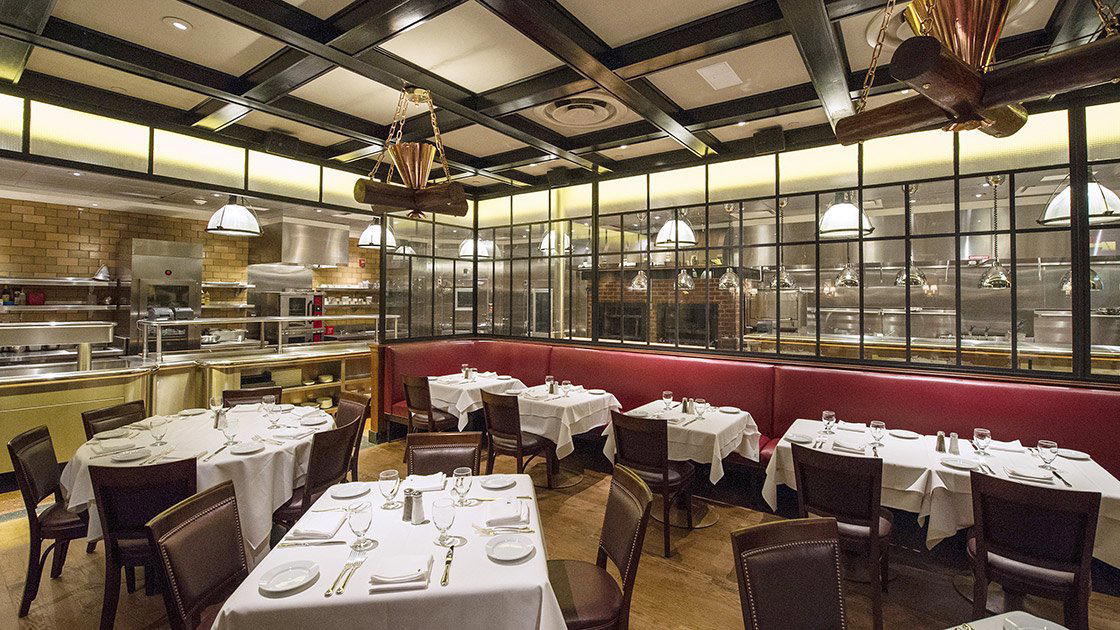
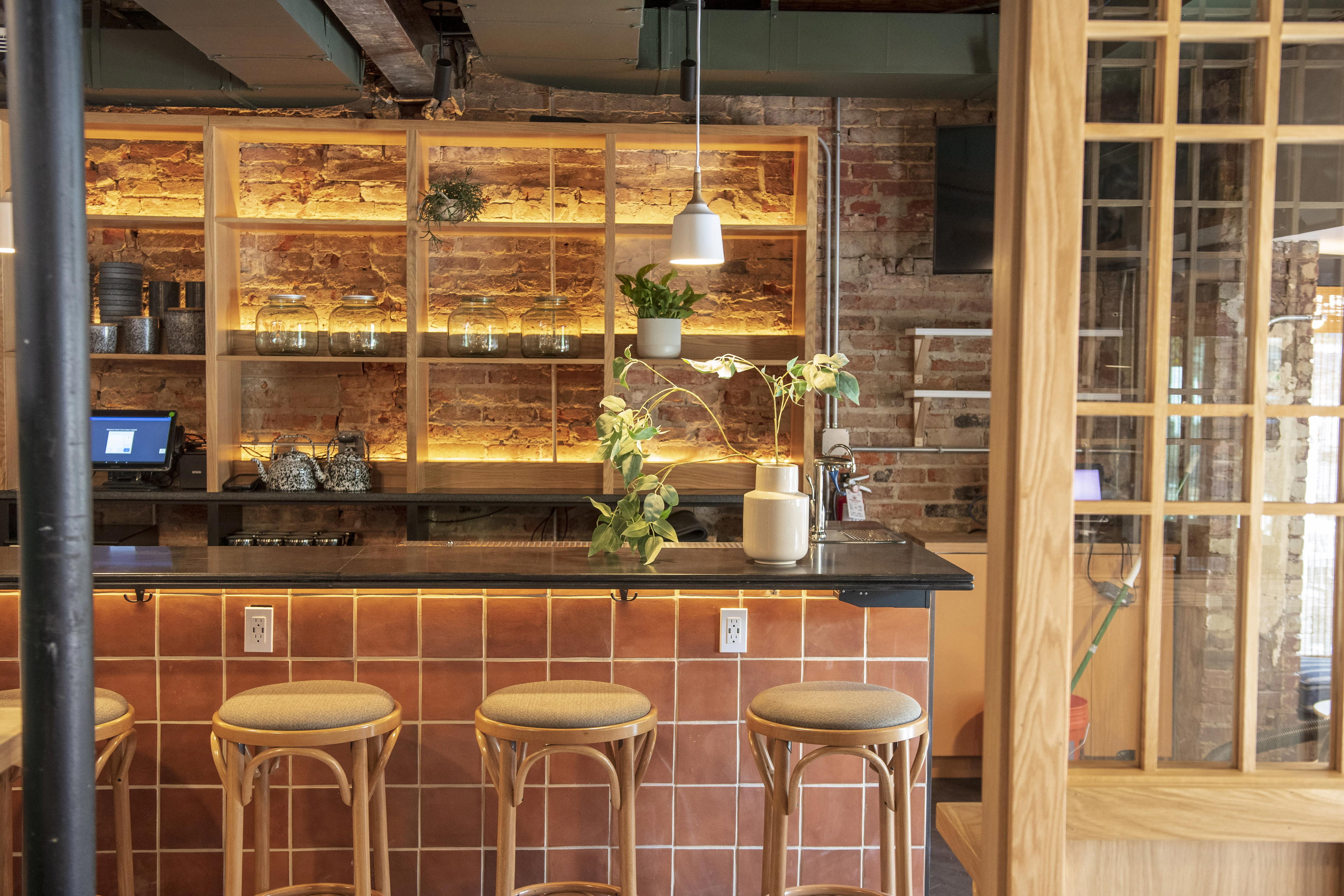
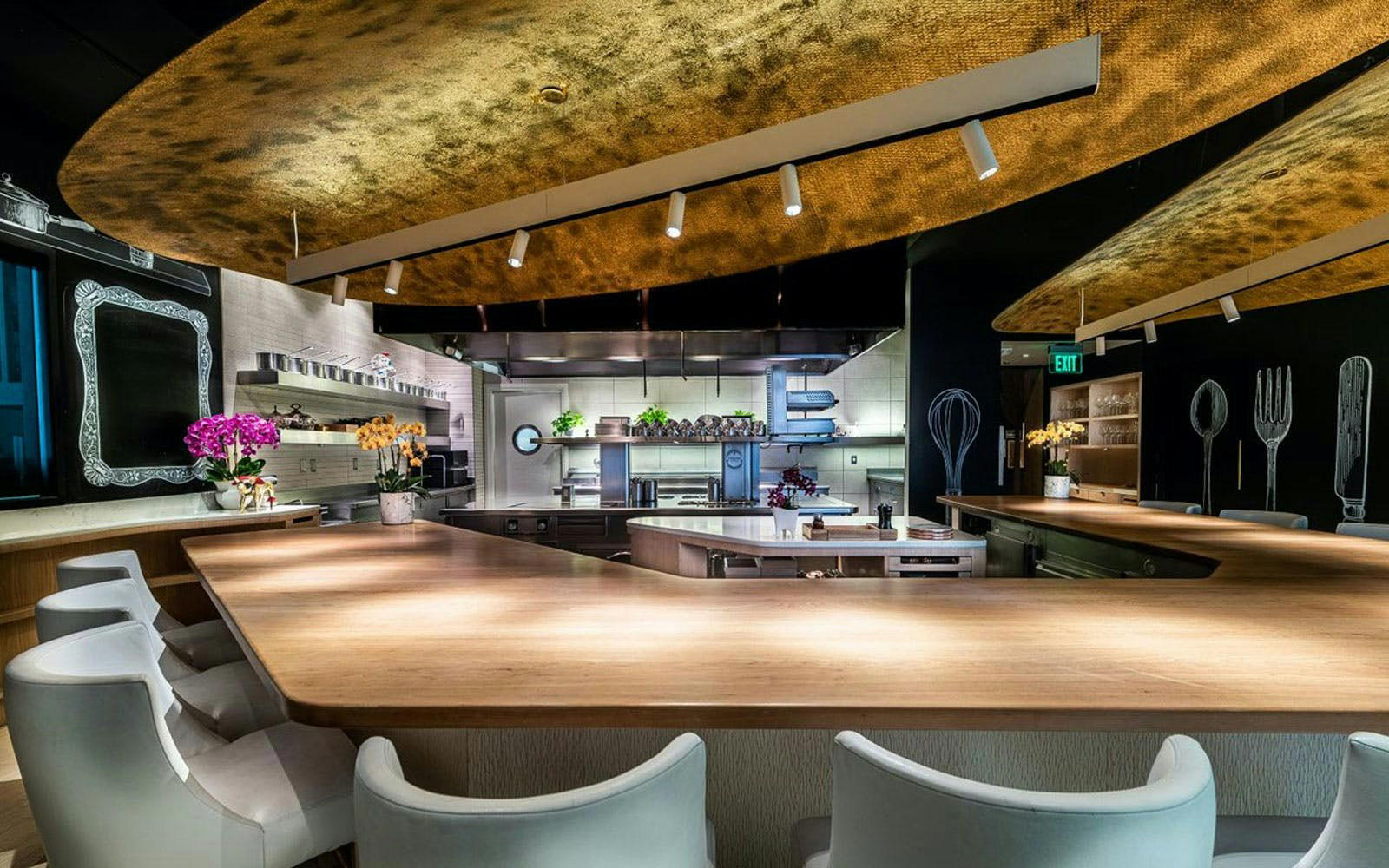
La Grande Boucherie DC

Wine Spectator Award of Excellence
Our verdict
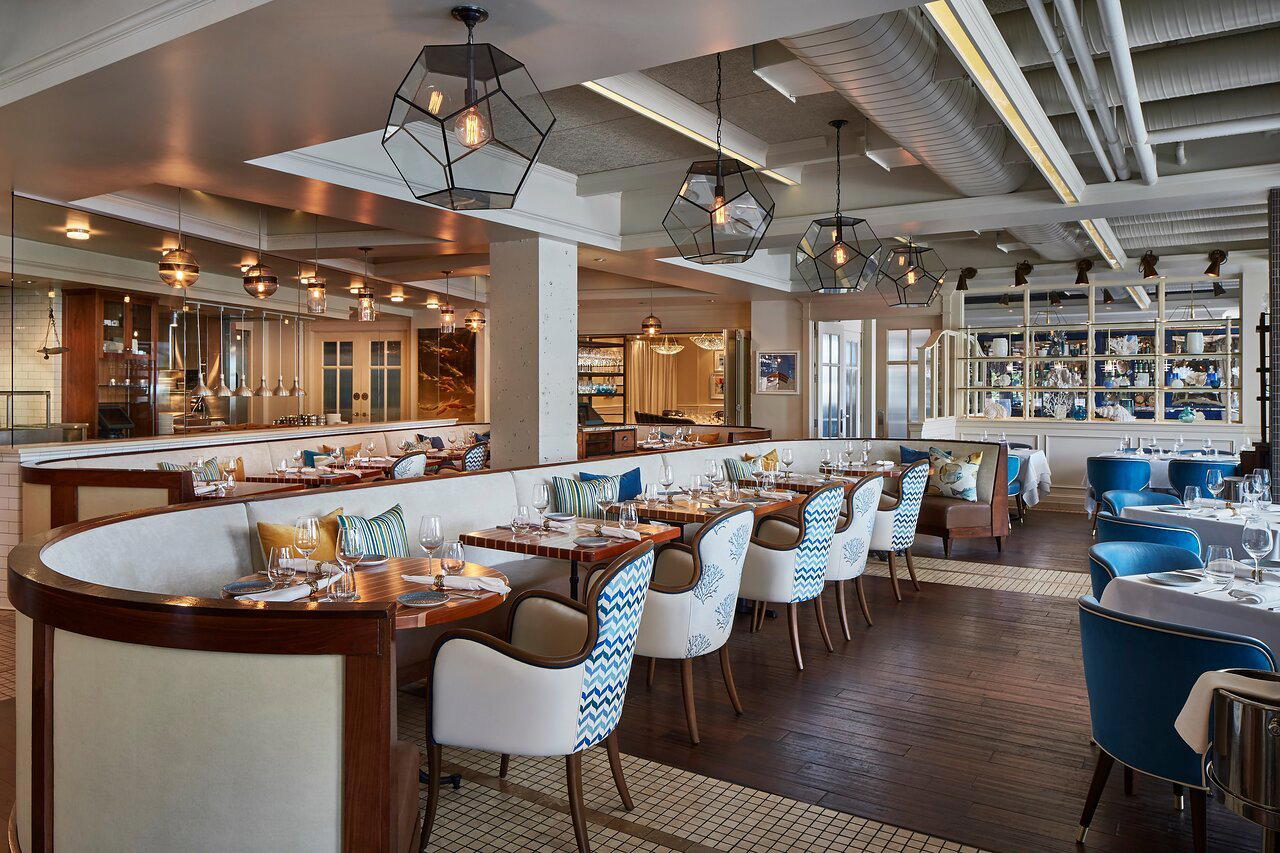
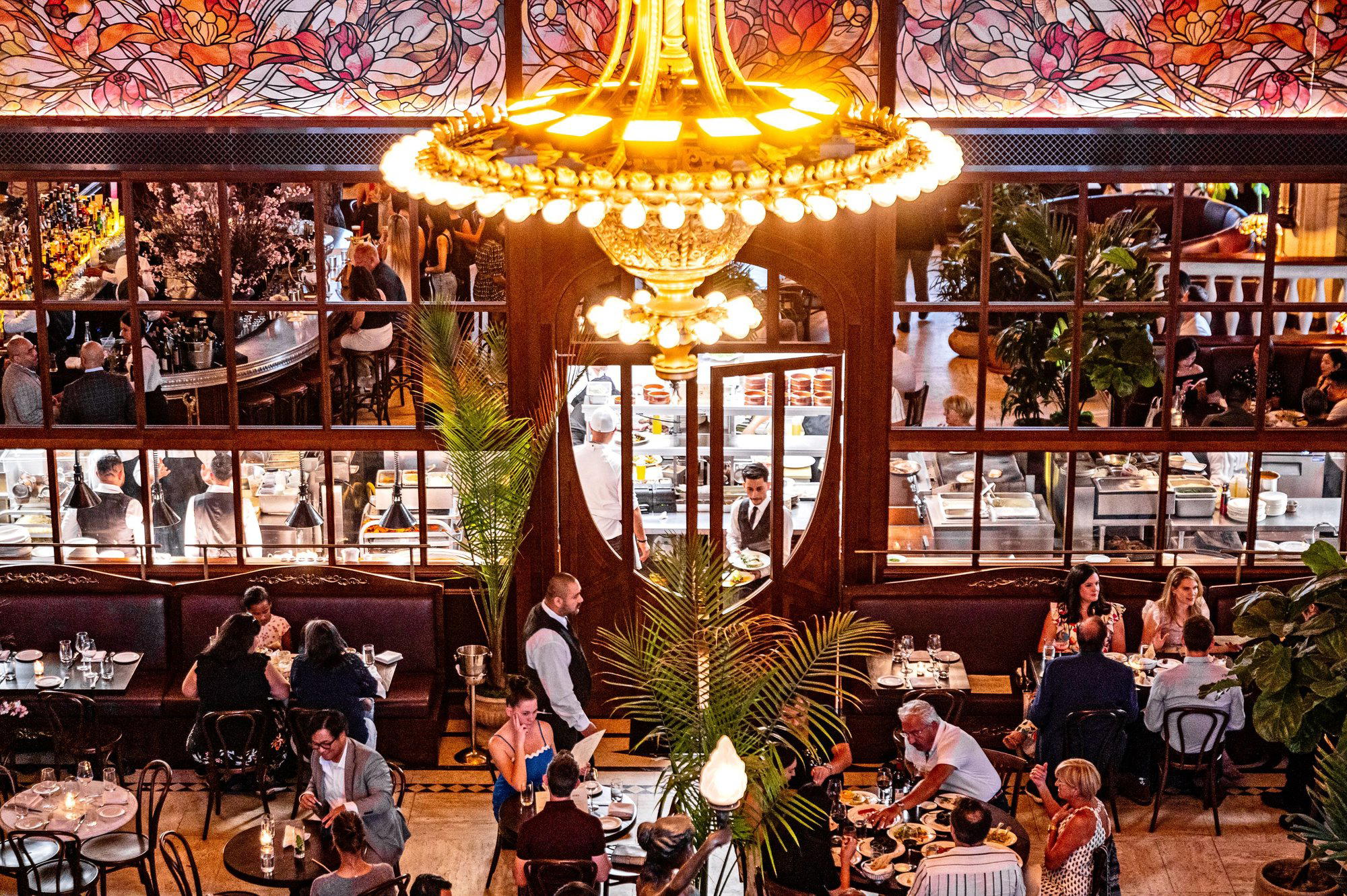
La Grande Boucherie DC brings a Parisian brasserie format to 14th Street NW, applying classic French butchery and technique to a Washington dining room built for volume and theatrics. It sits within a city increasingly comfortable with grand-format dining, where high-ceiling spectacle and serious cooking are no longer considered incompatible. For DC diners accustomed to tasting-menu precision, it offers a different register: abundance, confidence, and classical French craft at scale.

Pearl is the En Primeur Club membership app, where members save venues, book tables and use the concierge.
The menu
What to order
- Dijon Mussels
- Scallops
- Steak Frites
- Plateau du Boucher
- Mushroom Ravioli
- Boeuf Bourguignon
A Parisian Format Arrives on 14th Street
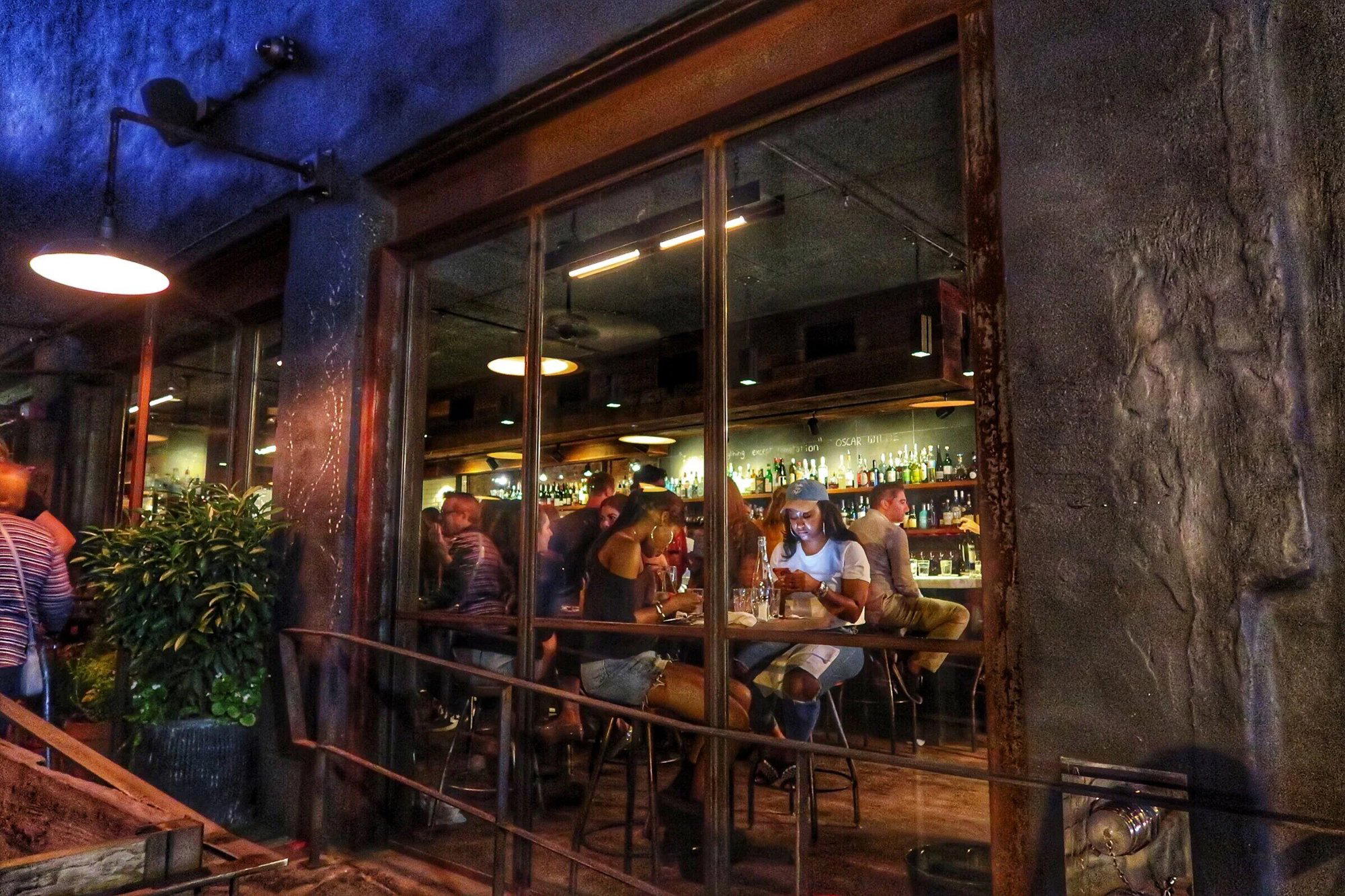
Grand French brasseries have always operated on a logic that sets them apart from the tasting-menu circuit. The emphasis is on breadth rather than narrative arc, on a dining room that can hold a hundred conversations at once, and on a kitchen producing classic French technique at scale without letting the cooking become anonymous. On 14th Street NW in Washington, DC, La Grande Boucherie occupies that format with the confidence of a concept that has been tested and refined across multiple cities before arriving in the capital.
The address at 699 14th St NW places the restaurant in a corridor that has become one of the city's more commercially active dining blocks, close to Thomas Circle and within the broader Logan Circle neighbourhood that has absorbed a significant share of DC's restaurant openings over the past decade. In a city where dining tends to cluster around neighbourhood identity, 14th Street functions as something closer to a neutral ground, drawing from Dupont Circle, downtown office workers, and hotel guests in roughly equal measure. That mix shapes the crowd a grand brasserie attracts: it is not a regulars' room in the way that a neighbouhood bistro might be, but it is not purely tourist-facing either.
The Boucherie Tradition and What It Means in Practice
The boucherie format, as a dining tradition, is worth understanding before you walk in. French butcher-style restaurants built their identity around prime cuts, offal, and secondary preparations that required real technical skill to execute well. The brasserie absorbed those traditions into a broader hospitality format: long hours, a full menu from midday through late evening, and a kitchen that could produce a well-rested entrecôte as reliably at 10pm as at 8pm. That reliability is part of the contract. It is not the drama of a single chef's tasting menu, but rather the durability of a system.
Washington, DC's dining scene has spent the last decade moving in two directions simultaneously. On one side, the city has produced ambitious tasting-menu and chef-driven rooms that have drawn national attention, including Jônt, with its Modern French and contemporary framework, and minibar, which remains the city's most technically rigorous expression of molecular cooking. On the other side, larger-format restaurants offering broader menus and more accessible price entry points have found consistent demand from a city that hosts an enormous volume of business dinners, political entertaining, and diplomatic functions. La Grande Boucherie sits in that second current.
For reference, comparable precision-led restaurants in other American cities, including The French Laundry in Napa and Alinea in Chicago, operate with tightly constrained menus and booking windows that require months of advance planning. The brasserie model inverts that: it is built for walk-ins, late arrivals, and tables of eight celebrating something uncomplicated. That is a genuine service, particularly in a city where the most ambitious restaurants require significant planning.
French Technique in an American Context
The intersection of imported culinary method and local product has become one of the more productive tensions in American restaurant kitchens over the past generation. French technique applied to American ingredients, and specifically to mid-Atlantic produce, Chesapeake seafood, and East Coast beef, can produce results that neither a purely French nor a purely regional American kitchen would achieve alone. That framework is relevant here because the boucherie tradition is fundamentally technique-first: the quality of a côte de boeuf preparation, for instance, depends on the sourcing of the cut and the precision of the cook, and American beef at the top of the quality range competes with anything Europe produces.
Across the broader DC dining scene, this local-meets-imported dynamic shows up in different registers. Causa applies Peruvian technique to local ingredients at the top of the price range. Oyster Oyster builds a New American and vegetarian format around sustainable sourcing with similar intentionality. Albi brings Middle Eastern frameworks to American product at the same price tier. In each case, the cooking earns its position not through novelty alone but through how well the imported method illuminates the local ingredient. The brasserie format, applied in an American city with serious access to quality protein and produce, participates in the same conversation from a different angle.
That conversation extends beyond DC. Le Bernardin in New York City has maintained a French technique framework in an American city for decades, adjusting sourcing and style without abandoning its foundations. Blue Hill at Stone Barns in Tarrytown inverts the equation, placing American ingredient sourcing at the centre and allowing technique to follow. Providence in Los Angeles and Addison in San Diego each demonstrate how French fine-dining structures adapt to American coastal ingredient markets. La Grande Boucherie operates in a less rarified register than any of those rooms but draws on the same underlying logic: that French culinary structure is a productive lens through which to cook American product.
Where It Sits in the DC Dining Picture
A city that hosts institutions as varied as The Inn at Little Washington, one of the most storied dining destinations in the mid-Atlantic region, and newcomers pushing ingredient-driven cooking into increasingly specific territory, can accommodate a well-executed grand brasserie without category confusion. The risk with large-format French restaurants is always that scale becomes an excuse for mediocrity, that the menu grows wide enough to hide behind. When that contract is respected, the format delivers something that smaller, more precious rooms cannot: dinner without ceremony, eating without a narrative, a table for ten with no one feeling managed.
For a fuller picture of where La Grande Boucherie DC sits within Washington's broader restaurant ecology, the EP Club Washington, DC restaurants guide maps the city's dining by neighbourhood, price tier, and cuisine type, with context on the tasting-menu circuit, the mid-market openings on 14th Street and 7th Street NW, and the chef-driven rooms that have attracted attention from Atomix in New York City-calibre national commentary.
Planning Your Visit
The restaurant is located at 699 14th St NW, accessible from multiple Metro lines, with the McPherson Square and U Street/Cardozo stations both within reasonable walking distance. As a large-format brasserie rather than a tasting-menu room, the booking window is likely to be shorter than the city's most in-demand reservation-only restaurants, though weekend evenings in the 8pm to 10pm window at any DC brasserie of this scale will benefit from advance planning. Current hours, reservation availability, and private dining options are best confirmed directly with the venue, as these details are subject to change. For context on comparable French grand-format dining internationally, 8 1/2 Otto e Mezzo Bombana in Hong Kong offers a useful reference point for how European fine-dining formats adapt to high-volume, cosmopolitan markets.
Frequently asked questions
Where exactly is La Grande Boucherie DC?
La Grande Boucherie DC is located at î699 14th St NW, Washington, DC 20005, Washington, D.C.
How does La Grande Boucherie DC compare to other French restaurants in Washington D.C.?
Washington D.C.'s French dining scene spans everything from the storied mid-Atlantic formality of The Inn at Little Washington to neighbourhood bistros. La Grande Boucherie occupies a distinct position by committing to the grand brasserie format, high-volume, broad menus, and a butcher-driven identity, rather than the intimate tasting-counter model common among the city's higher-profile French addresses. Its location at 699 14th St NW places it in one of D.C.'s more active dining corridors, accessible from both McPherson Square and U Street/Cardozo Metro stations.
What should I order at La Grande Boucherie DC?
La Grande Boucherie follows the boucherie tradition, which means the menu is built around butcher-style cuts and broad, French-technique-driven offerings rather than a narrow tasting format. Focus on the meat-centred dishes, which anchor the concept at 699 14th St NW.
Is La Grande Boucherie DC reservation-only?
C. location. Grand brasseries of this scale generally accept both reservations and walk-ins, but weekend demand at 699 14th St NW makes booking ahead the practical choice. Check directly with the restaurant before arriving without one.
What's the signature at La Grande Boucherie DC?
The defining signature of La Grande Boucherie is the boucherie format itself: a French butcher-restaurant tradition that prioritises prime cuts, broad menus, and a convivial dining room over the restraint of tasting-menu cooking. In the Washington D.C. context, that translates to French technique applied to an American market, which positions the restaurant differently from the tasting-menu-led institutions that dominate the city's upper tier.
Where the Accolades Land
Comparable venues nearby, for context on price, style, and recognition.
| Venue | Cuisine | Price | Awards | Notes |
|---|---|---|---|---|
| La Grande Boucherie DCThis venue (the venue you are viewing) | Classic French Brasserie & Steakhouse | $50–100 | Wine Spectator Award of Excellence | Not listed |
| Brasserie Liberté | Modern French Brasserie | $50–100 | Not listed | West Village Georgetown |
| Omakase Room by Tadayoshi | Japanese Omakase | $200–300 | Not listed | East End |
| Cafe Milano | Contemporary Italian | $50–100 | Not listed | West Village Georgetown |
| Uchi | Modern Japanese sushi & omakase | $150–200 | Not listed | Central Business District |
| Isla | Caribbean Fusion | $100–150 | Washingtonian 100 Very Best Restaurants #28 | Downtown |
Recognition history
Dated appearances from independent guides and award organizations, with the underlying list record or original source where available.
Wine Spectator Award of Excellence
Wine Spectator