Brasserie Liberté
Brasserie Liberté occupies a Georgetown address on Prospect Street NW, bringing a French brasserie sensibility to one of Washington's most storied residential corridors. The room draws on the neighborhood's layered character, where Federal-era townhouses sit alongside embassies and old-money dining rooms. For visitors tracking D.C.'s French-leaning dining options, it occupies a distinct position in a city where that tradition runs deeper than most American capitals.
Pearl is the En Primeur Club membership app — saves, bookings, and concierge access live there. Same editors, same standards.
- Address
- 3251 Prospect St NW, Washington, DC 20007
- Phone
- +12028788404
- Website
- libertedc.com
- Directions
- Get directions
 Saves & bookings on Pearl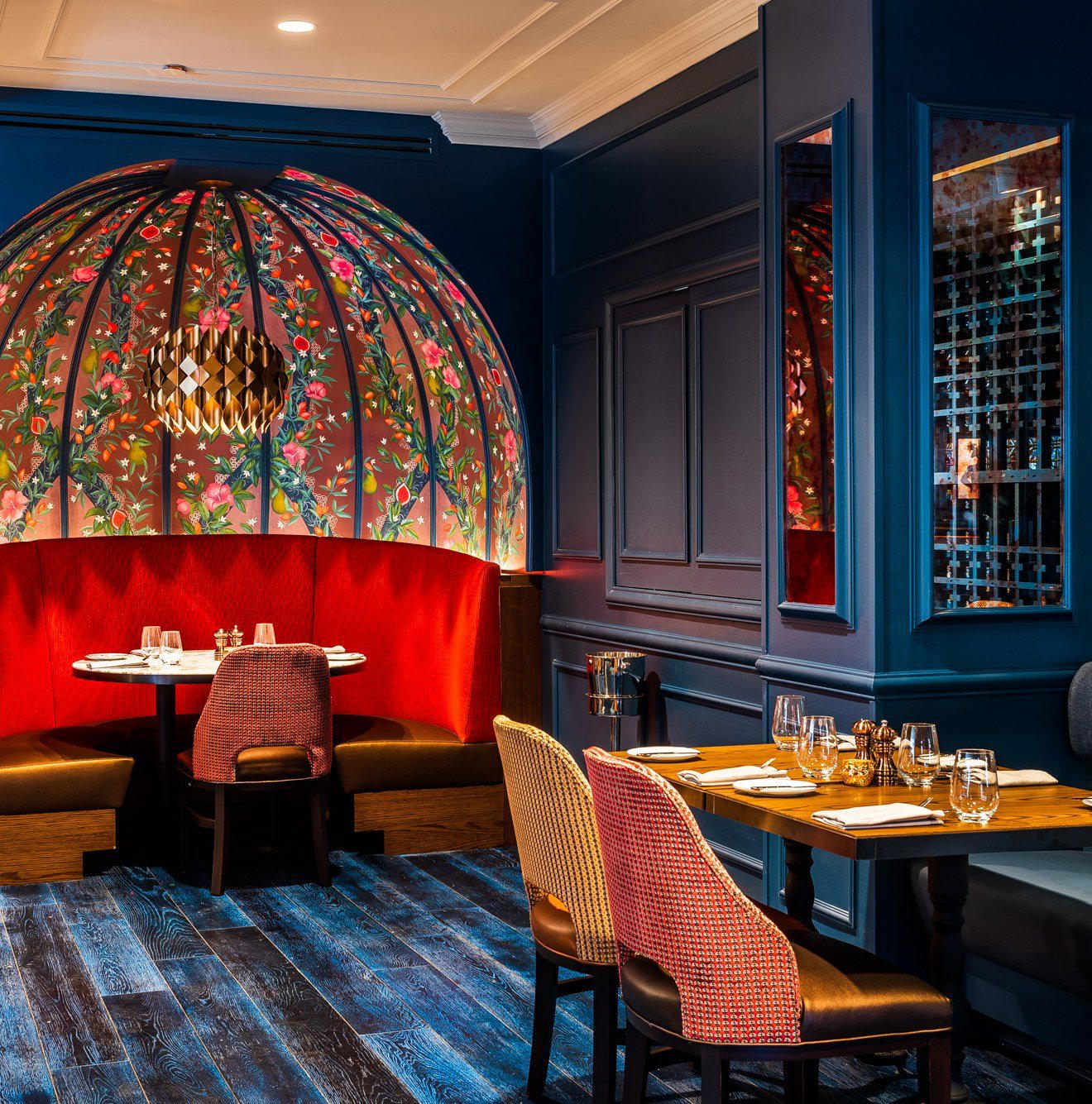
Prospect Street and the Weight of a Georgetown Address
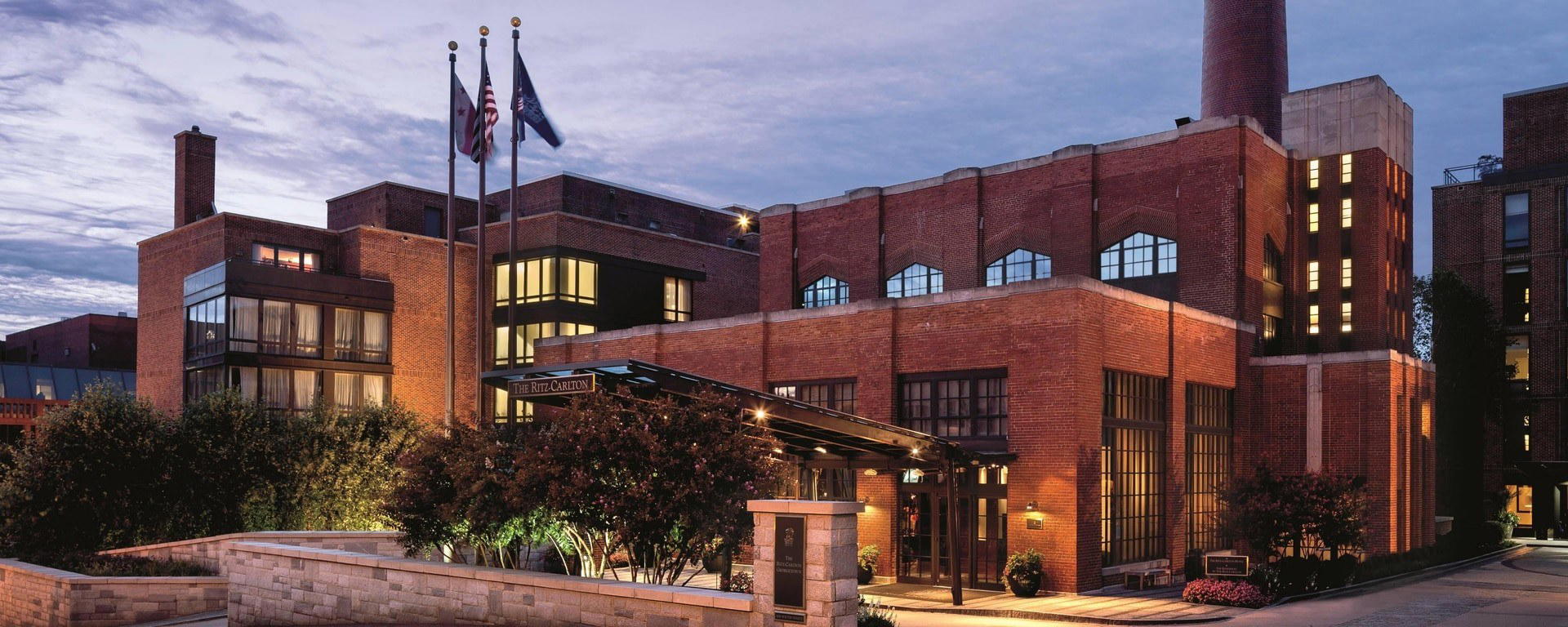
Georgetown's dining rooms carry a particular kind of pressure. The neighborhood's permanent residents have eaten well for decades, its transient diplomatic class expects a certain register of formality, and its weekend visitors arrive primed by reputation. Prospect Street NW sits near the upper ridge of the neighborhood, where the streets narrow and the brick facades close in, and the sensory experience of arriving here is different from landing at a Penn Quarter restaurant or a 14th Street newcomer. There is less noise, more deliberate movement, and a stronger sense that the building existed before the restaurant did.
Brasserie Liberté is a Modern French Brasserie in Washington, D.C. Brasserie Liberté at 3251 Prospect St NW positions itself inside that Georgetown context. The brasserie format, as a category, carries its own set of expectations: banquette seating, ambient volume calibrated for conversation rather than performance, and a menu structured around French bistro logic. In American cities, the brasserie has historically either tipped into theme-park Frenchness or dissolved into generic New American territory. The ones that hold their footing tend to read the room literally: they understand that the physical environment and the format must agree.
The Brasserie Tradition in an American Capital
Washington's French dining tradition is longer and more layered than the city sometimes gets credit for. For decades, the corridor between Georgetown and Dupont Circle sustained formal French rooms that served the diplomatic circuit and the political class. Many of those rooms have closed or softened into something more casual. What has replaced them is a more fragmented French presence: technically informed modern restaurants like Jônt, which applies contemporary French technique to a tasting format, and the continuing influence of classical training visible across the city's mid-range dining.
The brasserie specifically occupies a middle ground in that history. It is not the white-tablecloth formality of an earlier generation of D.C. French dining, and it is not the stripped-down bistro of the neighborhood wine bar. It is a format built around duration: the expectation that diners will arrive, settle, and stay. In cities like Lyon and Paris, the brasserie's identity is inseparable from its physical character. The zinc bar, the tiled floor, the noise that somehow remains legible. When that format transplants to American cities, the question is always whether the atmosphere can carry the weight that the setting requires.
Georgetown provides a particular kind of answer. The neighborhood's residential density and its concentration of long-term residents mean that a brasserie here is not primarily a destination for visitors. It functions more like a neighborhood institution, which changes both the pace and the register of the room.
Where Brasserie Liberté Sits in D.C.'s Current Dining Picture
Washington's restaurant culture has shifted significantly in the past decade. The city now holds serious representation across formats and price tiers. At the higher end, places like minibar operate as destination tasting counter experiences, while Albi and Causa represent the $$$$-tier that has grown to include more internationally inflected menus. The $$$ band, where places like Oyster Oyster operate with a sustainability-forward New American approach, has become increasingly competitive.
A French brasserie in Georgetown occupies a different lane from all of these. It is not competing on innovation or on tasting-menu prestige. It competes on reliability, on atmosphere, and on the kind of cooking that rewards repetition rather than novelty. That is a narrower brief to execute well, and in many American cities it is executed poorly. The rooms that succeed in this format tend to do so because they understand that the cuisine is almost secondary to the experience of being in the room.
For context on how the brasserie format performs nationally, some of the country's most durable French-influenced rooms, including Le Bernardin in New York City at the high-formal end and the neighborhood bistros that support it at the mid-range, have maintained audiences by committing to format consistency. The French Laundry in Napa and Addison in San Diego represent the tasting-menu tier of French-influenced American dining. The brasserie sits below that tier but above the casual bistro, and the format's survival in American cities depends on rooms that can hold their character over years rather than months.
The Sensory Register of a Georgetown Brasserie
The experience of a brasserie is cumulative. It is not built on a single dish or a dramatic arrival moment. It builds through the hour: the way the room sounds at half capacity versus full, the quality of light at the back tables versus the front, the pace at which plates arrive. Georgetown's Prospect Street location implies an environment that rewards lingering. The street itself is not a high-traffic dining corridor. Diners who arrive here have generally made a considered choice rather than a spontaneous one.
French brasserie cooking, at its functional core, is about technique applied to familiar materials. The onion soup, the steak frites, the roast chicken: these are not dishes that carry surprise value. They carry calibration value. A regular who returns ten times is measuring the kitchen's consistency against their own memory of what the dish should be. That relationship between format and repetition is what sustains a brasserie over time, and it is distinct from the one-visit logic of a destination tasting experience like Smyth in Chicago or Lazy Bear in San Francisco.
For the French-influenced tier specifically, The Inn at Little Washington in nearby Washington, Virginia, remains the reference point for formal French-American cooking in the region.
Cuisine-First Comparison
Comparable venues nearby, for context on price, style, and recognition.
| Venue | Cuisine | Price | Notes |
|---|---|---|---|
| Brasserie LibertéThis venue — the venue you are viewing | Modern French Brasserie | $$$ | Not listed |
| Minetta Tavern DC | Classic French Steakhouse | $$$ | Capital City Market |
| Bistro Cacao | Modern French Bistro | $$$ | Stanton Park |
| Butterworth's | French Bistro | $$$ | Eastern Market |
| Café du Parc | Contemporary French Brasserie | $$$ | East End |
| Sixty Vines Foggy Bottom | Contemporary Italian Farm-to-Table New American | $$$ | West End |
Continue exploring
More in Washington DC
Restaurants in Washington DC
Browse all →
Bars in Washington DC
Browse all →
Hotels in Washington DC
Browse all →
At a Glance
- Classic
- Cozy
- Elegant
- Date Night
- Business Dinner
- Brunch
- Private Dining
Current opening hours
- Monday
- 11 AM–10 PM
- Tuesday
- 11 AM–10 PM
- Wednesday
- 11 AM–10 PM
- Thursday
- 11 AM–10 PM
- Friday
- 11 AM–10 PM
- Saturday
- 9:30 AM–10:30 PM
- Sunday
- 9:30 AM–10:30 PM
Hours can change for holidays and private events. Last verified .
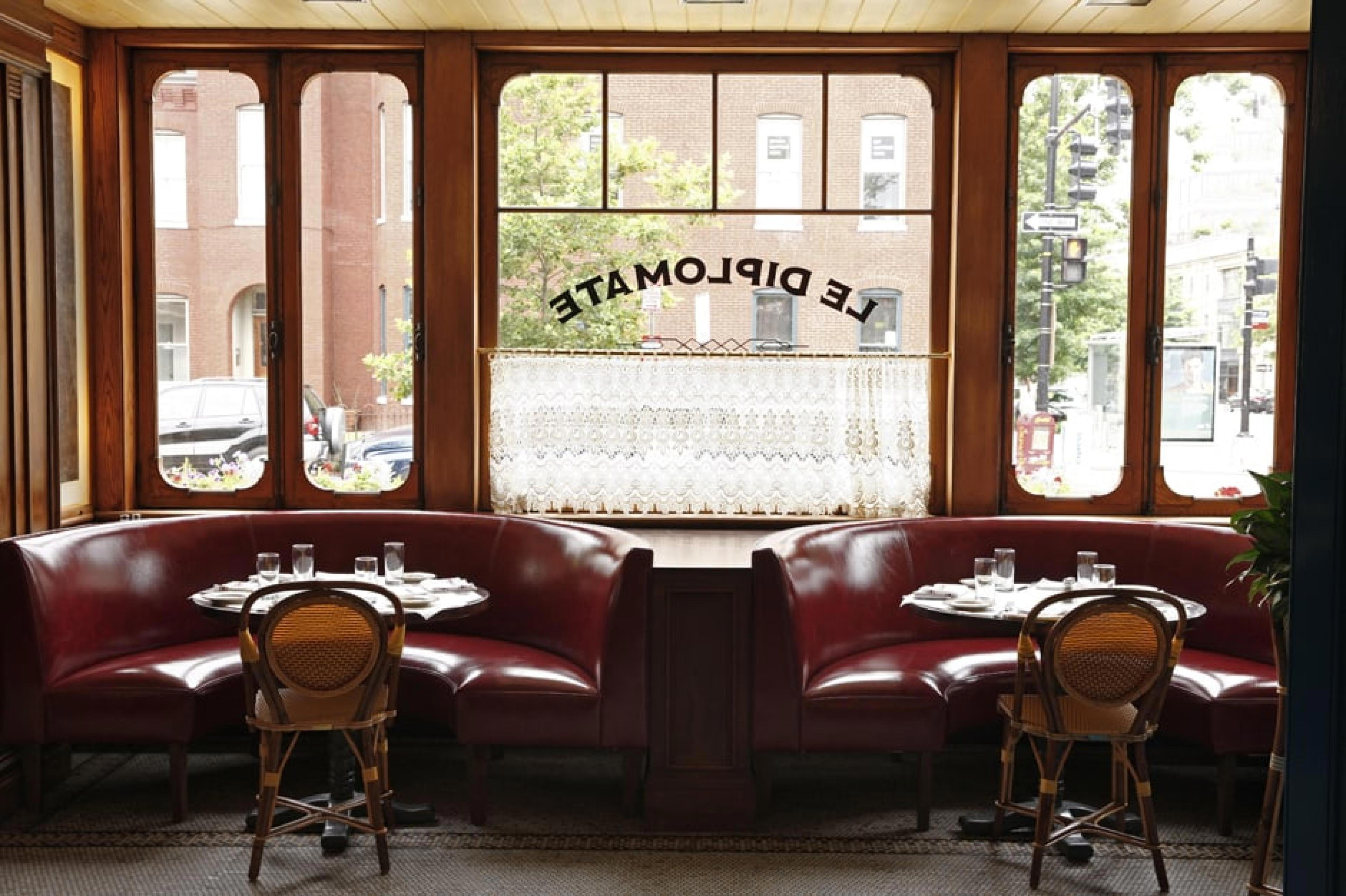
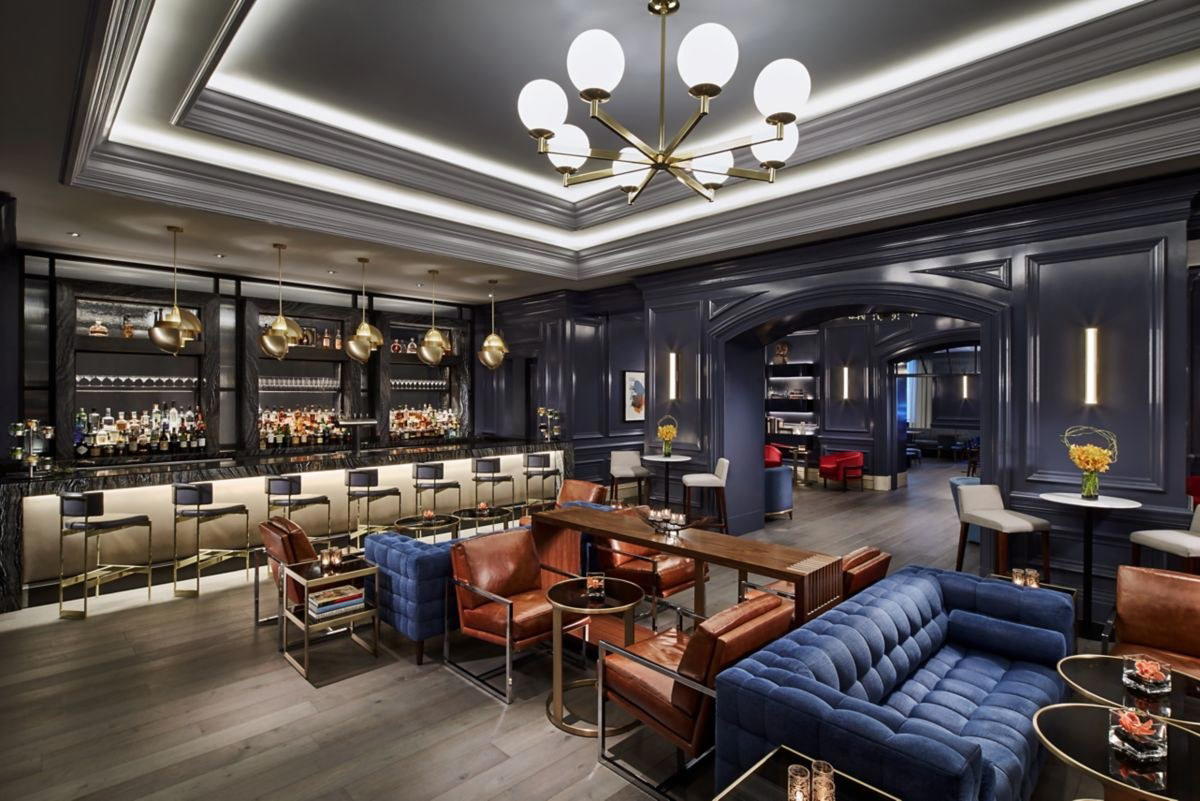
Cozy and laidback with nicely decorated rooms featuring quintessential Parisian bistro chairs.