Cafe Milano
Cafe Milano on Prospect Street in Georgetown has long served as Washington's most reliable crossroads between political power and Italian hospitality. The room draws ambassadors, lobbyists, and media figures who treat it less as a restaurant than as a standing appointment. For visitors, it offers a window into how D.C.'s insider class actually dines, and a wine program that rewards those who engage with it seriously.
Pearl is the En Primeur Club membership app — saves, bookings, and concierge access live there. Same editors, same standards.
- Address
- 3251 Prospect St NW, Washington, DC 20007
- Phone
- +12023336183
- Website
- cafemilano.com
- Directions
- Get directions
 Saves & bookings on Pearl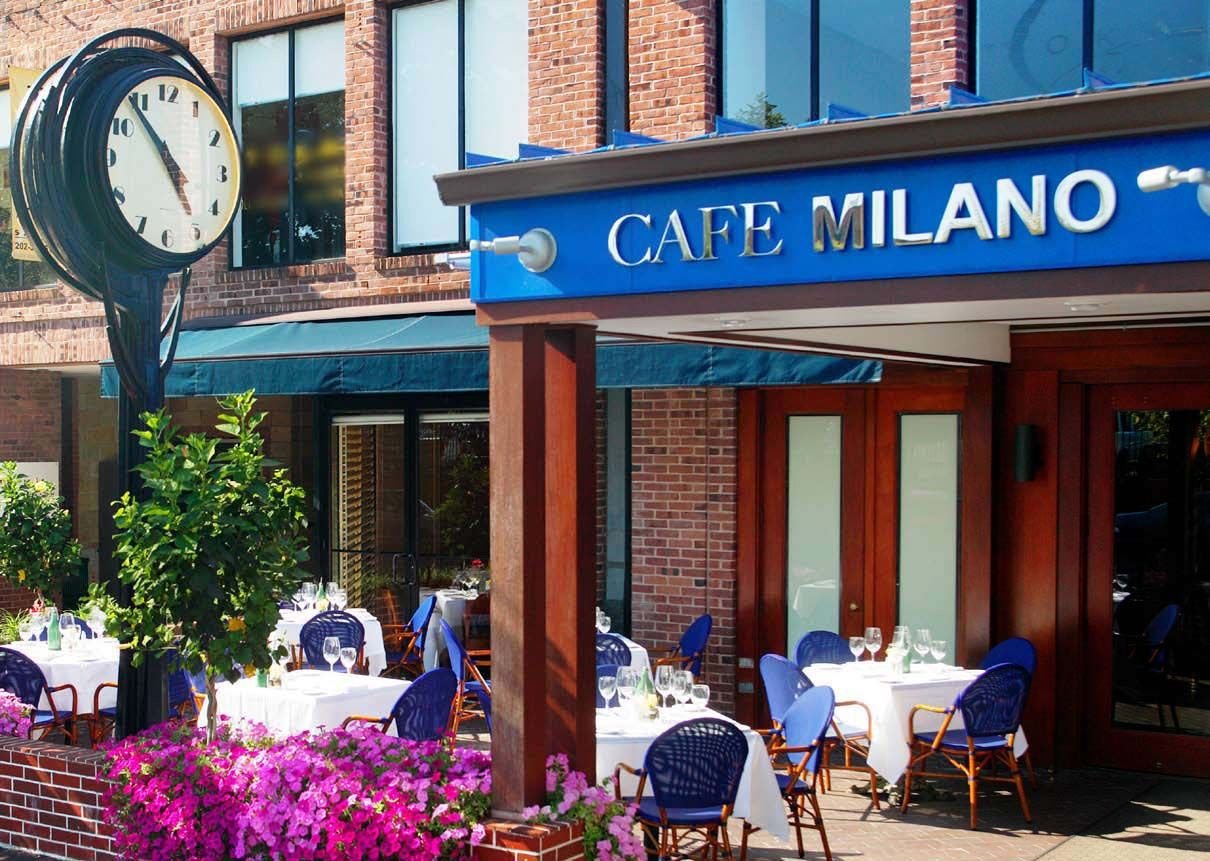
Georgetown's Dining Room for the Political Class
There are restaurants in every capital city that function less as culinary destinations and more as extensions of the civic infrastructure. In Washington, D.C. Cafe Milano on Prospect Street in Georgetown occupies that role with unusual consistency. The address, 3251 Prospect St NW, sits at the edge of one of the city's oldest residential neighborhoods, where federal-era townhouses and embassy residences line streets that predate the republic's institutions. The physical approach matters: Georgetown operates on a different register from the downtown corridor, and arriving here signals a kind of deliberate remove from the government complex a few miles southeast.
Inside, the room functions as a long-running social theatre. The clientele on any given evening will likely include someone with a State Department credential, a handful of foreign correspondents, and at least one table where the conversation never pauses for the food. This is not a criticism, it is the operational reality of a restaurant whose value proposition has always been partly about who else is in the room. Washington has produced a small number of establishments that serve this function across administrations and political cycles, and Cafe Milano is among the more durable.
The Wine Program as the Room's Real Currency
Where Cafe Milano earns its most serious attention is in the depth of its wine list. Italian-focused cellars in the United States tend to cluster around two poles: the tourist-friendly tier of well-known Chianti and Barolo labels, and the specialist tier that moves through single-vineyard expressions, older vintages, and producers with limited U.S. distribution. Georgetown's dining culture, shaped by decades of expense-account entertaining and embassy-circuit hospitality, created the conditions for the latter approach to thrive here.
A wine list assembled for a room like this has to perform across multiple functions simultaneously. It must support rapid, confident ordering at tables where the conversation is about something other than the menu. It must include the prestige references that function as social shorthand among regulars. And it must have enough depth in older vintages and smaller producers to reward the occasional guest who actually wants to work through it. That combination of demands produces a list with a different architecture than, say, the cellar at a tasting-menu counter where the sommelier controls the pacing. Here the list has to be legible at speed and rewarding at depth, a harder balance to strike than it sounds.
At the same time, neighbourhood-driven rooms such as Oyster Oyster have built wine and beverage identities around sustainability and natural-producer sourcing. The restaurant's list sits in neither of those camps. It occupies a more traditional, depth-over-ideology position: a cellar assembled to serve a demanding clientele across decades, rather than to express a point of view about winemaking philosophy.
For comparison, the Italian wine programs at prestige addresses in New York, including Le Bernardin, which maintains one of the deeper European cellars on the East Coast, tend to position Italian selections as a specialist tier within a broader French-dominant list. The restaurant inverts that hierarchy. The Italian selections carry the weight of the program, with producers from Piedmont, Tuscany, and the northeast represented at a range of price points and vintages that goes considerably beyond what most Italian restaurants in the D.C. area attempt.
Where Cafe Milano Sits in D.C.'s Competitive Set
Washington's upper tier of Italian dining is a smaller category than the city's political reputation might suggest. The expense-account culture that once sustained multiple white-tablecloth Italian rooms has narrowed, with some of that spend redirected toward omakase formats, modern American tasting menus, and the kind of destination-driven dining that now includes addresses like Albi and Causa at the $$$$ price tier. The restaurant's longevity in this context is itself a data point: a room that has survived multiple cycles of culinary fashion in Washington by staying useful to a specific, consistent constituency.
Political-class restaurants in other American cities share a common operational logic. The kitchen produces Italian food that is reliable rather than exploratory. The service model is built around recognition and discretion. The reservation system accommodates last-minute requests from regulars at a rate that walk-in guests will not experience. These are structural features of the category, not criticisms of individual execution.
For visitors who have dined at destination-driven tasting formats like The French Laundry, Smyth, or Blue Hill at Stone Barns, the restaurant is shaped as much by the room's social dynamics as by what arrives on the plate. That is not a lesser experience; it is a different one, and in Washington it is a more representative one. The city's dining culture has always been partly about proximity to power, and the restaurant makes that explicit in a way that few other rooms in the capital are willing to.
Venues oriented around pure culinary ambition, Addison, Atomix, and Providence serve a different purpose. The relevant peer for the restaurant is not the tasting-menu counter but the handful of Italian rooms across American cities where the wine list is longer than the menu, the tables are booked by institutional memory rather than algorithm, and the room itself is the point.
Know Before You Go
Address: 3251 Prospect St NW, Washington, DC 20007
Neighbourhood: Georgetown
Price range: approximately $85 per person
Booking: Reservations are essential
Getting there: Georgetown has no Metro station; Dupont Circle is the nearest Metro stop, with rideshare or the DC Circulator covering the remaining distance
Leading for: Business dining, wine-focused evenings, first-time visitors wanting to read Washington's social scene alongside a meal
A Tight Comparison
Comparable venues nearby, for context on price, style, and recognition.
| Venue | Cuisine | Price | Notes |
|---|---|---|---|
| Cafe MilanoThis venue — the venue you are viewing | Not listed | $$$$ | Not listed |
| i Ricchi | Not listed | $$$ | Dupont Circle, Authentic Tuscan Trattoria |
| Al Tiramisu | Embassy Row, Authentic Italian Trattoria | $$$ | Not listed |
| Caruso's Grocery | Not listed | $$$ | Capitol Hill, Traditional Italian-American |
| Osteria Mozza | Not listed | $$$$ | Waterfront Georgetown, Traditional Italian Osteria with Mozzarella Bar |
| Lupo Verde | Cardozo, Rustic Italian Osteria | $$ | Not listed |
Continue exploring
More in Washington DC
Restaurants in Washington DC
Browse all →
Bars in Washington DC
Browse all →
Hotels in Washington DC
Browse all →

At a Glance
- Elegant
- Sophisticated
- Well Known
- Classic
- Business Dinner
- Date Night
- Special Occasion
- Celebration
- Standalone
- Design Destination
- Terrace
- Extensive Wine List
- Craft Cocktails
- Sommelier Led
- Local Sourcing
- Street Scene
Current opening hours
- Monday
- 11:30 AM–10:30 PM
- Tuesday
- 11:30 AM–10:30 PM
- Wednesday
- 11:30 AM–10:30 PM
- Thursday
- 11:30 AM–11:30 PM
- Friday
- 11:30 AM–11:30 PM
- Saturday
- 11:30 AM–11:30 PM
- Sunday
- 11:30 AM–10:30 PM
Hours can change for holidays and private events. Last verified .
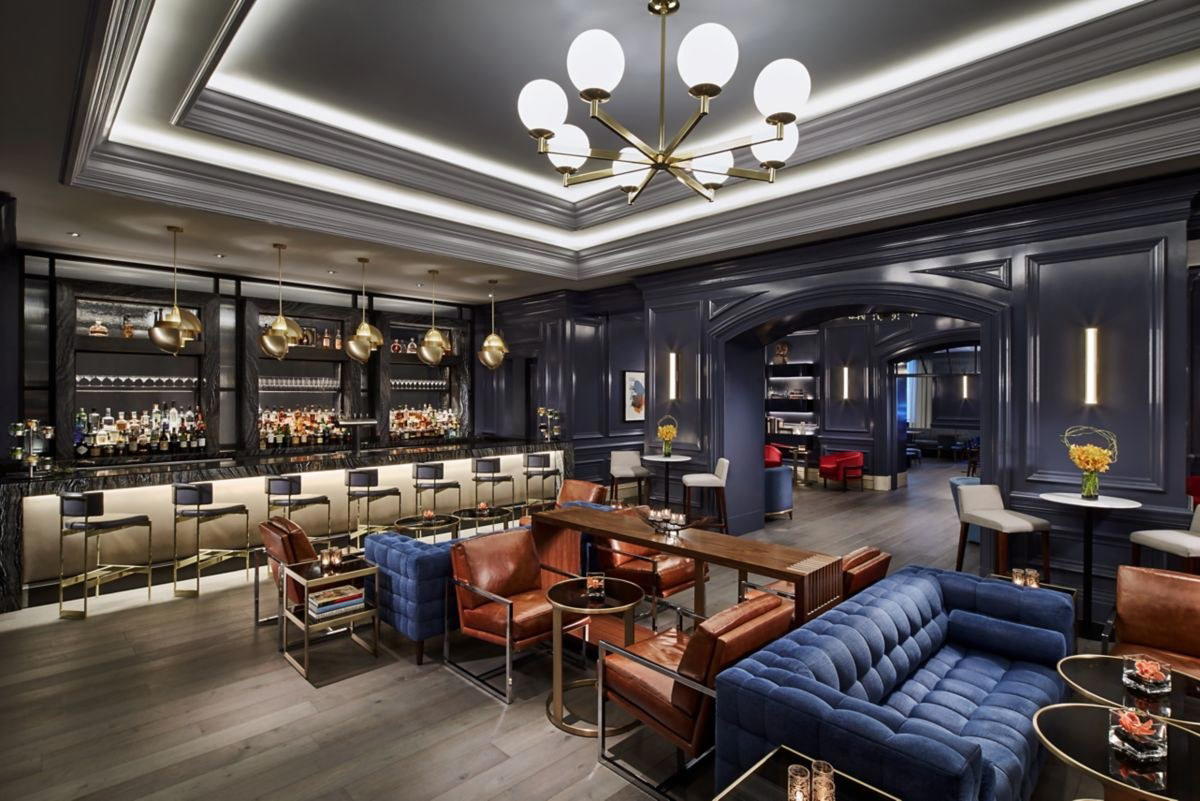
Stylish Milan boutique aesthetic with warm, sophisticated lighting, hand-painted ceiling murals celebrating Italian culture, and an elegant yet welcoming atmosphere that evokes upscale European dining.