
Washingtonian 100 Very Best Restaurants #28
Our verdict
Washington's Caribbean-influenced dining scene has a quiet but committed outpost in Isla, a restaurant drawing on island culinary traditions in a city more accustomed to mid-Atlantic and European fine dining. The cooking positions itself within a small peer group of DC restaurants that take non-Western cuisine seriously at a sit-down register. A distinct choice for those seeking something beyond the capital's better-documented dining corridors.

Pearl is the En Primeur Club membership app, where members save venues, book tables and use the concierge.

The menu
What to order
- Lamb tartare
- Pork chops
- Chargrilled octopus
- Crab and cod fritters
Island Cooking in a Continental Capital
Washington DC's dining scene has spent the better part of two decades consolidating around a handful of dominant registers: New American tasting menus, European-inflected fine dining, and the occasional ambitious steakhouse. The city that gave us The Inn at Little Washington's polished New American ambition and Bazaar Meat by José Andrés's Spanish-influenced theatrics has been slower to develop a sustained, serious strand of Caribbean and island cooking at the dinner-out register. That relative scarcity is precisely what makes Isla worth attention. In a city where the dining conversation defaults to European lineage or local-market American cooking, a restaurant anchored in island and Caribbean culinary tradition occupies a genuinely underrepresented position.
Caribbean cuisine carries a complexity that DC's dining culture has not always fully engaged with. The cooking draws from West African, Indigenous Amerindian, South Asian, and European colonial traditions, layered across centuries of migration, trade, and survival. Dishes that appear simple at the plate level often carry considerable technique and historical freight. This is not a cuisine that benefits from tokenism or abbreviated execution, and the restaurants that do it justice tend to operate with both cultural fluency and kitchen discipline.
Where Isla Sits in the DC Dining Map
DC's non-Western fine dining has expanded in recent years, though it remains concentrated in a few reliable corridors. Thai cooking at a technically refined level has found ground at restaurants like Alfie's and its permanent Georgetown outpost, Alfie's Georgetown, where natural wine pairing signals a specific, considered audience. Spanish technique has carved its own lane through venues like Bully Spanish Steakhouse. Island and Caribbean cooking, however, has historically struggled to hold space in that tier of serious, sit-down dining in the capital.
Isla positions itself as a corrective to that gap. The cuisine type, island and Caribbean-influenced, places it in a small cohort of DC restaurants working from non-Atlantic-European roots at a dinner-out register. Comparative peers in the broader American dining conversation are few: Emeril's in New Orleans offers a point of reference for regional American cooking with Caribbean and Creole inflection, though New Orleans operates as its own distinct culinary geography. At the technically ambitious end of American dining, venues like Lazy Bear in San Francisco, Alinea in Chicago, Atomix in New York City, Single Thread Farm in Healdsburg, The French Laundry in Napa, and Le Bernardin in New York City define the upper tier of technique-driven American dining, none of them operating in the Caribbean register. Even at the global fine dining level, as seen at Alain Ducasse's Louis XV in Monte Carlo, island and Caribbean culinary traditions remain marginal to the dominant conversation. Isla's positioning within DC, then, reflects a broader national pattern rather than a local anomaly.
The Cultural Weight of Island Cuisine
To understand what a restaurant like Isla is working with, it helps to understand what Caribbean and island cooking actually represents at a culinary-historical level. The cuisine does not belong to a single national tradition in the way that, say, Japanese or French cooking does. It is composite by nature: the result of centuries of forced and voluntary migration, of ingredients transported across oceans, of techniques adapted under constraint and transformed through ingenuity. African one-pot cooking traditions, Indian spice grammar brought through indenture, the Indigenous Caribbean use of cassava and allspice, the Dutch and British and French and Spanish colonial interruptions all left sediment that the cuisine continues to carry.
This makes it, in some respects, one of the most historically dense food cultures in the Western hemisphere. It also makes it one of the most misrepresented. Reduction to jerk seasoning or rum cocktails at a beach-bar register has flattened a cuisine that operates across a vast tonal range, from the refined to the deeply rustic, from the delicate to the fiercely spiced. A restaurant that takes island and Caribbean-influenced cooking seriously must make choices about where on that spectrum to operate and how to communicate those choices to a DC audience that may not arrive with an existing frame of reference.
Dining Out in Washington: How Isla Fits
DC's dining audience in 2024 and 2025 has become considerably more sophisticated about non-Western cuisines than it was a decade ago, driven partly by the city's demographic diversity and partly by the broader American restaurant culture's shift toward global culinary fluency. The capital now supports serious Korean, Ethiopian, and Central American cooking at a range of price points and registers, and that expanded audience creates conditions for a restaurant like Isla to find its footing. The question, for any island-cuisine restaurant in DC, is not simply whether the food is well-executed, but whether the room and the program communicate the cuisine's depth rather than its shorthand.
For full context on how Isla sits within Washington's broader restaurant map, see our full Washington restaurants guide. Those planning a longer stay in the city can also find curated recommendations across categories in our Washington hotels guide, our Washington bars guide, our Washington wineries guide, and our Washington experiences guide.
Planning Your Visit
Given that island and Caribbean-influenced restaurants at a sit-down dinner register in DC operate in a relatively small peer group, tables at venues in this niche tend to move on shorter notice than the three-month booking windows that characterise the city's high-demand tasting-menu counters. Contacting the restaurant directly, or checking current booking platforms, is the reliable approach. Dress codes at this tier of DC dining typically default to smart casual unless the venue signals otherwise.
Frequently asked questions
Is Isla okay with children?
Caribbean and island-influenced restaurants in DC tend to run warmer and less rigidly structured than the city's European-lineage tasting menu rooms, which generally makes them more workable for families. The practical fit depends on the price register and format Isla operates at, neither of which was confirmed at publication. A call ahead to confirm pacing and format is the practical move.
How would you describe the vibe at Isla?
Island and Caribbean-influenced cooking in Washington tends to carry a less austere energy than the city's New American tasting menu circuit, more convivial, less ceremony-driven. Isla's Caribbean-influenced format positions it within that register, where the room typically reflects the cuisine's cultural roots rather than mirroring the hushed formality of DC's European-lineage establishments.
How does Caribbean and island cuisine fit into Washington DC's broader dining scene?
Caribbean and island-influenced cooking remains among the least-represented cuisine types in DC's more serious dinner-out tier, which is concentrated heavily around New American tasting menus and a handful of non-Western formats in specific corridors. Washington's dining audience in 2024 and 2025 has grown considerably more receptive to non-Western cooking at a sit-down register, making the timing relatively favorable for a Caribbean-focused concept.
What dish is Isla famous for?
No confirmed signature dishes were available at publication. Check the venue directly for current menu focus.
Budget and Context
Comparable venues nearby, for context on price, style, and recognition.
| Venue | Cuisine | Price | Awards | Notes |
|---|---|---|---|---|
| IslaThis venue (the venue you are viewing) | Caribbean Fusion | $100–150 | Washingtonian 100 Very Best Restaurants #28 | Not listed |
| Goodlove | Caribbean-inspired Small Plates Lounge | Not listed | Not listed | Downtown, Caribbean-inspired Small Plates Lounge |
| Silver Lyan | Modern American Cocktail Bar | $30–50 | World's 50 Best #55 · Food & Wine Top 10 US Hotel Bars #6 | Penn Quarter, Modern American Cocktail Bar |
| Omakase @ Barracks Row | Japanese Omakase | $150–200 | 1 Michelin Star · Washingtonian 100 Very Best Restaurants #4 | Barracks Row, Modern Japanese Sushi Omakase |
| Barbouzard | French-Mediterranean Fine Dining | $200–300 | Washingtonian 100 Very Best Restaurants #71 | Downtown DC, French-Mediterranean Fine Dining |
| Maru San | Japanese-Peruvian Nikkei Hand Rolls | $30–50 | Star Wine List | Eastern Market, Japanese-Peruvian Nikkei Hand Rolls |
Recognition history
Dated appearances from independent guides and award organizations, with the underlying list record or original source where available.
Washingtonian 100 Very Best Restaurants #28
Washingtonian


Continue exploring
More in Washington DC
Restaurants in Washington DC
All restaurants in Washington DC →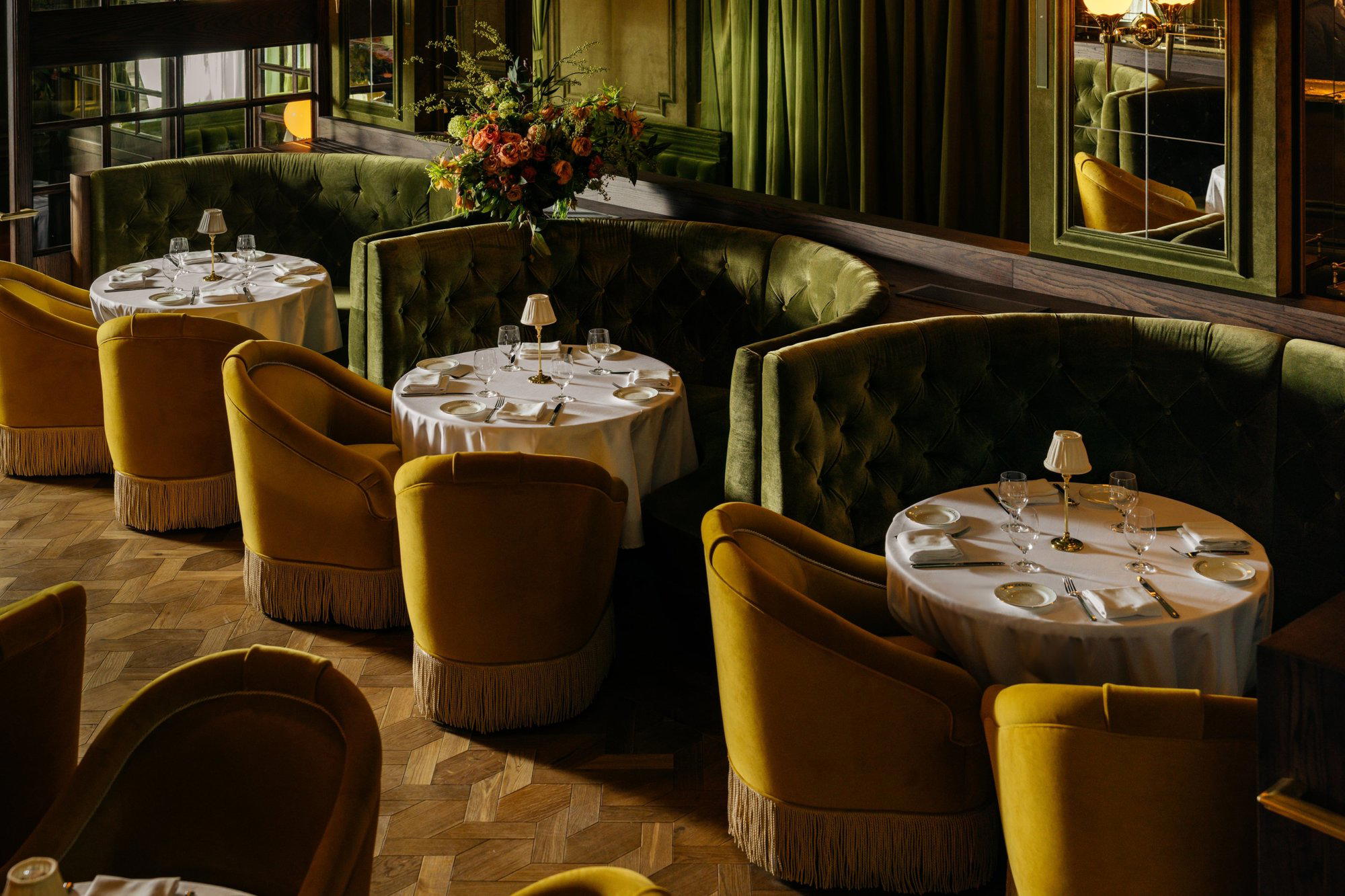
Bars in Washington DC
All bars in Washington DC →




Details
- Elegant
- Sophisticated
- Modern
- Date Night
- Special Occasion
- Open Kitchen
- Craft Cocktails
- A La Carte
- Small Plates
- Craft Cocktails
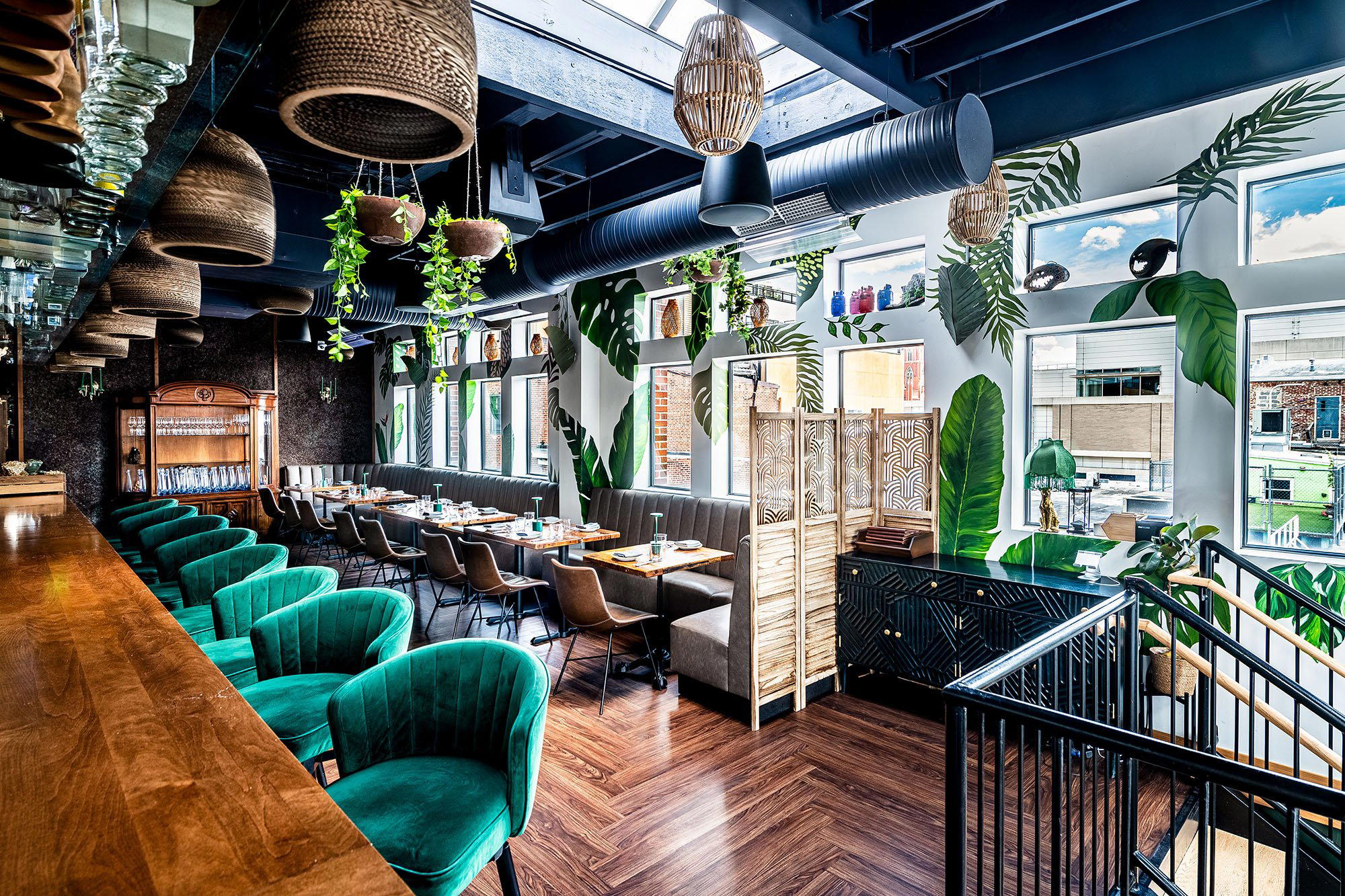
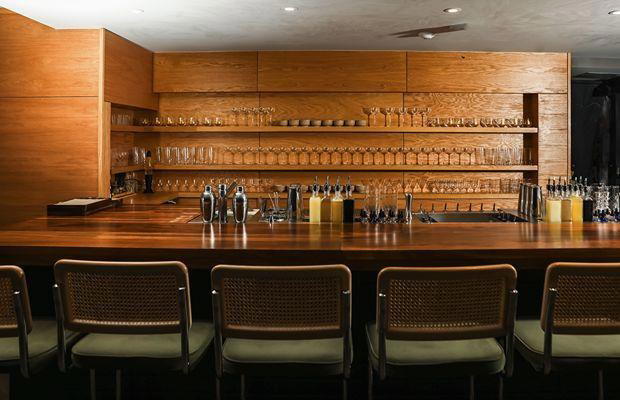
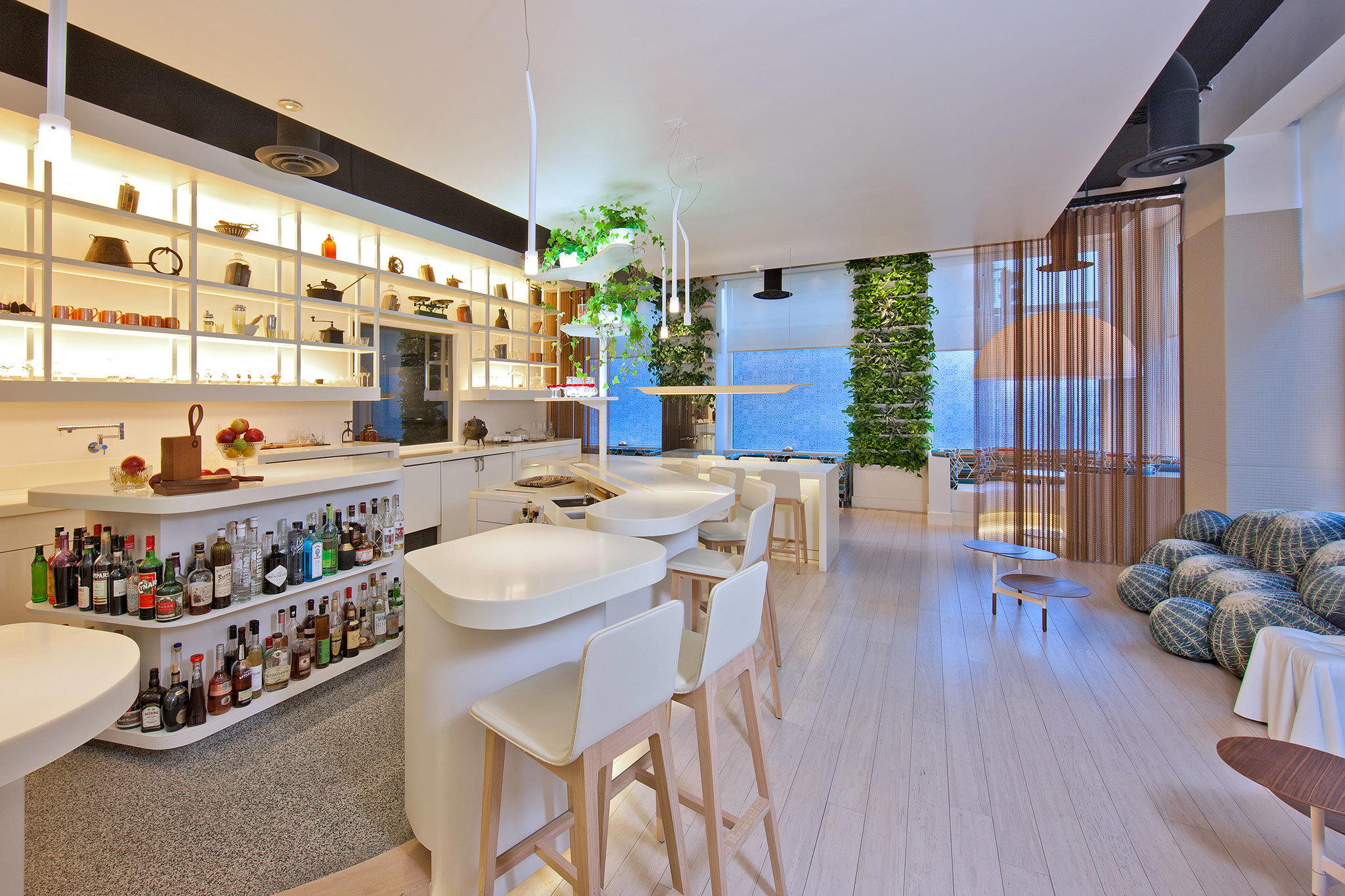
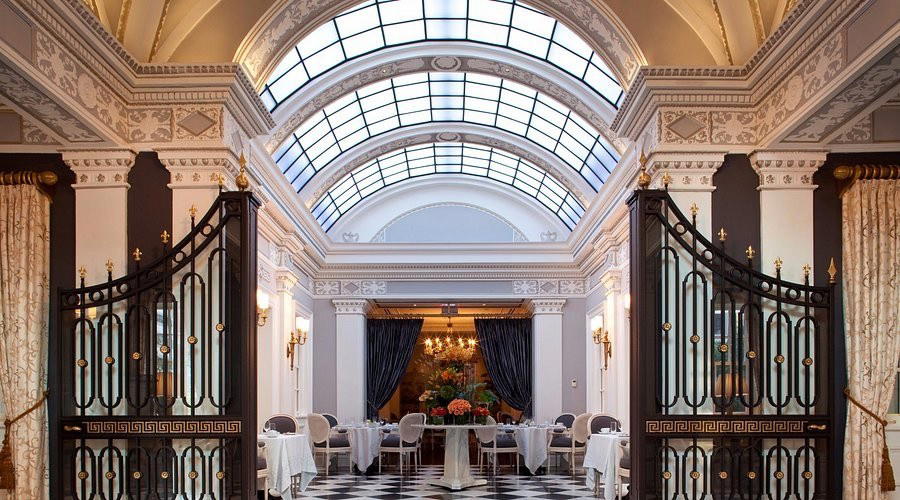
Dramatic upscale elegant space with warm inviting atmosphere balancing comfort and sophistication.