La Gran Pulpería sits in Hortaleza, one of Madrid's quieter residential districts, at a remove from the centro's better-mapped dining corridors. The name signals a pulpería tradition, the Ibero-American tavern format built on octopus and sturdy wines, updated for a neighbourhood that rewards local knowledge over tourist footfall. It occupies a specific niche in Madrid's mid-register dining scene, where genre and place converge.
Pearl is the En Primeur Club membership app — saves, bookings, and concierge access live there. Same editors, same standards.
- Address
- Av. de Machupichu, 14, Hortaleza, 28043 Madrid, Spain
- Phone
- +34913001873
- Website
- lagranpulperia.es
- Directions
- Get directions
 Saves & bookings on Pearl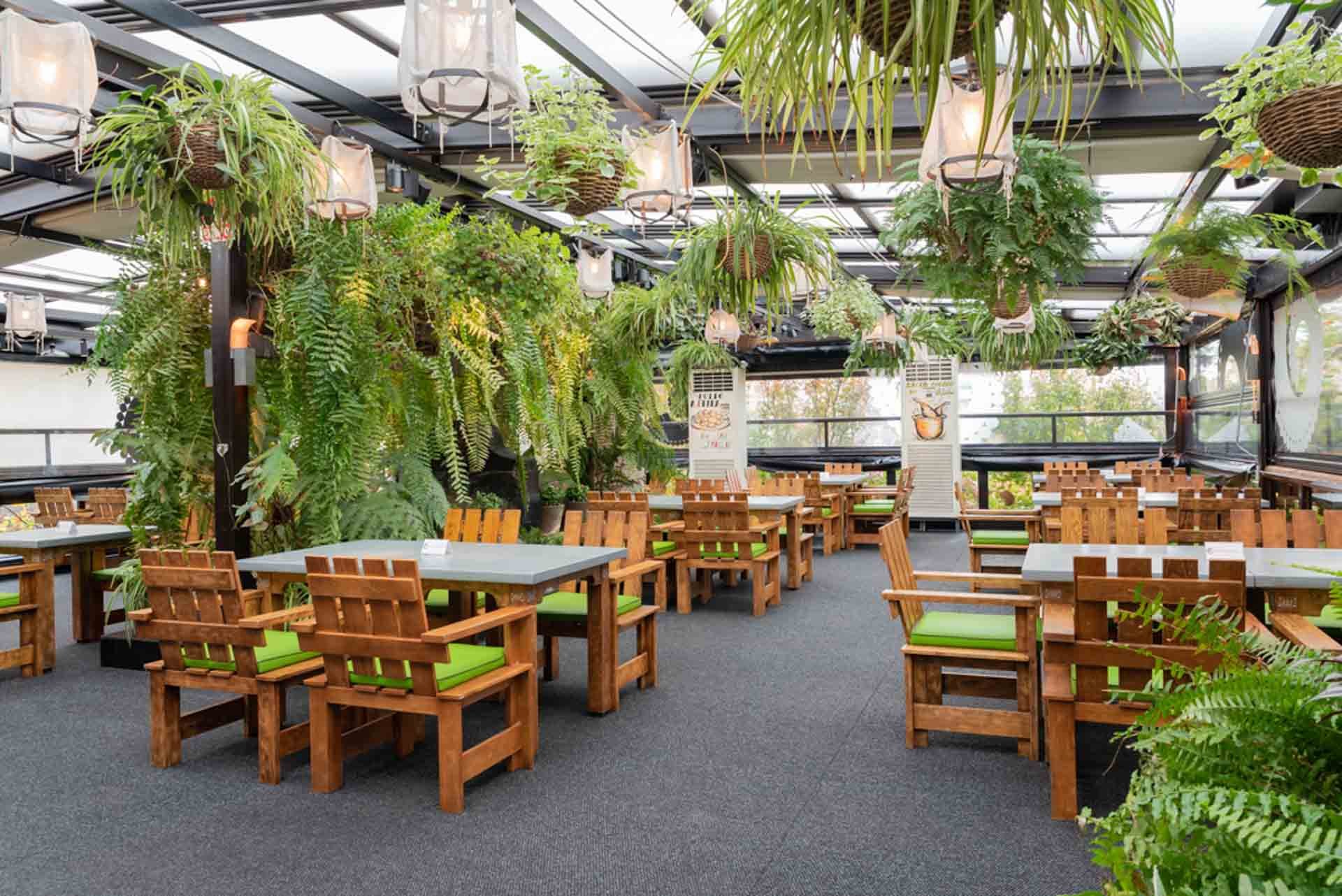
A Hortaleza Address and What It Signals
La Gran Pulpería is an Authentic Galician Spanish restaurant in Hortaleza, Madrid, serving a casual format at a recommended reservation level. Venues in districts like Hortaleza operate on different terms: the room fills with locals rather than tourists, the reservation calculus is neighbourhood-paced rather than trend-driven, and the format has to earn repeat visits from the same postcode rather than first visits from a rotating international audience. Avenida de Machupichu, 14 is not a destination address in the conventional sense, but that is precisely the editorial point. The pulpería format, an Ibero-American tavern tradition historically built around octopus, sturdy wines, and counter service, sits comfortably in this kind of setting. The form was never meant to perform for visitors.
The Pulpería Format in a Spanish Context
The pulpería as a format has a longer history in Latin America than in Spain, where the term arrived as a cultural import alongside Galician octopus traditions. In Madrid, the format has been reinterpreted with varying degrees of fidelity: some venues adopt the name while running a conventional tapas operation; others take the genre seriously, anchoring the menu in pulpo preparations and Galician or South American wine pours. The name La Gran Pulpería is direct about its reference point. In the broader Madrid dining context, this places the restaurant in a cohort distinct from the city's progressive fine-dining tier, venues like DiverXO, Coque, Deessa, DSTAgE, and Paco Roncero operate at €€€€ price points with multi-course tasting formats, and instead occupies the genre-specific mid-tier, where the kitchen's identity is defined by a single ingredient or tradition rather than an overarching creative philosophy.
Team Dynamics in a Genre-Specific Kitchen
The pulpería format places particular pressure on the coordination between kitchen, floor, and wine service in ways that a tasting-menu restaurant does not. When the menu centres on a single principal ingredient, octopus, in the pulpería tradition, the range of differentiation shifts to preparation method, sourcing consistency, and the quality of what surrounds it: the cachelos, the olive oil grade, the pimentón origin, the wine pour that frames each plate. In this context, front-of-house becomes a genuine editorial function rather than a logistics operation. A well-run pulpería room communicates the sourcing story, the wine pairings, and the regional references that give the format depth beyond the plate itself. The sommelier or wine-service role takes on additional weight when the menu is narrow: pairing decisions that might feel incidental in a twelve-course sequence become the primary variable in a shorter, genre-defined meal. How a dining room handles those decisions determines whether the experience reads as considered or merely efficient. This dynamic is more visible in neighbourhood venues than in destination restaurants, where the room's prestige carries some of the interpretive load independently.
Where La Gran Pulpería Sits Against Spain's Broader Restaurant Scene
Spain's fine-dining circuit runs well beyond Madrid. El Celler de Can Roca in Girona, Arzak in San Sebastián, Azurmendi in Larrabetzu, Martin Berasategui in Lasarte-Oria, Mugaritz in Errenteria, Quique Dacosta in Dénia, Aponiente in El Puerto de Santa María, Cocina Hermanos Torres in Barcelona, Ricard Camarena in València, and Atrio in Cáceres define the country's upper tier. The restaurant does not occupy that register, nor does it attempt to. Its reference points are different: the Galician pulpería tradition, neighbourhood dining economics, and the repeat-visit logic of a residential district. That is not a limitation, it is a format argument. Particularly coherent restaurant experiences in any city exist at the intersection of a well-defined genre and a neighbourhood that actually uses it.
Planning a Visit: What to Know Before You Go
The restaurant is at Avenida de Machupichu, 14 in Hortaleza, 28043 Madrid. The district sits northeast of the city centre, beyond the M-30, and is most practically reached by metro or taxi. The restaurant is open Monday to Thursday from 1 PM to 1 AM, Friday and Saturday from 1 PM to 2 AM, and Sunday from 1 PM to 12:30 AM, with a casual dress code and recommended reservations. For broader context on the Madrid dining scene and how the restaurant fits within it, see our full Madrid restaurants guide.
Fast Comparison
Comparable venues nearby, for context on price, style, and recognition.
| Venue | Cuisine | Price | Notes |
|---|---|---|---|
| La Gran PulperíaThis venue — the venue you are viewing | Authentic Galician Spanish | $$ | Not listed |
| Restaurante Taiga Madrid | Traditional Spanish | $$ | El Viso |
| Triana | Andalusian Tapas | $$ | Ibiza |
| El Escaldon | Traditional Canarian | $$ | La Latina |
| Abacería Macarena | Modern Traditional Spanish | $$ | El Viso |
| Candela Bernabéu | Traditional Spanish Tapas & Cervecería | $$ | El Viso |
Continue exploring
More in Madrid
Restaurants in Madrid
Browse all →
Bars in Madrid
Browse all →
Hotels in Madrid
Browse all →



At a Glance
- Rustic
- Cozy
- Casual Hangout
- Group Dining
- Late Night
- Terrace
- Extensive Wine List
Current opening hours
- Monday
- 1 PM–1 AM
- Tuesday
- 1 PM–1 AM
- Wednesday
- 1 PM–1 AM
- Thursday
- 1 PM–1 AM
- Friday
- 1 PM–2 AM
- Saturday
- 1 PM–2 AM
- Sunday
- 1 PM–12:30 AM
Hours can change for holidays and private events. Last verified .
Careful interior lounge, bright terrace, and charming outdoor space with attentive service.