Candela Bernabéu sits in Madrid's Chamartín district, a neighbourhood better known for its football stadium than its dining scene, which is part of the point. The restaurant occupies a quieter tier of the city's creative cooking conversation, away from the heavily trafficked Centro and Salamanca circuits. For those tracking where Madrid's serious kitchens are spreading, it warrants attention.
Pearl is the En Primeur Club membership app — saves, bookings, and concierge access live there. Same editors, same standards.
- Address
- C. de Marceliano Sta. María, 4, Chamartín, 28036 Madrid, Spain
- Phone
- +34915990359
- Website
- candelabernabeu.com
- Directions
- Get directions
 Saves & bookings on Pearl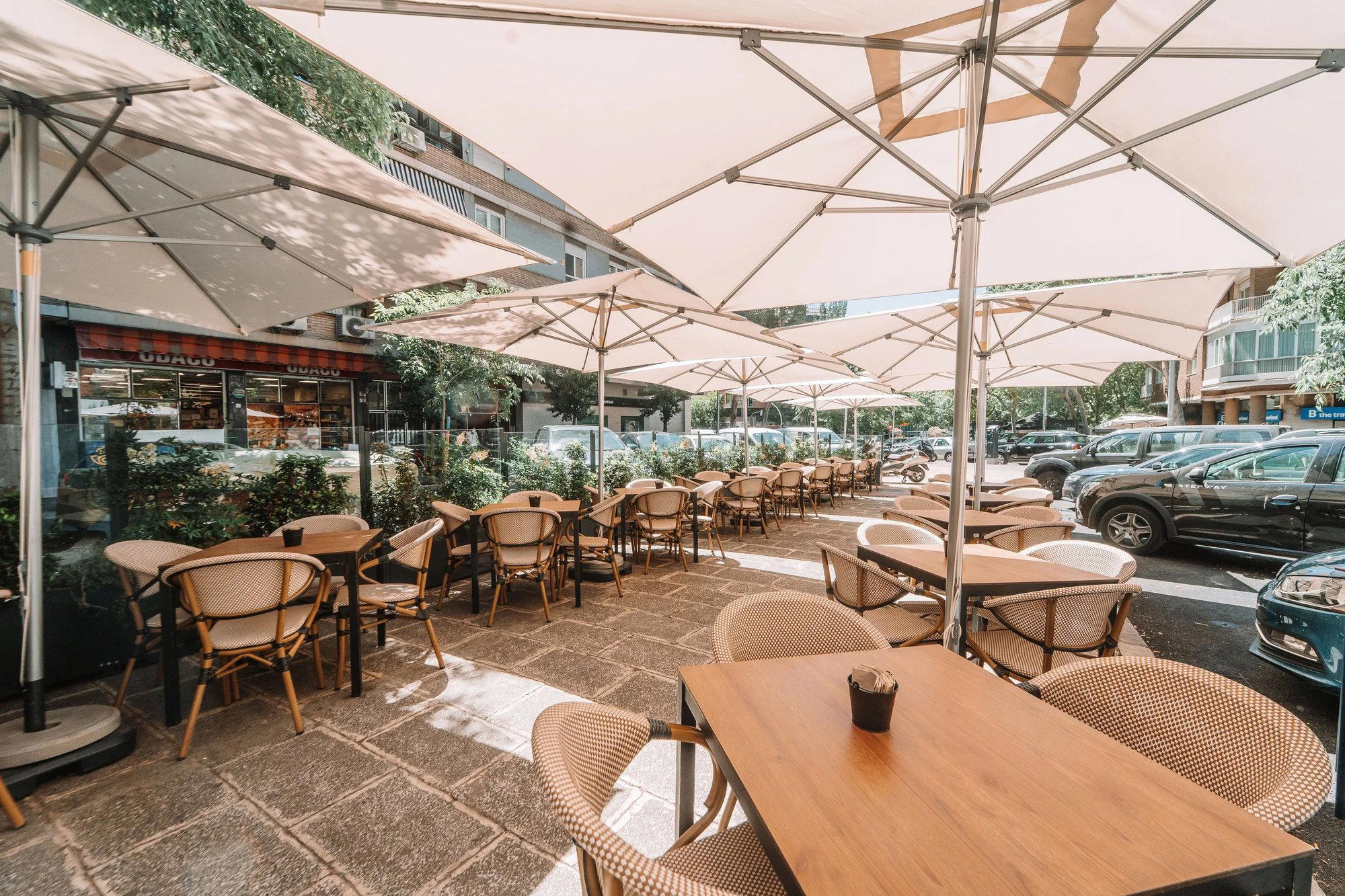
Chamartín's Quieter Claim on Madrid's Creative Dining Scene
Madrid's most-discussed creative restaurants tend to cluster in predictable postcodes. The Salamanca corridor, the Centro adjacents, the hotel dining rooms with international backing, these are the addresses that dominate most shortlists. Chamartín, by contrast, has long been defined by the Bernabéu stadium and the corporate infrastructure that surrounds it: expense-account restaurants, hotel buffets, and the logistical churn of a transport hub. Candela Bernabéu is a restaurant at C. de Marceliano Sta. María, 4, Chamartín, Madrid, serving Traditional Spanish Tapas & Cervecería at about $35 per person.
Spain's broader fine dining story has always been decentralised. El Celler de Can Roca in Girona, Arzak in San Sebastián, and Quique Dacosta in Dénia are reminders that Spain's most ambitious cooking does not require a capital-city address. Within Madrid itself, the same logic is beginning to apply at a neighbourhood level. Creative kitchens are finding space in districts that don't carry the premium rent pressure of Recoletos or Justicia, and Chamartín is among them.
The Ingredient Question at the Heart of This Address
Spanish creative cooking at the level that interests EP Club has, for at least two decades, been grounded in ingredient sourcing as a primary editorial statement. This is not merely a trend borrowed from Nordic kitchens, it predates that conversation in the Basque Country and Catalonia. Azurmendi in Larrabetzu built its three-Michelin-star reputation in part around its on-site garden and Basque producer network. Aponiente in El Puerto de Santa María reframed marine sourcing as a philosophical position, not a selling point. Mugaritz in Errenteria has pushed ingredient interrogation to its conceptual limit over more than two decades of operation.
Any kitchen operating at a serious level in Madrid today operates in the shadow of those reference points. The central plateau's larder is distinct from the coast's, Castilian lamb, Iberian pork from Extremadura and Salamanca, game from the Guadarrama foothills, pulses and cereals from La Mancha, and how a kitchen positions itself in relation to that geography shapes its identity as much as technique does. The name Candela, meaning flame or candlelight in Spanish, gestures toward warmth and directness rather than conceptual distance, which at least suggests an orientation toward the product rather than away from it.
Madrid's most prominent creative addresses have staked out differentiated sourcing positions. DiverXO operates at the furthest remove from terroir-led cooking, building its three-Michelin-star reputation on a globalised ingredient vocabulary filtered through an intensely personal culinary idiom. Coque holds two stars and roots itself more explicitly in Spanish product, with a wine program that anchors the experience in domestic regions. DSTAgE has built two-star recognition on market-led spontaneity, where the sourcing decision is made close to service. Paco Roncero and Deessa each occupy their own coordinates within that creative Madrid field. Where Candela Bernabéu positions itself within this set is the question its Chamartín address raises.
What the Neighbourhood Tells You
Dining in Chamartín carries different expectations than dining in the historic centre. The audience skews toward residents, professionals with offices in the northern business district, and visitors staying near the Bernabéu or Chamartín station rather than in the tourist-facing centre. That demographic pressure tends to reward reliability and value-for-product over spectacle and destination cachet. Kitchens that succeed in this kind of district typically do so by building neighbourhood loyalty before attracting a wider critical audience, a trajectory that often produces more grounded cooking than venues that open under immediate critical spotlight.
This is not unlike the dynamic that produced strong neighbourhood dining in cities where creative cooking decentralised: the arrondissements beyond Paris's 1st and 8th, the Brooklyn dining that emerged once Manhattan rents became prohibitive, or the Eixample restaurants in Barcelona that now compete credibly with the city's most-discussed addresses. Cocina Hermanos Torres in Barcelona made exactly that kind of move, converting an industrial space outside the expected postcode into a two-Michelin-star address. The geography of ambition in dining is rarely fixed.
Spain's Broader Creative Context
The restaurants against which any serious Spanish kitchen is implicitly measured now form a formidable peer group. Martin Berasategui in Lasarte-Oria holds three Michelin stars and has spent decades refining a product-led haute cuisine rooted in Basque tradition. Ricard Camarena in València has built two-star recognition around the Valencian huerta, the market garden belt that supplies the city, as the central organising principle of the kitchen. Atrio in Cáceres combines Extremaduran sourcing with a wine cellar of extraordinary depth. Internationally, the conversation has moved in a similar direction: Le Bernardin in New York City has made precision sourcing of seafood its foundational commitment for four decades, while Lazy Bear in San Francisco has built its reputation on a communal format that foregrounds provenance as a social act.
These reference points matter because they define the level of intention and execution that distinguishes a kitchen worth tracking from one that simply occupies a creative idiom without adding to it. Whether Candela Bernabéu is building toward that tier, operating comfortably below it, or already within it, remains a matter of editorial judgment. What the address, the district, and the name collectively suggest is a kitchen that has chosen its position deliberately rather than by default.
Planning Your Visit
Chamartín is accessible by metro on lines 10 and 8, with Santiago Bernabéu station a short walk from the Marceliano Santa María address. The district has no high-density tourism infrastructure, which means walk-in availability may be more realistic here than at the starred addresses in Salamanca or Justicia, but advance contact is advisable before making a specific journey.
Booking and Cost Snapshot
Comparable venues nearby, for context on price, style, and recognition.
| Venue | Cuisine | Price | Notes |
|---|---|---|---|
| Candela BernabéuThis venue — the venue you are viewing | Not listed | $$ | Not listed |
| Cucurucho AZCA | Not listed | $$ | Cuatro Caminos, Andalusian Seafood & Tapas |
| Don Benito San Roque | Trafalgar, Andalusian Tapas | $$ | Not listed |
| El Patio de Atocha | Not listed | $$ | Barrio de las Letras, Modern Spanish Fusion |
| El Tinglao | Piovera, Spanish Andalusian | $$ | Not listed |
| Osteria da Nando | Castellana, Traditional Asturian Cuisine | $$ | Not listed |
Continue exploring
More in Madrid
Restaurants in Madrid
Browse all →
Bars in Madrid
Browse all →
Hotels in Madrid
Browse all →


At a Glance
- Lively
- Casual
- Romantic
- Casual Hangout
- After Work
- Group Dining
- Celebration
- Terrace
- Private Dining
- Open Kitchen
- Beer Program
- Craft Cocktails
Current opening hours
- Monday
- 12 PM–12:30 AM
- Tuesday
- 12 PM–12:30 AM
- Wednesday
- 12 PM–12:30 AM
- Thursday
- 12 PM–12:30 AM
- Friday
- 12 PM–1 AM
- Saturday
- 12 PM–1 AM
- Sunday
- 12 PM–12:30 AM
Hours can change for holidays and private events. Last verified .
Warm and attentive atmosphere with romantic undertones; casual yet welcoming environment with excellent wine selection and knowledgeable staff.