On a quiet street in Madrid's La Latina district, El Escaldon occupies a corner of the city where the Centro neighbourhood still belongs to locals as much as visitors. The address on Calle del Nuncio places it within walking distance of the Vistillas gardens and the layered dining culture that defines this part of old Madrid, a scene where traditional Spanish formats coexist with a newer generation of more considered, ingredient-led cooking.
Pearl is the En Primeur Club membership app — saves, bookings, and concierge access live there. Same editors, same standards.
- Address
- C. del Nuncio, 17, Centro, 28005 Madrid, Spain
- Phone
- +34 913 65 55 06
- Website
- elescaldon.com
- Directions
- Get directions
 Saves & bookings on Pearl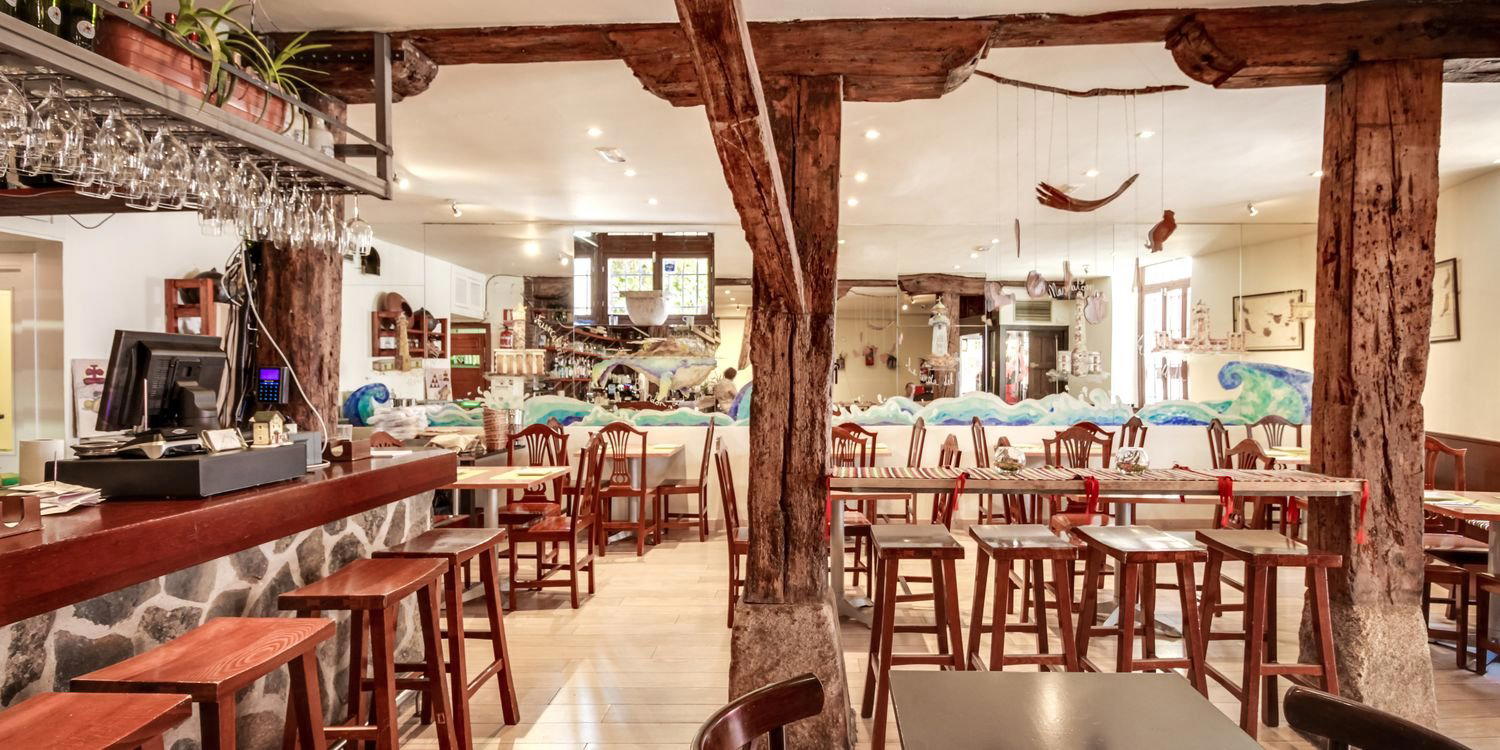
Calle del Nuncio and the Texture of Old Madrid Dining
The streets around Calle del Nuncio in Madrid's Centro district do not announce themselves. There are no wide boulevards, no hotel frontages, no queues of tourists waiting for a table to open. What the area does have is a particular kind of urban density: sixteenth-century building lines, narrow pavements, and a concentration of eating and drinking establishments that have been shaped as much by neighbourhood habit as by culinary ambition. El Escaldon sits within this fabric, at number 17, and serves Traditional Canarian cooking in Madrid's Centro district, with a casual dress code and recommended reservations.
That tension, between the deeply rooted and the more recently considered, is the defining character of Centro's dining scene. The neighbourhood has not been remade in the way that Chueca or Malasaña were. Its evolution has been slower, more incremental, which means that a venue here draws from a different set of expectations than one operating in a higher-profile postcode. The question a restaurant on this street must answer is not how it compares to the tasting-menu circuit, houses like DiverXO, Coque, or Deessa operate in a different tier entirely, but what role it plays in the immediate neighbourhood, and whether that role is executed with conviction.
Reading the Menu as a Document
In Madrid's mid-tier dining culture, menu architecture is frequently the clearest signal of a kitchen's actual priorities. A restaurant that lists thirty dishes is telling you something different from one that runs ten. The breadth-versus-depth question matters here more than in, say, a Basque context, where product provenance tends to anchor even large menus with a clear logic. In Madrid's Centro, where the customer mix leans toward regulars and neighbourhood diners rather than destination visitors, the menu tends to reflect what the kitchen can sustain across multiple services rather than what it can execute in a single ambitious sitting.
This is the tradition El Escaldon inherits: a city where raciones and sharing plates are the default grammar, where the menu is expected to function across lunch and dinner, and where the distinction between a tapa and a plated course is often negotiated at the table rather than fixed by the kitchen. Compare this to the sharper editorial control exercised at, say, DSTAgE or Paco Roncero, and the structural difference becomes legible immediately. Those are kitchens where the menu is a designed sequence. Here, on Calle del Nuncio, the expectation is more conversational.
Where El Escaldon Sits in the Madrid Context
Madrid's restaurant scene is broadly legible as a two-speed market. At one end, the city's Michelin-recognised houses, including the three-star DiverXO and the two-star Coque, compete on a European scale, drawing comparison with destinations like El Celler de Can Roca in Girona, Mugaritz in Errenteria, and Martin Berasategui in Lasarte-Oria. At the other end, the city's tabernas, mercado counters, and neighbourhood trattorias serve a daily-use function that requires no critical framework to justify.
Between those poles sits a substantial middle, restaurants that are serious about their cooking without operating as destination venues, that price for neighbourhood use while maintaining a standard above the casual. The restaurant's address in Centro places it in natural proximity to this middle tier, in a district where the competition is not the headline tables but the accumulated weight of Madrid's traditional dining culture: the cocido, the bacalao, the roast lamb that defines Castilian cooking at its most direct. The relevant comparison set is not Quique Dacosta in Dénia or Aponiente in El Puerto de Santa María, those are entirely different propositions, but rather the broader category of Madrid restaurants that have staked a position on craft and locality without chasing critical recognition.
Planning Your Visit: Practical Context
Calle del Nuncio is accessible on foot from the La Latina metro station (Line 5), approximately five minutes on level ground. The street sits within the 28005 postcode, which is one of the older residential cores of Madrid's Centro district. Parking in this area is limited and metered; arriving by metro or on foot is the practical choice for most visitors.
| Venue | Area | Price Tier | Format | Booking Required |
|---|---|---|---|---|
| The restaurant | Centro / La Latina | Not confirmed | Not confirmed | Not confirmed |
| DSTAgE | Chueca | €€€€ | Tasting menu | Yes, in advance |
| Paco Roncero | Centro | €€€€ | Creative tasting | Yes, in advance |
| Deessa | Salamanca | €€€€ | Modern Spanish | Yes, in advance |
For equivalent neighbourhood-level dining in other Spanish cities, Ricard Camarena in València, Cocina Hermanos Torres in Barcelona, and Atrio in Cáceres each represent points of comparison across different regional contexts. Beyond Spain, Lazy Bear in San Francisco and Le Bernardin in New York City illustrate how neighbourhood identity and menu architecture play out at the summit of the market in different culinary cultures. For Basque context, Arzak in San Sebastián and Azurmendi in Larrabetzu remain the reference points for understanding how one structured end of Spanish fine dining operates.
What It’s Closest To
Comparable venues nearby, for context on price, style, and recognition.
| Venue | Cuisine | Price | Notes |
|---|---|---|---|
| El EscaldonThis venue — the venue you are viewing | Traditional Canarian | $$ | Not listed |
| ZERAIN | Traditional Basque Grill & Cider House | $$ | Barrio de las Letras |
| La Tape | Spanish Tapas & Craft Beer | $$ | Arapiles |
| Café Comercial | Traditional Madrid Cuisine with Contemporary Touches | $$ | Trafalgar |
| Fismuler | Modern Spanish with Nordic influences | $$ | Almagro |
| Taberna El Urogallo | Traditional Asturian Spanish Tapas | $$ | Casa de Campo |
Continue exploring
More in Madrid
Restaurants in Madrid
Browse all →
Bars in Madrid
Browse all →
Hotels in Madrid
Browse all →




At a Glance
- Cozy
- Rustic
- Intimate
- Casual Hangout
- Group Dining
- Historic Building
- Natural Wine
Current opening hours
- Monday
- 1–4:30 PM, 7 PM–12 AM
- Tuesday
- 1–4:30 PM, 7 PM–12 AM
- Wednesday
- 1–4:30 PM, 7 PM–12 AM
- Thursday
- 1–4:30 PM, 7 PM–12 AM
- Friday
- 12 PM–12 AM
- Saturday
- 12 PM–12 AM
- Sunday
- 12 PM–12 AM
Hours can change for holidays and private events. Last verified .
Cozy and welcoming atmosphere evoking a little piece of the Canary Islands, relaxed and down-to-earth with homely vibes.