La Francisca Feria de Campo
La Francisca Feria de Campo occupies a distinctive position in Buenos Aires's dining scene, channeling the traditions of Argentina's rural feria culture within a city setting. Located in the Palermo corridor on Cnel. Niceto Vega, it draws on the communal, market-style gathering format that has long defined provincial Argentine life. For those tracing how Buenos Aires has absorbed and reinterpreted its own countryside heritage, this is a meaningful stop.
Pearl is the En Primeur Club membership app — saves, bookings, and concierge access live there. Same editors, same standards.
- Address
- Cnel. Niceto Vega 4712, C1414BED Cdad. Autónoma de Buenos Aires, Argentina
- Phone
- +54 11 4771 0172
- Directions
- Get directions
 Saves & bookings on Pearl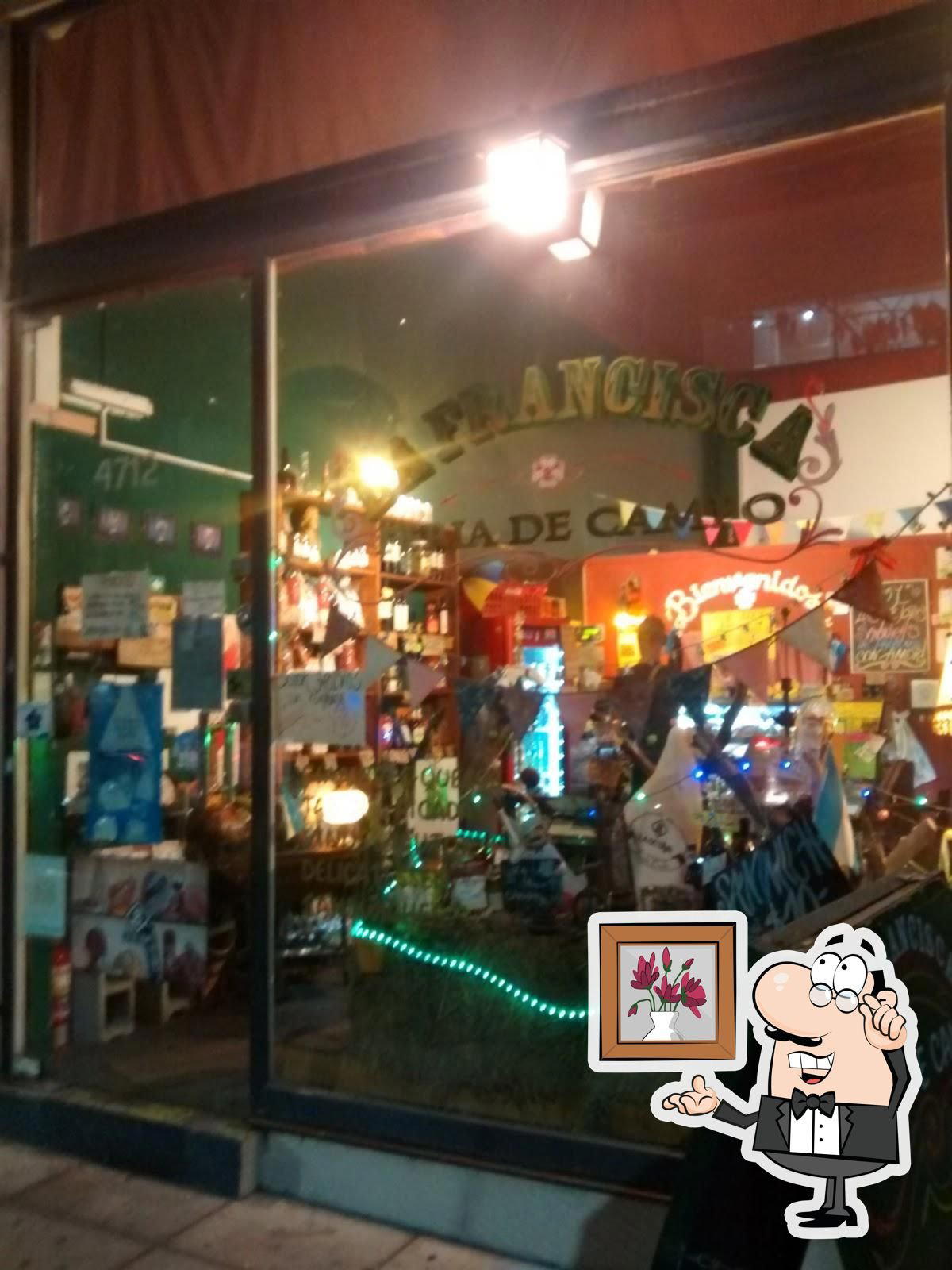
Where the Countryside Comes to Palermo
Buenos Aires has always maintained an uneasy, affectionate relationship with its own rural identity. The capital imports beef, wine, and culinary tradition from the provinces, then reframes them for an urban audience. Over the past two decades, that process has accelerated: what began as direct parrilla culture in the city's restaurant scene has expanded into a more self-conscious engagement with Argentina's agrarian past. La Francisca Feria de Campo, on Cnel. Niceto Vega in the heart of Palermo, sits within that broader shift — a venue that takes the feria format, the outdoor market-and-feast tradition of the Argentine campo, and brings it inside city limits.
The feria de campo tradition is worth understanding on its own terms before considering any individual venue. Across the provinces, these gatherings function as social infrastructure: part livestock market, part communal meal, part cultural ritual. They are less about refined cooking than about the fire, the shared table, and the particular Argentine conviction that eating well is a collective rather than solitary act. When that format migrates to a city like Buenos Aires, it inevitably transforms. The question any such venue must answer is how much of the original spirit survives the translation — and how consciously it has evolved its approach over time.
A Format in Reinvention
Buenos Aires's engagement with campo-style dining has not been static. In earlier iterations, city restaurants attempting to channel rural Argentina often defaulted to aesthetic signaling: exposed brick, hanging herbs, mounted agricultural tools. The cooking itself rarely matched the ambition of the decor. The more interesting evolution, visible across Palermo and Villa Crespo in recent years, has been a shift toward format fidelity, where the communal structure of the original tradition, not just its visual grammar, informs how a venue actually operates. La Francisca Feria de Campo sits within this more recent wave, where the feria concept is applied to how guests gather and eat, not merely to how a room is dressed.
That evolution mirrors a broader pattern in Buenos Aires dining. Venues like Anafe and Crizia have demonstrated that contemporary Argentine cooking can hold regional specificity without retreating into nostalgia. At the other end of the formality spectrum, Don Julio has shown that a deep commitment to a single tradition, in that case, the parrilla, can sustain a venue at the top of the city's dining conversation across decades. La Francisca occupies a different register: less about technical refinement, more about the social architecture of eating in the Argentine tradition.
The City's Shifting Appetite for Tradition
What has changed in Buenos Aires over the past decade is not the presence of campo-inflected dining, but its ambition. A generation ago, rural-format venues in the capital tended to function as nostalgic retreats, drawing older porteños and tourists seeking a certain Argentina-of-the-imagination. The shift since the mid-2010s has been toward a younger, more critically engaged audience that wants authenticity of process rather than atmosphere alone. This is the same impulse that has driven interest in fermentation-forward menus at places like Aramburu and the ingredient-led focus at Trescha, a city-wide appetite for dining that can account for where its food comes from.
La Francisca Feria de Campo addresses that appetite through its core format: the feria structure implies sourcing transparency, direct producer relationships, and a menu shaped by what arrives rather than what has been pre-engineered. That approach connects Buenos Aires to a wider Argentine food culture visible in wine country venues like Azafrán in Mendoza and Cavas Wine Lodge in Alto Agrelo, where the relationship between land and table is the organizing principle rather than an afterthought. The same logic animates estancia dining experiences such as La Bamba de Areco outside the capital, venues where the campo is not a reference but the actual context.
Placing La Francisca in the Buenos Aires Scene
Within Palermo specifically, La Francisca occupies a position distinct from the neighborhood's more internationally oriented dining options. Palermo has spent the better part of two decades becoming Buenos Aires's most restaurant-dense corridor, absorbing influence from Japanese, Peruvian, and contemporary European cooking. The campo-format venue represents a counterpoint to that outward orientation: a deliberate turn back toward Argentine specificity at a moment when the neighborhood's dining identity has become increasingly hybrid.
For visitors building a Buenos Aires itinerary, that positioning matters. The city's high-end dining scene is well-documented, our full Buenos Aires restaurants guide covers the range, but the middle register, where cultural format matters as much as culinary technique, is where the city's dining identity is actually being contested and renegotiated. La Francisca sits in that space, alongside parrilla institutions like Los Talas del Entrerriano and regional outposts that bring provincial cooking into the capital's frame.
The address on Cnel. Niceto Vega places it within comfortable reach of Palermo Soho's main dining and bar corridor, walkable from the Jorge Newbery area and easily accessible by remise or rideshare from other parts of the city. Buenos Aires restaurants in this register typically do not operate on the strict reservation infrastructure of the city's tasting-menu venues, so arriving with some flexibility, particularly outside peak weekend hours, tends to produce better outcomes than rigid advance planning.
Argentina Beyond Buenos Aires
Understanding La Francisca also means understanding how campo culture connects Buenos Aires to the wider Argentine food and travel circuit. The feria tradition is not a Buenos Aires invention, it belongs to the provinces, to the Pampas, to the wine regions of Cuyo and the lake districts of Patagonia. Venues like Agrelo in Lujan De Cuyo, Chacras de Coria in Las Heras, Entre Cielos in Lujan du Cuyo, Las Balsas in Villa La Angostura, La Table de House of Jasmines in La Merced Chica, and Awasi Iguazu in Puerto Iguazu all represent the campo tradition in its original geographic context, land-to-table dining where the landscape is the ingredient list. A venue like La Francisca functions, in part, as an introduction to that broader circuit: a way for Buenos Aires visitors to engage with Argentine rural food culture before, or instead of, traveling to its source.
That positioning, as both a destination in its own right and a gateway to Argentina's wider food geography, gives La Francisca a role in the city's dining ecosystem that goes beyond the sum of its menu. It is part of the ongoing conversation Buenos Aires is having with itself about what it means to eat Argentine in a city that increasingly eats everything.
Planning Your Visit
La Francisca Feria de Campo is located at Cnel. Niceto Vega 4712 in Palermo, within the Autonomous City of Buenos Aires. Current hours, booking arrangements, and pricing are best confirmed directly through local concierge services or by visiting in person, as detailed operational information is not publicly consolidated. For travelers comparing campo-style dining against the city's broader restaurant range, the EP Club Buenos Aires guide provides full context on neighborhood dining patterns and category-by-category recommendations.
How La Francisca Feria de Campo Buenos Aires compares with similar nearby venues.
| Venue | Cuisine |
|---|---|
| La Cabrera | Argentinian Steakhouse |
Continue exploring
More in Buenos Aires
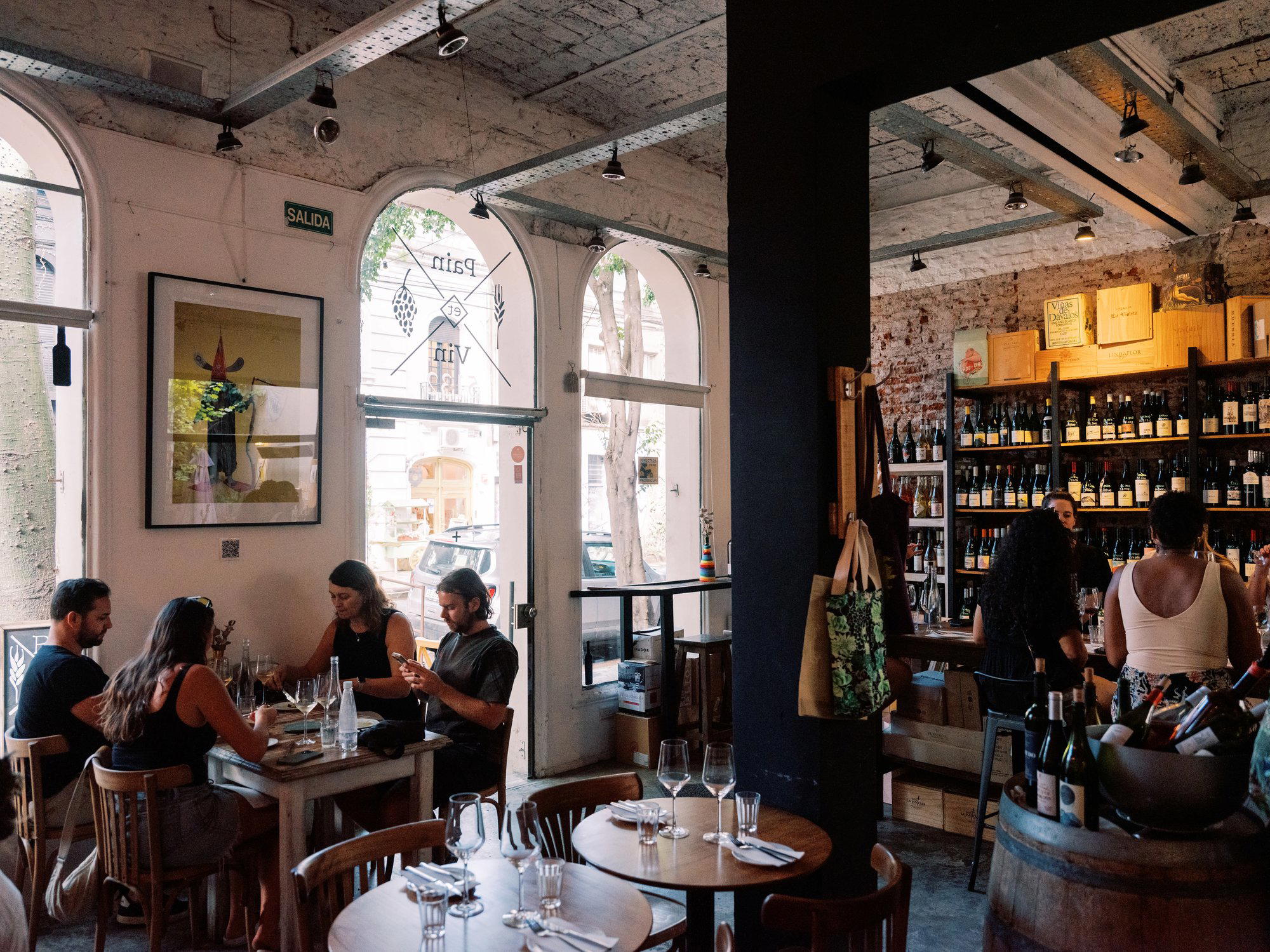
Restaurants in Buenos Aires
Browse all →
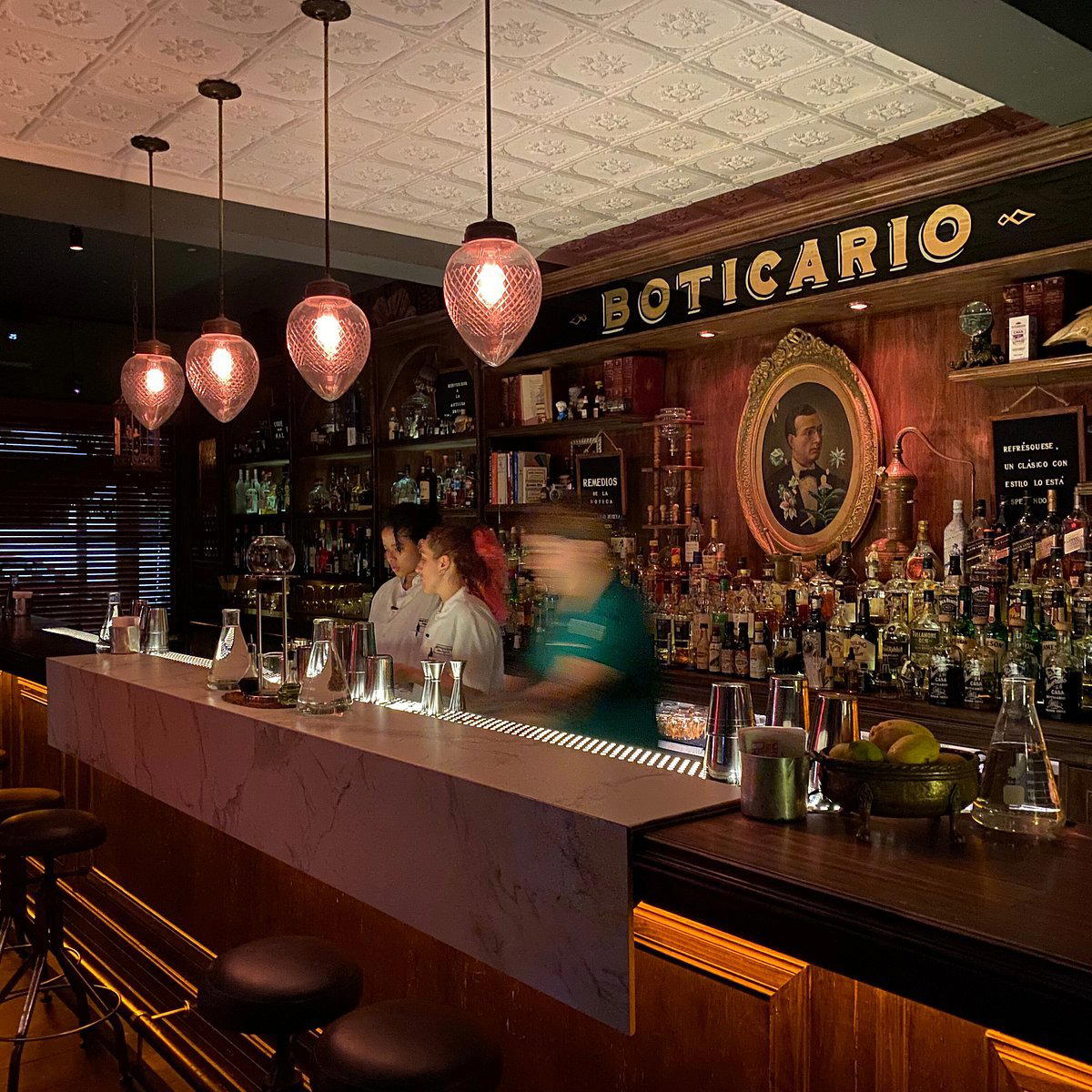
Bars in Buenos Aires
Browse all →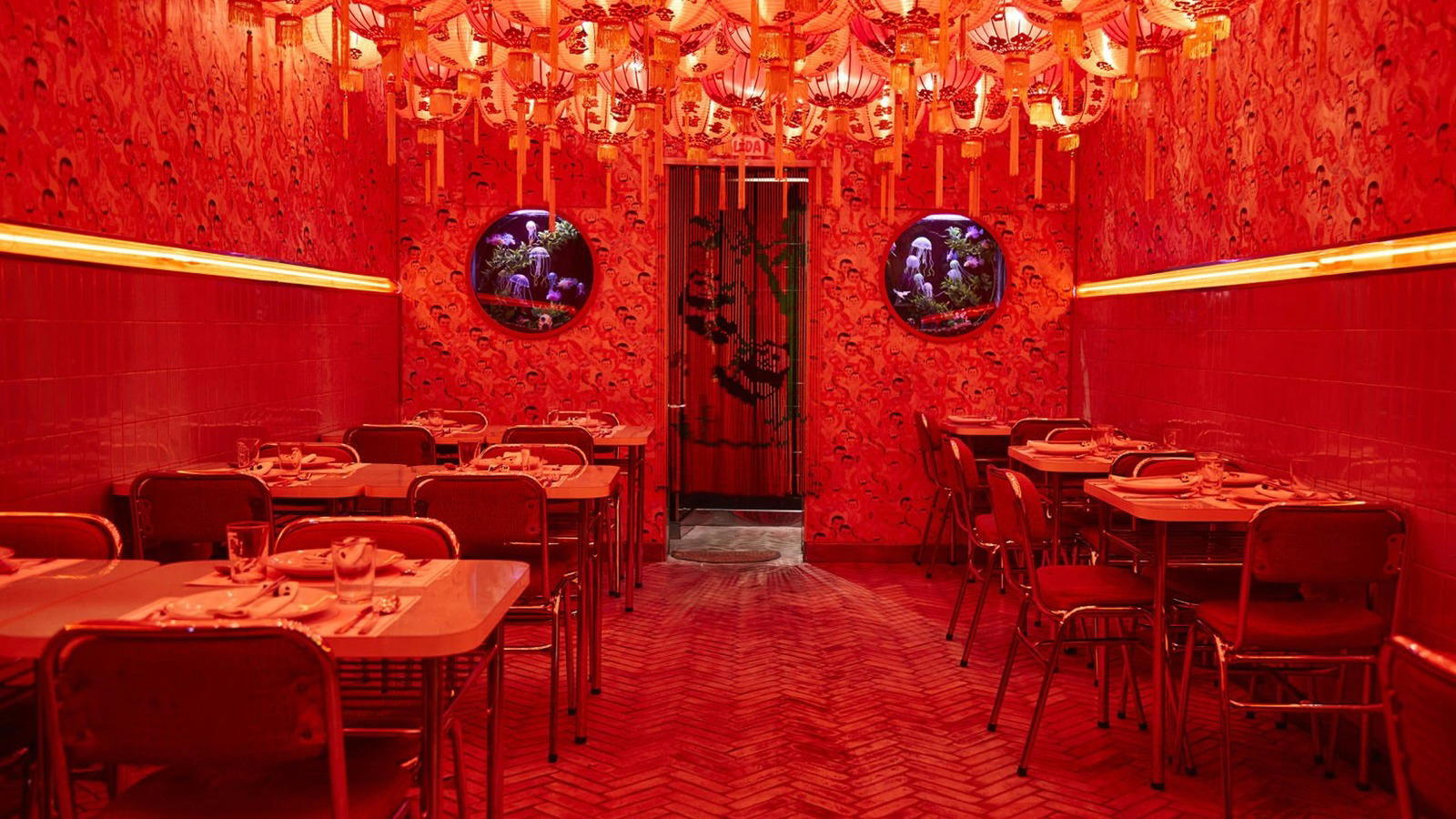
Hotels in Buenos Aires
Browse all →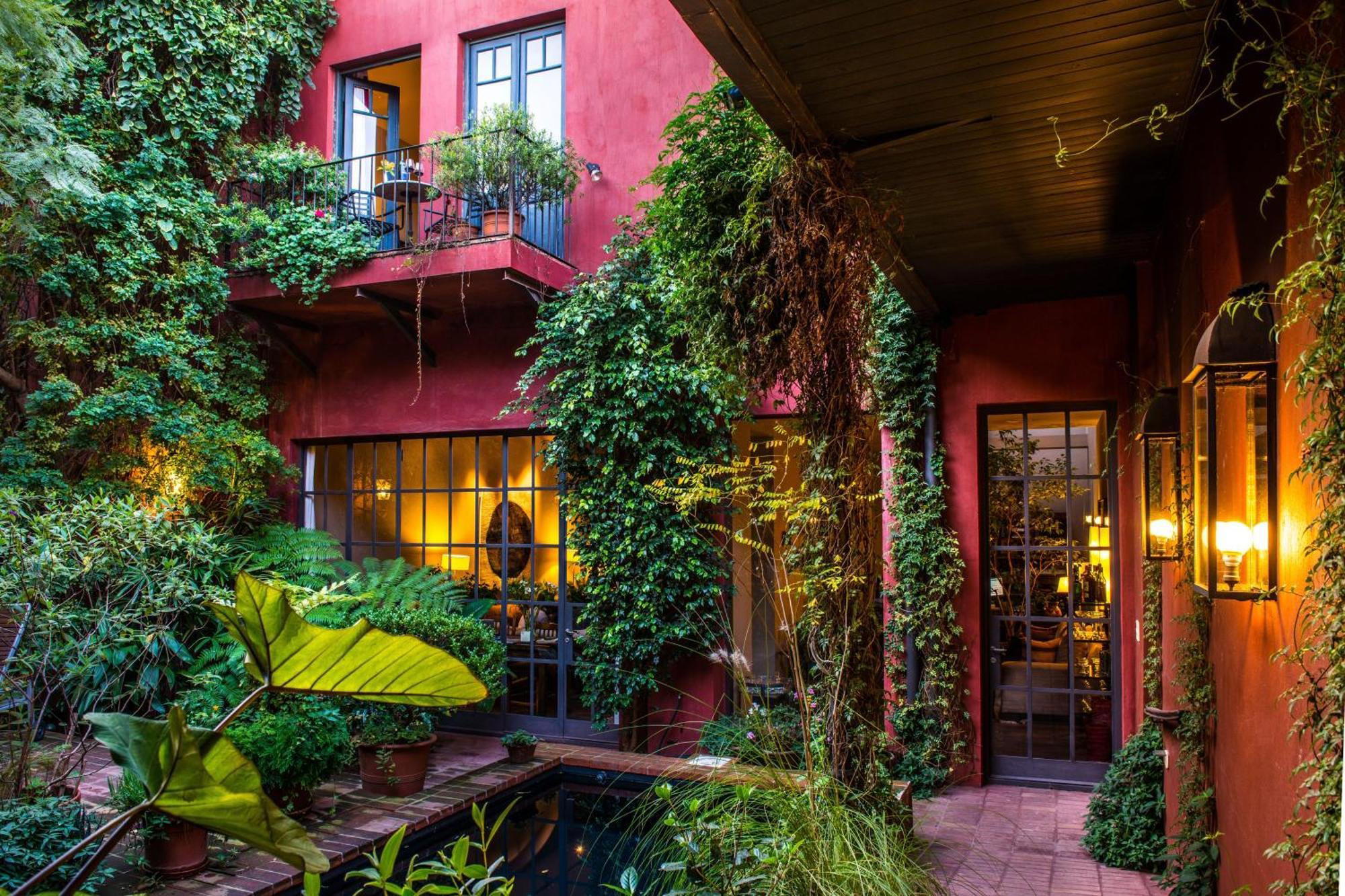
Wineries in Buenos Aires
Browse all →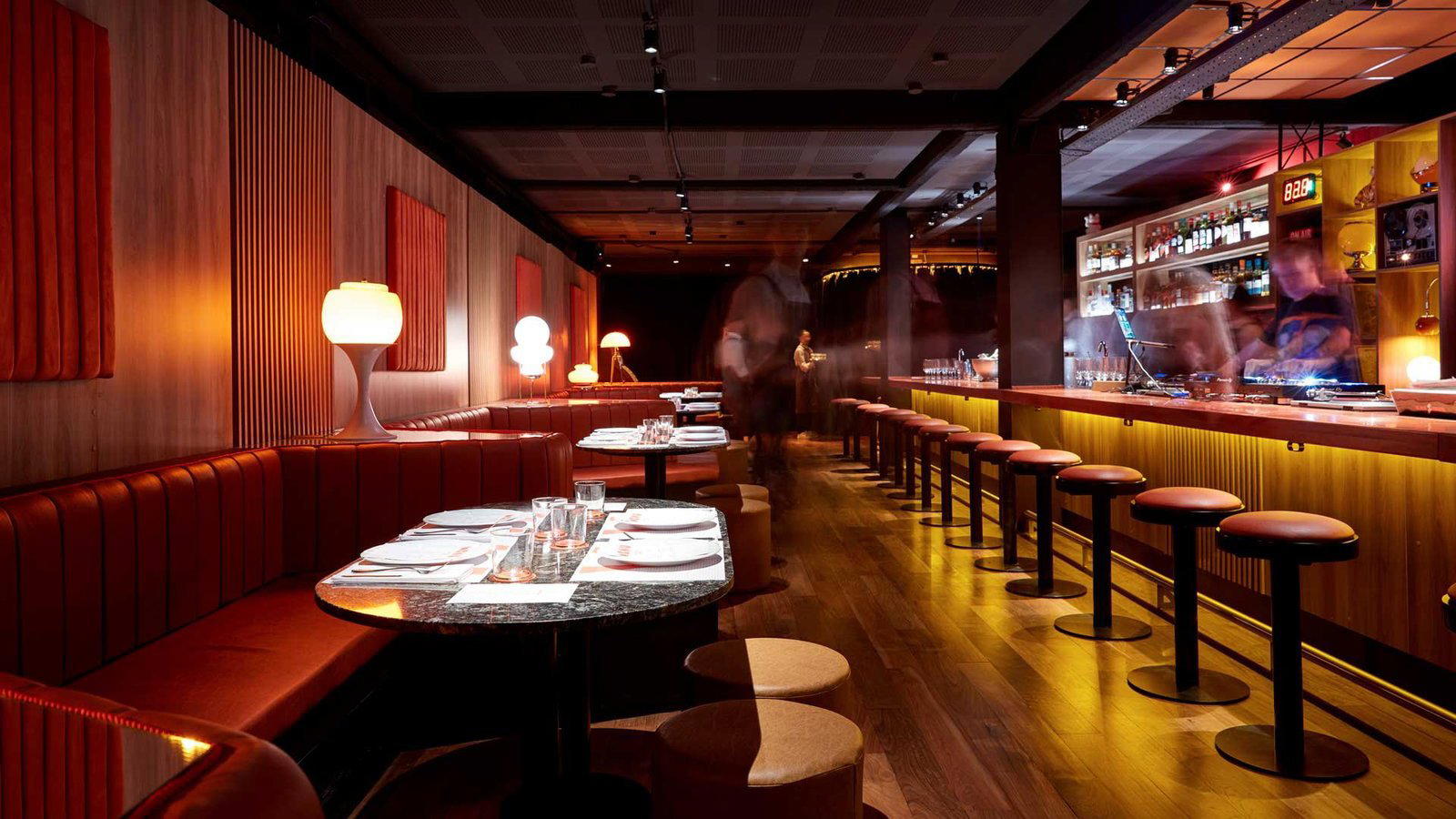
At a Glance
- Lively
- Casual
- Bohemian
- Casual Hangout
- Solo
- Beer Program
- Local Sourcing
Current opening hours
- Monday
- 12–5 PM
- Tuesday
- 12–5 PM
- Wednesday
- 12–5 PM
- Thursday
- 12–5 PM
- Friday
- 12–5 PM
- Saturday
- 12–4 PM
- Sunday
- Closed
Hours can change for holidays and private events. Last verified .
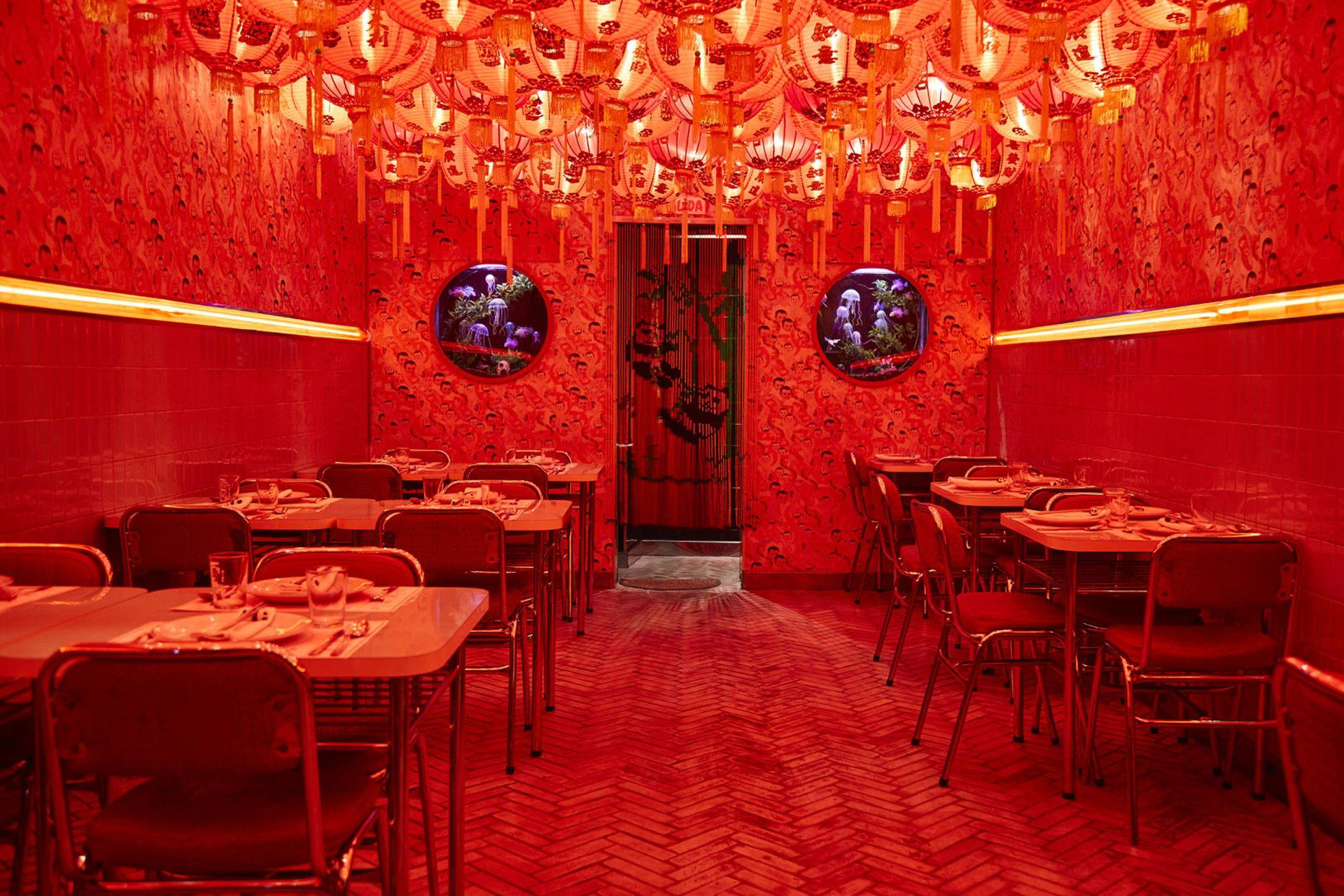
Brightly hued, kitschy scene with a lively, casual atmosphere overseen by four outgoing women eager to engage with customers.
Know Before You Go
- Getting there
- Cnel. Niceto Vega 4712, C1414BED Cdad. Autónoma de Buenos Aires, Argentina