Pain et Vin

Star Wine List
Open since 2013, Pain et Vin in Palermo Soho has operated at the intersection of Argentina's regional wine culture and the kind of unhurried afternoon drinking that Buenos Aires does better than most cities. Every afternoon, a sommelier walks guests through the country's wine regions at the counter, making this a reference point for anyone serious about Argentine viticulture beyond the Malbec headline.

Pearl is the En Primeur Club membership app — saves, bookings, and concierge access live there. Same editors, same standards.
- Address
- Gorriti 5132, C1414 BJT, Cdad. Autónoma de Buenos Aires, Argentina
- Phone
- +54 9 11 5056-1548
- Hours
- Mon–Tue ClosedWed–Sun 4 PM–12 AM
- Website
- linktr.ee
- Directions
- Get directions
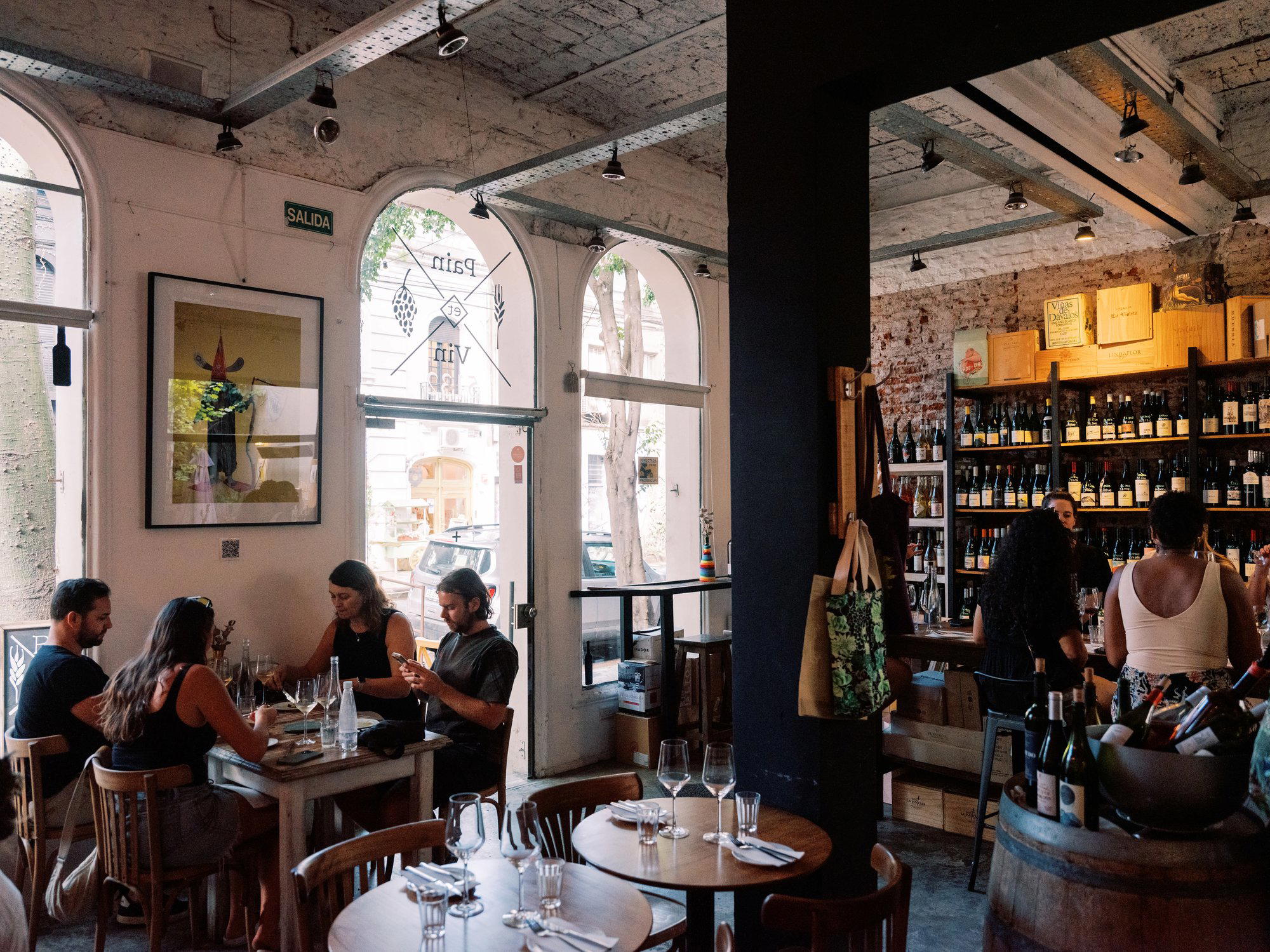
Palermo Soho and the Case for Afternoon Wine
Buenos Aires has a particular relationship with the afternoon hour that few other cities share. The city's bar culture doesn't fully wake until late, but in Palermo Soho, a stretch of Gorriti Street operates on a different clock. The neighbourhood's wine bars and natural-light dining rooms fill from around five in the evening with a crowd that has decided, correctly, that a glass of something Argentine is a better use of the late afternoon than anything else on offer. Pain et Vin, at Gorriti 5132, sits inside that tradition and has helped define it since opening in 2013.
The address places it within easy walking distance of the boutique shops and tiled facades that characterise Palermo Soho's residential-commercial grid. The physical environment is low-key by design: the kind of space where the wine gets the attention rather than the architecture. Arriving in the early evening, when the light through the front windows is still warm and the room is beginning to fill, the format reads immediately. This is a counter-and-table operation built around the logic of a wine tasting room, not a cocktail bar or a restaurant with a wine list as an afterthought.
Argentina's Regions, Bottle by Bottle
Argentina's wine geography is more varied than its export identity suggests. Malbec from Mendoza commands most of the international shelf space, but the country's wine-producing regions extend from the high-altitude valleys of Salta in the north, through San Juan, La Rioja, and Neuquén in Patagonia. Each zone produces something distinct: the Torrontés of Cafayate, the structured Cabernets of Luján de Cuyo, the cool-climate Pinot Noir coming out of the Río Negro valley. The challenge for any serious wine bar in Buenos Aires is how to present that range in a way that goes beyond a list.
Pain et Vin's answer since 2013 has been the sommelier-led tasting format, run every afternoon. The structure places a working sommelier in direct conversation with guests, walking through regional bottles with context attached: where the vineyard sits, what the altitude does to the acidity, why a particular producer in Cafayate is doing something different from the valley floor. This kind of guided access matters in a country where the gap between what gets exported and what stays in the domestic market is significant. Bottles that never reach international shelves are often precisely the ones that a well-positioned Buenos Aires wine bar can pour by the glass. If you want to understand what's happening in Salta beyond the export range, the conversation at this counter is a more efficient route than a wine shop shelf.
For broader context on Argentina's wine-producing towns, it's worth cross-referencing with spots like Chato's Wine Bar in Cafayate, which operates from within the Torrontés heartland, or Antares Mendoza and Colomé Winery in Molinos for the Calchaquí Valleys perspective. Pain et Vin occupies a different role: it brings that regional intelligence into the capital, where the tasting format makes comparison across zones possible in a single session.
Where It Sits in the Buenos Aires Wine Bar Scene
Buenos Aires has a well-developed bar culture that runs across several distinct formats. The city's cocktail bars, including Florería Atlantico, 878 Bar, and CoChinChina, have built reputations that extend well beyond Argentina. The Four Seasons operates at the hotel bar end of the spectrum. Pain et Vin doesn't compete in any of those tiers.
What distinguishes the specialist wine bar from a restaurant wine list or a casual corner bar is the degree of sourcing intelligence embedded in the offer. The sommelier-led format at Pain et Vin is a mechanism for transmitting that intelligence directly, which is a different proposition from handing a guest a categorised list and leaving them to it. The format has precedents in European wine bar culture, particularly in Paris and London, but it maps particularly well onto Argentine wine because the country's regional complexity is genuinely difficult to absorb without a guide. A guest who arrives knowing Malbec and leaves with a working understanding of San Juan's Bonarda or Patagonia's cool-climate whites has covered substantial ground.
The afternoon timing is also a structural commitment. Opening in the late afternoon rather than at lunch or dinner positions Pain et Vin as a stand-alone drinking destination rather than an extension of a meal. In a city where dinner rarely starts before nine and often runs past midnight, the afternoon slot is not a compromise: it is the core of the format. Come before you eat, not instead of eating.
Planning a Visit
Pain et Vin is at Gorriti 5132 in Palermo Soho, a neighbourhood well-served by remises and rideshare from any central Buenos Aires address. The tasting sessions run every afternoon, making it a natural stop before dinner in the neighbourhood or before moving on to the cocktail bars that define Palermo's later hours. Booking details are not published on a general platform; arriving on the earlier side of the afternoon window is the practical approach for anyone who wants a seat at the counter during the sommelier-led session rather than a table later in the evening. For a broader picture of where Pain et Vin sits within the city's drinking and dining options, see our full Buenos Aires restaurants guide.
For reference, the sommelier-guided format that Pain et Vin has operated since 2013 has an equivalent in serious wine-forward bars internationally. Operations like Kumiko in Chicago, Jewel of the South in New Orleans, Julep in Houston, and Bar Leather Apron in Honolulu share the principle that the person behind the counter should be a primary source of knowledge, not just a service function. Pain et Vin applies that principle to Argentine regional wine specifically, which gives it a clear and durable reason to exist in a city with no shortage of places to drink.
Comparison Snapshot
Comparable venues nearby, for context on price, style, and recognition.
| Venue | Cuisine | Price | Awards | Notes |
|---|---|---|---|---|
| Pain et VinThis venue — the venue you are viewing | wine_bar | $20–30 | Star Wine List | Not listed |
| Doppelganger Bar | cocktail_bar | $20–30 | Not listed | San Telmo |
| Boticario | speakeasy | $10–20 | Top 500 Bars Best Bars #484 | Palermo |
| Petit Colón | lounge | $20–30 | Not listed | Centro |
| Uptown | speakeasy | $30–50 | Top 500 Bars Best Bars #396 | Palermo |
| Lardito | wine_bar | $50–100 | Star Wine List | Chacarrita |
Recognition history
Dated appearances from independent guides and award organizations, with the underlying list record or original source where available.
Star Wine List
Star Wine List
Continue exploring
More in Buenos Aires
Bars in Buenos Aires
Browse all →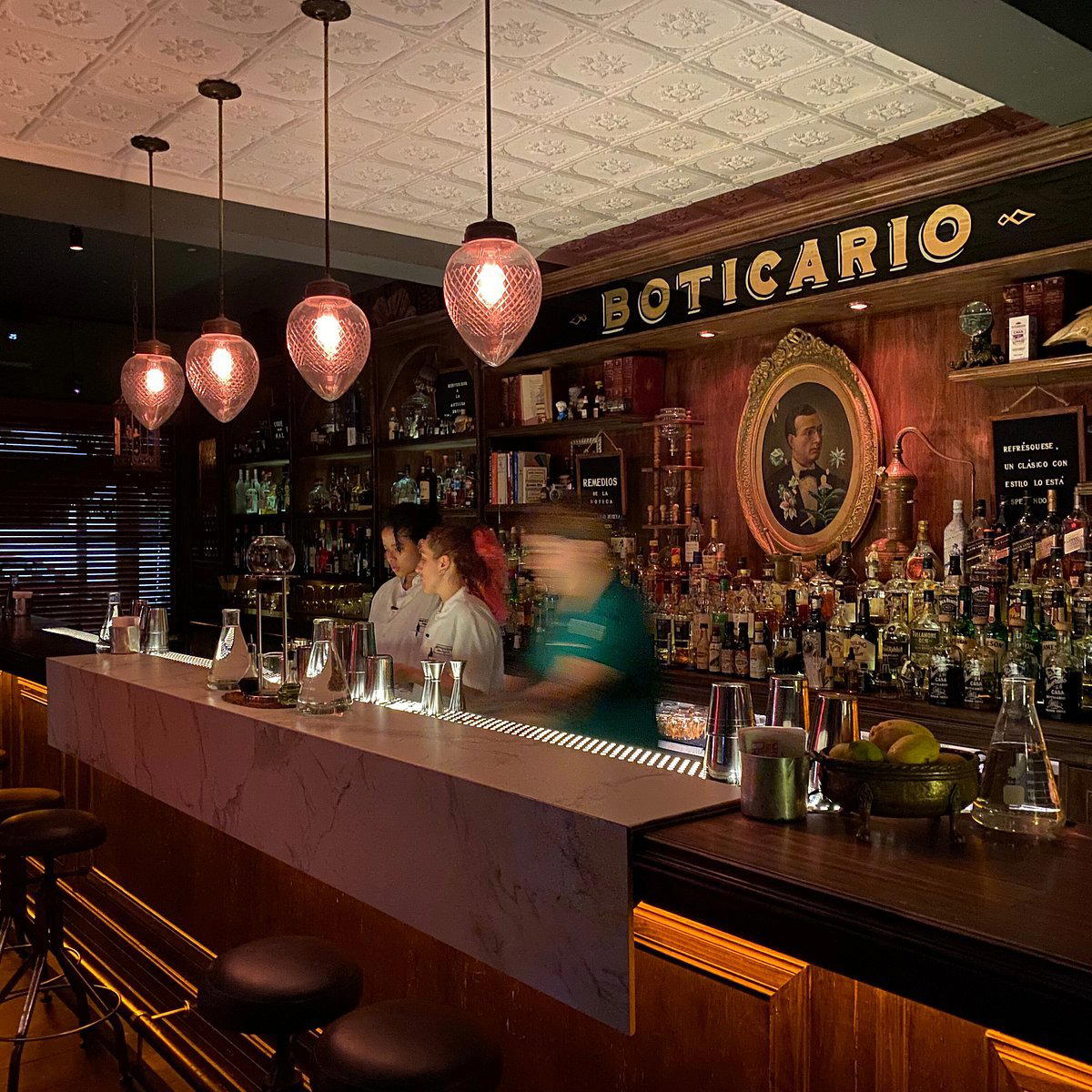
Restaurants in Buenos Aires
Browse all →
Hotels in Buenos Aires
Browse all →
Wineries in Buenos Aires
Browse all →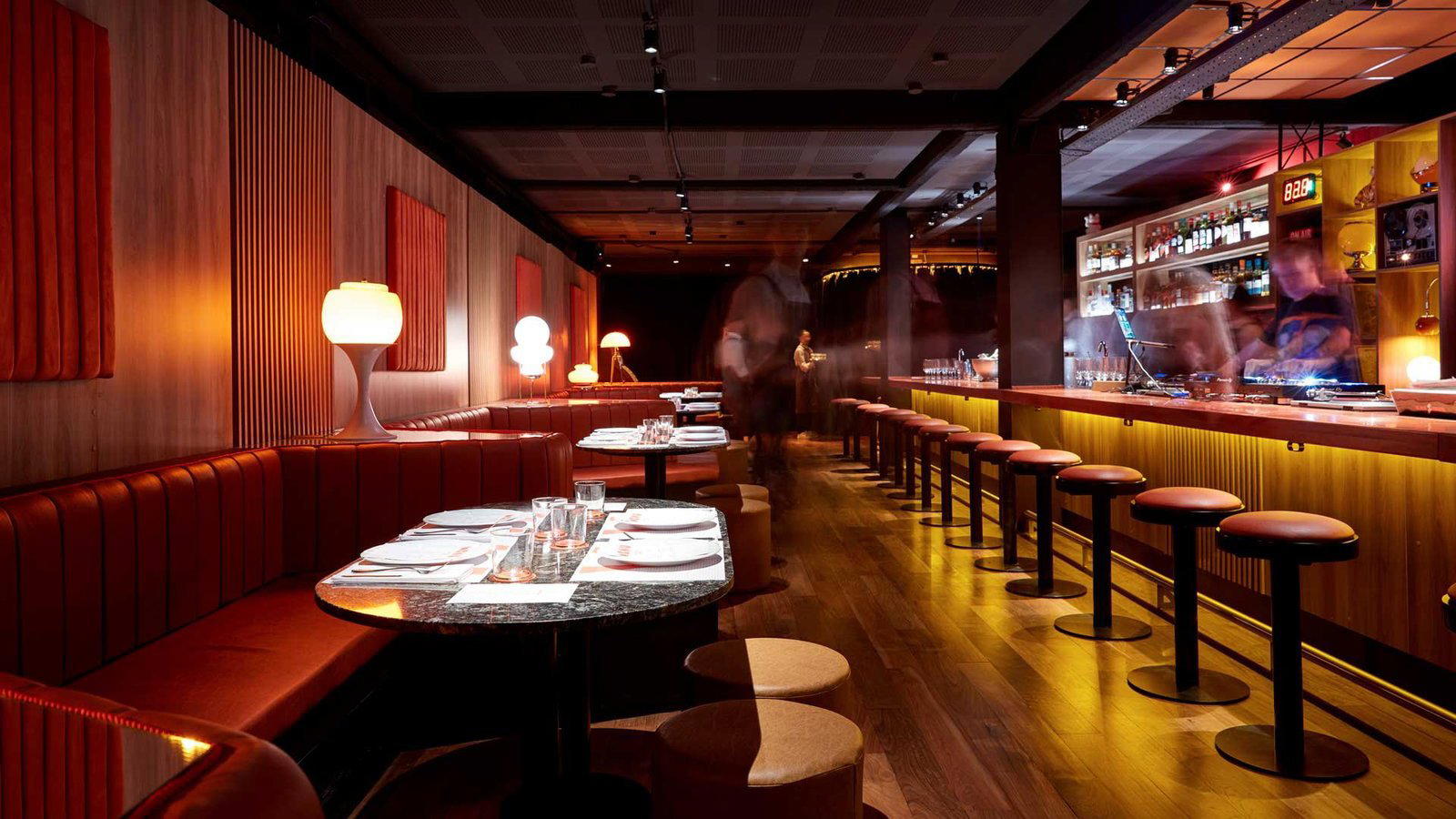
Details
- Cozy
- Intimate
- Elegant
- Date Night
- Casual Hangout
- Standalone
- Lounge Seating
- Outdoor Terrace
- Conventional Wine
- Natural Wine
Current opening hours
- Monday
- Closed
- Tuesday
- Closed
- Wednesday
- 4 PM–12 AM
- Thursday
- 4 PM–12 AM
- Friday
- 4 PM–12 AM
- Saturday
- 4 PM–12 AM
- Sunday
- 4 PM–12 AM
Hours can change for holidays and private events. Last verified .
Sunny, airy, and inviting with a cozy, relaxed atmosphere conducive to socializing and wine tasting.