Las Balsas Restaurant

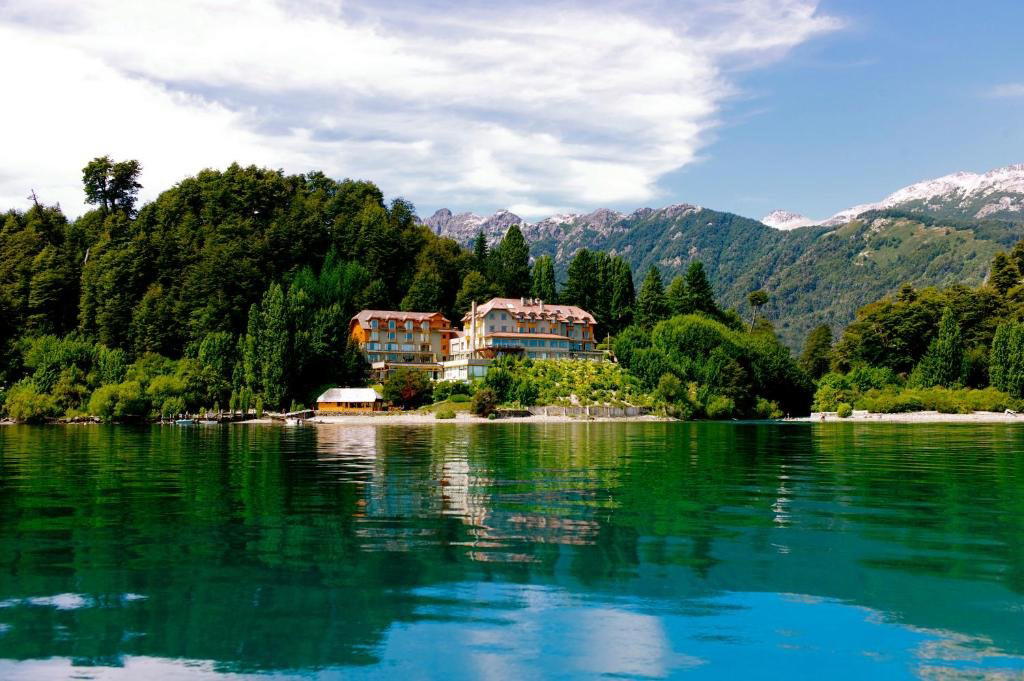
Las Balsas Restaurant sits on the shore of Lago Correntoso in Villa La Angostura, where Chef Christian Coutarel's kitchen draws directly from the cold-water and forest terroir of Argentine Patagonia.
Pearl is the En Primeur Club membership app — saves, bookings, and concierge access live there. Same editors, same standards.
- Address
- Cabellera de la Berenice 445, Q8407ZCA Villa La Angostura, Neuquén, Argentina
- Phone
- +54 9 294 467-9843
- Website
- lasbalsas.com
- Directions
- Get directions
 Saves & bookings on Pearl
The Lake District Table: Where Patagonian Terroir Sets the Terms
Las Balsas Restaurant in Villa La Angostura serves Patagonian Fine Dining on the edge of Lago Correntoso, with Chef Christian Coutarel at the helm. In Argentine Patagonia, that category is small and selective. Villa La Angostura sits roughly 80 kilometres from Bariloche along Route 231, a town that functions more as a base for the Nahuel Huapi National Park than as a dining destination in its own right. Against that backdrop, Las Balsas Restaurant, positioned at the edge of Lago Correntoso on Cabelera de la Berenice 445, operates as one of the more serious expressions of what Patagonian cuisine can actually mean when it commits to the local larder rather than defaulting to generic South American fine dining tropes.
What Patagonian Terroir Actually Means on the Plate
That framing is not incidental. Patagonian cuisine at its most considered draws from a specific and unusual larder: cold, clear glacial lake water that produces trout and pejerrey of distinct texture; native Mapuche culinary traditions built around smoked meats, wild herbs, and root preparations; and the kind of short, intense growing season that concentrates flavour in berries, mushrooms, and aromatics. Chef Christian Coutarel works within this context, and that alignment between kitchen and geography is central to the restaurant's identity.
It is worth situating this within a broader Argentinian fine dining conversation. The country's premium restaurant identity is dominated by Buenos Aires addresses. Don Julio in Buenos Aires has become a global reference point for the asado tradition, while modern Argentinian cooking in the capital pushes toward creative tasting formats. Regional restaurants in the lake district operate on different terms entirely: the market is smaller, the supply chains more local by necessity, and the competition set is defined by lodge dining and tourist-facing kitchens that rarely interrogate their own geography. Las Balsas occupies a different position, one closer to what EOLO in El Calafate attempts further south in Santa Cruz, or what Awasi Iguazu does in the subtropical north: a lodge-adjacent kitchen that takes the regional ingredient story seriously enough to make it the meal's organising principle.
The Context of Lodge Dining in Argentina's Patagonia
Across Argentina's premium lodge circuit, from the wine country addresses like Cavas Wine Lodge in Alto Agrelo to the estancia tables of La Bamba de Areco, the leading kitchens treat their geographic context as a starting point rather than mere backdrop. The lake district presents a specific opportunity: cold-smoked trout, wild boar, lamb raised on windswept Andean grasslands, and foraged ingredients that cannot be replicated outside this altitude and latitude. When a kitchen in Villa La Angostura is designated for terroir expression, it means the menu makes the argument for why you are eating here and not in Buenos Aires. That argument is geographic and ingredient-led.
The comparison set internationally is instructive. Restaurants in Scandinavian and Pacific Northwest traditions built their reputations on exactly this kind of hyper-local sourcing before it became a global fine dining standard. In Argentina, the conversation has been slower to move outside the capital.
How Las Balsas Sits in the Regional Dining Field
Argentina's more prominent tasting-menu addresses, including the Buenos Aires contemporary circuit and the Mendoza wine country tables like Azafrán, share a certain urban or wine-tourism orientation that shapes what ends up on the plate. The Patagonian lake district runs on different rhythms. Proximity to the Chilean border along Route 231, the Andean crossing dynamic, and the seasonal tourism patterns around skiing at Cerro Bayo in winter and trekking in summer mean the audience is mixed: Argentine travellers, international visitors, and a smaller number of residents for whom this is simply the area's serious dining option.
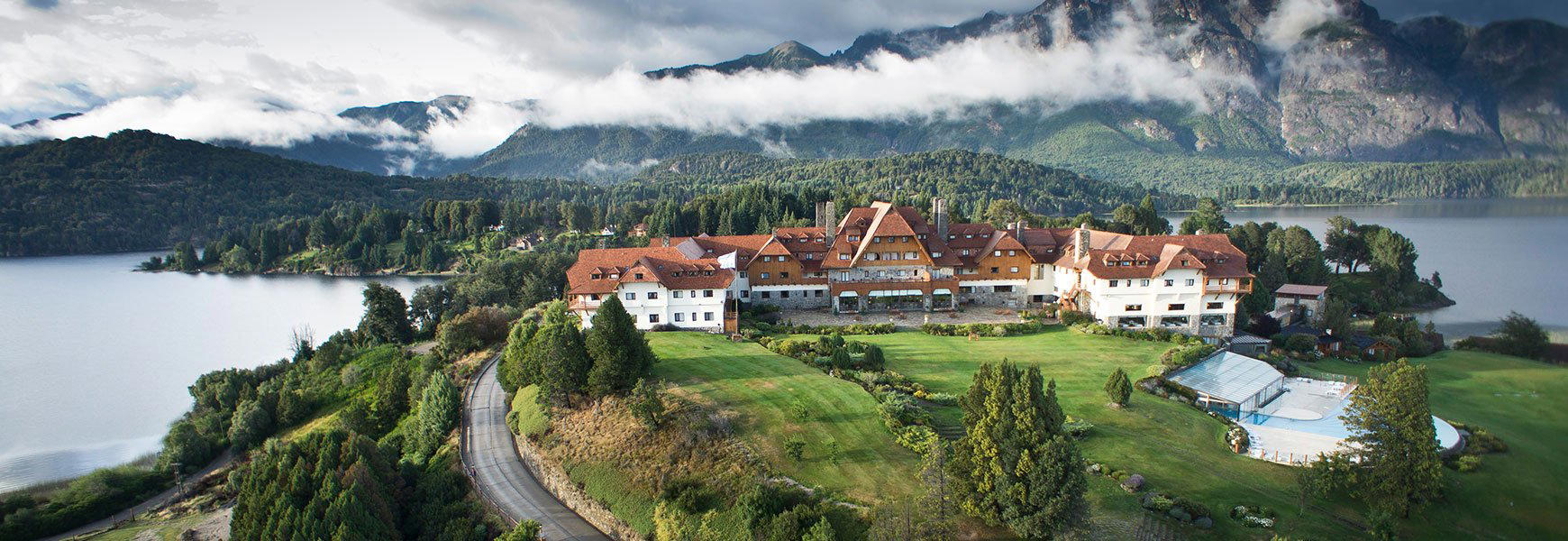
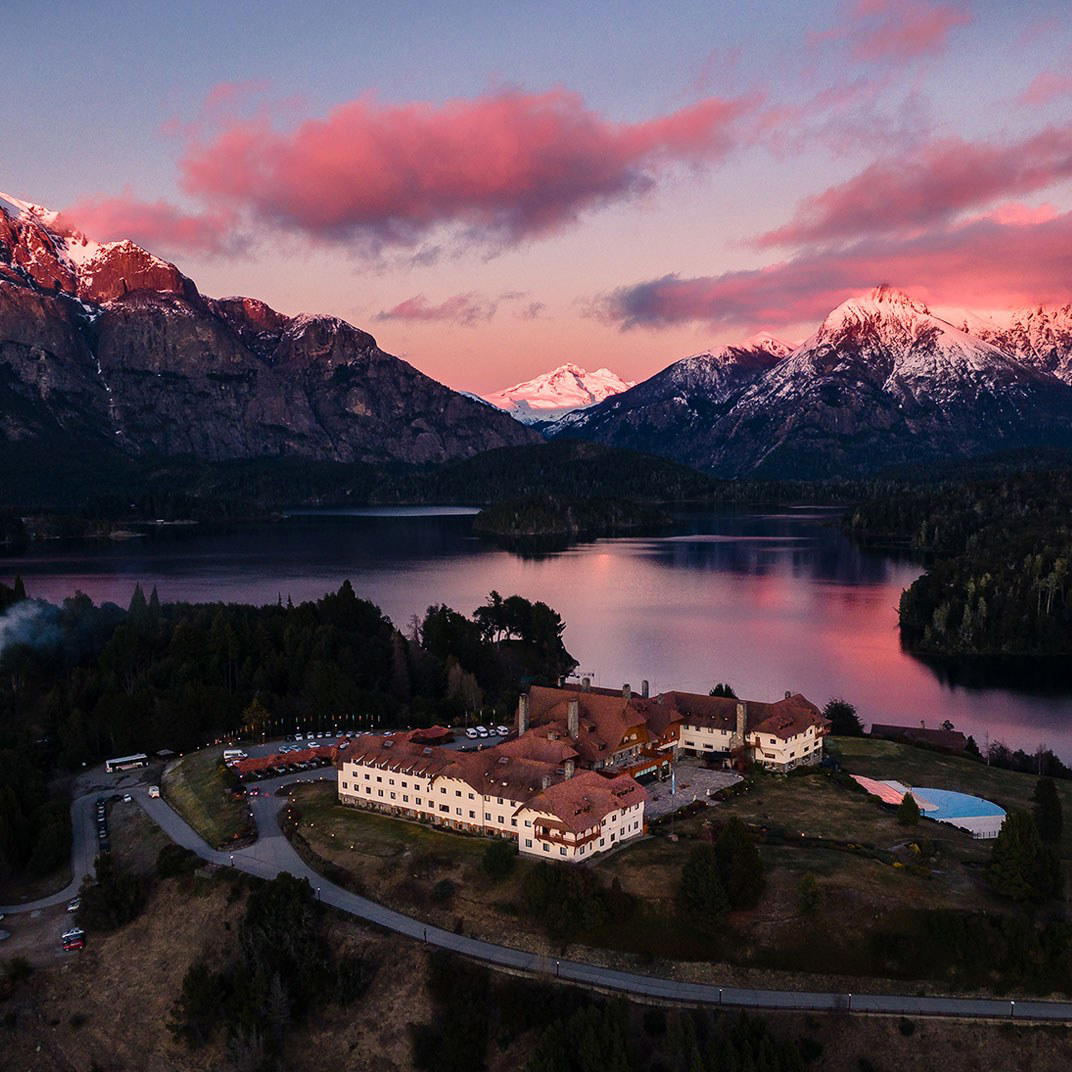
For visitors arriving from Bariloche, the roughly 80-kilometre drive along Route 231 is itself part of the positioning. After the Cerro Bayo signage, the left turn onto Caballera de la Berenice situates the restaurant on lake's edge, with the water and the Andes providing the physical register that the menu then engages with. There is a category of restaurants, found in places like La Table de House of Jasmines in La Merced Chica or El Colibri in Santa Catalina, where the landscape is so present that the dining room functions as its continuation. Las Balsas belongs to that tier of Argentine restaurant where the setting is not decorative but structural.
Planning a Visit
Getting to Villa La Angostura from the closest commercial airport at San Carlos de Bariloche takes approximately one hour by car. The GPS coordinates for Las Balsas are -40.7799, -71.6294, placing it just outside the town centre along the lakefront road. Reservations are recommended. The seasonal calendar in Patagonia runs toward peak summer (December through February) and winter ski periods (July through August), and both periods place pressure on availability at the area's more considered dining options.
Fast Comparison
Comparable venues nearby, for context on price, style, and recognition.
| Venue | Cuisine | Price | Notes |
|---|---|---|---|
| Las Balsas RestaurantThis venue — the venue you are viewing | Patagonian Fine Dining | $$$$ | Not listed |
| Chuchú | International | $$ | Retiro |
| Chila | Modern New Argentine Fine Dining | $$$$ | Puerto Madero |
| Angélica Cocina Maestra | Modern Creative Argentine | $$$$ | Agrelo |
| Caliú Bariloche | Mediterranean with Argentine influences | $$ | Centro |
| Alto el Fuego - Estación de Tren | Argentine Asado & Patagonian Grill | $$$ | San Carlos de Bariloche |
Recognition history
Dated appearances from independent guides and award organizations, with the underlying list record or original source where available.
Relais Chateaux Award
Relais Chateaux
Continue exploring
More in Villa La Angostura
Restaurants in Villa La Angostura
Browse all →
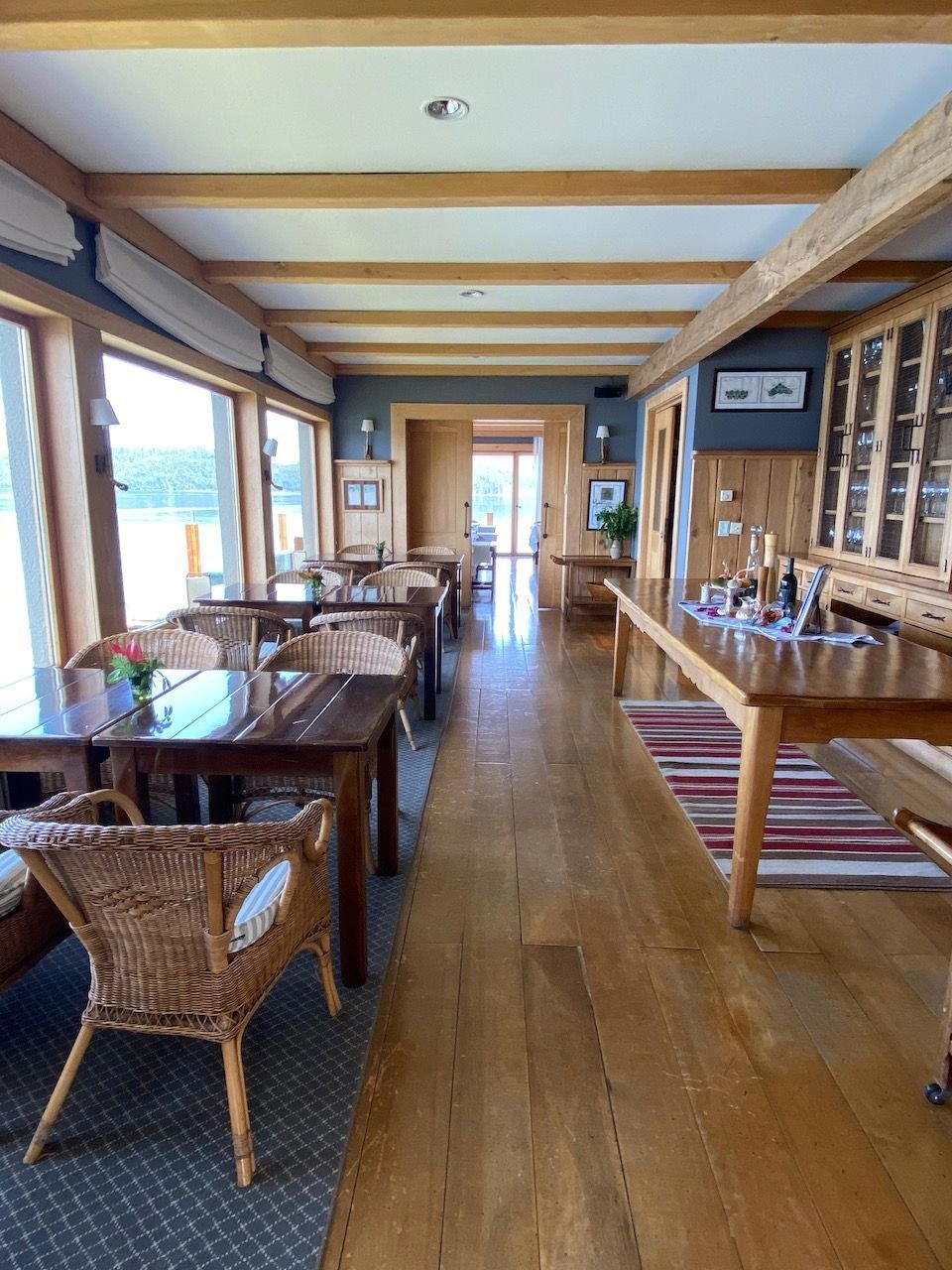
Bars in Villa La Angostura
Browse all →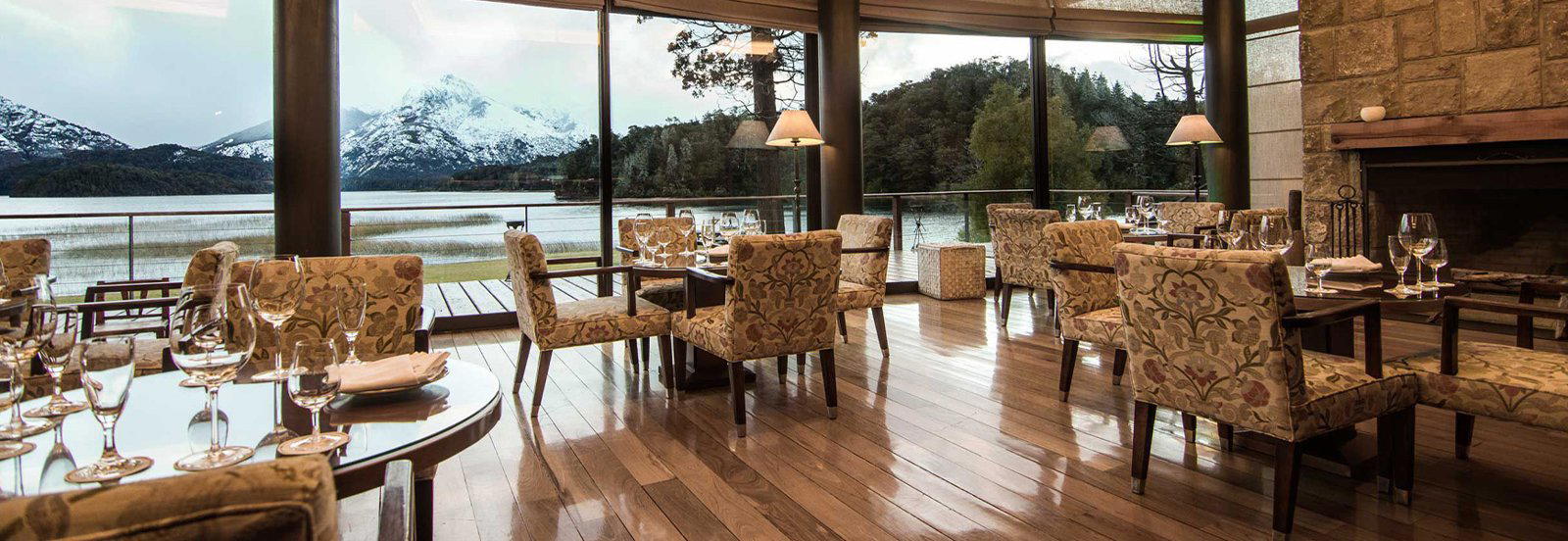
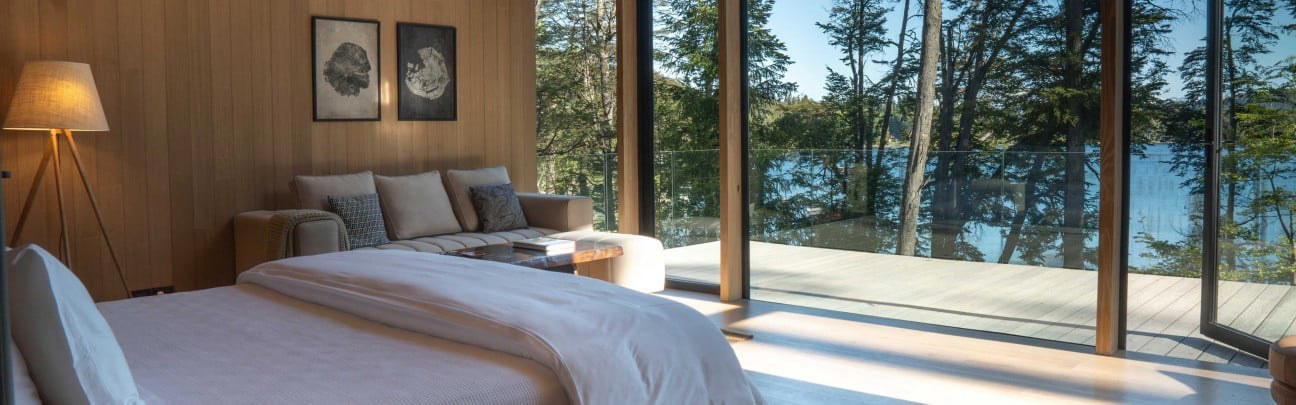
At a Glance
- Romantic
- Elegant
- Scenic
- Cozy
- Sophisticated
- Date Night
- Special Occasion
- Waterfront
- Hotel Restaurant
- Panoramic View
- Extensive Wine List
- Sommelier Led
- Local Sourcing
- Waterfront
- Mountain
- Garden
Current opening hours
- Monday
- 7:30 AM–10:30 PM
- Tuesday
- 7:30 AM–10:30 PM
- Wednesday
- 7:30 AM–10:30 PM
- Thursday
- 7:30 AM–10:30 PM
- Friday
- 7:30 AM–10:30 PM
- Saturday
- 7:30 AM–10:30 PM
- Sunday
- 7:30 AM–10:30 PM
Hours can change for holidays and private events. Last verified .
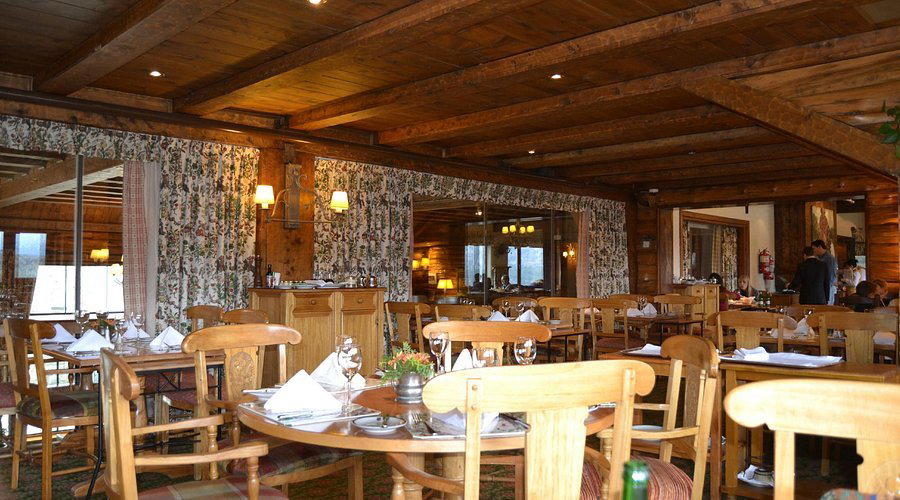
Elegant and cozy atmosphere with warm lighting, stone walls, open hearths, and serene lakefront setting praised for its romantic and peaceful vibe.