Café San Juan
On a quiet corner of San Telmo, Café San Juan occupies a particular position in Buenos Aires dining: neither the white-tablecloth formality of the city's steakhouse circuit nor the austerity of its modern tasting-menu rooms, but something in between. The kitchen draws on the neighbourhood's mercado traditions while the floor operates with a coordination that suggests a tightly rehearsed ensemble rather than a conventional service team.
Pearl is the En Primeur Club membership app — saves, bookings, and concierge access live there. Same editors, same standards.
- Address
- Chile 474, C1098 Cdad. Autónoma de Buenos Aires, Argentina
- Phone
- +541162953349
- Directions
- Get directions
 Saves & bookings on Pearl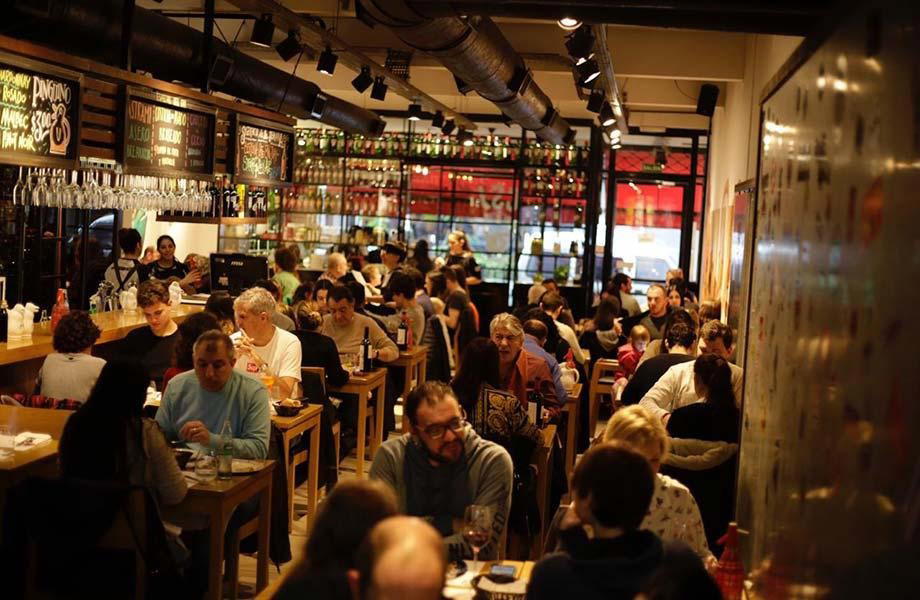
San Telmo's Middle Register
Buenos Aires dining tends to resolve into poles. At one end sit the grand parrillas, places like Don Julio, where the protocol of the asado is as fixed as the wine list is deep. At the other, a younger generation of chefs has built austere tasting-menu rooms, tightly controlled experiences that reference the city while reaching toward the same international creative register as Aramburu and Trescha. Café San Juan at Chile 474 operates in neither register. It sits in San Telmo, a neighbourhood that retains more of its early twentieth-century working-class texture than the polished streets of Palermo, and the room reflects that: worn surfaces, close tables, a level of noise that makes the place feel inhabited rather than curated.
What makes San Telmo worth paying attention to as a dining district is precisely this resistance to cosmetic renovation. The Sunday feria on Plaza Dorrego pulls tourists through, but the streets east and west of it sustain a local restaurant economy that runs on regulars and word-of-mouth. Café San Juan has existed within that economy long enough to be read as part of the neighbourhood's fabric rather than an intervention in it.
How the Floor Works
The editorial angle that keeps surfacing among those who know the room is not any single dish or decorative choice but the coordination between the people running the space. Buenos Aires dining culture is not always celebrated for service choreography; the tradition runs more toward warmth and informality than precision. What Café San Juan appears to have done is hold onto the warmth while adding a layer of internal organisation that makes the experience feel considered. The table is aware of what is happening around it without the floor team making that awareness visible.
This kind of ensemble operation, where the sommelier reads the table's pace before the guests articulate it and the kitchen sends courses at a rhythm that matches conversation rather than fighting it, is what separates a neighbourhood room that becomes a reference point from one that merely survives. You see versions of this dynamic at tighter, more expensive operations like Crizia and Anafe, where the format itself demands it. At Café San Juan, the informality of the room means the coordination has to work harder to be felt without being seen.
For comparison outside Argentina, the category of restaurant that runs a technically calibrated floor inside a deliberately unpretentious room is well-established in cities like San Francisco, where Lazy Bear has made the communal-table format into a study in kitchen-front-of-house alignment, or in New York, where Le Bernardin represents the opposite pole: formality as the container for precision. Café San Juan sits much closer to the former sensibility than the latter.
The Kitchen's Vocabulary
Argentina's restaurant culture has spent the last decade negotiating between its European inheritance, specifically Italian and Spanish immigrant cooking that shaped the country's food from the late nineteenth century onward, and a more recent interest in regional and indigenous ingredients. San Telmo's mercado, a few blocks from Chile 474, has long been a reference point for produce that connects to that older tradition: offal, dried pulses, salt cod, cured meats alongside the expected cuts. Cafés and informal restaurants in this part of the city have historically drawn from that supply chain rather than the premium import networks that feed higher-end kitchens uptown.
What this means in practice is that the food at Café San Juan tends to read as honest in the specific sense that the ingredients are recognisable and the technique serves them rather than transforming them beyond recognition. This is a distinct position from the creative elaboration on offer at Aramburu or the pristine protein focus of the parrilla circuit. It is closer in spirit to what Anafe does in Palermo: a contemporary idiom that respects the source material without disappearing into nostalgia for it.
Argentina Beyond Buenos Aires
Visitors to Café San Juan are often moving through a broader Argentine itinerary, and it is worth contextualising the Buenos Aires dining scene against what the rest of the country offers. Mendoza's wine-country restaurants, including Azafrán in the city and estate restaurants like Cavas Wine Lodge in Alto Agrelo and Entre Cielos in Luján de Cuyo, operate in a completely different register: the meal is inseparable from the vineyard setting and the Malbec-forward list. In the northwest, La Table de House of Jasmines anchors a very different kind of hospitality entirely. The Patagonian lake district has its own vocabulary, as Las Balsas Restaurant in Villa La Angostura demonstrates.
Buenos Aires itself, as our full Buenos Aires restaurants guide covers in more depth, is a city where the density of good restaurants in a few square kilometres means that decisions are made by neighbourhood mood as much as by category. San Telmo positions Café San Juan as a specific kind of choice: you are choosing texture over refinement, proximity over destination-dining distance, a room that feels like part of the city over one that feels sealed off from it. Elsewhere in the province, options like Los Talas del Entrerriano in General San Martín or La Bamba de Areco extend the gaucho-tradition register into a day-trip or weekend frame. Café San Juan is none of those things. It is a city restaurant in the fullest sense: dependent on foot traffic, neighbourhood loyalty, and the kind of consistency that earns repeat visits rather than first-timer pilgrimages.
Planning a Visit
Chile 474 places Café San Juan within easy walking distance of the San Telmo Mercado and the pedestrian streets that connect to the waterfront along the old port area. The neighbourhood is leading approached in the evening, when the antique market foot traffic has thinned and the restaurants come into their own. Given that the room operates at close quarters and the floor team is managing a high density of covers, arriving without a reservation on busy evenings carries real risk. Buenos Aires dining culture has moved toward advance booking more firmly in recent years, particularly at rooms that have established a following. First-time visitors should consult current booking channels before arriving on the assumption that walk-ins are reliably accommodated.
For those building a wider Buenos Aires dining itinerary, Café San Juan works well as an early-week option when competition for covers at the city's more prominent rooms is highest. The San Telmo location also pairs naturally with afternoon time in the neighbourhood before the evening service, giving the visit a context that a destination taxi-ride cannot replicate.
How Café San Juan Buenos Aires compares with similar nearby venues.
| Venue | Cuisine |
|---|---|
| La Brigada | Argentinian Steakhouse |
Continue exploring
More in Buenos Aires
Restaurants in Buenos Aires
Browse all →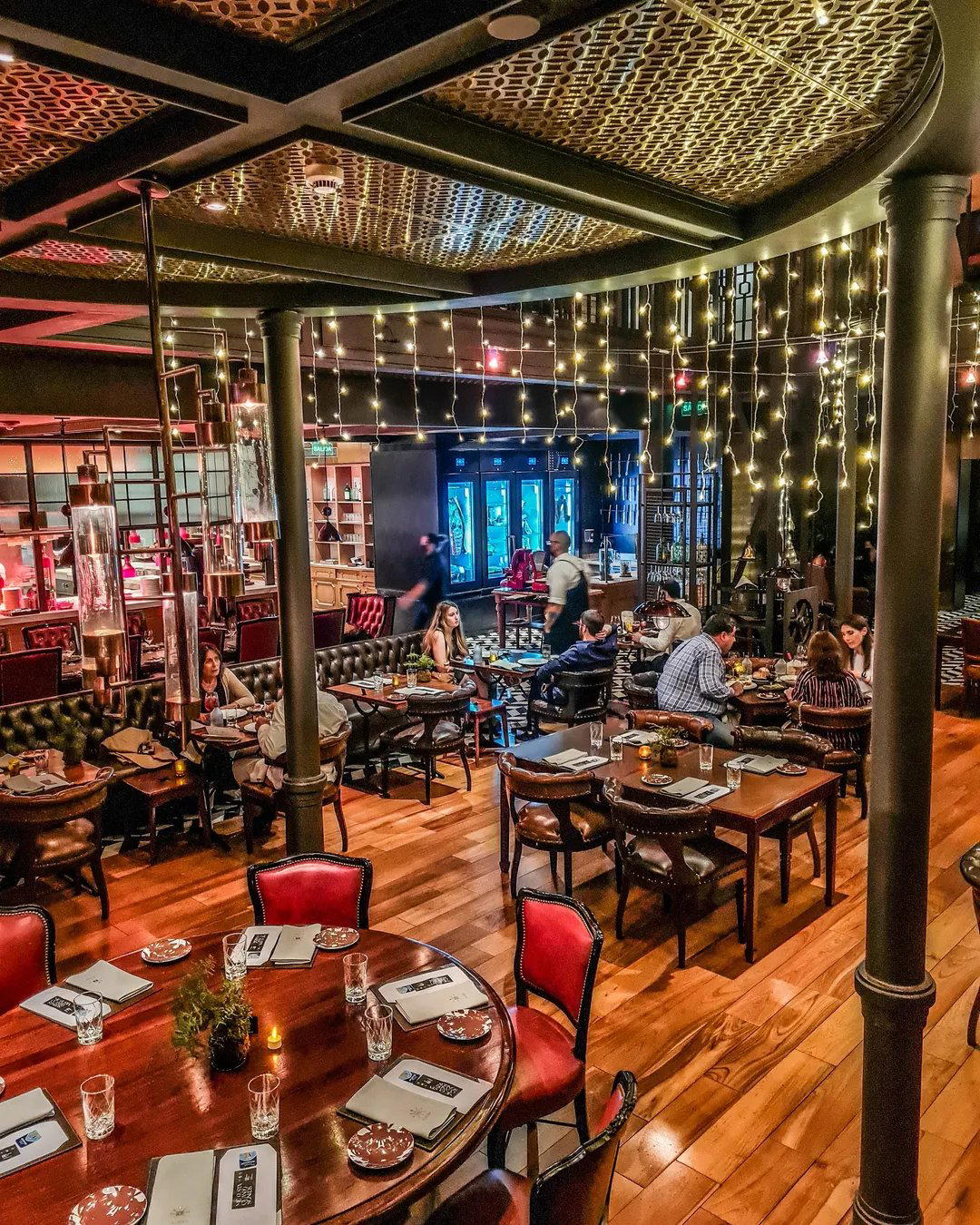
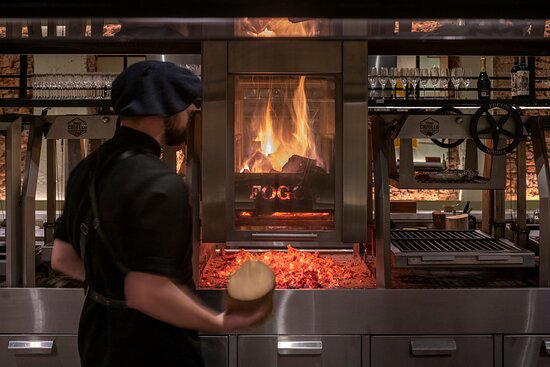
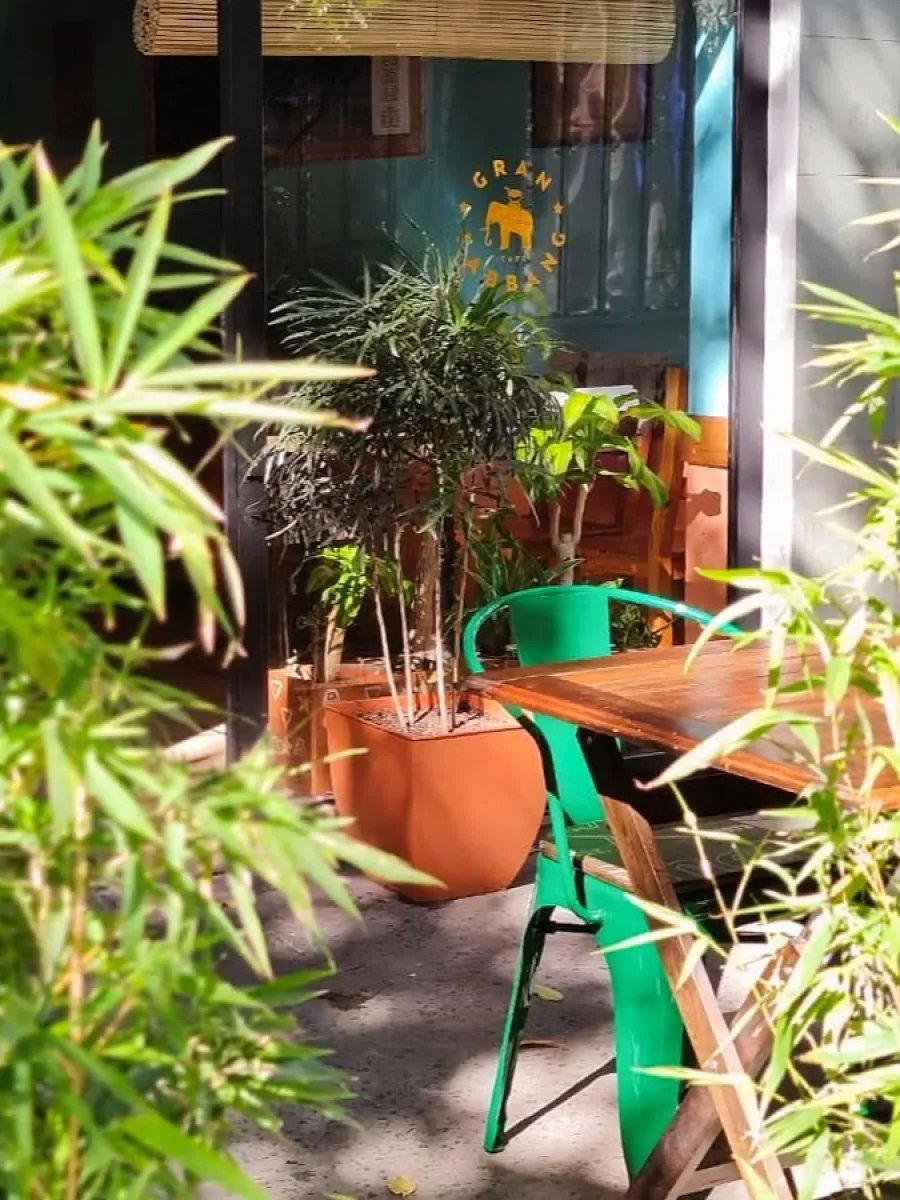
Bars in Buenos Aires
Browse all →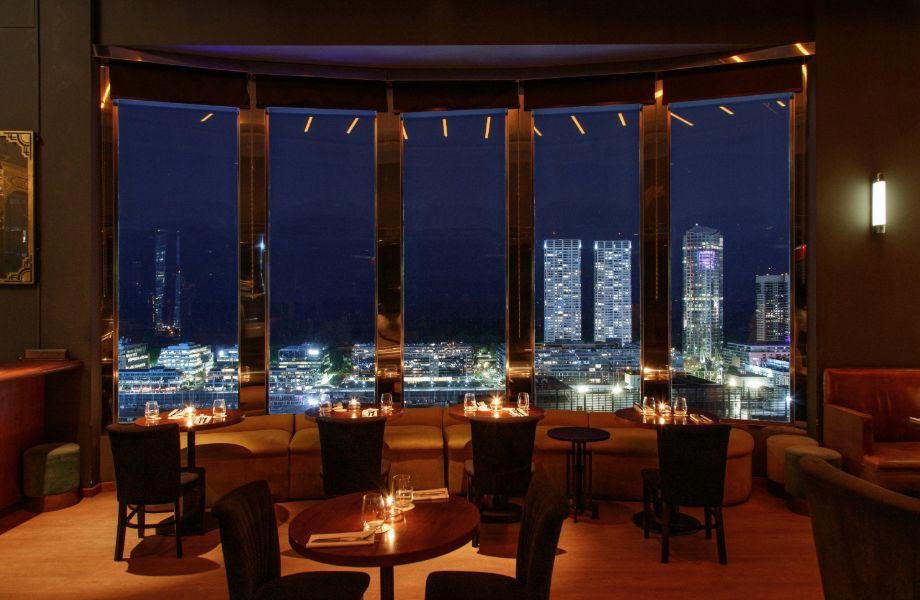
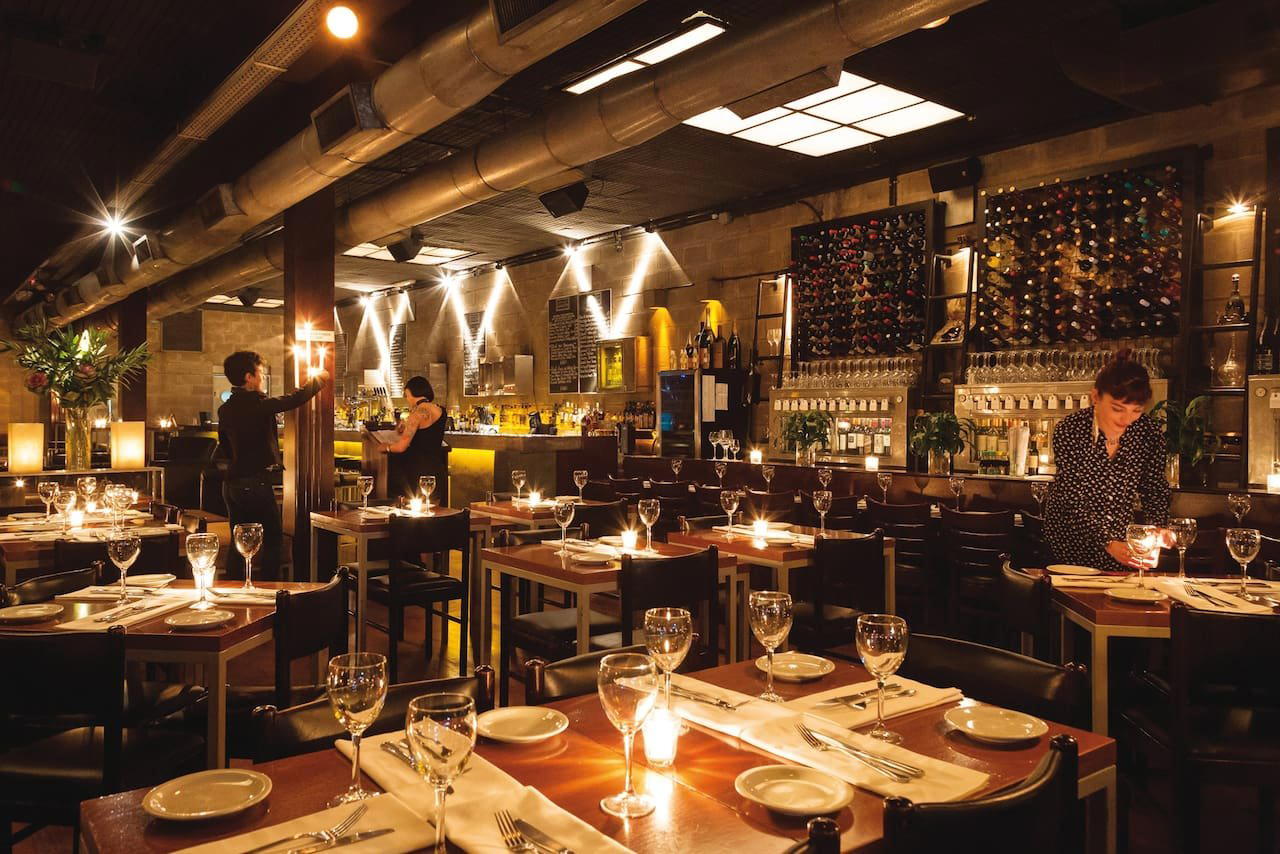
Hotels in Buenos Aires
Browse all →
Wineries in Buenos Aires
Browse all →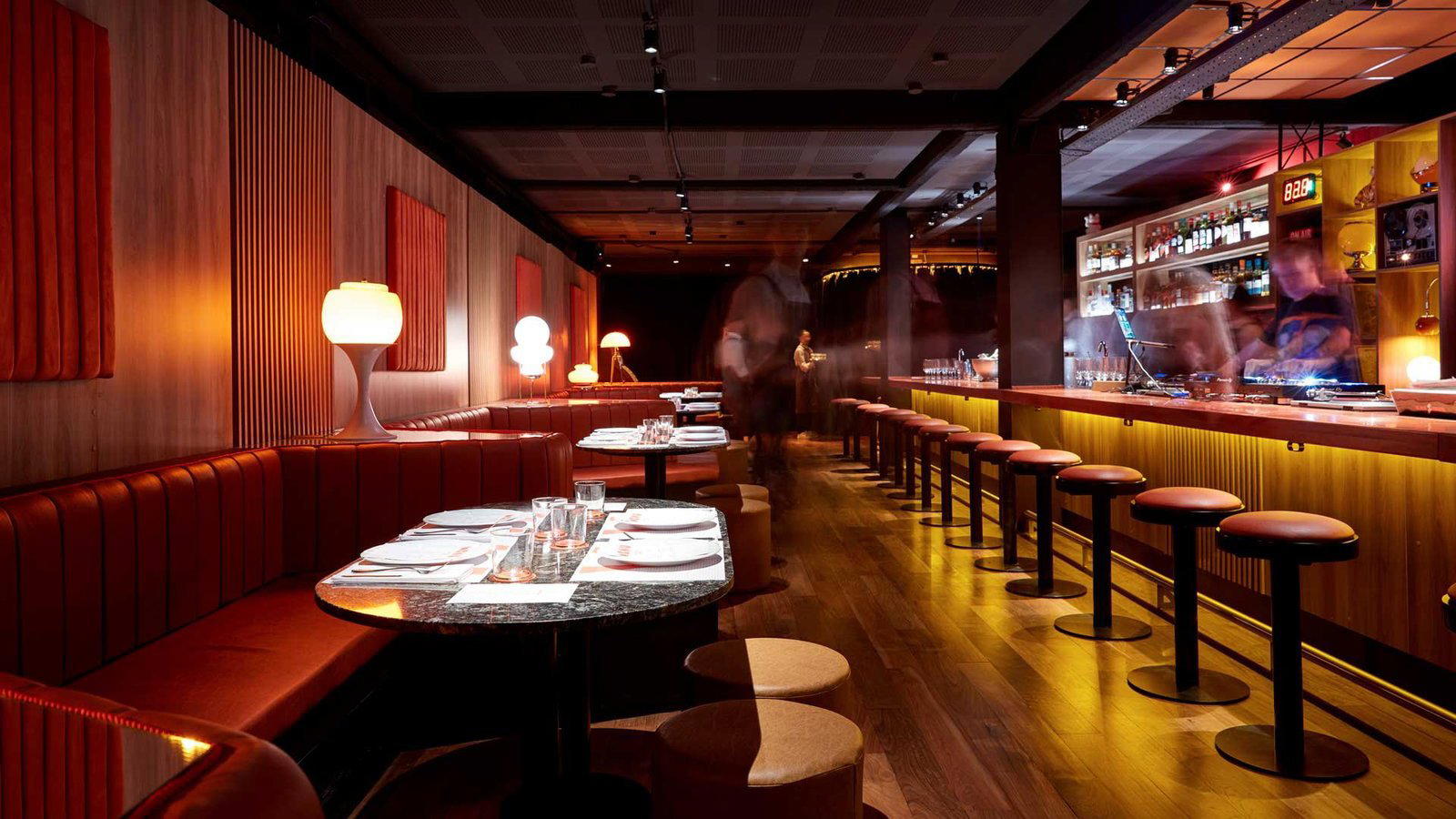
At a Glance
- Lively
- Trendy
- Cozy
- Casual Hangout
- Late Night
- Open Kitchen
- Terrace
- Local Sourcing
- Street Scene
Current opening hours
- Monday
- Closed
- Tuesday
- 7:30 PM–12 AM
- Wednesday
- 7:30 PM–12 AM
- Thursday
- 7:30 PM–12 AM
- Friday
- 7:30 PM–12 AM
- Saturday
- 7:30 PM–12 AM
- Sunday
- 12:30–4 PM
Hours can change for holidays and private events. Last verified .
Lively atmosphere with happy hum of conversation on the terrace and air-conditioned interior featuring black-and-white chequerboard flooring, red seating, and views of the open kitchen.
Know Before You Go
- Getting there
- Chile 474, C1098 Cdad. Autónoma de Buenos Aires, Argentina