Agrelo
Agrelo sits at the heart of Luján de Cuyo's wine country, where high-altitude viticulture and agricultural tradition shape the plate as much as the cellar. The district has become a reference point for ingredient-driven cooking that draws directly from Mendoza Province's ranches, market gardens, and vineyards. For travellers moving through Argentina's wine country, Agrelo represents the productive core of that story.
Pearl is the En Primeur Club membership app — saves, bookings, and concierge access live there. Same editors, same standards.
- Address
- Mendoza Province, Argentina
- Directions
- Get directions
 Saves & bookings on Pearl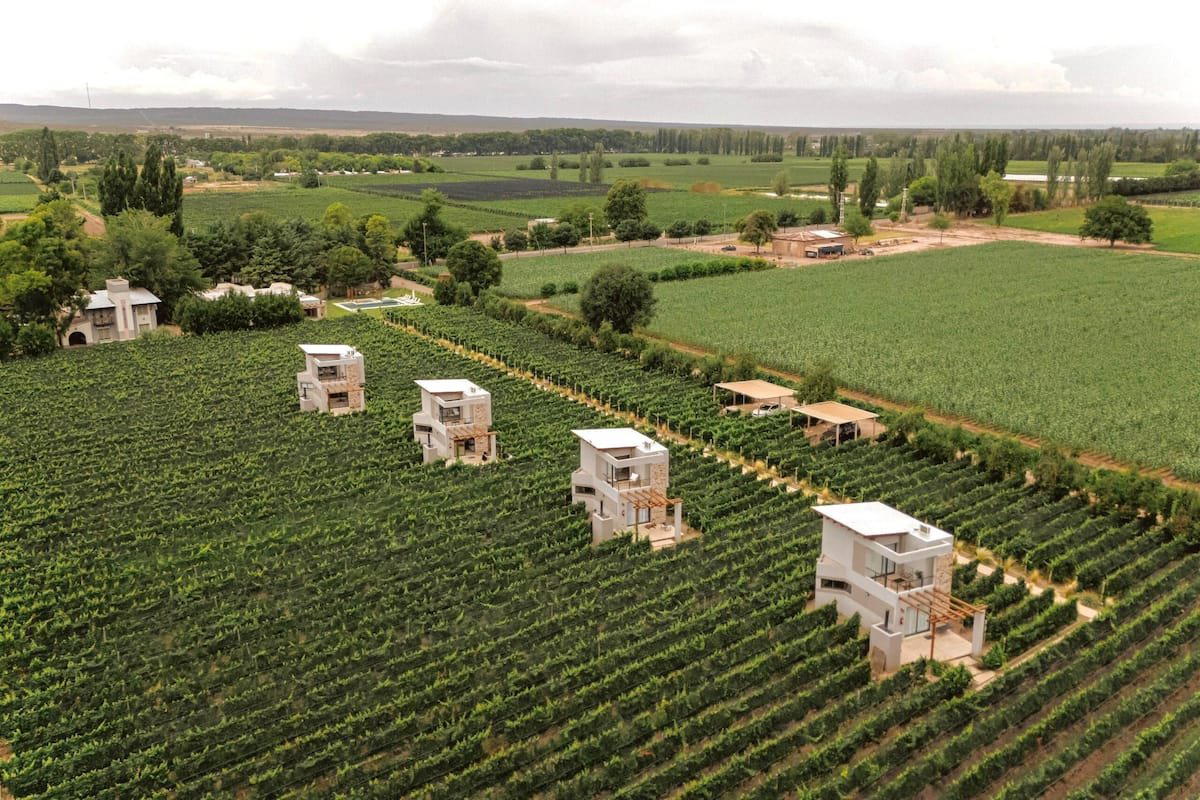
Where the Vineyard Begins
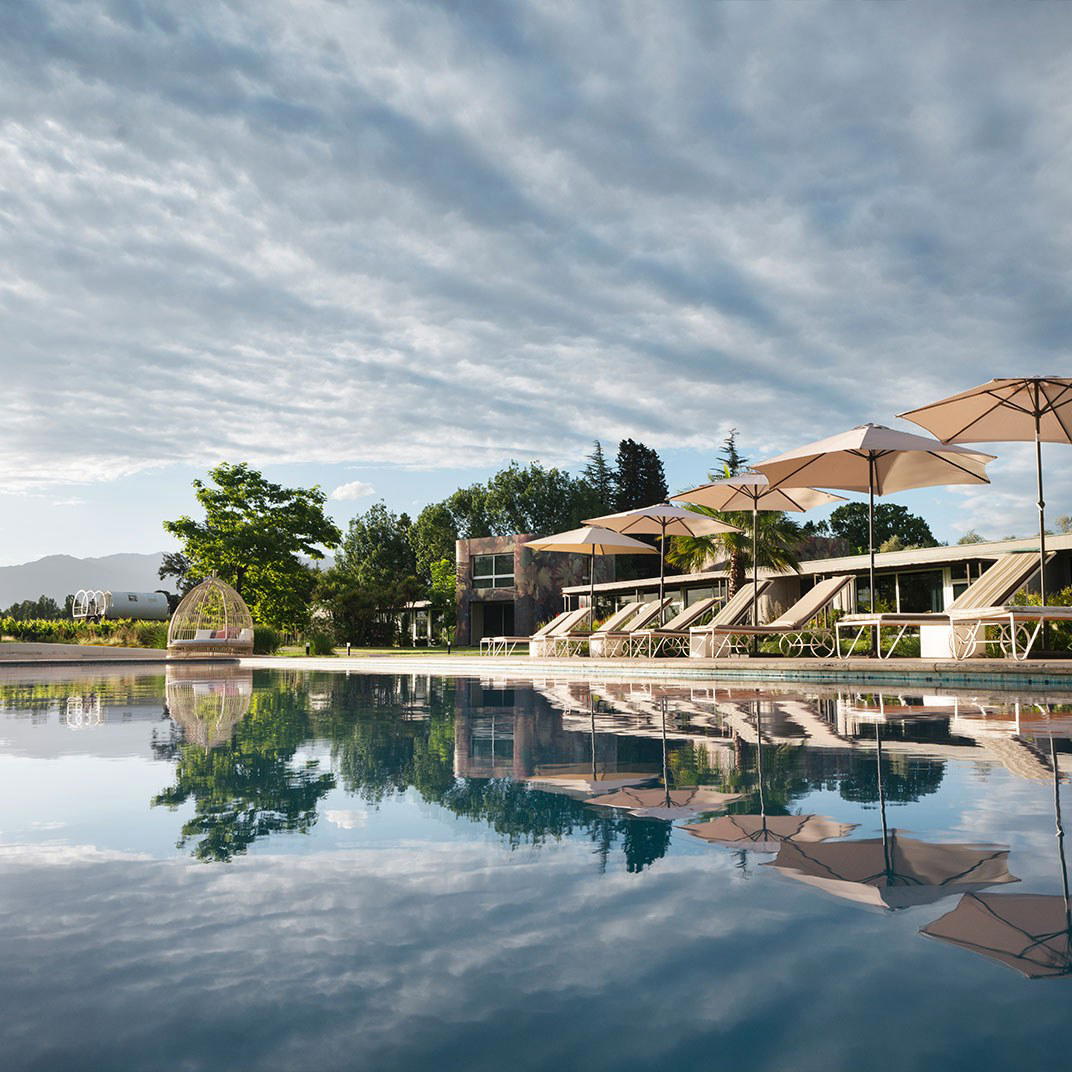
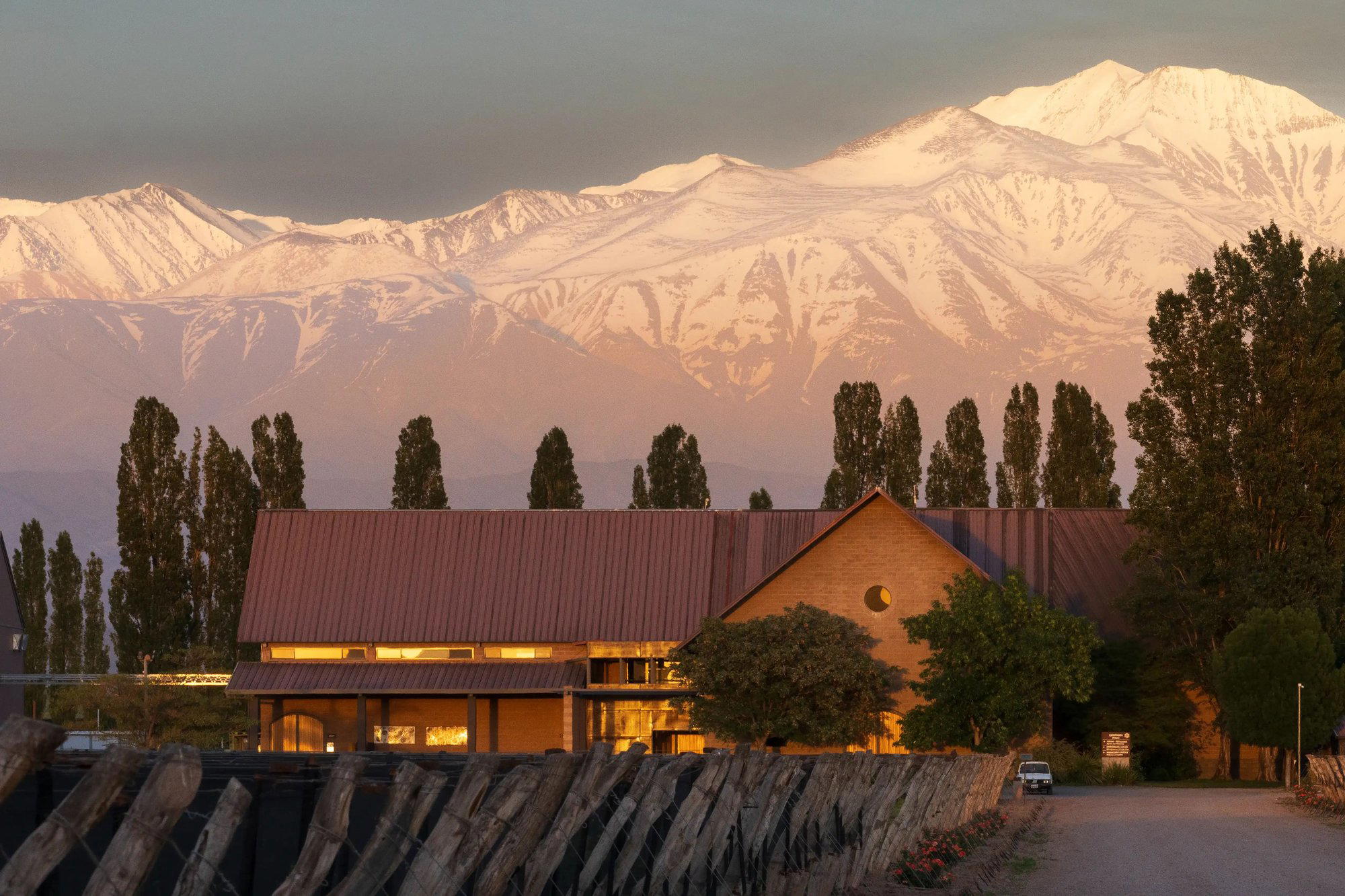
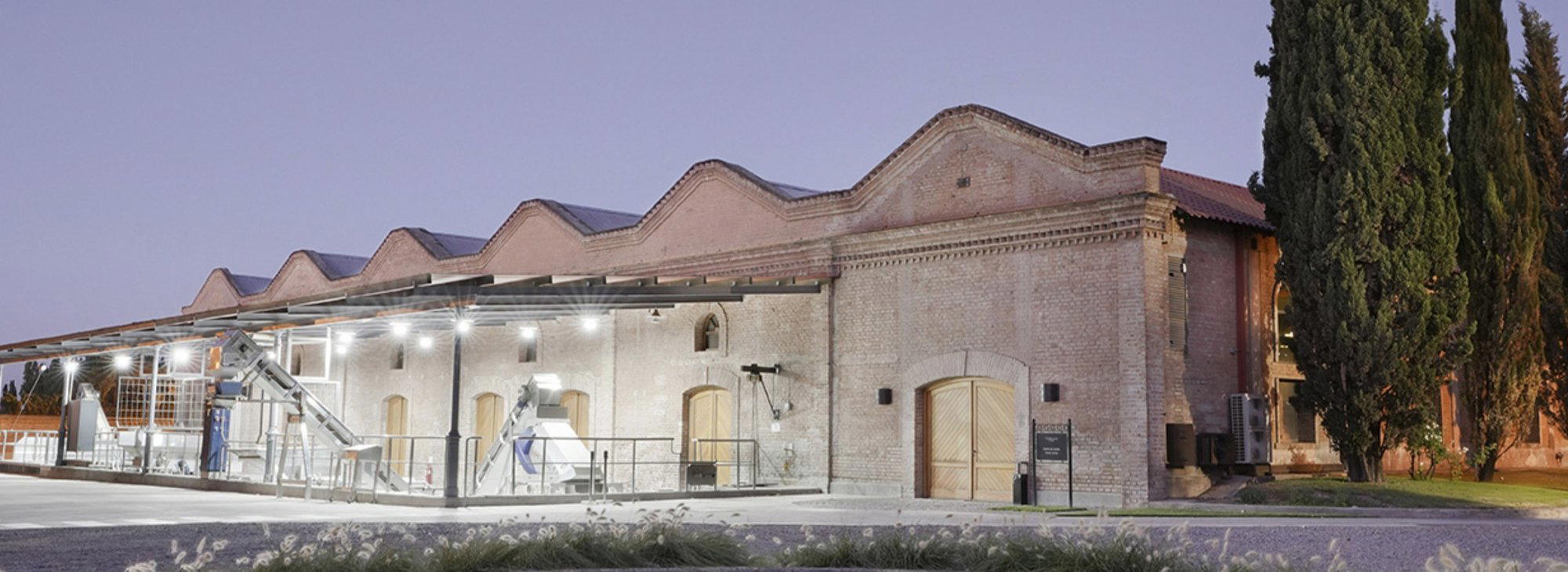
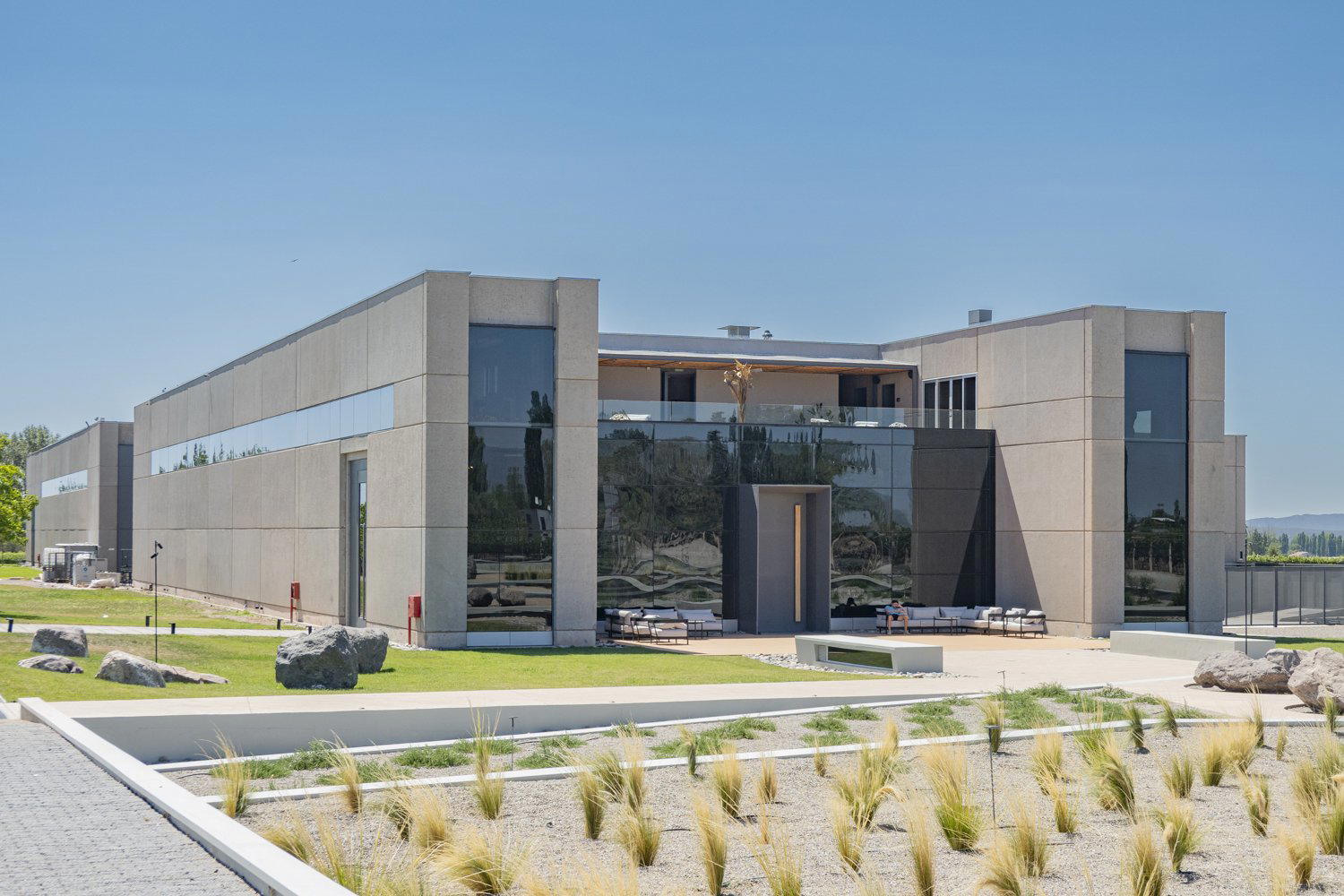
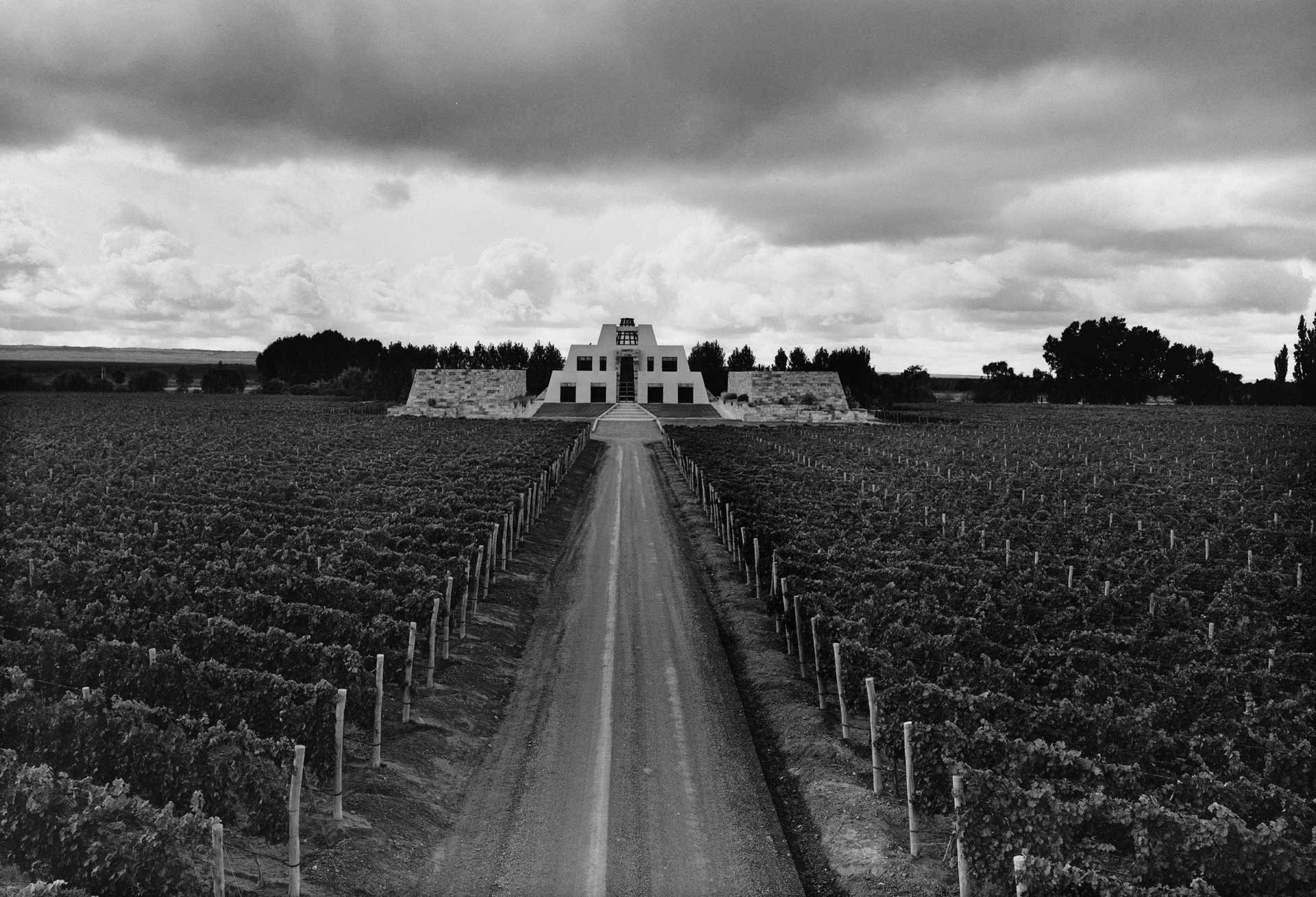
Agrelo is a restaurant in Mendoza Province, Argentina, known for seasonal Argentine fine dining at about US$80 per person. Arrive in Agrelo on a clear afternoon and the orientation is immediate: the Andes sit close enough to read as topography rather than backdrop, and the land between road and mountain is almost entirely under vine or cultivation. This is not a restaurant district in the urban sense. Agrelo is a sub-zone within Luján de Cuyo, and the dining that happens here is inseparable from what the land produces. The altitude runs between roughly 900 and 1,100 metres above sea level, and that elevation differential is the first thing serious producers cite when explaining why Malbec grown here tastes different from fruit grown closer to Mendoza city. The same logic applies to the table: altitude, diurnal temperature swings, and volcanic alluvial soils produce ingredients with concentration and acidity that lower-elevation growing zones rarely match.
Ingredient Geography: What the Soil Delivers
Argentine wine-country cooking at its most considered is not simply grilled meat with a glass of Malbec, though that pairing remains the regional baseline for good reason. The more interesting thread running through Luján de Cuyo dining, and through Agrelo in particular, is how kitchen sourcing has tightened around what the immediate district produces. Goat and lamb from ranches in the foothills, stone fruit from orchards that share the same irrigation channels as the vineyards, olive oil pressed locally, herbs grown in kitchen gardens attached to the properties themselves: the supply chain here is short enough that provenance becomes a practical reality rather than a menu claim.
This matters because it places Agrelo dining in a different category from the more tourism-facing restaurants in Mendoza city. Operations like Bodega Caelum and Clos de Chacras, bodega y restaurante have built their dining formats around the vineyards they already operate, meaning the food agenda is set partly by what the estate grows, ferments, or raises. Fogón Cocina de Viñedo takes that further, anchoring its concept to open-fire cooking that references the gaucho tradition of cooking with what the land and the season provide. Across these properties, the sourcing logic is consistent: the kitchen radius is narrow by design.
The Bodega-Restaurant Format and Why It Dominates Here
In most wine regions, the winery restaurant is a secondary revenue stream, a tasting-room add-on. In Luján de Cuyo, the format has matured to the point where it functions as a primary dining destination in its own right. That shift is partly driven by the concentration of serious producers in a small geographic area, the Agrelo sub-zone alone holds a disproportionate number of Mendoza's most export-recognised labels, and partly by the investment these producers have made in hospitality infrastructure. Visitors who stay at properties like Cavas Wine Lodge in Alto Agrelo or Entre Cielos Luxury Wine Hotel and Spa in Luján de Cuyo are eating within estates that have designed the dining experience around the wine program, not the other way around.
The practical implication for visitors is that meal format, pacing, and sourcing philosophy tend to be more coherent at these properties than at standalone restaurants in comparable price brackets. When a kitchen is physically on the same land as the winery, the food-and-wine pairing becomes a matter of geography as much as curation. That coherence is what distinguishes the better Agrelo tables from more generic wine-country dining.
Placing Agrelo in the Wider Argentina Dining Conversation
Argentina's dining reference points at the national level tend to anchor in Buenos Aires, where Don Julio in Buenos Aires has become shorthand for the country's grilling tradition at its most refined. Mendoza's wine-country dining operates on a different register: slower, more spatially generous, and structured around the assumption that the guest has time to move between cellar and table. Azafrán in Mendoza represents the urban end of that spectrum, a city restaurant with serious wine credentials, while Agrelo sits at the rural extreme, where the vineyard is the dining room's most important context.
The comparison extends across Argentina's hospitality geography. Properties like La Table de House of Jasmines in La Merced Chica, Awasi Iguazu in Puerto Iguazu, and EOLO in El Calafate each connect their food offering to the specific landscape they occupy. Agrelo fits that pattern: the cooking here is shaped by altitude, aridity, and the particular agricultural identity of Mendoza Province, not by a broader national trend. For visitors benchmarking against Las Balsas Restaurant in Villa La Angostura or La Bamba de Areco in San Antonio de Areco, the shared logic is estate-anchored hospitality where the land determines the menu's character.
Planning a Visit: Practical Orientation
Agrelo sits approximately 30 kilometres south of Mendoza city, reachable by car in under 40 minutes along well-maintained provincial roads. Most visitors arrive as part of a broader Luján de Cuyo itinerary, combining cellar visits with lunch or dinner at an estate restaurant. The sub-zone's dining is almost entirely daytime-oriented; the bodega-restaurant format tends toward long lunches rather than late evening service, which aligns with how winery visits are structured. Visitors planning to reach multiple properties in a day would be better served by a driver or a dedicated wine-country tour operator, as the distances between estates require road navigation and the consumption of wine at table is the point. Booking ahead is advisable for estate restaurants operating within winery properties, particularly between November and March when the harvest-season tourism calendar fills tables weeks in advance.
Comparable Venues
Comparable venues nearby, for context on price, style, and recognition.
| Venue | Cuisine | Price | Notes |
|---|---|---|---|
| AgreloThis venue — the venue you are viewing | Seasonal Argentine Fine Dining | $$$ | Not listed |
| Fogón Cocina de Viñedo | Modern Argentine Fire Cooking | $$$$ | Lujan de Cuyo |
| Clos de Chacras, bodega y restaurante | Classic Argentine Regional | $$$ | Chacras de Coria |
| Bodega Caelum | Argentine Winery Cuisine with Wine Pairings | $$$ | Lujan de Cuyo |
| Awasi Mendoza Restaurant | Farm-to-table modern Latin American fine dining | $$$$ | Luján de Cuyo |
| El Club de la Milanesa | Argentine Milanesa Specialists | $$ | Chacras de Coria |
Continue exploring
More in Luján de Cuyo
Restaurants in Luján de Cuyo
Browse all →
Bars in Luján de Cuyo
Browse all →

Hotels in Luján de Cuyo
Browse all →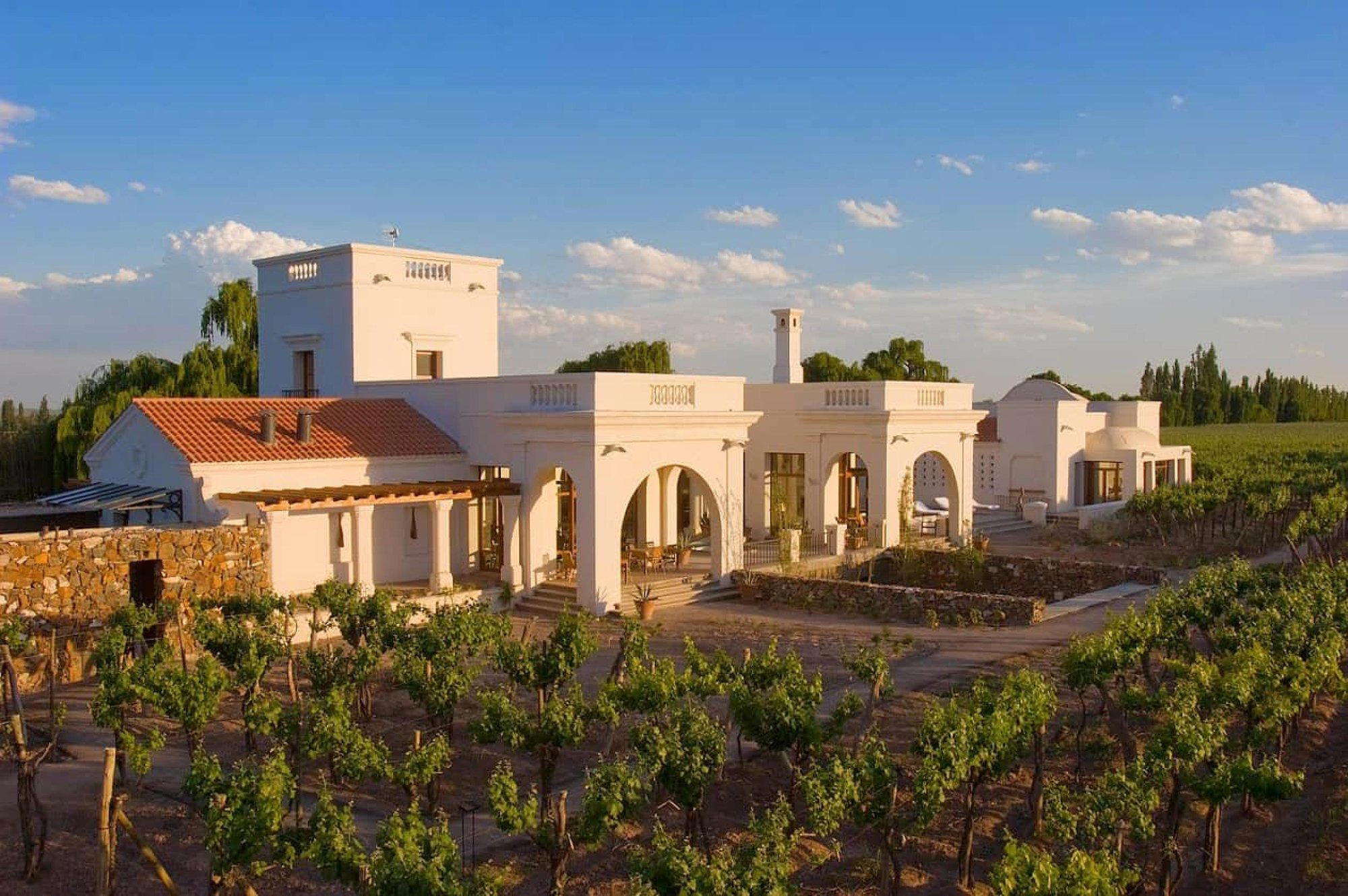
At a Glance
- Elegant
- Scenic
- Rustic
- Date Night
- Special Occasion
- Wine Cellar
- Extensive Wine List
- Sommelier Led
- Local Sourcing
- Vineyard
- Mountain
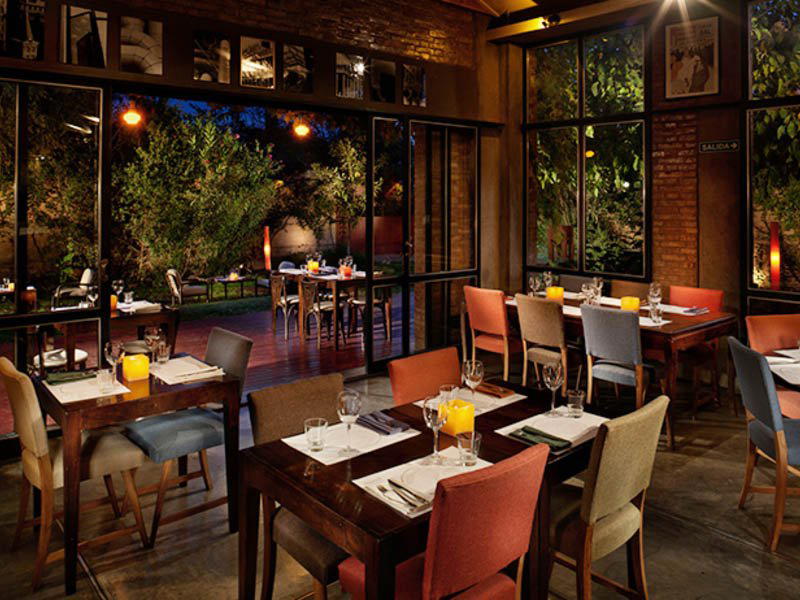
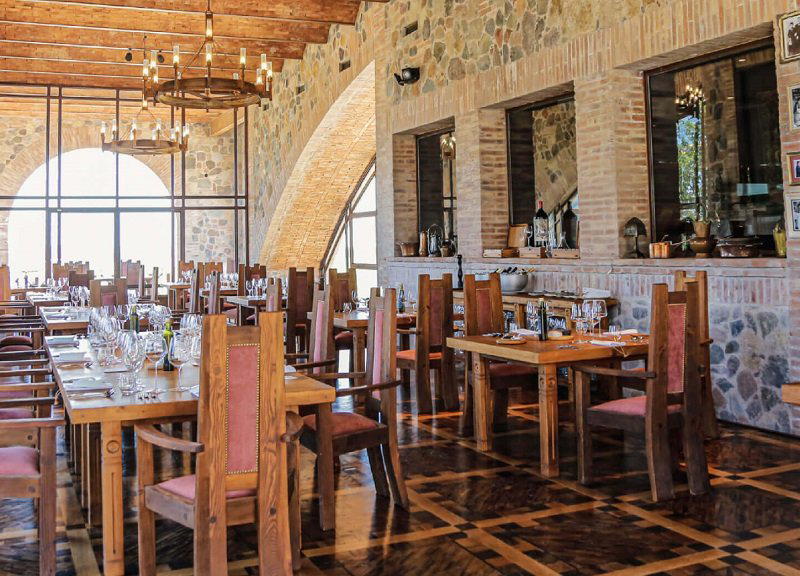
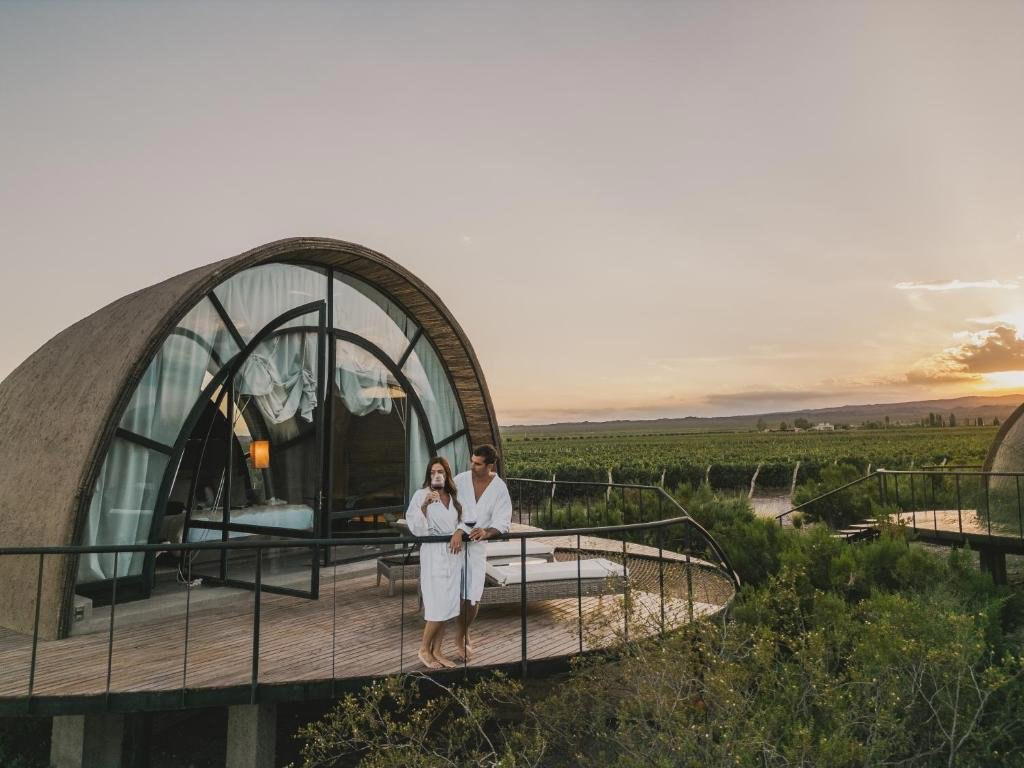
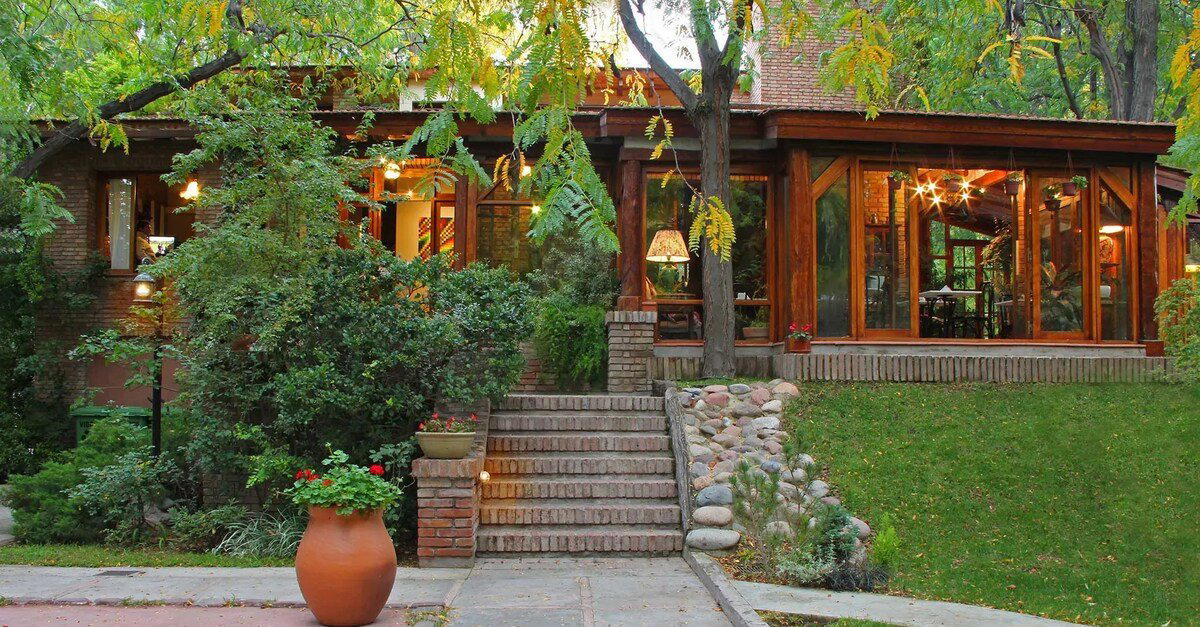
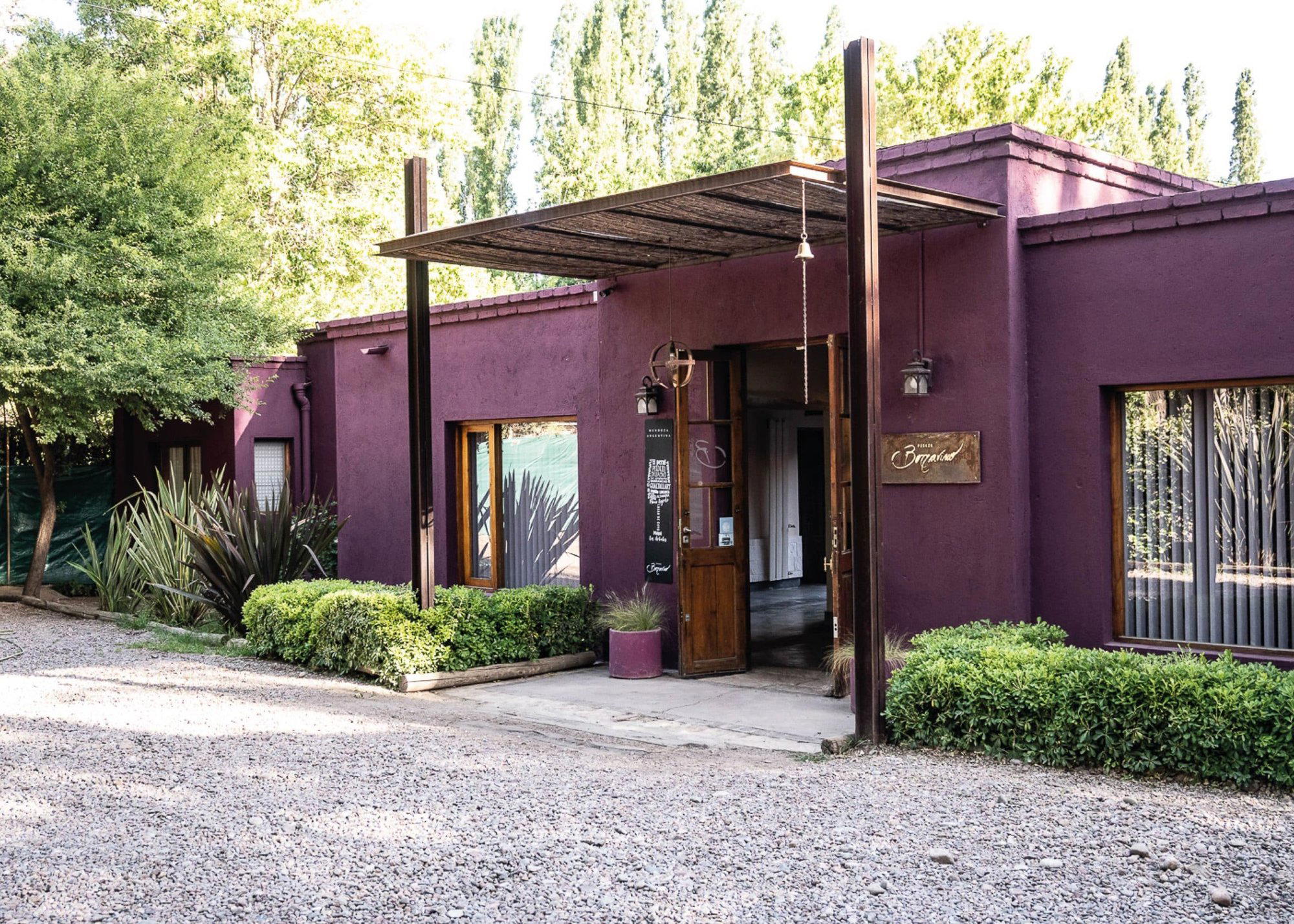
Tranquil and elegant winery setting with vineyard views and relaxed high-quality atmosphere.