Chacras de Coria sits within the vine-dense corridor of Mendoza Province, where proximity to the Andes shapes both the altitude and the agricultural character of what reaches the table. Las Heras places it at the northern edge of the provincial capital's orbit, close enough to Mendoza city's dining circuit to draw comparisons, distinct enough to operate at its own pace. For Argentina's wine country, that distinction is the point.
Pearl is the En Primeur Club membership app — saves, bookings, and concierge access live there. Same editors, same standards.
- Address
- M5505, Mendoza Province, Argentina
- Directions
- Get directions
 Saves & bookings on Pearl
Where Mendoza's Agricultural Spine Meets the Table
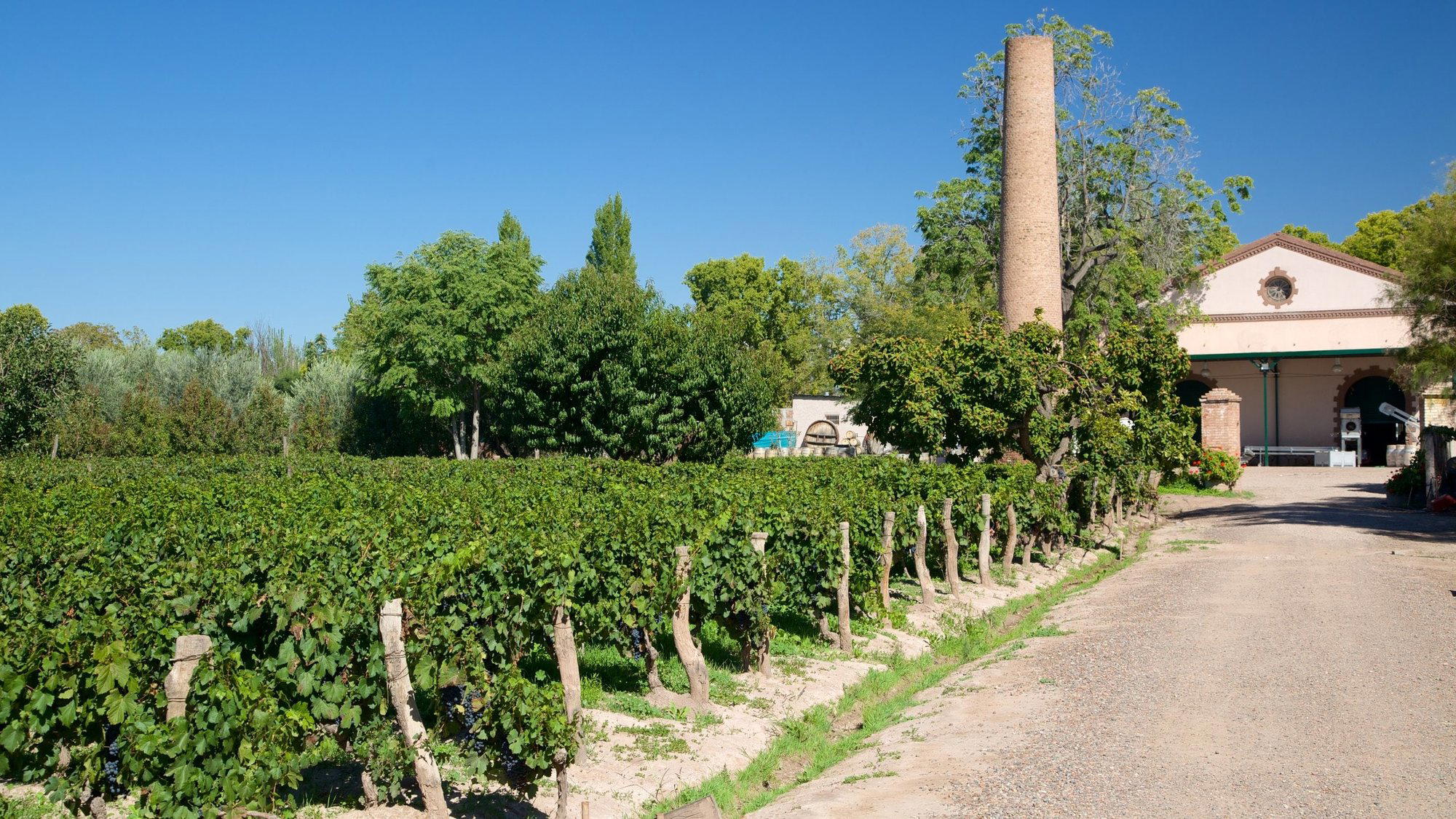
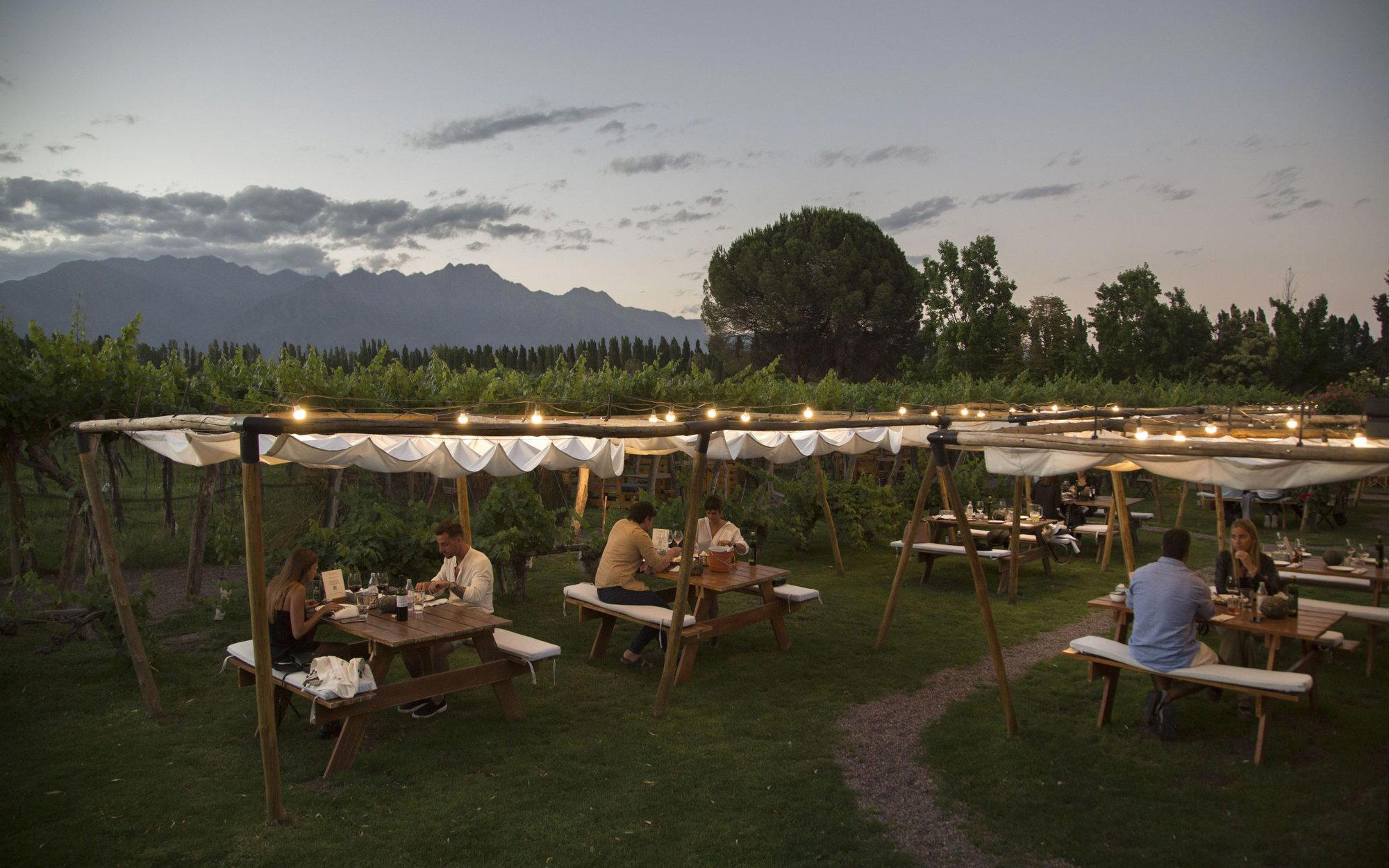
The road into Chacras de Coria passes through one of Mendoza Province's most readable agricultural zones: rows of vines interrupted by fruit orchards, olive groves, and the periodic flash of an acequia carrying Andean snowmelt to the roots below. This is not incidental scenery. It is the supply chain made visible, and it frames the defining logic of dining in this part of Argentina, that the distance between soil and plate is genuinely short, and the conditions producing what grows here are among the more legible in the country. Altitude, sun exposure, and the thermal contrast between Mendoza's warm days and cold nights are well-documented drivers of flavour intensity in everything from Malbec to stone fruit, and those same conditions define what local kitchens have to work with.
Las Heras, the municipality that contains this district, occupies the northern reach of greater Mendoza. It sits inside a region that the Argentine wine industry has spent decades positioning globally, meaning the food traditions here carry the dual weight of provincial identity and international attention. Visitors arriving from Mendoza city, roughly 15 kilometres south, move quickly from urban to agricultural register. That shift is the context. For a deeper map of what to eat and drink across the municipality, our full Las Heras restaurants guide covers the range.
The Ingredient Logic of Cuyo's Table
Argentina's Cuyo region, the western provinces anchored by Mendoza, developed its food culture under conditions that reward primary-ingredient thinking. The altitude preserves acidity in fruit. The desert climate, moderated by irrigation, concentrates flavour. Lamb, goat, and beef raised at elevation carry a different fat profile than their lowland counterparts, something ranchers and chefs in the region have understood long before farm-to-table became a phrase anyone used. This is the underlying editorial argument for dining in Chacras de Coria's orbit: the sourcing advantage is structural, not fashionable.
Across Mendoza Province's better tables, this translates into kitchens that build menus around what the agricultural calendar provides rather than importing against it. The model is most visible at wine estate restaurants, where the logic of terroir extends from glass to plate, estates like Cavas Wine Lodge in Alto Agrelo and Entre Cielos Luxury Wine Hotel and Spa in Lujan du Cuyo demonstrate how this format operates at the premium end of the provincial circuit. The principle applies more broadly: in this part of Argentina, asking where ingredients come from is rarely a philosophical question. The answer is usually within eyeline.
Las Heras in the Mendoza Dining Circuit
Mendoza Province's dining geography has consolidated around a handful of zones: the city itself, the Lujan de Cuyo corridor running south, the Valle de Uco reaching further into altitude, and the peri-urban districts like Las Heras that sit at the capital's edge. Each carries a different price register and a different relationship to wine tourism. Las Heras tends toward the less curated end of that spectrum, which is a practical advantage for visitors who want proximity to the city without the surcharge that accompanies wine estate dining.
Within the city proper, Azafrán in Mendoza represents the kind of ingredient-led modern Argentine cooking that the region's produce enables at its most polished. At the other end of Argentina's dining spectrum, Don Julio in Buenos Aires demonstrates how the country's beef tradition performs at the highest-recognition tier, with 50 Best credentials that give it a separate competitive frame. Chacras de Coria operates in a different register from both, provincial, agricultural, closer to the source than to the accolade.
For visitors building a broader itinerary, the surrounding region offers strong reference points. Agrelo in Lujan De Cuyo and La Table de House of Jasmines in La Merced Chica show how the estate-dining format plays out across the province. For asado tradition with a different geographic register, Los Talas del Entrerriano in General San Martin provides useful contrast. Nearby, Belgrano and Perú offers another local reference point within the Las Heras municipality itself.
Argentina's Wider Table: Pattern Recognition for Travellers
Understanding Chacras de Coria requires some familiarity with how Argentine dining culture distributes itself across geography. The country's best-known food tradition, the asado, is neither a menu item nor a restaurant format; it is a social ritual that happens to produce food, and its quality correlates less with the establishment serving it than with the animal, the fire, and the time allowed. In Mendoza Province, that tradition runs alongside the wine culture in a way it does not in Buenos Aires, which means sourcing decisions around meat carry an implicit pairing logic that shapes what serious kitchens here choose to do.
At the furthest geographic extremes of Argentine dining, properties like EOLO in El Calafate and Awasi Iguazu in Puerto Iguazu demonstrate how ingredient sourcing becomes the entire editorial argument when a property is defined by its landscape. Las Balsas in Villa La Angostura and La Bamba de Areco in San Antonio de Areco do the same from estancia tradition. The restaurant shares the logic, if not the scale or the infrastructure of those better-documented addresses. For international comparison, the kind of sourcing discipline applied at a global technical level, Le Bernardin in New York City and Lazy Bear in San Francisco show what ingredient provenance looks like when it becomes the structural premise of a tasting format. The gap in production scale is obvious, but the underlying principle travels.
Other Argentine addresses worth cross-referencing: El Papagayo in Córdoba, Ti Amo in Adrogué, and El Colibri in Santa Catalina each represent different provincial registers of the country's dining culture, useful orientation if Mendoza is one stop on a longer Argentine itinerary.
Planning Around Chacras de Coria
The district is best reached by car or remis from Mendoza city, as public transport connections to the peri-urban zones of Las Heras are limited. The harvest season running from late February through April brings the highest visitor volume to the province overall, which affects availability across the board. Shoulder months, November through January and May through June, typically offer more flexibility at the province's tables without significant sacrifice in produce quality.
In Context: Similar Options
Comparable venues nearby, for context on price, style, and recognition.
| Venue | Cuisine | Price | Notes |
|---|---|---|---|
| Chacras de CoriaThis venue — the venue you are viewing | Argentine Winery Dining | $$$$ | Not listed |
| Belgrano & Perú | Dining | Not listed | Las Heras |
| Fogón Cocina de Viñedo | Modern Argentine Fire Cooking | $$$$ | Lujan de Cuyo |
| Bistro M | Mendocinian Bistro | $$$ | Mendoza City Center |
| Casa del Visitante | Argentine Regional Winery Cuisine | $$$ | Maipú |
| Cavas Wine Lodge | Seasonal International Fine Dining | $$$$ | Alto Agrelo |
Continue exploring
More in Las Heras
Restaurants in Las Heras
Browse all →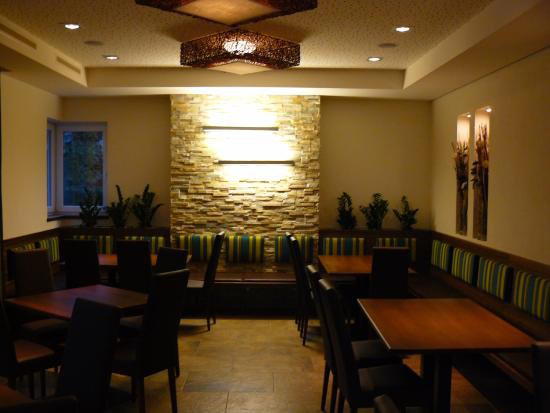
Bars in Las Heras
Browse all →
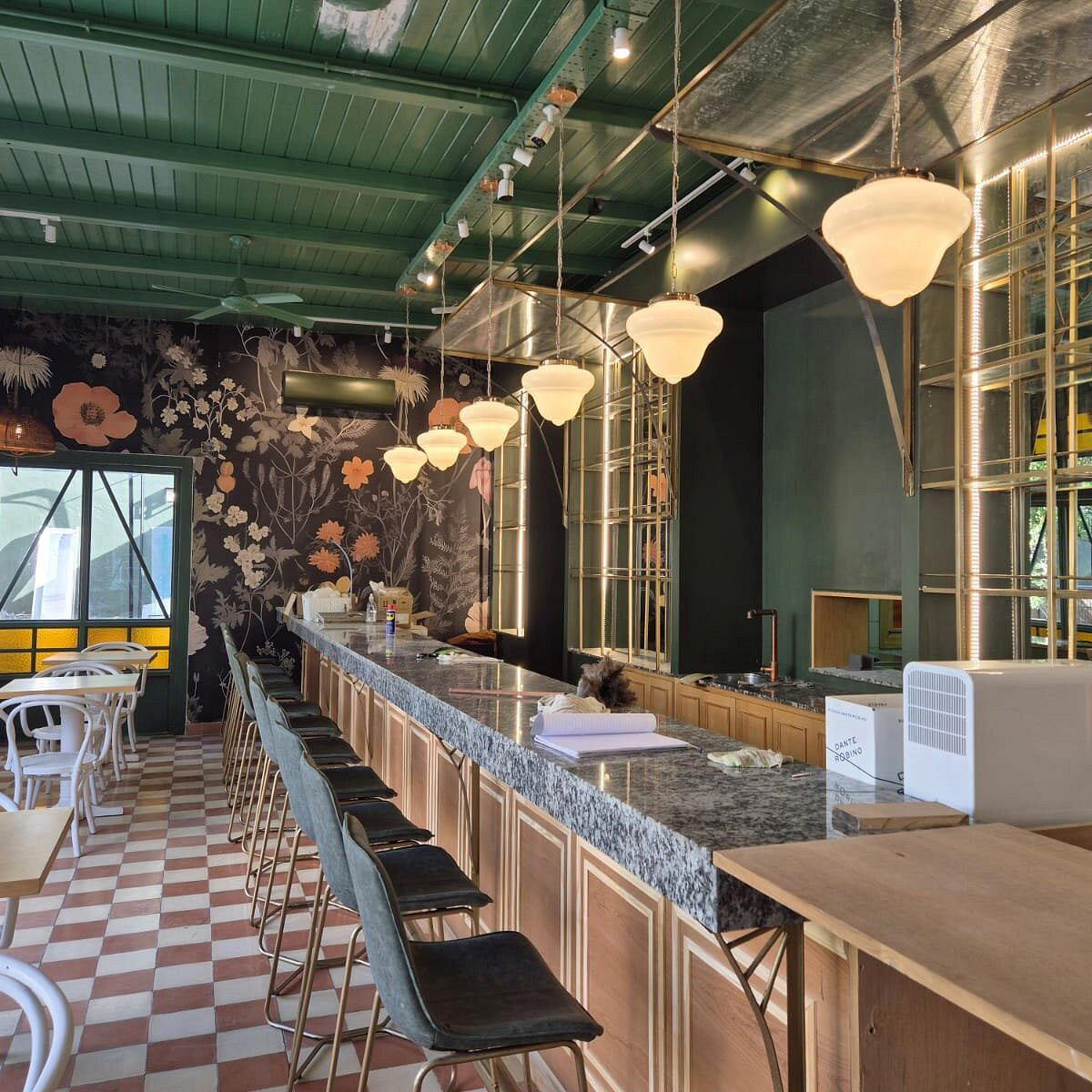
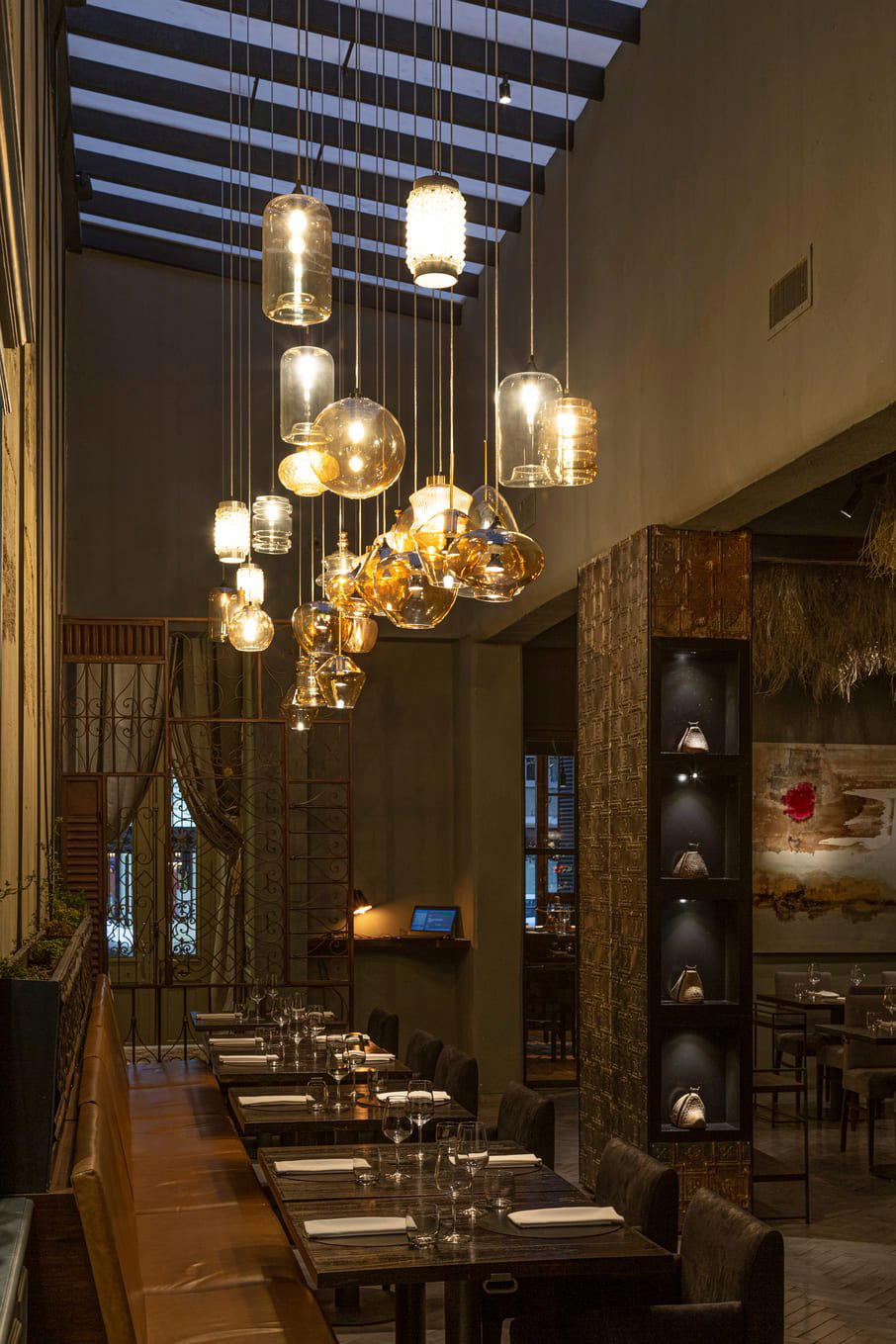
Hotels in Las Heras
Browse all →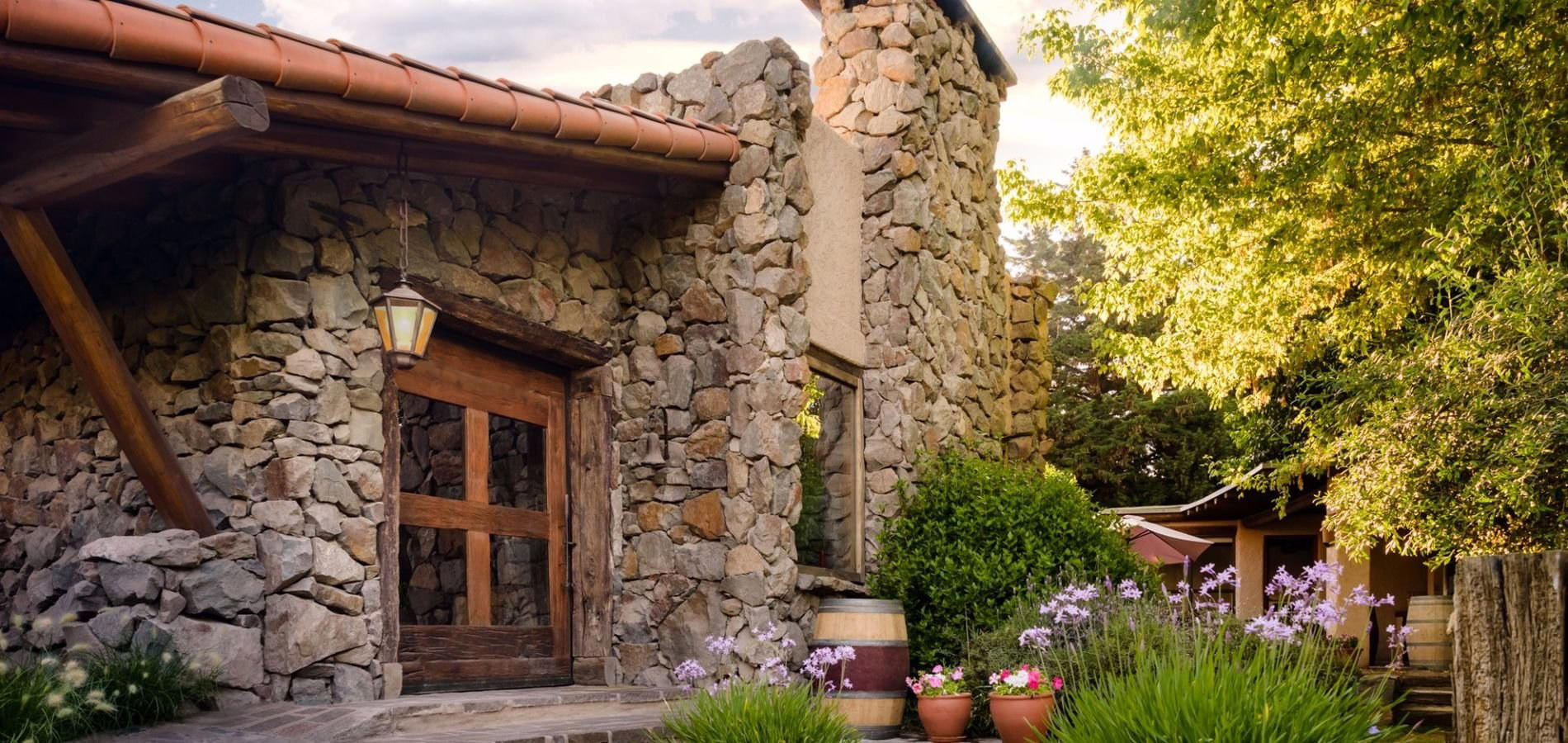
At a Glance
- Elegant
- Rustic
- Scenic
- Special Occasion
- Date Night
- Wine Cellar
- Garden
- Terrace
- Extensive Wine List
- Sommelier Led
- Local Sourcing
- Vineyard
- Garden
Current opening hours
- Monday
- 12–3:30 PM, 8–11 PM
- Tuesday
- 12–3:30 PM, 8–11 PM
- Wednesday
- 12–3:30 PM, 8–11 PM
- Thursday
- 12–3:30 PM, 8–11 PM
- Friday
- 12–4:30 PM, 8 PM–12 AM
- Saturday
- 12 AM–4:30 PM, 8 PM–12 AM
- Sunday
- 12–4:30 PM, 8–11 PM
Hours can change for holidays and private events. Last verified .
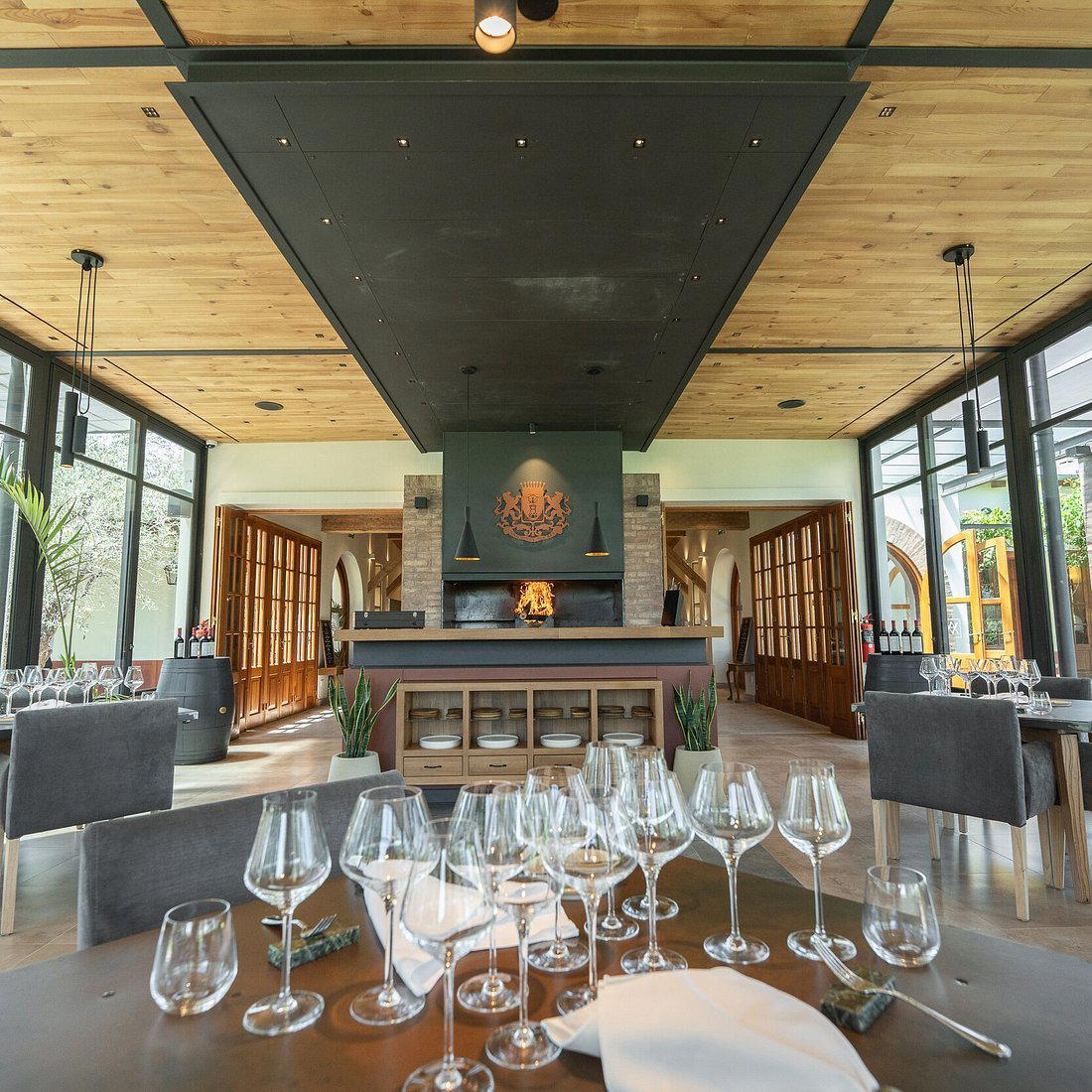
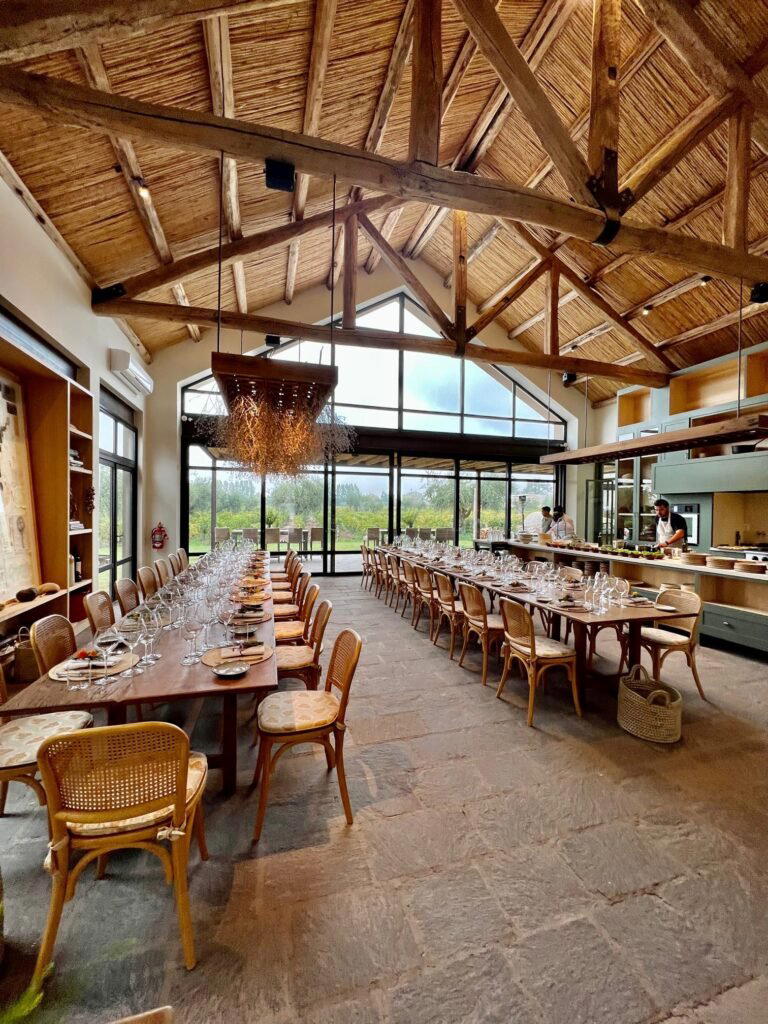
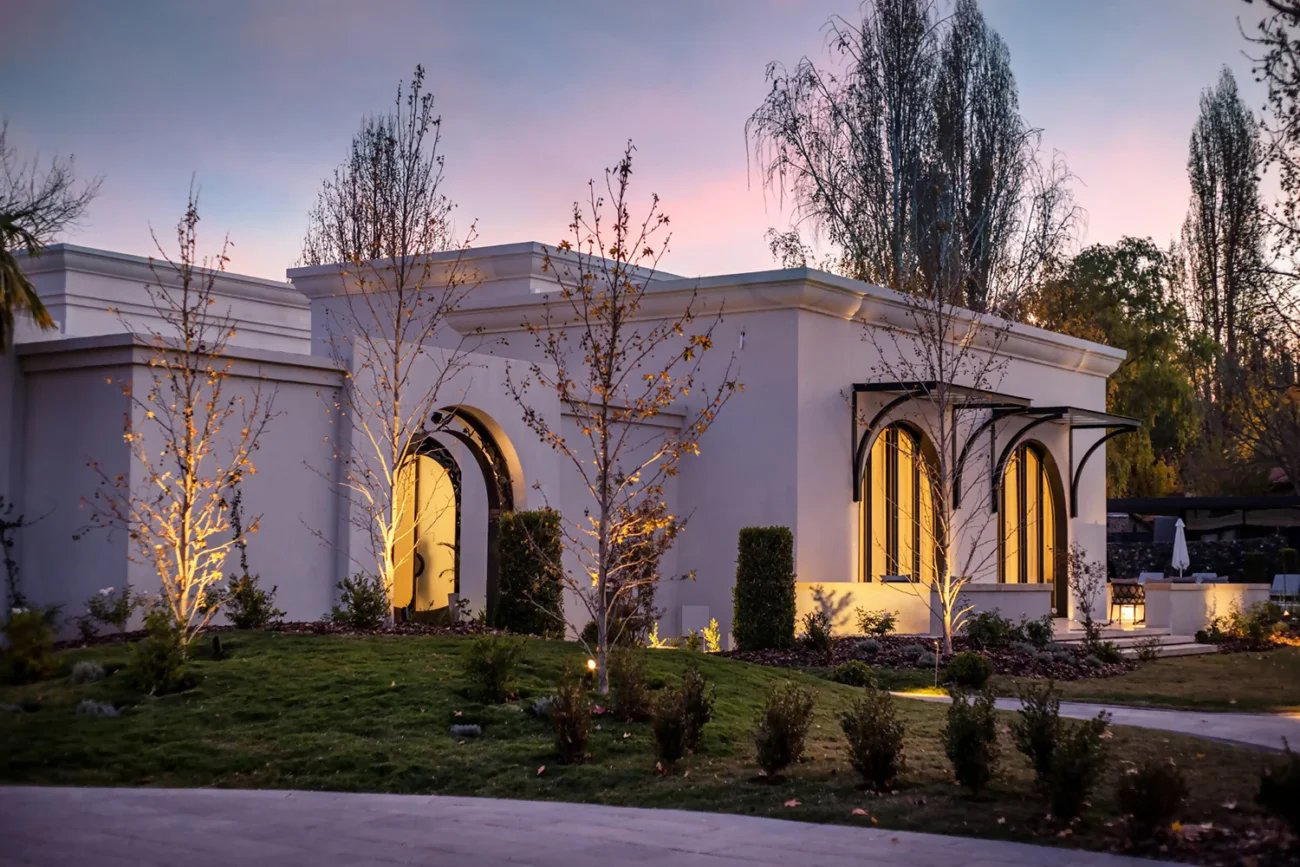
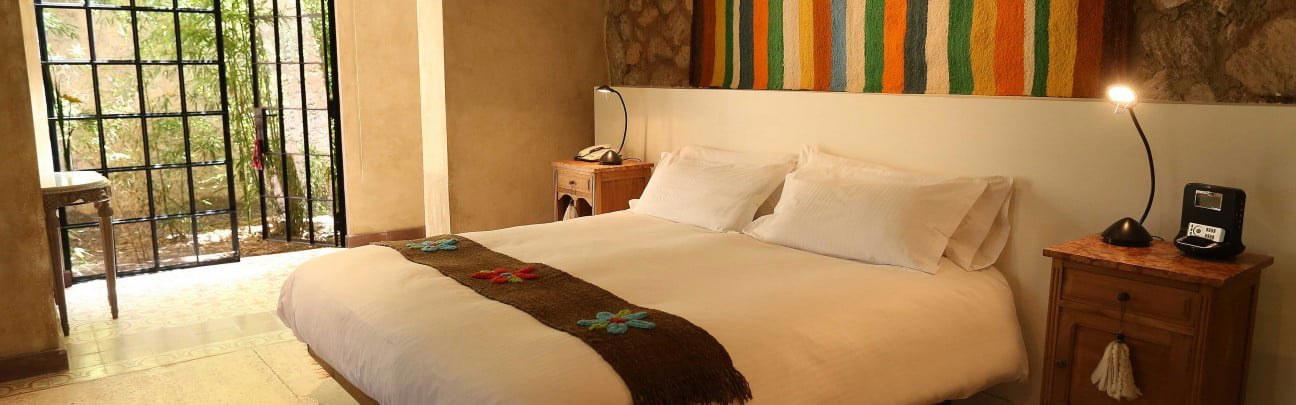
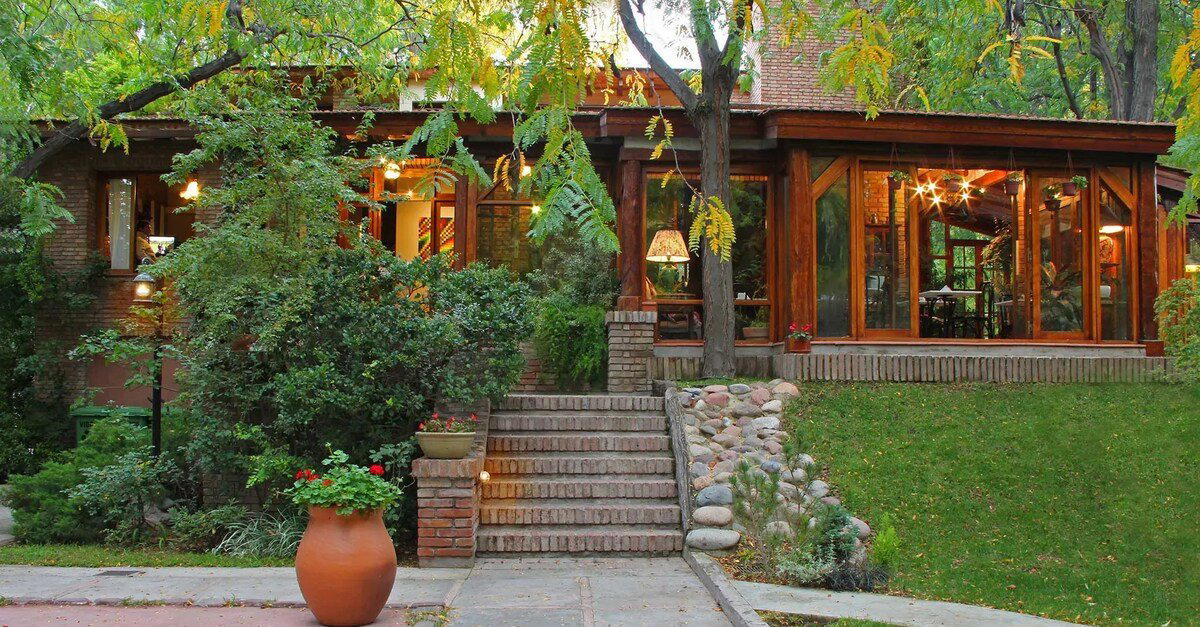
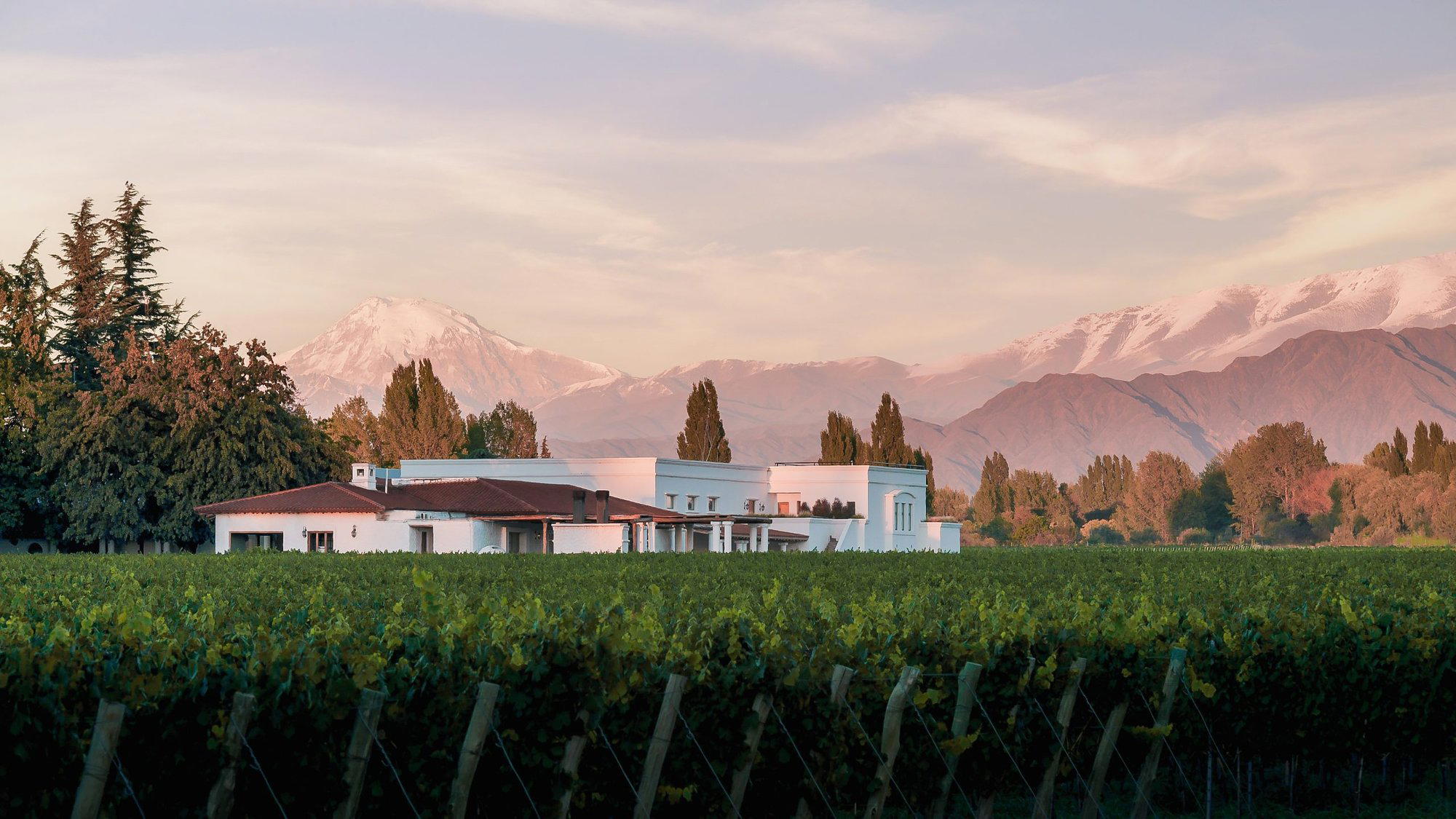
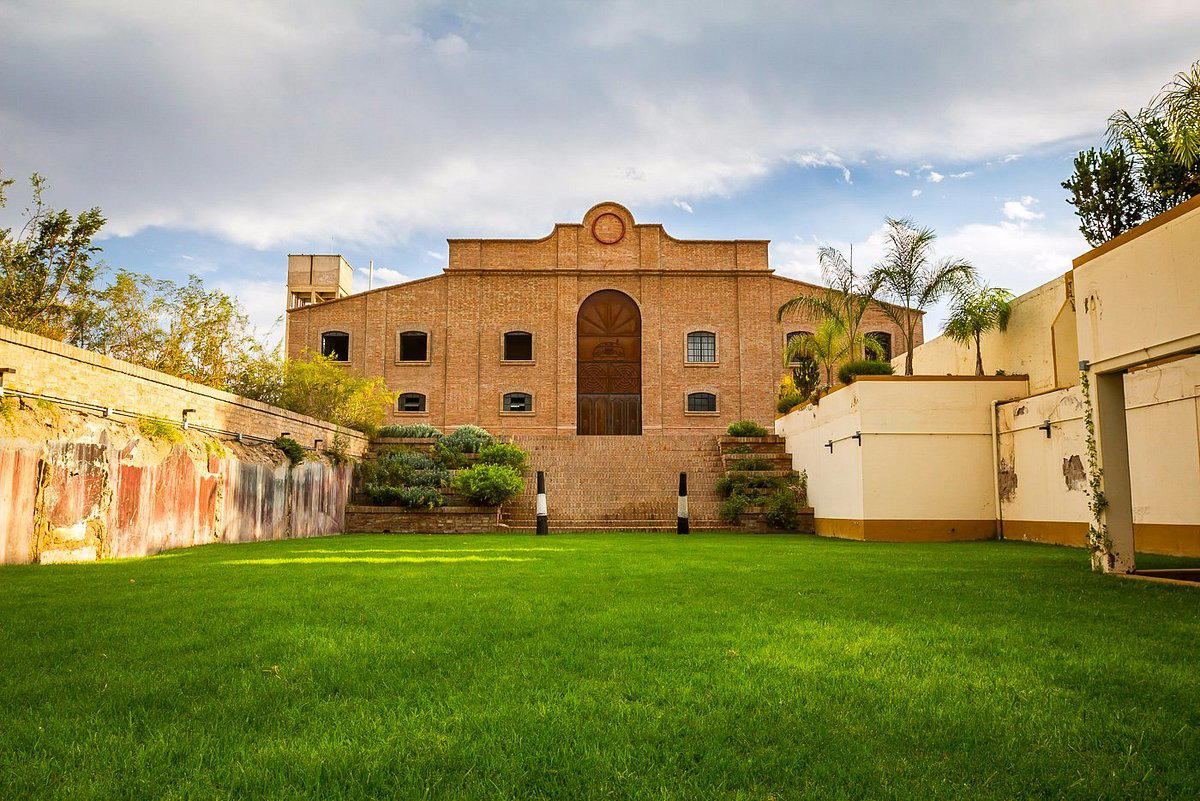
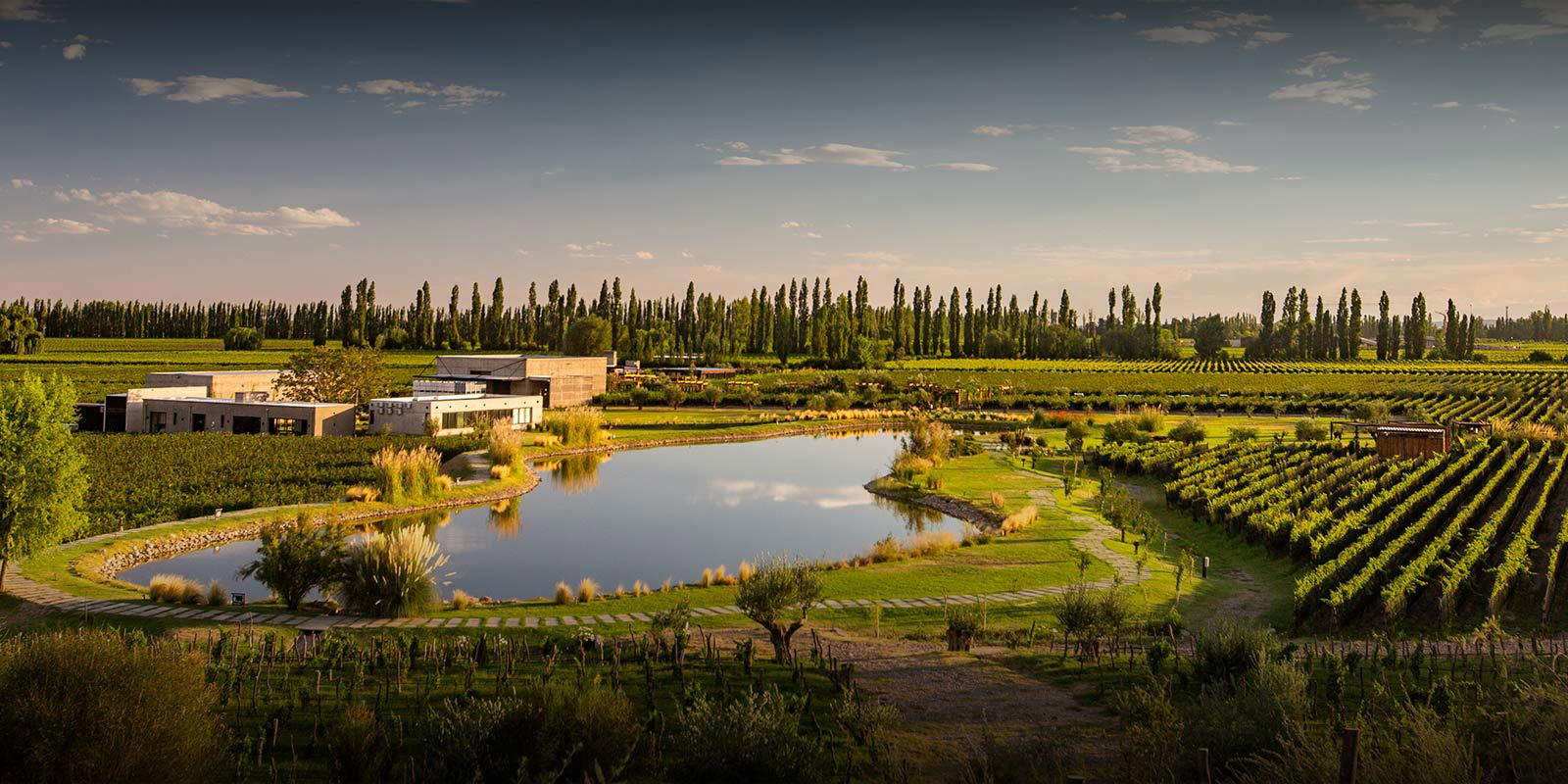
Elegant and relaxed with scenic vineyard views, warm lighting, and a sophisticated yet rustic winery atmosphere.