Gran Dabbang



Gran Dabbang operates without reservations in Palermo, serving sharing plates that draw on Indian, Thai, and Arab techniques applied to Argentine ingredients. Ranked #46 on Opinionated About Dining's South America list in 2025, it occupies a specific niche in Buenos Aires dining: technically grounded, globally informed, and built around a format that rewards early arrivals and repeat visits.
Pearl is the En Primeur Club membership app — saves, bookings, and concierge access live there. Same editors, same standards.
- Address
- Av. Raúl Scalabrini Ortiz 1543, C1414DOC Cdad. Autónoma de Buenos Aires, Argentina
- Phone
- +54 9 11 3501-0481
- Website
- grandabbang.meitre.com
- Directions
- Get directions
 Saves & bookings on Pearl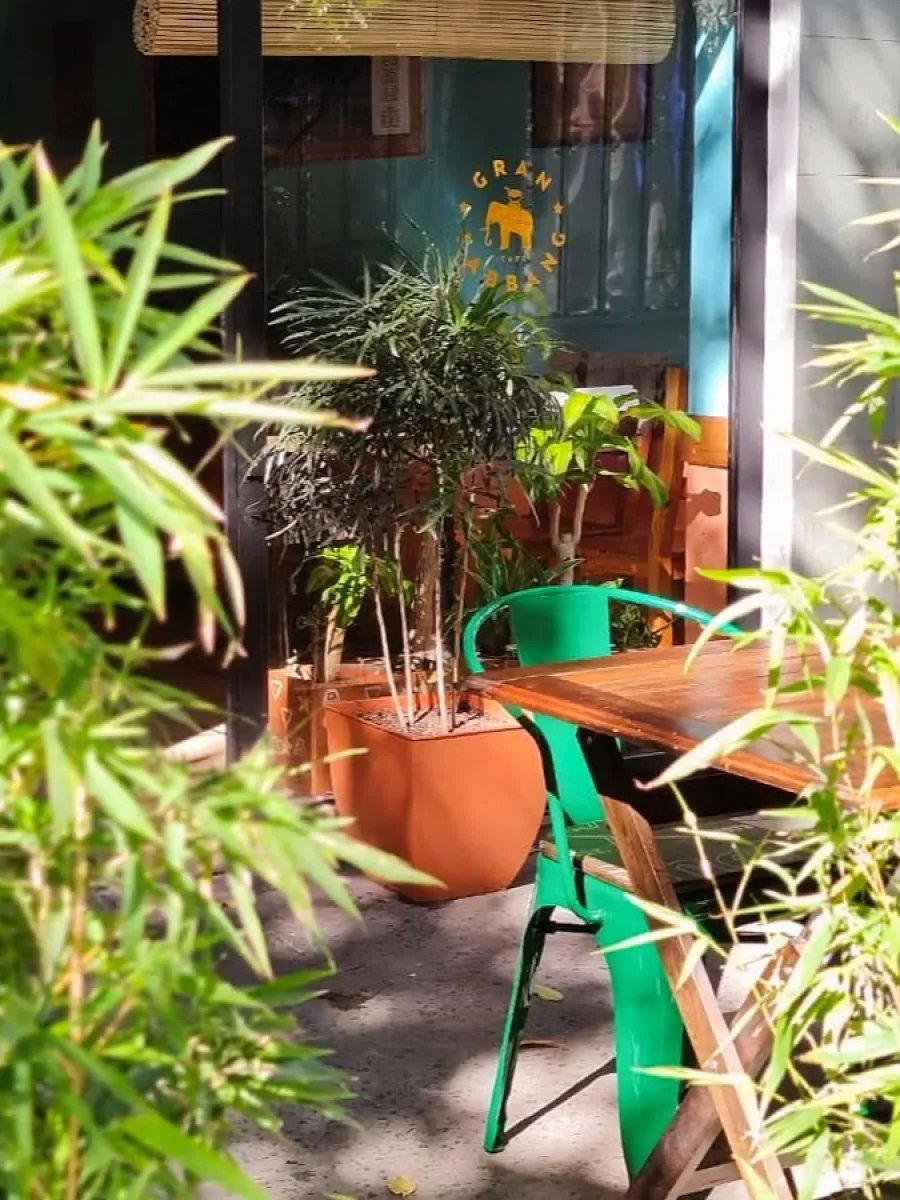
Where Palermo Queues and the Roti Arrives Hot
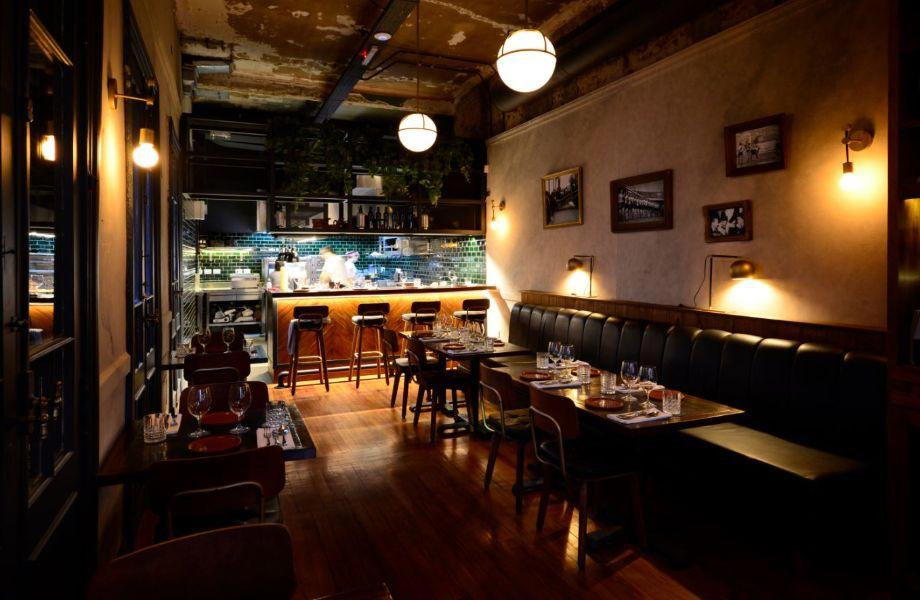
Av. Scalabrini Ortiz runs through one of Buenos Aires's most saturated dining corridors, where the competition for attention is relentless and short-lived concepts close within seasons. Gran Dabbang has survived that pressure for years without a reservations system, which in Palermo is a statement of confidence. The crowd that assembles outside on weeknights is self-selecting: people who have planned to be there, who know what's coming, and who are prepared to wait for it. That dynamic shapes everything about how the room feels once you're inside.
The format is sharing plates, and the no-reservations policy means one reliable approach is arriving close to opening. This is not a venue structured around a long booking window or dress code choreography. It belongs to a category of Buenos Aires restaurants where the transaction is direct: good food, informal setting, and the understanding that the kitchen's references are wider than the postcode.
A Fusion That Predates the Word Becoming a Problem
Buenos Aires has a complicated relationship with fusion cooking. For most of the 2000s, the city's serious dining circuit rewarded either pristine Argentine beef culture, exemplified by places like Don Julio, or the tasting-menu modernism that defines venues like Aramburu. A restaurant that pulled from Indian, Thai, and Arab culinary frameworks while insisting on Argentine produce as its foundation occupied an awkward position in that landscape for a long time. What Gran Dabbang demonstrated is that the tension between those registers is the point, not a problem to be resolved.
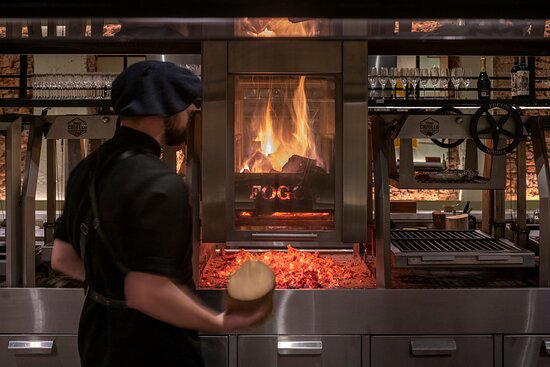
The approach is less about novelty and more about specificity. Argentine ingredients carry particular characteristics: the herbs, the cuts of meat, the seasonal vegetables that come through the city's markets have textures and flavours calibrated to a specific geography. Running those materials through techniques developed in South Asia or the Arab world produces combinations that neither tradition would generate alone. This is distinct from the kind of generalist pan-Asian cooking that populated so many mid-2000s menus globally. The signatures here, including wood-fired roti and lentil preparations, are grounded in processes that require knowledge of the source cuisines rather than surface familiarity.
That seriousness of reference is reflected in how the restaurant has been received over time. Opinionated About Dining, which compiles its South America rankings from a consistent critic base, placed Gran Dabbang at #41 in 2023, #35 in 2024, and #46 in 2025. Rankings from that particular list carry weight because they track year-on-year, making sustained presence more meaningful than a single placement. The slight drop from 2024 to 2025 is worth noting without over-reading: the South American list has expanded and the competition at the upper end has intensified, with more Buenos Aires entries appearing across formats.
Buenos Aires's Shifting Middle Tier
To understand where Gran Dabbang sits in the current city context, it helps to map the broader Buenos Aires restaurant structure. At one end, the Michelin-starred tier, anchored by places like Aramburu with two stars and Don Julio with one, operates with full reservations systems, extensive wine programs, and formal service structures. At the accessible end, neighbourhood parrillas and traditional spots like El Preferido de Palermo maintain the city's deep comfort with affordable, ingredient-led cooking.
The restaurant occupies a middle position that is increasingly competitive: informal in format, serious in sourcing, and without a fixed price ceiling enforced by tasting menus. Contemporaries in that bracket include Anafe and Crizia, both of which operate at the intersection of technique and informality. What distinguishes the restaurant within this cohort is the specificity of its culinary references: most competitors in the informal-but-serious tier stay closer to recognisable Argentine or Italian-Argentine frameworks. A kitchen that uses makhana, roti technique, and Southeast Asian spice logic alongside Argentine produce is working in a different register entirely.
That volume of reviews reflects years of consistent throughput, and a 4.4 at that scale is harder to maintain than a 4.8 from 200 reviews. It suggests the kitchen delivers reliably across a wide range of customers, not just those already disposed to like what it does.
Chef Mariano Ramón and the Logic of the Menu
At the restaurant, Chef Mariano Ramón has built a menu around South Asian and Arab techniques applied to Argentine raw materials. The shared plates format enforces a particular kind of dining rhythm, one that rewards ordering across multiple dishes and eating with company. Dishes like wood-fired roti and lentil makhana are built for a table that shares rather than a solo diner working through a tasting sequence.
This format choice also means that the kitchen has to execute across a wider range of preparations simultaneously, which is a harder operational discipline than a linear tasting menu where courses arrive in fixed sequence. The sustained OAD recognition across three consecutive years suggests that discipline has held.
For context on how this kind of cross-cultural precision operates at the highest levels globally, Atomix in New York City demonstrates what happens when Korean culinary logic is applied with tasting-menu rigour and full fine-dining infrastructure. The restaurant operates at a different register in terms of format and price point, but the underlying commitment to working from a specific culinary tradition rather than assembling generic fusion is a shared disposition.
Argentina Beyond Buenos Aires: Context for Visitors Building a Wider Itinerary
Travellers arriving in Buenos Aires with the restaurant on their list are often building Argentina itineraries that extend beyond the capital. The country's restaurant scene has developed considerable depth outside the city: Azafrán in Mendoza anchors wine-country dining in the Cuyo region, while Cavas Wine Lodge in Alto Agrelo offers a wine estate dining format that pairs with Malbec-focused cellar programs. Further afield, Awasi Iguazu and EOLO in El Calafate represent the lodge-and-restaurant format that has grown significantly in remote Argentine destinations. For those who want the estancia experience closer to Buenos Aires, La Bamba de Areco in San Antonio de Areco is a reference point for gaucho-country hospitality.
Within the city, the full scope of Buenos Aires dining across all categories, including venues that lean more heavily on Argentine beef tradition and modern tasting formats, is covered in our full Buenos Aires restaurants guide. For accommodation, bar, winery, and experience planning across the city, the dedicated guides cover each category: hotels, bars, wineries, and experiences.
For a Buenos Aires dinner itinerary that pairs the restaurant's informal register with something in the contemporary tasting-menu format, Trescha occupies the more structured end of the city's modern cuisine bracket and makes a logical pairing across different nights.
Planning a Visit
The restaurant operates Monday through Saturday, 7:30 pm to midnight, with Sunday closed. No reservations are taken, which makes timing the single most important logistical variable. Arriving at or shortly after 7:30 pm is a reliable way to avoid a significant wait, particularly from Thursday through Saturday when Palermo's dining foot traffic peaks. The address is Av. Raúl Scalabrini Ortiz 1543, accessible from multiple points along the Scalabrini Ortiz corridor in the Palermo Soho zone.
In Context: Similar Options
Comparable venues nearby, for context on price, style, and recognition.
| Venue | Cuisine | Price | Awards | Notes |
|---|---|---|---|---|
| Gran DabbangThis venue — the venue you are viewing | Indian-Argentinian Fusion Tapas | $$ | World's 50 Best #70 | Not listed |
| Ness | Modern Argentine Fire Cooking | $$$ | World's 50 Best #64 | Núñez |
| Mishiguene | Modern Jewish Immigrant Cuisine | $$$ | Michelin Plate, World's 50 Best #69 | Palermo |
| Elena | Contemporary Argentinian Steakhouse | $$$$ | Michelin Plate | Centro |
| La Alacena Trattoria | Traditional Italian Trattoria | $$ | Bib Gourmand | Once |
| Ácido | Modern Global Fusion | $$$ | Bib Gourmand | Chacarrita |
Recognition history
Dated appearances from independent guides and award organizations, with the underlying list record or original source where available.
Opinionated About Dining Top Restaurants in South America Ranked #51
Opinionated About Dining
Opinionated About Dining Top Restaurants in South America Ranked #46
Opinionated About Dining
The Best Chef One Knife
The Best Chef
World's 50 Best Latin America's Best Restaurants #70
World's 50 Best
Opinionated About Dining Top Restaurants in South America Ranked #35
Opinionated About Dining
Opinionated About Dining Top Restaurants in South America Ranked #41
Opinionated About Dining
Continue exploring
More in Buenos Aires
Restaurants in Buenos Aires
Browse all →
Bars in Buenos Aires
Browse all →
Hotels in Buenos Aires
Browse all →
Wineries in Buenos Aires
Browse all →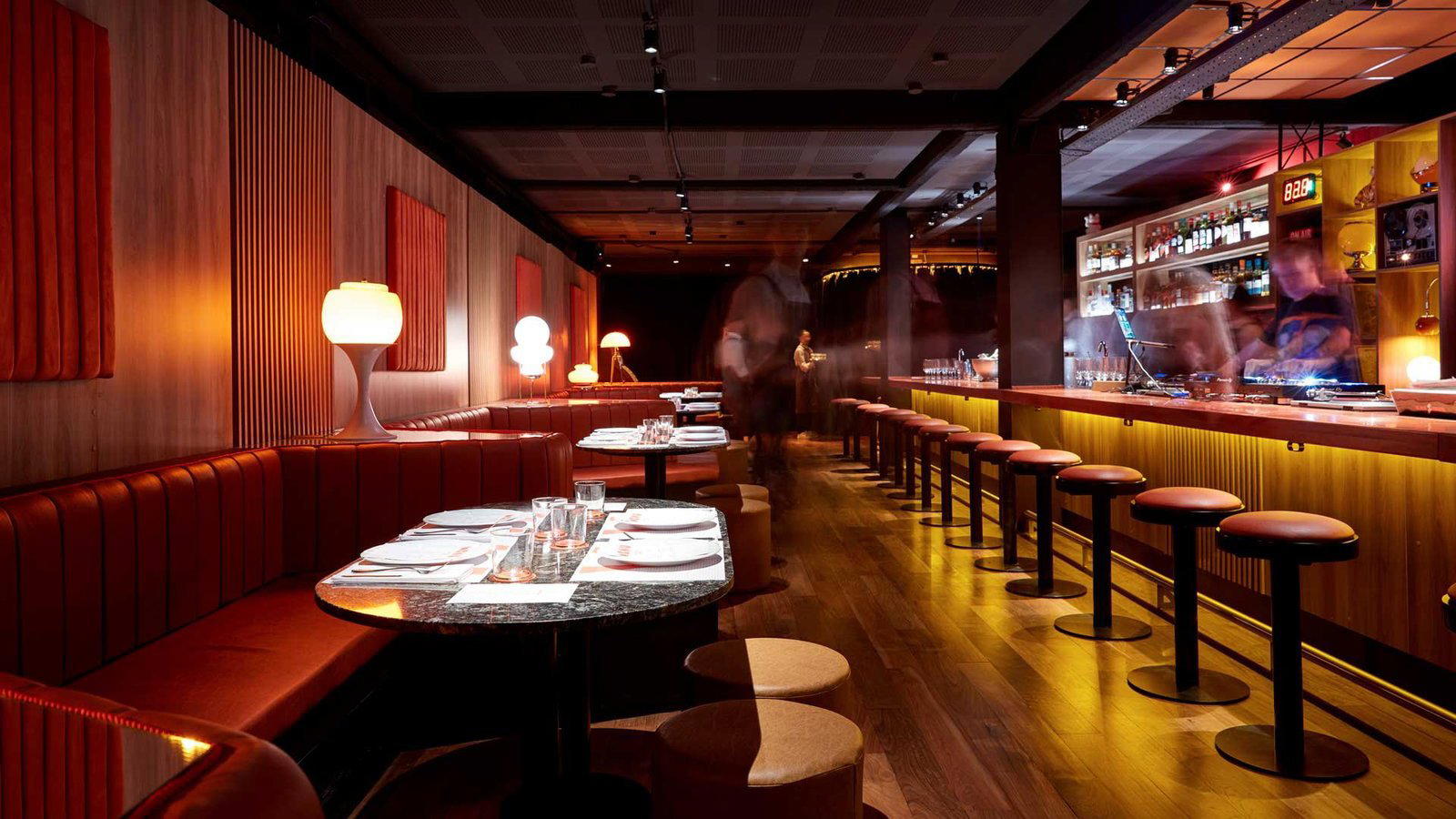
At a Glance
- Trendy
- Cozy
- Intimate
- Date Night
- Group Dining
- Casual Hangout
- Open Kitchen
- Byob
- Local Sourcing
Current opening hours
- Monday
- 7:30 PM–12 AM
- Tuesday
- 7:30 PM–12 AM
- Wednesday
- 7:30 PM–12 AM
- Thursday
- 7:30 PM–12 AM
- Friday
- 7:30 PM–12 AM
- Saturday
- 7:30 PM–12 AM
- Sunday
- Closed
Hours can change for holidays and private events. Last verified .
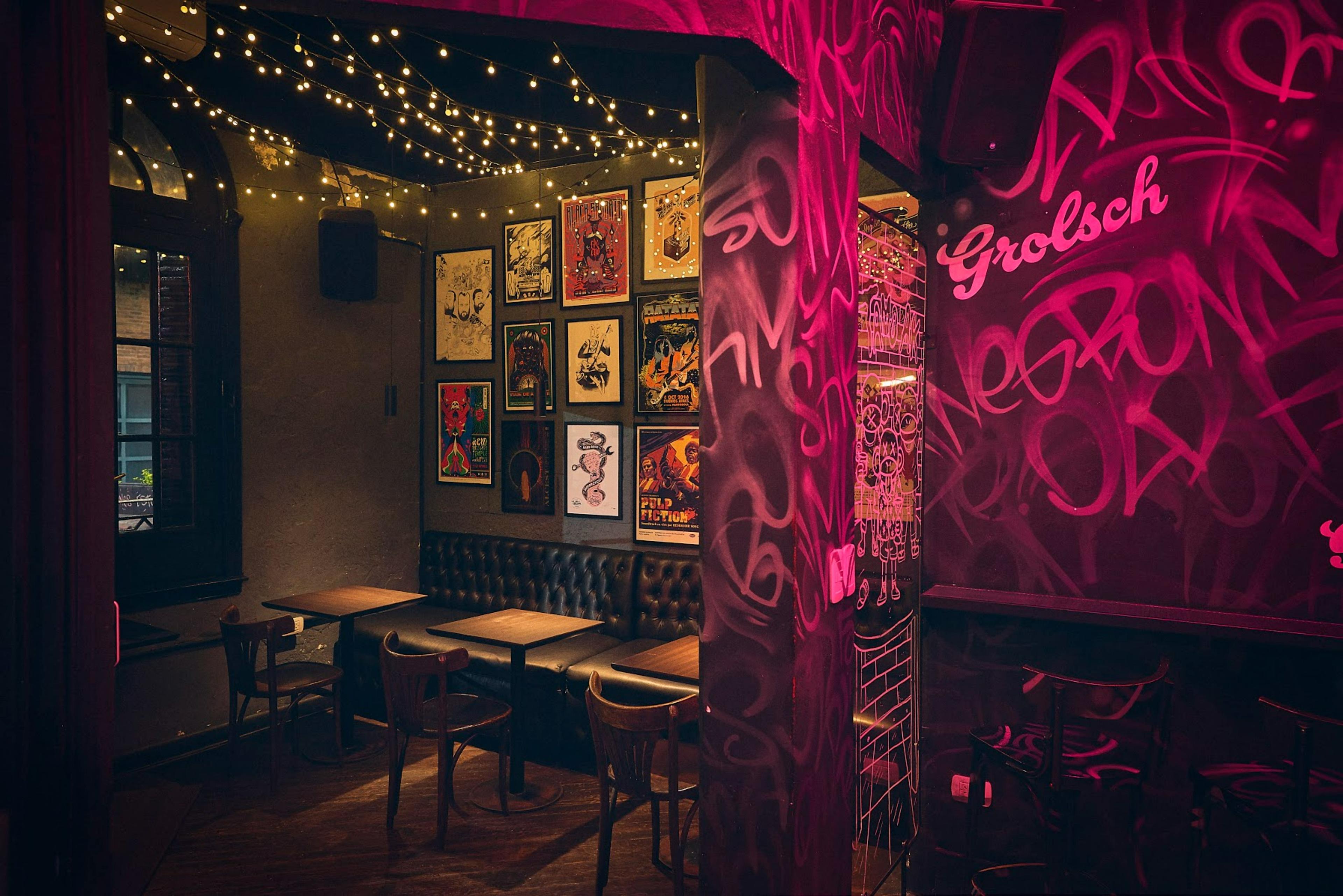
Cozy and warm with dim lighting, unassuming decor, and a bustling local vibe.