La Table de House of Jasmines

La Table de House of Jasmines serves Peruvian cuisine inside a boutique property seven kilometres from Salta city, set against the high-altitude landscape of La Merced Chica. The kitchen holds an 'Expression of the Terroir' recognition, and the dining room earns. It sits in a comparable set defined by Argentina's premium lodge-dining circuit, where the setting and sourcing philosophy carry as much weight as the plate.
Pearl is the En Primeur Club membership app — saves, bookings, and concierge access live there. Same editors, same standards.
- Address
- Ruta Nacional N 51 km 6 La Merced Chica, El Encón, Salta, Argentina
- Phone
- +54 9 387 483-6329
- Website
- houseofjasmines.com
- Directions
- Get directions
 Saves & bookings on Pearl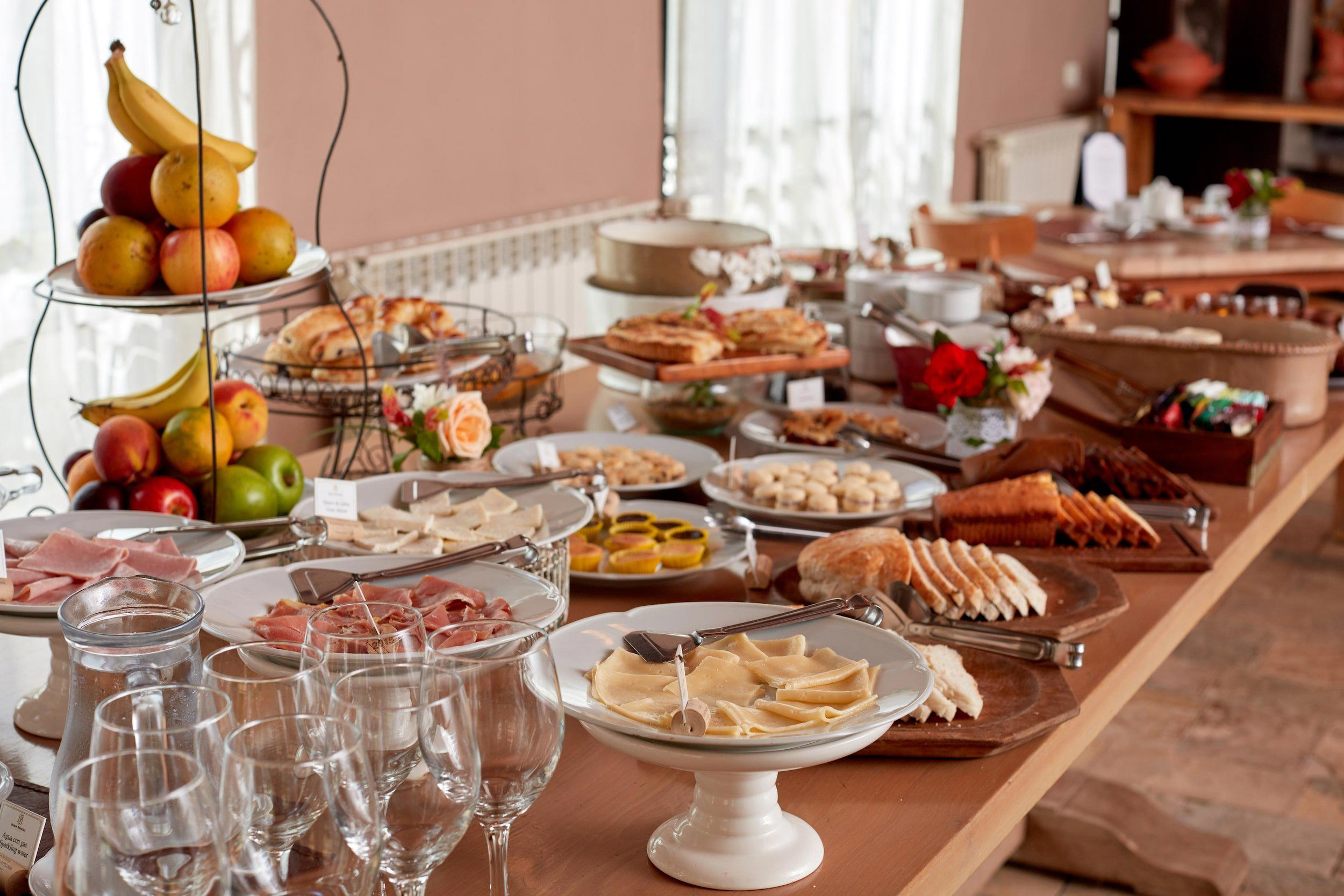
Where the Andean Foothills Set the Table
Seven kilometres from Salta's international airport, the road north along Ruta Nacional 51 passes through a stretch of the Lerma Valley where the air carries altitude even before you step out of the car. This is the setting that defines dining at La Table de House of Jasmines, not a restaurant that happens to have a view, but a table where the surrounding terrain is the primary argument for the food. This lodge restaurant in La Merced Chica, Salta, centers Peruvian cuisine under chef Fabrice Falibaron.
The coordinates place it just off the highway, down a short access road that separates the property from the traffic noise of the main route. GPS coordinates -24.8544, -65.5335 will bring you to the entrance. For those arriving by air, the transfer from Martín Miguel de Güemes International Airport is a matter of minutes rather than the hour-long drives that lodge dining elsewhere in Argentina often demands. That accessibility makes it a practical option for a single night's stay or a deliberate lunch detour when passing through Salta province.
Peruvian Cuisine in the Northwest Argentine Interior
The cuisine classification here asks a question that much of Argentina's premium dining circuit has been sitting with for some years: what does it mean to cook Peruvian food outside Peru? The answer depends entirely on the seriousness with which the kitchen engages the source traditions rather than simply borrowing the aesthetic. Peru's culinary identity runs deep, ceviche, causa, aji amarillo, huancaína, the lowland stews of Amazonia and the high-altitude preparations of the sierra, and the distance between a rigorous interpretation and a fashion-driven citation is wide.
La Table holds an 'Expression of the Terroir' recognition, which positions it in a category of cooking where the sourcing geography is considered inseparable from the dish. In Andean terms, that is a coherent claim: the northwest Argentine interior shares ecological and cultural continuity with the Peruvian high country across the border. The quinoa belt, the potato diversity, the dried chilli traditions, these run through Jujuy, Salta, and the altiplano into Peru without hard culinary borders. A kitchen in La Merced Chica drawing on Peruvian technique has access to ingredients that share a common agricultural inheritance with those techniques, which is a more grounded position than Peruvian restaurants operating in Buenos Aires or coastal cities where that continuity is absent.
Chef Fabrice Falibaron leads the kitchen. Within the editorial logic that governs this tier of lodge dining, a chef's credentials function as evidence of kitchen seriousness, not as the narrative itself. What matters in this context is how the cuisine connects to the place, and whether the terroir recognition holds up to scrutiny. For comparison, Don Julio in Buenos Aires and Azafrán in Mendoza sit in a different peer tier where volume of recognition and award weight define the competitive conversation. La Table's comparable set is smaller and geographically defined: lodge restaurants in the Argentine interior where the dining experience is inseparable from the stay and the setting.
Corn, Masa, and the Andean Ingredient Tradition
Any serious engagement with Peruvian cuisine encounters maize at the centre of the table. Andean corn culture predates the Spanish colonial period by millennia, and the varieties that survive in Peru and the Argentine northwest, choclo, morado, cancha, carry flavour profiles that bear no resemblance to commodity corn. Nixtamalization, the alkaline processing technique that transforms dried corn into a more nutritious and texturally workable masa, is the foundation on which much of the corn-forward Andean kitchen rests. In a region where the ingredient is grown at altitude rather than imported from lowland monocultures, the difference between sourcing locally and shipping from elsewhere shows in the texture of the grain and the depth of the flavour.
For diners arriving at a table recognised for expressing terroir, the question of whether the corn on the plate comes from the valley they drove through to get there is not a marketing abstraction. The Lerma Valley and the slopes above it have agricultural histories tied to exactly these varieties. A kitchen serious about the 'Expression of the Terroir' designation would be expected to engage with that heritage through the ingredient list, not only through the plating or the view. This is the standard against which the Peruvian lodge-dining format in this region earns its credibility, and it applies as much here as it does to the Peruvian-influenced kitchens operating further south in the country.
For travellers who want to compare how this cuisine tradition reads across different South American contexts, Delfin Amazon Cruises in Iquitos, El Mercado in Miraflores, and El Restaurant in Lima each represent Peruvian cuisine operating closer to its source geography. The contrast with a property like La Table, where Peruvian technique meets the specific altitude and ingredient palette of northwest Argentina, is instructive rather than competitive.
The Lodge Dining Circuit in Context
Argentina has developed a coherent premium lodge-dining circuit over the past two decades, with properties operating at the intersection of regional tourism and destination gastronomy. The pattern appears consistently: a property with limited keys, a setting that would be unreachable by destination restaurant logic alone, and a kitchen that justifies the journey independently of the accommodation offer. EOLO in El Calafate, La Bamba de Areco, and Las Balsas in Villa La Angostura all operate within this format, each anchored to a specific regional identity. La Table fits the template geographically and in terms of its terroir positioning, with the Salta province offering one of the more distinctive ingredient and landscape arguments in the country.
The northwest Argentina dining scene more broadly draws visitors who are already in transit between Salta city and the Quebrada de Humahuaca, among the more-visited cultural corridors in the country. Ruta 51 is the artery connecting the airport to that route north, which means La Table's seven-kilometre position is less remote than it reads on a map and more naturally on the path of the kind of traveller already oriented toward the high-country experience. For a fuller picture of what the region offers across dining, accommodation, and experience formats,
Comparable lodge-dining properties in other Argentine provinces, including El Colibri in Santa Catalina and Ti Amo in Adrogué, show how this format operates across different regional identities, while Olluco in Moscow demonstrates how far Peruvian culinary influence has travelled internationally, making the Argentina-based iteration at La Table part of a much wider diaspora conversation.
Getting There and Practical Notes
Arriving by car from Salta city, take the direction of the airport along Ruta 51 and watch for the property's signage on the right at the seven-kilometre mark. After turning off the highway, the entrance is 200 metres ahead on the right. The GPS coordinates (-24.8544, -65.5335) are reliable for navigation apps. For those flying in, Martín Miguel de Güemes International Airport sits approximately seven kilometres from the property, making it among the more airport-proximate lodge-dining options in the Argentine interior. The restaurant is open daily from 7:30 AM to 10:30 PM.
Quick Comparison
Comparable venues nearby, for context on price, style, and recognition.
| Venue | Cuisine | Price | Notes |
|---|---|---|---|
| La Table de House of JasminesThis venue — the venue you are viewing | Peruvian | Not listed | Not listed |
| Alcahuete | Porteña Pizza | $ | Palermo |
| Chuchú | International | $$ | Retiro |
| María Antonieta | Modern Mediterranean-Argentine Bistro | $$ | Ciudad |
| El Baqueano | Northwest Argentine Haute Cuisine | $$$$ | Cerro San Bernardo |
| El Baqueno | Cocina Autóctona Contemporánea | $$$ | San Telmo |
Recognition history
Dated appearances from independent guides and award organizations, with the underlying list record or original source where available.
Relais Chateaux Award
Relais Chateaux
Relais Chateaux Award
Relais Chateaux
Continue exploring
More in La Merced Chica
Restaurants in La Merced Chica
Browse all →
Hotels in La Merced Chica
Browse all →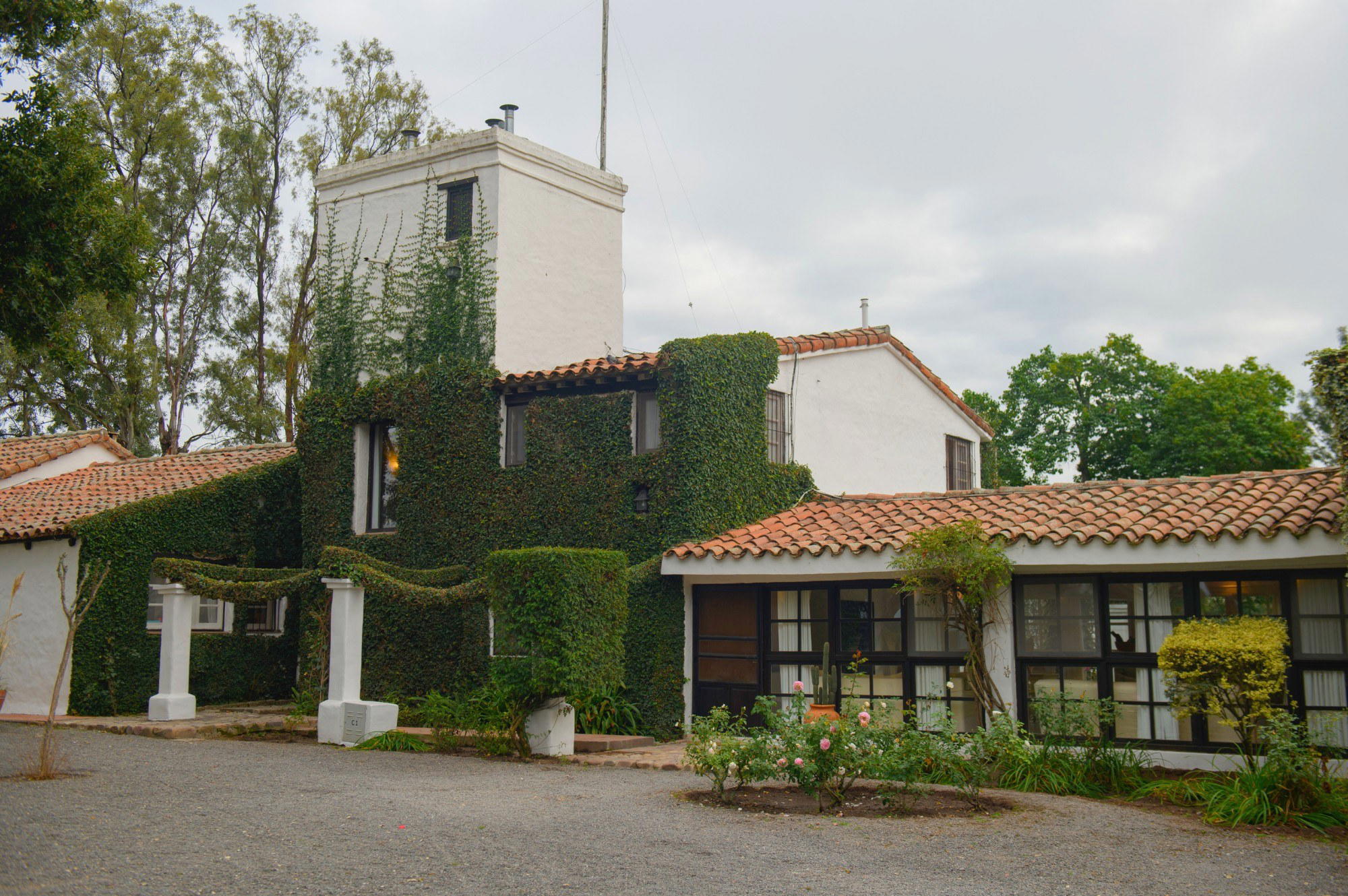
At a Glance
- Scenic
- Elegant
- Quiet
- Sophisticated
- Romantic
- Special Occasion
- Date Night
- Celebration
- Hotel Restaurant
- Garden
- Extensive Wine List
- Local Sourcing
- Garden
Current opening hours
- Monday
- 7:30 AM–10:30 PM
- Tuesday
- 7:30 AM–10:30 PM
- Wednesday
- 7:30 AM–10:30 PM
- Thursday
- 7:30 AM–10:30 PM
- Friday
- 7:30 AM–10:30 PM
- Saturday
- 7:30 AM–10:30 PM
- Sunday
- 7:30 AM–10:30 PM
Hours can change for holidays and private events. Last verified .
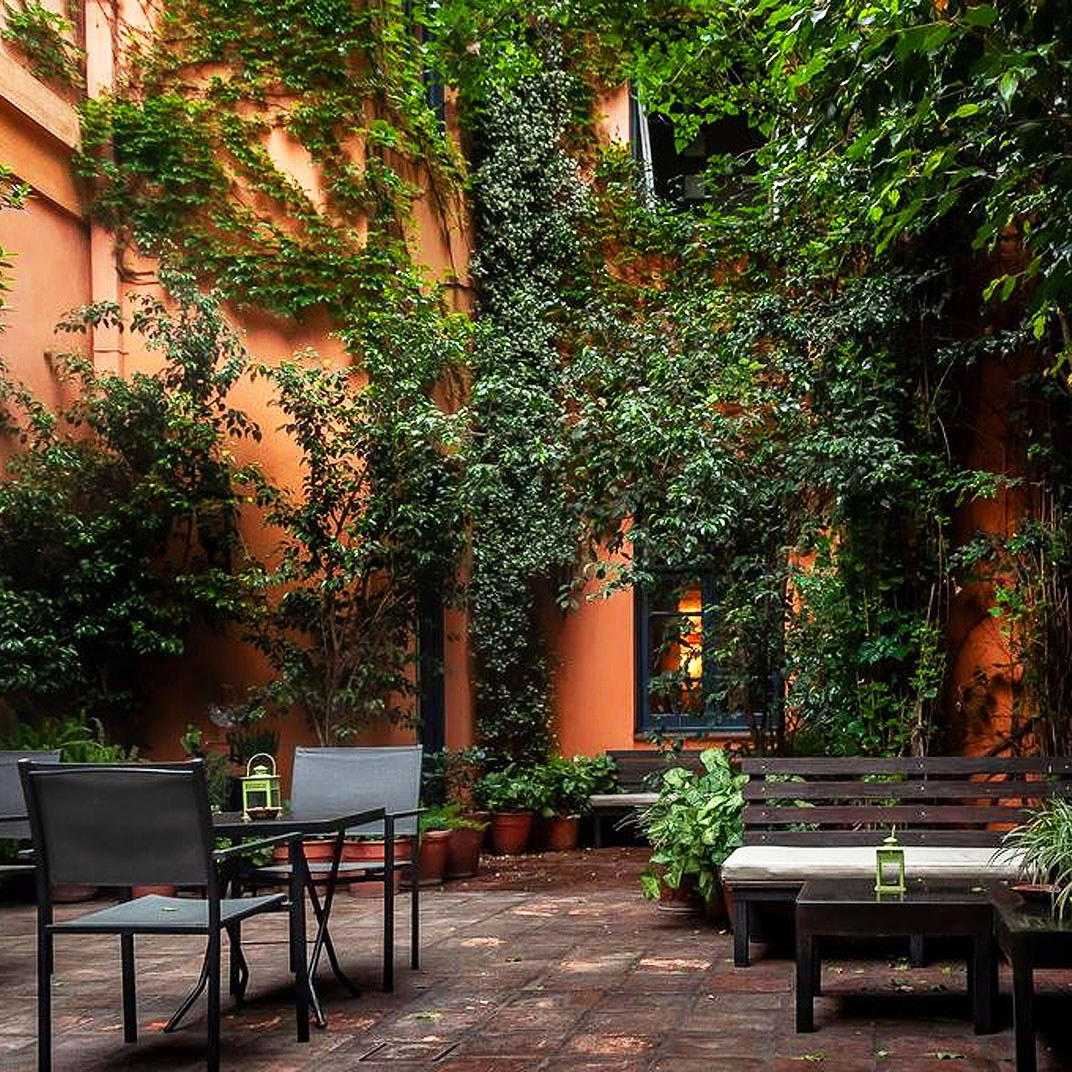
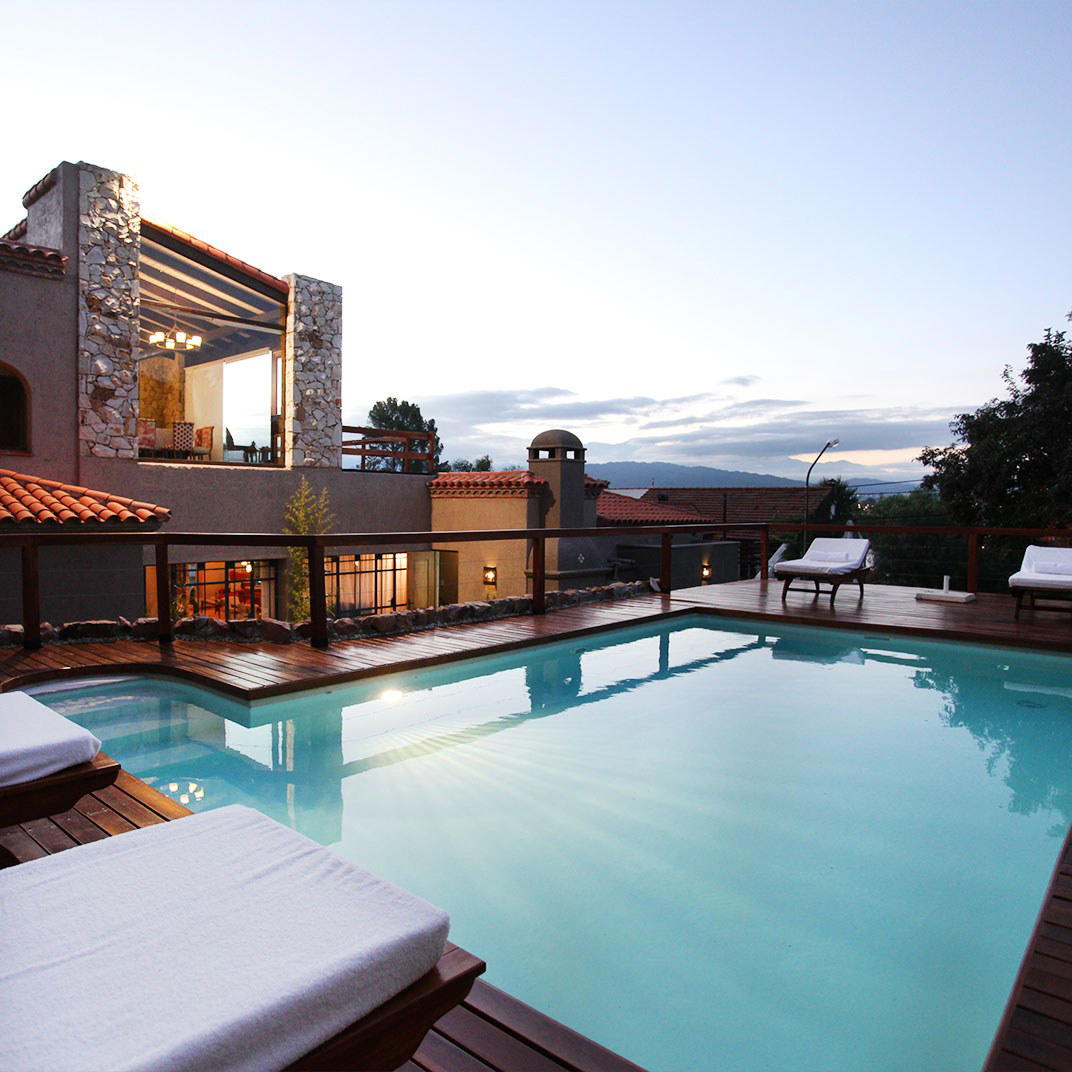
Peaceful and refined, set within a large country estancia with a calm special-occasion feel.