Cucina De Santo
Located on Talcahuano 475 in the Tribunales district of Buenos Aires, Cucina De Santo occupies a corner of the city where European culinary traditions have long been reinterpreted through Argentine instinct. Detailed venue data remains limited, making advance reconnaissance advisable before visiting. For context on the surrounding dining tier, see EP Club's full Buenos Aires coverage.
Pearl is the En Primeur Club membership app — saves, bookings, and concierge access live there. Same editors, same standards.
- Address
- Talcahuano 475, C1013AAI, C1013 Cdad. Autónoma de Buenos Aires, Argentina
- Phone
- +541143253650
- Directions
- Get directions
 Saves & bookings on Pearl
Talcahuano and the Architecture of the Dining Room
The block of Talcahuano that runs south from Lavalle toward the Tribunales courthouse sits in a part of Buenos Aires that has never quite settled into a single identity. Law offices, mid-century apartment facades, and the occasional family-run trattoria compete for the same narrow sidewalk. It is a neighbourhood built for function, not tourism, and restaurants that persist here tend to do so because the local professional class returns reliably rather than because international guides have flagged them. Cucina De Santo sits at number 475 on that street, inside a city whose dining culture has been shaped as much by the waves of Italian and Spanish immigration in the late nineteenth and early twentieth centuries as by any indigenous culinary tradition.
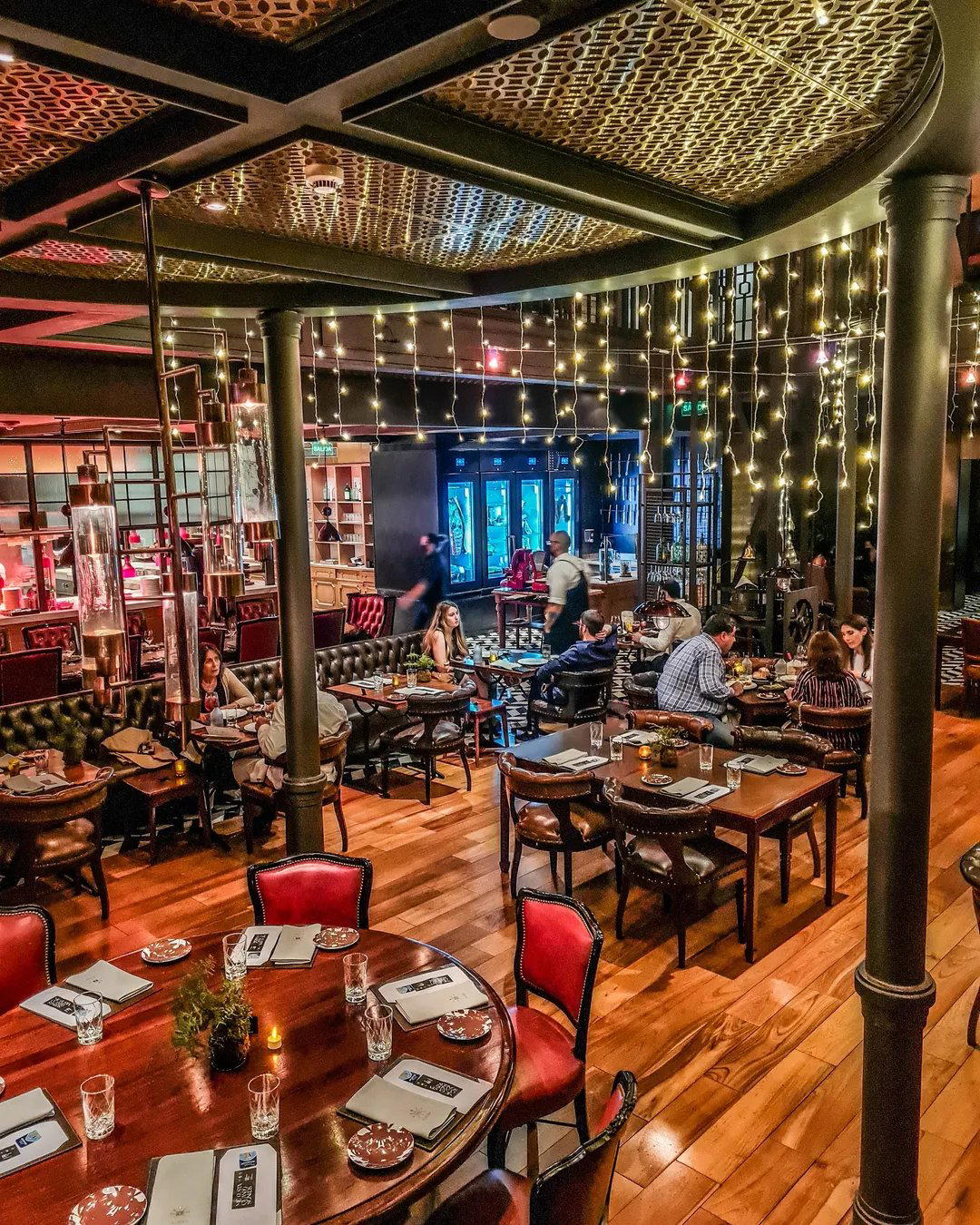
The physical container matters in a room like this. Buenos Aires diners have long been trained by the city's sprawling parrilla culture to value a certain relationship between space and ease: generous tables, ambient noise that permits conversation, rooms that do not perform their own importance too aggressively. The more formal restaurant tier in neighbourhoods like Recoleta and Palermo tends to import European spatial codes. In the Tribunales corridor, the tendency runs toward interiors that prioritise function over theatre, rooms where the architecture serves the meal rather than competing with it.
Where This Fits in the Buenos Aires Dining Tier
Buenos Aires currently divides its serious restaurant offering into several legible bands. At the summit of the parrilla tradition sits a place like Don Julio, which operates at the highest price tier and carries the recognition to match. The creative end of the market runs through addresses like Aramburu and Trescha, both of which deploy tasting-menu formats to argue for Buenos Aires as a destination for contemporary cooking rather than simply grilled beef and Malbec. Below those tiers, but not below the threshold of seriousness, sits a dense middle band of neighbourhood restaurants where cooking that draws on Italian and Spanish DNA is delivered without the ceremony of a destination dining room.
Cucina De Santo operates in territory that has equivalents across the city: Anafe and Crizia both represent the contemporary neighbourhood tier in different registers, one leaning toward produce-forward cooking, the other toward seafood. The address at Talcahuano places this restaurant inside a professional district rather than a gastronomic one, which tends to produce a particular kind of room: one calibrated to regulars who eat here twice a month rather than tourists who are checking a reservation off a list.
The Italian Inheritance in Argentine Cooking
No discussion of a restaurant named Cucina De Santo makes sense without reference to the Italian culinary inheritance that runs through Buenos Aires more deeply than through almost any other South American capital. By the early twentieth century, more than two million Italians had settled in Argentina, a migration that reshaped the country's food at the domestic level before it ever registered in formal dining rooms. Pasta became Argentine as much as Italian. Tuco, the tomato-based sauce that varies suburb by suburb and grandmother by grandmother, is as locally rooted as chimichurri. Fugazza, the thick-rimmed pizza layered with onion that originated in the port neighbourhood of La Boca, is a direct descendant of Ligurian focaccia and now reads as wholly porteño.
A restaurant name that invokes Italian tradition in this city is not importing an exotic reference. It is, more often, excavating something that was already there. The better Buenos Aires tables in this tradition tend to work from that inheritance honestly: housemade pasta cut to local taste, proteins sourced from the Argentine interior rather than flown in for authenticity's sake, and wine lists that sit somewhere between Italian imports and the Mendoza and Patagonian labels that increasingly hold their own in that comparison. For a broader picture of Argentina's premium wine geography, properties like Cavas Wine Lodge in Alto Agrelo and Entre Cielos in Luján de Cuyo illustrate the scale of what Mendoza now produces at the premium end, while Azafrán in Mendoza shows how that regional wine culture translates to the table.
A Note on Available Information
That absence is not unusual for restaurants operating in the mid-tier neighbourhood segment in Buenos Aires, where marketing investment rarely extends to the kind of digital infrastructure that generates internationally legible signals. It does mean that any reader planning a visit should treat the information here as a geographic and contextual orientation rather than a confirmed operational profile.
The Talcahuano 475 address is confirmed. Everything else, including current format, price point, and kitchen direction, should be verified through direct contact or through local Buenos Aires sources before a reservation is made. The broader EP Club coverage of Buenos Aires restaurants, including a full city guide, offers comparative context across the dining tiers, and venues like Los Talas del Entrerriano and La Bamba de Areco illustrate what the broader Argentine dining landscape looks like outside the capital.
Planning a Visit
For anyone building a Buenos Aires itinerary around serious eating, the city rewards vertical research: understanding which neighbourhood you are in, which dining tier that neighbourhood supports, and what kind of room you are walking into. The Tribunales district does not attract the same pre-dinner foot traffic as Palermo Soho or the Las Cañitas strip, which means tables here tend to be more available than at the high-visibility addresses to the north, but that availability should be confirmed rather than assumed. Buenos Aires dining hours run later than European equivalents, with most rooms filling between 9pm and 11pm on weekday evenings and later still on weekends.
Readers with broader Argentine itineraries should note that the country's premium dining is not confined to Buenos Aires. The wine country around Mendoza supports destination restaurants at properties like Agrelo in Luján de Cuyo and Chacras de Coria in Las Heras, while Patagonian addresses like Las Balsas in Villa La Angostura represent a different register entirely. For those extending north, Awasi Iguazú and La Table de House of Jasmines in Salta province show how far the country's hospitality geography now reaches. Internationally, the technical benchmark for what serious cooking looks like in a formal dining room remains places like Le Bernardin in New York and the communal-table format pioneered by Lazy Bear in San Francisco, both of which illustrate how strongly format and room design shape the dining experience before a single dish arrives.
Booking and Cost Snapshot
| Venue | Cuisine | Price | Awards |
|---|---|---|---|
| Cucina De SantoThis venue — the venue you are viewing | Not listed | This venue | Not listed |
| Don Julio | Argentinian Steakhouse | $$$$ | Michelin 1 Star |
| Aramburu | Modern Argentinian, Creative | $$$$ | Michelin 2 Star |
| El Preferido de Palermo | Not listed | $$ | Argentinian, Traditional Cuisine, $$ |
| Elena | Not listed | $$$ | South American, Steakhouse, $$$ |
| La Carniceria | Not listed | $$ | Argentinian Steakhouse, Meats and Grills, $$ |
Continue exploring
More in Buenos Aires
Restaurants in Buenos Aires
Browse all →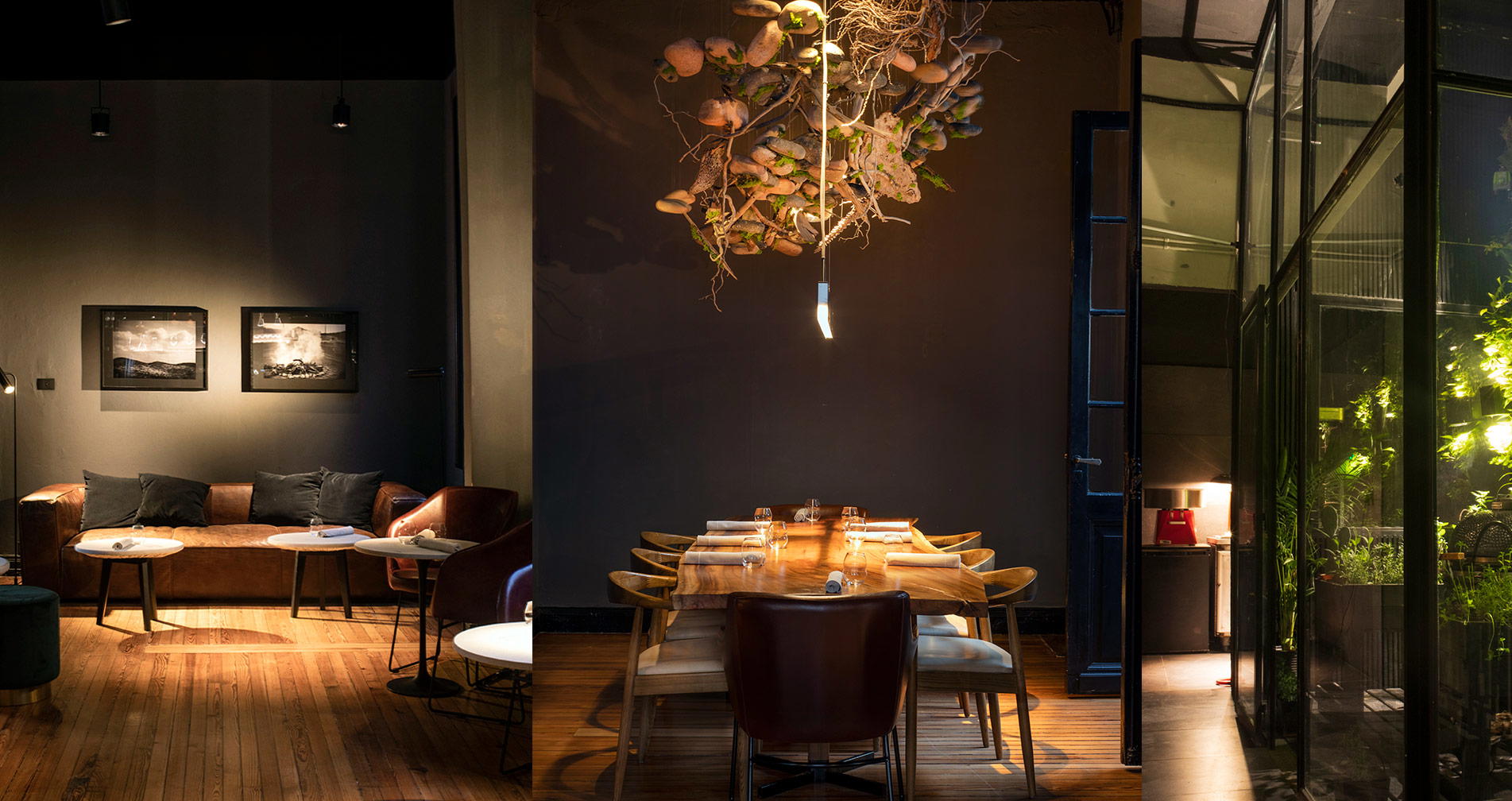
Bars in Buenos Aires
Browse all →
Hotels in Buenos Aires
Browse all →
Wineries in Buenos Aires
Browse all →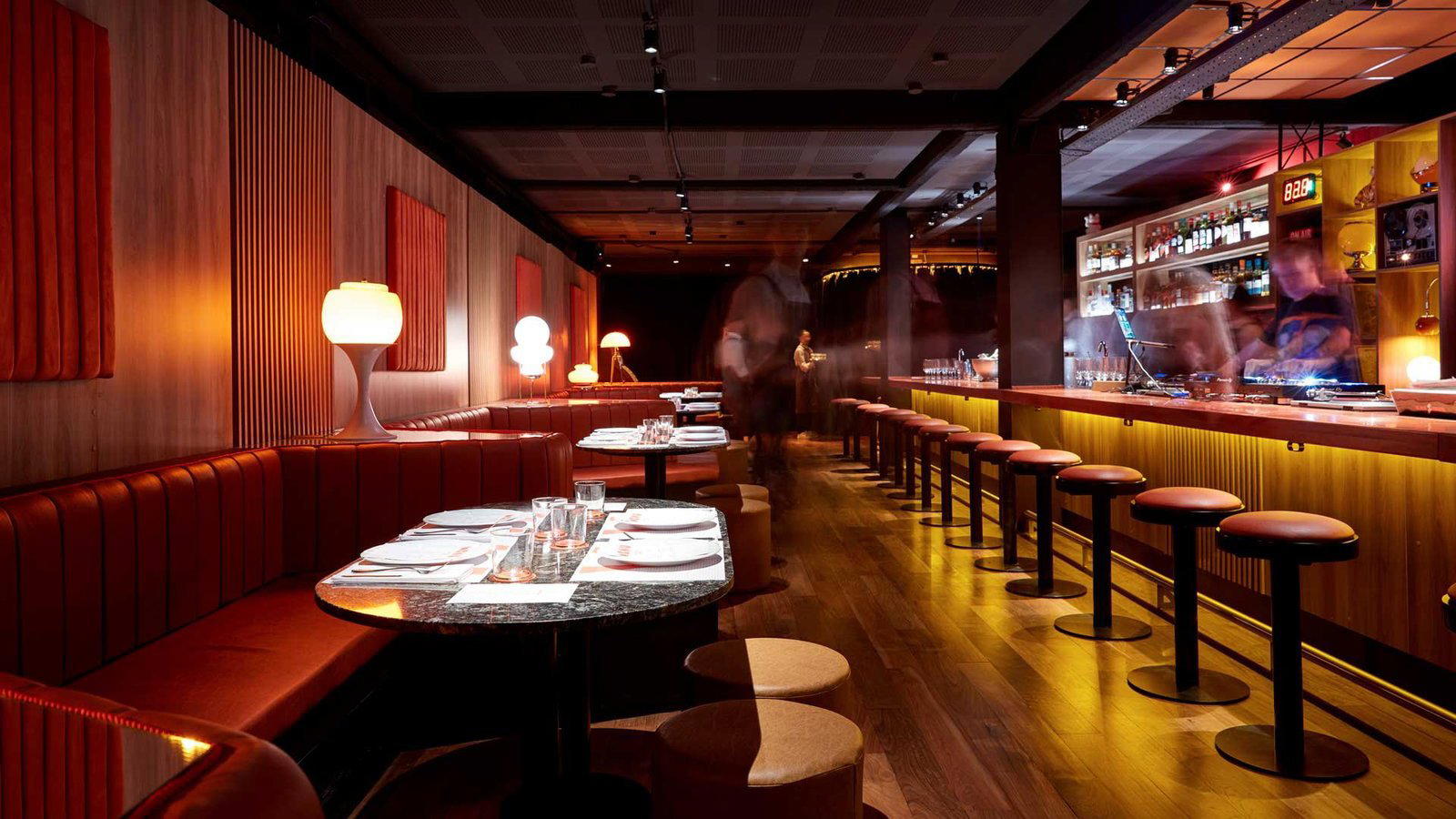
At a Glance
- Cozy
- Classic
- Intimate
- Family
- Special Occasion
- Extensive Wine List
- Local Sourcing
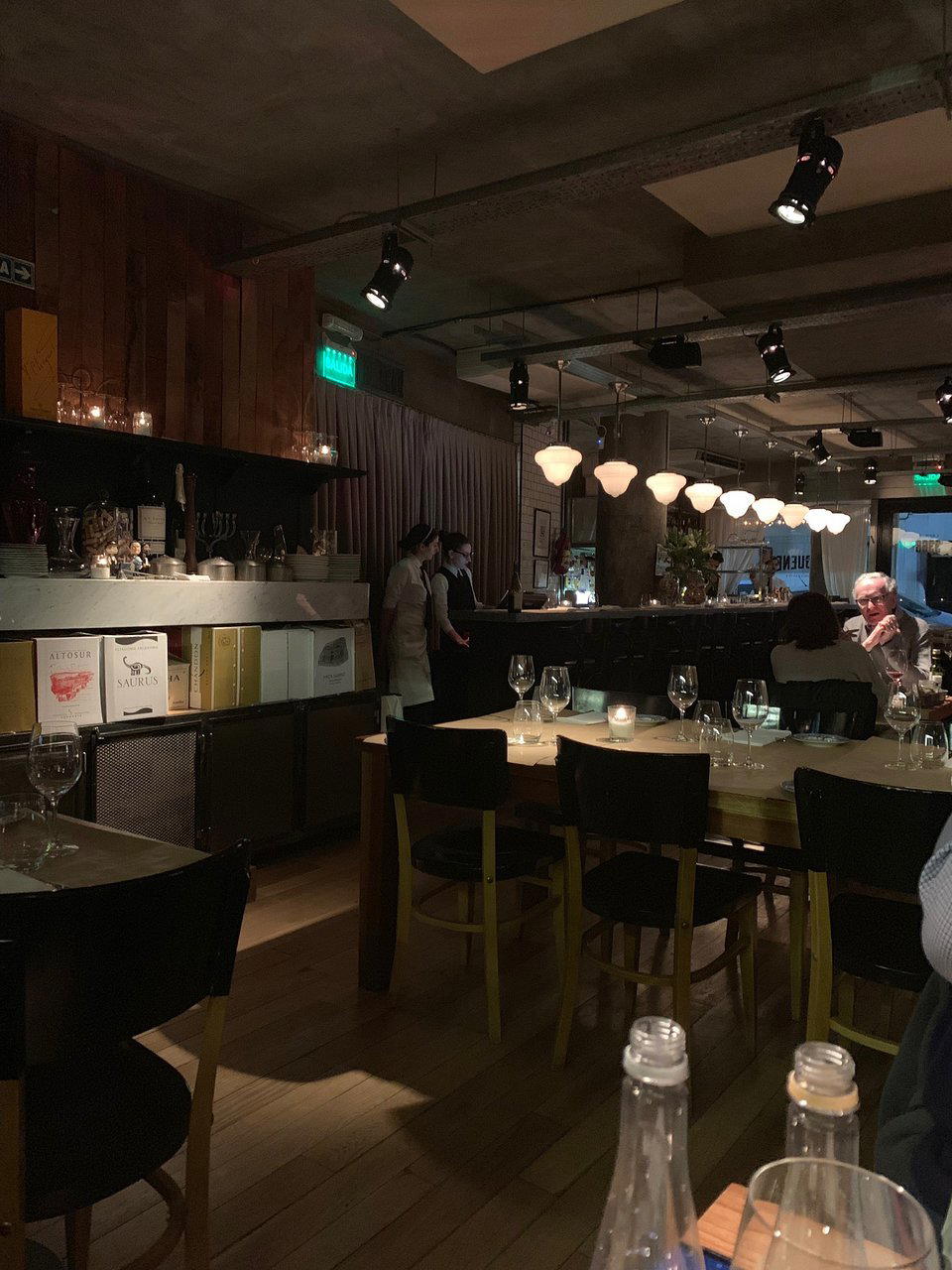
Warm and inviting with checkered tablecloths, sparkling chandeliers, and a family-style 1950s trattoria atmosphere.
Know Before You Go
- Getting there
- Talcahuano 475, C1013AAI, C1013 Cdad. Autónoma de Buenos Aires, Argentina