Los Talas del Entrerriano
On the northern fringe of Greater Buenos Aires, Los Talas del Entrerriano draws from the open-fire traditions of the Entre Ríos province, where cattle ranching and wood-smoke cooking are inseparable. The setting on Avenida Rosas in Villa José León Suárez places it firmly in working-class suburban Argentina, where the asado ritual is taken seriously and performed without concession to tourist expectations.
Pearl is the En Primeur Club membership app — saves, bookings, and concierge access live there. Same editors, same standards.
- Address
- Av. Brig. Gral. Juan Manuel de Rosas 1391, B1655 Villa José León Suárez, Provincia de Buenos Aires, Argentina
- Phone
- +54 11 3768 2391
- Directions
- Get directions
 Saves & bookings on Pearl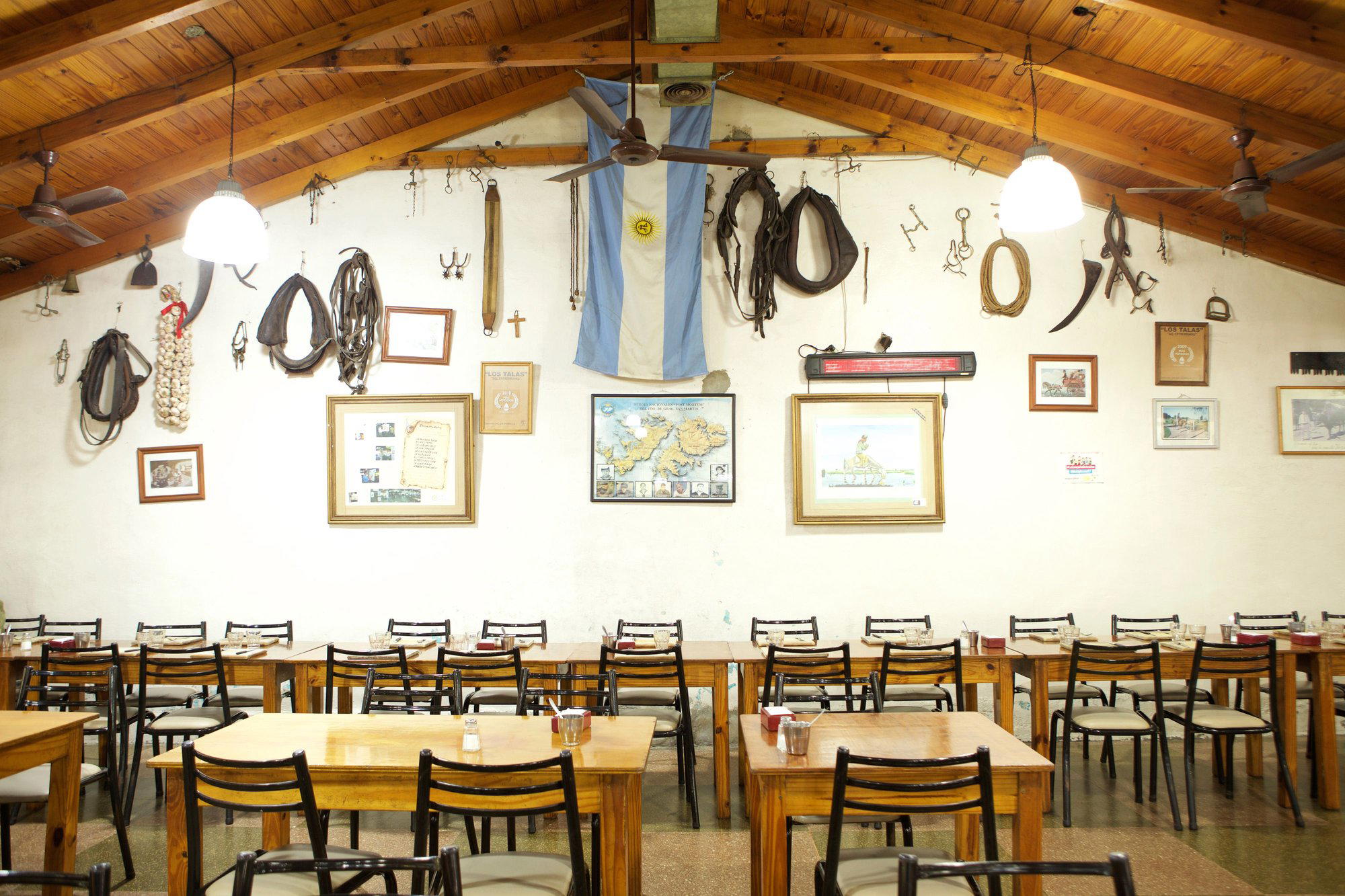
Where the Smoke Meets the Pampa
Los Talas del Entrerriano is a traditional Argentine parrilla in Villa José León Suárez, Buenos Aires Province,257 reviews. The road into Villa José León Suárez, along Avenida Brigadier General Juan Manuel de Rosas, does not prepare you for fine-dining theatre. The neighbourhood is dense, low-rise, and resolutely suburban, part of the vast urban sprawl that stretches north of Buenos Aires proper into the Partido de General San Martín. What you find at number 1391 is not a restaurant designed around presentation or Instagram choreography. You find smoke, fire, and the particular gravity that serious asado culture carries in this part of the country. This is a setting that belongs to a broader Argentine tradition: the parrilla as community institution, not lifestyle accessory.
That context matters when placing Los Talas del Entrerriano in any useful frame of reference. Greater Buenos Aires has its celebrated parrillas, and the capital itself has venues like Don Julio in Buenos Aires, which now operates at the high end of the national and international steakhouse conversation. But the suburban parrilla tradition is a different register entirely: less about curated wine lists and reservation waitlists, more about the long lunch, the extended family table, and the cook who has been working the same grill position for years. Los Talas del Entrerriano occupies that second register, and should be read within it.
The Entre Ríos Sourcing Question
The name carries a specific geographic claim. Entrerriano refers to Entre Ríos, the province bounded by the Paraná and Uruguay rivers northeast of Buenos Aires, one of Argentina's most important cattle-producing regions. Livestock raised in that province benefit from a combination of humid subtropical conditions, year-round pasture, and a ranching culture that has operated largely outside the large-scale industrial feedlot model that dominates parts of the Pampas. Beef from Entre Ríos carries a regional identity in the same way that certain wine appellations carry theirs: the land leaves a trace in the product.
In the Argentine asado tradition, sourcing has always mattered more than most international observers recognize. The conversation among serious parrilleros about the origin of their beef, its age, its feeding conditions, and its handling before the fire, predates any farm-to-table rhetoric imported from elsewhere. When a restaurant signals its Entre Ríos connection through its name and positioning, it is making a claim about ingredient provenance that regulars in this market know how to evaluate. The standard set by the region's leading beef is direct-grazed, grass-finished, and processed through smaller operations with shorter cold chains than the export-oriented industrial model. Whether any given plate delivers on that implicit promise is what separates the parrillas that earn their reputations from those that merely inherit them.
For comparison across Argentina's broader culinary geography, the ingredient-sourcing conversation looks different in Mendoza, where wine-country restaurants like Azafrán in Mendoza or Angélica Cocina Maestra in Agrelo connect their menus explicitly to regional producers and winemakers. In Patagonia, places like EOLO in El Calafate foreground lamb and local provenance as the narrative spine of the meal. In the Buenos Aires suburbs, the sourcing claim is quieter but no less present, embedded in the name rather than printed on a tasting menu.
The Suburban Parrilla in its Own Competitive Frame
To compare the restaurant directly against the high-end parrilla category in Buenos Aires proper would be to misread what it is. The peer group here is the cluster of established neighbourhood asado restaurants spread across the Partido de General San Martín and adjacent municipalities: places where the measure of quality is consistency across service, a fire management approach that produces proper charring without drying the cut, and the ability to hold a large table through a multi-hour lunch without the kitchen losing rhythm. These are not easy metrics, and the parrillas that achieve them reliably in the suburbs develop loyal followings that can sustain them for decades.
The dining public for suburban parrillas like this one is not predominantly tourist. It is local, repeat, and knowledgeable in the specific way that a community of people who grew up eating asado every Sunday is knowledgeable. That audience applies a finer-grained filter than many international visitors bring: they notice the difference between a properly rested cut and one served too quickly after the fire, between achuras handled with care and those that have sat too long, between a chimichurri made fresh and one made in bulk. For the full picture of how General San Martín fits into Buenos Aires province's dining circuit, see our full General San Martin restaurants guide.
Across the broader Argentine dining spectrum, properties anchored to regional traditions include La Bamba de Areco in San Antonio de Areco, which frames its food within gaucho heritage, and Las Balsas Restaurant in Villa La Angostura, where Patagonian lake-district produce defines the kitchen. Each operates in a specific regional register. The restaurant does the same, but from within the urban-suburban reality of Greater Buenos Aires rather than from a postcard setting.
Planning Your Visit
Villa José León Suárez sits in the Partido de General San Martín, accessible from central Buenos Aires via the Mitre rail line or by road along the northern arterials. The address on Avenida Rosas places the restaurant in a high-traffic commercial strip rather than a residential side street, which means it is findable without local knowledge. Arriving early is the practical approach.
Quick Comparison
Comparable venues nearby, for context on price, style, and recognition.
| Venue | Cuisine | Price | Notes |
|---|---|---|---|
| Los Talas del EntrerrianoThis venue — the venue you are viewing | Traditional Argentine Parrilla | $$ | Not listed |
| Happening Costanera | Traditional Argentine Parrilla | $$$ | Belgrano |
| Chuchú | International | $$ | Retiro |
| Desnivel | Classic Argentine Parrilla | $$ | San Telmo |
| Don Carlos | Traditional Argentine Bodegón | $$ | La Boca |
| Kurt & Horacio | Argentine comfort food | $$ | Ricardo Rojas |
Continue exploring
More in General San Martin
Restaurants in General San Martin
Browse all →


Bars in General San Martin
Browse all →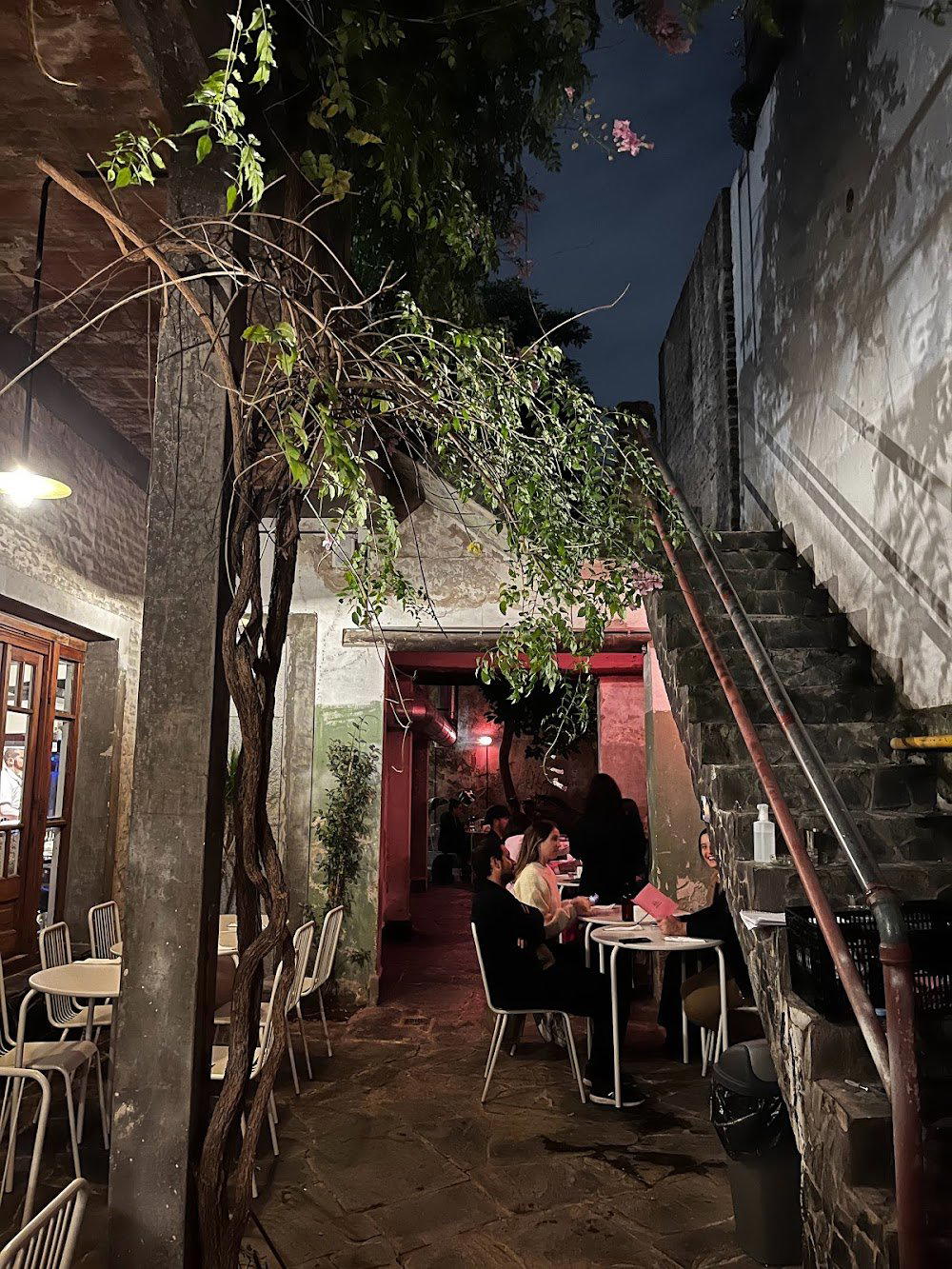
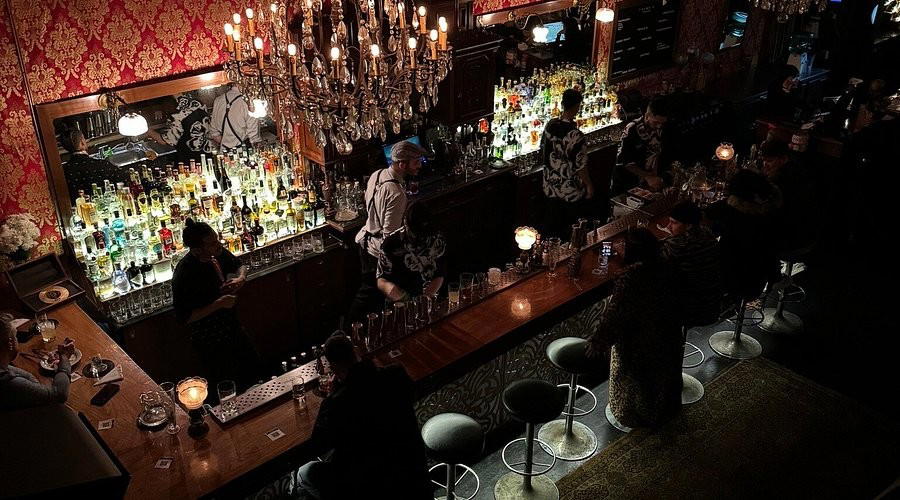
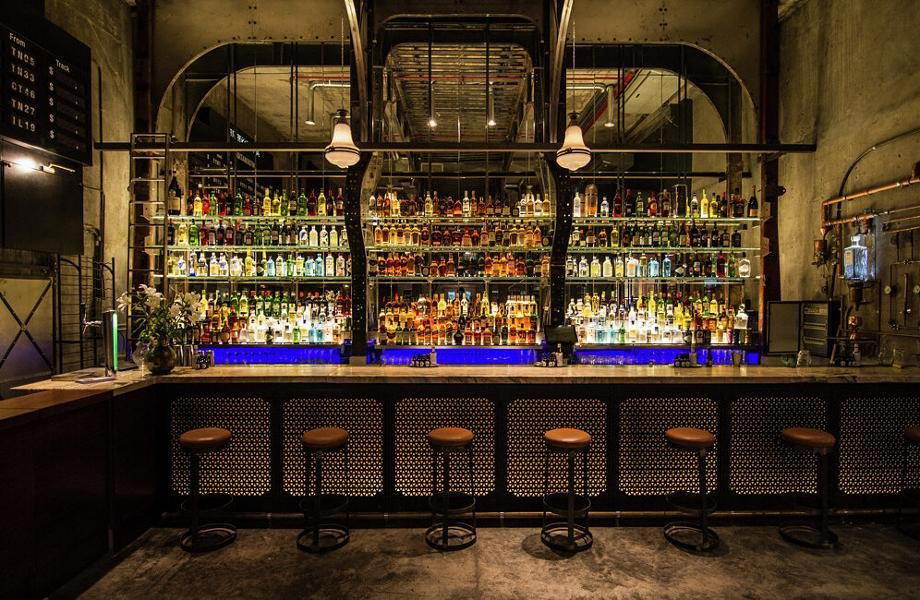
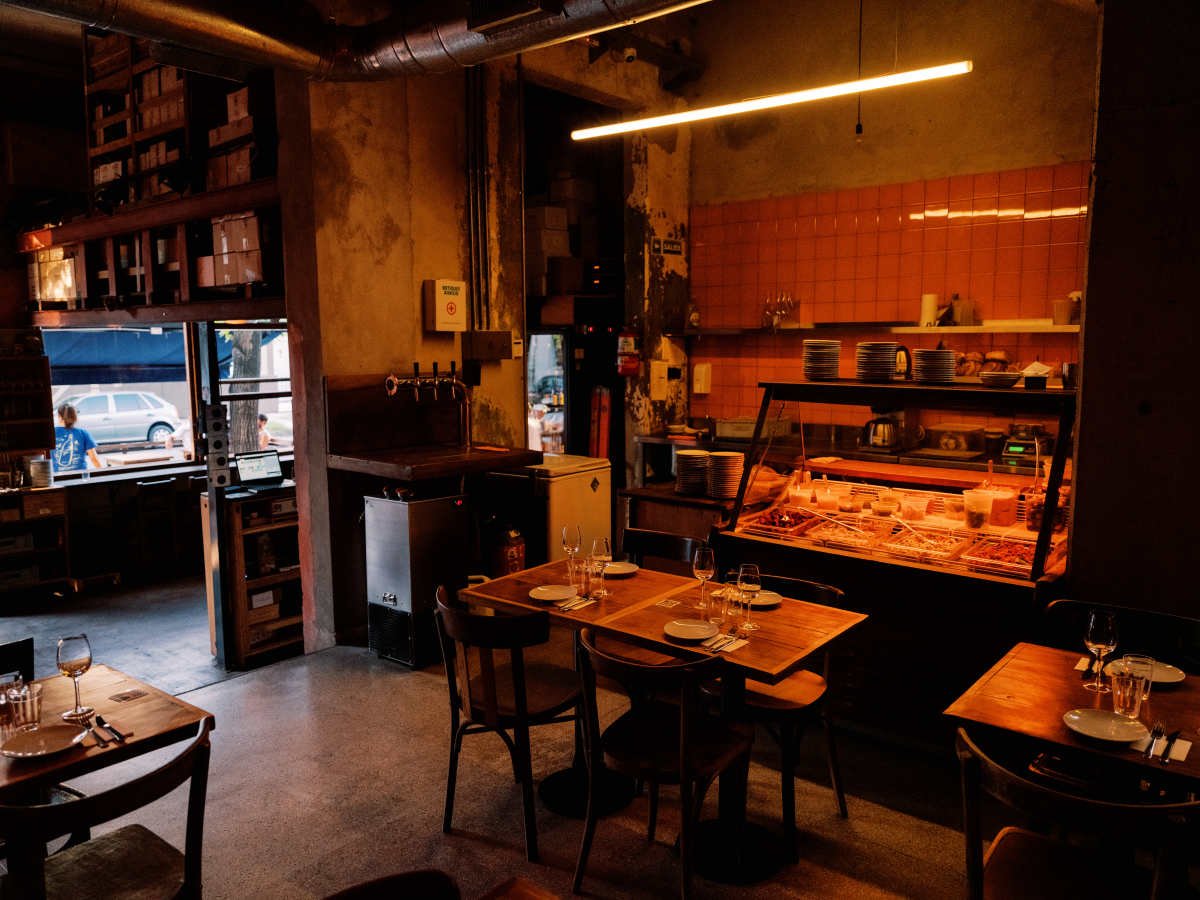
Hotels in General San Martin
Browse all →


Wineries in General San Martin
Browse all →
At a Glance
- Rustic
- Classic
- Group Dining
- Family
- Open Kitchen
Current opening hours
- Monday
- 11 AM–4 PM
- Tuesday
- 11 AM–4 PM
- Wednesday
- 11 AM–4 PM
- Thursday
- 11 AM–4 PM
- Friday
- 11 AM–4 PM
- Saturday
- 11 AM–4 PM, 8 PM–12 AM
- Sunday
- 11 AM–4 PM
Hours can change for holidays and private events. Last verified .
Casual rustic atmosphere in a spacious galpón with efficient service amid the aroma of asado a la leña.