La Collina

Tabelog 100 #61
Our verdict
La Collina is Omihachiman’s sweets-led counterpoint to the city’s Omi beef and kaiseki expectations: a Baumkuchen, wagashi and cafe complex with Tabelog Sweets WEST 100 recognition. The appeal is cultural as much as culinary, tying Shiga’s gift-sweets tradition to a large-format, family-friendly day stop rather than a formal restaurant meal.

Pearl is the En Primeur Club membership app — saves, bookings, and concierge access live there. Same editors, same standards.
The menu
What to order
- Freshly baked Baumkuchen
- Tanya Castella
- Kakigori shaved ice (seasonal flavors)
- Mitarashi dango
- Soft serve ice cream from Club Harie
Approaching La Collina, the signal is not a discreet shopfront or a chef’s counter. It is a sweets-led stop in Omihachiman, distinct from the compact dining rooms that often define Japanese regional food travel. Omihachiman is better known to many visitors through regional sightseeing and day-trip itineraries, with Omi beef also shaping the rhythm of food planning. This venue shifts the emphasis from a formal meal to the Japanese culture of sweets as gifts, snacks and edible souvenirs.
That matters in Shiga. Regional dining here often splits between beef restaurants built around the prestige of Omi-gyu and older formats tied to tea, confectionery and seasonal giving. La Collina belongs to the latter camp, but in a contemporary cafe-and-sweets format: Baumkuchen, Japanese traditional sweets and cafe service under one roof. Its Tabelog Hyakumeiten recognition in 2023 places it in a recognised sweets conversation rather than the local cafe category alone.
Baumkuchen as a regional souvenir, not a plated dessert
Baumkuchen has an unusual position in Japan. Imported from Europe, it became domesticated through department-store counters, wedding gifts and seasonal boxes, then found a second life in specialist shops that treat freshness and texture as selling points. In Omihachiman, that format reads differently from a Tokyo patisserie run: the purchase is part cafe stop, part local omiyage ritual, part family outing.
La Collina’s focus is Baumkuchen, while the wider experience folds in Japanese traditional sweets and cafe service. The point is breadth without turning the visit into a tasting-menu exercise. Sweets operate here as everyday luxury: accessible, portable and easy to share. That makes the place more revealing than a conventional dessert course, because it shows how Japanese confectionery culture travels through families, office gifts and weekend drives.
For Omihachiman dining context, the contrast is sharp. Oumi Kaneyasu sits in the city’s beef lane, while Tokusen Omi Gyu Restaurant Tiffany frames the Omi beef experience in another way. Shida Saikan occupies a different local dining rhythm again. La Collina is not competing with those rooms on ceremony or protein; it gives the city a low-barrier food address that still carries a recognised sweets credential.
A cafe stop in a city of smaller dining decisions
The atmosphere is closer to a sweets-and-cafe destination than a quiet, meal-focused counter. The cafe format and sweets emphasis make the visit feel more open-ended than a conventional restaurant booking. That changes the planning logic. In a city where restaurant choices can mean committing to beef, traditional dining or a reservation-led meal, this is a looser stop that can sit between sightseeing, shopping and a return to the station.
The format also explains the audience mix. Sweets specialists in Japan often handle more than one kind of visit at once: people eating on site and people choosing items to carry away. That flexibility is part of the cultural function. A family can treat the cafe as a pause, while a traveller can read the sweets selection as a map of what regional confectionery wants to send home.
For a broader food itinerary, use the city rather than a single meal as the frame. Our full Omihachiman restaurants guide is the natural companion for mapping sweets against beef and traditional dining. The wider travel picture sits in Our full Omihachiman hotels guide, Our full Omihachiman bars guide, Our full Omihachiman wineries guide and Our full Omihachiman experiences guide. Taken together, they show why Omihachiman works as a slow regional stop rather than a single-purpose dining detour.
Where it fits in a Japan sweets itinerary
Japan’s serious sweets scene is not one category. It runs from wagashi counters shaped by tea ceremony to pastry shops, cafe chains, fruit parlours and regional souvenir halls. La Collina sits at the intersection of wagashi-adjacent culture and modern bakery-cafe retail. The Tabelog Hyakumeiten listing matters because it recognises the venue within a sweets conversation, not because it turns the experience into a formal restaurant performance.
That distinction is useful for travellers who build trips around food. A meal at an Omi beef restaurant answers one question: how does Shiga express regional luxury through cattle? A stop here answers another: how does a regional sweets venue turn Baumkuchen, Japanese traditional sweets and cafe service into a visitable food address? The second question is less glamorous, but often more revealing about how people in Japan actually buy and share food.
Readers comparing formats across Japan can follow the same logic beyond Shiga: specialist food shops, regional dining rooms, casual cafes and other tightly focused venues each show how narrowly defined formats can anchor a trip. The same comparative lens applies to regional restaurants, beef specialists and seafood-focused addresses elsewhere in Japan. For Japanese food culture abroad, single-format counters and bars show how compact ideas can travel outside Japan.
The editorial call is simple: treat La Collina as a sweets-and-culture stop, not as a substitute for Omihachiman’s beef restaurants. Its value is in the way Baumkuchen, Japanese traditional sweets and cafe service converge into one regional food experience. For travellers who usually plan Japan around sushi counters, ramen queues or kaiseki rooms, that shift in category is the reason to pay attention.
Frequently asked questions
Does La Collina work for a family meal?
Yes. La Collina’s cafe-and-sweets format can work as an easy stop for families in Omihachiman. The JPY 1,000–JPY 1,999 budget also keeps it in accessible day-trip territory.
What should I expect atmosphere-wise at La Collina?
Expect a sweets and cafe setting rather than a formal restaurant experience. La Collina is best understood as a Baumkuchen, Japanese traditional sweets and cafe stop in Omihachiman.
What's the price range at La Collina?
Pricing at La Collina is listed as JPY 1,000 - JPY 1,999 JPY 1,000 - JPY 1,999.
What are the operating hours at La Collina?
Specific operating hours are not provided here; confirm directly with La Collina before visiting.
Where do I go for La Collina?
Omihachiman.
What's the defining dish or idea at La Collina?
The central idea is Baumkuchen, supported by Japanese traditional sweets and cafe service. The venue’s 2023 Tabelog Hyakumeiten recognition points to its standing as a sweets stop, not a full-service dining room.
Price Lens
Comparable venues by cuisine and price in the same metro.
| Venue | Cuisine | Price | Awards | Notes |
|---|---|---|---|---|
| La CollinaThis venue (the venue you are viewing) | Japanese & Western sweets café and confectionery park | $10–20 | Tabelog 100 #61 | Not listed |
| Tokusen Omi Gyu Restaurant Tiffany | Premium Omi beef steak, shabu-shabu & sukiyaki | $50–100 | Tabelog 100 #21 | Omihachiman, Premium Omi beef steak, shabu-shabu & sukiyaki |
| Shida Saikan | Chinese-Japanese fusion restaurant | $30–50 | Tabelog 100 #97 | Omihachiman, Chinese-Japanese fusion restaurant |
| Oumi Kaneyasu | Omi beef sukiyaki & meat restaurant | $30–50 | Tabelog 100 #53 | Takakaicho, Omi beef sukiyaki & meat restaurant |
| 首里そば | Okinawan Soba | $1–10 | Not listed | Shuri, Traditional Okinawan Soba |
| 中華そば 速水 | 緑ヶ丘, 和歌山ラーメン | Not listed | Not listed | Not listed |
Recognition history
Dated appearances from independent guides and award organizations, with the underlying list record or original source where available.
Tabelog 100 #61 · No. 61
Tabelog · Tabelog 100 - Sweets - WEST - 2023
Continue exploring
More in Omihachiman
Restaurants in Omihachiman
All restaurants in Omihachiman →
Bars in Omihachiman
Browse all →
Hotels in Omihachiman
Browse all →
Wineries in Omihachiman
Browse all →
Details
- Whimsical
- Scenic
- Rustic
- Well Known
- Cozy
- Family
- Group Dining
- Casual Hangout
- Celebration
- Solo
- After Work
- Garden
- Design Destination
- Courtyard
- Standalone
- Historic Building
- Local Sourcing
- Garden
- Mountain
- A La Carte
- Soft Drinks
- Tea
- Coffee
Current opening hours
- Monday
- 9 AM–6 PM
- Tuesday
- 9 AM–6 PM
- Wednesday
- 9 AM–6 PM
- Thursday
- 9 AM–6 PM
- Friday
- 9 AM–6 PM
- Saturday
- 9 AM–6 PM
- Sunday
- 9 AM–6 PM
Hours can change for holidays and private events. Last verified .
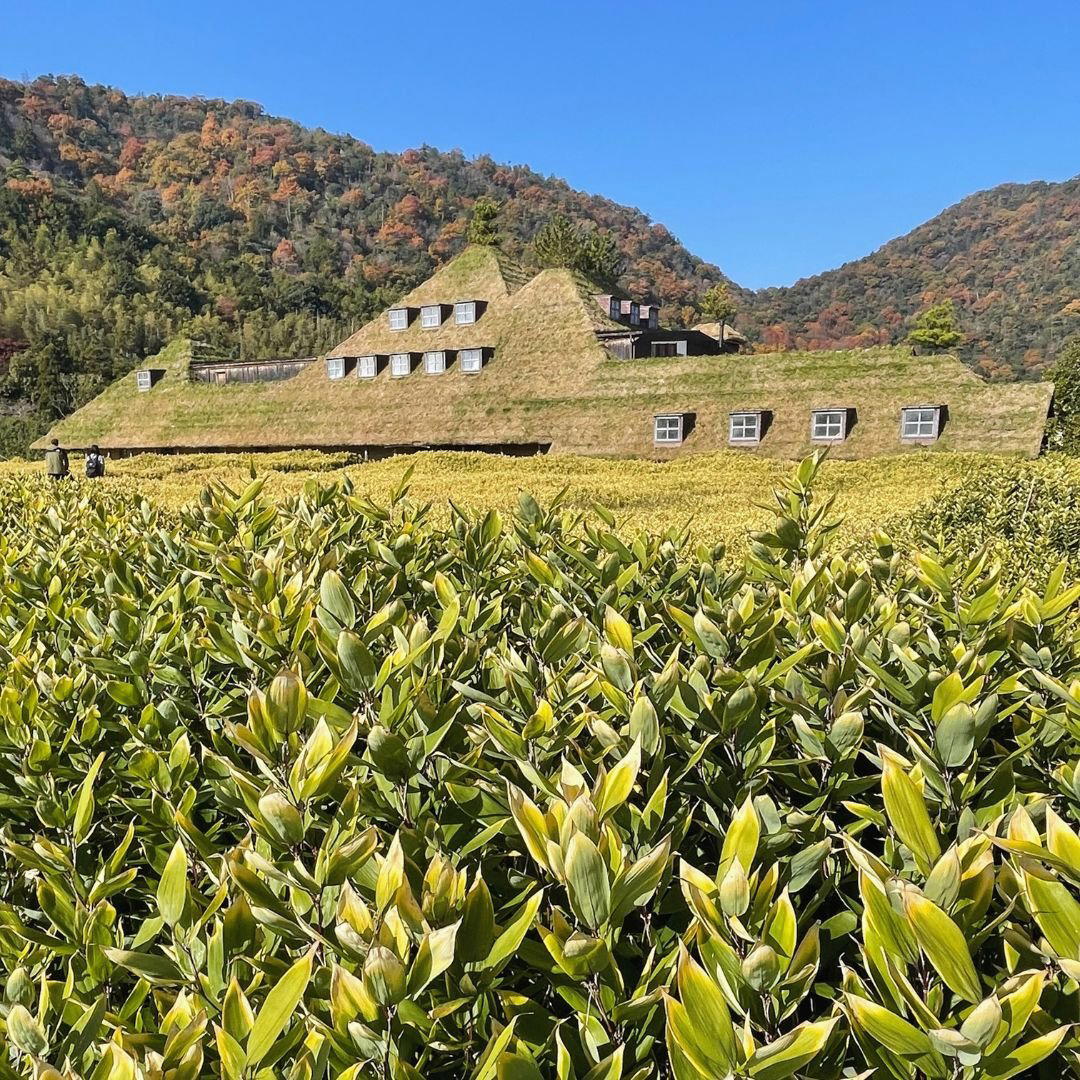
Storybook‑like architecture with a grass‑covered roof, open courtyards and surrounding rice fields creates a bright, whimsical atmosphere; inside, wood and natural materials, large windows and bustling counters for sweets and café service give it an energetic yet cozy feel, like a confectionery theme park in the countryside.