Tokusen Omi Gyu Restaurant Tiffany

Tabelog 100 #21
Our verdict
Omihachiman’s Omi beef culture is the reason to pay attention here: steak, teppanyaki and shabu shabu are treated as different expressions of the same regional ingredient. Tokusen Omi Gyu Restaurant Tiffany sits in the city’s higher-spend beef tier, with Tabelog 100 Steak / Teppanyaki WEST recognition in 2025 and a format broad enough for counter dining, tables and tatami rooms.

Pearl is the En Primeur Club membership app — saves, bookings, and concierge access live there. Same editors, same standards.
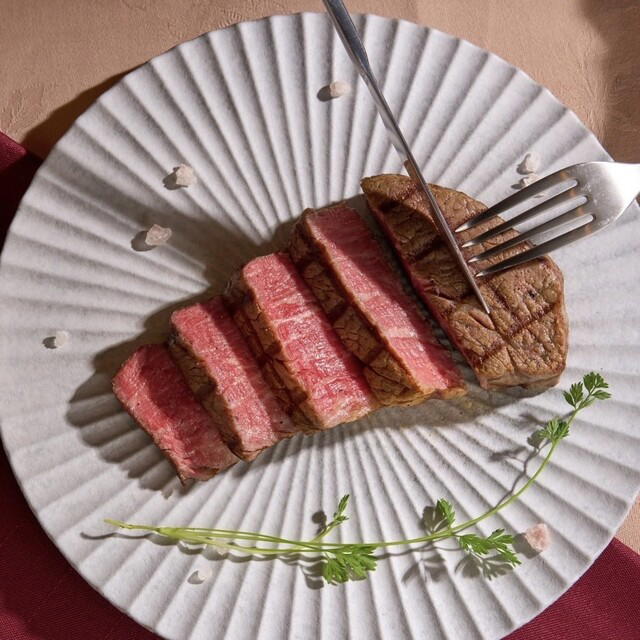
The menu
What to order
- Omi Beef Steak
- Omi Beef Shabu-Shabu
- Omi Beef Sukiyaki
- Japanese-style Roast Beef Premium Omi Beef
The approach is urban by Shiga standards: a substantial dining room built around beef rather than a small counter built around ceremony. Omihachiman is not short on pastoral charm, but the serious food story here is cattle, trading history and the way Omi beef moved from regional prestige to national shorthand for Japanese wagyu. Tokusen Omi Gyu Restaurant Tiffany belongs to that lineage, not as a hushed shrine, but as a restaurant where steak, teppanyaki and shabu shabu give diners several ways to read the same ingredient.
That matters because Omi beef is not merely a luxury label in this part of Japan. Shiga’s cattle culture is tied to old mercantile routes, lake-country agriculture and the long habit of treating beef as both gift and occasion food. In cities where wagyu is often detached from place, the better Omihachiman tables make the origin legible. Here, the editorial point is sourcing: the meal is built around Omi beef as a regional product, and the restaurant’s format keeps the focus on that ingredient across several styles of eating.
Omi beef is the argument, not a garnish
Japan’s premium beef conversation is usually dominated by Kobe and Matsusaka outside the country, but Omi beef has an older claim in Kansai dining culture. Its appeal is not only marbling. It is the way the fat, cut and cooking method change the register of a meal: teppanyaki frames beef through heat and timing, steak through cut and doneness, shabu shabu through broth and restraint. A restaurant that offers all three is making a broader case for the ingredient than a single-format steakhouse can.
The Tabelog 100 Steak / Teppanyaki WEST 2025 selection gives that case a public marker. Tabelog’s Hyakumeiten lists are not Michelin equivalents, but in Japan they carry weight because they reflect category-specific recognition within a demanding domestic dining culture. A 3.68 Tabelog score places the restaurant in a credible bracket for a regional steak and teppanyaki specialist, particularly outside the metropolitan gravity of Kyoto and Osaka.
Among Omihachiman options, the pricing tier separates the experience from more casual local meals. Oumi Kaneyasu sits in a different local dining lane, while Shida Saikan offers another point of comparison in the city. La Collina plays an entirely different role in Omihachiman, closer to confectionery-led destination dining than beef-focused occasion eating. For a broader read on the city, Our full Omihachiman restaurants guide is the useful starting point.
A large room changes the kind of occasion
Many serious wagyu meals in Japan are intimate by design, often built around a handful of counter seats and a chef-led rhythm. This room operates differently. The restaurant’s appeal is not only the plate-by-plate focus on beef, but the way the format can suit family meals, group celebrations and business dining without reducing beef to banquet food. That scale is part of the identity: the restaurant reads as a regional institution rather than a rarefied urban counter.
The breadth of the restaurant also changes how to think about format. Teppanyaki suits diners who want the visual logic of heat and timing. Steak makes sense for a cut-led meal, while shabu shabu keeps the experience connected to Japanese occasion dining, where comfort, pacing and shared attention can matter as much as the cooking method. The point is not novelty for its own sake, but a set of familiar formats that let Omi beef carry the meal.
For visitors building a full Omihachiman stay, the restaurant fits better as the anchor meal than as a quick stop. The city’s appeal is slower than Kyoto’s: canals, merchant-house atmosphere, lakeside excursions and a food culture that rewards planning. Pairing a meal here with lodging from Our full Omihachiman hotels guide makes more sense than treating it as an afterthought between train connections. The restaurant’s listed dinner budget of JPY 10,000 - JPY 14,999 and lunch budget of JPY 4,000 - JPY 4,999 also make it easier to decide where it belongs in the day.
How it fits into a wider Japan itinerary
Omihachiman is a useful corrective to the way many Japan dining itineraries overconcentrate on Tokyo, Kyoto and Osaka. The reward here is not novelty; it is regional specificity. Omi beef eaten in Shiga has a different editorial value from wagyu eaten as a luxury import in a capital-city dining room. The same logic explains why a beef-focused itinerary might compare this stop with other beef-led dining rooms elsewhere in Japan, not because they are identical, but because each frames beef through a different local dining grammar.
The surrounding comparisons are just as instructive. Other ingredient-led restaurants, whether focused on seafood, curry, Kyoto dining or casual Japanese formats, show how a narrow lens can define a meal more clearly than broad cuisine labels. In Omihachiman, that narrow lens is Omi beef. The strength of Tokusen Omi Gyu Restaurant Tiffany is that it gives the ingredient more than one register without asking diners to treat the meal as abstract luxury.
For travelers mapping the rest of the city, Our full Omihachiman bars guide, Our full Omihachiman wineries guide and Our full Omihachiman experiences guide help place the meal inside a wider itinerary rather than a single reservation. If the route continues through Japan, contrasting categories can sharpen the read: casual meals, sweets-led stops and other regional specialists sit far from Omi beef, but they underline the same point. Strong dining cities are built from specialists, not generalists.
Frequently asked questions
What time does Tokusen Omi Gyu Restaurant Tiffany open and close?
Check current opening hours directly with Tokusen Omi Gyu Restaurant Tiffany before planning your visit.
How much does it cost to eat at Tokusen Omi Gyu Restaurant Tiffany?
Pricing at Tokusen Omi Gyu Restaurant Tiffany is listed as Dinner: JPY 10,000 - JPY 14,999; Lunch: JPY 4,000 - JPY 4,999.
What's the address for Tokusen Omi Gyu Restaurant Tiffany?
Tokusen Omi Gyu Restaurant Tiffany is located in Omihachiman.
What has Tokusen Omi Gyu Restaurant Tiffany built its reputation on?
Its reputation rests on Omi beef and recognition in Tabelog’s Steak / Teppanyaki WEST “Tabelog 100” 2025 list, with steak, teppanyaki and shabu shabu listed as key categories.
Can Tokusen Omi Gyu Restaurant Tiffany adjust for dietary needs?
Ask Toksen Omi Gyu Restaurant Tiffany directly about dietary needs when booking or before visiting.
Comparison Snapshot
Nearby venues at a similar price tier for orientation.
| Venue | Cuisine | Price | Awards | Notes |
|---|---|---|---|---|
| Tokusen Omi Gyu Restaurant TiffanyThis venue (the venue you are viewing) | Premium Omi beef steak, shabu-shabu & sukiyaki | $50–100 | Tabelog 100 #21 | Not listed |
| Oumi Kaneyasu | Omi beef sukiyaki & meat restaurant | $30–50 | Tabelog 100 #53 | Takakaicho |
| Shida Saikan | Chinese-Japanese fusion restaurant | $30–50 | Tabelog 100 #97 | Omihachiman |
| La Collina | Japanese & Western sweets café and confectionery park | $10–20 | Tabelog 100 #61 | Kitanoshōcho |
| Matsugen (松玄 恵比寿) | Handmade Japanese Soba | $30–50 | Not listed | Ebisu |
| DAICHINO RESTAURANT | Japanese Crossover Fine Dining | Not listed | Not listed | 緑町 |
Recognition history
Dated appearances from independent guides and award organizations, with the underlying list record or original source where available.
Tabelog 100 #21 · No. 21
Tabelog · Tabelog 100 - Steak / Teppanyaki - WEST - 2025
Continue exploring
More in Omihachiman
Restaurants in Omihachiman
All restaurants in Omihachiman →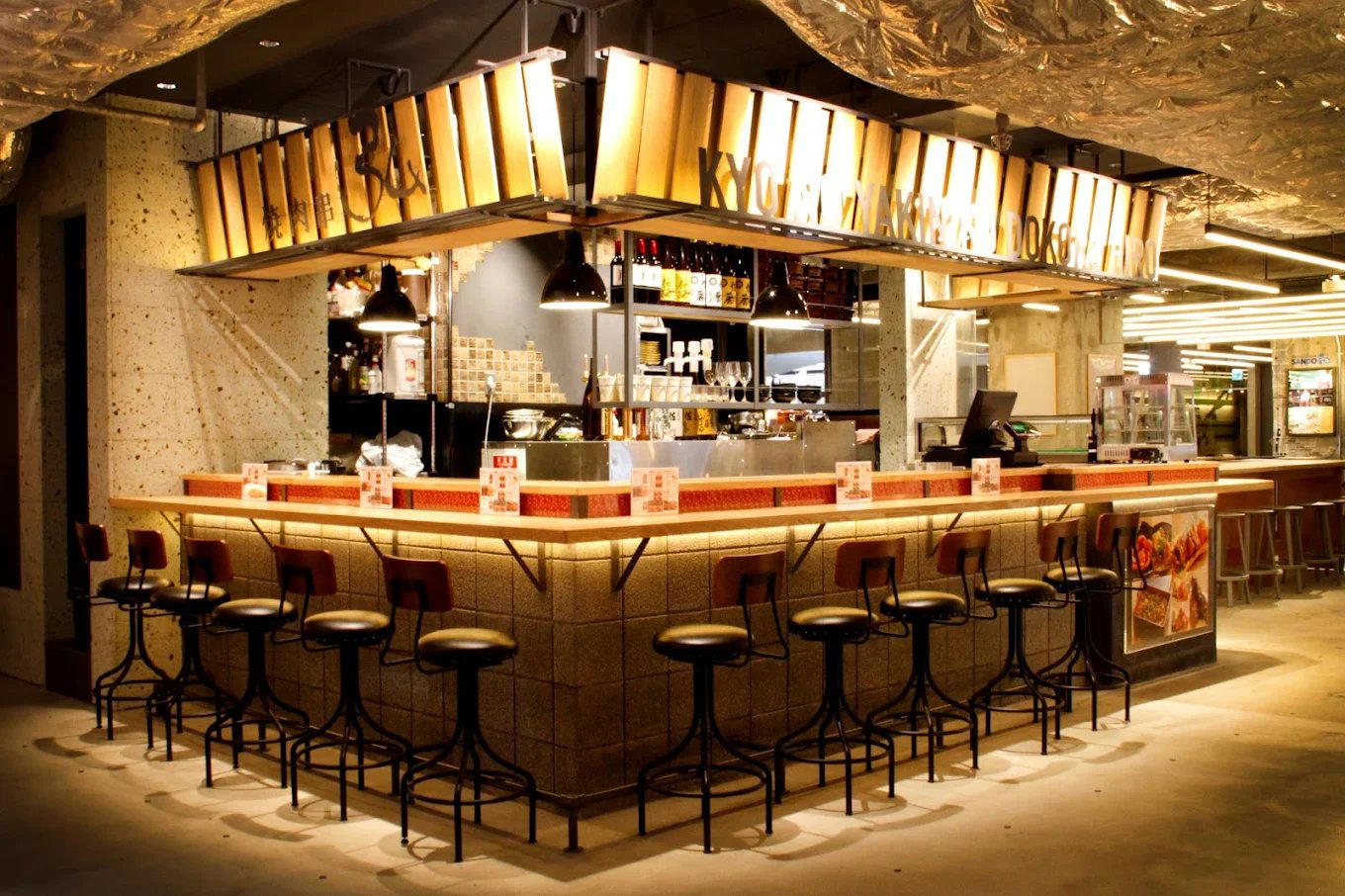
Bars in Omihachiman
Browse all →
Hotels in Omihachiman
Browse all →
Wineries in Omihachiman
Browse all →
Details
- Classic
- Elegant
- Quiet
- Romantic
- Date Night
- Business Dinner
- Group Dining
- Celebration
- Special Occasion
- Standalone
- Local Sourcing
- Set Menu
- A La Carte
Current opening hours
- Monday
- 11:30 AM–3 PM, 5–8 PM
- Tuesday
- Closed
- Wednesday
- 11:30 AM–3 PM, 5–8 PM
- Thursday
- 11:30 AM–3 PM, 5–8 PM
- Friday
- 11:30 AM–3 PM, 5–8 PM
- Saturday
- 11:30 AM–3 PM, 5–8 PM
- Sunday
- 11:30 AM–3 PM, 5–8 PM
Hours can change for holidays and private events. Last verified .
Calm, traditional yet polished atmosphere with a focus on the quality of Omi beef; service and pacing feel more like an upscale classic Japanese steak and hotpot house than a casual diner.