L'Escamoteur occupies a narrow address in Shimogyo Ward, where Kyoto's bar scene operates at a quieter register than Tokyo's. The name, French for 'the conjurer', signals the bar's orientation toward sleight of hand over spectacle, with a spirits collection and cocktail program that reward repeat visits and careful attention.

Pearl is the En Primeur Club membership app, where members save venues, book tables and use the concierge.
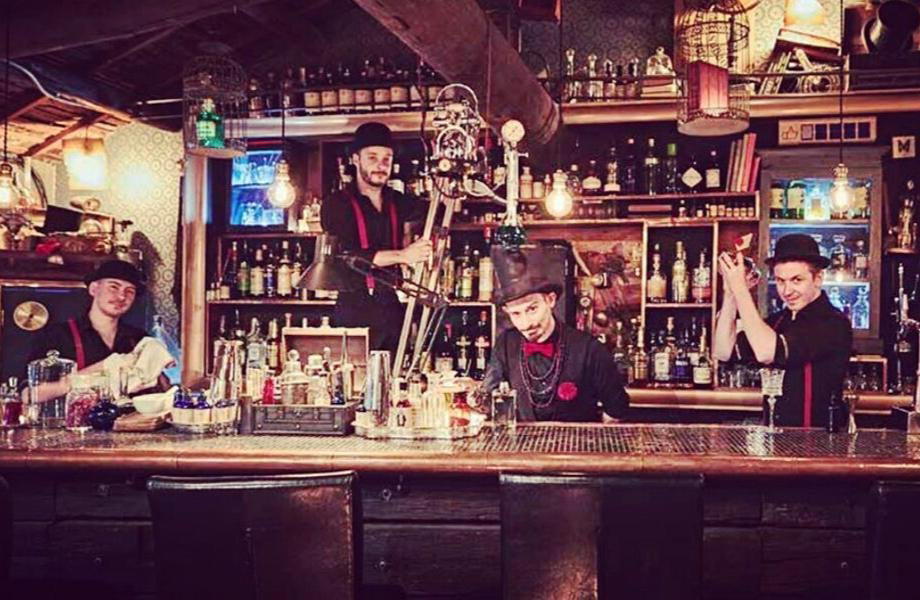
A Shimogyo Address with a French Name and a Japanese Approach to the Back Bar
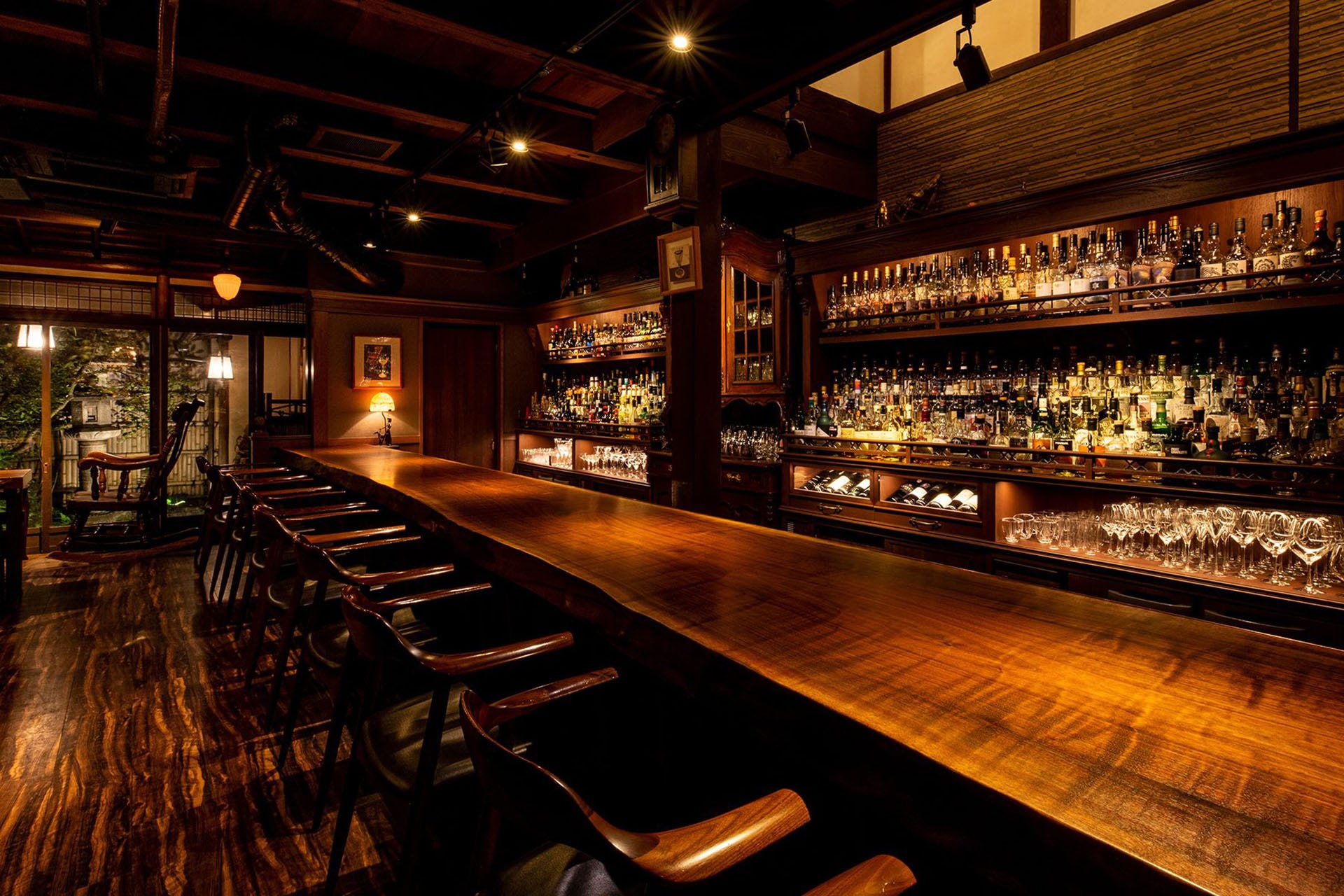
Kyoto's bar culture has developed along a different axis than Osaka's or Tokyo's. Where Osaka rewards sociability and Tokyo rewards technical ambition, Kyoto has long favoured quiet mastery, bars where the conversation is unhurried, the glassware is considered, and the spirits behind the counter are selected with something closer to a collector's logic than a list-builder's. L'Escamoteur, at 138-9 Saitōchō in Shimogyo Ward, sits inside that tradition. The name translates from French as 'the conjurer' or 'the sleight-of-hand artist,' and the choice is precise: this is a bar that frames its craft as transformation rather than performance.
Shimogyo is the ward that holds Kyoto Station and the commercial density around it, but Saitōchō pulls slightly away from that foot traffic. The neighbourhood sits at a register common to Kyoto's better drinking addresses, close enough to be accessible, removed enough to suggest intention. You go here because you looked it up, not because you passed the door.
The Spirits Program as the Central Argument
Japan's bar culture has produced some of the world's most disciplined back bars over the past four decades. The country imports Scotch single malts at a volume that shapes global allocation decisions, and its bartenders often treat rare bottles with the same archival seriousness that Kyoto's auction houses bring to lacquerware. L'Escamoteur's name positions it inside a specific subset of that culture: bars where curation is the offer, and where the depth of what's behind the counter says more than any menu description.
The category is not unusual for Kyoto, but the framing is. French names are rare in Kyoto's bar circuit, which tends toward either English affectation or Japanese directness. 'L'Escamoteur' reads as deliberate, a signal that the spirits collection here will likely lean toward European provenance, Cognac and Armagnac alongside Scotch and Irish whiskey, the kind of range that rewards a guest who arrives with a question rather than a default order. Bars operating in this mode tend to stock verticals rather than just labels: multiple expressions from the same distillery or house, often across years, so the conversation between pours is part of the experience.
For context on how this fits within Kyoto's current bar scene, consider the spread of drinking addresses the city now supports. Bee's Knees works a different register, its name drawn from the Prohibition-era cocktail canon, its energy more social. ALKAA and APOTHECA represent Kyoto's newer technical wave, where the cocktail program is the primary text. Bar Cordon Noir occupies the classic Kyoto whisky-bar tradition. L'Escamoteur sits somewhere between the old and new currents: a spirits-led house with enough European character to read as a distinct position in the city.
How It Compares Across Japan's Bar Circuit
To understand where L'Escamoteur sits, it helps to map the category across Japan. Bar Benfiddich in Tokyo is perhaps the clearest example of the spirits-collection model taken to its furthest expression, a back bar that functions almost as a museum of pre-Prohibition bitters and obscure botanical distillates, with a bartender who farms ingredients himself. That bar is exceptional in its specificity. Bar Nayuta in Osaka operates in a more classically Japanese whisky tradition. Lamp Bar in Nara, which has held recognition in Asia's 50 Best Bars, demonstrates how seriously provincial Japanese cities take their cocktail credentials. Yakoboku in Kumamoto is another data point, a bar in a secondary city with a programme serious enough to travel for.
The pattern across all of these is consistent: Japan's bar culture does not centralise. Serious drinking addresses are distributed across the country's cities in a way that has no real equivalent in Europe or North America, and Kyoto's contribution to that pattern is bars that match the city's general orientation toward craft and restraint. L'Escamoteur, with its conjurer's name and its Shimogyo address, is positioned as exactly that kind of contribution.
For comparison further afield, Bar Leather Apron in Honolulu shows how the Japanese bartending influence has travelled across the Pacific, a bar that took the precision of the Japanese model and applied it in a very different city. The influence is visible in technique and in the seriousness brought to spirits selection, which is precisely the thread that connects back to what L'Escamoteur appears to be doing.
Planning Your Visit
Shimogyo Ward is accessible from Kyoto Station in under ten minutes on foot, which makes the bar logistically easy even as it feels removed from the station's commercial noise. Kyoto's bar hours tend to run later than its restaurant hours, most serious drinking addresses open in the early evening and run past midnight, with the leading hours often in the middle of that window when the room has settled. Walk-ins at Kyoto bars at this level are generally possible earlier in the evening; later in the week, particularly on Friday and Saturday, the small-room format means arriving with some flexibility in timing is prudent.
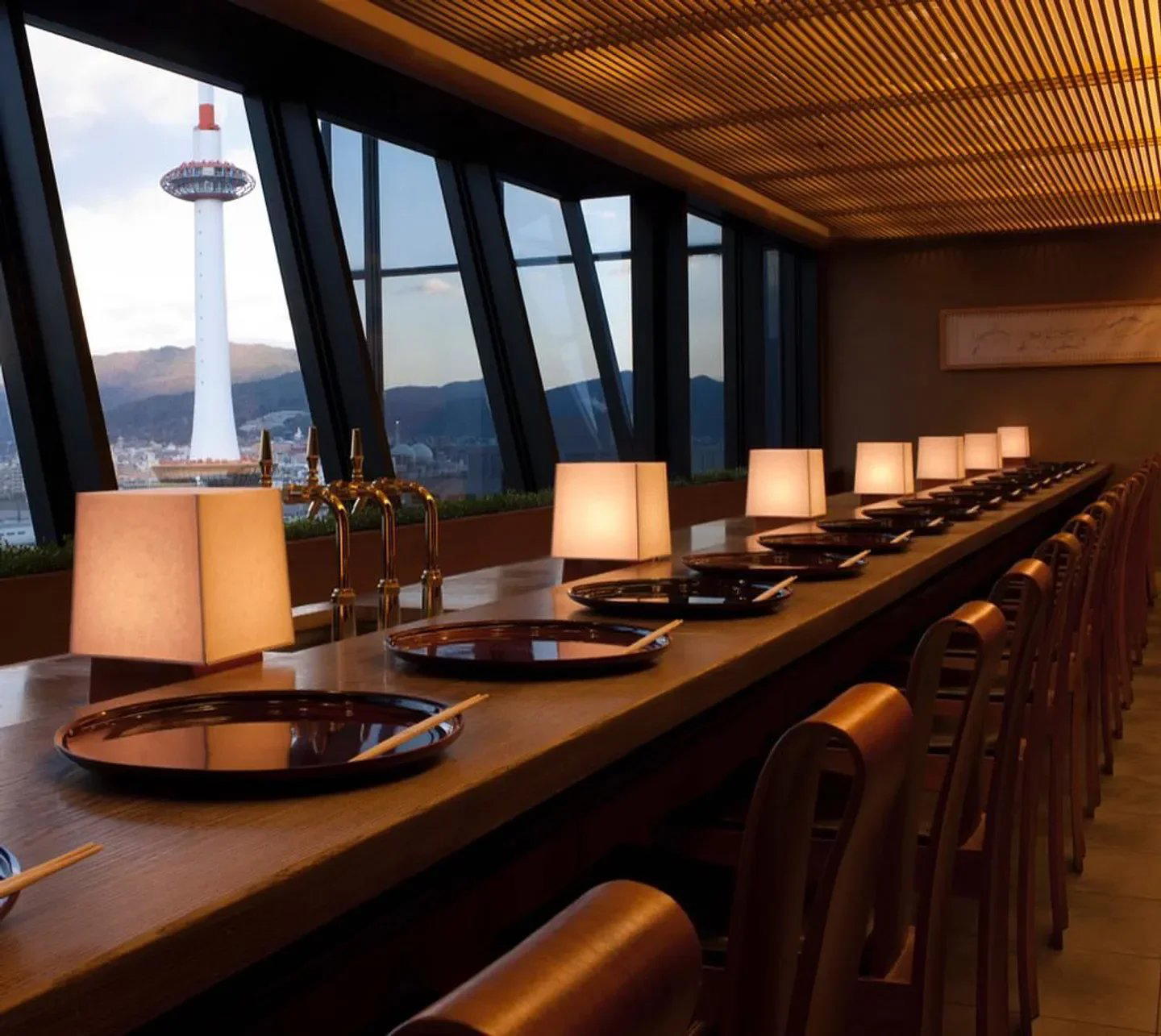
For a broader read of what Kyoto's drinking and dining scene currently offers, the EP Club Kyoto guide maps the full range. For those building a longer itinerary across the Kansai region, anchovy butter in Osaka and the Kyoto Tower Sando bar offer two very different takes on what the region's drinking culture looks like at either end of the formality register.
Price and Recognition
| Venue | Price | Awards |
|---|---|---|
| L'EscamoteurThis venue (the venue you are viewing) | $30–50 | Not listed |
| Bee's Knees | $10–20 | World's 50 Best #76 · Top 500 Bars Best Bars #383 |
| Hello Dolly Bar | $20–30 | Not listed |
| Coupe de Champagne | Not listed | Star Wine List |
L'Escamoteur
Featured Guides
Continue exploring
More in Kyoto
Bars in Kyoto
All bars in Kyoto →
Restaurants in Kyoto
All restaurants in Kyoto →
Hotels in Kyoto
All hotels in Kyoto →

Wineries in Kyoto
Browse all →
L'Escamoteur
The drinks
- Craft cocktails
- Classic cocktails
Signature drinks: Kyoto Gardens, Shizo Sour, Twisted Pepper.
Details
- Intimate
- Whimsical
- Sophisticated
- Cozy
- Trendy
- Date Night
- Solo
- Special Occasion
- After Work
- Speakeasy
- Design Destination
- Standalone
- Counter Only
- Seated Bar
- Booth Seating
- Classic Cocktails
- Craft Cocktails
- Whiskey
- Gin
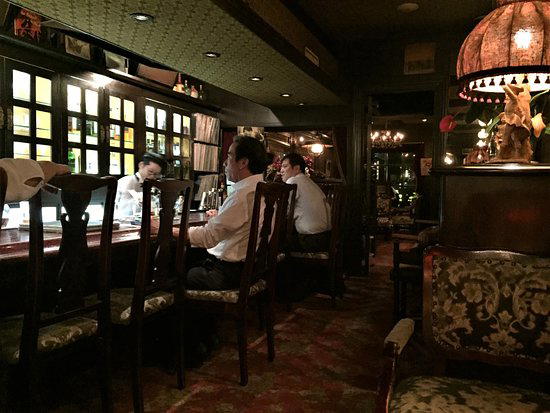
Dim, cramped, theatrical, and whimsical, with a magic-and-alchemy theme and a cluttered, eclectic interior of books, hats, bike parts, and vintage decanters.