Shida Saikan

Shida Saikan gives Omihachiman a different register from the city’s Omi beef and confectionery circuits: Chinese cooking, dim sum, rice porridge, fish-focused dishes, and a drinks list that reaches into sake, shochu, wine, and cocktails. Its selection for Tabelog 100 Chinese WEST 2026 puts it in a regional conversation that extends beyond Shiga, while the setting remains practical for families and groups.
Pearl is the En Primeur Club membership app — saves, bookings, and concierge access live there. Same editors, same standards.
- Address
- 21-6 Nakamuracho, Omihachiman, Shiga 523-0894, Japan
- Phone
- +81 748-34-3700
- Website
- haochi-1.net
- Directions
- Get directions
 Saves & bookings on Pearl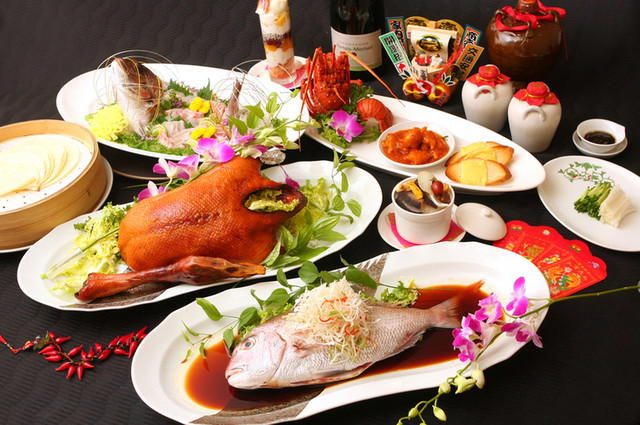
Inside Green Hotel Yes Omihachiman, the signal is not Japan’s hushed destination-dining counter culture but a table-led Chinese room built for range: small groups, families, private meals, and banquets. In Omihachiman, where itineraries often skew toward Omi beef, canal-side sightseeing, and confectionery stops, Chinese cooking works less as detour than counterweight, especially when the table wants fish, dim sum, rice porridge, and broader drinks without a formal kaiseki rhythm.
The city’s food map has a clear gravitational pull. Omi beef is the obvious reference point, with Oumi Kaneyasu and Tokusen Omi Gyu Restaurant Tiffany occupying the meat-led lane that tells visitors what Shiga is famous for. La Collina works differently, turning confectionery culture into a day-trip anchor. Shida Saikan sits between those poles: more structured than a sweets stop, less ceremony-bound than high-ticket beef dining, and shaped around Chinese categories easy to share across mixed ages and appetites.
Chinese cooking in a city better known for beef
Omihachiman’s dining identity is usually read through provenance: Omi beef, Lake Biwa-adjacent ingredients, and a merchant-town setting that feels older than its scale. Against that backdrop, Chinese cooking becomes interesting because sourcing and format carry different weight. The listing emphasizes fish and health-conscious dishes, moving the meal away from heavy banquet stereotypes and closer to the Japanese expectation that regional restaurants answer to season, balance, and group utility.
That ingredient angle makes the room work for more than one diner type. Dim sum and yum cha provide flexible ordering, rice porridge gives the table a gentler register, and fish-focused cooking connects the cuisine to a wider Kansai-Shiga appetite for lighter, cleaner sequences. No chef-centered mythology is required. The point is adaptability: Chinese technique filtered through a local dining culture that values private rooms, non-smoking rooms, children’s support, and payment convenience as much as culinary identity.
Recognition gives the restaurant a harder edge than the hotel setting suggests. Selection for Tabelog 100 Chinese WEST 2026 places Shida Saikan among a curated western Japan group, not merely Omihachiman’s local listings. Its Tabelog score is 3.61, useful on a platform where scores move conservatively. The award does not make the room formal by default; it marks the cooking as strong enough for a regional Chinese-cuisine list while keeping the everyday grammar of tables, private rooms, and shared plates.
How the room changes the meal
The physical format explains much. This is not an eight-seat chef counter asking diners to surrender the evening to a fixed progression. The restaurant has 81 table seats, larger banquet capacity upstairs, semi-private hall seating, and private rooms scaled from small groups to larger gatherings. That architecture affects how the food reads. Chinese dining gains force when dishes can be divided, returned to, and paired across the table; a room built for families, celebrations, and groups supports that rhythm better than a narrow destination format.
For travellers, Shida Saikan is useful when the itinerary already includes beef, shrine walks, canal photographs, or La Collina, and dinner needs breadth rather than another single-ingredient thesis. The drinks list reinforces the point: sake, shochu, wine, and cocktails are offered, with wine given particular attention. In a city where visitors may expect local beef and tea-room pacing, a Chinese table with this drinks range changes the evening’s tempo.
The comparison with other notable city addresses is less hierarchy than occasion. Oumi Kaneyasu and Tokusen Omi Gyu Restaurant Tiffany speak directly to beef provenance and higher-spend meals. La Collina suits daytime grazing and architectural curiosity. The restaurant is more elastic: lunch or dinner, children or adults, private room or semi-private table, lighter porridge or a fuller shared meal. That elasticity is the practical reason a regional Chinese restaurant can matter in a compact destination city.
Planning an Omihachiman food day around it
The restaurant’s position near Omihachiman Station and inside a hotel makes it easier to fold into a rail-based Shiga itinerary than many rural dining rooms. Broad lunch and dinner opening patterns also suit visitors using Omihachiman as a stop between Kyoto, Lake Biwa, and eastern Shiga rather than a full overnight base. For a deeper city scan, use Our full Omihachiman restaurants guide, then match the meal to the day: beef when provenance is the brief, confectionery when afternoon is the focus, Chinese when the table needs flexibility.
Families have unusually concrete support: children are welcomed, kids’ menus are listed, strollers are accommodated, and the room can provide child chairs, children’s plates, cutlery, eating mats, and height-adjustable cushions. That detail changes the decision for travellers with babies or school-age children, especially in Japan, where premium dining can be technically polite yet operationally awkward for families. Private rooms and take-out add options for celebrations or lower-friction meals.
Omihachiman rewards a wider plan than a single meal. Pair restaurant decisions with Our full Omihachiman hotels guide if staying locally, or use Our full Omihachiman bars guide, Our full Omihachiman wineries guide, and Our full Omihachiman experiences guide to build around the city rather than treating it as a meal stop. Broader Japan comparisons can help too, from -Grilled beef Sukiyaki- KAMAKURA TANUKIAN 鎌倉 たぬき庵 in Kamakura and 鮪と炭火焼き うお炭 秋葉原店 in Tokyo to.cafe in Osaka.know in Kumamoto, (Shoku) Vietnam in Kawasaki, [Curry Senmon Ten] Maruyama Kyoju. in Sapporo, [ki:] in Kyoto, #肉といえば松田 奈良本店 in Kashihara, Jōdo Saké Bar in Los Angeles, and Onigiri Time in Pasadena. The lens is not similarity but occasion. The restaurant earns its place when Omihachiman needs a Chinese table with regional recognition, broad group utility, and a lighter ingredient profile than the city’s beef-first reputation suggests.
How It Stacks Up
Comparable venues by cuisine and price in the same metro.
| Venue | Cuisine | Price | Notes |
|---|---|---|---|
| Shida Saikan | Chinese-Japanese fusion restaurant | $$ | Omihachiman |
| Tokusen Omi Gyu Restaurant Tiffany | Premium Omi beef steak, shabu-shabu & sukiyaki | $$$ | Omihachiman |
| La Collina | Japanese & Western sweets café and confectionery park | $ | Kitanoshōcho |
| Oumi Kaneyasu | Omi beef sukiyaki & meat restaurant | $$$ | Takakaicho |
| Nanxiang Steamed Bun Restaurant (南翔饅頭店) | Shanghai Xiaolongbao | $$ | Roppongi |
| Chen Kenichi Mapo Tofu Restaurant (陳建一麻婆豆腐店) | Sichuan Mapo Tofu Specialist | $$ | Tachikawa |
Recognition history
Dated appearances from independent guides and award organizations, with the underlying list record or original source where available.
Tabelog 100 #97 · No. 97
Tabelog · Tabelog 100 - Chinese cuisine - WEST - 2026
Continue exploring
More in Omihachiman
Restaurants in Omihachiman
Browse all →
Bars in Omihachiman
Browse all →
Hotels in Omihachiman
Browse all →
Wineries in Omihachiman
Browse all →
At a Glance
- Classic
- Cozy
- Lively
- Family
- Group Dining
- Celebration
- Business Dinner
- Casual Hangout
- Special Occasion
- Hotel Restaurant
- Private Dining
- Standalone
Current opening hours
- Monday
- 11:30 AM–3 PM, 5:30–9 PM
- Tuesday
- 11:30 AM–3 PM, 5:30–9 PM
- Wednesday
- 11:30 AM–3 PM, 5:30–9 PM
- Thursday
- 11:30 AM–3 PM, 5:30–9 PM
- Friday
- 11:30 AM–3 PM, 5:30–9 PM
- Saturday
- 11:30 AM–3 PM, 5:30–9 PM
- Sunday
- 11:30 AM–3 PM, 5:30–9 PM
Hours can change for holidays and private events. Last verified .
The restaurant has a comfortable, classic hotel Chinese-restaurant feel, with a spacious dining room suited to families and groups, and a relaxed atmosphere appropriate for both casual lunches and more formal banquets.