Oumi Kaneyasu

Oumi Kaneyasu puts Omihachiman’s beef culture into a compact sukiyaki-and-cafeteria format rather than a ceremonial dining room. The draw is provenance: Omi beef certification, a butcher-adjacent setting, 20 seats, and a 2024 Tabelog 100 Hot Pot selection place it in a practical, ingredient-led tier of Shiga dining.
Pearl is the En Primeur Club membership app — saves, bookings, and concierge access live there. Same editors, same standards.
- Address
- Japan, 〒523-0891 Shiga, Omihachiman, Takakaicho, 747-1 747 1
- Phone
- +81 748-33-2628
- Website
- oumikaneyasu.com
- Directions
- Get directions
 Saves & bookings on Pearl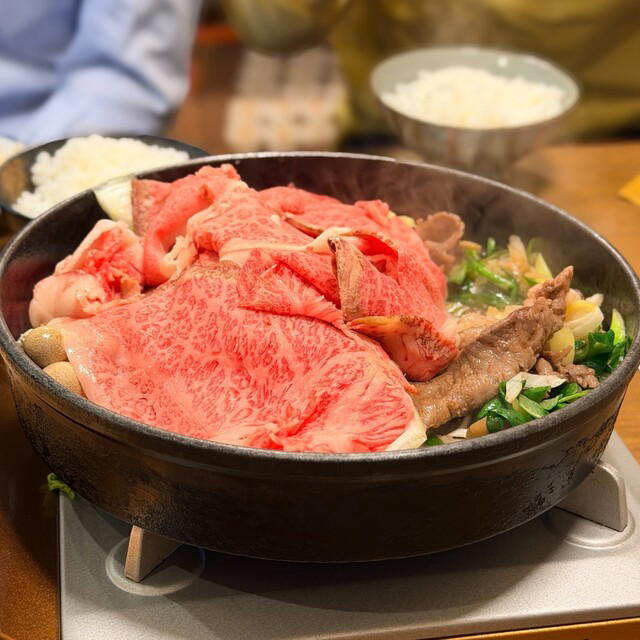
Approaching a beef restaurant in Omihachiman is different from approaching one in Tokyo or Kyoto. The city does not need theatrical luxury to explain its claim; Omi beef is part of Shiga’s agricultural identity, tied to Lake Biwa, old merchant routes, and a long local habit of treating cattle provenance as a matter of record rather than romance. Oumi Kaneyasu belongs to that matter-of-fact tradition: sukiyaki, cafeteria ease, sake, counter seats, tatami tables, and a butcher-adjacent rhythm that makes the supply chain feel close rather than abstract.
That sourcing angle is the point. Japan’s famous beef regions often sell themselves through marbling grades and polished service rituals, but Omihachiman has a quieter advantage: the diner is close to the production story. Here, guests receive a copy of the calf registration and Omi beef certification, a detail that matters more than decorative menu language. It turns a hot pot meal into a documentable encounter with origin, breed history, and traceability, which is where serious beef dining in Shiga starts.
Omi beef, treated as provenance rather than theatre
Sukiyaki is a useful lens for understanding regional beef because it does not hide the ingredient. Sweet soy seasoning, heat, fat, and timing expose quality quickly; a heavily staged room cannot compensate for weak sourcing. Oumi Kaneyasu’s inclusion in Tabelog 100 - Hot Pot - 2024 gives the restaurant a clear public credential within Japan’s sukiyaki and shabu-shabu category, but the stronger editorial signal is how the format keeps attention on the beef itself.
Within Omihachiman, the comparison set splits neatly. Tokusen Omi Gyu Restaurant Tiffany sits in a higher dinner bracket, with pricing that can move into JPY 10,000 - JPY 14,999, while Shida Saikan occupies a gentler everyday tier. La Collina belongs to another local pattern altogether: Omihachiman as a place where food tourism can be casual, architectural, and snack-led. Oumi Kaneyasu lands between those modes, not as a grand occasion restaurant, but as a focused beef address where provenance carries the weight.
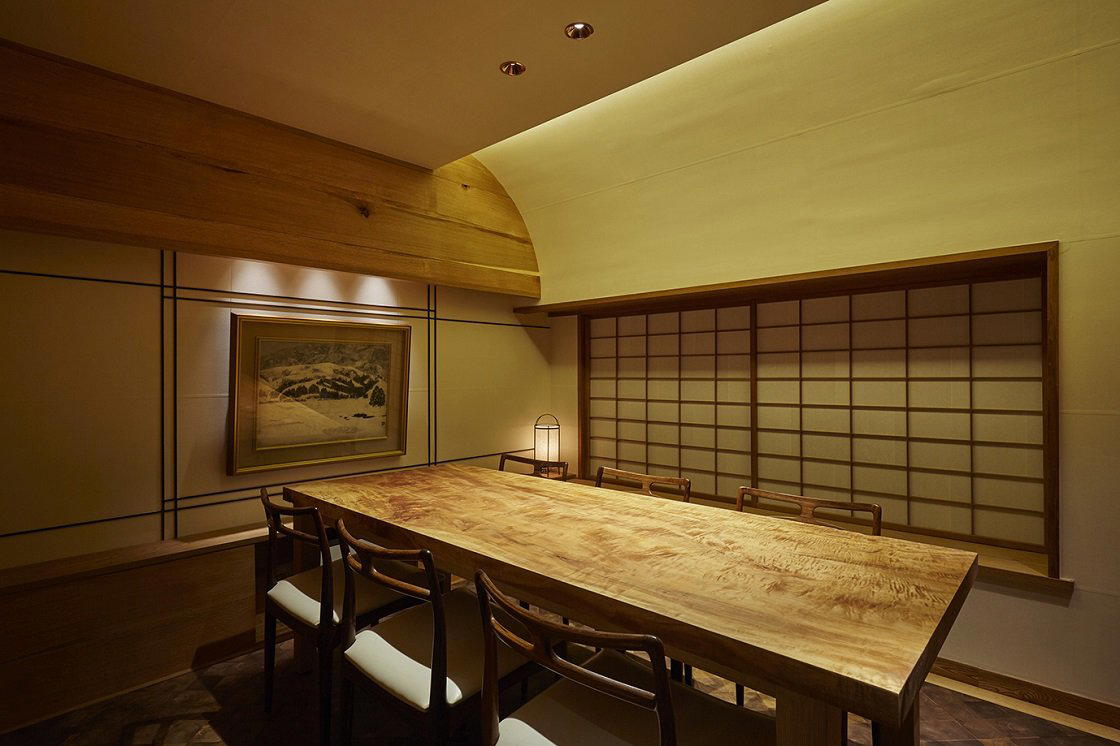
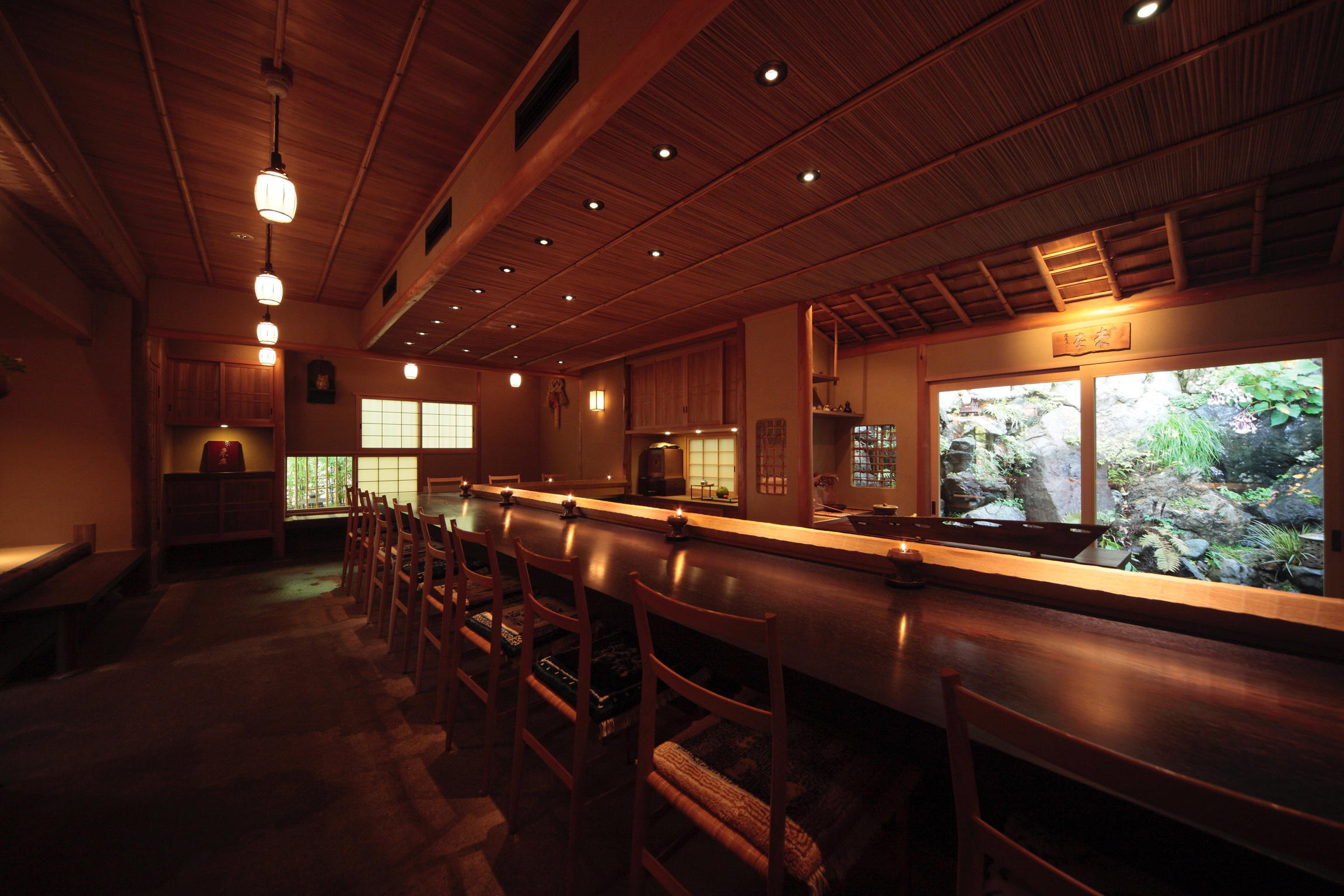
The room reinforces that reading. Twenty seats, divided between eight counter seats and two raised tatami tables, create a small-scale format without turning the meal into hushed performance. Counter seating suits solo diners and pairs who want directness; tatami tables make sense for friends or small groups settling into hot pot. Private rooms are not part of the setup, so the experience is closer to a specialist local dining room than a formal hospitality suite.
A compact Shiga dining room with butcher-shop gravity
Omihachiman rewards visitors who understand that its food culture is not only about single famous dishes. The area’s appeal sits in the overlap between craft, confectionery, beef, lake-country produce, and the old merchant-town fabric. For a broader read on the city’s dining map, our full Omihachiman restaurants guide is the natural starting point, with parallel planning context in our full Omihachiman hotels guide, our full Omihachiman bars guide, our full Omihachiman wineries guide, and our full Omihachiman experiences guide.
The practical character here is part of the editorial value. Reservations are unavailable, which changes the decision for travelers accustomed to locking every meal months ahead. The restaurant is listed five minutes on foot from Omihachiman Station, with parking available, so it works as a city stop rather than a remote detour. Wednesday closure matters for itinerary design. Payment is another old-school-modern split: credit cards are not accepted, while electronic money and QR code payments are accepted.
Pricing also keeps the restaurant in a usable lane. The listed average price is JPY 4,000 - JPY 4,999, with review-based dinner spending also showing a higher JPY 8,000 - JPY 9,999 band. That range is useful context, not a guarantee of spend, and it places the meal well below the heavier celebratory beef rooms while staying above casual grazing. For travelers building a Shiga food day, this is the beef anchor rather than the pastry stop or the kaiseki splurge.
How to place it in a Japan-wide beef itinerary
Japan’s beef restaurants can be misleading when judged only by polish. A refined room in a major city may offer greater service choreography, but regional beef towns often provide a more legible relationship between producer, butcher, and plate. The restaurant is useful because it keeps that relationship visible: Omi beef certification, sukiyaki format, a small seating count, and Tabelog recognition all point in the same direction.
Travelers comparing formats across Japan can treat this as a regional counterpoint to more destination-driven beef meals such as -Grilled beef Sukiyaki- KAMAKURA TANUKIAN 鎌倉 たぬき庵 in Kamakura or meat-focused addresses like #肉といえば松田 奈良本店 in Kashihara. The broader Japanese dining circuit can pull in different registers, from. 鮪と炭火焼き うお炭 秋葉原店 in Tokyo and [ki:] in Kyoto to.cafe in Osaka.know in Kumamoto, (Shoku) Vietnam in Kawasaki, and [Curry Senmon Ten] Maruyama Kyoju. in Sapporo. Outside Japan, sake and comfort-food references at Jōdo Saké Bar in Los Angeles and Onigiri Time in Pasadena show how Japanese dining fragments into specialist formats abroad; in Omihachiman, the specialty remains close to source.
The verdict is direct: choose this restaurant for an ingredient-led Omi beef meal with traceability, compact scale, and less ceremony than the region’s higher-priced beef houses. It is not the choice for private-room dining or credit-card-dependent travelers. It is the stronger choice when the question is where the beef comes from and how plainly the restaurant lets that matter.
At-a-Glance Comparison
Comparable venues by cuisine and price in the same metro.
| Venue | Cuisine | Price | Notes |
|---|---|---|---|
| Oumi Kaneyasu | Omi beef sukiyaki & meat restaurant | $$$ | Takakaicho |
| Tokusen Omi Gyu Restaurant Tiffany | Premium Omi beef steak, shabu-shabu & sukiyaki | $$$ | Omihachiman |
| La Collina | Japanese & Western sweets café and confectionery park | $ | Kitanoshōcho |
| Shida Saikan | Chinese-Japanese fusion restaurant | $$ | Omihachiman |
| のれん/ Noren Akakura Sushi | Authentic Japanese Sushi with European Flair | $$$ | Akakura |
| Omi Niku Sennaritei Kyara | Traditional Omi beef kaiseki & sukiyaki | $$$ | Yume Kyobashi Castle Road |
Recognition history
Dated appearances from independent guides and award organizations, with the underlying list record or original source where available.
Tabelog 100 #53 · No. 53
Tabelog · Tabelog 100 - Hot Pot - 2024
Continue exploring
More in Omihachiman
Restaurants in Omihachiman
Browse all →
Bars in Omihachiman
Browse all →
Hotels in Omihachiman
Browse all →
Wineries in Omihachiman
Browse all →
At a Glance
- Lively
- Classic
- Cozy
- Family
- Group Dining
- Casual Hangout
- After Work
- Solo
- Standalone
- Sake Program
- Beer Program
- Local Sourcing
Current opening hours
- Monday
- 10 AM–10 PM
- Tuesday
- 10 AM–10 PM
- Wednesday
- Closed
- Thursday
- 10 AM–10 PM
- Friday
- 10 AM–10 PM
- Saturday
- 10 AM–10 PM
- Sunday
- 10 AM–10 PM
Hours can change for holidays and private events. Last verified .
Casual and old-school with counter seats and small tatami areas, focused on hearty Omi beef dishes rather than design; reviews and photos suggest a busy, no-frills local spot rather than a polished modern interior.