La Bumon
Our verdict
"Service by sommeliers For serious wine enthusiasts, this is the closed-door dining experience of choice. On Wednesday through Saturday at at Casa Coupage, a pair of sommeliers serve a seasonal tasting menu with wine pairings to nine tables inside their elegant Palermo apartment. In this intimate environment, dinner doubles as an informal wine course - the sommelier talks you through everything you taste, discussing the grape, terroir and winemaker, answering your questions, even helping you choose a few bottles to take home with you."
- Address
- Francisco Acuña de Figueroa 1790, C1180ABH Cdad. Autónoma de Buenos Aires, Argentina
- Phone
- +54 11 4861 3644
- Website
- facebook.com
- Directions
- Get directions
Where Buenos Aires Eats Differently by the Hour
Francisco Acuña de Figueroa 1790 sits in a part of Buenos Aires that rewards those who look past the obvious circuits. The address falls in the corridor between Abasto and Villa Crespo, two neighbourhoods that have quietly absorbed some of the city’s more considered dining over the past decade, as rents in Palermo pushed operators to look elsewhere. The street itself is residential in character, the kind of block where a restaurant announces itself through behaviour rather than signage. La Bumon occupies that register: a room you learn about before you see it.
Buenos Aires has long operated a two-speed dining culture. The parrilla anchors the lunch hour with its own logic, offering abbreviated menus, faster service, and a price point calibrated for the weekday worker. Evening service, by contrast, carries the weight of the social ritual: longer menus, later seatings, and the extended sobremesa that functions as a cultural institution in this city. Understanding how a restaurant handles both tempos tells you a great deal about what it actually is, as opposed to what it would like to be considered.
The Lunch Proposition
Daytime dining in Buenos Aires has undergone a quiet correction in recent years. The set-menu ejecutivo, once a blunt cost-cutting device, has become something more considered at a handful of addresses: a way to move through a kitchen’s larder efficiently, to offer genuine cooking at a price that makes sense at noon. The better examples tend to appear in neighbourhoods precisely like this one, where the operator has made a decision to serve a local community rather than a tourist corridor.
Lunch at a room like La Bumon functions differently from the evening format in rhythm and expectation. The Argentine midday meal historically runs longer than its European counterpart, with a two-hour window still considered reasonable in commercial districts. The opportunity for a kitchen in this price tier is to deliver the same sourcing discipline and technique as the dinner menu in a more compressed format, sharpening rather than simplifying the offer. Comparison venues across the city illustrate the range: Don Julio operates at the high end of the parrilla tradition at the $$$$ tier, while Crizia and Anafe represent the contemporary register that has emerged alongside it.
Evening: The Social Architecture of Late Buenos Aires
By 9 p.m. Buenos Aires shifts register entirely. The city’s dining culture runs on a schedule that disorients visitors arriving from Europe or North America: first seatings rarely begin before 8:30 p.m. and the room tends to fill properly after 9. The sobremesa, the post-meal conversation that can extend a dinner booking by an hour or more, is not an aberration here but an expectation baked into the table-turn calculation. Kitchens that understand this pace build their evening menus accordingly, with a pacing that accommodates the social function of the meal rather than fighting it.
The comparison set in Buenos Aires at the serious end of the contemporary spectrum includes Trescha and Aramburu, both operating at the $$$$ tier with tasting-menu formats that commit entirely to the evening ritual. La Bumon occupies a different position on that map, one where the daytime and evening identities are distinct rather than one being a diminished version of the other. That distinction is worth weighing when planning which meal to allocate here.
Beyond Buenos Aires, the country’s broader dining infrastructure rewards attention. Argentina’s wine country carries its own table culture, from Azafrán in Mendoza to the estate dining of Cavas Wine Lodge in Alto Agrelo and Entre Cielos in Lujan de Cuyo. The gaucho tradition surfaces at La Bamba de Areco in the pampas heartland. Further afield, Awasi Iguazú and Las Balsas in Villa La Angostura show how Argentina’s regional cooking traditions extend well beyond the capital. For those plotting a longer itinerary, Agrelo in Lujan de Cuyo, Chacras de Coria in Las Heras, Los Talas del Entrerriano in General San Martin, and La Table de House of Jasmines each represent distinct regional registers.
How This Address Compares to the Wider Buenos Aires Scene
Buenos Aires has built one of South America’s most consequential restaurant cultures over the past fifteen years, with the parrilla tradition at its base and an increasingly sophisticated contemporary layer above it. Don Julio in Palermo remains the reference point for the premium parrilla experience, operating at a price and prestige level that the city uses as a benchmark. The creative end of the spectrum, where Aramburu and Trescha work, draws on European tasting-menu formats applied to Argentine ingredients and technique. Between those poles sits a broader middle register where neighbourhood value, seasonal sourcing, and culinary competence matter more than trophy credentials.
Internationally, the comparison points for a room operating in this register would include addresses like Lazy Bear in San Francisco, where the prix-fixe format is used to convey a specific culinary point of view, or the tight discipline visible at Le Bernardin in New York City. Neither is a direct peer in style or geography, but both illustrate the standard that serious cooking sets for itself when it decides to take the midday and evening divide seriously as a programmatic choice rather than a logistical inconvenience. Our full Buenos Aires restaurants guide maps the full range of the city’s current dining scene.
Planning a Visit
La Bumon’s address, Francisco Acuña de Figueroa 1790 in the Autonomous City of Buenos Aires, places it within reach of the Abasto and Villa Crespo neighbourhoods, accessible by taxi or the B Line of the Subte from the city centre. Given the absence of a listed website or phone number in the public record, confirmation of hours, booking method, and current menu format is leading pursued through direct inquiry once on the ground, or through a concierge service familiar with the neighbourhood. Visitors who plan Buenos Aires dining in advance are advised to treat confirmed reservations at the more established addresses as the anchor of an itinerary, and to leave space for neighbourhood discoveries like this one to be absorbed at a different pace. The relevant question when arriving without a booking is always whether the kitchen is at lunch or dinner tempo, since the experience that results will differ accordingly.
Frequently asked questions
Where exactly is La Bumon?
La Bumon is located at Francisco Acuña de Figueroa 1790, C1180ABH Cdad. Autónoma de Buenos Aires, Argentina, Buenos Aires.
Is La Bumon worth visiting if you're staying in Palermo or Recoleta?
Francisco Acuña de Figueroa 1790 sits in the Almagro area, a manageable ride from both Palermo and Recoleta by taxi or subte. The practical case for the detour is the same one that applies to any neighbourhood address in Buenos Aires: you trade foot-traffic convenience for a room that isn't calibrated around foreign visitors. Whether the specific cooking at La Bumon justifies the crosstown trip is best judged by contacting the restaurant directly for current details.
What's the best thing to order at La Bumon?
What the address at Francisco Acuña de Figueroa 1790 does signal is a neighbourhood-first operation, where the cooking tends to follow what's seasonal and local rather than a fixed showpiece dish. Arrive open to what the kitchen is running that day.
How hard is it to get a table at La Bumon?
No booking data has been confirmed for La Bumon. In Buenos Aires generally, addresses in working neighbourhoods like Almagro draw a loyal local crowd, and the more embedded a restaurant becomes in its barrio, the tighter availability gets — particularly on Thursday through Saturday evenings. Reaching out in advance is the safer approach.
What's the signature at La Bumon?
No signature dish or tasting format is documented for La Bumon in the available record. Restaurants at this kind of Buenos Aires address — Francisco Acuña de Figueroa 1790 sits between Abasto and Villa Crespo — often build their identity around a consistent daily rhythm rather than a single marquee item. The kitchen directly is the right place to ask.
Can La Bumon handle vegetarian requests?
No dietary policy or menu composition is confirmed for La Bumon. Buenos Aires has moved considerably on vegetarian options over the past decade, even at traditionally meat-forward addresses, but confirming directly with the restaurant before you arrive is the only reliable course. Contact La Bumon at Francisco Acuña de Figueroa 1790 to discuss specific needs.
Cuisine-First Comparison
| Venue | Cuisine | Price | Awards | Notes |
|---|---|---|---|---|
| La BumonThis venue — the venue you are viewing | Wine-focused Fine Dining | Not listed | Not listed | Not listed |
| Don Julio | Argentinian Parrilla Steakhouse | $100–150 | 1 Michelin Star · World's 50 Best #10 | Argentinian Steakhouse |
| Aramburu | Modern Argentine Haute Cuisine | $200–300 | 2 Michelin Stars · World's 50 Best #35 | Modern Argentinian, Creative |
| El Preferido de Palermo | Classic Italian Bodegón | $50–100 | Michelin Plate · World's 50 Best #24 | Not listed |
| Elena | Contemporary Argentinian Steakhouse | $30–50 | Michelin Plate · Star Wine List | Not listed |
| La Carniceria | Modern Argentine Parrilla | $30–50 | Michelin Plate | Not listed |
Continue exploring
More in Buenos Aires
Restaurants in Buenos Aires
Browse all →
Bars in Buenos Aires
Browse all →
Hotels in Buenos Aires
Browse all →
Wineries in Buenos Aires
Browse all →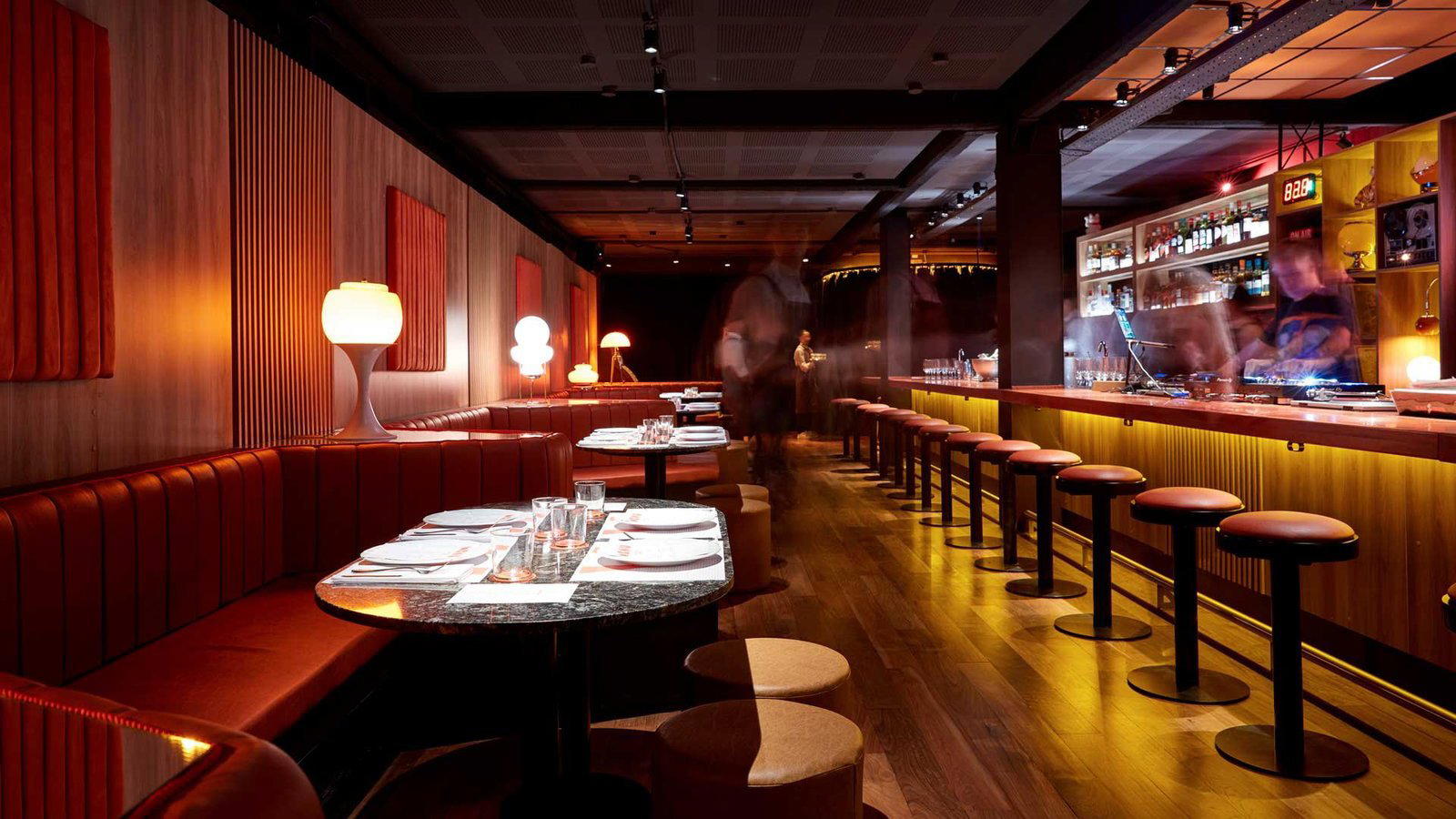
Details
- Elegant
- Intimate
- Sophisticated
- Date Night
- Special Occasion
- Wine Cellar
- Extensive Wine List
- Organic
- Tasting Menu
- Wine Pairing
Elegant and quiet atmosphere ideal for intimate dinners.