Caprichito

Conde Nast Hot List Restaurants
Our verdict
Caprichito reads Buenos Aires’ current appetite with unusual clarity: less small-plate choreography, more generous Italo-Argentine comfort built around meat, cheese, pasta, and the shared table. Opened in Palermo Hollywood in October 2025, the 85-cover room links the Santoro sisters’ pizza pedigree with chef-butcher Emiliano Belardinelli’s handling of familiar Porteño staples.

Pearl is the En Primeur Club membership app, where members save venues, book tables and use the concierge.
The menu
What to order
- Stone-baked pizzas
- Fresh pastas
- Milanesas
- Vitel toné
- Spaghetti and meatballs
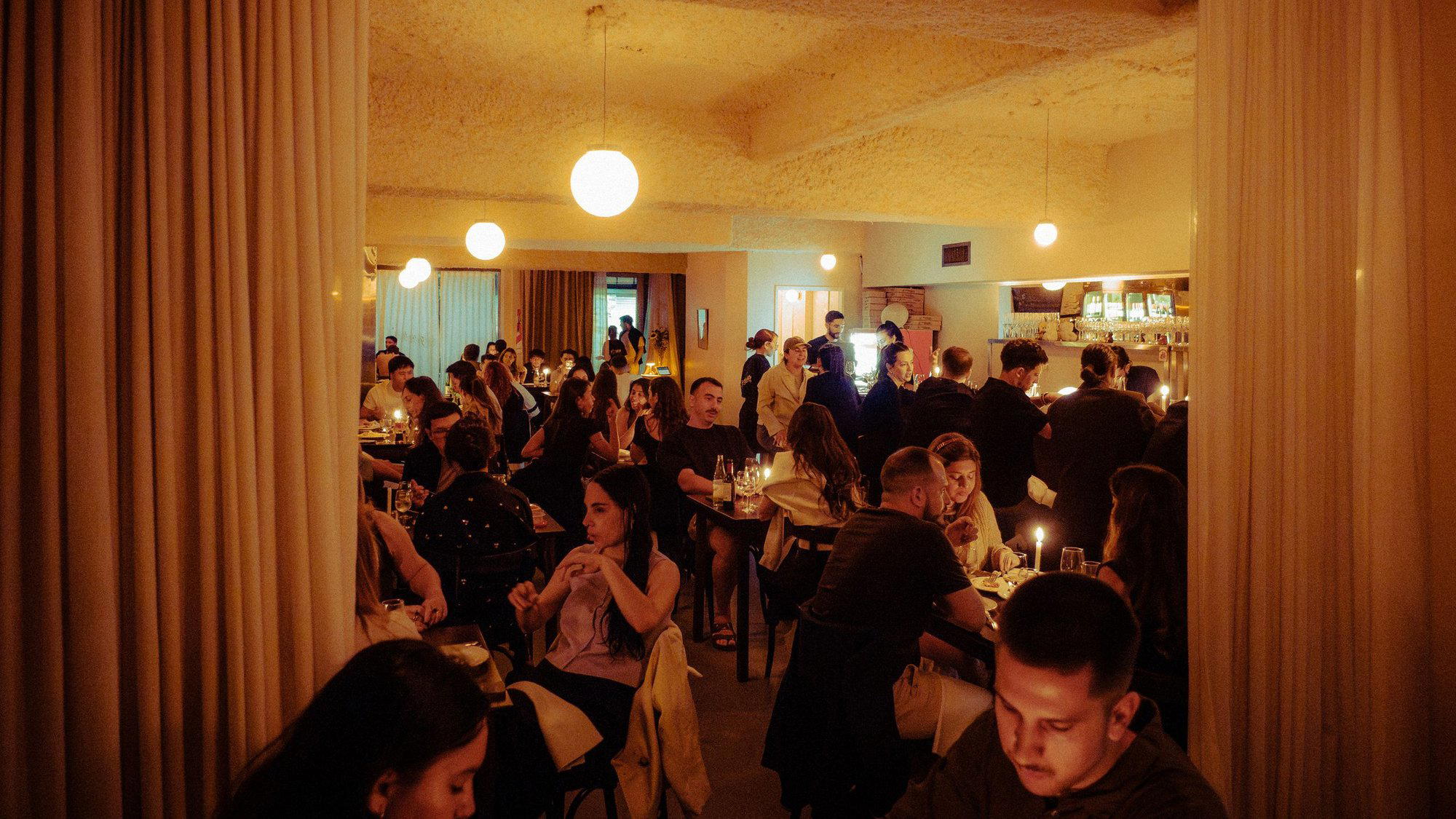
From the street in Palermo Hollywood, Caprichito keeps part of its charge behind curtains: soft light, an 85-cover room, and the feeling of a supper club rather than another polished small-plates address. That matters in Buenos Aires right now. The city has spent years absorbed by platitos, the chef-led shared-plate format that turned neighbourhood dining rooms into modular tasting counters. Caprichito points in another direction: food with weight, nostalgia, and enough meat, pasta, cheese, and sauce to make generosity feel like the main format.
The shift is not anti-modern. It is a correction. Buenos Aires has always had two appetites running in parallel: the experimental plate and the bodegón table. The latter is built on abundance, recognisable dishes, and the city’s Italo-Argentine inheritance, where Milanesa, lasagna, meatballs, vitel toné, pizza, and parrilla logic all share cultural space. Caprichito, which began welcoming diners in October 2025, lands exactly where those lines meet: contemporary in timing, old-school in appetite, and more interested in what people want to eat together than in proving technique course by course.
Palermo Hollywood's comfort-food turn has meat and pasta at its centre
Ingredient sourcing is the quiet engine here because the menu depends on dishes that collapse when the basics are weak. A chicken parm Milanesa needs crisping, fat, cheese, and sauce to work in proportion. Slow-simmered ragù lasagna is judged by depth and structure, not plating geometry. Meatballs with ricotta ask for texture and seasoning before flourish. Vitel toné, long tied to Argentina’s festive table, depends on the balance between meat and sauce, with Italian memory filtered through local habit.
Chef and butcher Emiliano Belardinelli’s presence is relevant less as biography than as a signal of the restaurant’s priorities. Buenos Aires is a beef-literate city, but butcher knowledge changes the way comfort food reads: the centre of the table becomes a sourcing decision as much as a portioning decision. That is the difference between nostalgia as decoration and nostalgia as kitchen logic. Caprichito’s menu works because it treats familiar dishes as serious formats rather than retro props.
The Santoro sisters bring another layer of context. Their work behind Ti Amo, one of Argentina’s internationally awarded pizzerias, and La Sorellina, the Colegiales pizza bar with strong neighbourhood pull, places Caprichito inside the city’s Italian-Argentine conversation without confining it to pizza. That lineage matters in Buenos Aires, where Italian food is not an imported category but part of the city’s daily grammar. The move beyond pizza broadens the argument: dough, sauce, cheese, meat, and shared abundance can structure a full dinner without becoming a pizzeria with extra plates.
Why this room fits the city's post-platitos mood
The room’s appeal is partly atmospheric, but the editorial point is behavioural. Buenos Aires diners are showing renewed patience for restaurants that feed a table rather than stage a sequence. That puts Caprichito closer to the bodegón revival than to high-concept contemporary dining, even though it sits in Palermo Hollywood, a district often associated with trend cycles and reservations heat. Its 85 covers are not tiny-counter scarcity, but the restaurant has the always-busy energy of a format that caught the city at the right moment.
Compared with A Fuego Fuerte, which occupies a contemporary and higher-price lane in Buenos Aires, Caprichito’s argument is less about tasting-menu ambition and more about the return of craveable structure. Reliquia, in a more direct Argentine register, shows another side of the same local appetite for identity-led cooking. Pizzerias such as Atte. Pizzeria Napoletana and Siamo nel Forno help frame why the Santoro sisters’ move matters: Buenos Aires has no shortage of serious pizza culture, but this project uses that credibility to revisit broader Porteño comfort rather than compete only on crust.
The name translates loosely to “a little indulgence,” and the phrase tracks because the cooking is designed for surplus rather than restraint. In a city where dinner can stretch late and groups often order by instinct, centre-table food has practical intelligence. A plate of Milanesa, a lasagna, meatballs, and vitel toné do not require a manifesto; they require appetite, pacing, and ingredients that can carry memory without slipping into heaviness for its own sake.
How to read Caprichito against Buenos Aires dining in 2026
For travellers, the useful comparison is not between old and new Buenos Aires, but between two forms of confidence. One form is experimental, with chefs building compact menus around technique and surprise. Another is vernacular, drawing authority from dishes people already know and raising the stakes through sourcing, proportion, and room energy. Caprichito sits in the second camp. It is current because it refuses to treat comfort food as a lesser category.
That makes it a sharper Palermo Hollywood choice for readers who want the city’s Italian roots, butcher culture, and communal dining habits in one room. It is not the place to look for a long dégustation or a hushed counter format. Its value is in reading the broader mood: Buenos Aires in 2026 is not abandoning chef-driven dining, but it is making space again for tables where meat, pasta, cheese, and sauce do the social work.
For wider context on the city’s dining range, see our full Buenos Aires restaurants guide, alongside nearby editorial coverage of 4ta Pared, A Fuego Fuerte, Ajo Negro - Mar de Tapas, Alcahuete, and Alcanfor. Planning the wider trip is easier with our full Buenos Aires hotels guide, our full Buenos Aires bars guide, our full Buenos Aires wineries guide, and our full Buenos Aires experiences guide.
Argentina’s broader dining map adds useful perspective: Mendoza’s fire-led and wine-country tables include 1884 Francis Mallmann in Mendoza, Agrelo in Luján de Cuyo, Angélica Cocina Maestra in Agrelo, and Assemblage Maison Alta Vista in Chacras De Coria, while regional contrasts show up at Alto el Fuego - Estación de Tren in Bariloche and Awasi Iguazu in Puerto Iguazu. For a cross-Pacific contrast in compact Japanese formats, compare Jōdo Saké Bar in Los Angeles and Onigiri Time in Pasadena.
Frequently asked questions
Is Caprichito suitable for children?
Caprichito can suit older children who are comfortable with a late dinner, since service starts at 7 PM and the room seats 85 in Palermo Hollywood. The menu is built around familiar dishes such as chicken parm Milanesa and lasagna, which makes it less formal than a tasting-menu address.
What is the atmosphere like at Caprichito?
The room is softly lit and partly screened from the street by curtains, so it feels intimate rather than open-plan. With 85 covers and a Palermo Hollywood address at Honduras 5684, it has the energy of a supper club built around hearty Porteño comfort food.
What distinctions does Caprichito have?
Caprichito has received recognition including: Few recent openings capture the dining mood of Buenos Aires quite like Caprichito, which began welcoming diners in October 2025. As the city moves away from platitos, the small, chef-driven shared plates that have dominated menus for years, t….
What are the opening hours for Caprichito?
Hours at Caprichito: Mon: Closed; Tue: Closed; Wed: 7–11:30 PM; Thu: 7–11:30 PM; Fri: 7 PM–12 AM; Sat: 7 PM–12 AM; Sun: 7–11:30 PM.
Fast Comparison
Comparable venues by cuisine and price in the same metro.
| Venue | Cuisine | Price | Awards | Notes |
|---|---|---|---|---|
| CaprichitoThis venue (the venue you are viewing) | Comfort Italian Restaurant & Pizzeria | $30–50 | Conde Nast Hot List Restaurants | Not listed |
| Cucina Paradiso Palermo Soho | Authentic Southern Italian Pasta | $20–30 | Not listed | Palermo |
| Cosi Mi Piace | Roman-Style Pizza & Italian | $20–30 | Not listed | Palermo |
| Treintasillas | Contemporary Argentine Tasting Menu | $50–100 | Not listed | Colegiales |
| Iñaki Restaurante | Mediterranean Spanish Seafood | $30–50 | Not listed | Retiro |
| Atte. Pizzeria Napoletana | Neapolitan Pizzeria | Not listed | 50 Top Pizza Latin America #14 | Palermo Hollywood |
Recognition history
Dated appearances from independent guides and award organizations, with the underlying list record or original source where available.
Conde Nast Hot List Restaurants
Conde Nast
Continue exploring
More in Buenos Aires
Restaurants in Buenos Aires
All restaurants in Buenos Aires →
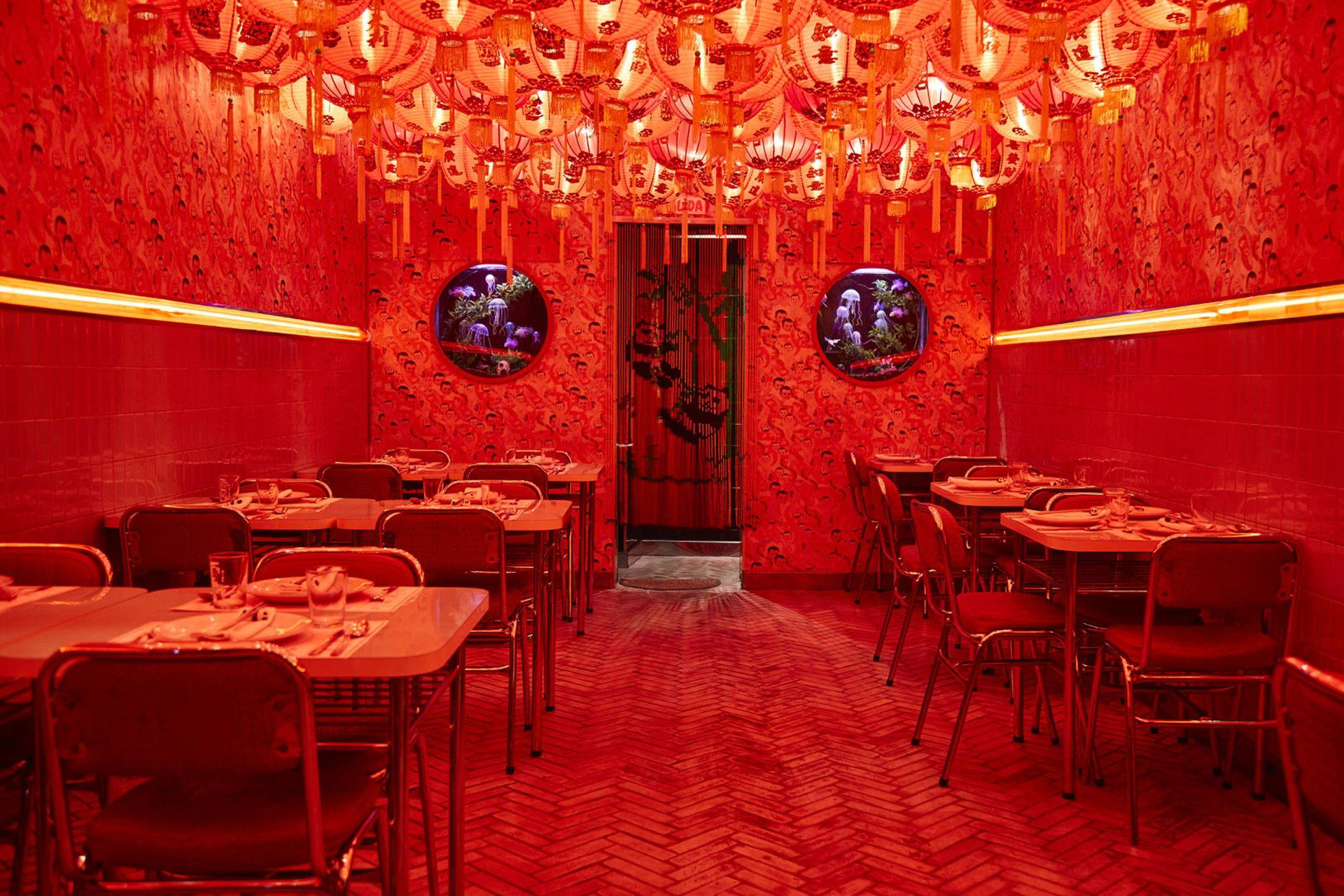
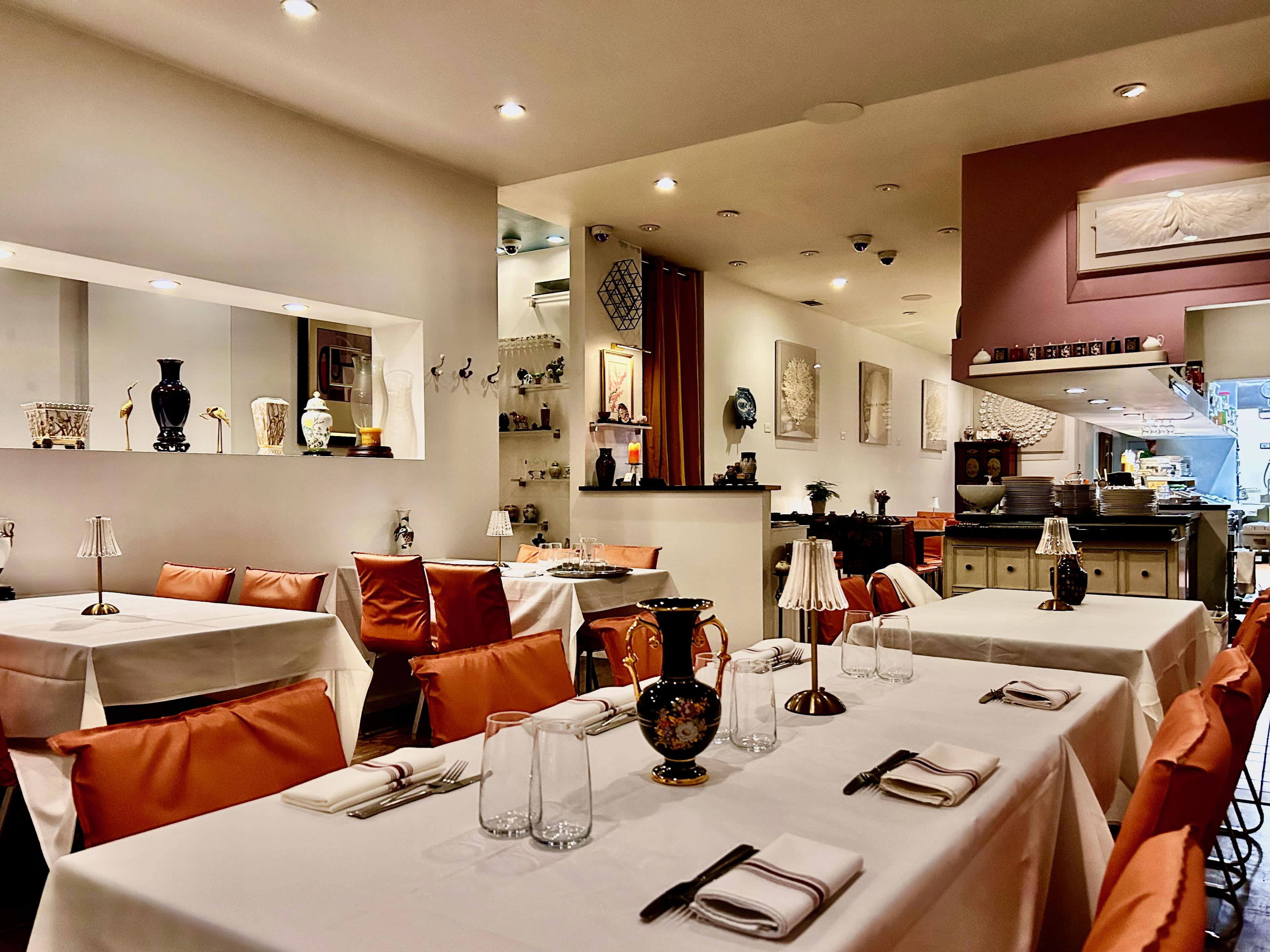
Bars in Buenos Aires
All bars in Buenos Aires →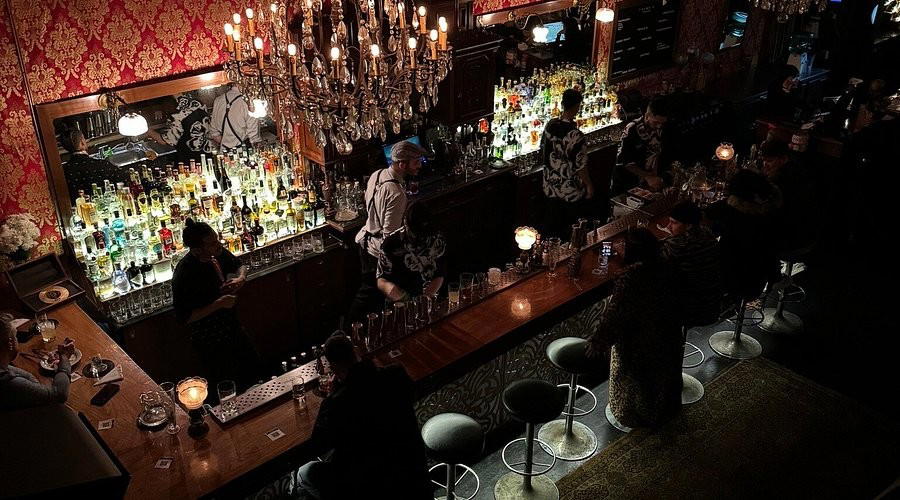
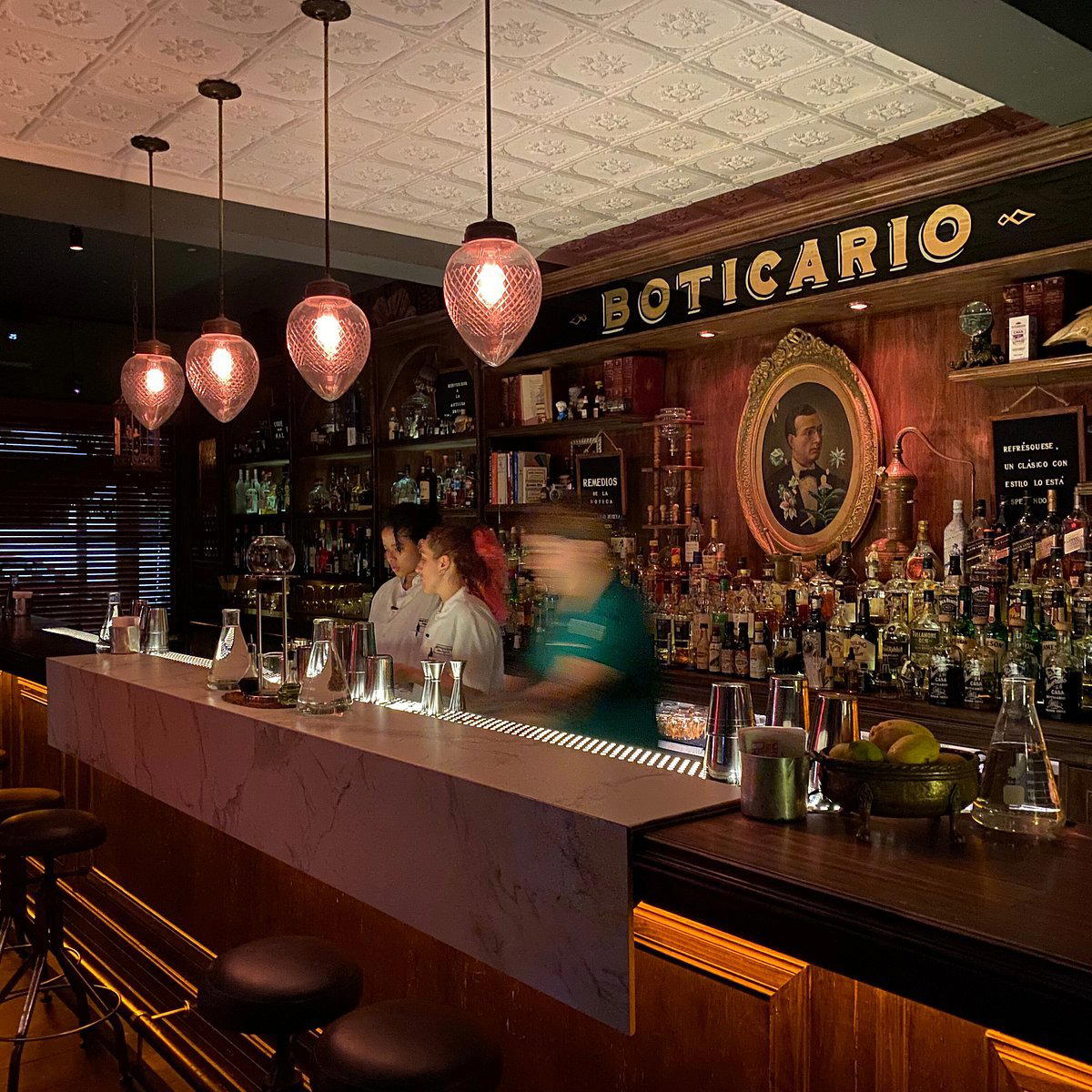
Hotels in Buenos Aires
All hotels in Buenos Aires →
Wineries in Buenos Aires
All wineries in Buenos Aires →
Details
- Lively
- Trendy
- Cozy
- Casual Hangout
- Date Night
- After Work
- Group Dining
- Standalone
- Design Destination
- Street Scene
- A La Carte
Current opening hours
- Monday
- Closed
- Tuesday
- Closed
- Wednesday
- 7–11:30 PM
- Thursday
- 7–11:30 PM
- Friday
- 7 PM–12 AM
- Saturday
- 7 PM–12 AM
- Sunday
- 7–11:30 PM
Hours can change for holidays and private events. Hours as of .
Warm and informal but design‑conscious, with the preserved aesthetic of an old Buenos Aires mechanic’s shop, an open, lively dining room, and a relaxed, buzzy Palermo neighborhood energy rather than a fine‑dining feel.