Sarmiento 1334
Sarmiento 1334 occupies a mid-city Buenos Aires address that places it squarely within the Argentine capital's dense, competitive dining corridor. The venue sits on a street that runs through the Teatro General San Martín cultural precinct, giving it a neighbourhood character shaped as much by theatre-goers and late-night foot traffic as by destination diners.
Pearl is the En Primeur Club membership app — saves, bookings, and concierge access live there. Same editors, same standards.
- Address
- Sarmiento 1334, C1041 Cdad. Autónoma de Buenos Aires, Argentina
- Directions
- Get directions
 Saves & bookings on Pearl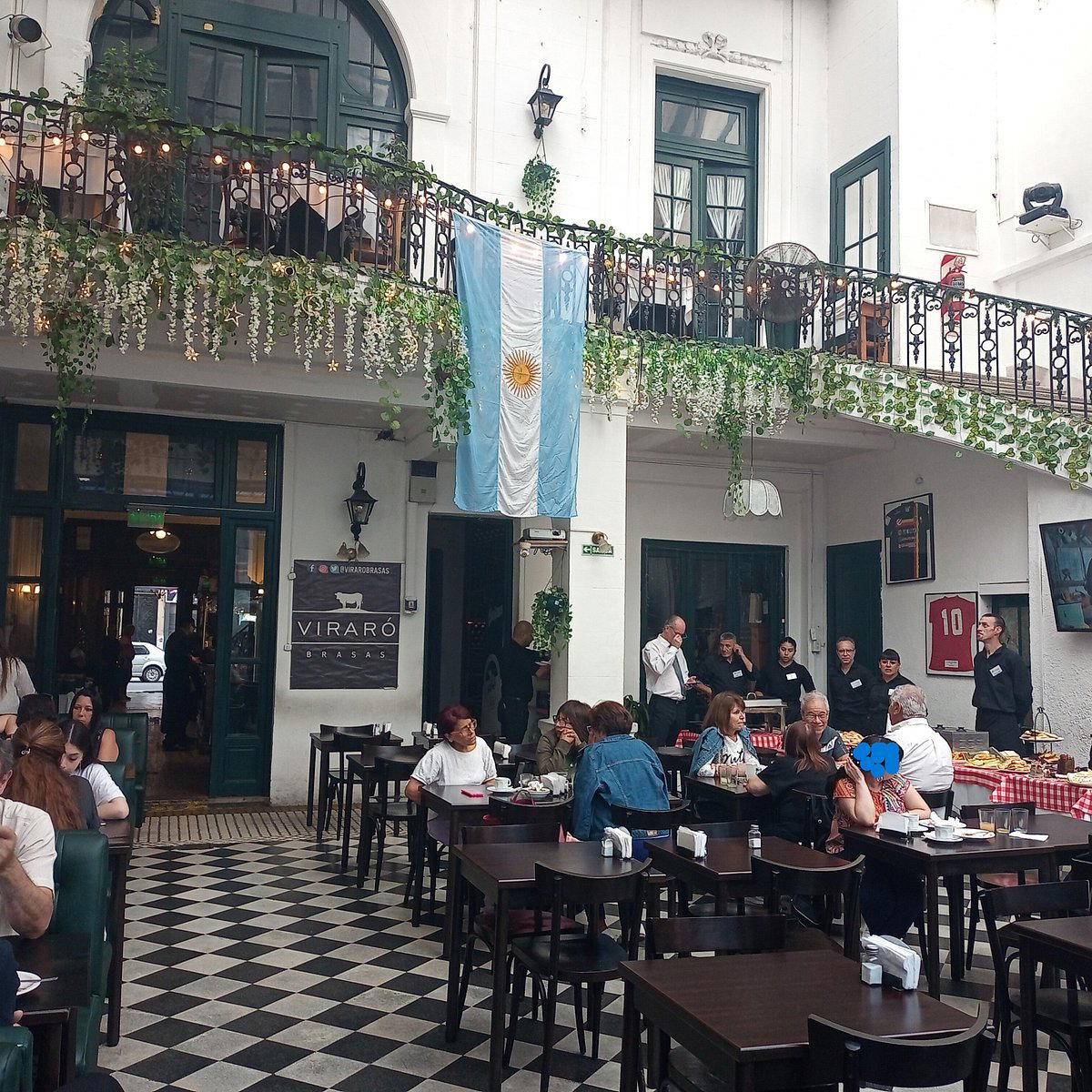
A Street Address That Tells You Where Buenos Aires Eats
Sarmiento, as a street, runs east through the centre of Buenos Aires with a particular kind of civic density: theatres, government offices, mid-century apartment blocks, and the kind of restaurants that fill at 10 p.m. because that is simply when porteños eat. The address 1334 sits inside that corridor, a few blocks west of the Obelisco and within walking distance of the Teatro General San Martín, one of the city's main cultural anchors. That location is not incidental. In Buenos Aires, where you are on a street map tells you something about who comes to a venue, at what hour, and with what expectations. Sarmiento 1334 operates in a part of the city where local rhythm, not tourist itinerary, tends to set the pace.
For travellers accustomed to booking windows measured in months — the kind of lead time required at Aramburu or the allocation-style access that shapes the experience at Trescha — the mid-city dining corridor around Sarmiento operates differently. It is more immediate, more neighbourhood-anchored, and generally less mediated by the international reservation infrastructure that has grown up around Buenos Aires's more prominently profiled addresses.
The Physical Container: Reading a Buenos Aires Dining Room
Buenos Aires dining rooms carry architectural memory in ways that matter. The city's downtown streets are lined with early twentieth-century buildings whose ground floors were designed for commerce at a different scale: high ceilings, tiled floors, deep street-facing windows that blur the boundary between interior and pavement. The physical fabric of an address on Sarmiento encodes that history. Whether a venue has leaned into that inheritance, exposed plaster, original terrazzo, the particular quality of light that comes through a tall, narrow Buenos Aires storefront, or worked against it with contemporary fit-out, the building itself becomes part of the dining experience in ways that newer construction rarely achieves.
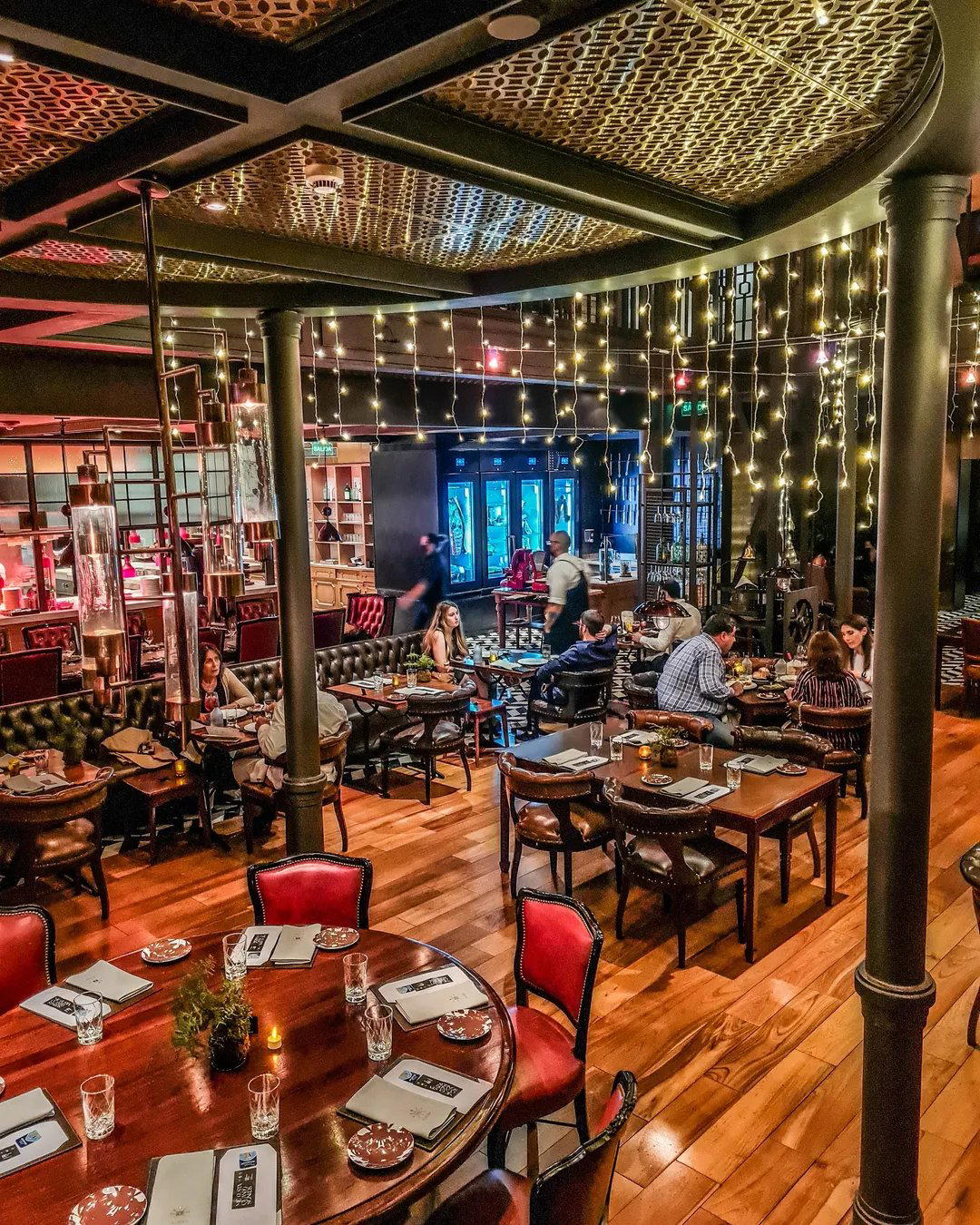
In the context of Argentine dining, interior design has historically been subordinate to the asado, to the wine list, to the social occasion. The room was where you happened to eat, not the point of the evening. That has shifted in the last decade, particularly at the upper end of the Buenos Aires market, where properties like Crizia and Anafe have invested in spatial identity as a deliberate differentiator. The Sarmiento address sits in a neighbourhood where that shift is visible at the street level, in renovated shopfronts and repurposed commercial spaces that now serve as dining rooms.
Buenos Aires at the Table: What the City's Dining Tradition Demands
Argentine dining culture places specific pressures on any venue operating in Buenos Aires. The asado tradition means that meat cookery is always being compared against a domestic standard that most diners have held since childhood. Don Julio, operating in Palermo at the $$$$ tier, has built a reputation specifically around meeting that standard at a level that justifies the premium. Downtown addresses like Sarmiento face a different version of the same pressure: the diner sitting at the table has almost certainly eaten well at home, at a friend's parrilla, or at any number of neighbourhood spots that do the basics with no ceremony and considerable skill.
What Buenos Aires restaurants have increasingly offered in response is wine program depth and kitchen technique that goes beyond what a home asado can deliver. Argentina's wine output, concentrated in Mendoza, with addresses like Azafrán representing the regional fine dining benchmark, has given Buenos Aires restaurants access to a list-building resource that few other cities in South America can match. A Malbec-forward list anchored to Luján de Cuyo producers, properties like Cavas Wine Lodge and Entre Cielos, gives any serious Buenos Aires dining room a foundation that connects the plate to Argentina's broader geographic identity.
For travellers arriving from properties further afield, the lodge-style hospitality of Awasi Iguazú in Puerto Iguazú, or the estancia dining of La Bamba de Areco in San Antonio de Areco, the move to a Buenos Aires street address like Sarmiento represents a deliberate shift toward urban density. The scale changes, the informality index adjusts, and the dining room becomes a different kind of container for what is, in Argentina, a remarkably consistent culinary conversation.
The Buenos Aires restaurant market has stratified in ways that are legible to anyone who has spent time tracking the city's dining over the past decade. At the upper tier, venues with international recognition and tasting-menu formats occupy a distinct category. Below that, a dense mid-market of neighbourhood restaurants, parrillas, and contemporary Argentine addresses competes on specificity: a particular cut, a particular region's wine, a room with a particular character. The Sarmiento address places a venue in a part of the city where that mid-tier competition is at its most concentrated, and where the question of what distinguishes one address from another is answered primarily by what happens inside the room rather than by location alone.
Comparison points matter here. Los Talas del Entrerriano in Greater Buenos Aires represents a different register entirely: the out-of-city parrilla experience, where scale and informality are built into the format. A downtown Sarmiento address is operating in a different register, one where the city's energy, the late dinner hour, the theatre crowd, the weeknight rhythm of porteño life, is part of what the room contains. For further context on how Buenos Aires's dining addresses map against each other, the EP Club Buenos Aires restaurants guide provides a fuller picture of the competitive field.
For reference points from further afield that illuminate what contemporary Argentine fine dining is benchmarking against internationally, venues like Le Bernardin in New York and Lazy Bear in San Francisco represent the kind of technically rigorous, spatially considered dining room that has set expectations for a generation of Argentine chefs who trained or staged abroad before returning to Buenos Aires.
Planning a Visit: What to Know Before You Go
The address, Sarmiento 1334, in the Autonomous City of Buenos Aires, is confirmed, and the location is accessible by multiple subte lines, with the B line's Pasteur station and the D line's Tribunales station both within a few minutes' walk. Buenos Aires restaurants in this part of the city typically observe the porteño dinner window of 9 p.m. to midnight, though verification directly with the venue is advisable. For dining room availability, current menu format, and any dietary accommodation information, contact should be made through whatever booking channel the venue currently operates. Additional properties across Argentina worth cross-referencing for a broader itinerary include Chacras de Coria in Las Heras, Agrelo in Luján de Cuyo, and Las Balsas in Villa La Angostura, and La Table de House of Jasmines in La Merced Chica for context on what premium Argentine dining looks like across different regions.
Cuisine and Credentials
A short peer table to compare basics side-by-side.
| Venue | Cuisine | Price | Awards |
|---|---|---|---|
| Sarmiento 1334This venue — the venue you are viewing | Not listed | Not listed | Not listed |
| Don Julio | Argentinian Steakhouse | $$$$ | Michelin 1 Star |
| Aramburu | Modern Argentinian, Creative | $$$$ | Michelin 2 Star |
| El Preferido de Palermo | Argentinian, Traditional Cuisine | $$ | Not listed |
| Elena | South American, Steakhouse | $$$ | Not listed |
| La Carniceria | Argentinian Steakhouse, Meats and Grills | $$ | Not listed |
Continue exploring
More in Buenos Aires
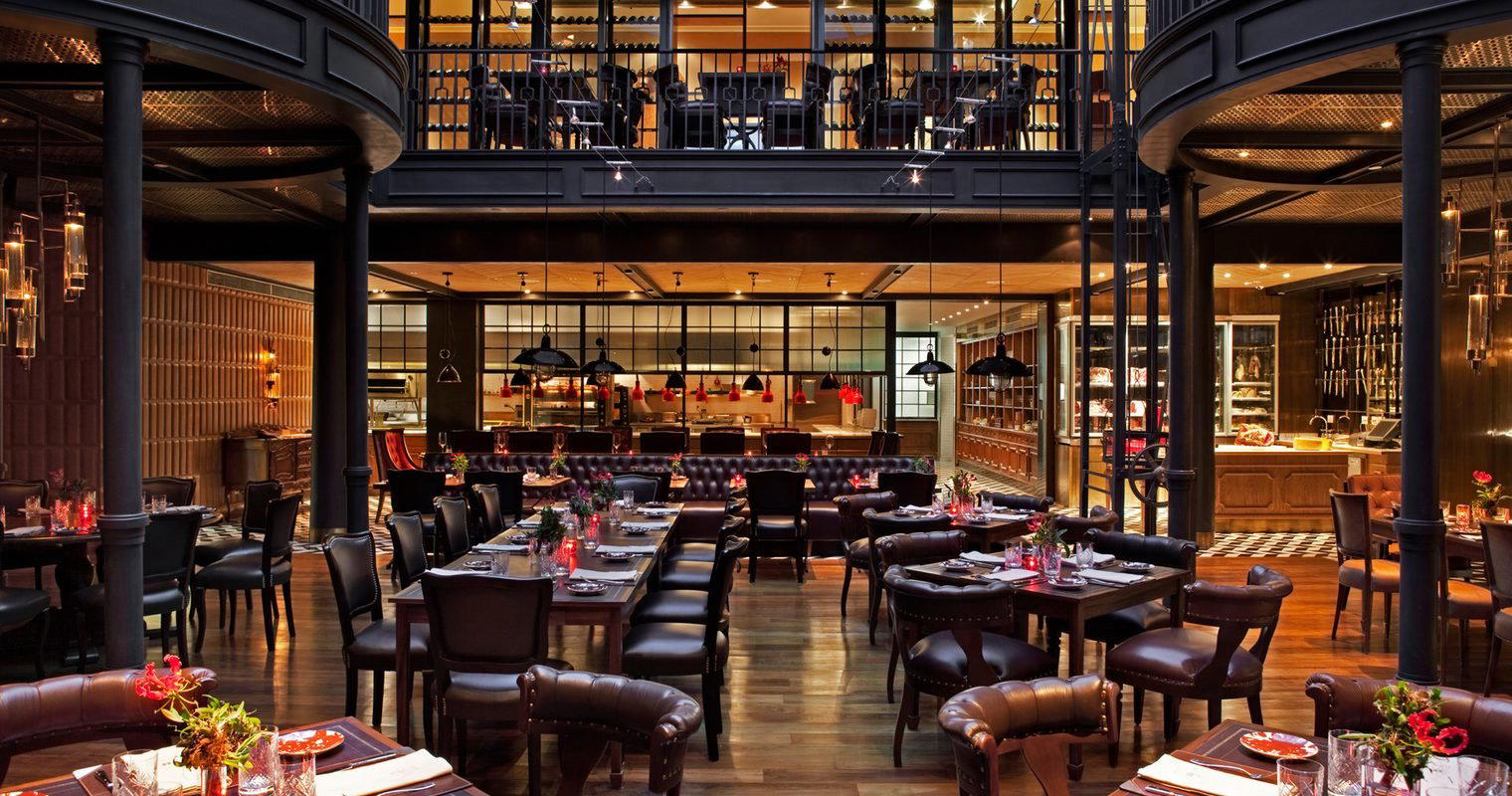
Restaurants in Buenos Aires
Browse all →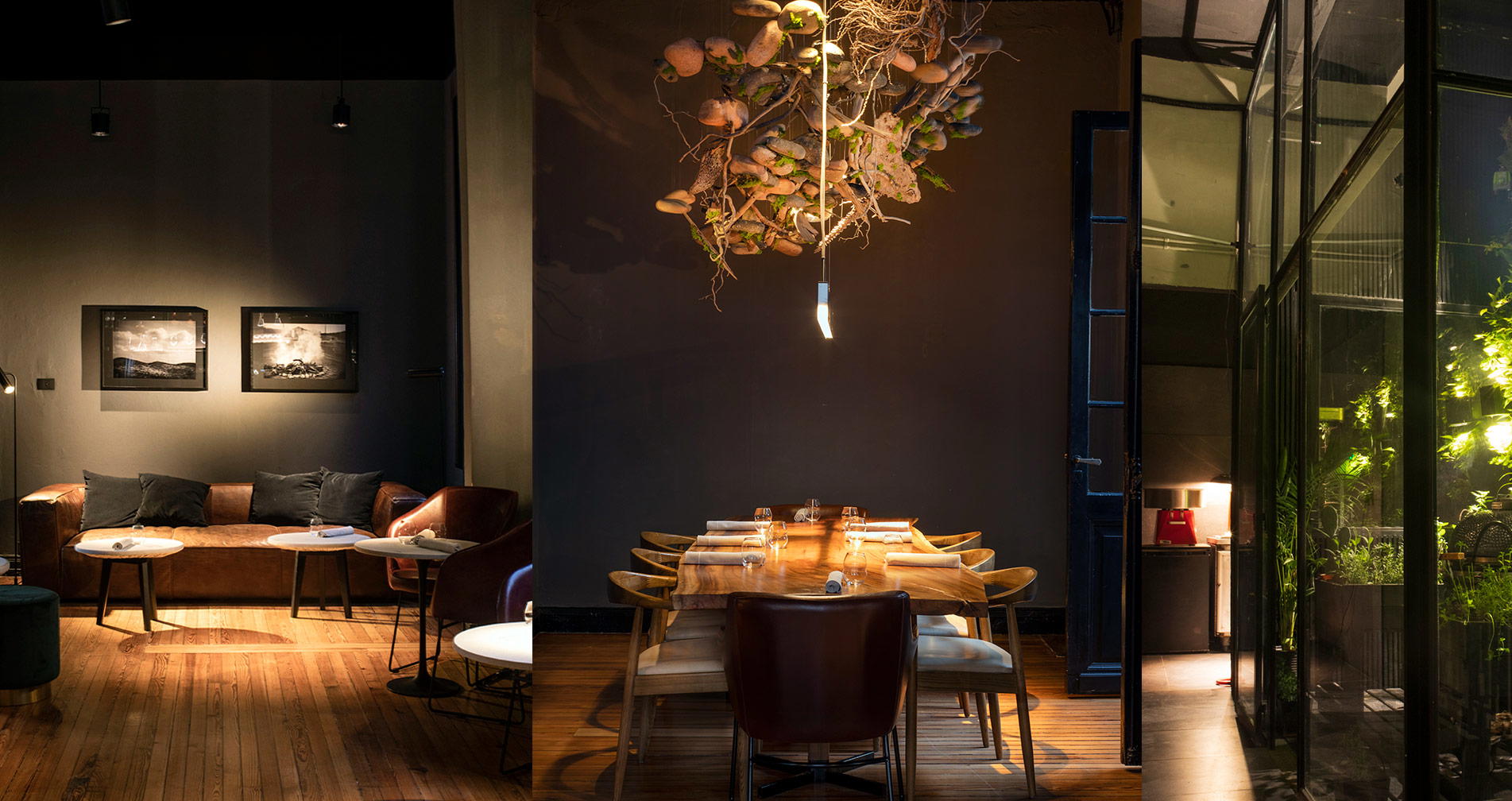
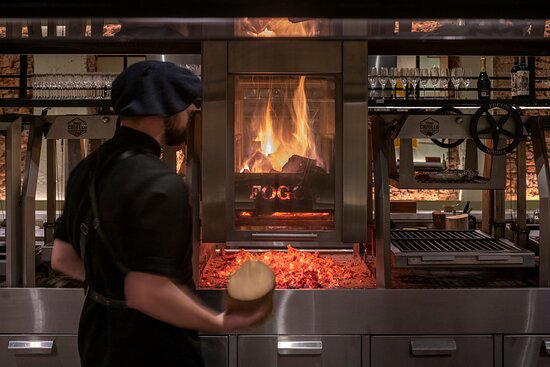
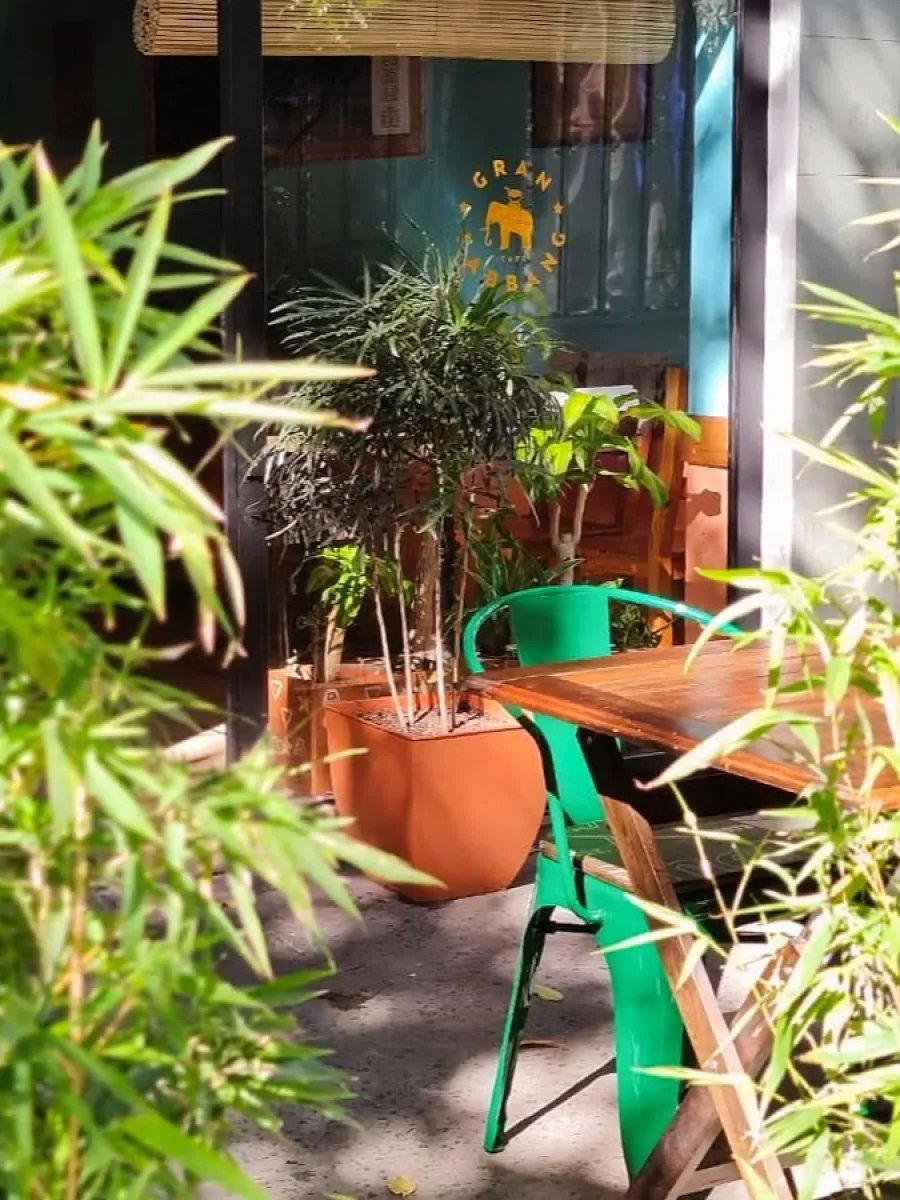
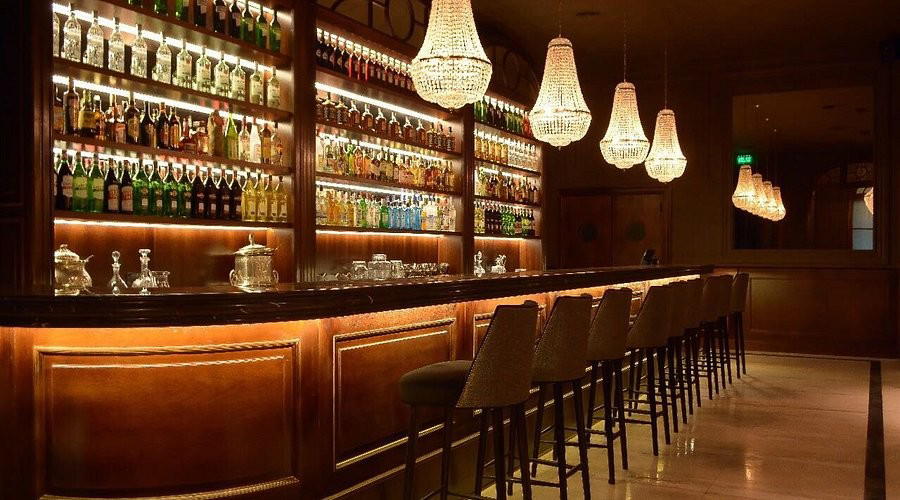
Bars in Buenos Aires
Browse all →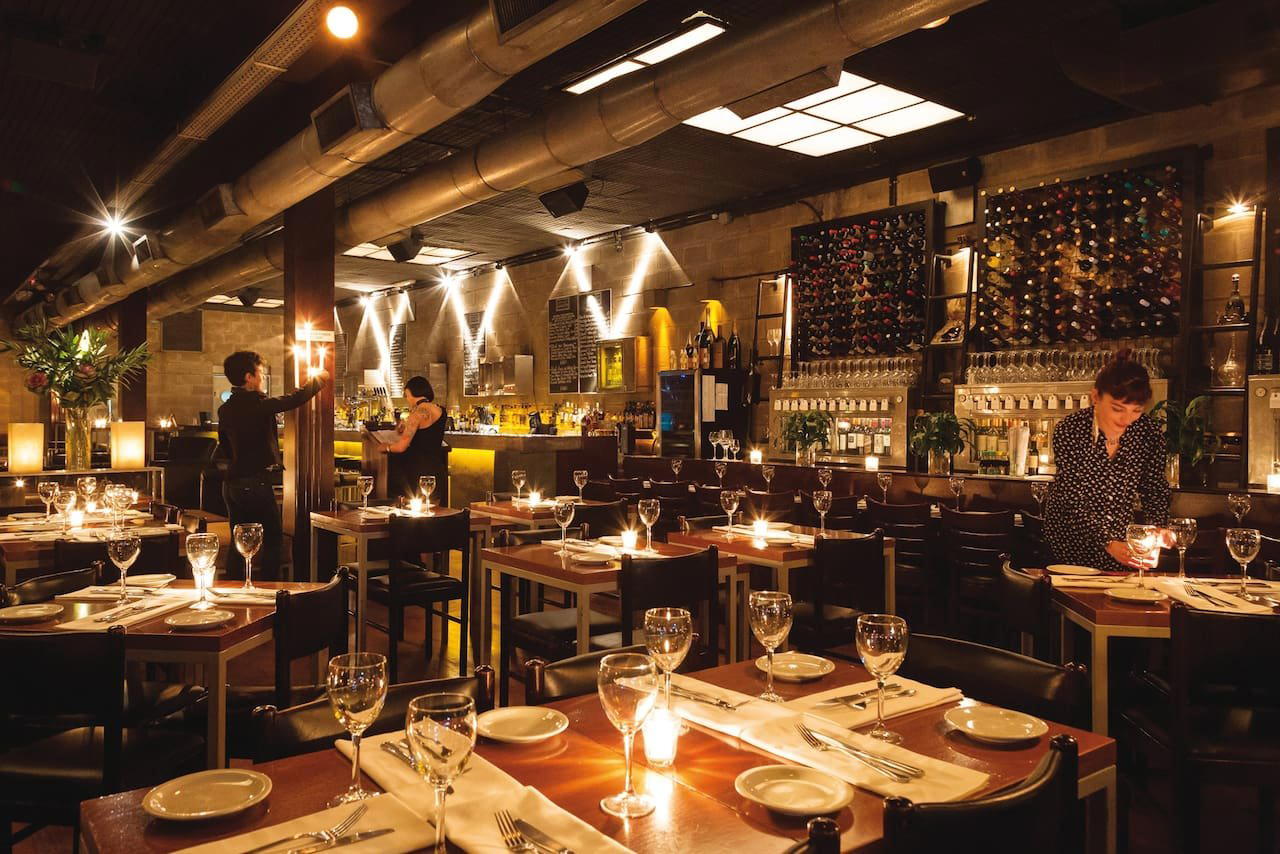
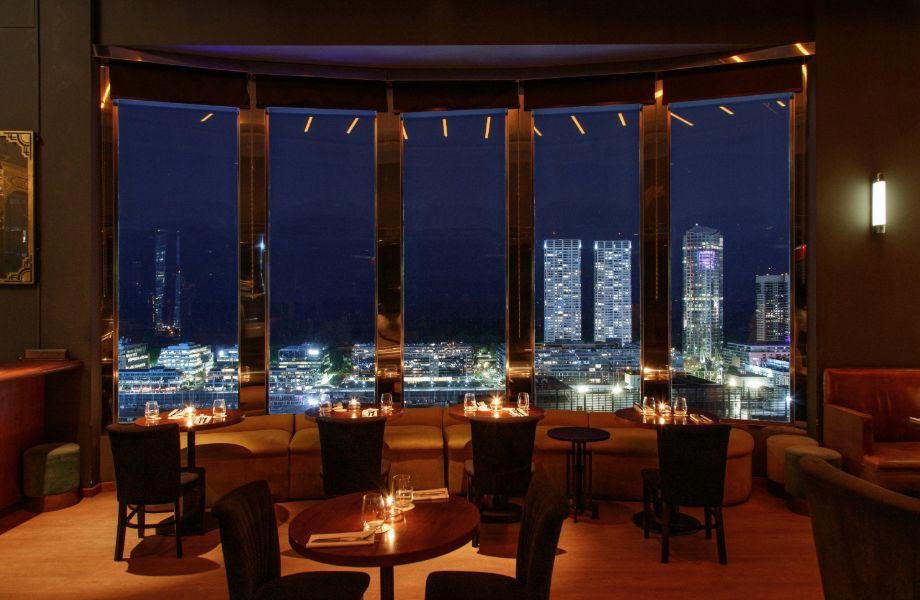
Hotels in Buenos Aires
Browse all →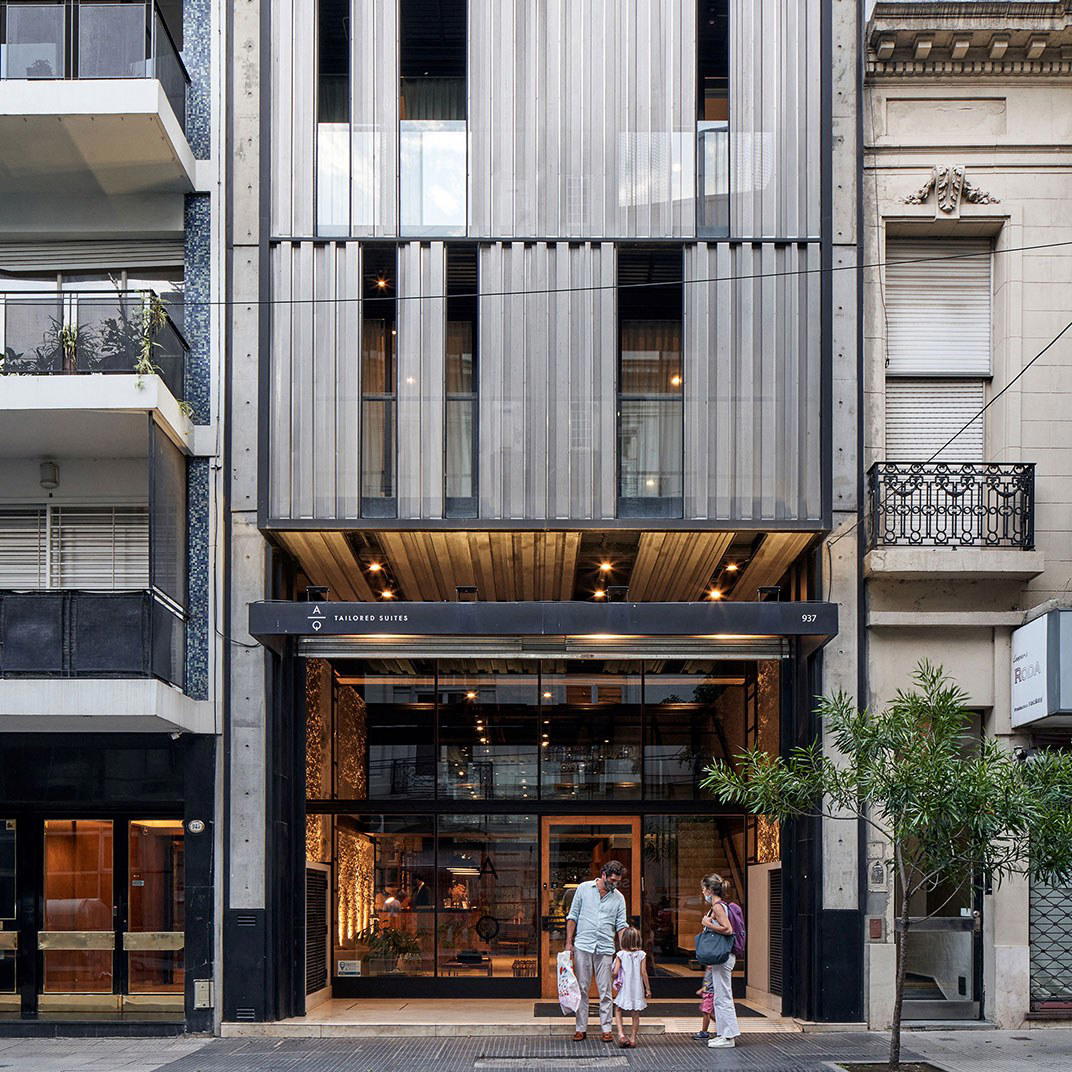
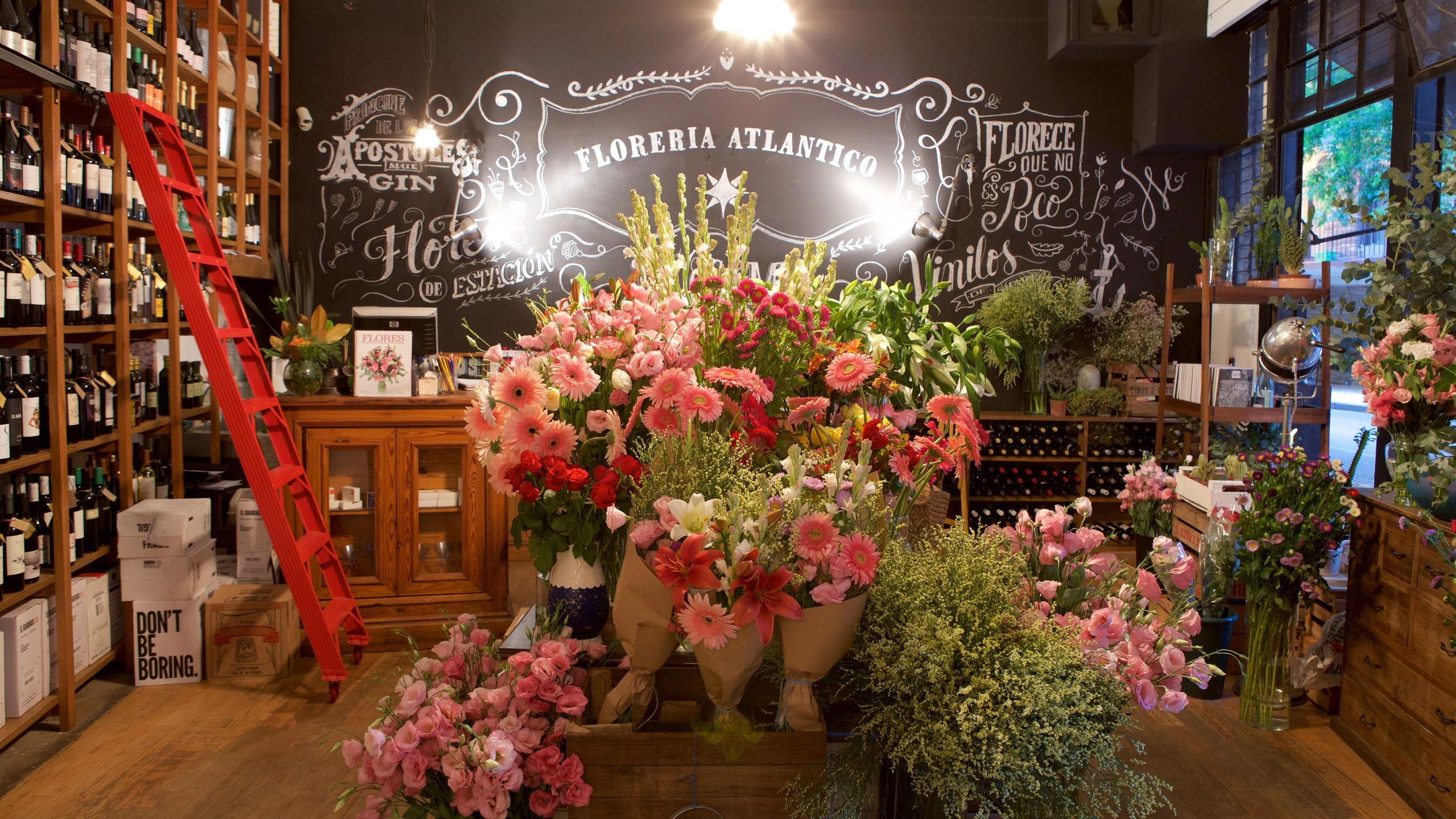
Wineries in Buenos Aires
Browse all →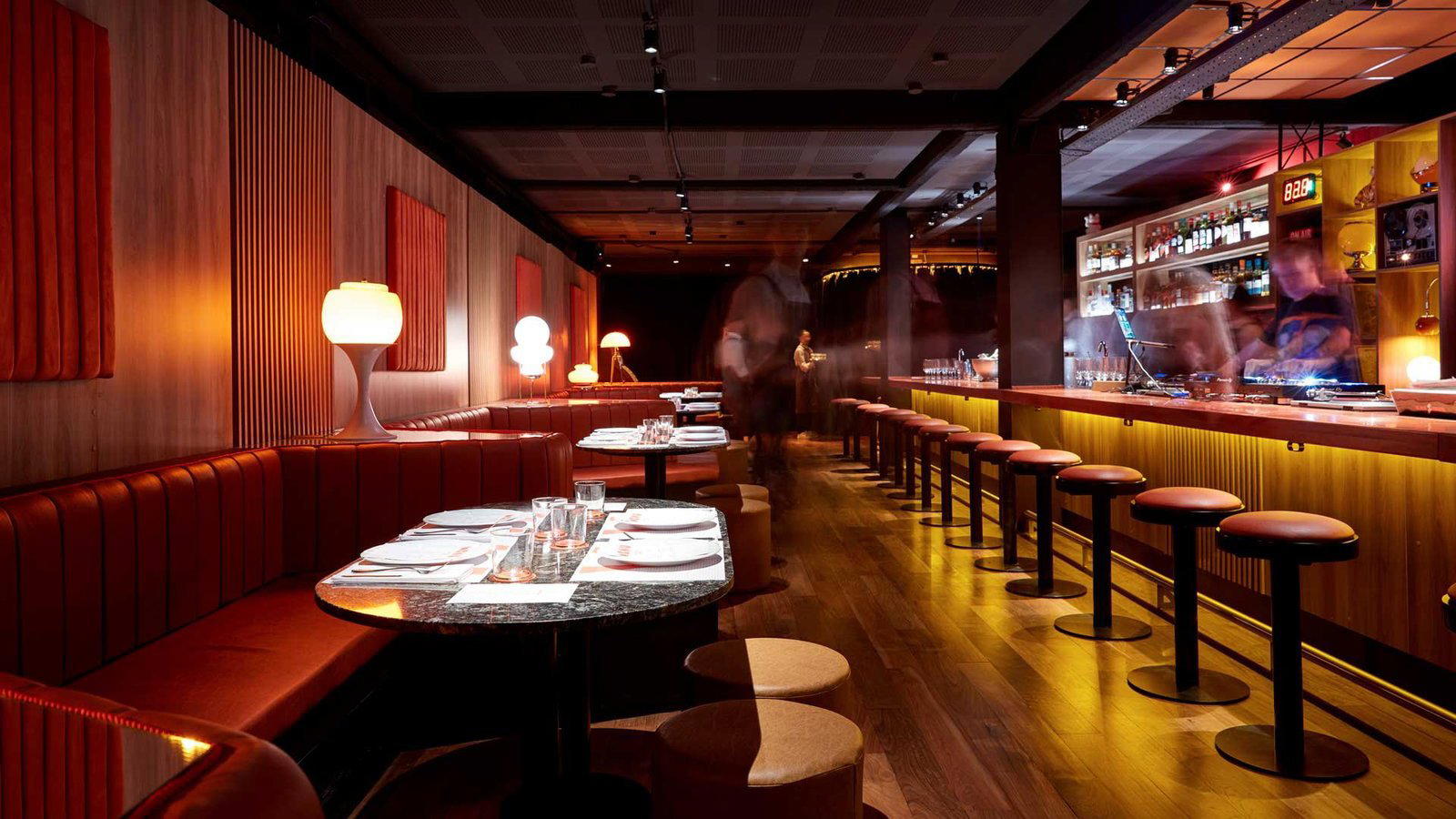
At a Glance
- Classic
- Elegant
- Historic
- Intimate
- Business Dinner
- Special Occasion
- Brunch
- Historic Building
- Terrace
- Extensive Wine List
Elegant historic architecture with high ceilings, boiserie, mirrors, and bronze fixtures creating an intimate and warm setting.
Know Before You Go
- Getting there
- Sarmiento 1334, C1041 Cdad. Autónoma de Buenos Aires, Argentina