La Brasa
La Brasa sits on Haarlemmerdijk in Amsterdam's Westerpark quarter, a street that has shifted over the past decade from local errand strip to one of the city's more considered dining corridors. Where Amsterdam's fire-driven cooking scene often skews toward spectacle, La Brasa positions itself within a smaller cohort focused on ethical sourcing and waste-conscious kitchen practice, a quieter argument for what open-flame cooking can look like when the supply chain matters as much as the fire itself.
 Discover on Pearl
Pearl is the En Primeur Club membership app — saves, bookings, and concierge access live there. Same editors, same standards.
- Address
- Haarlemmerdijk 16, 1013 JC Amsterdam, Netherlands
- Phone
- +31206254438
- Website
- labrasa.nl
Haarlemmerdijk and the Case for Conscious Cooking
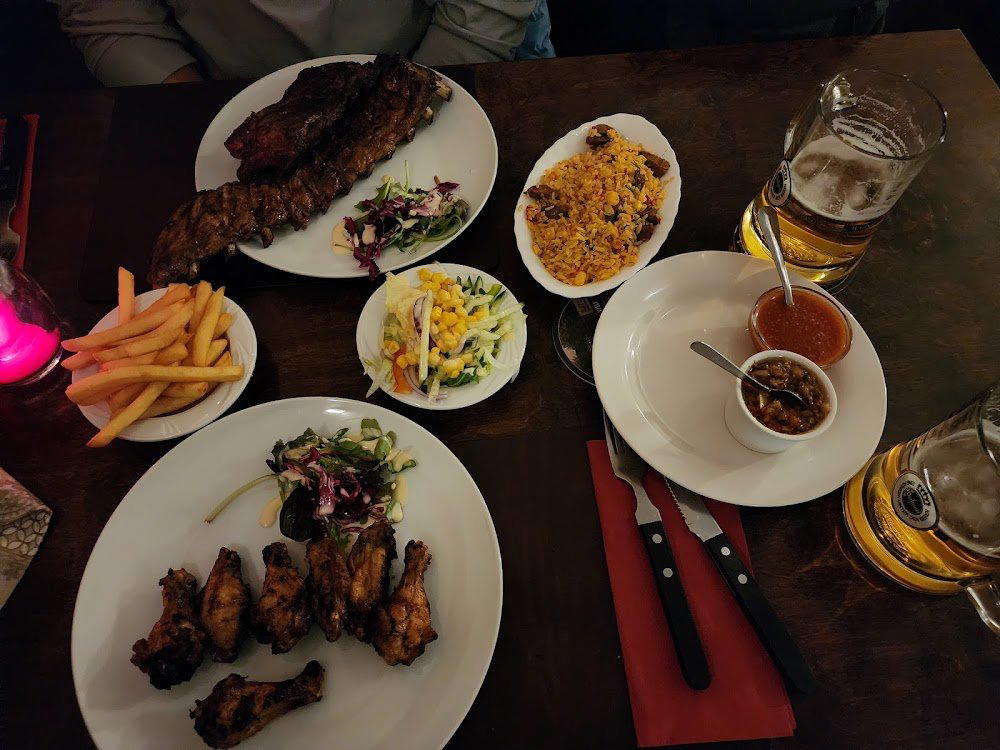
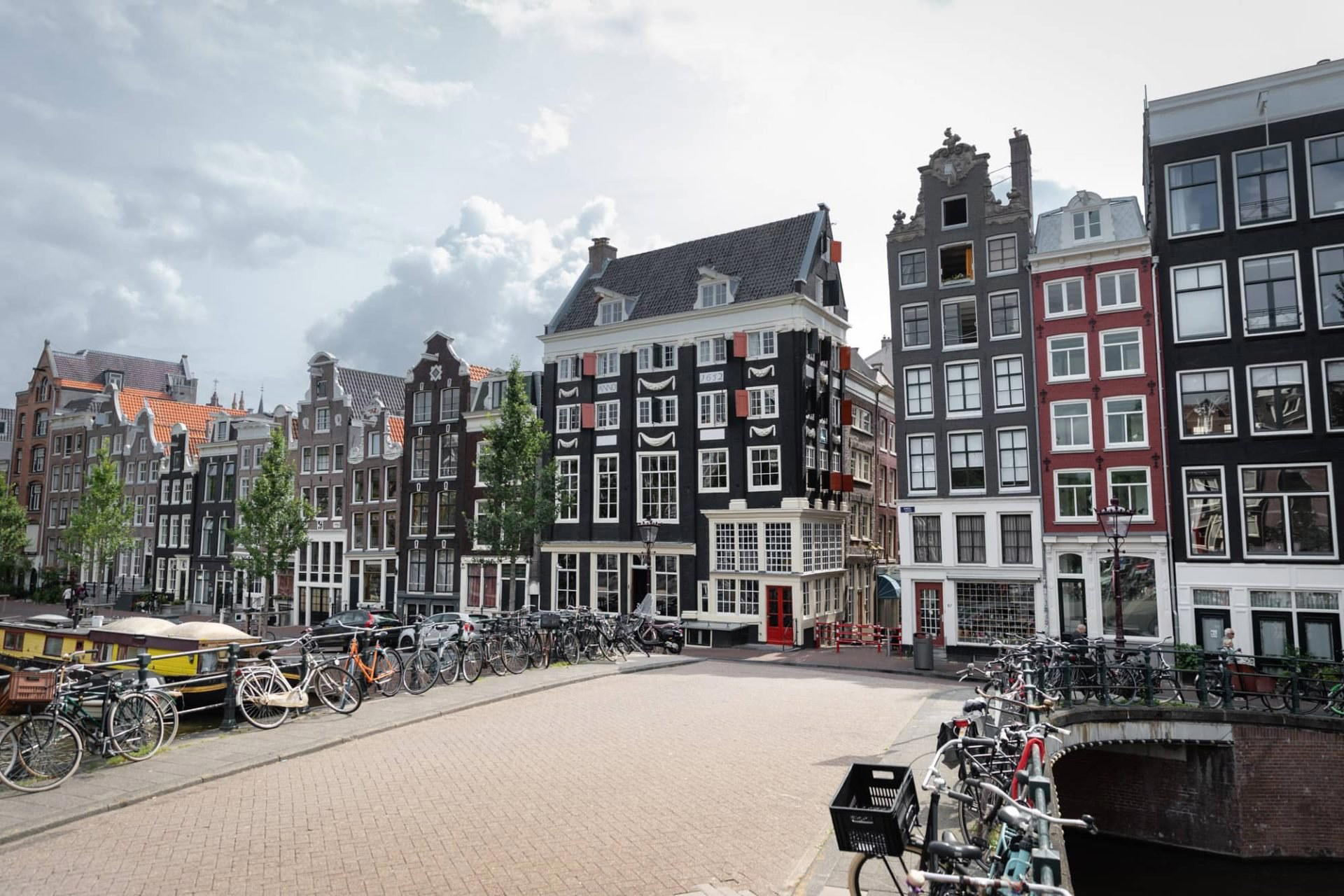
Haarlemmerdijk runs west from the Jordaan toward Westerpark, and the character of the street tells you something about the city's appetite for a certain kind of low-theatrics dining. Independent shops, a handful of wine bars, and restaurants that tend to advertise themselves by word of mouth rather than PR campaigns define the strip. La Brasa is an Argentine steakhouse at Haarlemmerdijk 16 in Amsterdam, with a 4.5 Google rating from 436 reviews and an average price of about $30 per person. It fits that pattern. The address is functional rather than showy, a facade that does not announce itself against the canal-house terraces around it. What draws attention is what arrives at the table, and the reasoning behind how it got there.
Amsterdam's open-fire cooking scene has grown steadily since the early 2010s, when wood-burning hearths began appearing in rooms that previously relied on induction and gas. The format spread quickly across northern Europe, partly driven by the influence of Basque and South American grilling traditions, partly by a broader restaurateur interest in cooking methods that foreground ingredient quality over technical intervention. By the time the trend consolidated, two distinct camps had formed: venues that adopted the flame as aesthetic, and a smaller group that treated it as a framework for supply-chain discipline. La Brasa belongs to the latter cohort.
The Sustainability Argument in a Fire Kitchen
Open-fire cooking and environmental consciousness might seem like contradictory commitments, but the restaurant kitchens that have most seriously engaged with both tend to find that the methods reinforce each other. When you cook with wood and charcoal, you have fewer technical levers to rescue a mediocre ingredient. That constraint pushes sourcing decisions upstream: the quality of the animal, the condition of the vegetable, the relationship with the producer all become load-bearing. Waste, correspondingly, becomes more visible and more costly, there is no sauce or elaboration to absorb a substandard cut.
This is the logic that connects Amsterdam's more ethically oriented restaurants to their cooking methods. De Kas, the greenhouse restaurant in Frankendael Park, built its identity on growing a significant proportion of its own produce and sourcing the remainder from local growers. BAK, overlooking the IJ from Buiksloterweg, operates a farm-to-table model that links its menu directly to named suppliers. Wils, which holds a Michelin Green Star for sustainability, runs a wood-fired kitchen on a similar philosophy. La Brasa occupies a comparable position on Haarlemmerdijk: the fire is not decoration, it is a commitment to an ingredient-first approach that requires the sourcing to be correct before the cooking begins.
Nationally, venues like De Nieuwe Winkel in Nijmegen and Brut172 in Reijmerstok have built substantial reputations within this framework. In Amsterdam, the argument is being made across multiple price tiers, from the €€€€ creative dining of Ciel Bleu down to accessible neighbourhood formats. La Brasa participates in that conversation at the neighbourhood end of the spectrum.
Where La Brasa Sits in the Amsterdam Picture
Amsterdam's fine dining tier is anchored by a cluster of Michelin-starred rooms: Flore, Spectrum, and Vinkeles all operate in the creative €€€€ bracket, where tasting menus are the default format and wine pairings are priced to match. Bistro de la Mer represents the classic end of the €€€ range. La Brasa operates at a different register: a neighbourhood fire kitchen where the cooking is serious but the format is accessible, the kind of room that Amsterdam has historically done well and that the Haarlemmerdijk corridor tends to sustain.
The relevant comparison is not with the city's Michelin rooms but with the growing number of Amsterdam restaurants that treat ethical sourcing as a structural commitment rather than a menu annotation. In that group, the standard has risen sharply. Producers are named, supply chains are explained, and the menus shift as availability dictates rather than running year-round on fixed dishes. This is a more demanding model for both kitchen and diner, and the restaurants that do it well earn a specific kind of loyalty.
For broader Dutch context, the country's notable kitchens extend well beyond the capital. De Librije in Zwolle, 't Nonnetje in Harderwijk, Aan de Poel in Amstelveen, De Bokkedoorns in Overveen, De Groene Lantaarn in Staphorst, De Lindehof in Nuenen, De Lindenhof in Giethoorn, and De Treeswijkhoeve in Waalre each represent different expressions of what Dutch cooking looks like when it draws seriously on local provenance. Internationally, the ethical sourcing argument runs through rooms as different as Le Bernardin in New York City and Atomix in New York City, both of which have built sourcing and waste-reduction into their kitchen infrastructure.
Planning a Visit
La Brasa is at Haarlemmerdijk 16 in the Westerpark district, reachable on foot from the Jordaan in under ten minutes or by tram from Centraal Station. The street is walkable and dense with adjacent options for pre- or post-dinner drinks. As with many independent Amsterdam restaurants operating in the €€€ bracket, booking ahead is advisable, particularly on Thursday through Saturday evenings when the neighbourhood draws from across the city. Given that the menu format at ethically driven kitchens tends to reflect what is available from suppliers at short notice, arriving with some flexibility about what you order tends to produce a better meal than arriving with a fixed expectation.
Compact Comparison
Comparable venues nearby, for context on price, style, and recognition.
| Venue | Cuisine | Price | Notes |
|---|---|---|---|
| La BrasaThis venue — the venue you are viewing | $$ | ||
| De Blauwe Hollander | Leidsebuurt Noordoost, Traditional Dutch | $$ | |
| Boon & De Koot | Zeeheldenbuurt, Cozy Amsterdam Bistro | $$ | |
| De Reiger | Bloemgrachtbuurt, Dutch Gastro-Pub | $$ | |
| Kartika | $$ | Helmersbuurt Oost, Traditional Indonesian Rijsttafel | |
| Winkel 43 | Anjeliersbuurt Noord, Dutch Bakery Cafe | $$ |
Continue exploring
More in Amsterdam
Restaurants in Amsterdam
Browse all →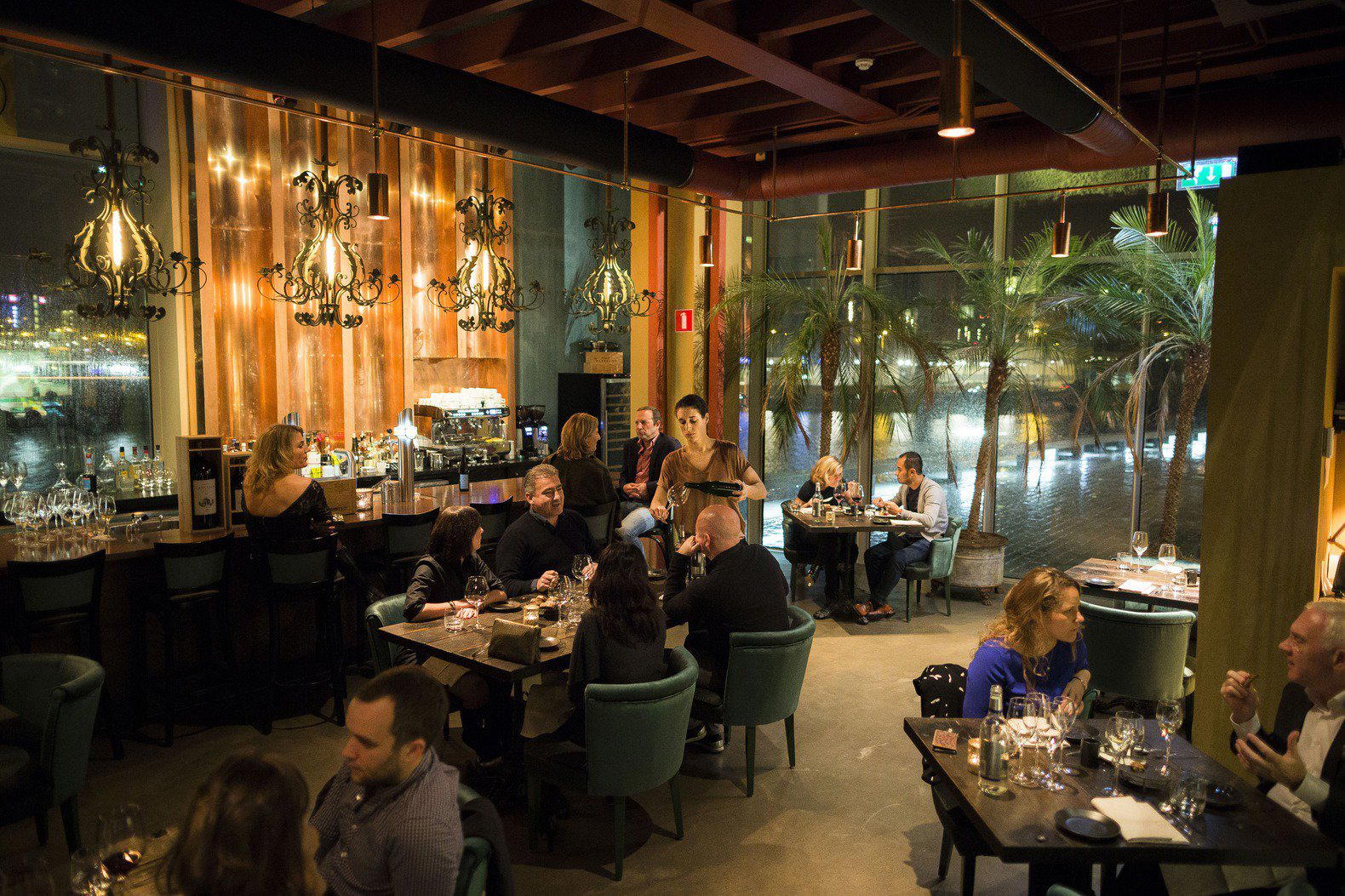
Bars in Amsterdam
Browse all →
Hotels in Amsterdam
Browse all →
Wineries in Amsterdam
Browse all →
At a Glance
- Cozy
- Rustic
- Lively
- Group Dining
- Casual Hangout
- Family
- Open Kitchen
- Extensive Wine List
Warm, welcoming, and cozy atmosphere with friendly family service.