De Reiger

De Reiger occupies a canal-side address in the Jordaan at Nieuwe Leliestraat 34, where the team behind Restaurant Entrepot has built a neighbourhood dining room that earns attention through precision rather than scale. The approach favours depth over expansion, placing it firmly in the tradition of Amsterdam restaurants that treat a single address as a long-term project worth refining. Booking ahead is advisable for this address.
Pearl is the En Primeur Club membership app — saves, bookings, and concierge access live there. Same editors, same standards.
- Address
- Nieuwe Leliestraat 34, 1015 ST Amsterdam, Netherlands
- Phone
- +31 20 624 7426
- Website
- dereigeramsterdam.nl
- Directions
- Get directions
 Saves & bookings on Pearl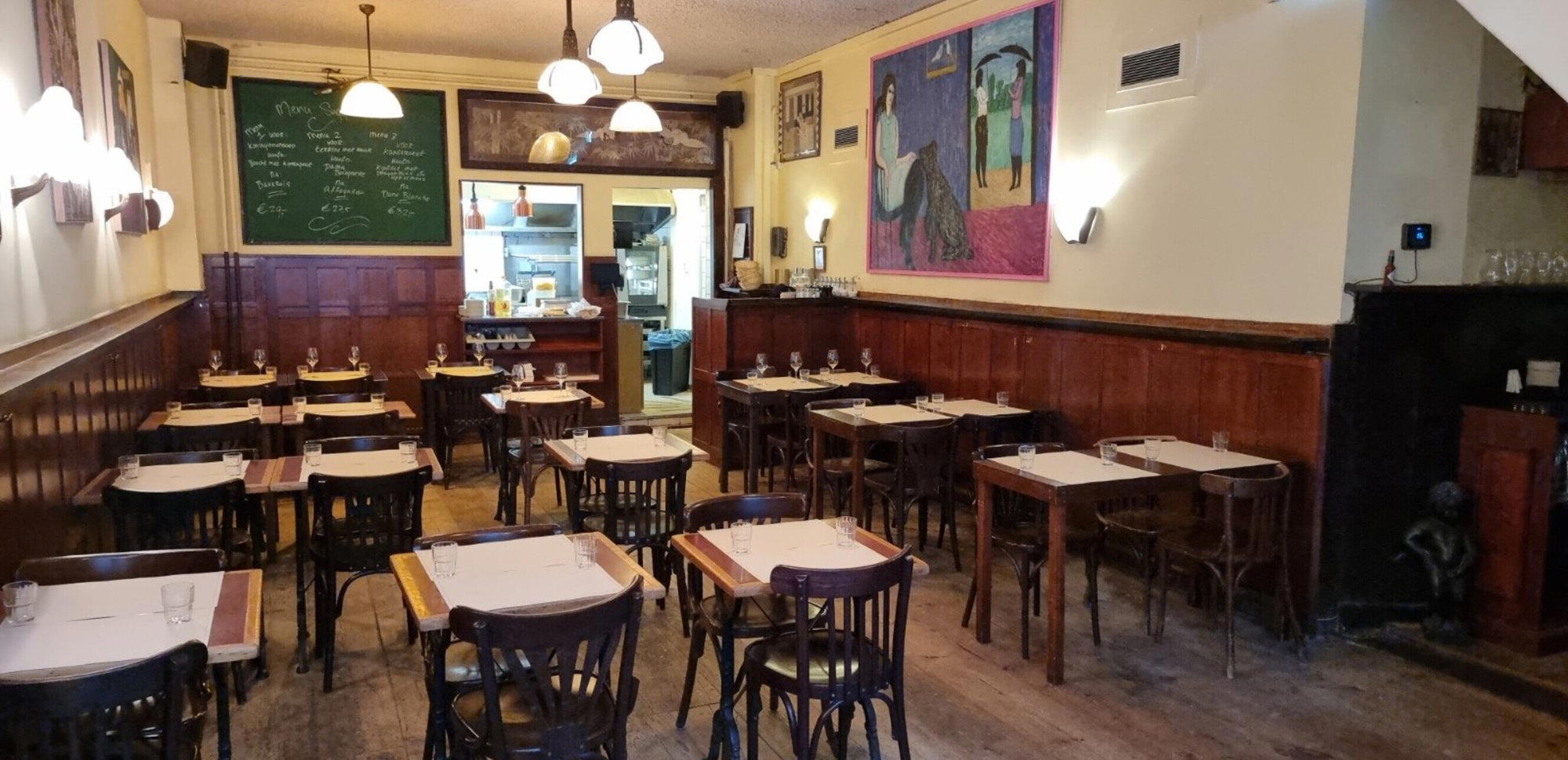
A Jordaan Room That Works on Its Own Terms
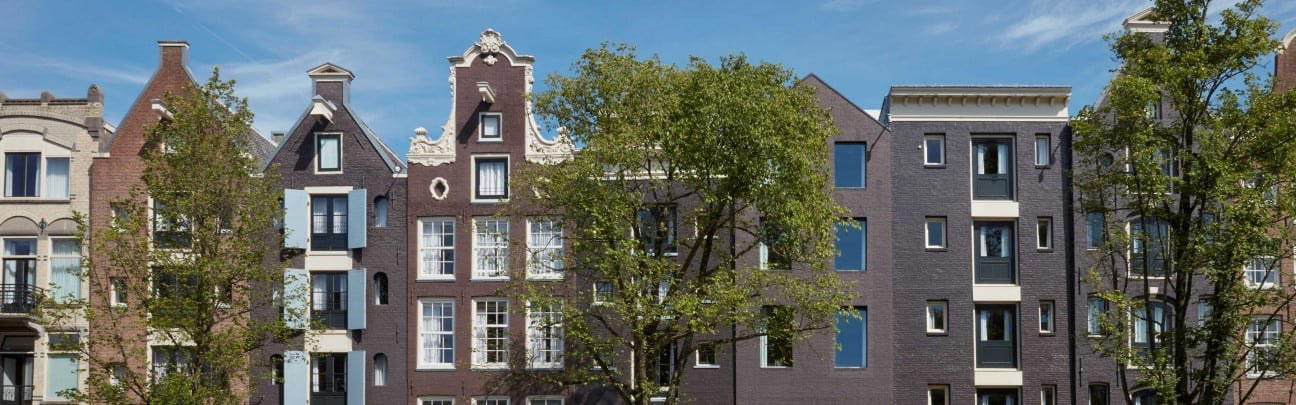
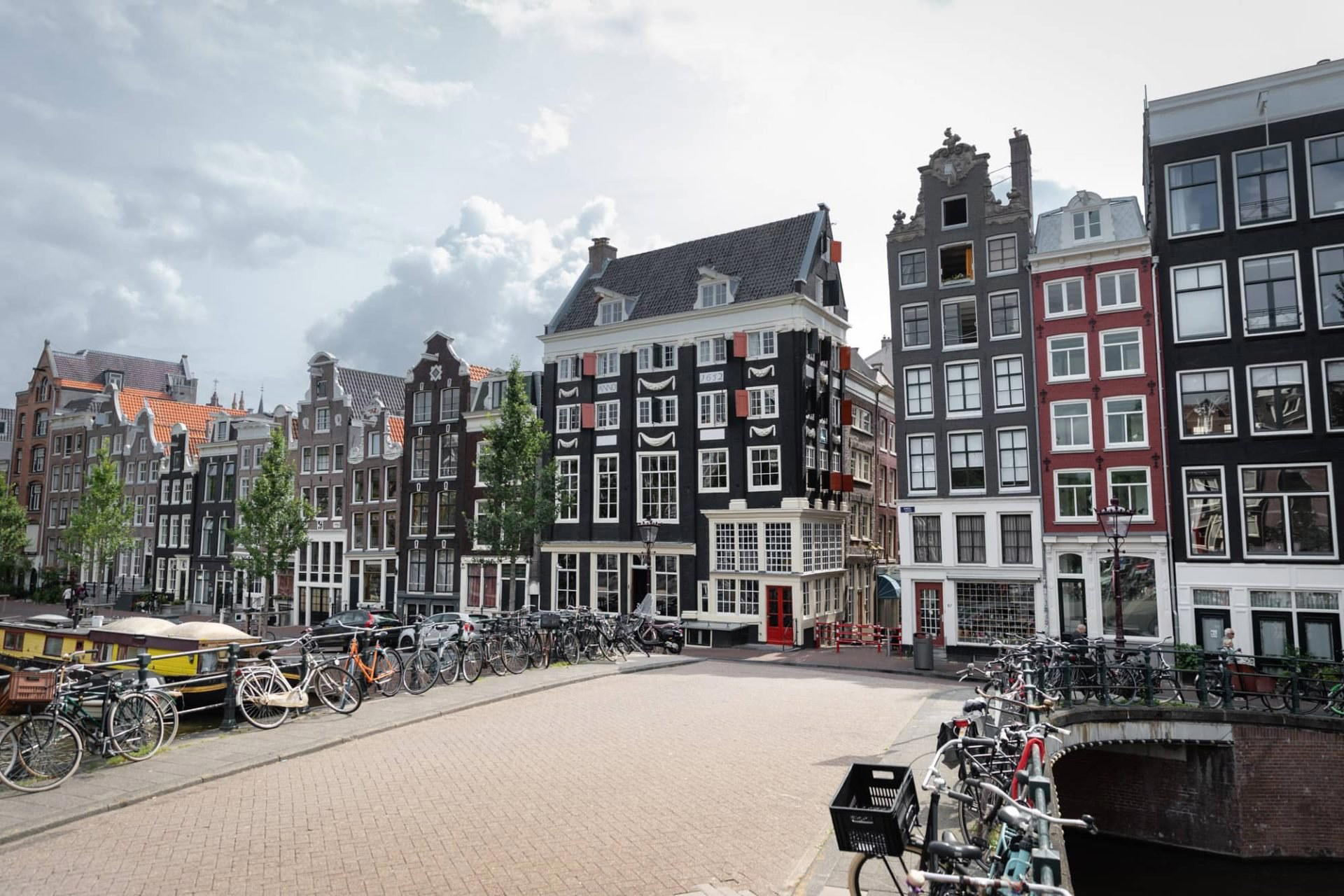
The Jordaan has its own logic. Its narrow streets and low brick facades create a particular social contract between a restaurant and its neighbourhood: grandiosity reads as wrong, and longevity reads as respect. De Reiger, at Nieuwe Leliestraat 34, operates within that contract. The address sits on one of the Jordaan's quieter lateral streets, away from the tourist pressure of the main canal rings, in a district that Amsterdam residents have treated as their own dining territory for decades.
What the team behind Restaurant Entrepot has achieved here is worth understanding in context. Amsterdam's restaurant groups have largely moved in two directions: either expanding aggressively across multiple concepts and postcodes, or treating a single room as a long-term editorial project. The Entrepot team chose the second path. That decision shapes everything about De Reiger, from the pace of service to the way the menu is approached, as something to be refined over time. In a city where Ciel Bleu and Spectrum occupy the formal, high-investment tier of Amsterdam dining, and where Bolenius has staked out its position in modern Dutch cooking, De Reiger sits in a more intimate bracket, answering a different question: what does neighbourhood dining look like when it is taken seriously?
The Ritual of the Meal Here
Amsterdam has a dining culture that tends toward the unhurried. Dinner is not a transaction. Tables turn slowly, conversation runs long, and the Dutch habit of extending an evening over wine rather than rushing toward the bill is built into the social fabric of places like this. De Reiger's Jordaan setting reinforces that rhythm. The streets outside are quiet enough by evening that the restaurant functions as a genuine destination rather than a walk-in convenience, which means most guests have made a deliberate choice to be there, a small but significant factor in how a meal feels from the inside.
The format, based on what the Entrepot group has demonstrated in its broader work, favours focus over spectacle. This is not the kind of room where the experience is performed at you. Pacing, in Amsterdam's better neighbourhood restaurants, tends to be guest-led rather than kitchen-dictated, and the culture of the Jordaan specifically supports the idea that a meal should feel like an extension of the neighbourhood's ease rather than an interruption of it. For comparison, the more formal end of the Amsterdam dining spectrum, represented by addresses like Vinkeles, operates under different conventions, where ceremony is part of the offer. The restaurant sits in a different register entirely.
It is worth noting where the restaurant fits against the broader Netherlands dining scene. Restaurants like De Librije in Zwolle and 't Nonnetje in Harderwijk have established that Dutch fine dining operates at a high level nationally, while addresses like Aan de Poel in Amstelveen demonstrate that serious cooking does not require a central city address. The restaurant's position within Amsterdam itself, however, and in the Jordaan specifically, gives it a social context that suburban or provincial addresses cannot replicate: it belongs to a neighbourhood, and that belonging shapes the meal.
What the Entrepot Approach Signals
While restaurant groups elsewhere prioritise volume, opening as many concepts as possible to capture as wide a market as possible, the Entrepot team has taken a different view. That philosophical position, whether or not one agrees with it as a business strategy, has practical consequences for a guest. Restaurants that grow slowly and deliberately tend to have more consistent kitchens, more stable front-of-house culture, and a clearer sense of what they are trying to do. The contrast with the expansion-led model is not merely aesthetic; it affects what arrives at the table and how it is delivered.
This places the restaurant in a comparable set that includes Amsterdam's other precision-focused, single-site neighbourhood rooms. Addresses like Bistro de la Mer operate in a comparable social register, where the proposition is depth of execution rather than breadth of offering. Internationally, the distinction between growth-led groups and depth-led single sites is well-documented: restaurants like Le Bernardin in New York have maintained singular focus over decades, while the opposite model, exemplified by sprawling multi-concept operators, produces a different dining experience even when the technical level is comparable. The restaurant, based on the evidence of its origins and its operators' stated approach, sits with the depth-led cohort.
Amsterdam Context: Where De Reiger Fits
Understanding the restaurant requires understanding what the Jordaan means to Amsterdam's dining geography. The neighbourhood's restaurant density is high, but its character is specific: it rewards locals and informed visitors, and it tends to be suspicious of restaurants that feel imported or inauthentic to the area. The streets around Nieuwe Leliestraat 34 are residential in the way that central Amsterdam rarely is, which means a restaurant there operates under neighbourhood scrutiny in addition to critical scrutiny. Longevity in the Jordaan is earned differently than longevity in the Leidseplein area or along the tourist-facing canal ring.
For visitors planning a broader Amsterdam restaurant sequence, the restaurant represents a different register from the city's formal dining rooms. The Michelin-starred addresses, Ciel Bleu, Spectrum, operate with ceremony that is itself part of the offer. The restaurant's Jordaan context suggests a meal where the neighbourhood is present in the room, not abstracted away behind expensive acoustics and long tasting menus. Regionally, addresses like De Bokkedoorns in Overveen and Brut172 in Reijmerstok each represent the Dutch tendency toward serious hospitality in unexpected formats; the restaurant belongs to that tradition while being embedded in an urban neighbourhood that changes its social function entirely.
Planning Your Visit
The restaurant is located at Nieuwe Leliestraat 34, 1015 ST Amsterdam, in the heart of the Jordaan. The address is walkable from most central Amsterdam hotels and well-served by tram. Given the Entrepot group's track record and the Jordaan's dining density, booking ahead is the practical course, neighbourhood restaurants at this level of reputation fill on weekend evenings particularly. Its hours are daily from 4 PM to 1 AM, reservations are recommended, and the price tier is moderate. For regional context, De Groene Lantaarn in Staphorst and Emeril's in New Orleans illustrate how single-operator commitment to a specific address plays out across different geographies, the underlying principle is comparable to what the Entrepot team has pursued in Amsterdam.
Style and Standing
Comparable venues nearby, for context on price, style, and recognition.
| Venue | Cuisine | Price | Notes |
|---|---|---|---|
| De ReigerThis venue — the venue you are viewing | Dutch Gastro-Pub | $$ | Not listed |
| Bhatti Pasal | Authentic Nepalese | $$ | Begijnhofbuurt |
| Oocker | Modern European Small Plates & Wine Bar | $$ | Utrechtsebuurt Zuid |
| The Pancake Bakery | Traditional Dutch Pancakes | $$ | Leliegracht e.o. |
| Kartika | Traditional Indonesian Rijsttafel | $$ | Helmersbuurt Oost |
| Pacific Amsterdam | Dutch Grill & International | $$ | Westergasfabriek |
Recognition history
Dated appearances from independent guides and award organizations, with the underlying list record or original source where available.
Star Wine List
Star Wine List
Continue exploring
More in Amsterdam
Restaurants in Amsterdam
Browse all →
Bars in Amsterdam
Browse all →
Hotels in Amsterdam
Browse all →
Wineries in Amsterdam
Browse all →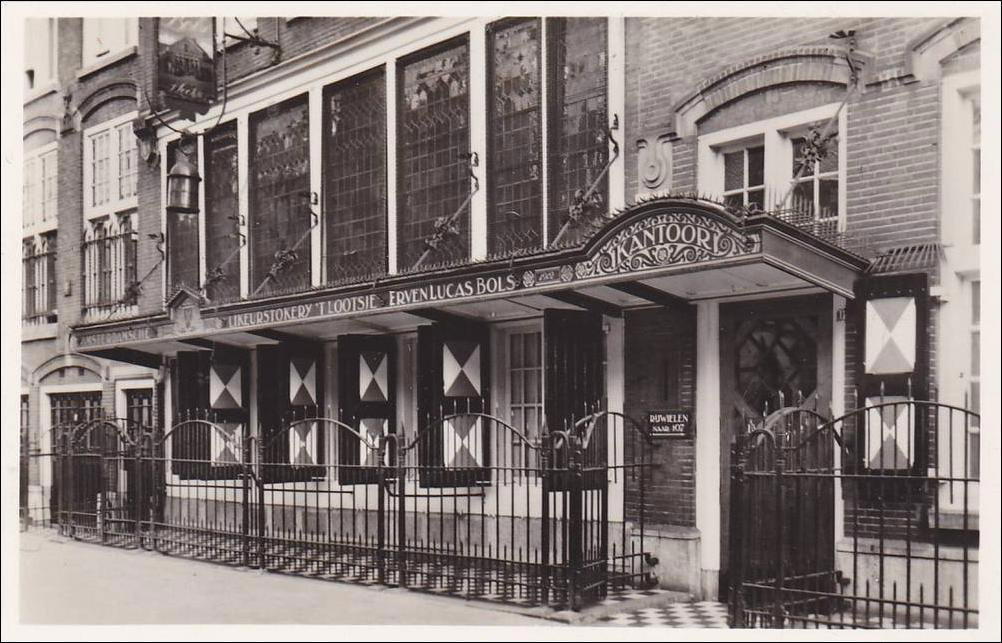
At a Glance
- Cozy
- Classic
- Intimate
- Date Night
- Casual Hangout
- Historic Building
Current opening hours
- Monday
- 4 PM–1 AM
- Tuesday
- 4 PM–1 AM
- Wednesday
- 4 PM–1 AM
- Thursday
- 4 PM–1 AM
- Friday
- 4 PM–1 AM
- Saturday
- 4 PM–1 AM
- Sunday
- 4 PM–1 AM
Hours can change for holidays and private events. Last verified .
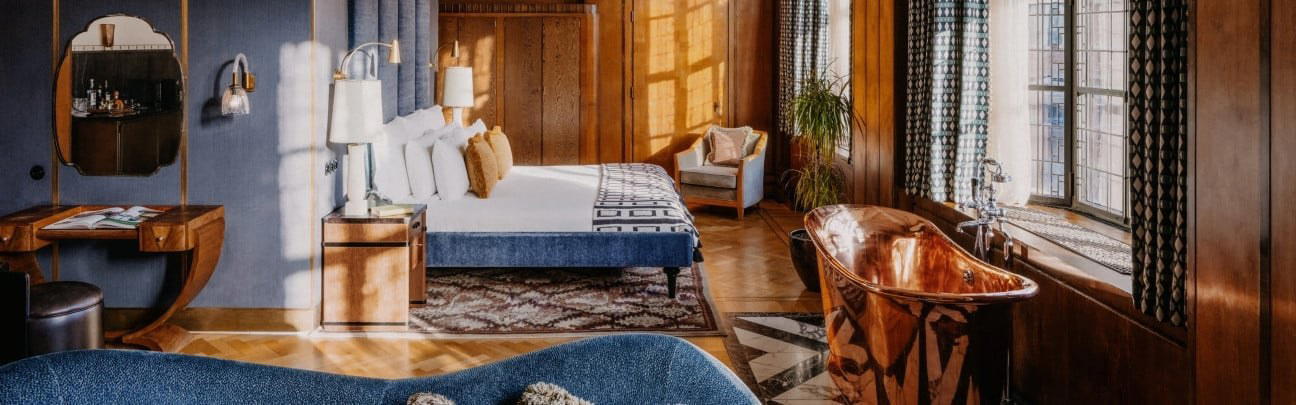
Warm and relaxed with wood-paneled interior, modern art on walls, and a charming neighborhood pub feel.