De Blauwe Hollander
De Blauwe Hollander occupies a tight address on Leidsekruisstraat, steps from the Leidseplein, placing it inside one of Amsterdam's most saturated dining corridors. The restaurant draws on Dutch culinary tradition in a city increasingly defined by international fine-dining ambitions. For visitors working through Amsterdam's mid-range restaurant scene, it offers a grounded, locally rooted alternative to the creative tasting-menu tier.
Pearl is the En Primeur Club membership app — saves, bookings, and concierge access live there. Same editors, same standards.
- Address
- Leidsekruisstraat 28, 1017 RJ Amsterdam, Netherlands
- Phone
- +31 20 627 0521
- Website
- deblauwehollander.nl
- Directions
- Get directions
 Saves & bookings on Pearl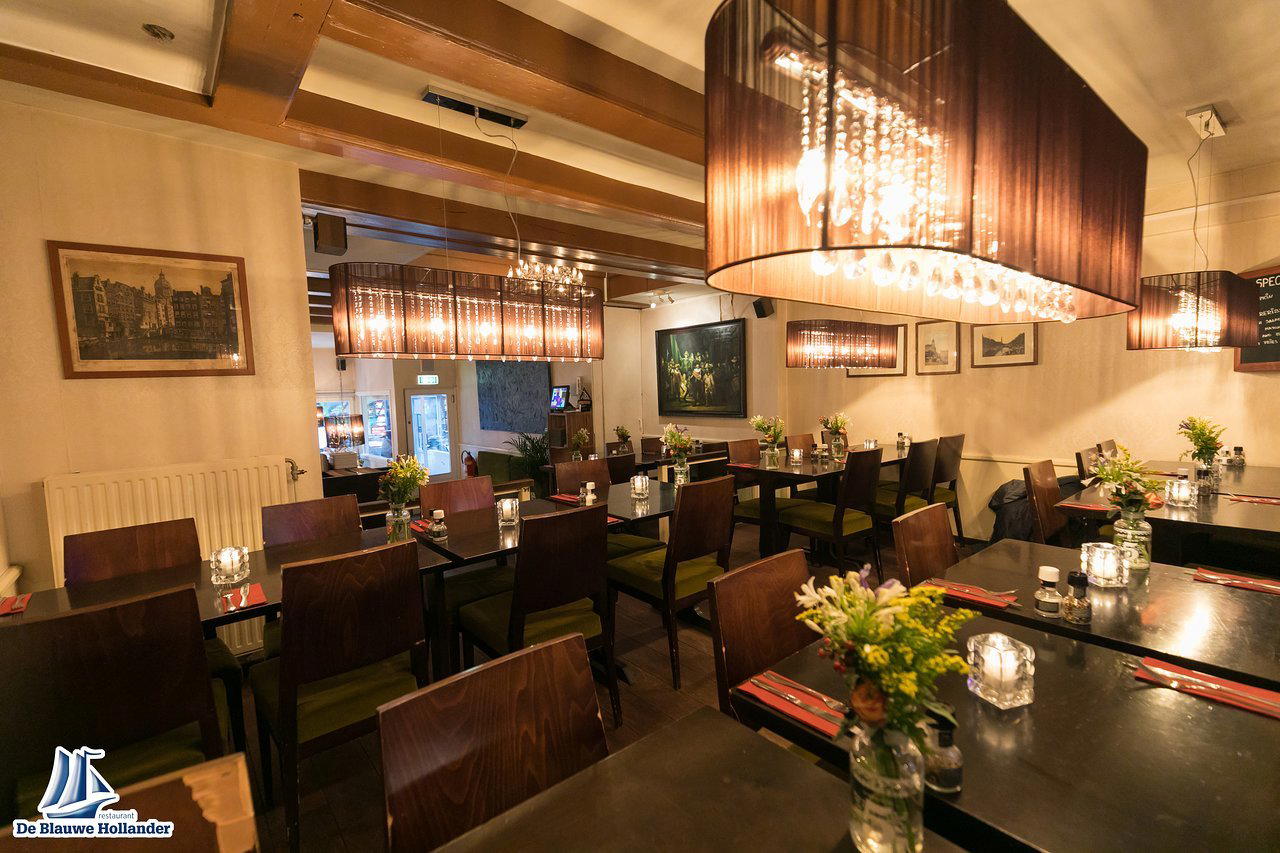
Leidsekruisstraat and the Question of What Amsterdam Actually Eats
Approach Leidsekruisstraat on a weekday evening and you pass the full spectrum of Amsterdam's tourist-facing dining economy: Indonesian rijsttafel houses, pizza counters, and brown-café kitchens spilling amber light onto the canal-side paving. De Blauwe Hollander sits at number 28, inside this corridor and conspicuously not above it. That positioning is worth pausing on. In a city where serious restaurant ambition has largely migrated toward the creative tier, represented by addresses like Ciel Bleu, Flore, and Spectrum, a restaurant that anchors itself to Dutch comfort cooking occupies a different kind of cultural space.
The neighbourhood context matters here. Leidseplein functions as one of Amsterdam's highest-footfall squares, drawing tourists, theatre-goers from the Stadsschouwburg, and locals who have simply decided that central convenience outweighs the effort of travelling to quieter dining districts. The restaurants along the surrounding streets are mostly built around that transient traffic. De Blauwe Hollander's address places it inside this commercial reality, which makes the focus on Dutch culinary identity, rather than a globally legible cuisine format, a deliberate act of positioning rather than a default.
Dutch Cooking as a Category, Not a Cliché
Dutch cuisine occupies a complicated position in international dining discourse. For most of the twentieth century, it was the cuisine that serious food culture happened to, not one that drove it. The Netherlands' most celebrated restaurants, from De Librije in Zwolle to Inter Scaldes in Kruiningen, built their reputations by transforming Dutch ingredients through technique borrowed from French and Nordic traditions. The idea that Dutch cooking itself, as a vernacular tradition, could serve as a serious restaurant proposition remained underexplored.
What that tradition actually contains is more interesting than its reputation suggests. Stamppot, erwtensoep, hutspot, stoofvlees: dishes built on the logic of North Sea winters, Protestant frugality, and agricultural abundance. They are not subtle, but they are coherent, a cuisine of root vegetables, preserved fish, braised meat, and dairy in proportions that reflect genuine geography rather than invented heritage. The handful of Amsterdam restaurants that work in this register, including De Blauwe Hollander, operate against a backdrop where the dominant creative conversation is happening at addresses like Vinkeles and De Nieuwe Winkel in Nijmegen, restaurants drawing on Dutch produce but rarely on Dutch culinary grammar.
The comparison that illuminates the restaurant's position is not with Amsterdam's fine-dining tier but with the city's classic European bistro format, represented elsewhere by addresses like Bistro de la Mer. These are restaurants built around a legible, non-experimental proposition: a knowable menu, familiar format, and a consistent experience that does not require advance research or a considered tasting strategy.
Planning a Visit: What the Booking Experience Tells You
The editorial angle most relevant to the restaurant is not discovery or prestige, it is planning. For the traveller working through Amsterdam's dining scene with limited nights, the question is whether this restaurant is accessible. Several practical considerations shape that calculus.
The restaurant's Leidsekruisstraat address puts it within walking distance of the major canal-ring hotels and the tram lines connecting the Museumplein to the centre, making logistics relatively simple for visitors who are not travelling specifically for the meal. This distinguishes it from Dutch restaurants that require meaningful effort to reach, including rural Michelin destinations like De Lindenhof in Giethoorn or Brut172 in Reijmerstok, where the journey itself is part of the decision.
Verify directly through the restaurant's current listings or by arriving in person. In the Leidseplein corridor, walk-in availability is more realistic than at quieter neighbourhood restaurants, though weekend evenings during summer and during the Amsterdam Light Festival (typically November to January) will compress capacity across this part of the city. Visitors targeting the area around those periods should treat advance planning as standard practice rather than optional.
For travellers who want the Dutch fine-dining experience without leaving the city, the comparison point is the creative tier: Ciel Bleu and Flore both require reservations well in advance, with some windows opening months out. The restaurant operates in a different tier, where the booking friction is lower and the format is more forgiving for last-minute itinerary changes. That is not a criticism, it is a feature for a specific kind of trip.
Where De Blauwe Hollander Fits in the Amsterdam Sequence
Amsterdam's dining sequence for a serious food traveller typically runs from high-end creative tasting menus to market-driven mid-range, with regional Dutch cooking as a third strand that most visitors under-weight. The international comparison is useful here. In cities like New York, restaurants anchored to local culinary tradition, whether American comfort cooking or regional Italian, hold cultural authority independent of their Michelin status. In Amsterdam, that authority is still being established for Dutch vernacular cooking, and the restaurants making that case, the restaurant among them, are doing so in an environment shaped more by tourist traffic than by a critical establishment that takes regional Dutch cuisine as a serious subject.
The global comparison is instructive. At Le Bernardin in New York City, classical French technique applied to American seafood produces a restaurant with a clear dual identity, French in method, American in sourcing. Something similar, at a different price point, is available in Dutch cooking: classical Northern European methods applied to North Sea and polder-farm produce. The restaurants in the Netherlands that have pursued this most rigorously, including De Bokkedoorns in Overveen and De Treeswijkhoeve in Waalre, have done so at the fine-dining tier. The restaurant occupies the more accessible end of the same cultural argument.
For a fuller survey of where Amsterdam's dining scene is currently moving, Amsterdam's dining guides map the city by format, price tier, and culinary tradition. Other Dutch restaurants worth considering when planning a broader Netherlands itinerary include Tribeca in Heeze, De Groene Lantaarn in Staphorst, and De Lindehof in Nuenen, as well as the California community-dining model that Lazy Bear in San Francisco represents for those interested in how informal formats can carry serious culinary intent.
Quick Comparison
Comparable venues nearby, for context on price, style, and recognition.
| Venue | Cuisine | Price | Notes |
|---|---|---|---|
| De Blauwe HollanderThis venue — the venue you are viewing | Traditional Dutch | $$ | Not listed |
| Van Speyk | Classic French-Dutch Brasserie | $$ | Hemelrijk |
| Wijnbar Paulus | European Wine Bar with Small Plates | $$ | Lizzy Ansinghbuurt |
| Winkel 43 | Dutch Bakery Cafe | $$ | Anjeliersbuurt Noord |
| Pacific Amsterdam | Dutch Grill & International | $$ | Westergasfabriek |
| Wilde Zwijnen | Modern Dutch | $$ | Noordoostkwadrant Indische buurt |
Continue exploring
More in Amsterdam
Restaurants in Amsterdam
Browse all →
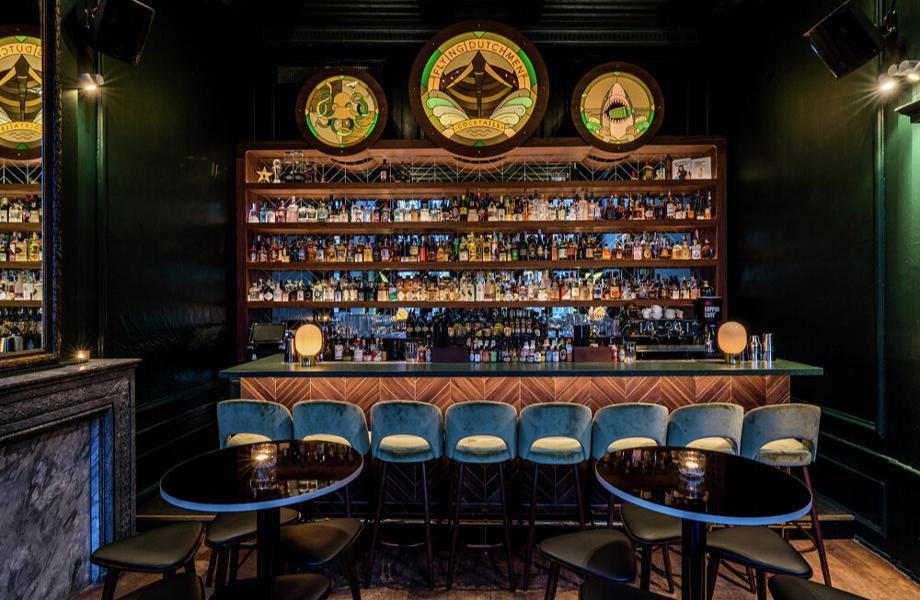
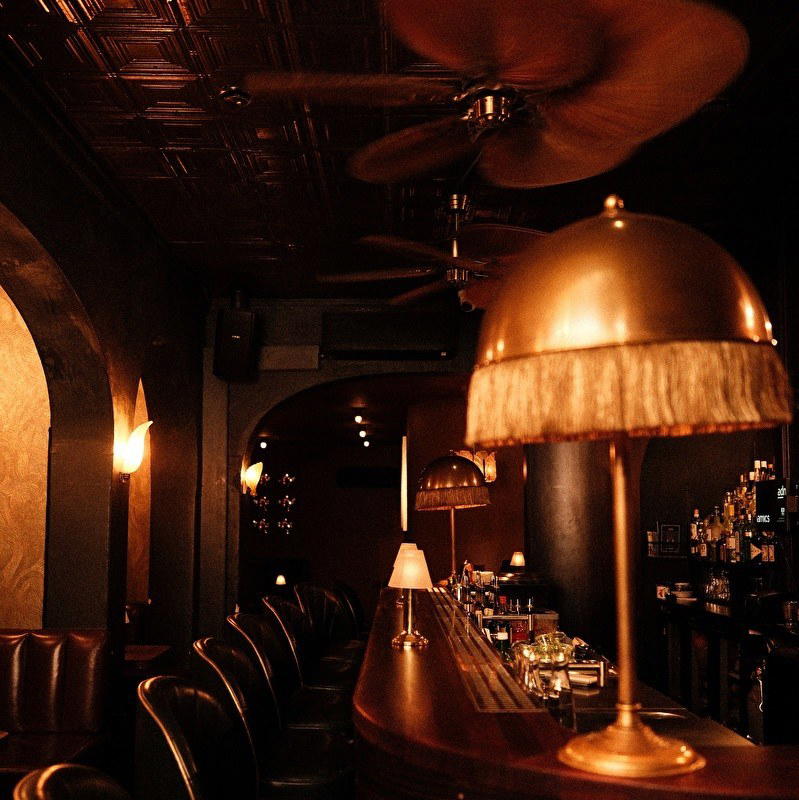
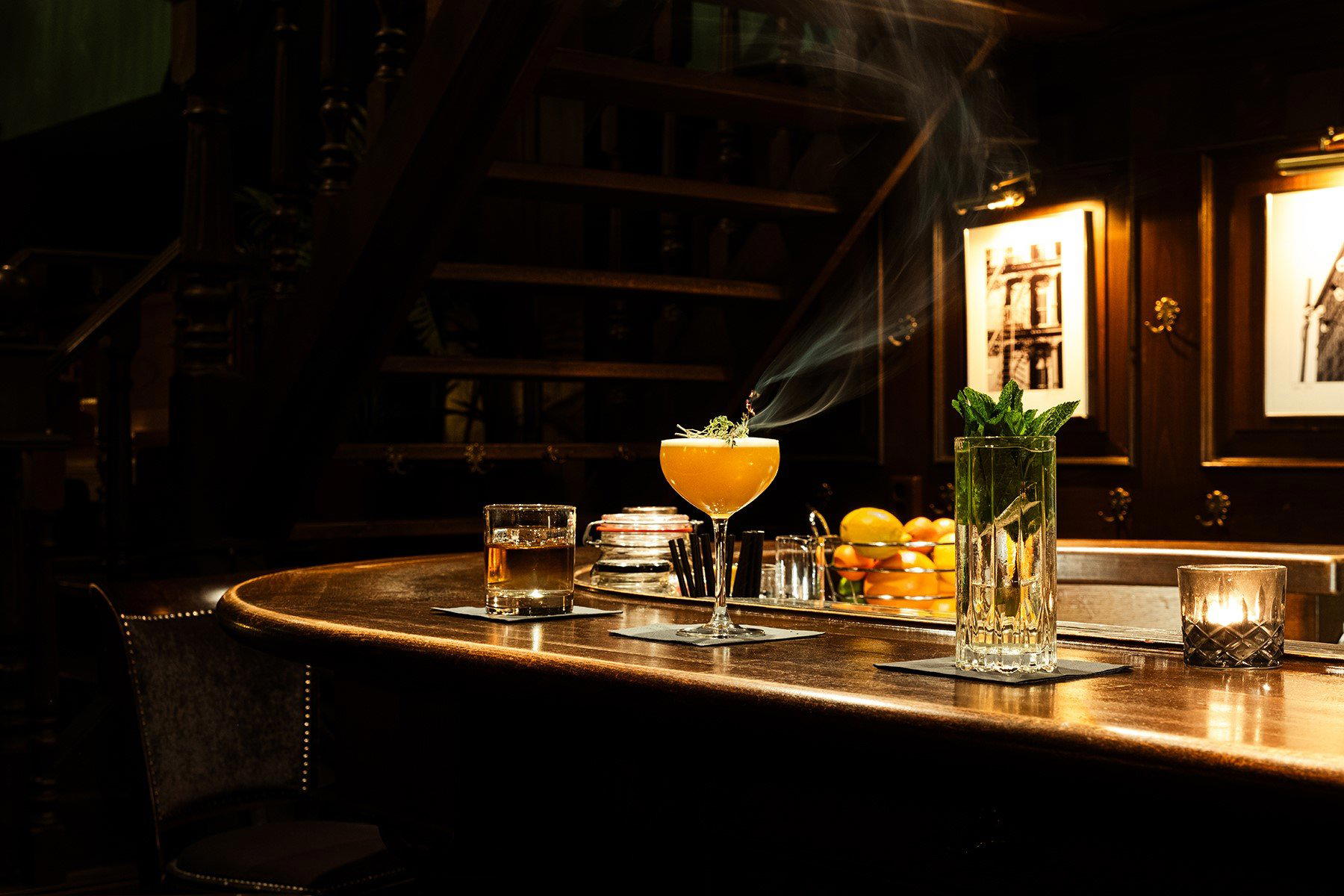
Bars in Amsterdam
Browse all →
Hotels in Amsterdam
Browse all →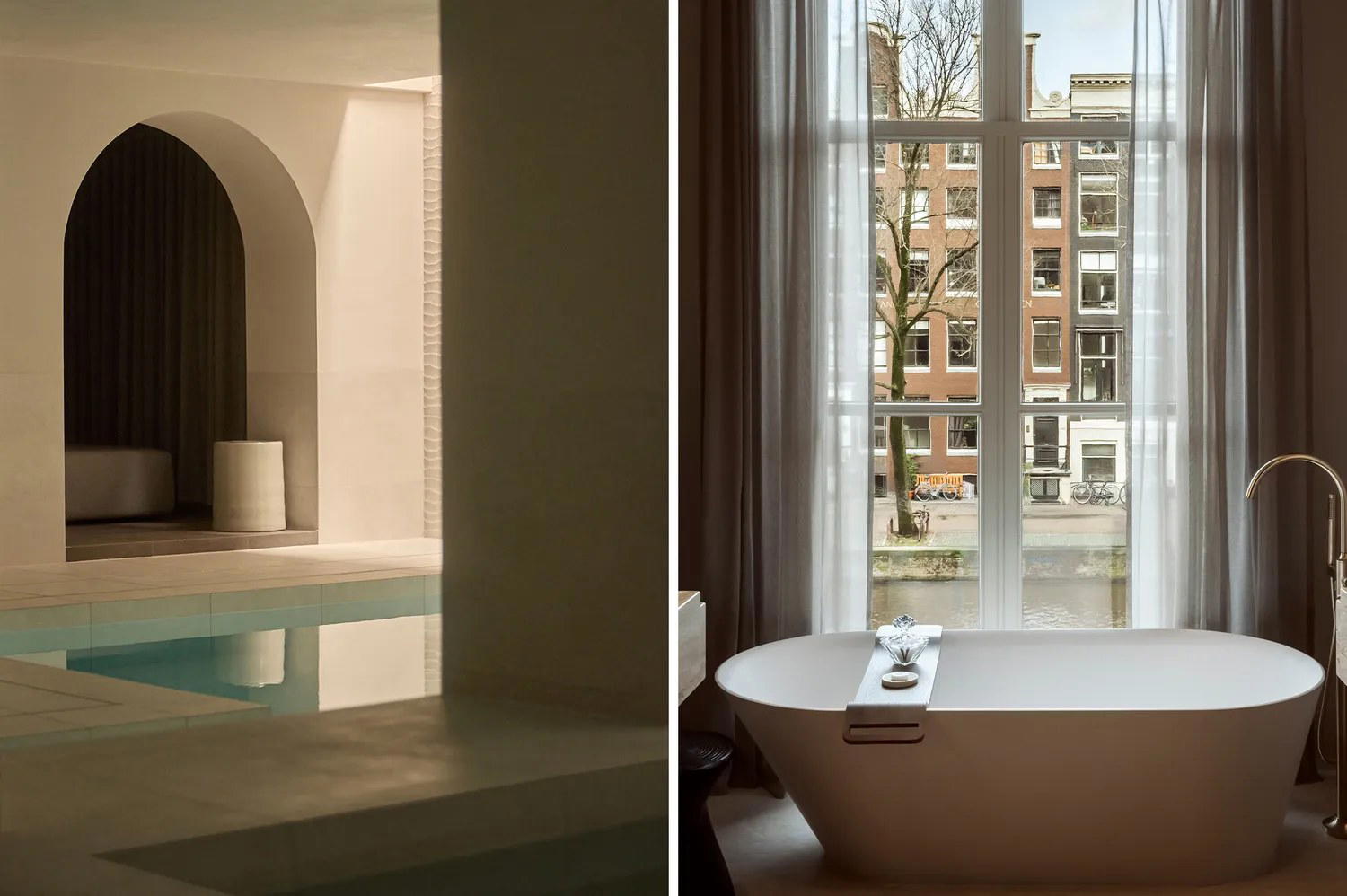
Wineries in Amsterdam
Browse all →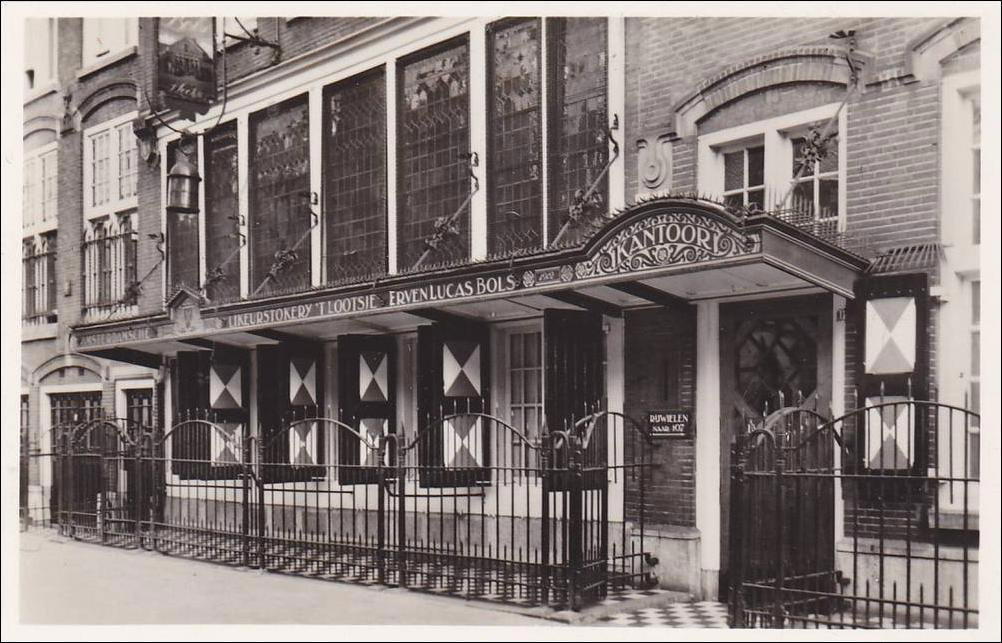
At a Glance
- Cozy
- Classic
- Lively
- Casual Hangout
- Family
- Historic Building
Current opening hours
- Monday
- 12–10:30 PM
- Tuesday
- 12–10:30 PM
- Wednesday
- 12–10:30 PM
- Thursday
- 12–10:30 PM
- Friday
- 12–10:30 PM
- Saturday
- 12–10:30 PM
- Sunday
- 12–10:30 PM
Hours can change for holidays and private events. Last verified .
Cozy and traditional with dark wood, mood lighting, and a relaxed, lively local atmosphere.