Our verdict
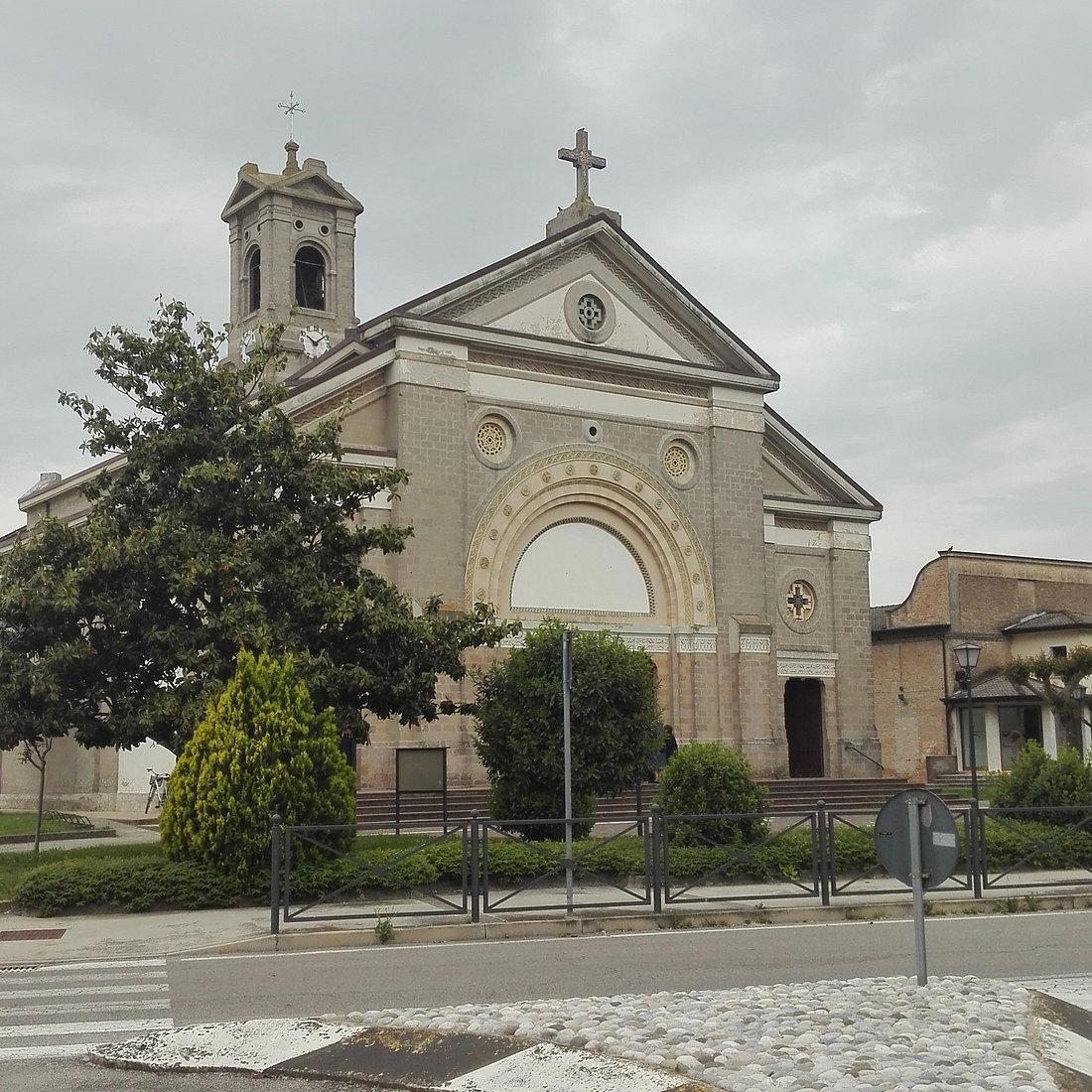
Trattoria Baccalà Divino occupies a quiet address on Via Gazzera Alta in Venice's Mestre-adjacent fringe, well outside the tourist corridors of the centro storico. The name points directly at its culinary focus: baccalà, the salt-cured cod that has anchored Venetian cooking for centuries. For visitors willing to cross the causeway, the trattoria format here represents a different register of the city's seafood tradition.

Pearl is the En Primeur Club membership app, where members save venues, book tables and use the concierge.

The menu
What to order
- Baccalà mantecato
- Polentina Bianco Perla al nero di seppia
- Frittelle e galani di baccalà
Salt Cod, Slow Tables, and the Venetian Mainland
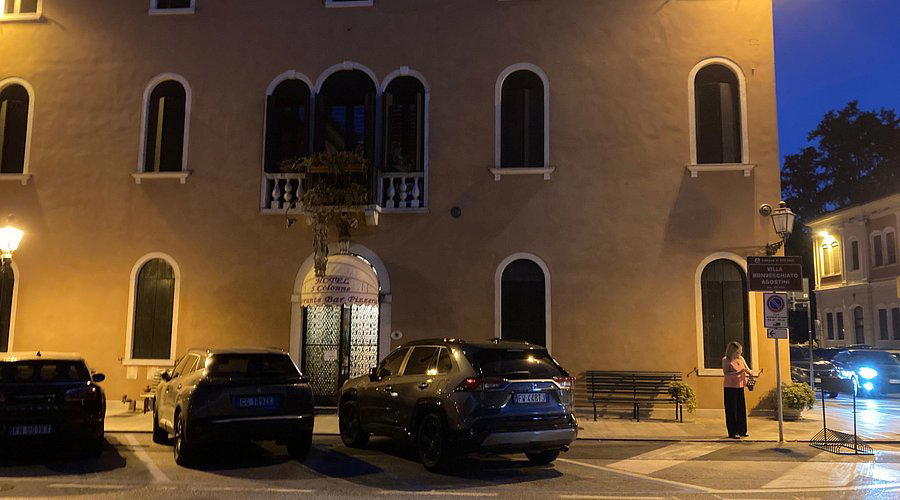
The approach to Via Gazzera Alta tells you something before you arrive at the door. This is the Venice that doesn't appear on lagoon-view postcards: a low-rise residential address in the Venezia Mestre municipality, where delivery scooters pass and locals walk dogs between apartment blocks. The draw is not a canal-side terrace or a Grand Canal backdrop. It is the particular proposition encoded in the name: baccalà, the preserved cod tradition that sits at the structural centre of Venetian cucina povera, and a trattoria format that positions the restaurant closer to neighbourhood institution than tourist destination.
That positioning matters in a city where dining has stratified sharply. On one end, Michelin-recognised addresses like Glam Restaurant by Enrico Bartolini and Oro Restaurant compete for the attention of international visitors with formal tasting formats. On the other, the trattoria tier holds territory by staying legible: short menus, fixed recipes, neighbourhood pricing. Trattoria Baccalà Divino sits in that second category, distinguished further by its deliberate focus on one of the most technically demanding preparations in the Venetian repertoire.
Baccalà in Venice: Why the Dish Earns Its Own Address
Few ingredients in Italian cooking carry the historical weight of baccalà. Salt cod arrived in the Venetian trade network in the fifteenth century via Scandinavian merchants and became embedded in the Republic's food culture partly through Lenten observance and partly through practical logistics: preserved fish could travel without refrigeration across the Mediterranean trade routes that Venice controlled. Over five centuries, the preparation evolved into a regional art form, with the Veneto developing its own distinct school separate from the Portuguese, Spanish, and Neapolitan traditions that also claim the ingredient.
The Venetian approach centres on baccalà mantecato, where rehydrated salt cod is beaten with olive oil into a smooth, aerated cream served on grilled polenta or white bread. The technique requires patience and muscle: the cod must be soaked for a minimum of 24 to 48 hours to draw out the salt, then the emulsification demands sustained manual effort to achieve the right texture. It is precisely the kind of dish that rewards a kitchen willing to take it seriously and punishes shortcuts visibly. Restaurants that have made baccalà the anchor of their identity, as the name here signals, are making a commitment to that demanding process.
For context on how Italian kitchens at a different tier handle ingredient-led focus, the three-Michelin-star Osteria Francescana in Modena and Dal Pescatore in Runate represent the ceiling of the tradition. The trattoria format at Via Gazzera Alta operates at a completely different scale and price point, but the underlying argument, that Italian cooking at its most compelling is about mastery of a specific ingredient or technique, not breadth of repertoire, runs through both ends of the category.
The Lunch and Dinner Divide
In the Venetian trattoria context, the gap between lunch and dinner service is not merely atmospheric. It is structural. Midday at a neighbourhood trattoria on the mainland draws a different table than the evening. Lunch tends to be faster, more functional, and more likely to include local workers and residents who know exactly what they want. The kitchen is in rhythm, the dishes have been prepped since morning, and the baccalà, which requires extended preparation, is at its peak after hours of rehydration and careful handling. There is an argument that baccalà mantecato specifically reads better at lunch: the richness of the emulsified cod sits differently against a midday appetite than it does at the end of an evening.
Evening service shifts the character of a trattoria meal even when the menu remains identical. Tables linger longer, the dynamic between courses slows, and the room absorbs a different social mix. In a peripheral Venetian address rather than a centro storico location, the evening clientele is more likely to be local by a significant margin. That shift in room character affects the experience as much as anything on the plate. Visitors who make the deliberate journey across the causeway for dinner often find a more authentic read of the neighbourhood than anything available inside the historic centre after dark, where restaurants at the €€€-€€€€ tier, places like Wistèria or Ristorante Quadri, cater overwhelmingly to international visitors.
For those weighing when to visit, the practical case for lunch is direct: lighter foot traffic to the address, the kitchen at full focus on its anchor preparation, and the option to continue into the afternoon in Venice without the logistical pressure of an evening return across the causeway.
Where This Fits in Venice's Broader Seafood Register
Venice's seafood trattoria category is competitive at the mid-tier. Addresses like Osteria alle Testiere and Corte Sconta, both in the €€€ bracket, have established reputations for daily-market fish plates and a broader Venetian seafood repertoire. The distinction at a baccalà-focused address is the narrower, deeper commitment: preserved fish rather than fresh catch, tradition rather than market improvisation. That focus is a deliberate trade-off, it sets different expectations and attracts a different kind of return visitor.
Italy's broader conversation about where traditional trattoria cooking sits relative to the creative fine-dining tier plays out in Venice as in every other major city. Destinations like Le Calandre in Rubano, Piazza Duomo in Alba, or Uliassi in Senigallia occupy a completely different register, each three-starred, each representing Italian cooking at its most technically ambitious. The trattoria format makes no attempt to compete with that tier and is more interesting for it. The question is not which is better but what kind of meal the reader is looking for, and whether they are willing to leave the historic centre to find it.
For those interested in tracking the full range of Venice's dining scene, from neighbourhood trattoria to fine-dining counter, our full Venice restaurants guide covers the relevant tiers. And for reference points on how ingredient-focused cooking operates at the high end of Italian seafood, Quattro Passi in Marina del Cantone and Reale in Castel di Sangro offer useful comparison, as does Le Bernardin in New York City for context on how seriously the international market prices dedicated seafood focus.
Planning Your Visit
Trattoria Baccalà Divino is located at Via Gazzera Alta, 102, in the Venezia Mestre municipality. The address sits on the mainland, accessible by car or by local bus from Venezia Mestre train station, which itself is a short rail journey from Venezia Santa Lucia. Visitors arriving by train into Mestre rather than Santa Lucia will find the logistics significantly simpler. No booking contact details are currently listed in public records; given the trattoria format and local focus, arriving during standard Italian lunch service, typically 12:30 to 14:30, is the lower-risk approach compared to assuming evening walk-in availability. The neighbourhood setting and focus-ingredient format suggest this is not a high-capacity reservation-intensive operation, but confirming availability before a dedicated journey from the historic centre is advisable.
Frequently asked questions
at Trattoria Baccalà Divino?
The name answers the question directly: baccalà is the kitchen's declared focus and the preparation that defines the restaurant's identity in the Venetian tradition. Salt cod cookery in Venice centres on baccalà mantecato, the emulsified, oil-beaten version served on polenta, which requires 24 to 48 hours of rehydration before service. That commitment to the preparation is the clearest signal of where the kitchen's attention sits. Venice's broader trattoria and seafood tier, including addresses tracked in Local, offers a wider catch-driven repertoire; the argument for this address is the opposite, depth over breadth, with one preparation done properly.
Do I need a reservation for Trattoria Baccalà Divino?
No booking contact information is publicly listed for this address. In the Venetian trattoria category, which at the €€€ tier includes neighbourhood-focused operations like Corte Sconta and Osteria alle Testiere, lunch walk-ins are generally more feasible than evening, when locals and regulars take precedence. The mainland Mestre location means foot-traffic patterns differ from the historic centre, where venues like Ristorante Quadri operate on advance booking as standard. Before making the dedicated journey across the causeway, arriving at or just before the start of the lunch service window reduces the risk of a wasted trip.
Is Trattoria Baccalà Divino suitable for visitors who want an authentic Venetian local experience rather than a tourist-circuit meal?
The address on Via Gazzera Alta in the Venezia Mestre municipality places the trattoria well outside the historic centre tourist circuit, in a residential neighbourhood that draws a primarily local clientele. That demographic profile is the most direct indicator of authenticity available: a kitchen cooking the Venetian baccalà tradition for locals who know the dish is a different proposition from one adjusting the same preparation for international visitors. For those interested in how Italian regional cooking operates at a community scale rather than a performance scale, in contrast to the high-end creative formats at Atelier Moessmer Norbert Niederkofler in Brunico or Enrico Bartolini in Milan, this is the relevant format to seek out.
Fast Comparison
Comparable venues nearby, for context on price, style, and recognition.
| Venue | Cuisine | Price | Awards | Notes |
|---|---|---|---|---|
| Trattoria Baccalà DivinoThis venue (the venue you are viewing) | Venetian Baccalà Trattoria | $30–50 | Not listed | Not listed |
| Quadrino | Modern Venetian Bistro | $50–100 | Relais Chateaux Award | San Marco |
| Wildner | Traditional Venetian Seafood | $50–100 | Not listed | Castello |
| Da Ignazio | Traditional Venetian Trattoria | $50–100 | Not listed | Santa Croce |
| Antico Martini | Modern Venetian Seafood | $50–100 | Not listed | San Marco |
| LPV Ristorante | Classic Venetian Fine Dining | Not listed | Not listed | Riva degli Schiavoni |