
1 Michelin Star
Our verdict
A Michelin-starred kaiseki-style dining room on Gion's cobblestone shopping street, Oryori Mashita anchors its menu in Japan's festival and ceremonial calendar. Seasonal ingredients meet considered tableware in a format where pacing and ritual carry as much weight as the food itself. At ¥¥¥, it sits a tier below the neighbourhood's most expensive kaiseki rooms while maintaining comparable seasonal discipline.

Pearl is the En Primeur Club membership app, where members save venues, book tables and use the concierge.
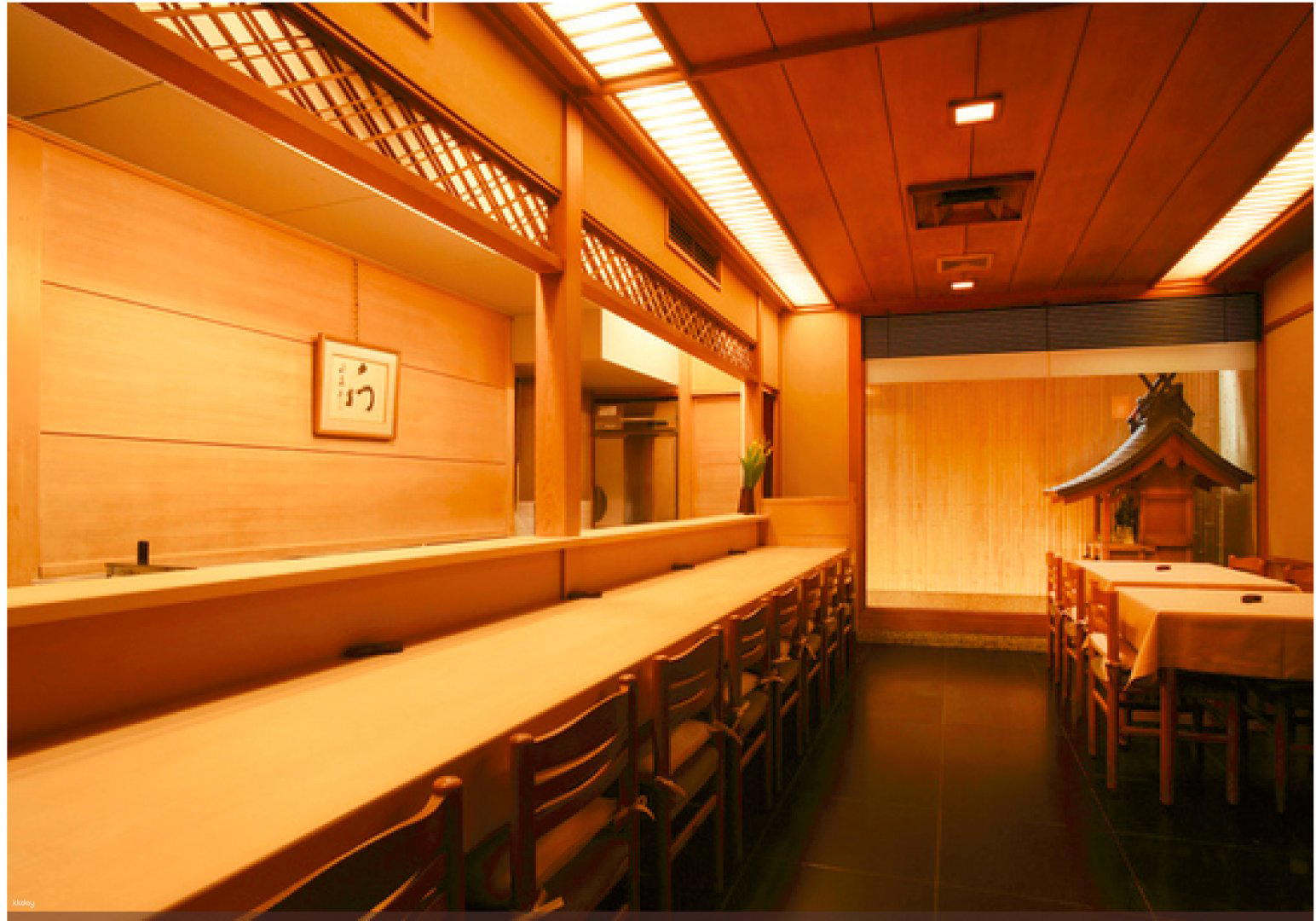
The Approach: What Gion Asks of You Before You Sit Down
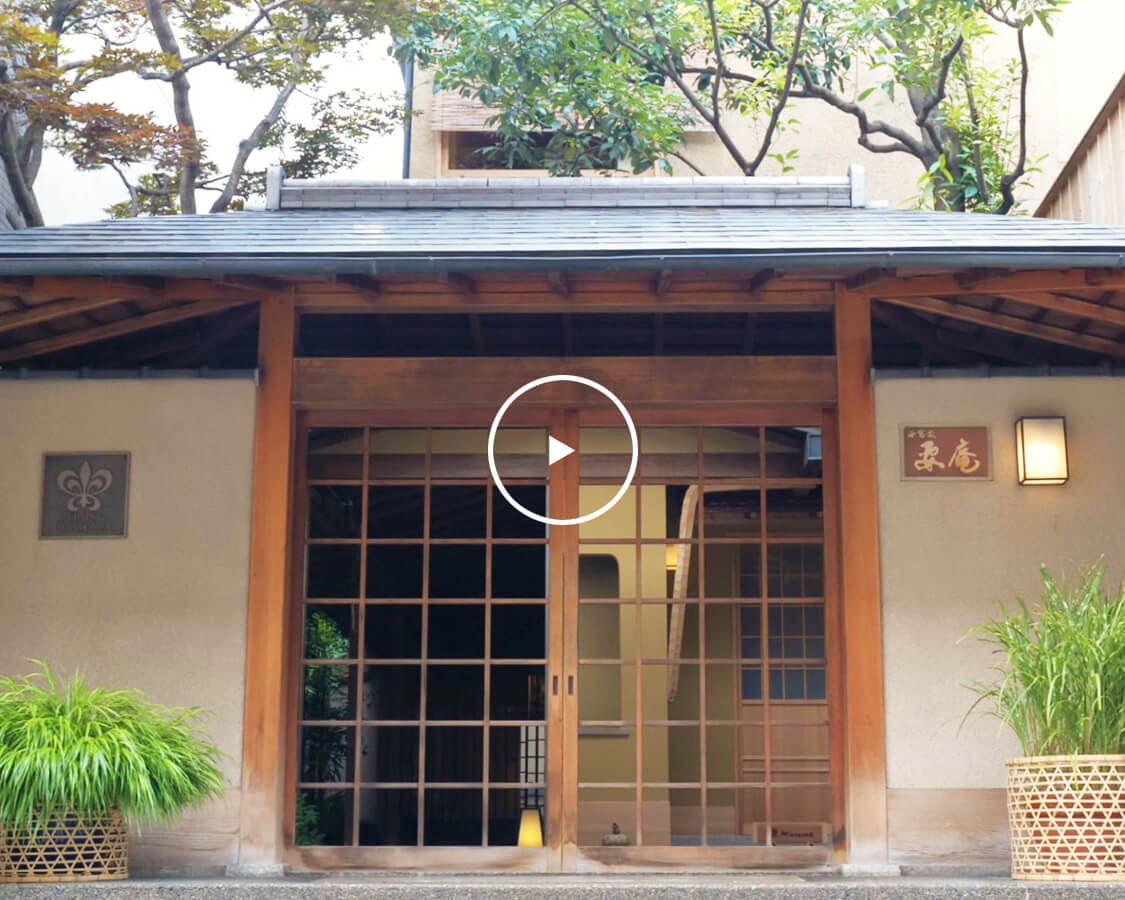
There is a particular grammar to arriving at a serious Kyoto restaurant, and Gion enforces it with more consistency than almost anywhere in the city. The cobblestones are wetted before service, a custom called uchimizu that dates to the Edo period and signals to guests that the space has been prepared for them. A small noren curtain marks the entrance to Oryori Mashita along the Gion shopping street. The transition from the noise of Hanamikoji-dori into the room beyond is the first statement the restaurant makes about how a meal here should unfold.
This is not incidental atmosphere. In Kyoto's older dining tradition, the approach to the table is considered part of the meal, and restaurants in this neighbourhood have refined the physical grammar of arrival over generations. The noren, the wetted stone, the narrowing path: each is a cue to slow down and shift register. Oryori Mashita sits inside that tradition deliberately.
The Ritual Structure of the Meal
Japanese dining culture distinguishes between eating and shokuji, which carries the weight of a considered occasion. At the kaiseki and kaiseki-adjacent tier, that distinction is expressed through pacing, sequencing, and the ceremonial logic that connects each course to something larger than the plate. Oryori Mashita's menu is built around Japan's festival and ceremonial calendar, which means the progression of the meal is not purely a chef's invention but a set of decisions anchored in seasonal and cultural reference points.
This approach places the restaurant in a specific subcategory within Kyoto dining. Several of the city's top-tier kaiseki rooms, including Isshisoden Nakamura and Kikunoi Roan, operate at a higher price point and with the full formal architecture of kaiseki: rigid course sequencing, dedicated tableware for each preparation, and service protocols derived from the tea ceremony tradition. Oryori Mashita at ¥¥¥ sits one tier below those rooms financially, but the ceremonial logic of its menu draws from the same cultural source.
In practice, this means that what arrives on the table at any given time of year carries a specific reference: a dish tied to the Gion Matsuri in July, an ingredient that marks the shift from late summer heat to early autumn, a presentation style borrowed from the aesthetics of ohanadoki, the period of formal gift-giving. Regular visitors to Kyoto who dine here across multiple seasons will find that the menu changes not just in ingredients but in emotional register.
Tableware as Argument
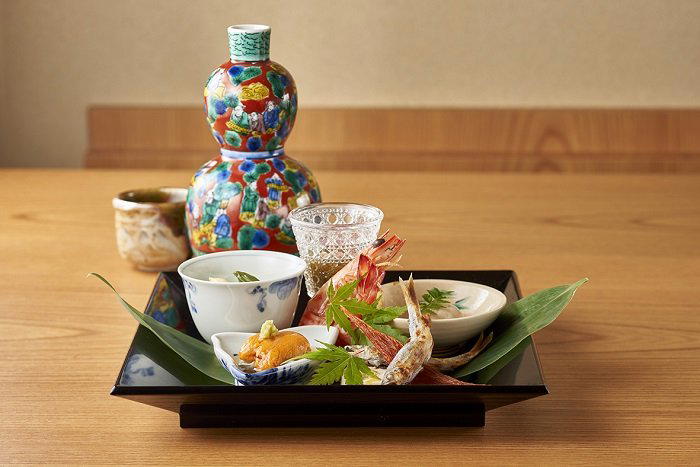
The decision to weave seasonal tableware into the dining experience is not decorative. In the formal Japanese dining tradition, the vessel is considered part of the flavour: a rough Shigaraki ceramic for a winter dish, a cool celadon for something served at the height of summer. The Michelin evaluators who awarded Oryori Mashita a single star in 2024 noted in their published annotation that seasonal ingredients and dining-ware together constitute the restaurant's central aesthetic argument. That framing is accurate. The tableware here is selected with the same seasonal discipline as the menu, which means the experience shifts materially between visits, not just in what you eat but in what you eat it from.
For the broader dining category, this represents a meaningful commitment. At more casual Japanese restaurants, tableware is standardised. At the formal kaiseki tier, the selection process can involve specific pieces borrowed or commissioned for particular seasons. Oryori Mashita occupies a middle register: the curation is present and intentional, but the format does not carry the full ceremonial weight of a three-Michelin-star kaiseki progression. That calibration is part of what makes it useful as a point of entry to this particular Kyoto dining tradition, especially for visitors coming from comparable rooms in other cities.
Where Oryori Mashita Sits in the Gion Dining Tier
Higashiyama Ward contains a concentration of serious Japanese restaurants that is difficult to replicate elsewhere in the country. The street-level reality is that several price tiers operate within a few hundred metres of each other. Gion Matayoshi and Kenninji Gion Maruyama occupy the same neighbourhood. Kodaiji Jugyuan is close by. Each positions itself differently within the kaiseki and Japanese dining spectrum.
At ¥¥¥, Oryori Mashita prices below the ¥¥¥¥ rooms that dominate the upper end of Gion's serious dining tier, where Gion Sasaki and Ifuki operate. That gap is meaningful in the context of a city where leading kaiseki meals can reach ¥30,000 to ¥50,000 per person. Oryori Mashita's ceremonial approach delivers seasonal and cultural depth at a price point that makes it accessible to a wider range of itineraries without abandoning the ritual logic that defines this dining tradition.
The 2024 Michelin single star is the formal credential. Across Japan, single-star recognition at this cuisine type generally signals high technical execution and consistent seasonal discipline. Comparable single-star Japanese rooms in other cities, including Myojaku in Tokyo and Azabu Kadowaki in Tokyo, operate within a similar critical framework, where pacing and seasonality are weighted as heavily as flavour profiles. For visitors calibrating their Japan dining itinerary, Harutaka in Tokyo, HAJIME in Osaka, akordu in Nara, Goh in Fukuoka, 1000 in Yokohama, and 6 in Okinawa represent similar tiers of seasonal Japanese cooking across different regional contexts.
Timing and Context
Kyoto's culinary calendar runs in close parallel with its natural one. Cherry blossom season in late March and April, the heat peak of July and August during Gion Matsuri, the foliage window in November: each period shifts what is available in the markets and what the kitchen can logically present. A restaurant that explicitly ties its menu to the ceremonial calendar will be most legible to a visitor who arrives with some understanding of where that calendar currently sits.
Gion is busiest during the Matsuri period in July, when the neighbourhood becomes the centre of Kyoto's most documented annual festival. Booking during that window requires more lead time than at other points in the year. The shoulder months, particularly October and early November, offer a better ratio of availability to seasonal interest, as the market transitions from summer to autumn produce and the tableware selections shift accordingly.
Planning Comparison: Oryori Mashita vs. Gion Peers
| Venue | Price Tier | Cuisine Type | Michelin | Address / Ward |
|---|---|---|---|---|
| Oryori Mashita | ¥¥¥ | Japanese (ceremonial calendar) | 1 Star (2024) | Gion, Higashiyama Ward |
| Gion Sasaki | ¥¥¥¥ | Kaiseki | Starred | Gion |
| Ifuki | ¥¥¥¥ | Kaiseki | Starred | Kyoto |
| Kikunoi Roan | Variable | Kaiseki | Starred | Higashiyama |
| Kyokaiseki Kichisen | ¥¥¥¥ | Japanese | Starred | Kyoto |
For broader Kyoto planning, see our full Kyoto restaurants guide, our full Kyoto hotels guide, our full Kyoto bars guide, our full Kyoto wineries guide, and our full Kyoto experiences guide.
Frequently asked questions
at Oryori Mashita?
What the Michelin annotation confirms is that the meal progresses from appetiser through to tea, with each course connected to Japan's festival and ceremonial calendar. The practical implication is that there is no à la carte selection to optimise around: the sequence is set by the kitchen and determined by the season. The question to ask before booking is not which dish to order but when in the year to go, since the ceremonial logic means that a visit during Gion Matsuri in July or during the autumn transition period will produce a materially different experience from a winter or early spring booking.
Where the Accolades Land
| Venue | Cuisine | Price | Awards | Notes |
|---|---|---|---|---|
| Oryori MashitaThis venue (the venue you are viewing) | Traditional Kyoto Kaiseki | $100–150 | 1 Michelin Star | Not listed |
| Gion Sasaki | Modern Kaiseki | $300–500 | 3 Michelin Stars · La Liste Top Restaurants | Kaiseki, Japanese |
| cenci | Innovative Italian-Japanese Fusion | $100–150 | 1 Michelin Star · World's 50 Best #76 | Italian |
| Ifuki | Sumibi Kappo Kaiseki | $200–300 | 2 Michelin Stars · La Liste Top Restaurants | Kaiseki |
| Kyokaiseki Kichisen | Kyoto Kaiseki | $200–300 | 2 Michelin Stars · La Liste Top Restaurants | Japanese |
| Kyo Seika | Modern Chinese Fine Dining | $150–200 | 1 Michelin Star · Tabelog Bronze #216 | Chinese |
Recognition history
Dated appearances from independent guides and award organizations, with the underlying list record or original source where available.
Michelin 1 Star
Michelin
Full recognition history (2 entries)
Michelin 1 Star
Michelin
Continue exploring
More in Kyoto
Restaurants in Kyoto
All restaurants in Kyoto →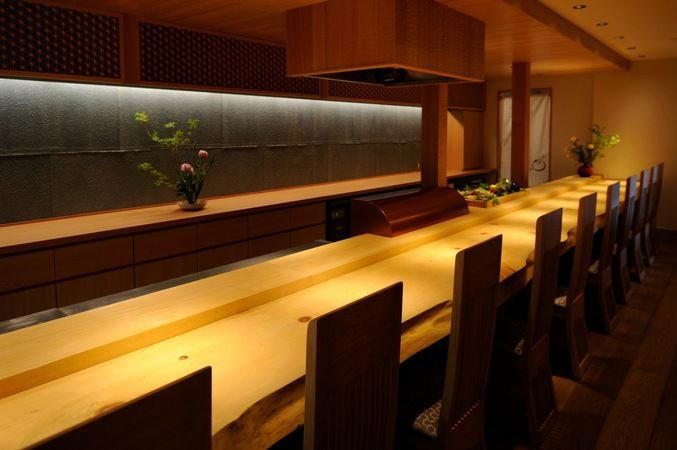
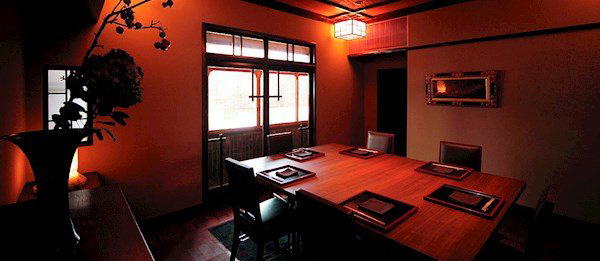
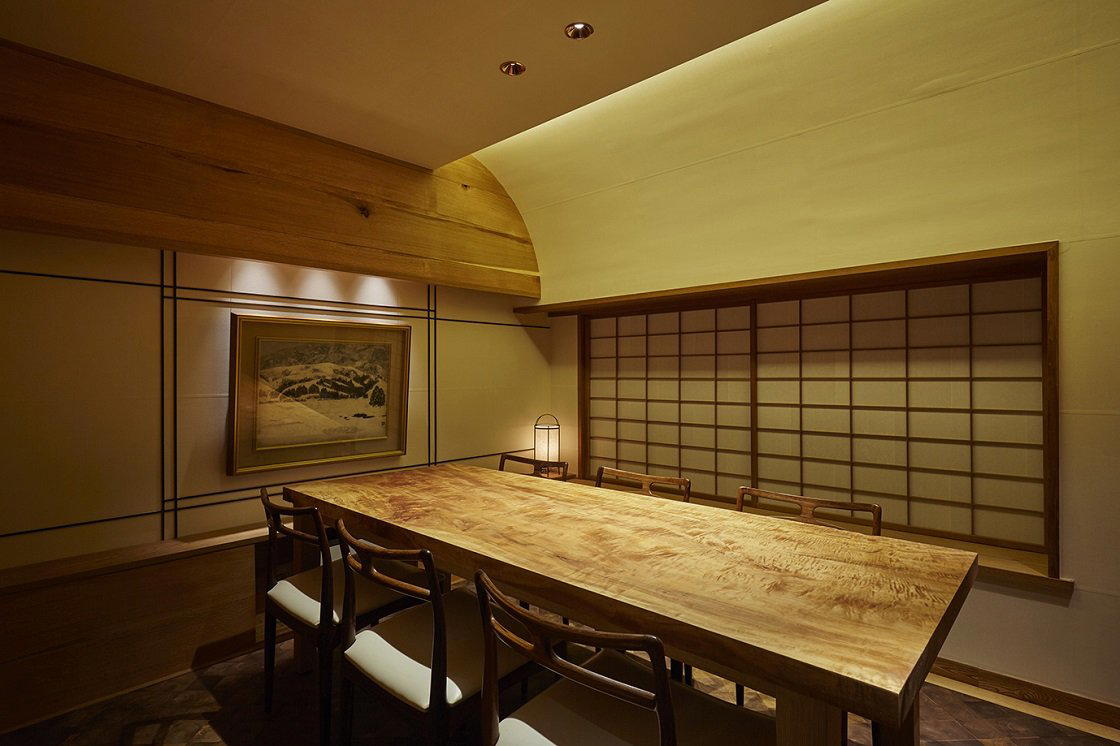
Bars in Kyoto
All bars in Kyoto →
Hotels in Kyoto
All hotels in Kyoto →
Wineries in Kyoto
Browse all →
Details
- Quiet
- Elegant
- Intimate
- Date Night
- Special Occasion
- Sake Program
- Tasting Menu
- Sake
Current opening hours
- Monday
- 12–3 PM, 5:30–10 PM
- Tuesday
- 12–3 PM, 5:30–10 PM
- Wednesday
- 12–3 PM, 5:30–10 PM
- Thursday
- 12–3 PM, 5:30–10 PM
- Friday
- 12–3 PM, 5:30–10 PM
- Saturday
- 12–3 PM, 5:30–10 PM
- Sunday
- Closed
Hours can change for holidays and private events. Hours as of .
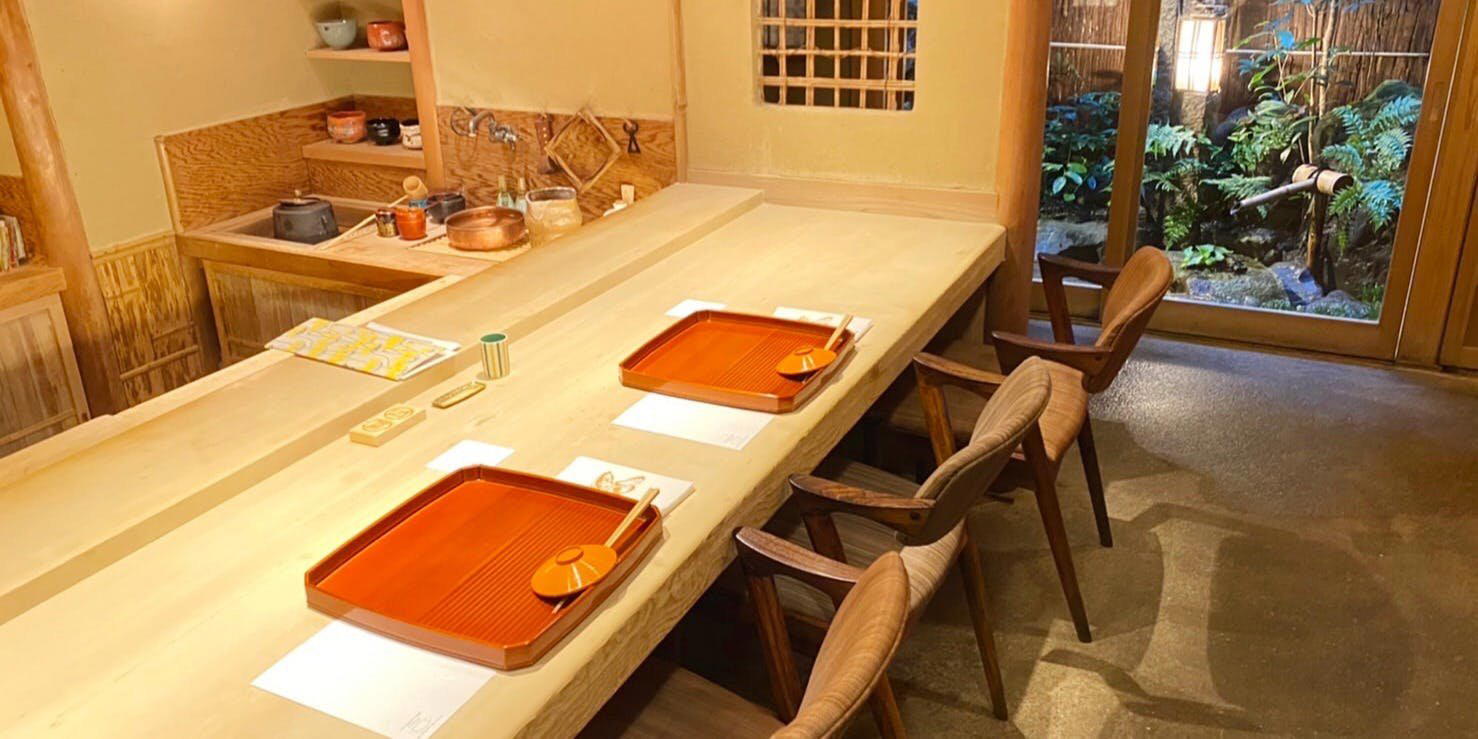
Quiet and serene counter seating with an elegant, simple atmosphere away from the bustling streets, featuring sincere service in kimonos.