A yakitori specialist in Nihonbashi's second-floor dining tier, 焼鳥 髙はし occupies a register where charcoal discipline and sourcing precision define the experience. Regulars return not for novelty but for consistency: the kind of counter where the menu rarely changes because it rarely needs to. This is Nihonbashi yakitori at its most considered.
Pearl is the En Primeur Club membership app — saves, bookings, and concierge access live there. Same editors, same standards.
- Address
- Japan, 〒103-0027 Tokyo, Chuo City, Nihonbashi, 2 Chome−10−11 Ordin日本橋ビル 2階
- Phone
- +81335279501
- Website
- yakitoritakahashi-japan.com
- Directions
- Get directions
 Saves & bookings on Pearl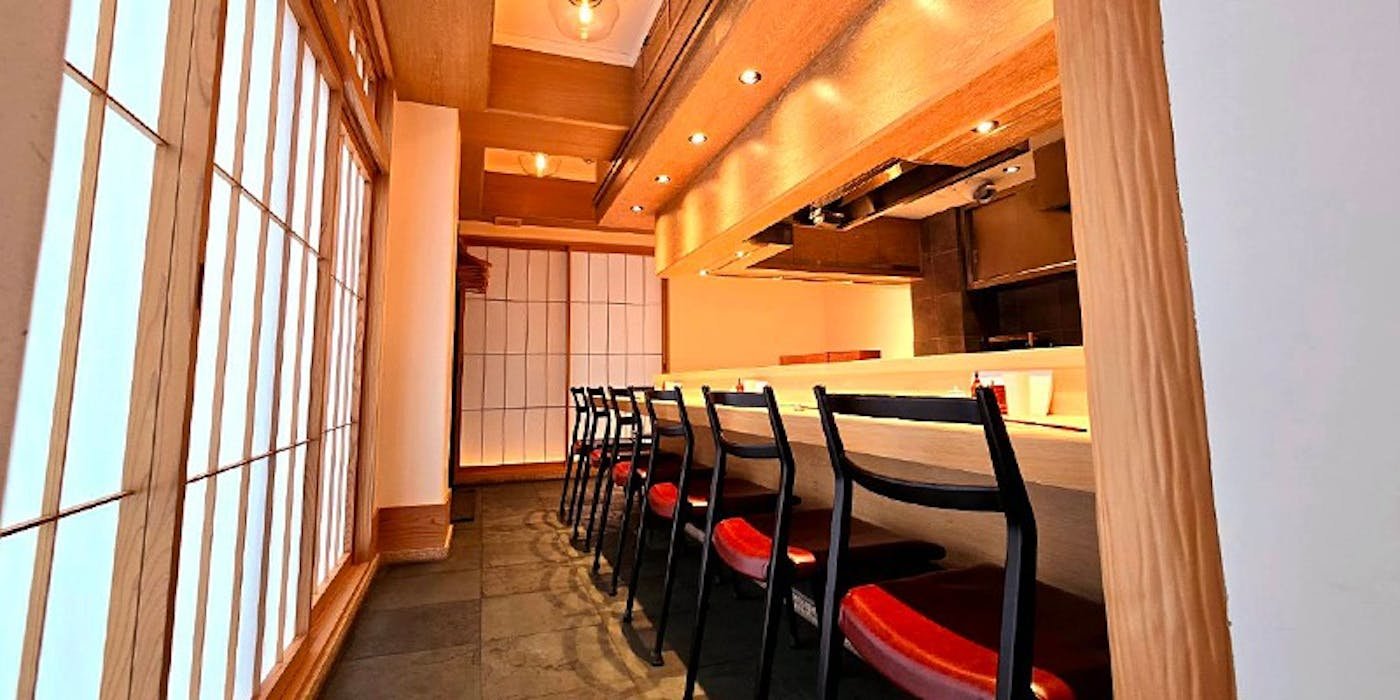
Nihonbashi and the Quiet End of Yakitori
Tokyo's yakitori scene operates across a wide register. At the other, a smaller cohort of counter restaurants in neighborhoods like Nihonbashi and Ginza has accumulated loyal clientele that books weeks out and rarely needs to consult the menu. 焼鳥 髙はし occupies the upper end of that range, located on the second floor of Ordin Nihonbashi Building at 2 Chome-10-11, Nihonbashi, Chuo City, a placement that signals intent before you arrive.
Nihonbashi itself is one of Tokyo's older commercial and dining corridors, a district that has operated as a center of trade since the Edo period. That historical density gives the neighborhood a different character from the louder restaurant clusters of Shinjuku or Roppongi. Dining rooms here tend toward the understated. The buildings are newer, but the sensibility is not. For yakitori specifically, this is a neighborhood where the cuisine is treated as a disciplined craft rather than a casual format, where the sourcing of the bird, the preparation of the charcoal, and the pacing of the counter matter as much as any individual skewer.
What Keeps Regulars Coming Back
The clearest indicator of a yakitori counter's standing is the behavior of its regulars. At 焼鳥 髙はし, the returning guest profile points to a restaurant that rewards familiarity. The experience is structured around the omakase logic that runs through Japan's better counter restaurants across categories: you arrive, you trust the kitchen, and the kitchen delivers a progression of skewers calibrated to the season and the charcoal's condition that evening. The menu is omakase-driven. There is one approach, executed with consistency.
This consistency is the draw. Tokyo's dining economy is saturated with restaurants chasing novelty, new techniques, rotating chef collaborations, seasonal menus that rotate quarterly to generate coverage. A restaurant that resists this cycle tends to attract guests who want something more durable. The yakitori counter that does not change is not standing still; it is holding a standard. That distinction matters to the guest who has been returning for years and expects the tsukune to arrive at the same temperature and density it did on their third visit.
In a city where counters like Harutaka in sushi and RyuGin in kaiseki have built reputations on exactly this kind of precision consistency, the same logic applies to yakitori. The format differs, but the underlying contract with the regular guest is the same: come back and find the standard intact.
The Craft Context: What Yakitori Discipline Actually Means
Outside Japan, yakitori is often reduced to its most accessible form: chicken on a stick, seasoned with salt or tare. Inside Tokyo's serious yakitori counters, the category operates with considerably more specificity. The sourcing of the bird is primary, breed, region, and feed affect the fat distribution and flavor of each cut, and the better counters work with specific farms rather than commodity supply chains. The charcoal is the second variable: binchōtan, the dense white charcoal produced in Wakayama Prefecture, burns at a consistent temperature without imparting smoke, which allows the cook to express the flavor of the ingredient rather than the fire.
The sequencing of the counter meal is the third element. A yakitori omakase is not simply a list of skewers delivered in a random order. It moves through cuts from leaner to richer, from lighter preparations to more intensely seasoned ones, building across the course of the evening in a way that mirrors the logic of kaiseki pacing. The guest who understands this structure gets full value from the format. This is why regulars eat better than first-timers at the better counters. They know the grammar.
For readers who want to compare the precision-craft approach across Japanese dining formats, Gion Sasaki in Kyoto applies analogous sourcing discipline to kaiseki, and HAJIME in Osaka demonstrates how a single coherent philosophy, held consistently over time, builds a different kind of reputation than novelty-led programming. Across Japan's premium dining circuit, from akordu in Nara to Goh in Fukuoka, the counters that retain their regulars are the ones that hold their standards rather than chase each season's trend.
Nihonbashi in the Tokyo Dining Hierarchy
Tokyo's most covered restaurant openings tend to cluster in Ginza, Azabu-Juban, and Minami-Aoyama. Nihonbashi operates at a slight remove from that circuit, which is partly why its better restaurants attract a local-professional clientele rather than a destination-dining crowd. This suits a certain kind of counter well. The guest who returns fifteen times to a yakitori counter is not primarily a tourist; they are someone who works or lives nearby, who treats the restaurant as part of their regular rotation rather than a special-occasion event. Nihonbashi's density of financial institutions and established businesses generates exactly this profile.
The result is a dining room where the atmosphere reads differently than a restaurant built for first-time visitors. There is less explanation, less performance, less orientation toward the spectacular moment. In its place: the kind of ease that comes when both kitchen and guest know their roles. If you have eaten at L'Effervescence or Sézanne and want to compare that level of counter discipline applied to a distinctly Japanese format, yakitori at this register is the parallel. The format is simpler; the standard is not.
Planning Your Visit
Yakitori counters at this level in Nihonbashi operate with reservation requirements that reflect demand rather than capacity constraints. Reservations are essential. Plan ahead for limited availability. The address, 2 Chome-10-11 Nihonbashi, Chuo City, second floor of the Ordin Nihonbashi Building, is navigable from Nihonbashi Station on the Ginza and Tozai lines, which are both within walking distance.
For guests building a longer itinerary around Japan's counter dining culture, the comparison set extends well beyond Tokyo. 一本杉 川島酒造 in Nanao and 羽根屋 in Nishikawa Machi represent the regional end of the precision-craft spectrum, while Birdland in Sakai offers a direct yakitori comparison outside Tokyo. For guests arriving from international itineraries that include Le Bernardin in New York City or Atomix, the counter format at 焼鳥 髙はし is a useful recalibration: precision and restraint expressed through a different culinary tradition.
Just the Basics
Comparable venues nearby, for context on price, style, and recognition.
| Venue | Cuisine | Price |
|---|---|---|
| 焼鳥 髙はしThis venue — the venue you are viewing | Chūō, Michelin-Starred Yakitori | $$$ |
| Isehiro Kyobashi honten | Chūō, Historic Yakitori Specialist | $$$ |
| Yakiniku Akami Nikugatou Ningyouchou honten | Chūō, Japanese Yakiniku | $$$ |
| Yonekyu Honten | Taitō, Traditional Sukiyaki | $$$ |
| Honmura-An | Minato, Handmade Soba Noodles | $$$ |
| Torisho Ishii Hina | Minato, Modern Yakitori Omakase | $$$ |





At a Glance
- Intimate
- Elegant
- Sophisticated
- Date Night
- Special Occasion
- Chefs Counter
- Open Kitchen
- Sake Program
Current opening hours
- Monday
- 5–10:30 PM
- Tuesday
- 5–10:30 PM
- Wednesday
- 5–10:30 PM
- Thursday
- Closed
- Friday
- 5–10:30 PM
- Saturday
- 5–10:30 PM
- Sunday
- Closed
Hours can change for holidays and private events. Last verified .
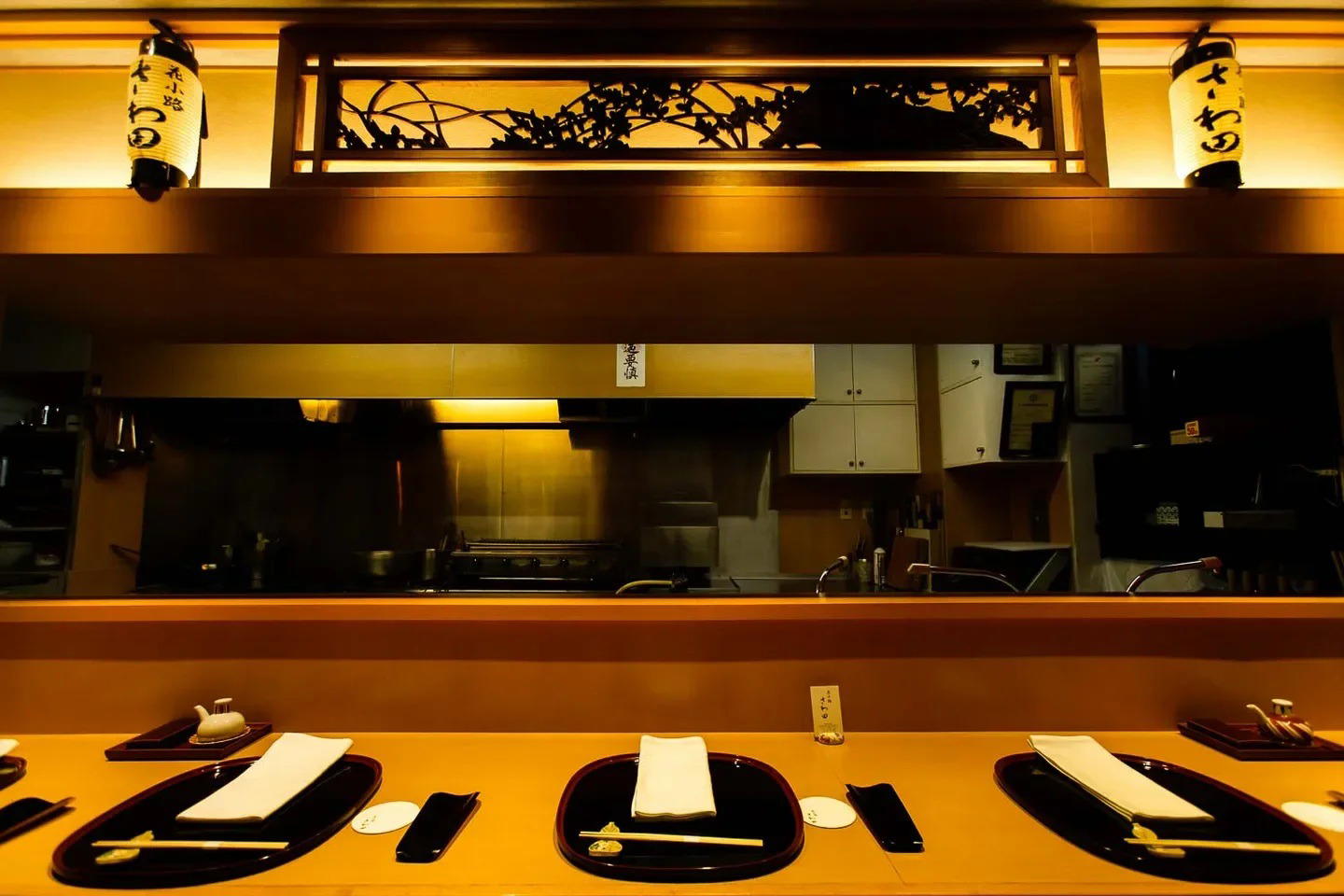
Intimate 10-seat counter with focused chef grilling over charcoal, refined and quiet atmosphere emphasizing meticulous craft and guest conversation.