
Tabelog Bronze #210
Our verdict
Kuko places Sichuan-inflected Chinese cooking inside Nara’s small, serious restaurant circuit, where scale is limited and sourcing matters more than spectacle. Its Tabelog Award record, 10-seat format, and no-smoking dining room put it in the city’s higher-confidence category for travelers comparing Nara against Kyoto and Osaka rather than treating it as a day-trip add-on.

Pearl is the En Primeur Club membership app, where members save venues, book tables and use the concierge.
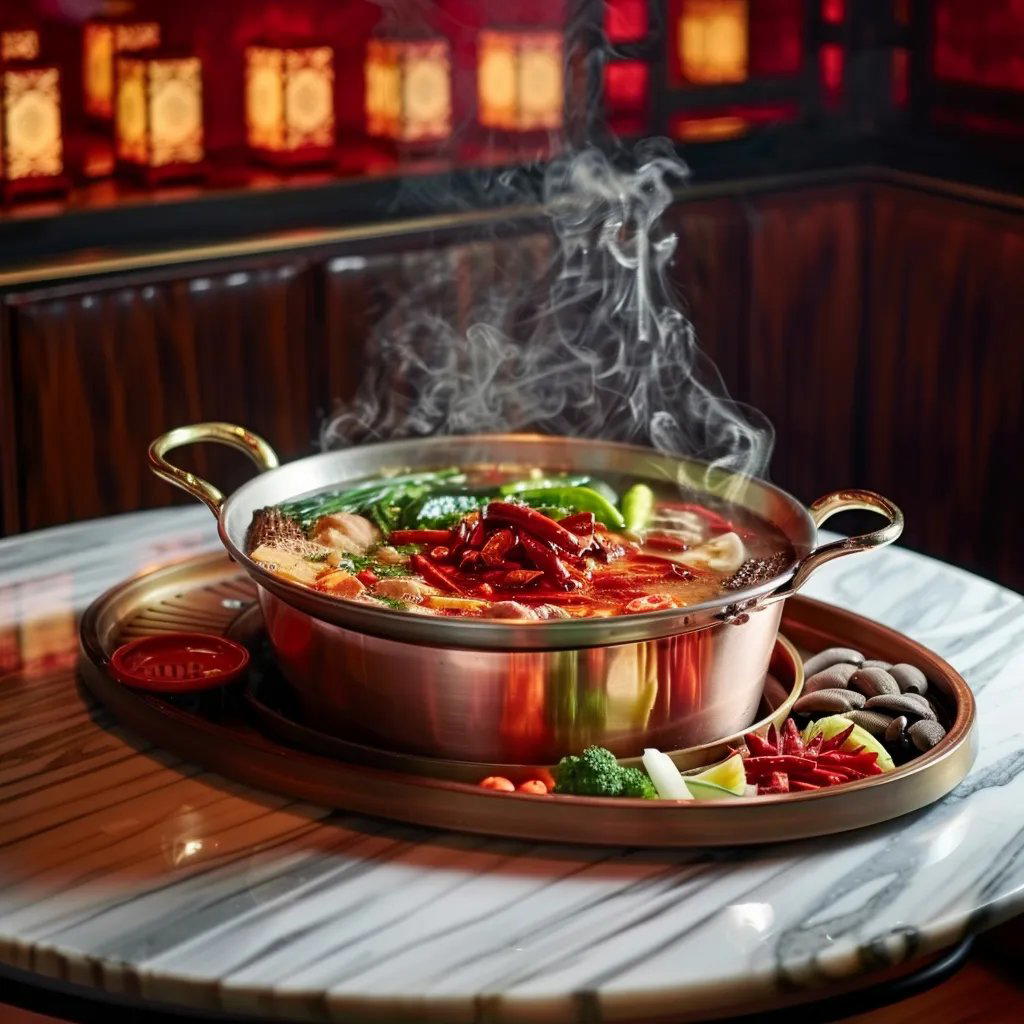
The menu
What to order
- Mapo Tofu
- Xiaolongbao with Yamato Pork
- Yamato Jidori Chicken Mouthwatering Chicken
Approach the Nara dining scene expecting temples, deer, and long shadows, then the sharper signal comes from rooms that feel domestic in scale rather than metropolitan in posture. Kuko belongs to that quieter register: a house-style restaurant with tatami underfoot, shoes off at the entrance, and a compact room where Chinese and Sichuan cooking are read through the rhythms of Nara rather than through hotel-dining gloss.
The useful context is not that Nara has suddenly become a Chinese-dining city. It has not. The point is narrower and more interesting: serious independent restaurants here often work against the day-trip economy, asking diners to slow down in a city many visitors rush through before returning to Kyoto or Osaka. In that setting, a small Chinese counter-and-table format changes the expected map of Nara dining. It gives the city another register beside kaiseki, soba, tea, and temple-adjacent sweets.
Chinese technique in a city better known for restraint
Nara’s restaurant culture tends to reward quietness: seasonal vegetables, local producers, controlled pacing, and rooms that rarely advertise themselves loudly. Sichuan cooking, by contrast, is often misunderstood abroad as a simple matter of heat. The better reading is balance: dried chile, fermented bean pastes, aromatics, oil, texture, and timing working in sequence. Kuko’s category listing as Chinese and Sichuan matters because it places spice inside a city whose dining identity is usually built around restraint.
That contrast is the editorial reason to pay attention. The restaurant has been selected for Tabelog’s Chinese WEST 100 and has moved through Tabelog Award recognition, including Bronze in 2024, Silver in 2025, and Bronze in 2026, with a 2026 score of 4.41. In Japan’s restaurant ecosystem, those signals are not decorative; they indicate sustained diner confidence across a category where small differences in seasoning, sourcing, and pacing become visible over repeat meals.
Ingredient sourcing is where this kind of cooking earns its place in Nara. The city sits close to mountain vegetables, tea culture, preserved-food traditions, and a regional pantry that does not need to imitate Tokyo luxury cues. Chinese technique can use that pantry without turning into fusion theater: vegetables take seasoning differently when their bitterness, water content, and texture are allowed to lead; spice becomes a frame rather than a mask. The absence of a named signature dish is not a weakness here. For this format, the defining idea is the meeting of Chinese structure with a local, small-room discipline.
Within Nara, that puts Kuko in a different lane from Italian dining such as nakamuraya and from destination-leaning out-of-metro rooms such as L’etude or 一如庵. The comparison is not cuisine-to-cuisine. It is about commitment: small restaurants in and around Nara that ask guests to treat the meal as the main event, not as a pause between sightseeing stops.
The scale makes the meal feel less anonymous
A 10-seat restaurant changes behavior. Service cannot hide behind volume, and diners cannot treat the room like a casual drop-in. Four counter seats and six table seats create a format where pacing, heat, and beverage choices are part of the architecture. Sake and wine are both listed, which is sensible for Sichuan-influenced cooking in Japan: the meal can move between rice-based clarity, acidity, and aromatic lift without forcing a single pairing language.
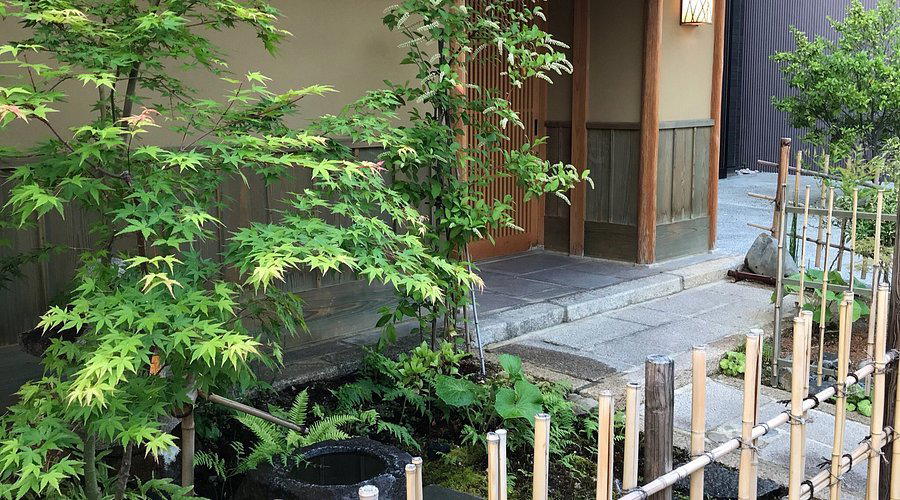
The house setting also matters. Nara’s older neighborhoods reward restaurants that feel integrated into the street rather than staged for visitors, and a tatami room introduces a physical discipline before the food arrives. It lowers the room’s volume, changes posture, and makes the meal less anonymous. For travelers used to high-energy Chinese dining rooms, this is a different proposition: spice and technique inside a quieter Japanese spatial code.
There is also a useful boundary around the experience. The restaurant is non-smoking, private rooms are not part of the format, and the family policy is strict enough to shape who should plan around it. Children under eight are not admitted, and older children dine only if taking the adult course. That is not a lifestyle statement; it is a practical marker for a room built around spice, pacing, and a limited number of seats.
For broader city planning, the relevant comparison set is Nara’s wider independent dining field rather than Chinese restaurants alone. EP Club’s Nara coverage includes 37+1 - Sanjuhachi, A VOTRE SANTE (French), Ajinokaze Nishimura (Japanese), Ajinotabibito Roman (Japanese), and akordu (Spanish, Innovative). Read together, they show a city where small scale and clear point of view matter more than size.
How to read Kuko within a Nara itinerary
The right way to use Kuko is as an anchor meal, not a convenience booking. Nara rewards slower days: an early temple visit, time in older lanes, then a restaurant that does not need skyline views or resort hardware to justify the evening. Chinese cooking in this context gives the itinerary a useful edge, especially for travelers who have already mapped Kyoto around kaiseki or Osaka around counter dining.
It also broadens the local conversation. Nara’s dining reputation often gets flattened into tradition, but the more accurate view is a set of small, high-intention rooms working across categories. Some lean Japanese, some European, some regional. Kuko’s value is that it adds spice, fermentation, and Chinese technique to that mix without breaking the city’s preference for intimacy and control.
For readers building a fuller itinerary, start with our full Nara restaurants guide, then place the meal alongside our full Nara hotels guide, our full Nara bars guide, our full Nara wineries guide, and our full Nara experiences guide. For a wider Japan-and-beyond dining scan, EP Club also covers -Grilled beef Sukiyaki- KAMAKURA TANUKIAN 鎌倉 たぬき庵 in Kamakura. 鮪と炭火焼き うお炭 秋葉原店 in Tokyo.cafe in Osaka.know in Kumamoto, (Shoku) Vietnam in Kawasaki, [Curry Senmon Ten] Maruyama Kyoju. in Sapporo, Jōdo Saké Bar in Los Angeles, and Onigiri Time in Pasadena.
Frequently asked questions
Does Kuko work for a family meal?
It works only for older children and adults. Kuko does not allow children under 8, and guests aged 8 and above must order an adult course; there is no à la carte or children's menu. That fits a family dinner better than a casual drop-in lunch.
What is the atmosphere like at Kuko?
The room is small, with 10 seats split between four counter places and six table seats, and diners remove their shoes before entering the tatami space. The result is quiet and controlled rather than busy, with non-smoking service and a house-restaurant feel in Nara.
Is Kuko open every day?
Hours at Kuko: Tue, Wed, Thu, Fri, Sat 11:30 - 14:00 18:00 - 21:00.
How do I find Kuko?
Kuko is located in Nara.
What's the defining dish or idea at Kuko?
Kuko is defined by Chinese and Sichuan cooking rather than a single named dish. Its strongest signal is the format: a 10-seat room, dinner at JPY 15,000–JPY 19,999, and repeated recognition from the Tabelog Awards, including bronze in 2026 and silver in 2025.
Is Kuko allergy-friendly?
It is not a flexible room for restricted diets. The house explicitly notes that the kitchen uses many spices and chili, which may not suit children or guests avoiding heat, and there is no à la carte menu to work around the course structure. For any specific allergy, the safest reference point is the restaurant's website, kuko-nara.jp.
At-a-Glance Comparison
Comparable venues nearby, for context on price, style, and recognition.
| Venue | Cuisine | Price | Awards | Notes |
|---|---|---|---|---|
| KukoThis venue (the venue you are viewing) | Medicinal Chinese Yakuzen | $150–200 | Tabelog Bronze #210 | Not listed |
| Chugokukusai Naramachi Kuko | Yakuzen Chinese Fine Dining | Not listed | We're Smart World 4 Radishes | Nara |
| la forme d'éternité | Modern French with Nara influences | $50–100 | Michelin Plate | Nara |
| Sushidokoro WASABI | Sushi | $500+ | Michelin Plate | Nara |
| SHUN-GYO | Nara-Chinese Fusion Fine Dining | $100–150 | Michelin Plate | Nara |
| BANCHETTI | Italian with Japanese Fusion | $30–50 | Michelin Plate | Nara |
Recognition history
Dated appearances from independent guides and award organizations, with the underlying list record or original source where available.
Tabelog Bronze #210
Tabelog
Full recognition history (2 entries)
Tabelog Silver
Tabelog
Continue exploring
More in Nara
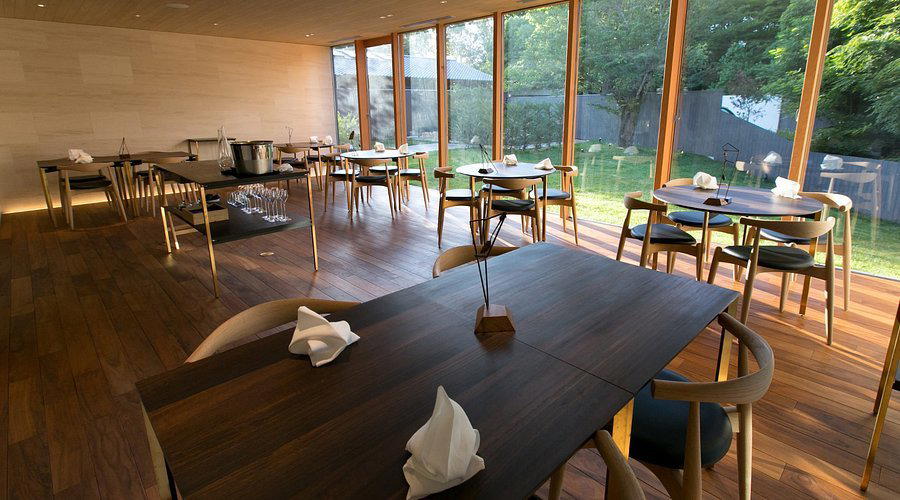
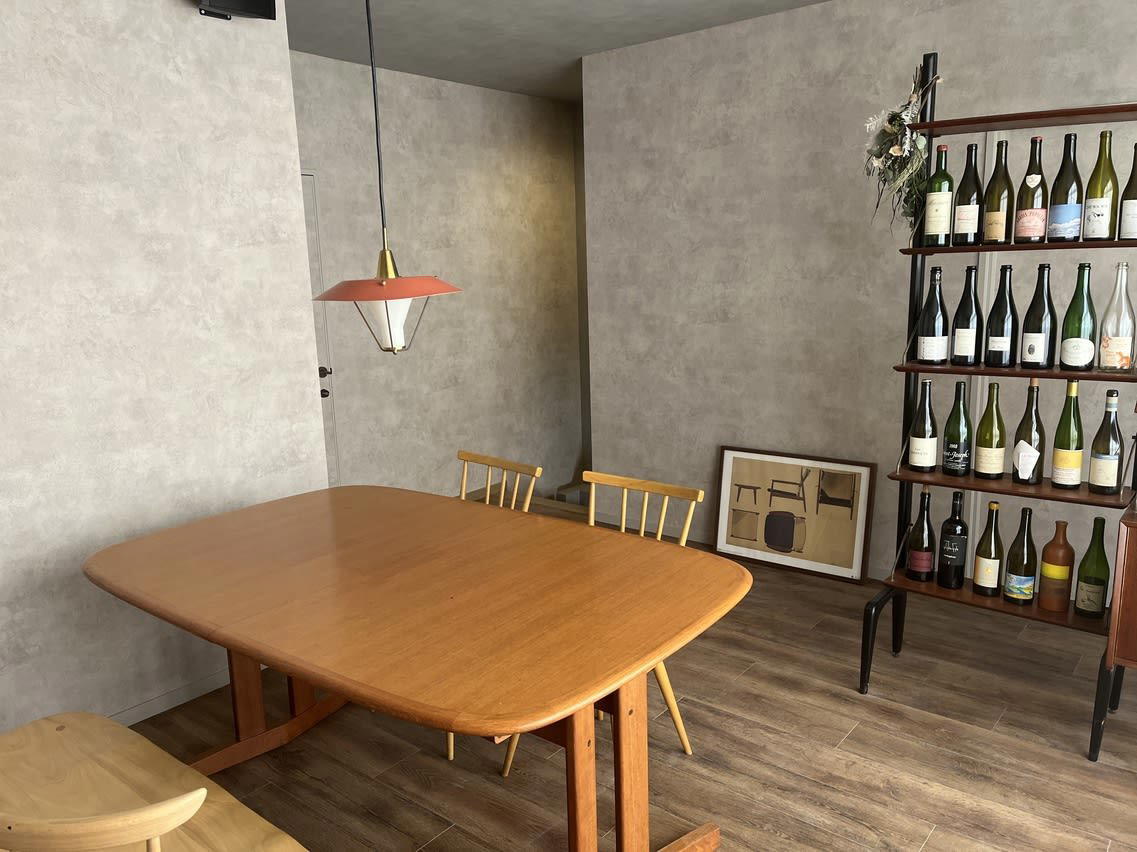
Restaurants in Nara
All restaurants in Nara →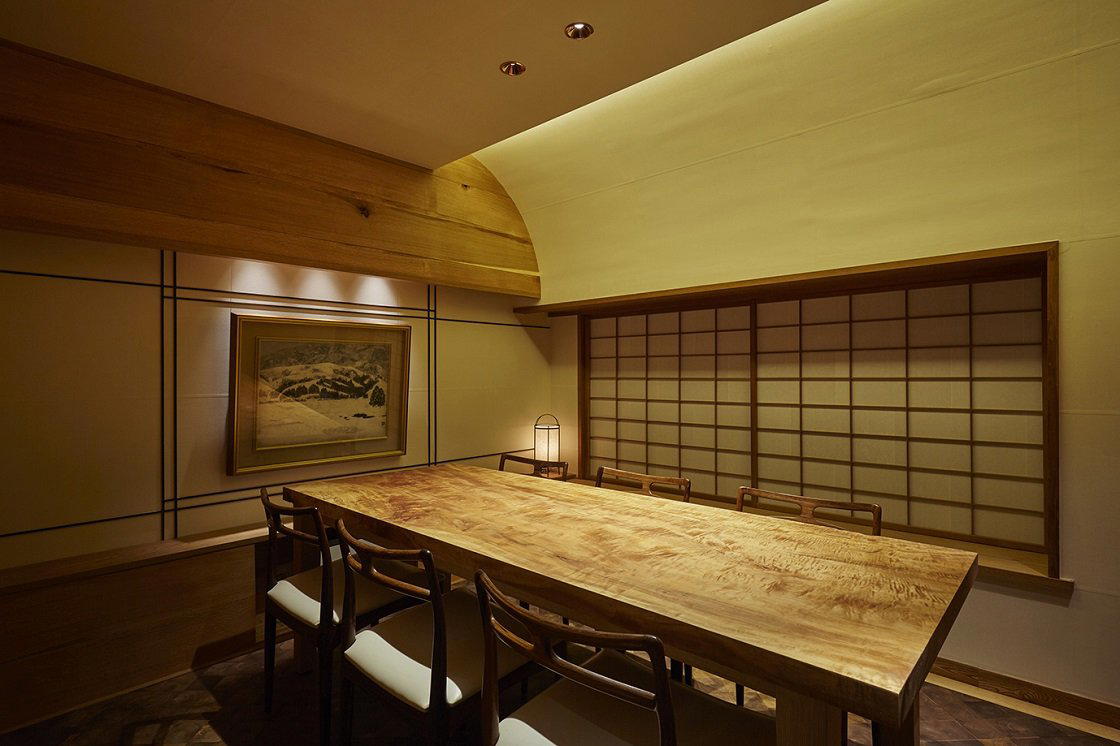
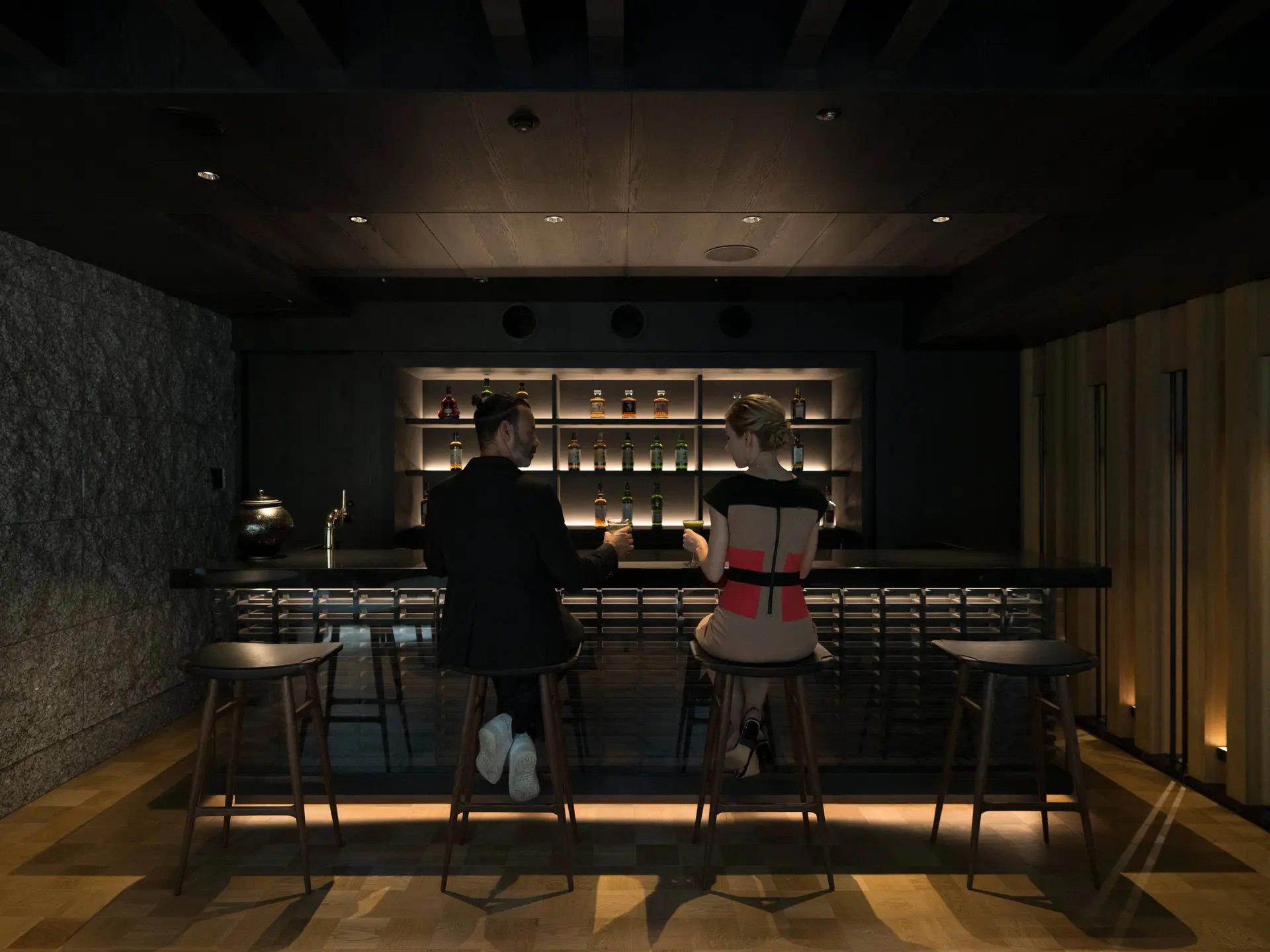
Bars in Nara
All bars in Nara →
Hotels in Nara
All hotels in Nara →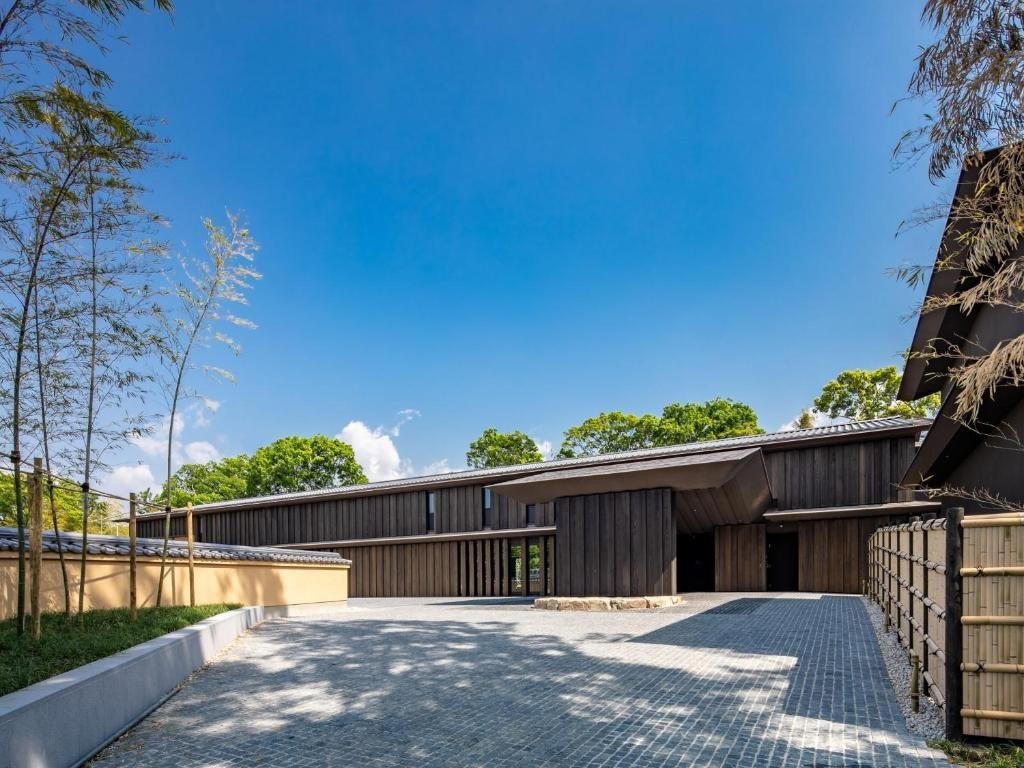

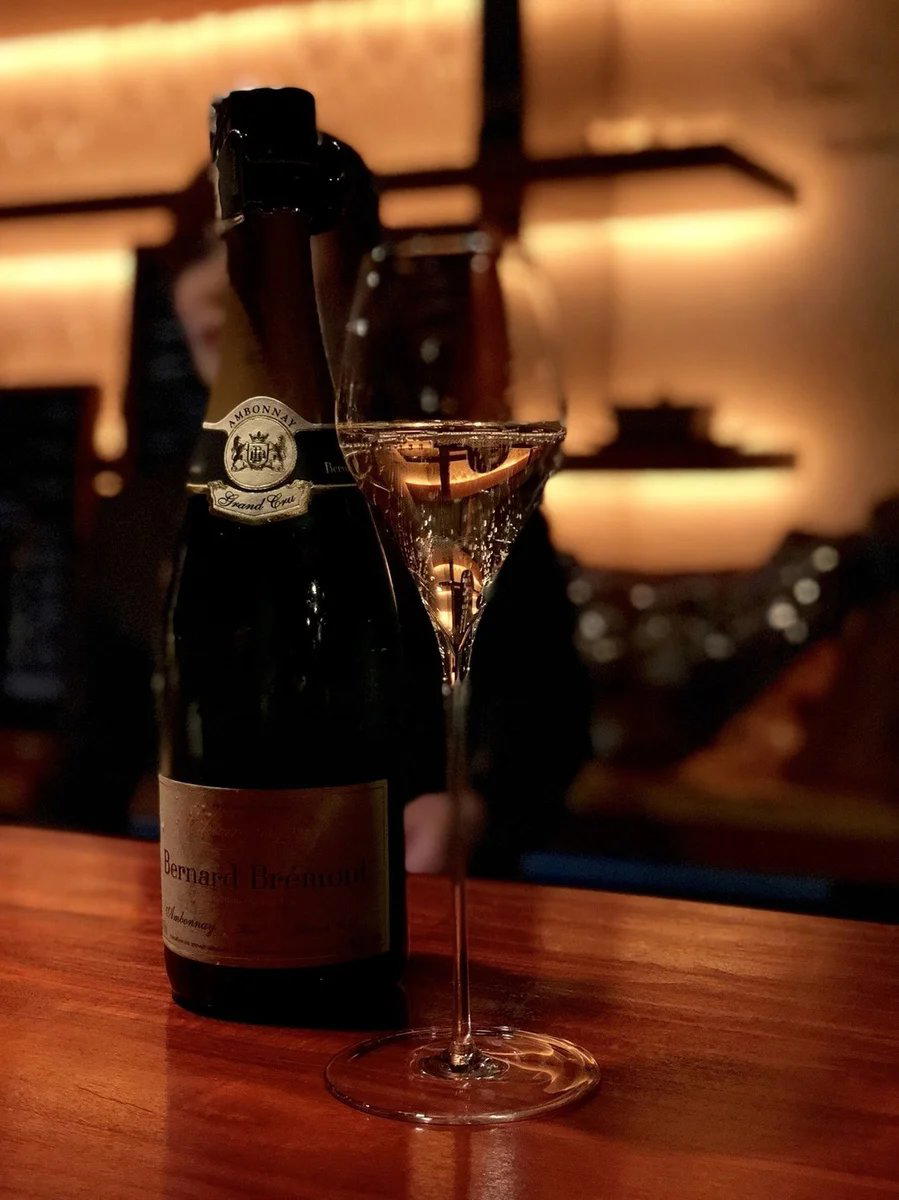
Wineries in Nara
Browse all →
Details
- Quiet
- Cozy
- Elegant
- Intimate
- Minimalist
- Special Occasion
- Date Night
- Open Kitchen
- Chefs Counter
- Sake Program
- Farm To Table
- Local Sourcing
- Prix Fixe
- Small Plates
- Tea Program
- Vegetarian Friendly
Current opening hours
- Monday
- Closed
- Tuesday
- 6 PM–12 AM
- Wednesday
- 6 PM–12 AM
- Thursday
- 6 PM–12 AM
- Friday
- 6 PM–12 AM
- Saturday
- 6 PM–12 AM
- Sunday
- 6 PM–12 AM
Hours can change for holidays and private events. Hours as of .
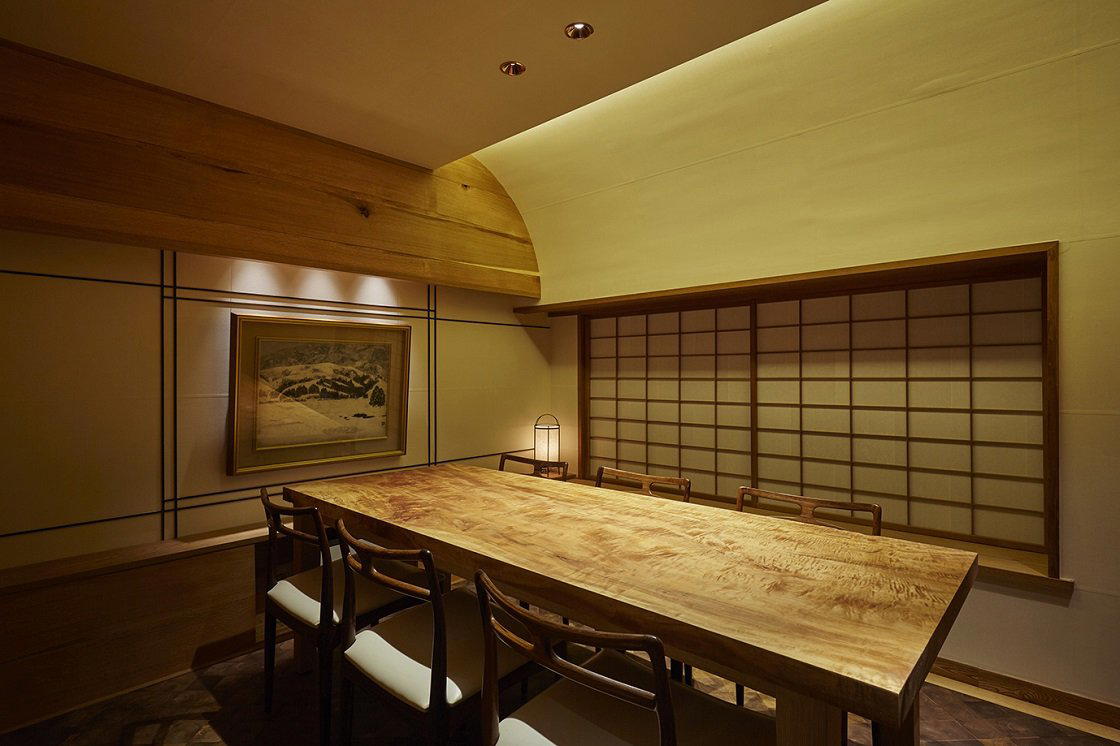
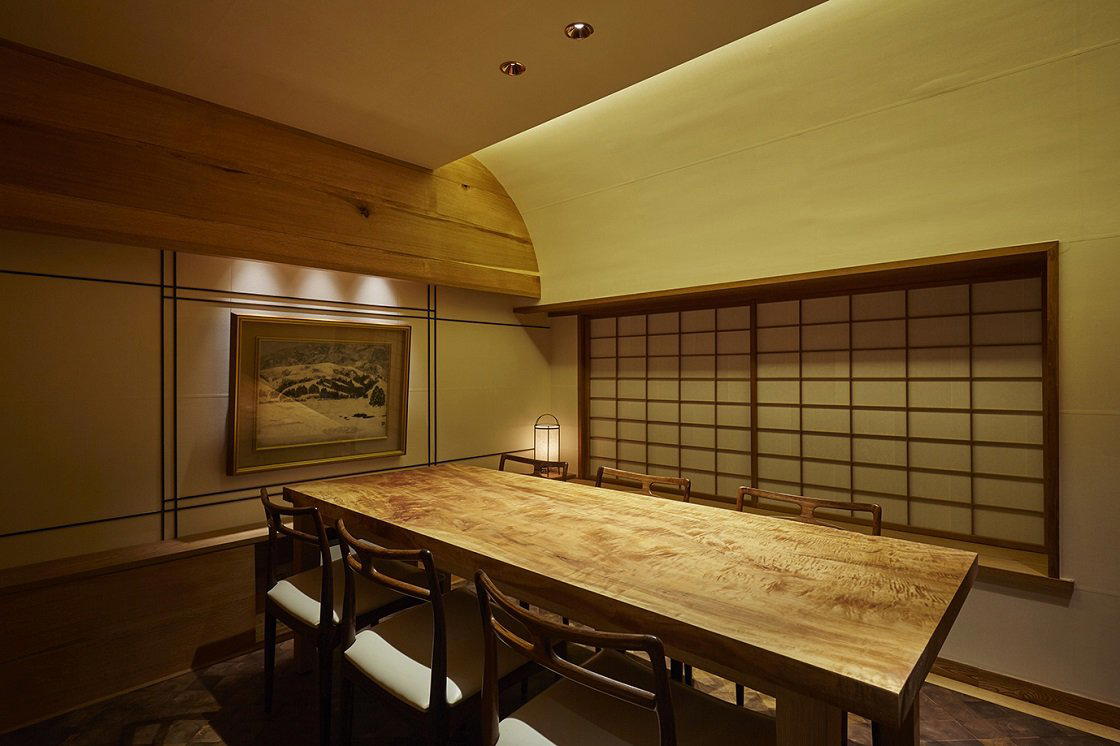
Tranquil machiya townhouse with exposed wooden beams, minimalist decor, gentle lighting, and counter seating overlooking the open kitchen, creating a serene and focused calm.