Google: 4.7 · 324 reviews
Kroya by Chef Chanrith
Kroya by Chef Chanrith operates within the Shinta Mani Hotel at the junction of Oum Khun Street and Street 14 in Siem Reap, placing Cambodian cooking inside a property known for its considered approach to regional hospitality. The restaurant draws on Cambodia's agricultural heritage to frame a menu rooted in local sourcing, sitting within a Siem Reap dining scene that has grown considerably more serious about indigenous ingredients over the past decade.
 Discover on Pearl
Pearl is the En Primeur Club membership app — saves, bookings, and concierge access live there. Same editors, same standards.
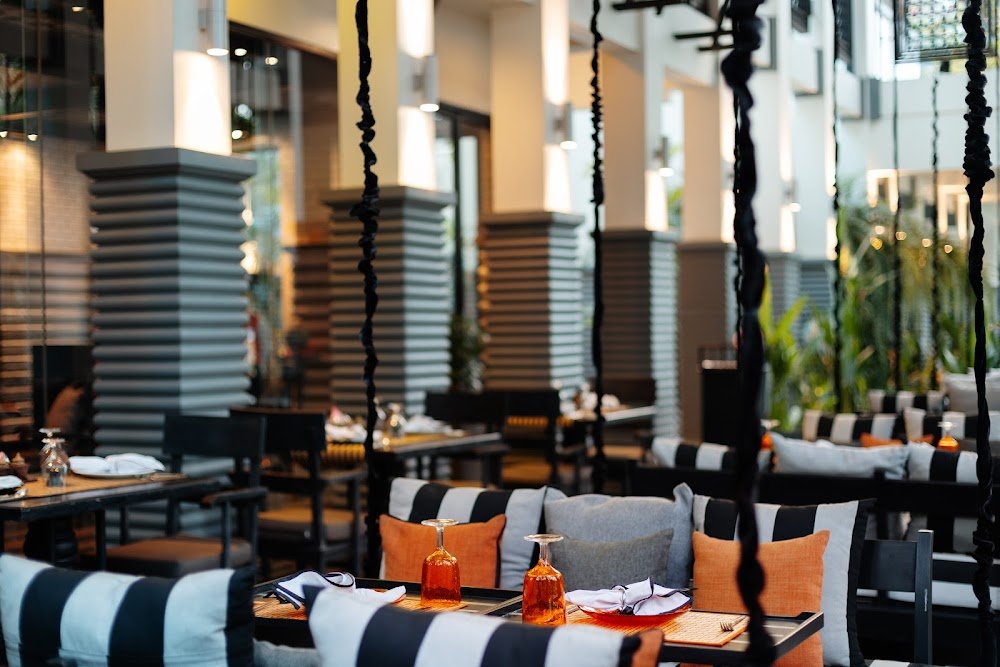
Where Siem Reap's Dining Ambitions Meet Cambodian Ingredients
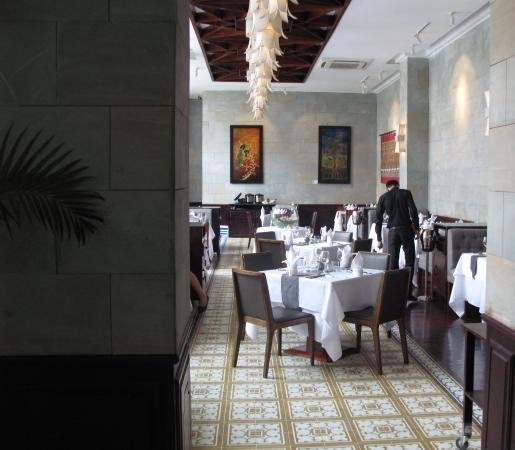
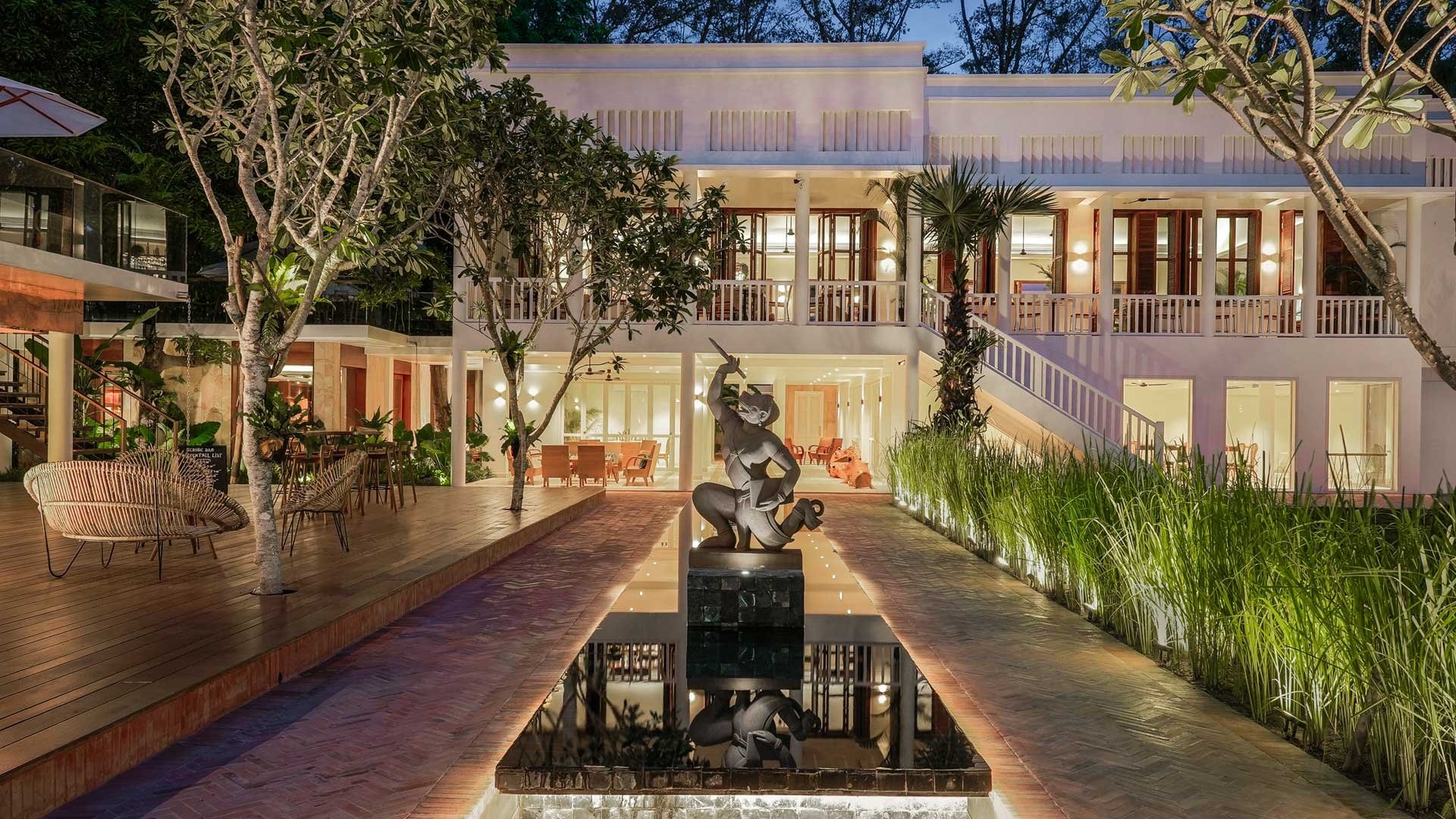
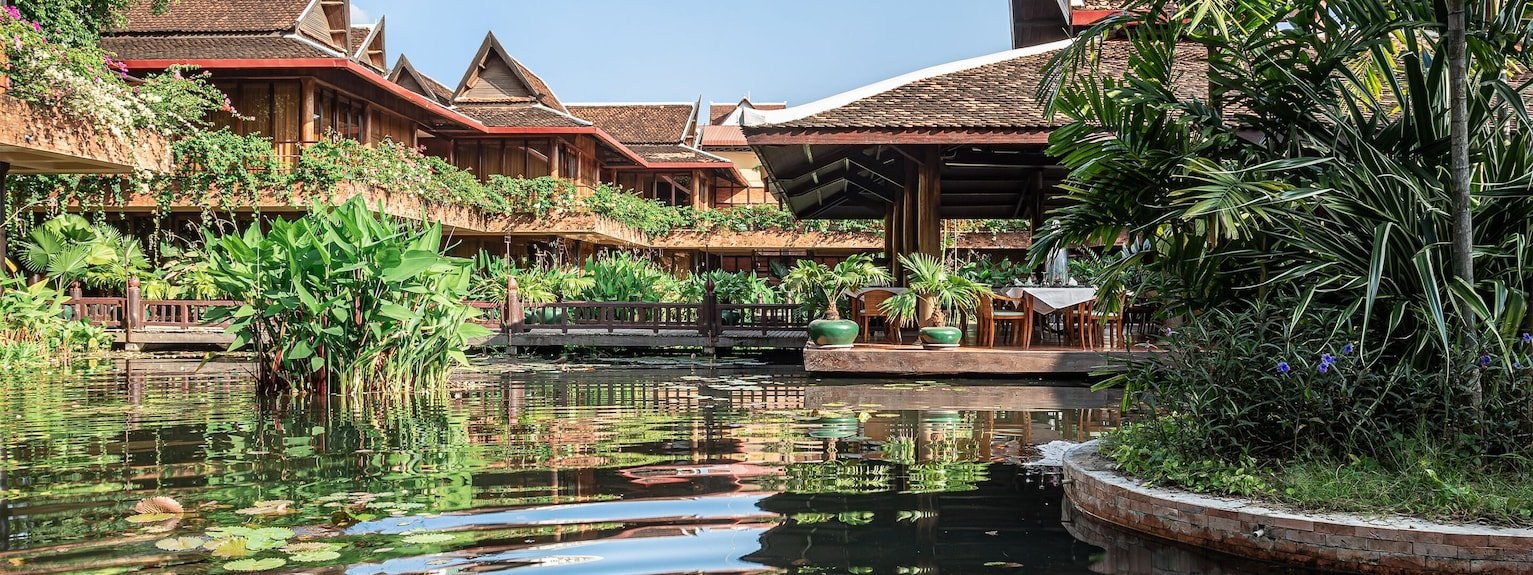
The corner of Oum Khun Street and Street 14 in Siem Reap has long occupied a particular position in the city's hospitality geography. The Shinta Mani Hotel sits at this junction with a measured confidence that distinguishes it from the louder resort clusters further out, and the dining that happens inside it reflects that same disposition. Arriving at Kroya by Chef Chanrith, you enter a space that carries the unhurried quality of a hotel dining room that takes its food seriously without performing seriousness at you. The architecture of the Shinta Mani compound draws on Khmer vernacular without replicating it slavishly, and the restaurant inherits that sensibility: materials are local, the scale is human, and the atmosphere settles quickly into something closer to a private residence than a tourist-facing production.
For context on how this fits the broader Siem Reap dining picture, see our full Svay Dankum Sangkat restaurants guide.
The Sourcing Logic Behind the Menu
Cambodian cuisine has a sourcing problem that its advocates rarely discuss openly: decades of agricultural disruption mean that many of the country's most celebrated ingredients, from wild river fish to heritage rice varieties and foraged greens, have become inconsistent in supply, unevenly distributed across the production chain, or simply underrepresented in fine-dining contexts that still default to imported proteins. The more interesting Siem Reap restaurants of the past decade have pushed back against this by treating Cambodian provenance as a formal constraint rather than a decorative flourish. Cuisine Wat Damnak in Siem Reap established early that a tasting menu built entirely around Cambodian market produce could hold its own against international fine-dining formats. Kroya by Chef Chanrith operates in that same register.
The hotel's position within the Shinta Mani group, which also operates Shinta Mani Wild in Kampong Seila, reflects a broader organisational philosophy of connecting hospitality with Cambodian landscapes and communities. That ethos makes ingredient sourcing a structural commitment rather than a marketing note. What arrives at the table is framed by what the country's farms, rivers, and forests produce, and the kitchen's task is to make that constraint generative rather than limiting.
This approach places Kroya in a regional conversation shared by Jaan Bai Restaurant in Bat Dambang and Lum Orng Restaurant in Sla Kram Sangkat, both of which have developed reputations for treating Cambodian agricultural supply chains as the foundation of their menus rather than an afterthought. Across the country's more serious dining rooms, the argument being made is consistent: Cambodian cooking does not need imported anchors to achieve sophistication.
Siem Reap's Premium Dining Tier and Where Kroya Sits
Siem Reap's dining scene has bifurcated in a way that mirrors patterns seen across Southeast Asian heritage cities. On one side: high-volume restaurants serving international visitors with accessible pan-Asian or Western menus and competitive pricing. On the other: a smaller, more deliberate cohort of restaurants where Cambodian culinary identity is the explicit project and the kitchen treats local sourcing, seasonal availability, and indigenous technique as non-negotiable. Kroya by Chef Chanrith belongs to the second group.
Within Svay Dankum Sangkat specifically, the restaurant's hotel setting gives it a peer comparison that differs from standalone Siem Reap dining rooms. The Amansara Resort Dining Room in Siemreab represents the apex of that hotel-dining bracket, with French-Cambodian registers and a guest profile that skews toward private villa stays. Kroya operates at a different register within the same general category: more accessible in entry terms, more rooted in Cambodian cooking as a standalone proposition rather than a fusion exercise.
For travellers building a broader Cambodia dining itinerary, the comparison set extends to JOMNO in Sala Kamreuk Sangkat and, further afield, to CUTS in Phnom Penh and Iza in Phnum Penh. The capital's dining scene has developed along a somewhat different axis, with more international influence and a larger expatriate base shaping menus. Siem Reap's better restaurants, including Kroya, tend to be more specifically Cambodian in their orientation, which reflects the city's positioning as the country's primary cultural tourism destination.
The Hotel Context and What It Changes
Dining within a hotel introduces a set of expectations and constraints that standalone restaurants do not face. The Shinta Mani's reputation across its properties rests partly on integrating dining as a genuine hospitality element rather than a revenue line managed separately from the guest experience. That integration tends to produce kitchens with better supply chain access, more stable staffing, and a longer time horizon for developing supplier relationships, all of which feed directly into sourcing quality. For ingredient-forward cooking of the kind Kroya pursues, this matters more than it would for a menu that relies on imported proteins and standardised preparation.
Within Svay Dankum Sangkat, nearby options like Embassy and Koneko KH offer contrasting formats, with Embassy occupying a more casual social-dining register and Koneko KH bringing a Japanese-influenced sensibility to the neighbourhood's dining mix. The range across the sangkat reflects how Siem Reap has developed genuine dining depth rather than concentrating all its better options in a single strip.
Travellers who have moved through serious dining rooms elsewhere, from Le Bernardin in New York City to 8½ Otto e Mezzo Bombana in Hong Kong, will recognise in Kroya the logic of a kitchen that has chosen its constraints deliberately. The sourcing commitment, the local register, the hotel setting that allows for longer relationship-building with producers: these are choices that point toward a specific kind of seriousness, even in the absence of formal awards data.
For a broader sense of how Cambodia's restaurant scene has developed across formats and cities, the experiences at Maybe Later in Preah Sihanouk and the European-inflected cooking at Il Forno in Siem Reab round out a picture of a national dining culture that is expanding its range without losing the Cambodian thread that makes it worth tracking in the first place.
Planning Your Visit
Kroya by Chef Chanrith is located within the Shinta Mani Hotel at the junction of Oum Khun Street and Street 14, Krong Siem Reap. The address places it in Svay Dankum Sangkat, within walking distance of the central Siem Reap tourist district but with enough separation to feel like a deliberate destination rather than a stopover. Given the hotel setting, the most direct booking route is through the Shinta Mani property directly. Dress code, hours, and current menu format are leading confirmed with the hotel at time of booking, as hotel restaurants in this category typically adjust programming seasonally. Siem Reap's peak season runs from November through March, when cooler temperatures and lower humidity make outdoor dining across the city more comfortable; booking ahead is advisable during these months.
Peer Set Snapshot
These are the closest comparables we have in our database for quick context.
| Venue | Cuisine | Price | Awards | Notes |
|---|---|---|---|---|
| Kroya by Chef Chanrith | This venue | |||
| Cuisine Wat Damnak | Cambodian | Cambodian | ||
| Malis | Cambodian | Cambodian | ||
| Le Royal at The Raffles | French Cambodian | French Cambodian | ||
| Embassy | ||||
| Koneko KH |
Continue exploring
More in Svay Dankum Sangkat
Restaurants in Svay Dankum Sangkat
Browse all →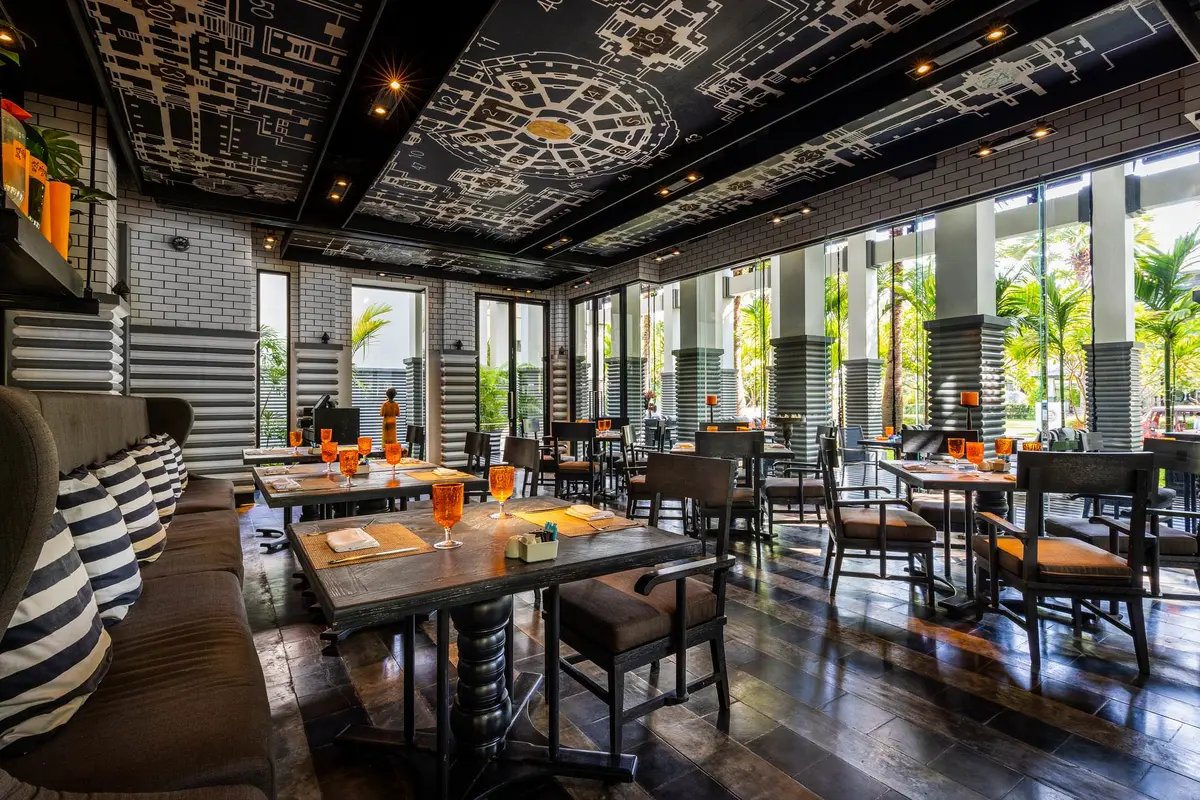

Bars in Svay Dankum Sangkat
Browse all →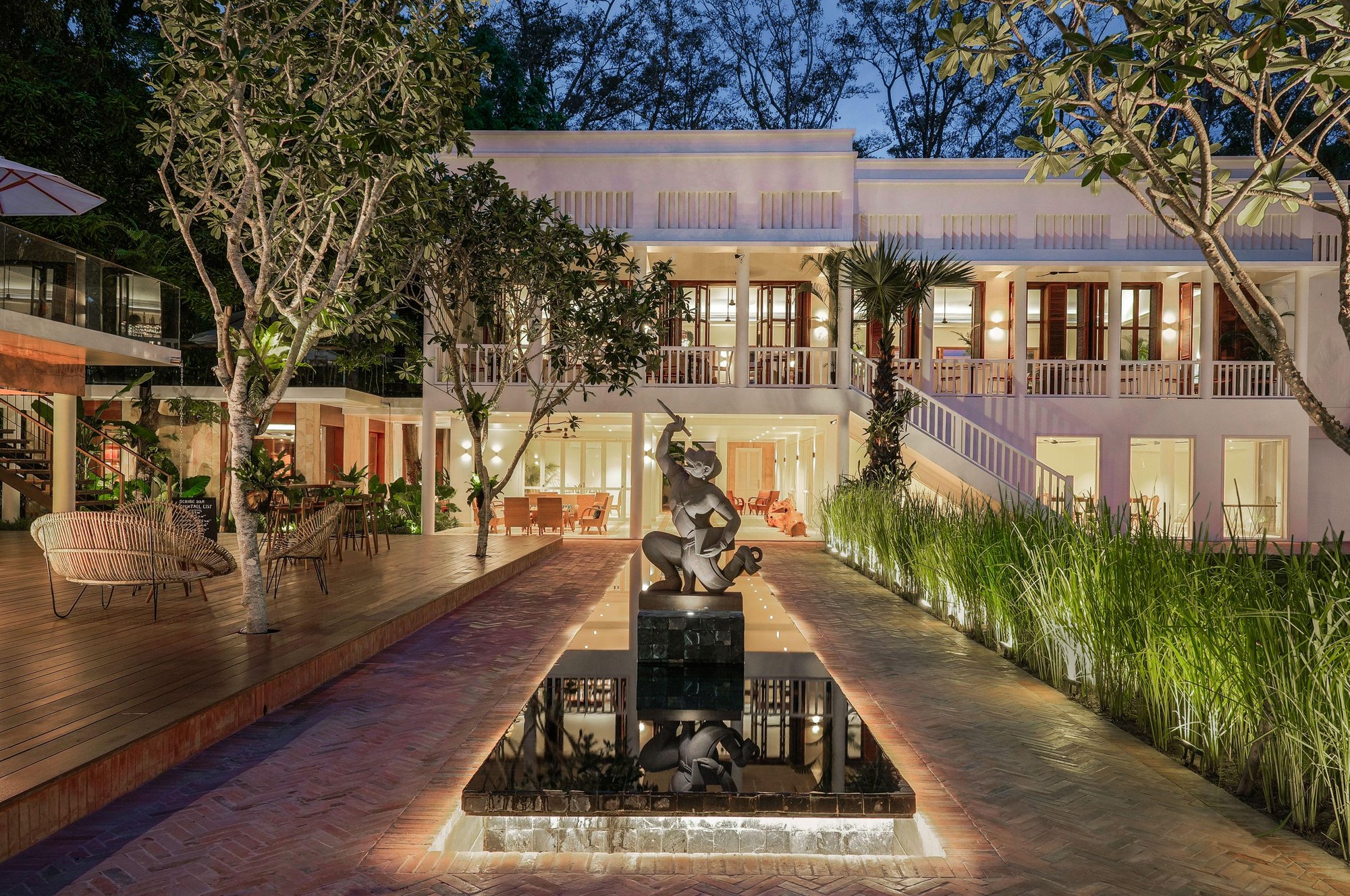


At a Glance
- Elegant
- Sophisticated
- Modern
- Special Occasion
- Date Night
- Open Kitchen
- Hotel Restaurant
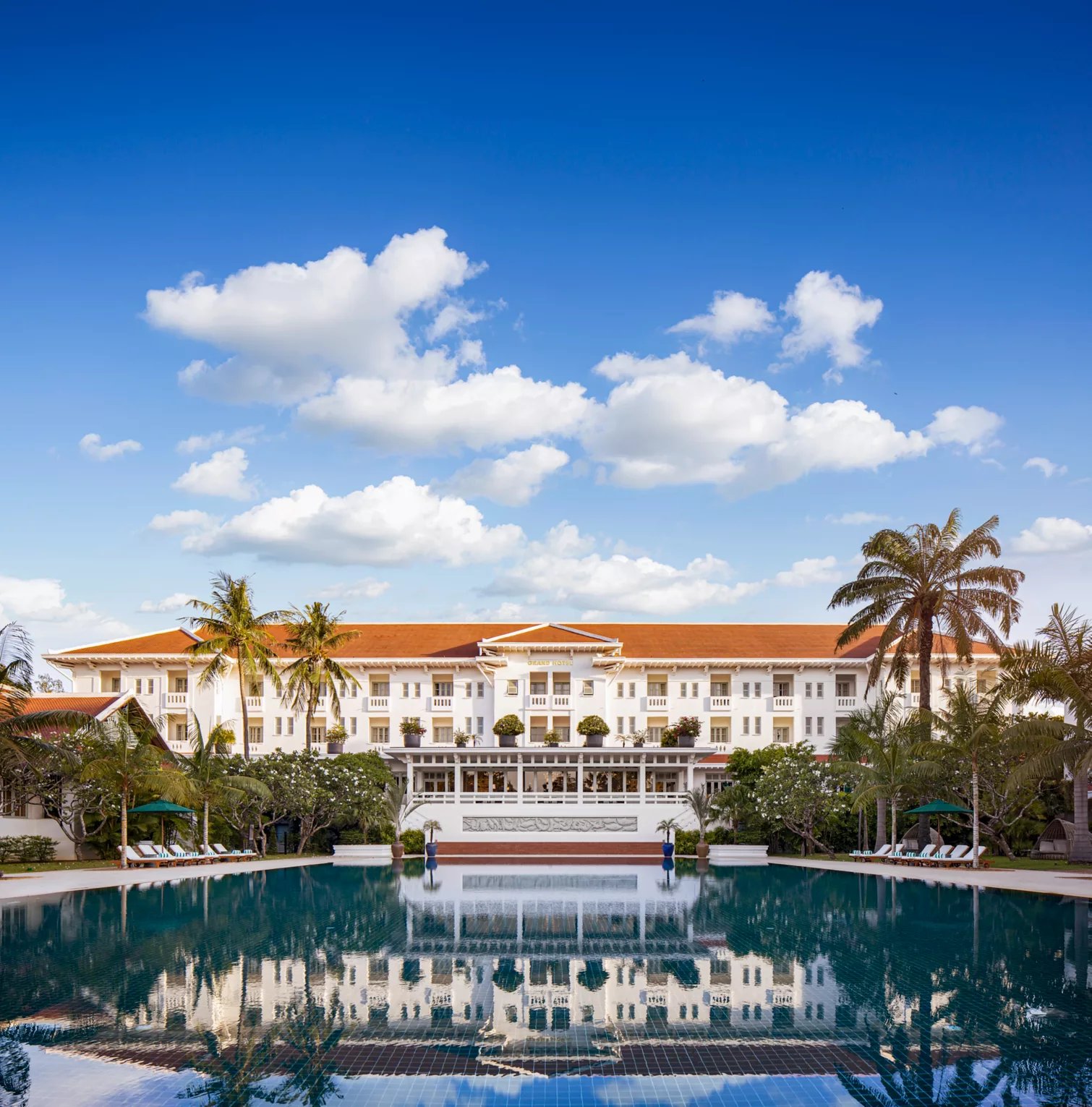
Refined and elegant atmosphere with artistic presentation, inspired by Angkor architectural designs.